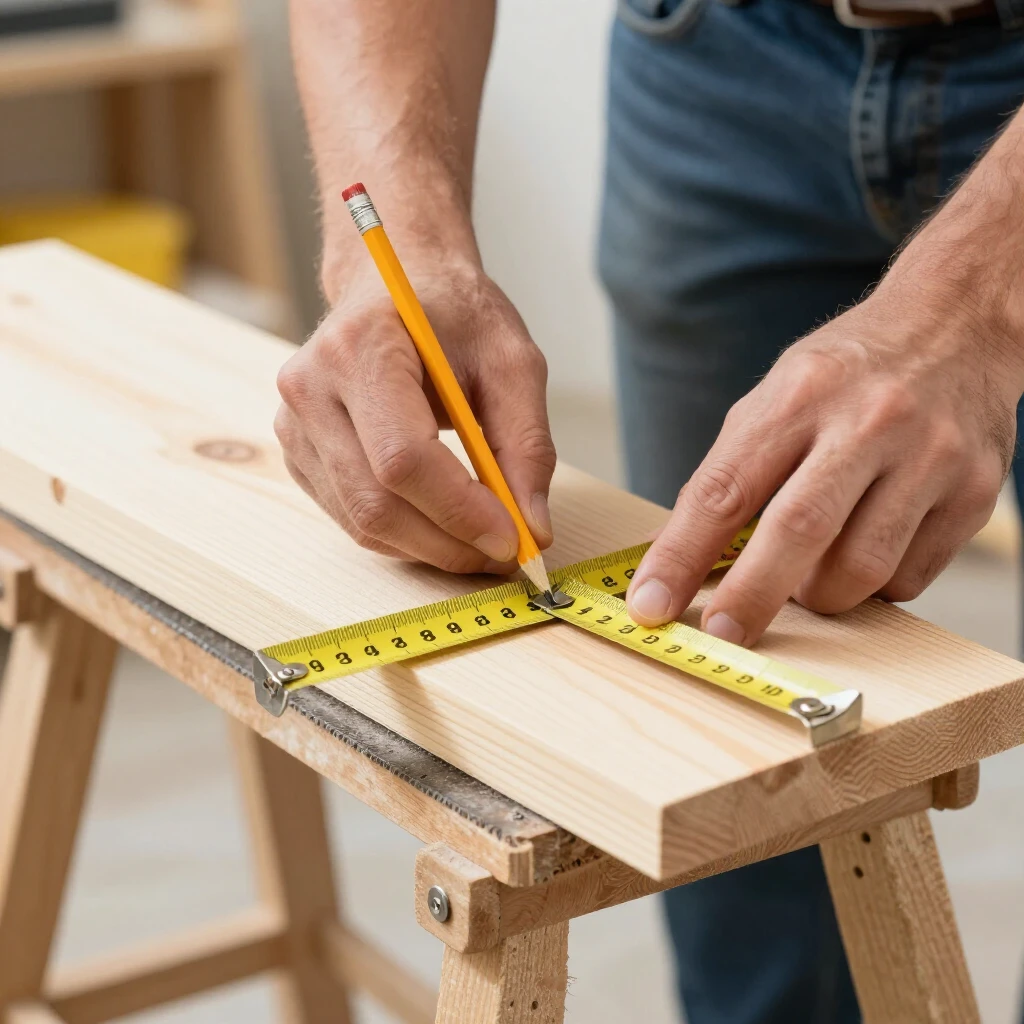
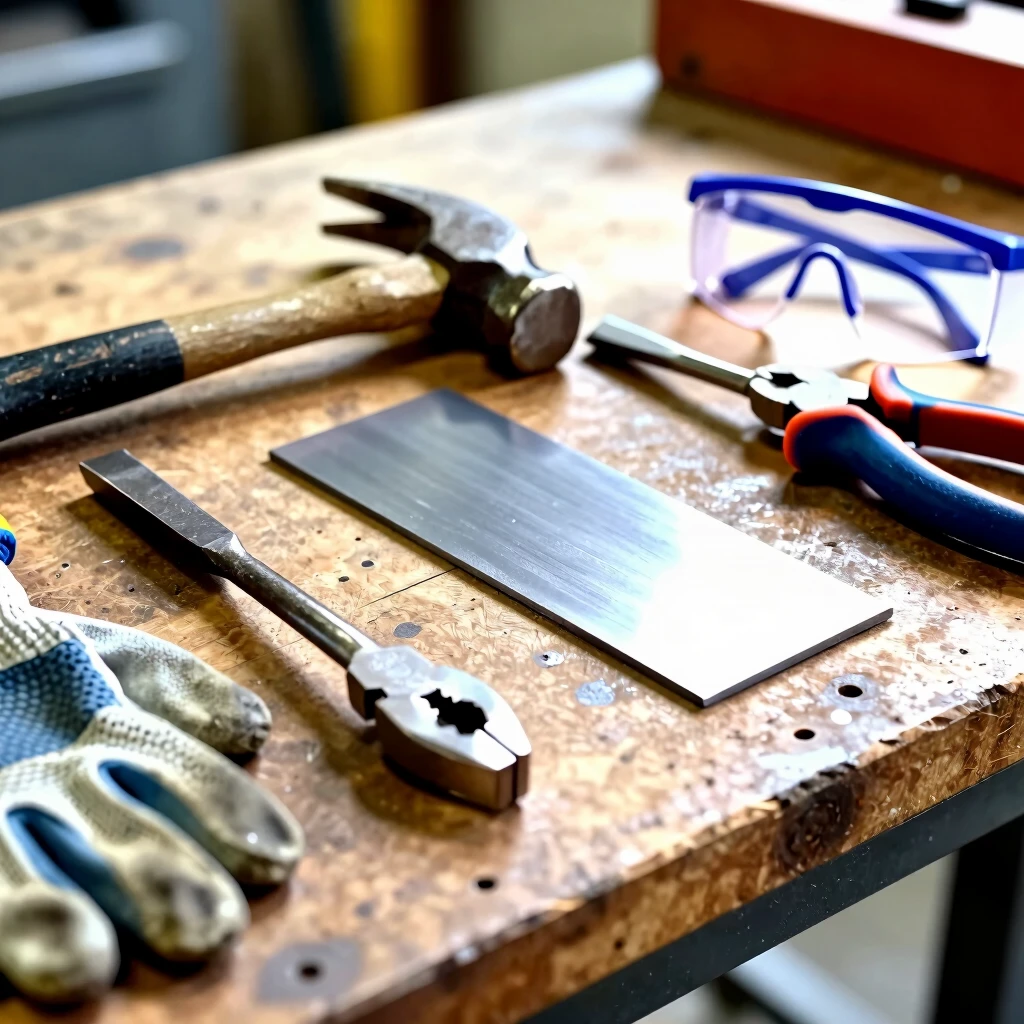
Chisels are essential woodworking tools that every woodworker relies on for precise cuts and shaping. This Woodworking Chisel Guide - Woodworkers Guild of America style overview helps beginners and experienced makers choose, use, and maintain these vital workman tools for everyday use.
A Quick History of Woodworking Chisels
Woodworking chisels have been around for thousands of years. Early versions made from flint date back to 8000 BC, and ancient Egyptians used copper and bronze chisels for detailed work. Today, steel chisels make these workman tools durable and effective for modern woodworking projects.
I've used chisels in my shop for years, and they never fail to impress with their versatility. Whether cleaning up joints or paring thin shavings, a good chisel feels like an extension of your hand.
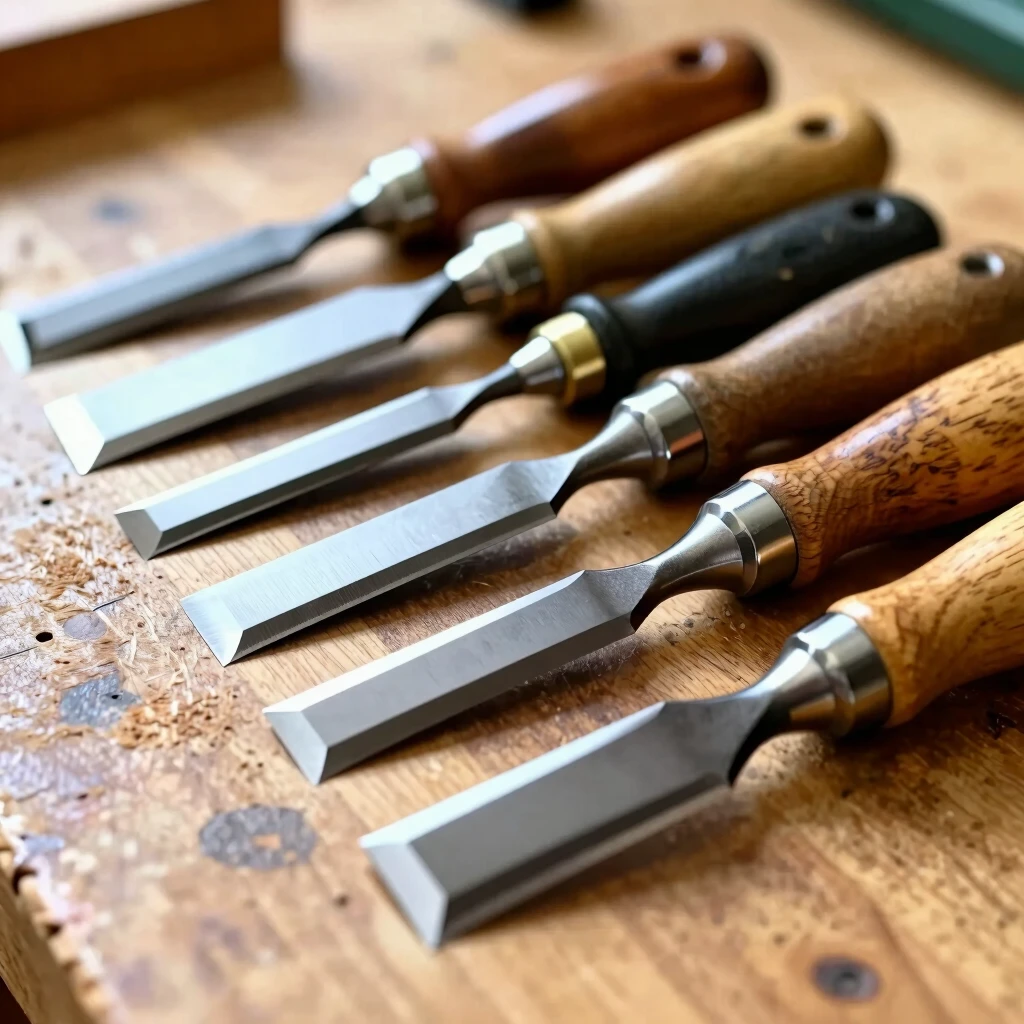
Types of Woodworking Chisels
There are several main types of chisels you need in your woodworking tools collection:
-
Bench Chisels: The go-to for general work. They have beveled edges and come in widths from 1/4 inch to 2 inches. Perfect for chopping and paring.
-
Mortise Chisels: Thicker and stronger for heavy chopping into mortises.
-
Paring Chisels: Longer and thinner for fine, controlled slicing with hand pressure only.
-
Gouges: Curved for carving scoops and curves.
Start with a set of bench chisels – they handle most tasks.
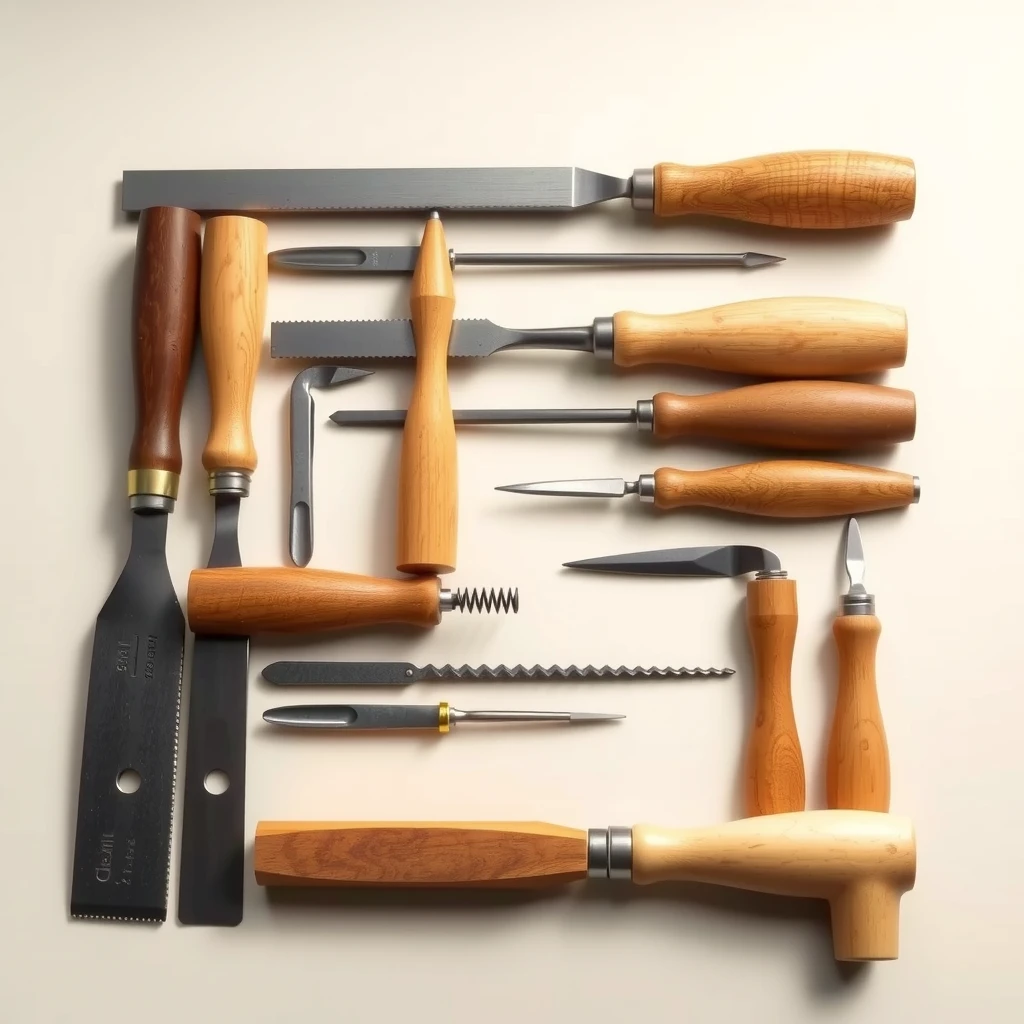
According to experts at Fine Woodworking, bench chisels are the most versatile and should form the core of your set. Fine Woodworking's guide to bench chisels highlights top performers based on real-world testing.
Choosing the Right Chisels
Look for quality steel that holds an edge. Brands like Narex offer great value for starters, while Lie-Nielsen provides premium options. The Woodworkers Guild of America recommends buying from specialty stores rather than big box for better quality workman tools.
Consider handle comfort – wooden or composite handles absorb shock better when malleting.
In my experience, a mid-range set like Narex Richter chisels gives excellent performance without breaking the bank. They sharpen easily and last for years with proper care.
| Chisel Type | Best For | Common Sizes | Price Range |
|---|---|---|---|
| Bench | General use | 1/4" to 1" | $20-100 each |
| Mortise | Heavy chopping | 1/4" to 1/2" | $30-150 |
| Paring | Fine finishing | 3/4" to 1-1/2" | $40-200 |
This table helps compare basic options for your woodworking tools kit.
How to Sharpen Your Chisels
Sharp chisels make woodworking safer and more enjoyable. Start with flattening the back, then hone the bevel at 25-30 degrees.
Use waterstones or diamond plates. The Woodworkers Guild of America has great tutorials on getting chisels razor sharp quickly.
Popular Woodworking emphasizes freehand sharpening for speed once you practice. Everything You’ve Ever Wanted to Know About Chisels from Popular Woodworking covers setup and techniques in depth.
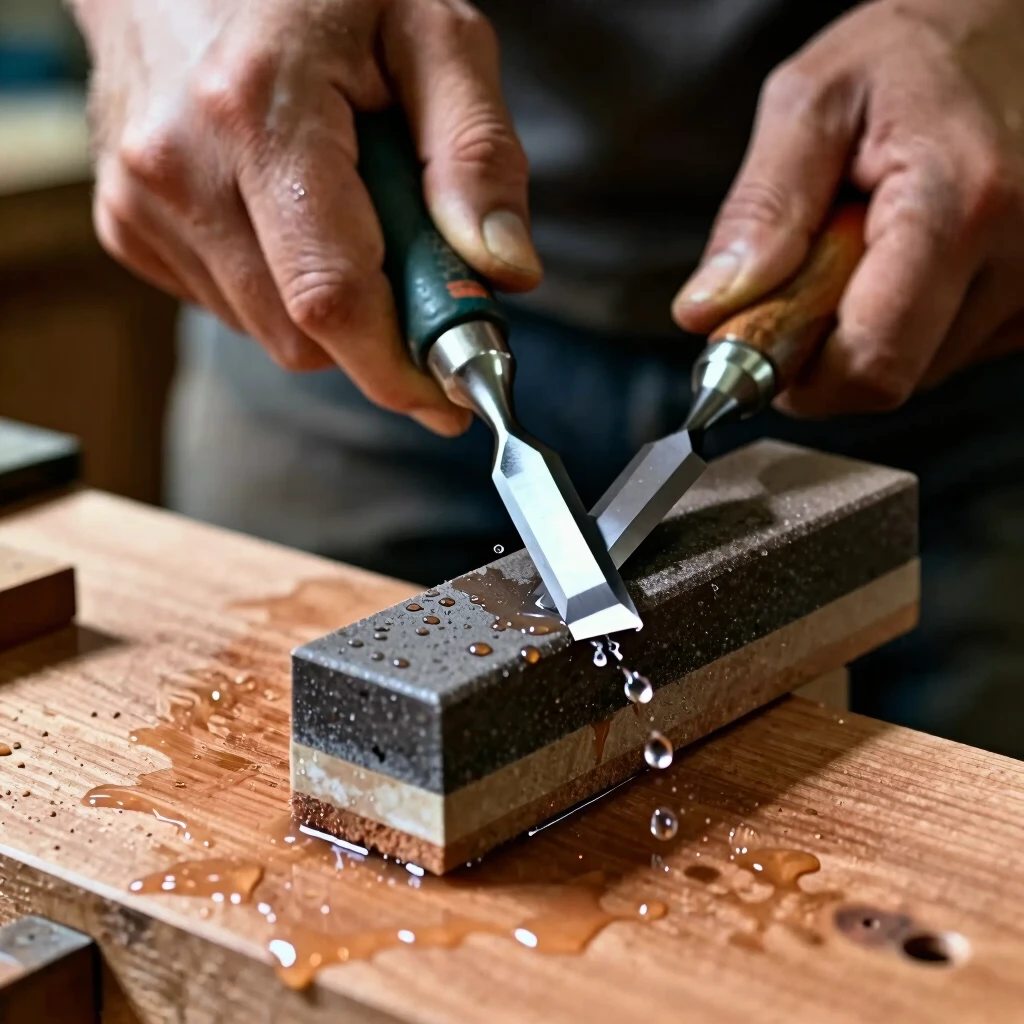
Steps for basic sharpening: 1. Flatten the back on coarse stone. 2. Grind the primary bevel if needed. 3. Hone the secondary bevel on finer stones. 4. Strop for polished edge.
Test sharpness by slicing end grain cleanly.
Wood Magazine provides clear advice on chisel selection and maintenance. All about wood chisels from Wood Magazine explains socket vs. tang handles and essential sizes.
Using Chisels Safely and Effectively
Always cut away from your body. Use mallets for heavy strikes, hands for paring. Secure your workpiece in a vise.
Common techniques: - Paring: Light slices for fitting joints. - Chopping: Vertical cuts with mallet. - Cleaning dovetails: Precise removal of waste.
I've found that practicing on scrap wood builds confidence fast.
Chisels pair perfectly with other woodworking tools like planes and saws for hand-cut joinery.
Maintenance and Storage
Keep chisels dry to prevent rust. Store in a rack or roll to protect edges. Touch up the edge often – a quick hone keeps them ready.
With care, quality chisels become lifelong workman tools for everyday use.
In summary, mastering chisels elevates your woodworking. Start with good bench chisels, learn to sharpen them well, and practice safe techniques. Inspired by resources like the Woodworkers Guild of America, this guide equips you to get great results.
Related Woodworking Chisel Guide - Woodworkers Guild of America:
- Best Wrench Sets for Mechanics - Popular Mechanics
- Choosing the Right Construction Hammer: A Complete Guide for Builders
- Power Washer Accessories for Better Cleaning: Essential Upgrades to Transform Your Results
- DIY Workshop Projects: Build Your Own Workbench
- Pliers 101: A Beginner’s Guide to This Versatile Tool
- Beginner's Guide to Measuring Tools
- The Ultimate Guide to Power Drills with Multiple Attachments
- Top 10 Smart Multimeters for Electricians in 2025
- Advanced Techniques: From Beginner to Pro in Metal Shaping
- How to Analyze Complex Topics
- Ultimate Guide to Power Washer Troubleshooting and Repair
- Easy DIY Projects to Try with Your Power Tools