Overview
Metal shaping turns raw metal into useful or artistic items. This guide takes you from beginner basics to pro-level skills, covering tools, safety, and techniques. Get ready to shape metal like a master.
Getting Started in Metal Shaping
Metal shaping is an exciting skill that lets you create everything from simple brackets to complex sculptures. As a beginner, you might feel overwhelmed, but with the right approach, you can build your skills step by step.
I remember my first time in a workshop. The smell of metal and the sound of hammers were thrilling. Start small. Pick a basic project like bending a sheet of metal into a box. This helps you learn without big risks.
Focus on understanding metal types. Soft metals like aluminum are easier for starters. Harder ones like steel need more force but hold shapes better.
Safety Tips for Metalworking Beginners
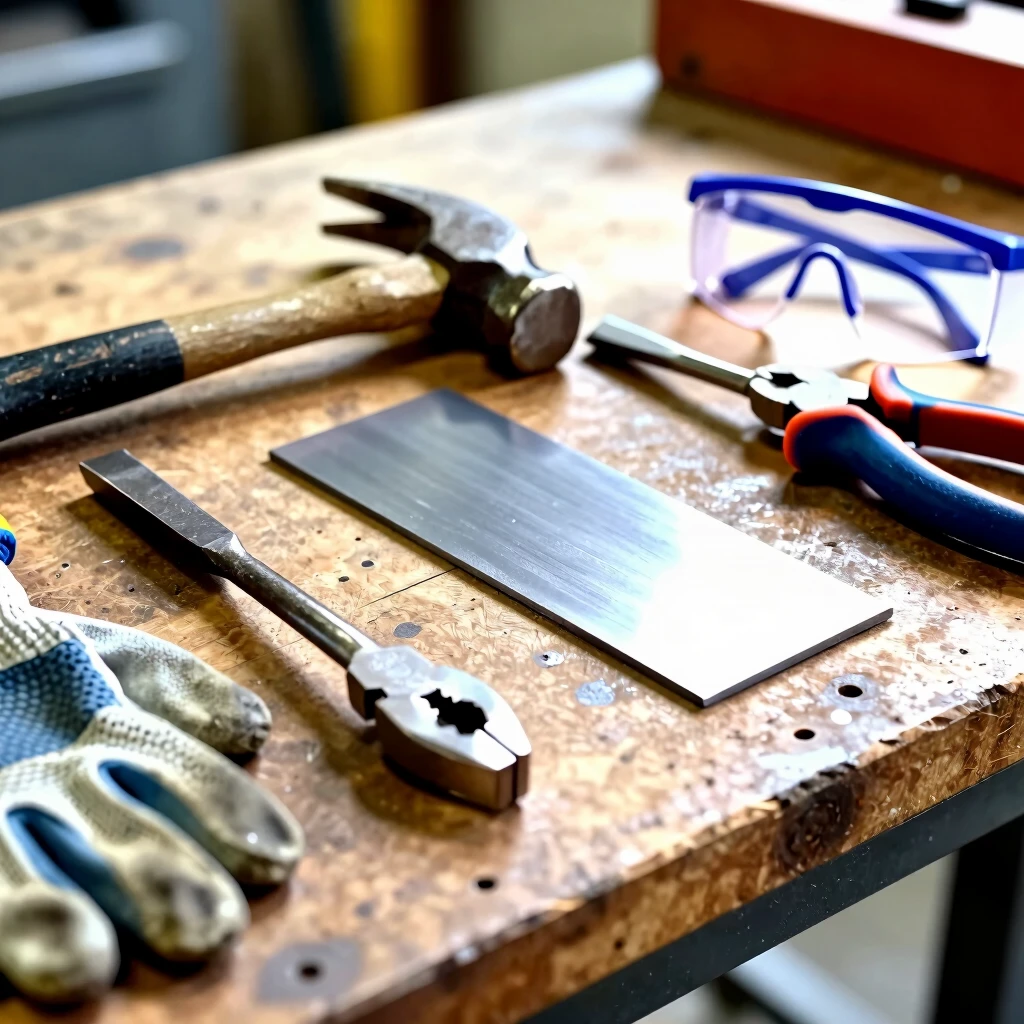
Safety comes first in any workshop. As someone who's had a few close calls, I can't stress this enough. Always wear protective gear. That means safety glasses to shield your eyes from flying bits, gloves to protect your hands from cuts, and ear protection if you're using loud tools.
Keep your workspace clean. A cluttered bench leads to accidents. Secure your metal piece firmly before working on it. If you're welding, make sure you have good ventilation to avoid breathing in harmful fumes.
For more on this, check out these essential safety tips for beginner welders from a trusted educational source. They cover protecting yourself from sparks and gases.
Here's a quick list of must-do safety steps: - Inspect tools before use. - Use clamps to hold workpieces. - Never rush; take your time. - Have a first-aid kit handy.
Essential Workman Tools for Metalworking
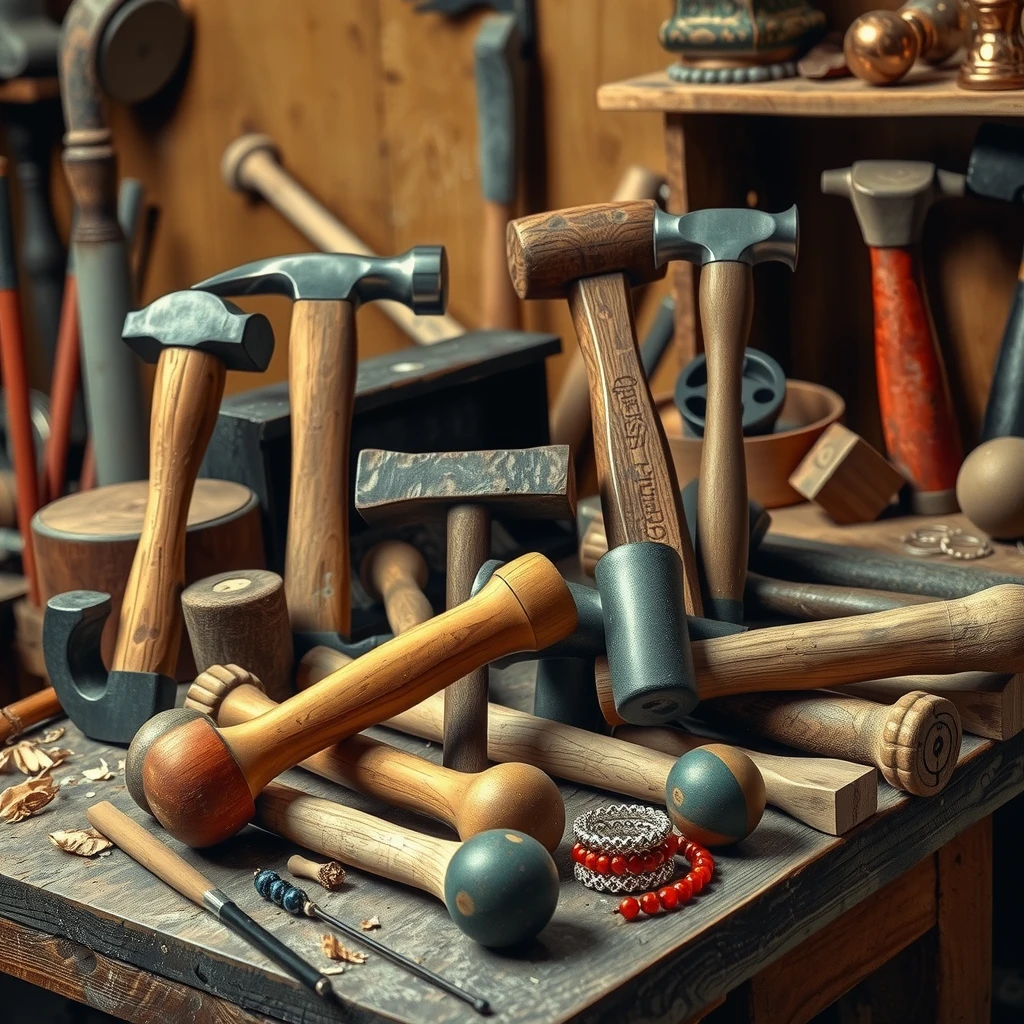
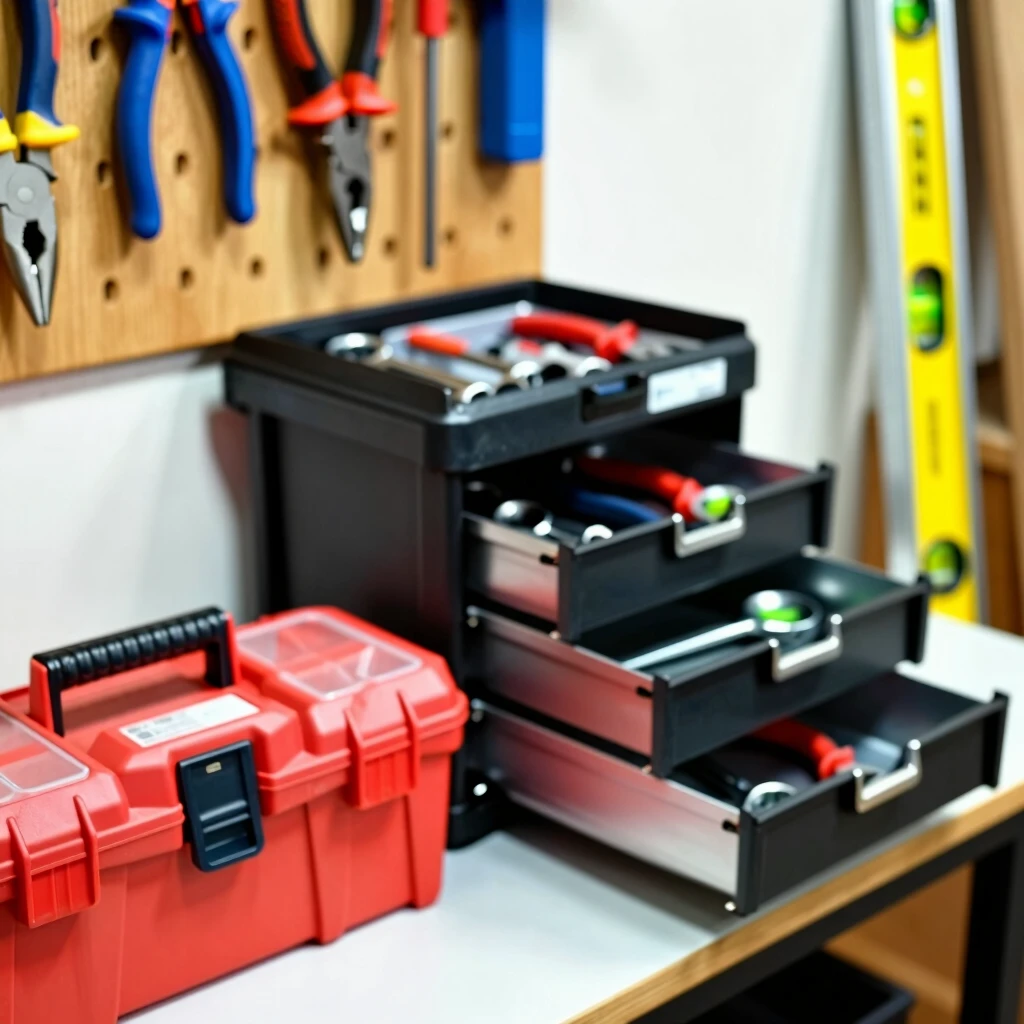
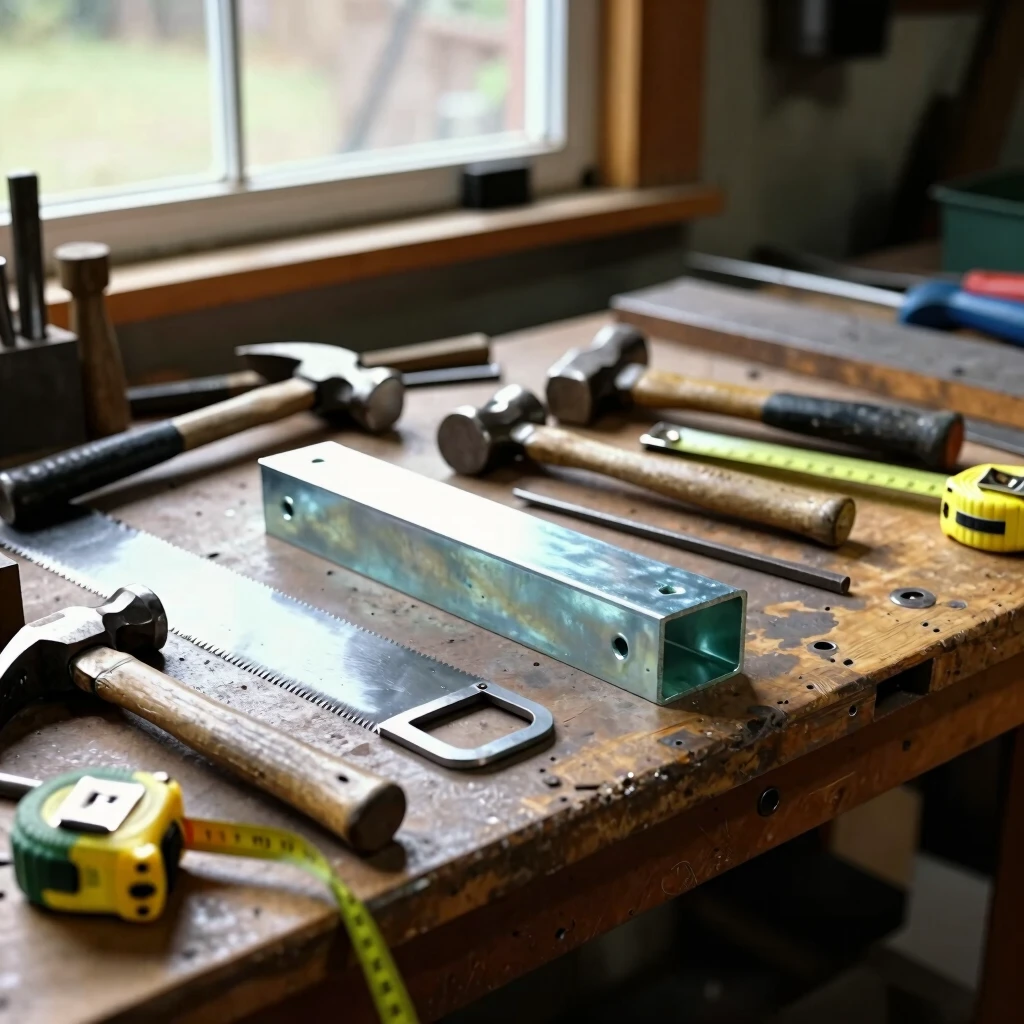
You don't need fancy equipment to start. Basic hand tools get the job done. Workman tools for metalworking include hammers, files, and shears. These are your go-to for shaping and cutting.
Hand tools like pliers help grip and bend metal. A good mallet lets you form without denting. For measuring, a ruler and calipers are key.
As you progress, add workman tools like a bench vise. It holds metal steady while you work. I started with a cheap set and upgraded as I improved.
See this list of various hand tools in metalworking lab from NC State University for ideas on what to include in your kit.
| Tool | Use | Beginner Tip |
|---|---|---|
| Hammer | Striking and forming | Start with a light one to avoid over-shaping. |
| File | Smoothing edges | Use in one direction for best results. |
| Shears | Cutting sheet metal | Keep blades sharp for clean cuts. |
| Pliers | Gripping and bending | Get ones with comfortable handles. |
Beginner Techniques in Metal Shaping
Start with simple methods. Bending is a great entry point. Use a brake or even a vise to fold metal at angles.
Cutting comes next. Mark your lines clearly, then use shears or a hacksaw. Practice on scrap pieces to get the feel.
Joining metals? Try riveting for starters. It's easier than welding and strong enough for many projects.
I once made a simple toolbox as my first project. It taught me patience and precision. Mistakes happen, but they help you learn.
Moving to Intermediate Skills
Once basics are down, try more complex shapes. Rolling metal into curves uses a slip roll tool. It's fun for making cylinders or arcs.
Filing and sanding smooth your work. Take time here; a polished piece looks pro.
Experiment with heat. Annealing softens metal for easier shaping. Heat it up, then cool slowly. But watch the temperature to avoid weakening it.
In my experience, intermediate level is where creativity kicks in. I shaped a custom bracket for a bike, blending bends and cuts.
Advanced Techniques: From Beginner to Pro in Metal Shaping
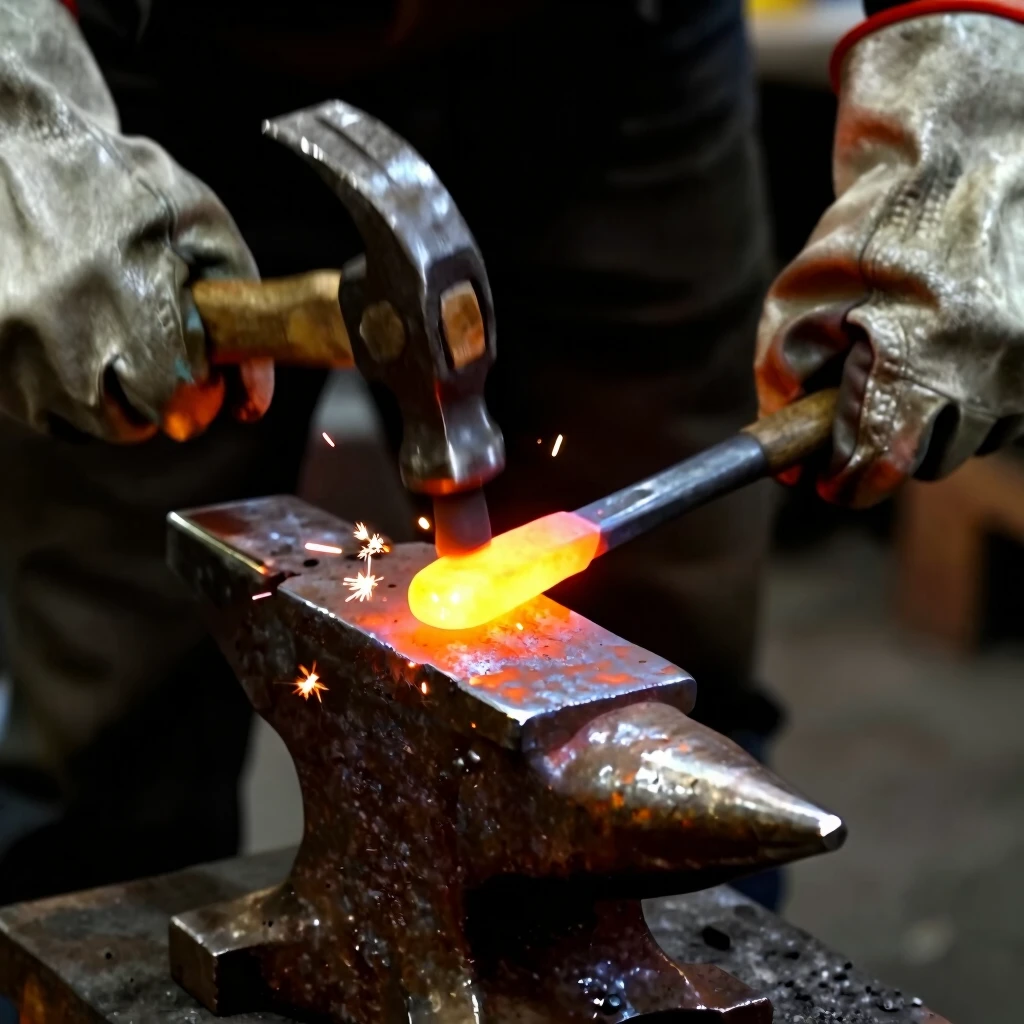
Now for the advanced stuff. Forging involves heating metal red-hot and hammering it into shape. It's physical but rewarding.
Deep drawing pulls metal into dies for hollow shapes like cups. It needs precision tools but creates seamless forms.
Hydroforming uses fluid pressure to shape metal. It's high-tech and great for complex parts.
For in-depth info, look at this paper on advanced sheet metal manufacturing using rapid tooling from the University of Texas.
Another gem is this beginner's guide to working with metal from The Crucible, covering casting and more.
Pro tip: Combine techniques. Forge, then draw for unique pieces. I've crafted jewelry this way, selling a few at local markets.
Personal Insights and Common Mistakes
From my years in metal shaping, practice is key. Don't fear failure; each bent piece teaches something.
Common error: Overworking metal, causing cracks. Rest it between steps.
Balance hand tools with power ones as you advance. But never skip safety.
Share your work online for feedback. It motivated me to go pro.

Wrapping It Up
Going from beginner to pro in metal shaping takes time, tools, and safe practices. Start simple, build skills, and soon you'll create amazing things. Remember the basics: safety, good tools, and persistence.
Related Advanced Techniques: From Beginner to Pro in Metal Shaping:
- Sustainable Practices in Metalworking: A Complete Guide for Beginners and Pros
- How to Analyze Complex Topics
- Ultimate Guide to Power Washer Troubleshooting and Repair
- Easy DIY Projects to Try with Your Power Tools
- The Best Attachments to Upgrade Your Power Drill
- How IoT is Revolutionizing Construction Sites
- Ergonomic Hand Tools for Reduced Strain: Your Guide to Smarter, Safer Workmanship
- How to Choose the Perfect Toolbox for Your Workshop
- Top 10 Essential Tools for Metalworking Beginners: Build Your Skills with Confidence
- Revolutionizing the Job Site: Augmented Reality in Construction and Electrical Work
- Revolutionizing Workshops: Innovative Workman Tools in 2024
- How to Choose the Right Workbench: A Comprehensive Guide for Every Maker