Overview
Analyzing complex topics can feel overwhelming, but with the right approach, anyone can break them down into manageable parts. This guide shares step-by-step methods, personal tips, and examples to help you tackle tough subjects effectively, whether in work, hobbies, or daily life.
Complex topics surround us every day. Think about choosing the best workman tools for a project or understanding global events. They often involve multiple layers, conflicting information, and require clear thinking. I've spent years honing my skills in this area, from my time as a project manager where I had to dissect intricate problems, to my hobby of crafting where selecting specialty hammers for crafts and hobbies makes all the difference.
In this article, I'll walk you through a proven process. We'll cover why analysis matters, key steps to follow, common pitfalls to avoid, and real-world examples. By the end, you'll feel confident applying these techniques to any challenging topic.
Why Bother Analyzing Complex Topics?
First, let's talk about the benefits. Good analysis leads to better decisions. For instance, when I was renovating my home, I had to analyze various hammers to pick the right ones. Not all hammers are the same—some are general-purpose, while specialty hammers for crafts and hobbies offer precision for delicate work like jewelry making or model building.
Without analysis, you might grab the wrong tool and end up with poor results. The same goes for bigger issues, like evaluating a new job offer or understanding climate change. It saves time, reduces stress, and boosts your confidence.
In my experience, skipping this step often leads to regret. Once, I rushed into a DIY project without researching workman tools properly. I ended up with a mismatched set of hammers that bent nails instead of driving them straight. Lesson learned: analysis is your foundation.

Step 1: Define the Topic Clearly
Start by narrowing it down. Ask yourself: What exactly am I trying to understand? Write a one-sentence summary.
For example, if the topic is 'selecting hammers for home use,' specify if it's for construction or hobbies. This prevents you from getting lost in unrelated details.
I always use a notebook for this. Jot down the core question and any sub-questions. It keeps things focused.
Step 2: Gather Information from Reliable Sources
Next, collect data. Use books, websites, experts, or personal experiments. Look for diverse views to avoid bias.
When analyzing specialty hammers for crafts and hobbies, I checked reviews on sites like Home Depot and craft forums. I also talked to a local artisan who shared tips on rubber mallets versus brass ones.
Tip: Verify sources. Is the info current? From a trusted expert? I cross-check at least three places before trusting it.
Here's a simple table to help you evaluate sources:
| Source Type | Pros | Cons |
|---|---|---|
| Books | In-depth, reliable | May be outdated |
| Websites | Quick access, up-to-date | Potential misinformation |
| Experts | Personal insights | Bias possible |
| Experiments | Hands-on learning | Time-consuming |
Step 3: Break It Down into Parts
Complex topics are like puzzles. Divide them into smaller pieces.
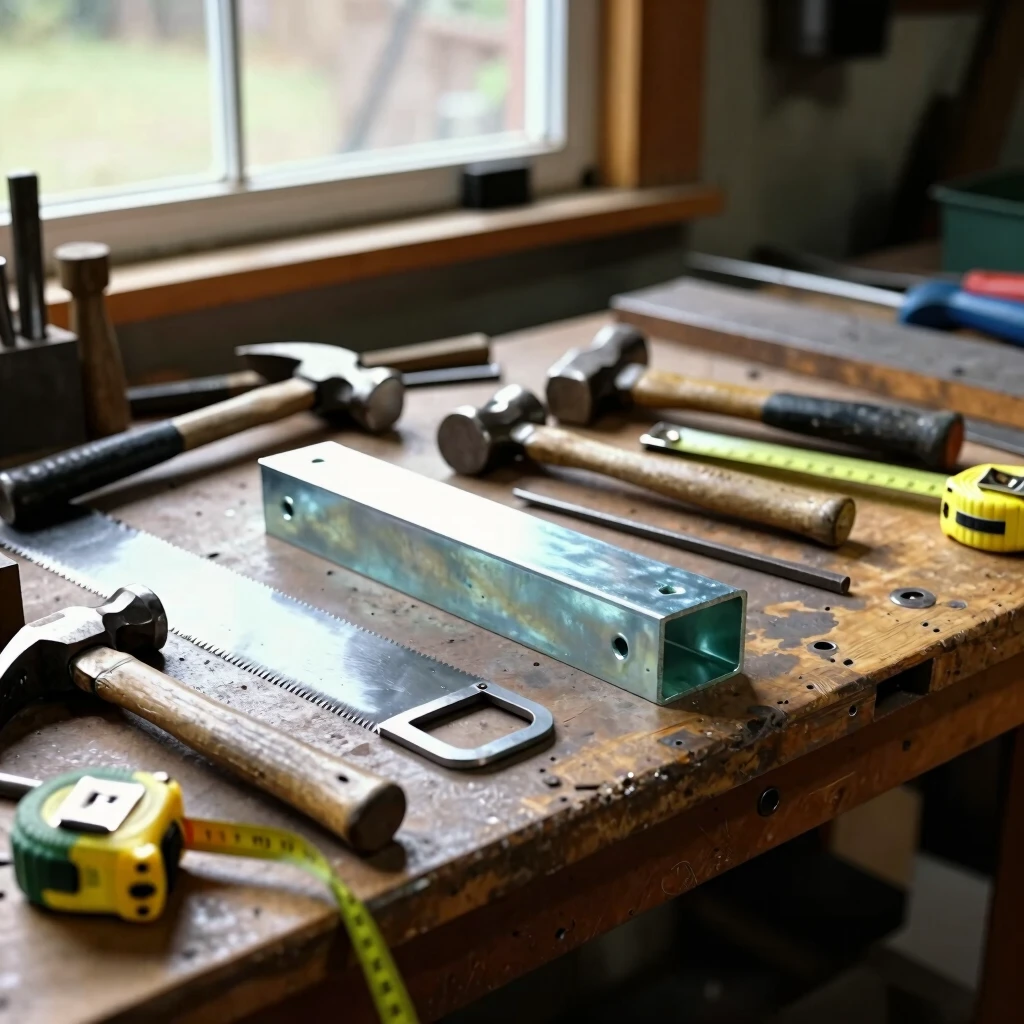
List components: For hammers, consider types (claw, sledge), materials (steel, fiberglass), uses (nailing, shaping), and costs.
In my crafting days, breaking down workman tools by function helped me choose a lightweight hammer for detailed work instead of a heavy one that tired me out quickly.
Use mind maps or bullet lists. Here's an example for analyzing a tool purchase: - Purpose: What task? - Features: Weight, handle grip? - Budget: Affordable options? - Reviews: User experiences?

Step 4: Look for Patterns and Connections
Connect the dots. Ask: How do parts relate? What patterns emerge?
In tool analysis, I noticed that specialty hammers for crafts and hobbies often have softer heads to avoid damaging materials, unlike standard hammers.
This step sparks insights. Once, while studying business strategies, I connected employee motivation to tool efficiency—happy workers use tools better, just like choosing the right hammer improves crafting outcomes.
Step 5: Test Your Understanding
Apply what you've learned. Try a small experiment or discuss with others.
For hammers, I tested a few at a store. Felt the weight, swung them gently. It confirmed my research.
Share your thoughts in a group or online. Feedback refines your analysis.
Step 6: Draw Conclusions and Act
Summarize findings and decide. What’s the best path?
In my experience, this leads to action. After analyzing, I bought a set of specialty hammers that transformed my hobby projects.
Remember, analysis isn't perfect. Be open to new info.
Common Mistakes to Avoid
- Overcomplicating: Stick to essentials.
- Ignoring biases: Question your assumptions.
- Rushing: Take time for thorough research.
- Forgetting follow-up: Revisit topics as things change.
I've made these errors. Early on, bias led me to cheap hammers that broke quickly. Now, I balance cost with quality.

Personal Insights from Years of Practice
Over time, I've found that patience is key. Complex topics don't unravel overnight. Start small—analyze one aspect daily.
Incorporate fun. When dealing with workman tools, turn it into a game: Compare hammers like picking a sports team.
Tools evolve, so stay curious. Read updates from sources like Popular Mechanics (https://www.popularmechanics.com/) for tool trends.
Analysis builds skills transferable to life. It helped me navigate career changes and even health decisions.
Tools and Resources to Aid Analysis
Beyond mental steps, use aids: - Apps like Evernote for notes. - Online courses on critical thinking from Coursera (https://www.coursera.org/). - Books like 'Thinking, Fast and Slow' by Daniel Kahneman.
For physical topics like hammers, visit hardware stores or sites like Amazon for specs.
Incorporate visuals. Diagrams clarify connections. For example, a flowchart for decision-making:
- Identify issue
- Research
- Evaluate
- Decide
- Review
Applying This to Real Life
Let's apply to a scenario: Choosing specialty hammers for crafts and hobbies.
Define: Need tools for leatherworking. Gather: Read reviews, watch videos. Break down: Head material, handle length. Patterns: Soft heads prevent marks. Test: Try in store. Conclude: Buy a rawhide mallet.
This process saved me money and frustration.
The Role of Curiosity
Stay curious. Ask 'why' often. It deepens understanding.
In my journey, curiosity led me from basic hammers to exploring antique workman tools, enriching my knowledge.
Overcoming Overwhelm
If stuck, take breaks. Walk, talk it out.
Divide into sessions: Day 1 research, Day 2 analysis.
Summary
Mastering how to analyze complex topics empowers you to handle any challenge. Follow the steps: define, gather, break down, connect, test, conclude. With practice, it becomes second nature, whether picking hammers or solving world problems. Keep learning and applying these skills for better outcomes.
Related How to Analyze Complex Topics:
- Best Tools for DIY Enthusiasts: Must-Have Workman Tools to Tackle Any Project
- Ultimate Guide to Power Washer Troubleshooting and Repair
- Easy DIY Projects to Try with Your Power Tools
- The Best Attachments to Upgrade Your Power Drill
- How IoT is Revolutionizing Construction Sites
- Ergonomic Hand Tools for Reduced Strain: Your Guide to Smarter, Safer Workmanship
- How to Choose the Perfect Toolbox for Your Workshop
- Top 10 Essential Tools for Metalworking Beginners: Build Your Skills with Confidence
- Revolutionizing the Job Site: Augmented Reality in Construction and Electrical Work
- Revolutionizing Workshops: Innovative Workman Tools in 2024
- How to Choose the Right Workbench: A Comprehensive Guide for Every Maker
- Advanced Woodworking Techniques: Mastering the Table Saw