Quick Overview
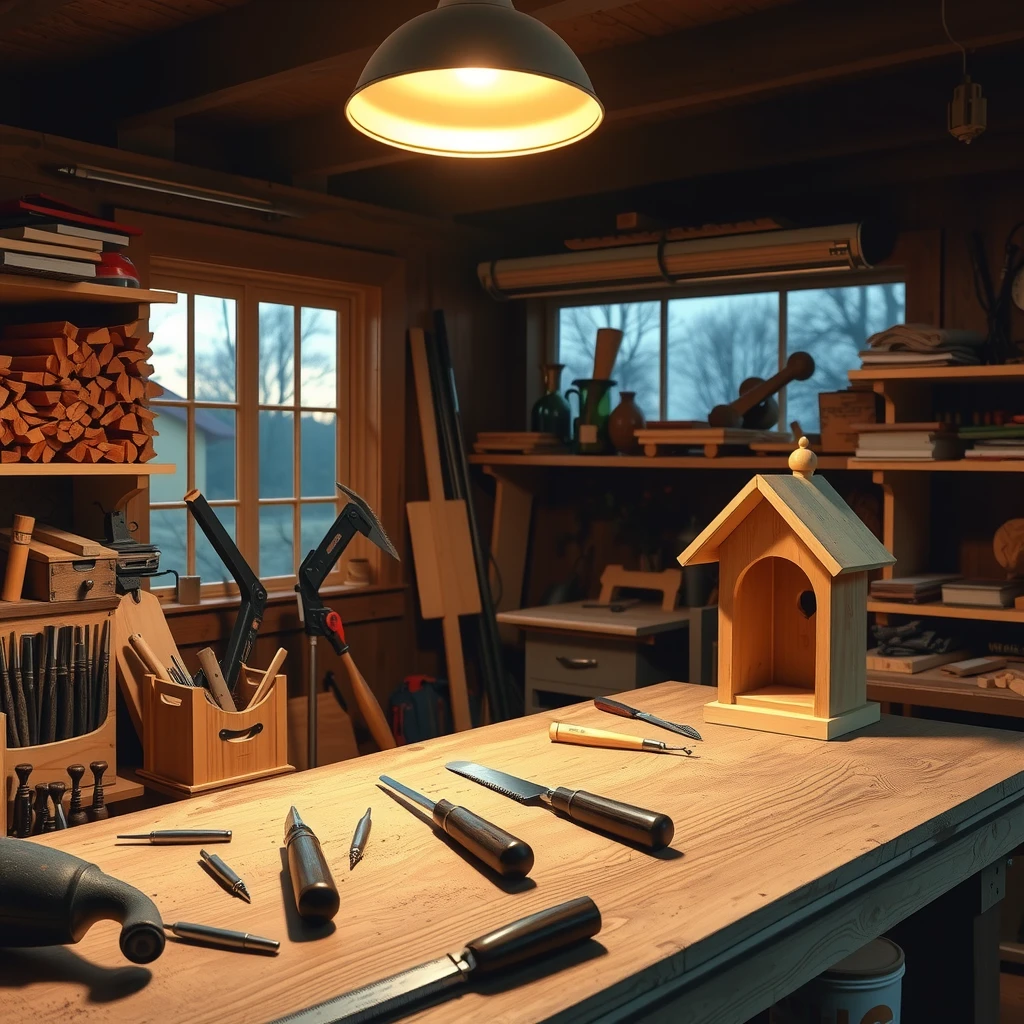
Picking the right workbench can transform your workshop from a cluttered corner into a productive haven. Whether you're a weekend DIYer or a full-time crafter, the perfect bench supports your tools, your body, and your projects. In this guide, we'll cover everything from types and materials to smart organization hacks—tailored for real users like you. (42 words)
Why Your Workbench Matters More Than You Think
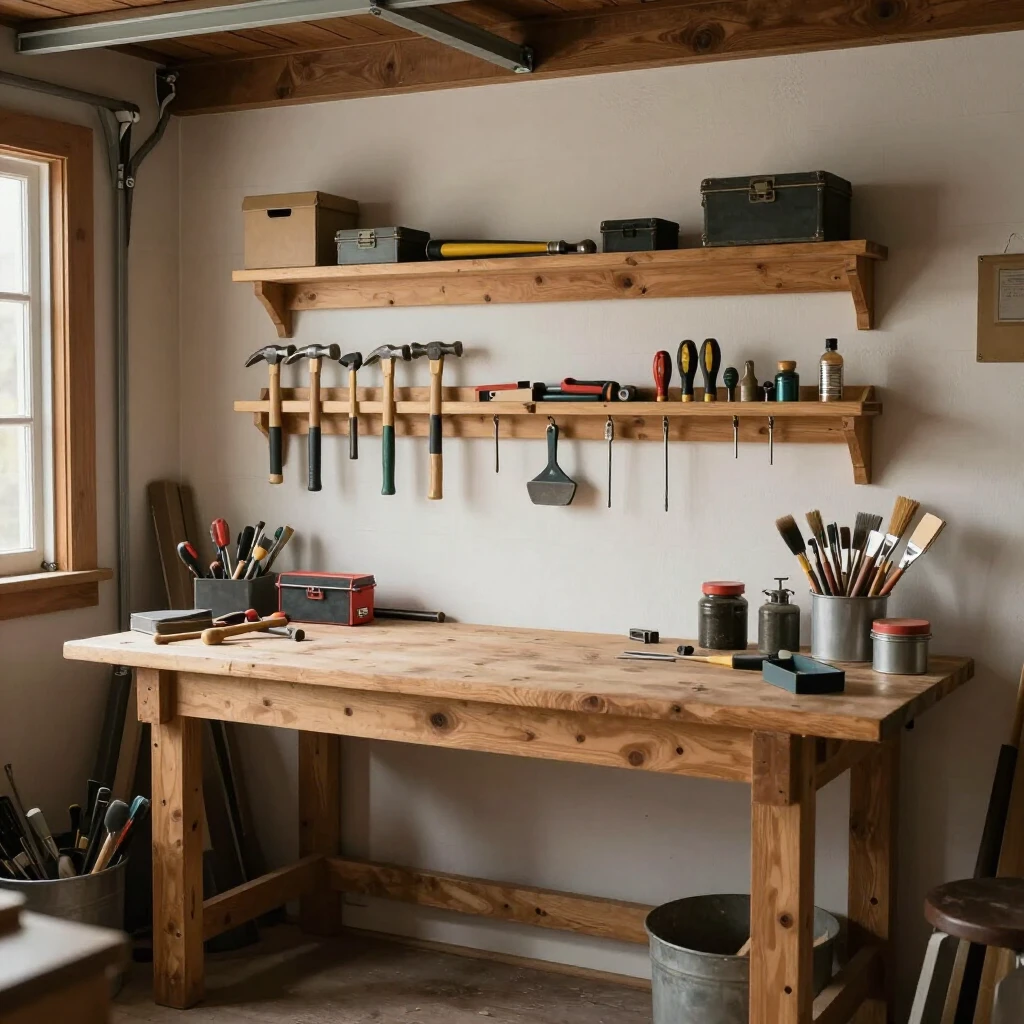
I've spent countless hours hunched over makeshift tables that wobbled under the slightest pressure. Trust me, a solid workbench isn't just furniture—it's the heart of your workspace. It keeps your workman tools within reach, reduces back strain, and speeds up every project.
Think about it: A good bench lets you focus on creating, not fighting instability. From sanding wood to assembling shelves, it handles the load so you don't have to. In my early days tinkering in a tiny apartment garage, I learned the hard way that skimping on quality leads to frustration. Now, I swear by benches that blend durability with smart design.
According to experts at Global Industrial, the right workbench boosts efficiency by up to 30% in busy shops. That's real time saved for hobbies or side hustles.
Types of Workbenches: Find Your Match
Not all benches are created equal. Start by matching the type to your projects. Here's a quick breakdown:
| Type | Best For | Pros | Cons |
|---|---|---|---|
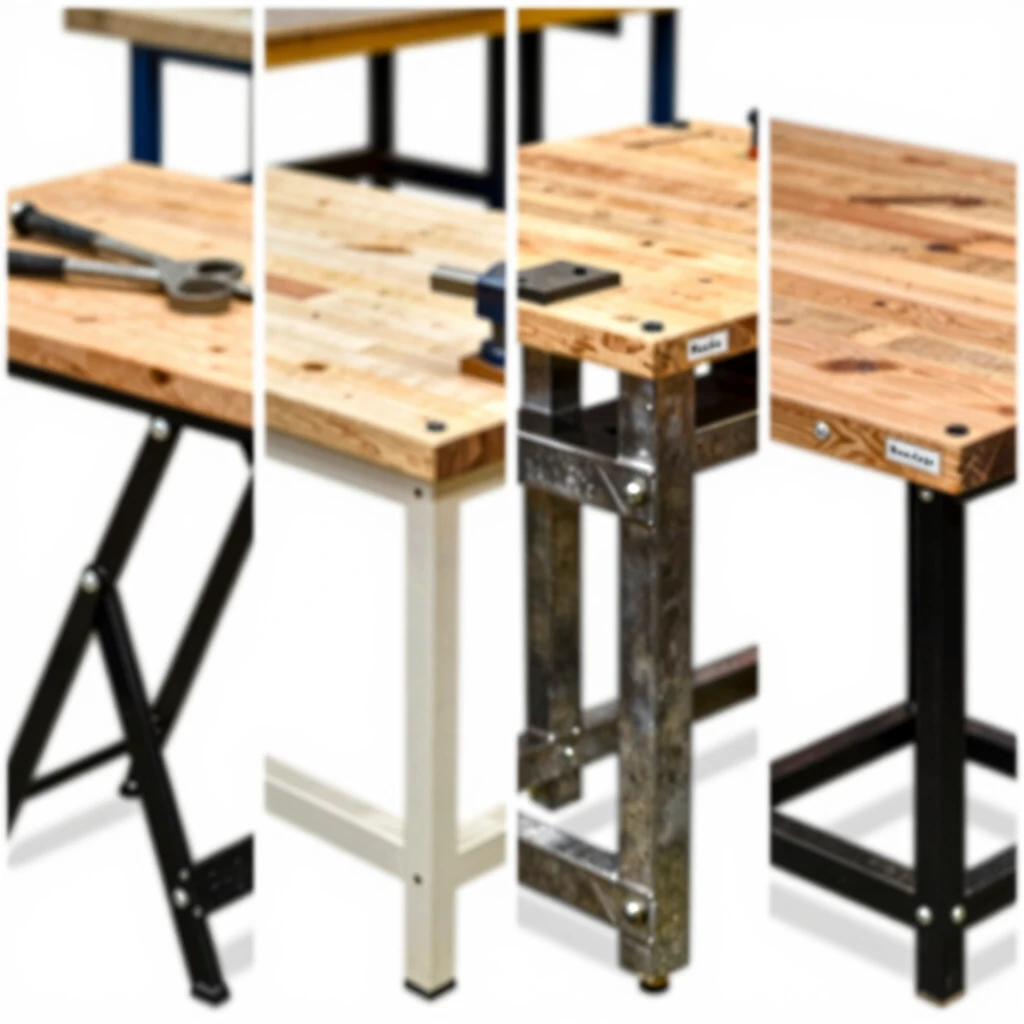
| Portable/Folding | Small spaces, occasional use | Easy storage, lightweight | Limited stability for heavy work |
| Traditional Wood | Woodworking, hand tools | Customizable, timeless feel | Requires maintenance |
| Metal Industrial | Heavy-duty tasks, garages | Super durable, high load capacity | Heavier, less forgiving on tools |
| Adjustable Height | Multi-user or varied tasks | Ergonomic flexibility | Higher cost |
I once built a folding bench from scrap plywood for my first apartment setup. It worked for light painting tools and basic assembly, but upgrading to a metal one changed everything for tougher jobs.
For woodworking enthusiasts, traditional styles like Roubo offer superior clamping options. Pick based on your main activities—do you hammer nails or mix paints?
Key Factors to Consider When Choosing
Size and Space: Don't Overlook the Fit
Measure twice, buy once—that old saying rings true here. Your bench should fit comfortably without crowding your moves. For standard garages, aim for 4-6 feet wide and 2-3 feet deep. But if you're maximizing small workshop spaces, go modular.
In my cramped basement shop, I opted for a 48-inch bench that hugs the wall. It leaves room for a rolling tool cart, proving you can pack power into tight spots.
Materials: Toughness Meets Practicality
Wood offers warmth and easy customization, but metal laughs at dents from dropped workman tools. Laminate tops resist stains from painting projects, while butcher block handles carving without splintering.
From experience, hardwood like maple withstands years of abuse. Pair it with steel legs for the best of both worlds. Avoid cheap particleboard—it warps under moisture faster than you can say 'regret.'
Gladiator's buying guide recommends steel for garages prone to humidity, a tip that saved my setup during a rainy season.
Height and Ergonomics: Save Your Back
The ideal height hits at your wrist when standing—about 34-38 inches for most folks. Adjustable models let you tweak for sitting or standing, perfect for long sessions.
I ignored this once and ended up with aches after a weekend build. Now, my bench adjusts, and I stay fresh through marathon projects.
Load Capacity and Features
Check the weight rating: 500-1000 pounds for hobbyists, more for pros. Look for built-in drawers, pegboards, and power strips. Vises and clamps? Non-negotiable for secure work.
Power outlets changed my game for tools like sanders and lights. And don't forget mobility—casters make rearranging a breeze.
Maximizing Small Workshop Spaces: Smart Strategies
Tight on room? You're not alone. Maximizing small workshop spaces starts with vertical thinking. Wall-mounted benches fold away, freeing the floor for projects.
Stack shelves above your bench for rarely used items. I turned my 8x10-foot shed into a powerhouse by suspending a pegboard system overhead. It holds everything from clamps to extension cords without eating floor space.
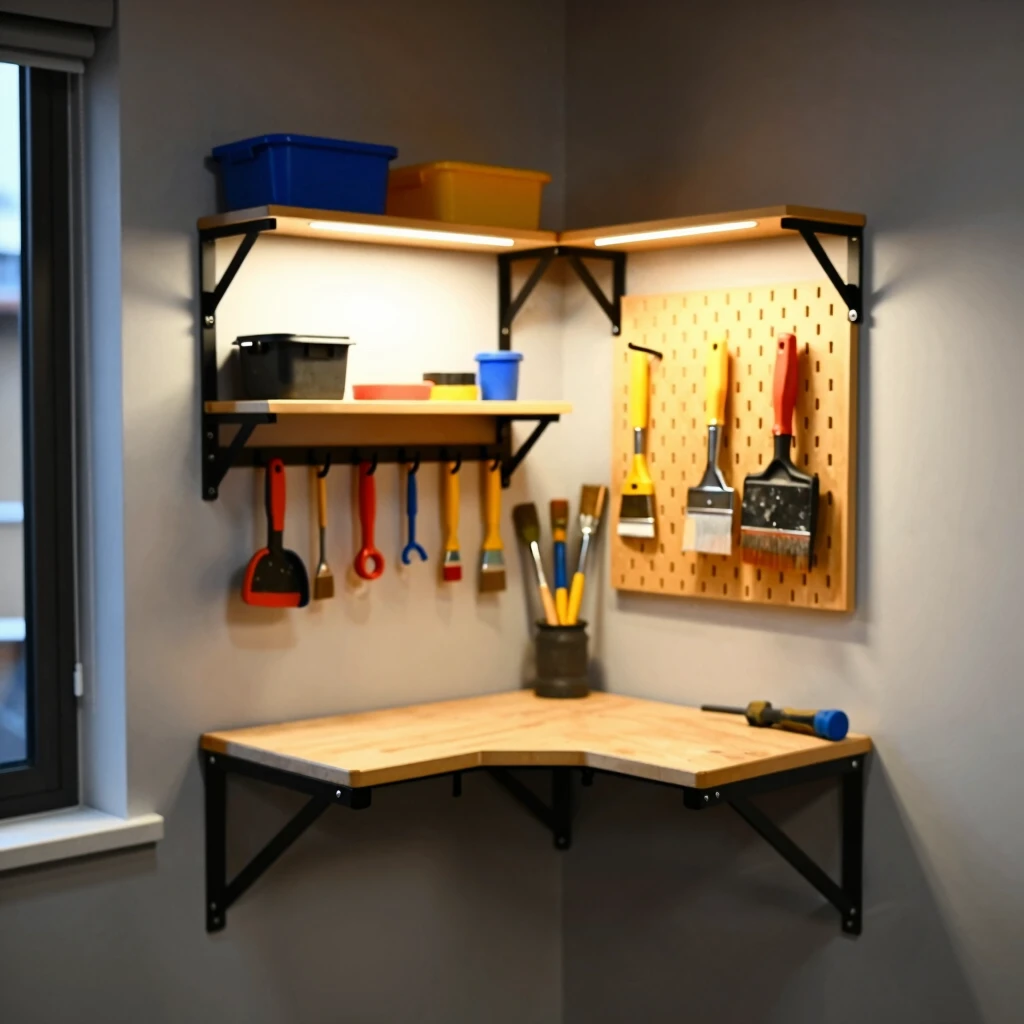
Pro tip: Opt for benches with integrated storage to keep your footprint minimal. This approach not only saves space but also streamlines your workflow.
Organizing Workman Tools in a Small Space: Keep It Chaos-Free
Nothing kills momentum like hunting for a screwdriver mid-project. Organizing workman tools in a small space demands intention.
Start with zones: Dedicate drawers for bits and blades, hooks for pliers, and bins for fasteners. For painting tools, use spill-proof trays on lower shelves to avoid drips on your main surface.
My system? A magnetic strip for metal tools—they snap right up, freeing drawers for brushes and rollers. Label everything; it cuts search time in half. In one tight setup, this hack let me store 50+ items without clutter.
Here's a simple starter list for organization:
- Daily Essentials: Pegboard hooks for hammers, tape measures.
- Project-Specific: Bins for painting tools like rollers and drop cloths.
- Overflow: Overhead racks for power tools.
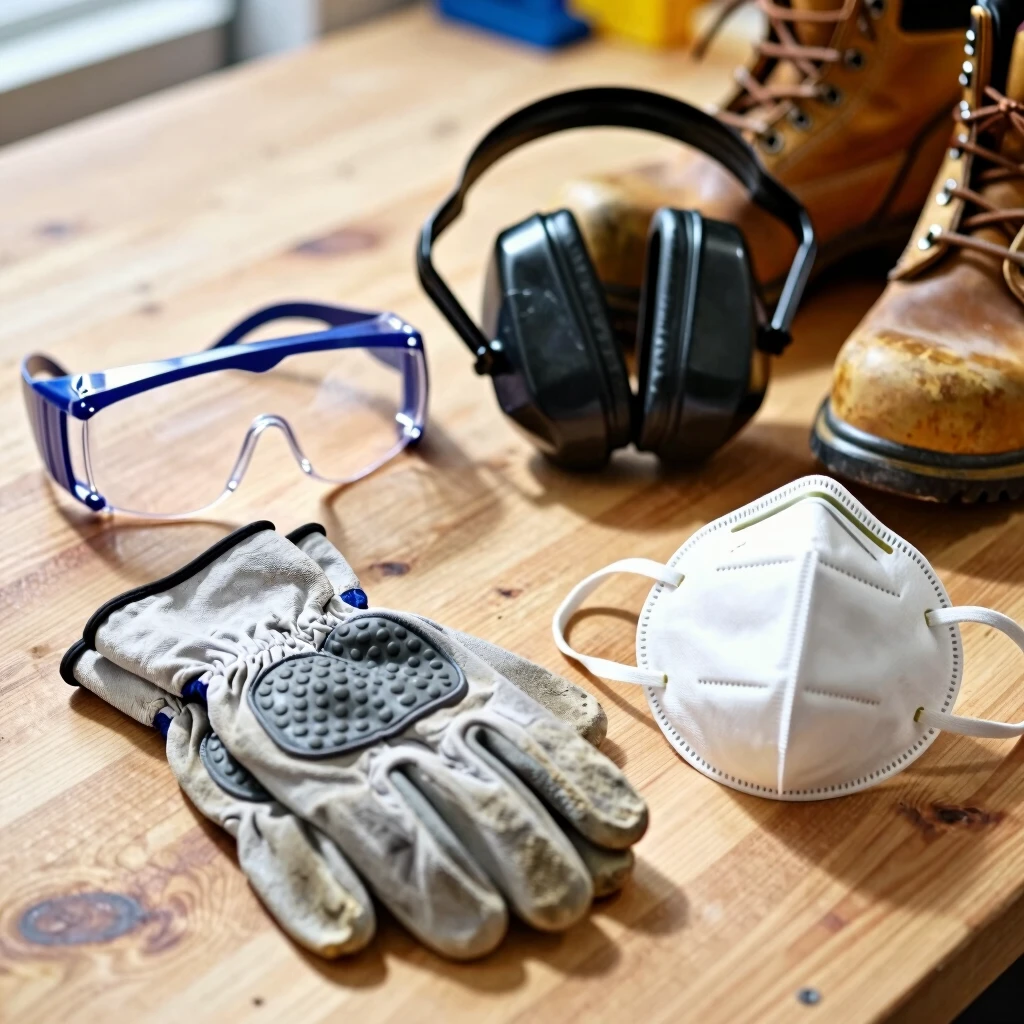
- Safety Gear: Dedicated spot for gloves and masks.
This keeps your bench clear and your mind sharp.
Budgeting and Buying: Get Value Without Breaking the Bank
Expect to spend $100-500 for basics, up to $1000+ for loaded models. Weigh buy vs. build—DIY saves cash but takes time.
I built my first for $150 in materials, learning joinery along the way. Ready-mades from Closet Crafters offer warranties that ease the hassle.
Shop sales at hardware stores or online for deals. Prioritize quality over flash— a timeless bench outlasts trends.
A Personal Story: My Workbench Evolution
Flashback to my first 'bench': A wobbly sawhorse in a rented garage. It buckled under a painting project, splattering walls with primer. Lesson learned.
Fast-forward: My current adjustable metal beauty handles everything from woodworking to auto tweaks. It's organized chaos at its best, with workman tools grouped by task. That upgrade? Worth every penny for the joy it brings.
Wrapping It Up: Build Your Ideal Setup
Choosing the right workbench boils down to your space, needs, and budget. Focus on fit, durability, and smart features to create a space that inspires. Whether maximizing small workshop spaces or organizing workman tools, these steps lead to smoother projects and fewer headaches.
Start measuring today—your future self will thank you. (98 words)
Related How to Choose the Right Workbench:
- Advanced Woodworking Techniques: Mastering the Table Saw
- Essential Power Tools for Beginner Woodworkers
- Mastering Complex Projects: Essential Advanced Workman Tools for Every Builder
- Mastering Metalwork: The Ultimate Guide to Specialized Workman Tools
- Workman Safety Tips: Maintaining Comfort and Health
- Woodworking for Dummies by Jeff Strong: Your Ultimate Beginner-to-Pro Guide
- Essential Safety Gear for Power Tools: Protect Yourself and Work Smarter
- Essential Chisels in a Woodworker's Toolkit: Your Guide to Precision and Craftsmanship
- Understanding Power Drill Attachments and Their Uses
- How to Organize Your Workshop Like a Pro
- Maintenance Tips for Workman Tools: Keep Your Gear Sharp and Safe
- Essential Electrical Tools for Troubleshooting and Repair: A Hands-On Guide