Quick Overview
Power tools make home projects faster and more fun, but they come with risks. This guide covers essential safety gear for power tools to help you stay protected. We'll dive into how to use power drills safely and effectively, share real-life tips, and highlight must-have items. Read on to build confidently without the worry.
Why Safety Gear Matters in Your Workshop
I've spent countless weekends in my garage, turning scraps of wood into shelves and fixing odds and ends around the house. One slip-up years ago—a flying wood chip that nearly caught my eye—taught me a hard lesson. Power tools like power drills can transform your space, but without the right protection, a simple task turns scary fast.
According to the Occupational Safety and Health Administration (OSHA), thousands of injuries happen each year from hand and power tools. Most are preventable with basic gear. Think of safety gear not as extra hassle, but as your workshop sidekick. It lets you focus on the joy of creating, not the fear of mishaps.
The Must-Have Essential Safety Gear for Power Tools
Let's break down the basics. You don't need a full hazmat suit—just smart choices tailored to your tools. Start with these essentials, and build from there based on your projects.
1. Eye Protection: Your First Line of Defense
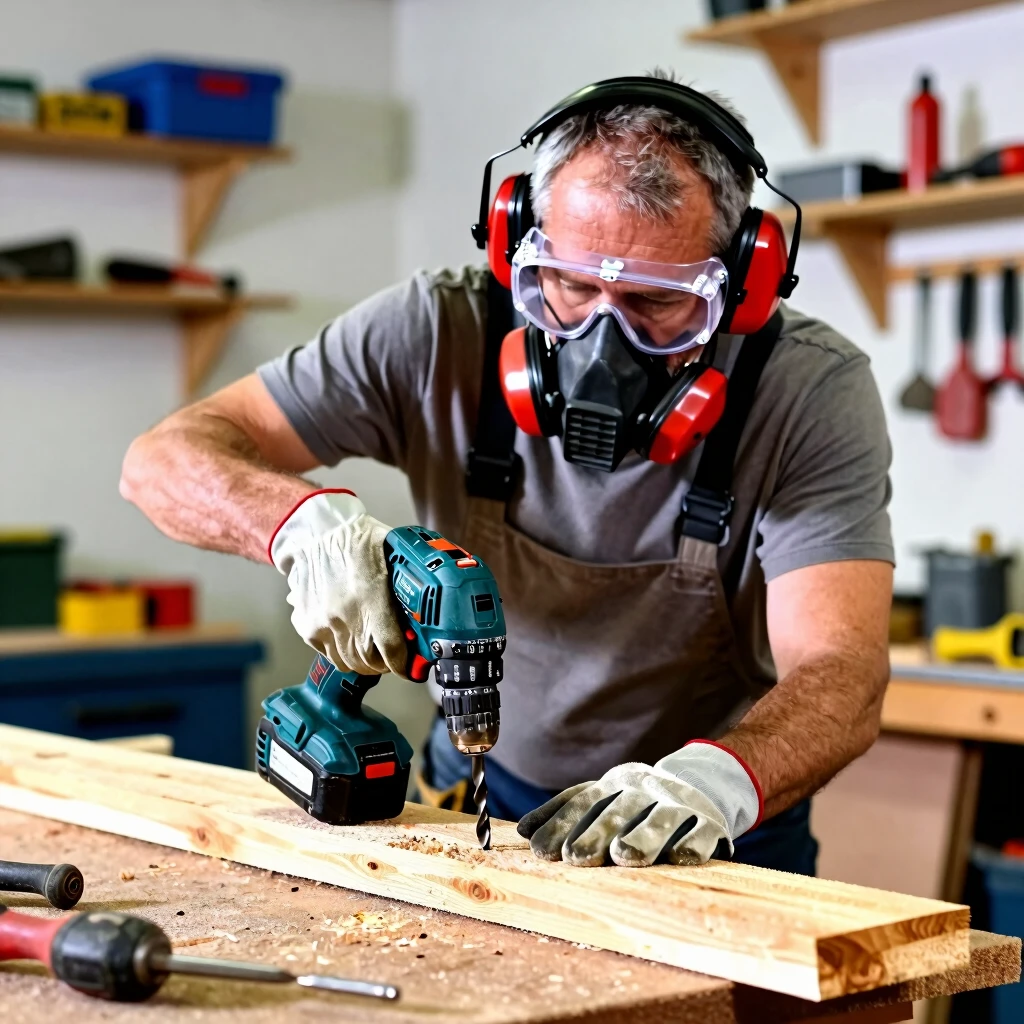
Eyes top my list every time. Debris flies everywhere when you fire up power tools. Safety glasses or goggles shield you from chips, dust, and sparks.
I once drilled into a knotty board without them—lesson learned. Opt for ANSI Z87.1-rated glasses that fit snugly and have side shields. For dusty jobs, add anti-fog coatings. Pro tip: Clean them after each use to keep visibility sharp.
2. Hearing Protection: Guard Against the Buzz
Power tools roar. A quick session with a power drill might not seem loud, but over time, it adds up. Earplugs or earmuffs reduce noise by 20-30 decibels.
From my experience, earmuffs feel less intrusive for short bursts, while plugs work great under hats. The Canadian Centre for Occupational Health and Safety (CCOHS) recommends NRR 25 or higher. Pair them with your eye gear for full coverage.
3. Hand Protection: Grip Without the Risk
Gloves protect your hands from blisters, cuts, and vibrations. But here's a key insight: Skip loose gloves around spinning bits on power drills. They can catch and pull your hand in.
Choose fitted, cut-resistant gloves with good dexterity. Leather palms grip tools well, and padded versions cut down on fatigue during long sessions.
4. Respiratory Protection: Breathe Easy in the Dust
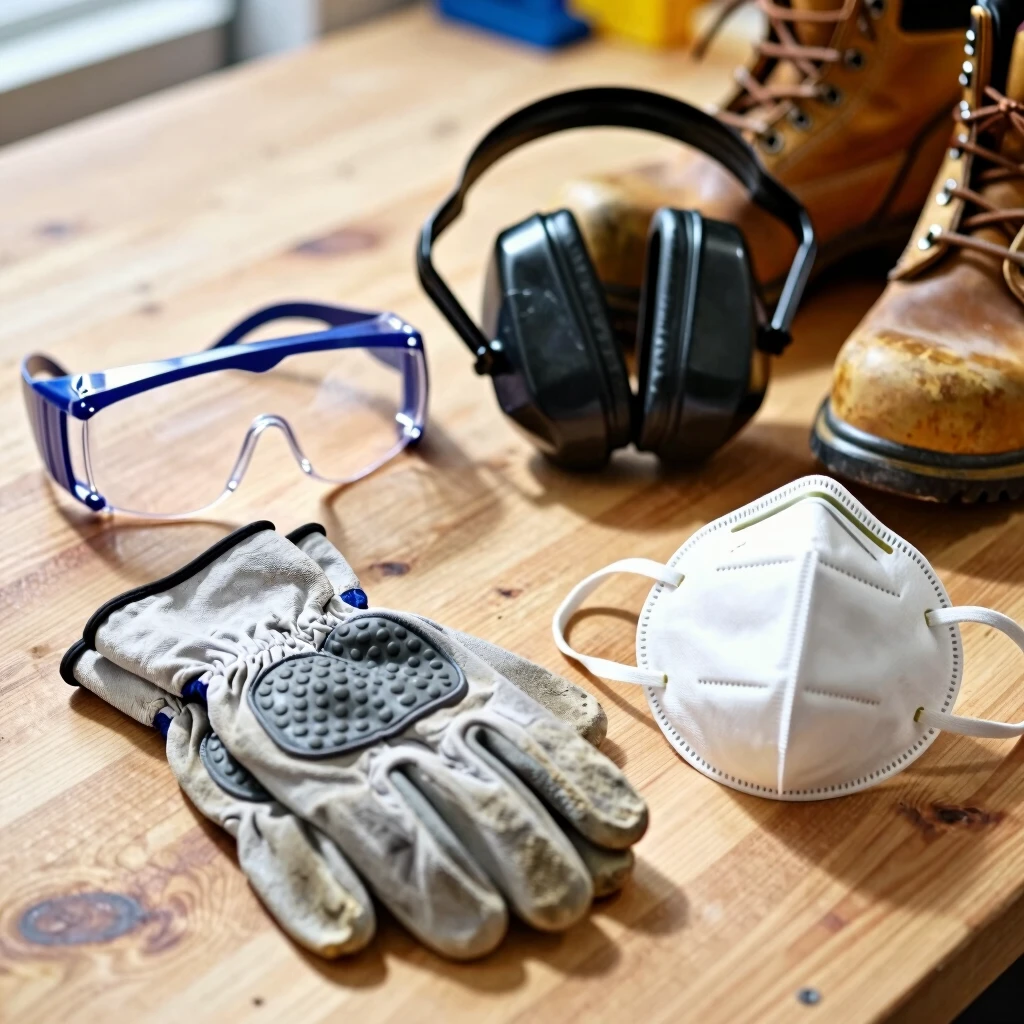
Sanding or drilling creates fine particles that linger. A dust mask or respirator keeps them out of your lungs.
N95 masks handle basic dust; upgrade to P100 for finer stuff like sawdust. I always mask up for big cuts—it's made a world of difference in my post-project energy levels. OSHA stresses proper fit: Seal it tight and replace when it clogs.
5. Footwear and More: Full-Body Coverage
Sturdy, closed-toe shoes prevent stubs and slips. Add steel toes if heavy items are around.
For overhead work, a hard hat adds peace of mind. And don't forget a first-aid kit nearby—I've used mine more than once for minor nicks.
Here's a quick comparison table to help you pick the right gear:
| Gear Type | Best For | Key Features | Price Range |
|---|---|---|---|
| Safety Goggles | Flying Debris | Anti-fog, UV protection | $10-30 |
| Earmuffs | Noisy Tools | Adjustable fit, NRR 25+ | $15-40 |
| Cut-Resistant Gloves | Gripping & Cutting | Dexterous, padded palms | $10-25 |
| N95 Mask | Dust Control | Lightweight, disposable | $5-15/pack |
| Steel-Toe Boots | Heavy Duty | Slip-resistant soles | $30-80 |
How to Use Power Drills Safely and Effectively
Power drills are workshop stars—versatile for holes, screws, and more. But misuse leads to slips or strains. Let's cover safe habits, drawing from my trial-and-error days.
Choose the Right Power Drill for Your Needs
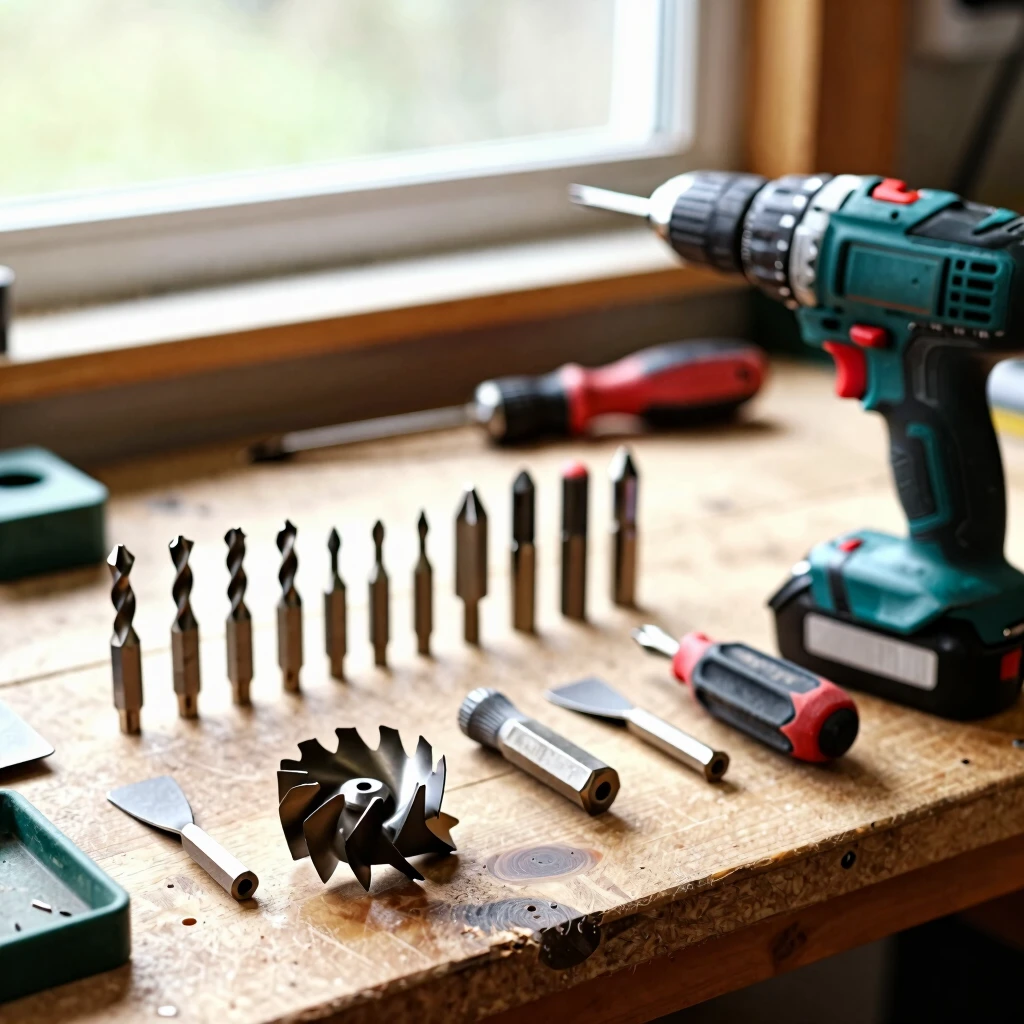
Start with the tool itself. Cordless power drills offer freedom; corded ones pack more punch. For versatility, look at power drills with multiple attachments—like bits for wood, metal, or masonry.
I own a compact cordless model for quick fixes and a beefier one for big jobs. Match torque to material: Low for softwood, high for concrete.

Prep Your Workspace Like a Pro
Clear clutter and secure your piece. Clamps beat holding by hand—frees you up and steadies the work.
Mark spots with pencil. Inspect the drill: Sharp bits drill clean; dull ones bind and kick back. Tighten the chuck fully and yank the key before powering on.
Drilling Techniques That Keep You Safe
Ease into speed. Start slow to control the bit, then ramp up. Apply firm, even pressure—let the tool do the work.
For woods, pilot holes prevent splits. In metal, use cutting oil to cool things down. Always drill away from your body.
Personal story: Rushing a screw into drywall once stripped the head. Now, I back out and retry at lower speed. Patience pays off.
Quick safety checklist for power drills: - [ ] Wear eye and ear protection - [ ] Secure workpiece with clamps - [ ] Use sharp, appropriate bits - [ ] Start at low speed - [ ] Keep hands clear of the bit - [ ] Unplug or remove battery when changing attachments
Tackling Common Mistakes with Power Drills
Over-tightening binds bits—listen for the whine and stop. Wet conditions? Skip it; water and electrics mix badly.
For power drills with multiple attachments, store them organized. A quick-swap system saves time and frustration.
The Home Depot's guide echoes this: Consistent pressure and proper setup make all the difference. Check it out here.
Building a Safety Habit: Tips from the Trenches
Safety isn't one-and-done; it's routine. I keep a gear station by my bench—glasses, gloves, mask at the ready. Train family members too; my kids now suit up for their mini-projects.
Invest in quality. Cheap gear fails when you need it most. And maintain tools: Clean vents, charge batteries fully.
For deeper dives, OSHA's handbook on hand and power tools is gold. Download it here.
Wrapping It Up: Gear Up and Get Building
Essential safety gear for power tools turns potential pitfalls into smooth sailing. From goggles to gloves, these items protect what matters most—you. Master how to use power drills safely and effectively, experiment with power drills with multiple attachments, and watch your skills soar.
Remember my early mishap? Now, every project ends with a sense of accomplishment, not a bandage. Gear up today, and make your workshop a safer, more inviting space. Happy building!
Related Essential Safety Gear for Power Tools:
- Essential Chisels in a Woodworker's Toolkit: Your Guide to Precision and Craftsmanship
- Understanding Power Drill Attachments and Their Uses
- How to Organize Your Workshop Like a Pro
- Maintenance Tips for Workman Tools: Keep Your Gear Sharp and Safe
- Essential Electrical Tools for Troubleshooting and Repair: A Hands-On Guide
- Essential Safety Tips for Metalworking Beginners: Protect Yourself and Craft with Confidence
- Understanding Your Car’s Cooling System: Tips and Tricks
- How to Maintain Your Hammers for Longevity
- Essential Workman Tools for Electrical Work: A Hands-On Guide to Getting the Job Done Right
- Top Voltage Testers for Safe Electrical Work
- How AI is Transforming Manufacturing: The Future of Industrial Automation
- Guide to Selecting the Best Paint for Your Home