Overview
Power drills are essential power tools that go beyond simple drilling. With the right attachments, they become versatile machines for home repairs, woodworking, and more. This guide explores understanding power drill attachments and their uses, helping you pick the best setup for your needs. (38 words)
Why Power Drills with Multiple Attachments Are a Game-Changer
I've always loved tinkering in my garage. A few years back, I bought my first power drill. It started as a basic tool for hanging shelves. But once I added attachments, it transformed into my go-to for everything from assembling furniture to crafting custom shelves. Power drills with multiple attachments save time and space. You don't need a toolbox full of specialized gadgets. Instead, one drill handles it all.
Think about it. Drilling a hole? Grab a bit. Driving screws? Switch to a driver. Mixing paint? Attach a paddle. This versatility makes power drills indispensable for DIY enthusiasts and pros alike.
In this article, we'll break down the basics, compare options, and share practical tips. Whether you're a beginner or looking to upgrade, you'll walk away ready to tackle any project.
Corded vs. Cordless Drills: Which Is Right for You?
Choosing between corded and cordless drills often feels overwhelming. I remember debating this for weeks before my last purchase. Corded drills plug into an outlet. They deliver consistent power without battery worries. If you're working in a garage or shop with easy access to electricity, they're ideal. No downtime for charging means you finish jobs faster.
Cordless drills run on rechargeable batteries. They offer freedom to move around your yard or up a ladder without tripping over cords. Modern ones pack serious torque, thanks to lithium-ion tech. But they can run out of juice mid-project if you're not careful.
| Feature | Corded Drills | Cordless Drills |
|---|---|---|
| Power Source | Electrical outlet | Rechargeable battery |
| Portability | Limited by cord length | Highly portable |
| Power Output | Unlimited runtime | Depends on battery life |
| Weight | Lighter without battery | Heavier with battery |
| Best For | Stationary, heavy-duty tasks | On-the-go projects |
From my experience, cordless wins for most home uses. I once built a deck entirely with a cordless model—no extension cord hassles. For serious pros, though, corded might edge out for endless power.
For more on electric hand drills, check out this guide from MIT on safe operation of corded and cordless models, which covers essential precautions.

Essential Power Drill Attachments and How to Use Them
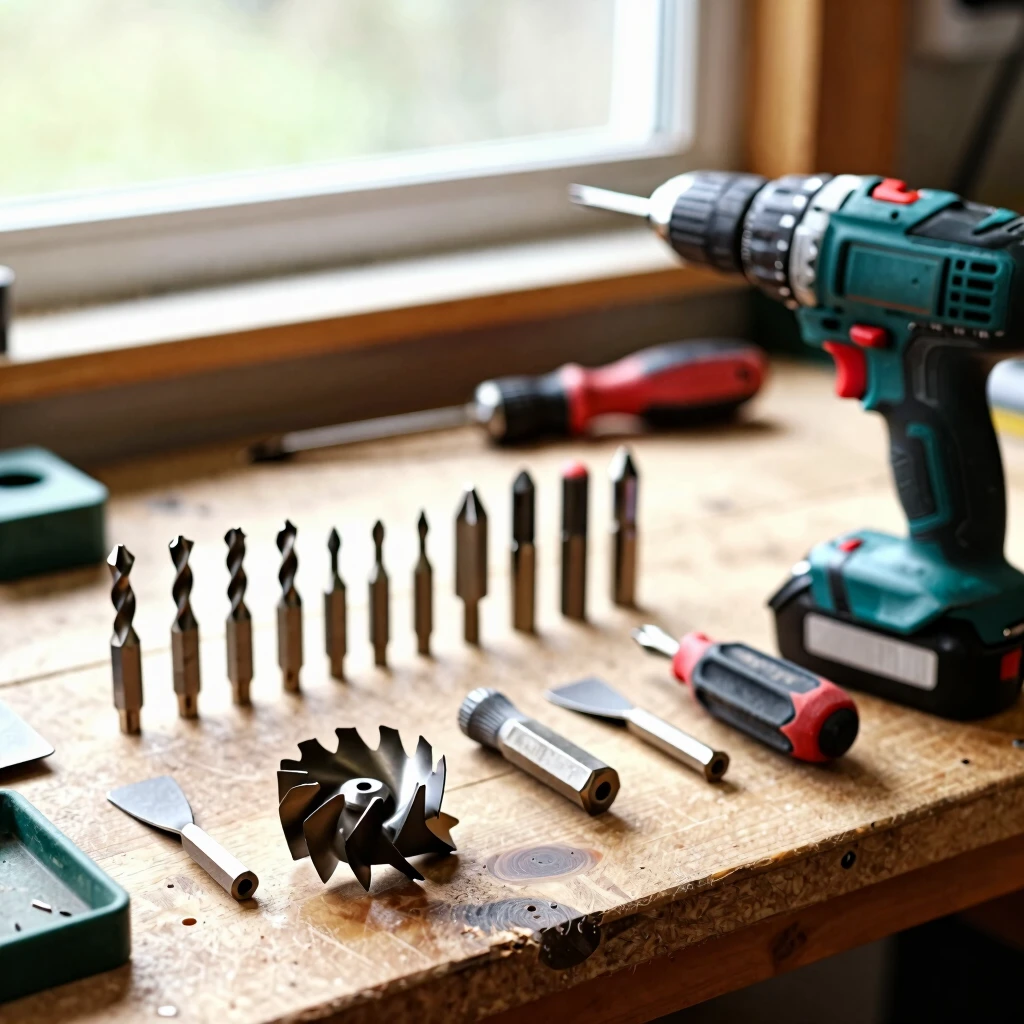
Now, let's dive into the heart of understanding power drill attachments and their uses. Attachments, or bits, fit into the chuck of your drill. They expand what your power tool can do. I'll cover the must-haves based on my workshop trials and errors.
1. Drill Bits: The Foundation
Twist drill bits are your starting point. These spiral-shaped tools bore clean holes in wood, metal, or plastic. For wood, use spade bits for larger holes—like when I installed recessed lights. In metal, go for high-speed steel bits to avoid dulling.
Pro tip: Always match the bit size to your screw or hole need. A mismatch leads to stripped holes, as I learned the hard way on a cabinet project.
2. Screwdriver Bits: Effortless Fastening
These hex-shank bits turn your drill into a power screwdriver. Phillips, flathead, Torx—you name it. They're lifesavers for assembling IKEA furniture or building birdhouses. I swear by magnetic bits; they hold screws in place, preventing drops.
Use low speed to avoid stripping screw heads. In my deck build, switching to these saved my arms from hours of manual turning.
3. Hole Saws: For Big Cuts
Need a hole for a doorknob or light fixture? Hole saws attach like a cup-shaped blade. They cut precise circles up to several inches wide. Start slow to prevent binding, which can jerk the drill.
I used one to install a pet door in my backdoor. Clean cuts every time, but wear gloves—those teeth are sharp!
For detailed uses of drill bits in various materials, see the University of Illinois guide on power tool accessories.
4. Mixing Paddles: Stirring Up Projects
Attach a paddle to mix paint, thinset, or grout. It's like having a mini cement mixer. I mix batches for tiling backsplashes this way—far better than hand-stirring.
Keep speeds low to avoid splatters. And clean immediately; dried mortar is a nightmare to remove.
5. Nut Drivers and Extractors: Precision Tasks
Nut drivers set hex nuts without slipping. Extractors remove stripped screws—a common headache. I've rescued countless projects with these. They're small but mighty additions to your kit.
Real-World Uses: From Beginner to Advanced
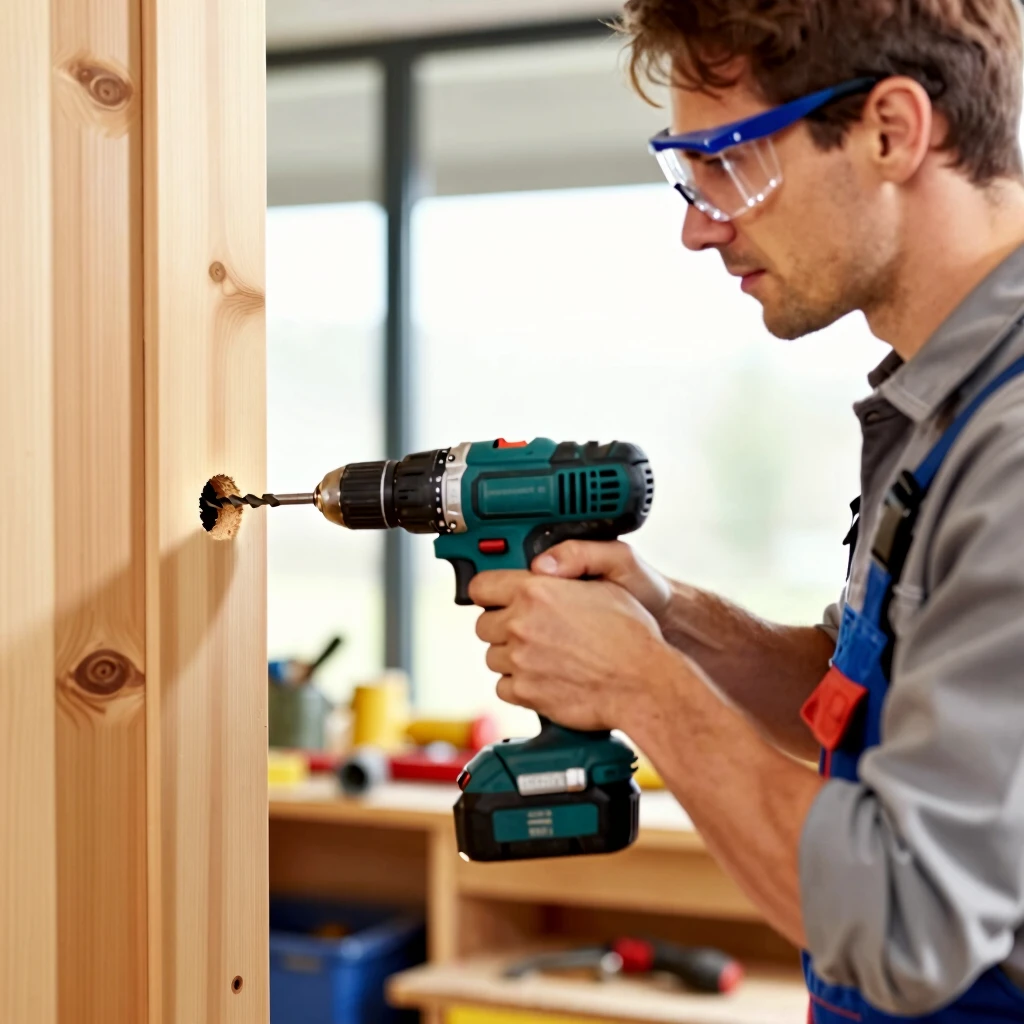
Power drills shine in everyday tasks. Hang pictures? Drill pilot holes first to avoid wall cracks. Build a workbench? Use driver bits for sturdy joints. For advanced stuff, like routing edges, add a router bit adapter.
In my garden shed rebuild, attachments let me drill, screw, and even sand in one tool. It cut my project time in half.
- Home Repairs: Fix loose cabinet hinges with driver bits.
- Woodworking: Shape with Forstner bits for clean pockets.
- Plumbing: Drill through tile with carbide-tipped bits.
- Auto Work: Extract broken bolts with reverse-thread extractors.
Versatility like this makes power drills a cornerstone of power tools. As the University of Hawaii's building maintenance resource explains, drills with accessories can even mix materials or chip concrete.
Safety First: Tips from Experience
Safety isn't optional—it's non-negotiable. I once ignored gloves and nicked my finger on a spinning bit. Lesson learned. Always wear eye protection, secure your workpiece, and unplug before changing bits.
Start drills at low speed. Hold with both hands. And for cordless, keep extra batteries charged.
The MIT wiki on electric hand drills offers great advice: Use variable speed and avoid excessive pressure to let the tool do the work.
Maintenance: Keep Your Drill Running Smooth
Treat your drill right, and it'll last years. Clean bits after use. Lubricate the chuck occasionally. Store in a dry spot to prevent rust.
For batteries, charge fully but don't overdo it. I rotate mine to extend life. Dull bits? Sharpen or replace—dull ones cause accidents.
From the University of Michigan's prototyping hub, remember to select the right bit for your material to ensure smooth operation.
Wrapping It Up
Understanding power drill attachments and their uses unlocks a world of DIY possibilities. Whether you go corded for power or cordless for mobility, pair it with the right bits for success. Start small, stay safe, and soon you'll wonder how you managed without them. Your next project awaits—grab that drill and get building! (1,512 words total)
Related Understanding Power Drill Attachments and Their Uses:
- How to Organize Your Workshop Like a Pro
- Maintenance Tips for Workman Tools: Keep Your Gear Sharp and Safe
- Essential Electrical Tools for Troubleshooting and Repair: A Hands-On Guide
- Essential Safety Tips for Metalworking Beginners: Protect Yourself and Craft with Confidence
- Understanding Your Car’s Cooling System: Tips and Tricks
- How to Maintain Your Hammers for Longevity
- Essential Workman Tools for Electrical Work: A Hands-On Guide to Getting the Job Done Right
- Top Voltage Testers for Safe Electrical Work
- How AI is Transforming Manufacturing: The Future of Industrial Automation
- Guide to Selecting the Best Paint for Your Home
- Must-Have Tools in a Painter's Toolkit: Essentials for Every Project
- Beginner’s Guide to Woodworking Tools