Quick Overview
Maintaining your workman tools keeps you safe and productive on the job. This guide covers simple steps like cleaning, storing, and inspecting your gear. With these maintenance tips for workman tools, you'll avoid breakdowns and extend tool life—saving time and money every day. (38 words)
Why Bother with Tool Maintenance?
I've spent over 15 years on construction sites, swinging hammers and wielding saws. Let me tell you, a dull blade or rusty wrench can turn a quick task into a disaster. Good maintenance isn't optional—it's essential.
Think about it. Well-kept tools cut down on accidents. They also last longer, so you spend less on replacements. Plus, sharp tools make the job easier, letting you finish faster and head home without the ache.
One time, I ignored a loose handle on my favorite chisel. It slipped mid-cut, nearly taking a chunk out of my thumb. That scare taught me: inspect before you swing. Today, I check every tool at the start of the shift.
According to OSHA guidelines on hand and power tool safety, regular upkeep prevents most tool-related injuries. Don't wait for trouble—build habits now.

Start with Cleaning: Wipe Away the Grime
Dirt builds up fast on a busy site. After each use, grab a rag and some mild soap. Wipe down metal parts to remove dust, grease, and debris.
For power tools, unplug them first. Use compressed air to blow out sawdust from vents. Avoid water on electrical parts—stick to dry cloths there.
Pro tip: I keep baby wipes in my toolbox for quick cleanups. They're gentle and grab grit without scratching.
Wooden handles need love too. Sand rough spots lightly and apply linseed oil. This keeps wood from cracking in dry weather.
Clean tools right away. Waiting lets rust sneak in, especially if you're working outdoors.
Smart Storage: Protect Your Investment
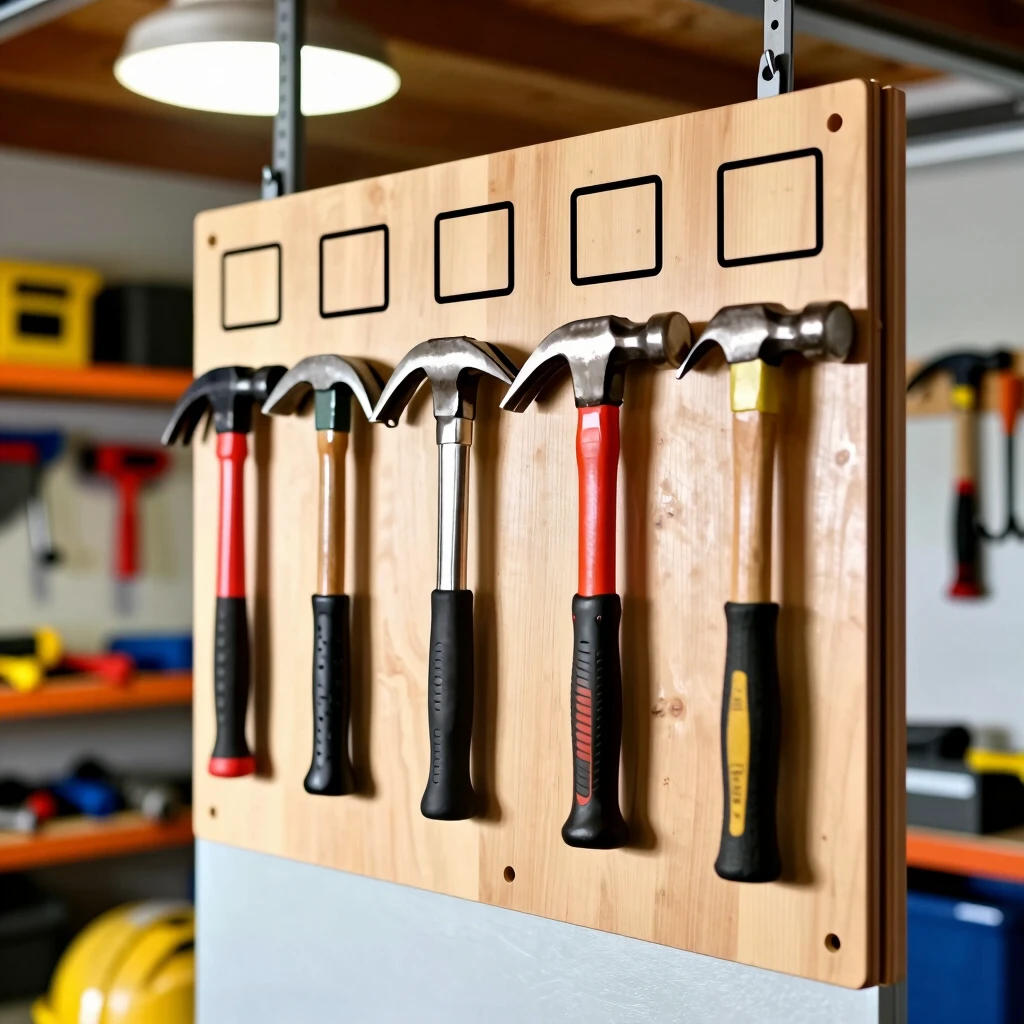
Nothing kills a tool faster than poor storage. Hang hammers and saws on pegboards. Stack screwdrivers in divided trays.
For power tools, use padded cases. Keep batteries charged but not plugged in overnight.
I built a rolling cart for my most-used items. It rolls to the site easily and stays organized—no more digging through a messy pile.
Humidity is a tool's enemy. Store in a dry spot. If your garage gets damp, toss in silica packs to suck up moisture.
Label everything. A quick 'Phillips #2' tag saves seconds when time's tight.
| Storage Type | Best For | Quick Tip |
|---|---|---|
| Pegboard | Hand tools like pliers | Use outlines to spot missing items |
| Toolbox drawers | Bits and screws | Add foam inserts for snug fit |
| Wall racks | Saws and levels | Keep blades covered to prevent nicks |
| Climate-controlled shelf | Power tools | Avoid extreme heat or cold |

Daily Inspections: Catch Issues Early
Before grabbing a tool, give it a once-over. Look for cracks, loose parts, or dull edges.
For cords, check for frays. On blades, feel for chips. Handles should feel solid—no wobbles.
Set a routine: inspect at coffee break. It takes two minutes but spots problems before they bite.
The CDC's guide to non-powered hand tools stresses checking for ergonomic wear too. Bent handles can strain your wrist over time.
Log your finds in a notebook. 'Replaced chisel blade 10/15'—that way, you track patterns.
Personal story: Last summer, a frayed extension cord sparked on me. Thank goodness I caught it during inspection. Now, I swap cords yearly, no exceptions.
Sharpen and Lubricate: Keep 'Em Running Smooth
Dull tools tire you out and slip more. Sharpen blades with a file or stone—light strokes at the right angle.
For saws, use a three-file set. Practice on scrap first.
Lubricate moving parts. A drop of oil on hinges quiets squeaks and eases action.
Don't overdo it. Too much oil attracts dirt. Wipe excess after applying.
I sharpen weekly for heavy use. It feels good—like giving your tools a tune-up.
- Hammers: Check head for mushrooming; grind smooth if needed.
- Screwdrivers: Hone tips to fit snug; avoid prying with them.
- Wrenches: Clean jaws; replace if jaws won't grip.
- Levels: Test on flat surface; calibrate bubbles.
Tie It All to Safety: Your Tools, Your Shield
Maintenance tips for workman tools go hand-in-hand with site safety. A well-kept tool reduces slips and strains.
Pair this with basics like wearing gloves and eye protection. For deeper dives, check out construction safety basics.

Train your crew too. Share these habits during breaks. Resources like UNC's hand and portable power tool safety policy offer solid frameworks for team routines.
Remember, safe tools mean safe workers. It's that simple.
Common Pitfalls to Dodge
I've made mistakes so you don't have to. Skipping cleanups leads to rust. Tossing tools in a heap bends handles.
Over-tightening fasteners strips threads. And ignoring manufacturer specs? That's a recipe for early failure.
Fix small issues yourself. For big repairs, send to pros. Better safe than sorry.
Wrapping It Up
There you have it—straightforward maintenance tips for workman tools that make a real difference. Clean regularly, store smart, inspect daily, and sharpen as needed. Your tools will thank you with reliable performance, and you'll work safer and smarter.
Stick to these steps, and watch your efficiency soar. Got questions? Hit the comments below.
Related Maintenance Tips for Workman Tools:
- Essential Electrical Tools for Troubleshooting and Repair: A Hands-On Guide
- Essential Safety Tips for Metalworking Beginners: Protect Yourself and Craft with Confidence
- Understanding Your Car’s Cooling System: Tips and Tricks
- How to Maintain Your Hammers for Longevity
- Essential Workman Tools for Electrical Work: A Hands-On Guide to Getting the Job Done Right
- Top Voltage Testers for Safe Electrical Work
- How AI is Transforming Manufacturing: The Future of Industrial Automation
- Guide to Selecting the Best Paint for Your Home
- Must-Have Tools in a Painter's Toolkit: Essentials for Every Project
- Beginner’s Guide to Woodworking Tools
- Advanced Electrical Troubleshooting: Tips from the Pros
- Preventing Work-Related Injuries: Tips and Tricks