Quick Overview
Ever stared at a flickering light or a dead outlet and wondered where to start? This guide dives into Advanced Electrical Troubleshooting: Tips from the Pros. You'll learn safety musts, key tools, and smart fixes that save time and headaches. Whether you're a newbie or seasoned spark jockey, these insights keep you safe and sharp. (38 words)
Let's kick things off right. Electricity powers our world, but it doesn't mess around. One wrong move, and you're in trouble. That's why we always put safety first.
Safety Best Practices for Electricians: Your First Line of Defense
I remember my first solo job—nerves on edge, tools scattered. A mentor pulled me aside: 'Safety isn't optional; it's survival.' He's right. Start every job by shutting off the power at the breaker. Double-check with a voltage tester. No sparks, no shortcuts.
Wear the right gear. Insulated gloves, safety glasses, and non-slip boots aren't just for show. They shield you from shocks and slips. The Occupational Safety and Health Administration (OSHA) outlines clear electrical safety standards that every pro swears by. Follow them, and you cut risks by half.
Work with a buddy when possible, especially on big fixes. If something feels off—like a humming panel—stop and call for backup. Pros know when to walk away. These habits build confidence and keep you coming home whole.

Now, gear up. You can't fix what you can't measure. Let's talk tools.
Comprehensive Guide to Workman Tools for Beginners: Build Your Kit Smart
Don't grab the cheapest set at the hardware store. Invest in quality that lasts. As a beginner, focus on basics that handle most jobs. Over my career, I've ditched flimsy pliers for ones that grip like vices.
Here's a starter list:
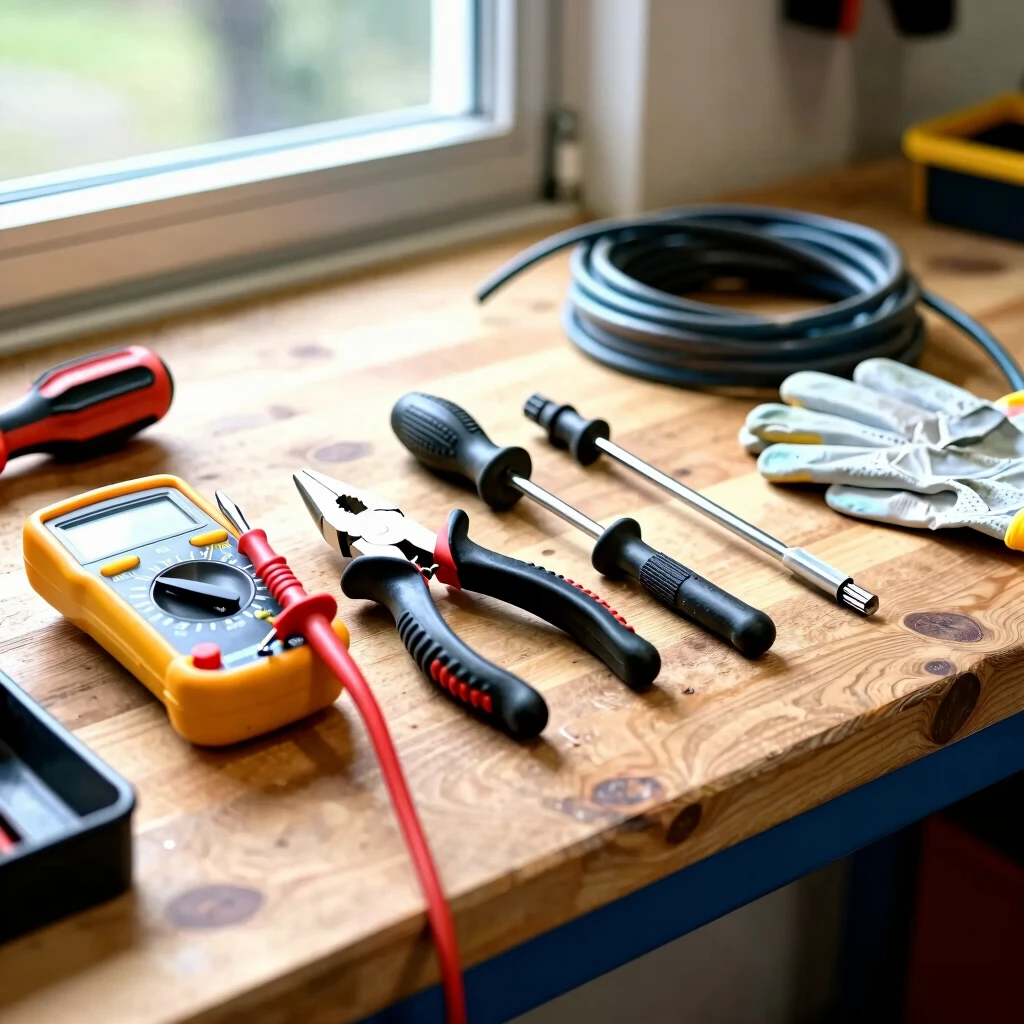
- Multimeter: Measures voltage, current, and resistance. Essential for spotting hidden issues.
- Wire Strippers: Clean cuts without nicking copper.
- Needle-Nose Pliers: Perfect for tight spots and bending wires.
- Voltage Tester: Non-contact version buzzes near live wires—game-changer for safety.
- Tape Measure and Level: Ensure straight runs and accurate placements.
| Tool | Why It Matters | Pro Tip |
|---|---|---|
| Multimeter | Diagnoses circuit problems fast | Calibrate it yearly for accuracy |
| Insulated Screwdrivers | Prevents shocks during turns | Get a set with magnetic tips |
| Fish Tape | Pulls wires through walls | Lubricate for smoother pulls |
For electrical tools for troubleshooting and repair, check out this detailed list from Universal Technical Institute. It breaks down must-haves with real-world uses. Start small, add as you go. A solid kit turns frustration into fixes.

With your kit ready, time to troubleshoot like a pro.
Advanced Troubleshooting Techniques for Electricians: Beyond the Basics
Basic checks? Flip the breaker, plug in elsewhere. But when that fails, dig deeper. Pros use a systematic approach: Isolate, test, verify.
Step 1: Map the circuit. Grab your panel label or draw one. Know what's fed where. I once chased a ghost outlet for hours—turns out, a shared neutral from the neighbor's remodel.
Step 2: Use your multimeter like a detective. Set to continuity for opens, AC volts for loads. Trace from source to end. Loose connections cause 30% of home woes—tighten 'em methodically.
For GFCIs tripping? Test monthly. The National Fire Protection Association (NFPA) shares five simple checks that spot faults early. Press the button, listen for the click. No go? Swap it out.
Dealing with motors? Check windings for shorts. Ohm them out—under 1 ohm means trouble. And always ground yourself to avoid static zaps.

Pro tip: Document everything. Snap photos before disassembly. Sketch changes. It saves headaches on callbacks.
Grounding issues? Verify bonds with a clamp meter. Poor grounds spark fires—don't ignore 'em. In commercial gigs, infrared thermography spots hot joints without shutdowns. Rent one if you can; it's eye-opening.
I've fixed a factory line by spotting a corroded relay this way. Saved downtime and egos. Remember, patience pays. Rushing leads to repeats.
Lighting woes? LED drivers fail quietly. Swap 'em first—cheaper than chasing bulbs. For smart homes, cycle power fully; apps glitch.
When all else fails, call in specs. The Lincoln Tech guide on electrician tools pairs gear with techniques, like using a tone generator for buried wires.
Arc faults? Install AFCIs—they sense dangers breakers miss. Stats show they cut bedroom fires by 50%.
In my 25 years, the biggest lesson? Listen to the system. Buzzes, smells, warmth—they whisper before they scream.
Real-World Stories: Lessons from the Field
Take that stormy night call: Lights out, fridge warm. Customer panics. I arrive calm, test the main—wet entry point shorted. Dried, sealed, done. Safety gear kept me dry; tools pinpointed it fast.
Or the office remodel: Intermittent drops. Traced to a pinched neutral in the drop ceiling. Hours saved by methodical probing. Pros celebrate these wins quietly.
Beginners, practice on dummies. Build mock panels—cheaper than mistakes. Join local groups; share war stories.
Wrapping It Up: Power Up Your Skills
Advanced Electrical Troubleshooting: Tips from the Pros boils down to prep, precision, and prudence. Master safety, stock smart tools, and apply these techniques. You'll fix faster, safer, and smarter. Stay curious—electricity evolves, so should you. (1522 words total)
Related Advanced Electrical Troubleshooting: Tips from the Pros:
- Safety Best Practices for Electricians: Essential Tips to Stay Safe on the Job
- Preventing Work-Related Injuries: Tips and Tricks
- Unlocking Efficiency: Why Tool Belts with Customizable Pockets Are a Must for Every Tradesperson
- How to Choose the Best Tool Belt for Your Needs
- Workman Tools for Electricians: What You Need to Know
- Budget-Friendly Workshop Setup Ideas: Transform Your Space Without Breaking the Bank
- Essential Maintenance Tips for Workman Tools: Keep Your Construction Gear Running Smoothly
- The Ultimate Guide to Automotive Repair Tools
- Beginner's Guide to Car Maintenance
- Top 10 Power Tools for Woodworking Enthusiasts
- Oscillating Tools for Tight Spaces: Your Ultimate Guide to Precision Power Tools
- Top 10 Electrical Safety Tips for New Electricians: Essential Gear, Tools, and Best Practices