Overview
Setting up a workshop doesn't have to cost a fortune. With smart planning and budget-friendly workshop setup ideas, you can create a functional space that boosts productivity. This guide shares tips on essentials, organization, and more for hobbyists and pros alike.
Have you ever dreamed of having your own workshop but worried about the costs? You're not alone. Many people start with limited budgets and small spaces, like a garage corner or basement. The good news is that budget-friendly workshop setup ideas make it possible to build a great space without spending too much. I'll share my experiences and practical advice to help you get started.
I remember my first workshop: a tiny shed with hand-me-down tools. It taught me that smart choices matter more than fancy gear. Focus on what you need, not what you want. This approach saves money and keeps things simple.
First, think about your space. Measure it carefully. A good layout prevents clutter and makes work easier. Place frequently used items within reach. For example, keep your workbench central if possible. Tools that you grab often should hang on walls or sit on shelves nearby.

Choosing Your Workshop Space
Pick a spot that's dry, well-ventilated, and has good lighting. Garages work well because they're separate from living areas. If space is tight, use vertical storage to maximize room. Add LED lights for brightness without high energy bills. In my setup, I used free plans to build shelves from scrap wood, saving hundreds.
Consider power outlets too. You need enough for tools. If not, add extension cords safely. Safety comes first—keep paths clear to avoid trips.
How to Choose the Right Workbench for Your Space
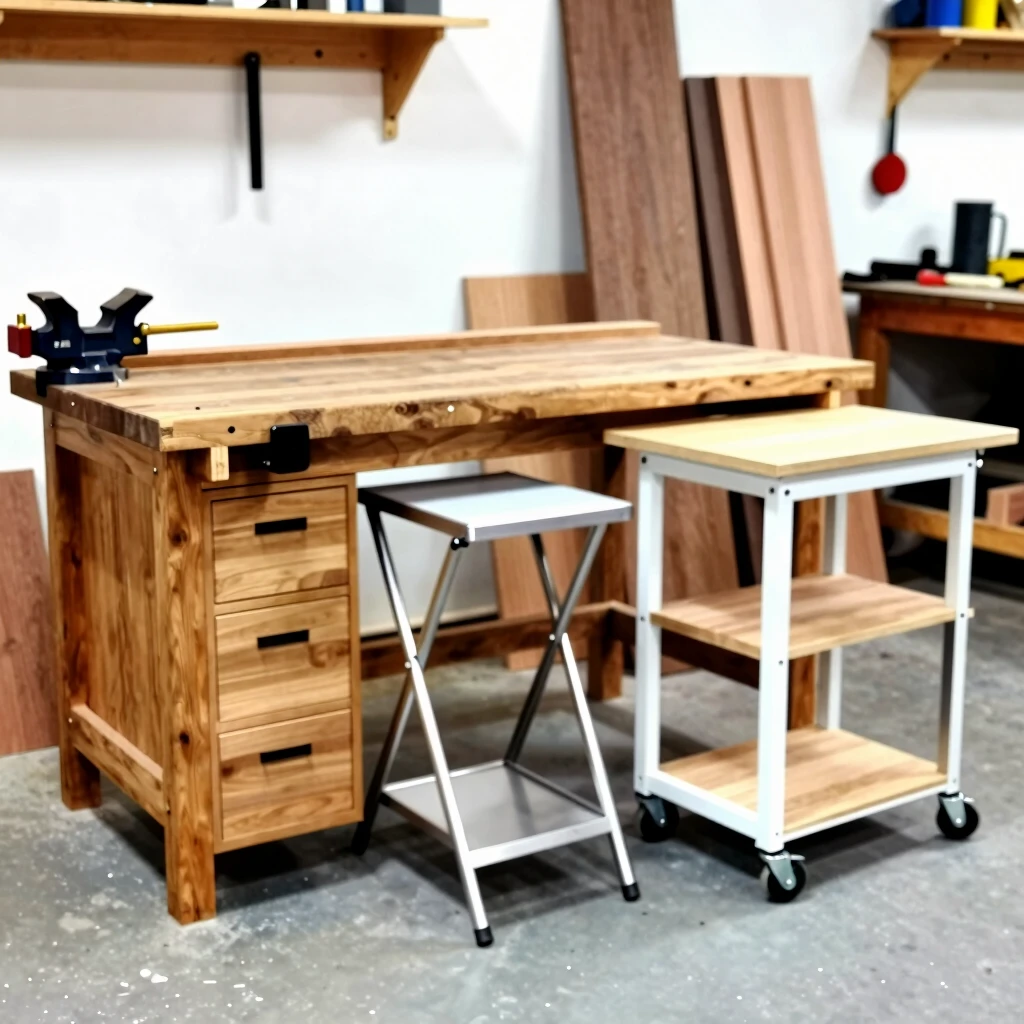
The workbench is the heart of your workshop. It needs to fit your area and projects. Measure your space first. A too-big bench crowds the room; a small one limits work. Look for sturdy materials like wood or metal that handle weight.
Think about height. It should reach your waist for comfort, reducing back strain. Add a vise for holding pieces securely. Mobile benches with wheels are great for small spots—you roll them away when done.
From my experience, building your own saves money. I used free online plans and added drawers for storage. For inspiration, check out this guide on setting up a wood workshop from St. Edward's University, which emphasizes practical layouts and tool placement.
Compare options:
| Type | Pros | Cons | Cost Range |
|---|---|---|---|
| Wooden | Sturdy, customizable | Heavier | $50-200 |
| Metal | Durable, easy clean | Noisier | $100-300 |
| Foldable | Space-saving | Less stable | $30-100 |
Choose based on your needs. Professionals might want metal for heavy use, while hobbyists prefer wood.
Workshop Equipment Essentials
Start with basics to avoid overspending. You need measuring tools like tapes and squares, cutting tools such as saws and chisels, and fastening items like hammers and screwdrivers. Don't buy everything at once—build your collection over time.
For makerspaces, essentials include hand tools like pliers and files, power tools like drills, and safety gear like glasses. A list from MIT's K-12 Maker resources highlights common items for efficient setups.
Prioritize versatile tools. A cordless drill handles many tasks. Add a shop vac for cleanup. In my shop, these essentials made projects smoother without breaking the bank.
High-Quality Workman Tools for Professionals
Pros need reliable tools that last. Look for high-quality workman tools for professionals made from strong steel. They improve precision and safety. For example, good pliers grip better, reducing slips.
Ergonomics matter too. Tools that fit your hand prevent injuries. According to OSHA's ergonomics guidelines, proper design lessens muscle fatigue and boosts productivity.
Invest in brands known for durability. Start with a quality hammer and screwdriver set. I've used mine for years, and they still perform well. Quality pays off in the long run.
Tips for Organizing Small Workshops Efficiently
Small spaces challenge organization, but smart tips help. Use pegboards for tools—outline shapes so everything has a spot. Label drawers and bins for quick finds.
Vertical storage saves floor space. Hang shelves or use magnetic strips for metal tools. Mobile carts roll supplies where needed.
From my trials, grouping items by task works best. Keep woodworking tools together, electrical ones separate. For ceramics or similar, try budget-friendly organization ideas from The Art of Education University, like numbered tool kits.
Here's a quick list: - Install pegboards - Use stackable bins - Add wall-mounted shelves - Label everything - Purge unused items regularly
These tips keep your workshop efficient and stress-free.

Budget-Saving Strategies
Shop secondhand for deals. Garage sales and online marketplaces offer tools at low prices. Repurpose items—like old cabinets for storage.
DIY where possible. Build shelves from pallet wood. Buy multi-use tools to cut costs. Track expenses to stay under budget.
In my setup, these strategies halved my costs. Focus on needs first, wants later.
Personal Insights
Over years, I've learned flexibility matters. My workshop evolved as skills grew. Start small, adjust as you go. Mistakes teach—like buying a cheap tool that broke quickly. Invest wisely for long-term savings.
Summary
Budget-friendly workshop setup ideas empower you to create without overspending. Choose the right workbench, organize efficiently, and pick essential tools. With these tips, your space becomes productive and enjoyable.
Related Budget-Friendly Workshop Setup Ideas:
- Essential Maintenance Tips for Workman Tools: Keep Your Construction Gear Running Smoothly
- The Ultimate Guide to Automotive Repair Tools
- Beginner's Guide to Car Maintenance
- Top 10 Power Tools for Woodworking Enthusiasts
- Oscillating Tools for Tight Spaces: Your Ultimate Guide to Precision Power Tools
- Top 10 Electrical Safety Tips for New Electricians: Essential Gear, Tools, and Best Practices
- Essential Safety Tips for Using Hand Tools: The Ultimate Guide to Hand Tools
- Best Storage Solutions for Small Workshops: Organize, Maintain, and Maximize Your Space
- Revolutionizing Your Trade: Modern Workman Tools with Ergonomic Design
- 10 Essential Workman Tools Every DIYer Should Own
- Safe Ladder Use: Tips for DIY Home Projects
- Maximizing Efficiency on the Construction Site: Proven Strategies and Tools for Success