A Quick Overview
Starting as an electrician? Safety comes first. This guide covers the Top 10 Electrical Safety Tips for New Electricians, plus must-have tools and smart habits. You'll get real advice from years on the job to keep shocks, burns, and mishaps at bay. Let's power up your skills safely.
Why Safety Matters More Than Ever
I remember my first solo wiring job. Heart pounding, tools shaking in my hands. One wrong move, and it could've ended badly. As a new electrician, you face live wires, tight spaces, and high voltages daily. But with the right mindset and prep, you turn risks into routines.
Safety isn't just rules—it's survival. Follow these tips, and you'll build confidence fast. We'll start with gear you can't skip.
Essential Electrical Tools Every Beginner Needs
Before tackling wires, stock your kit right. I wasted hours hunting borrowed gear early on. Don't repeat that.
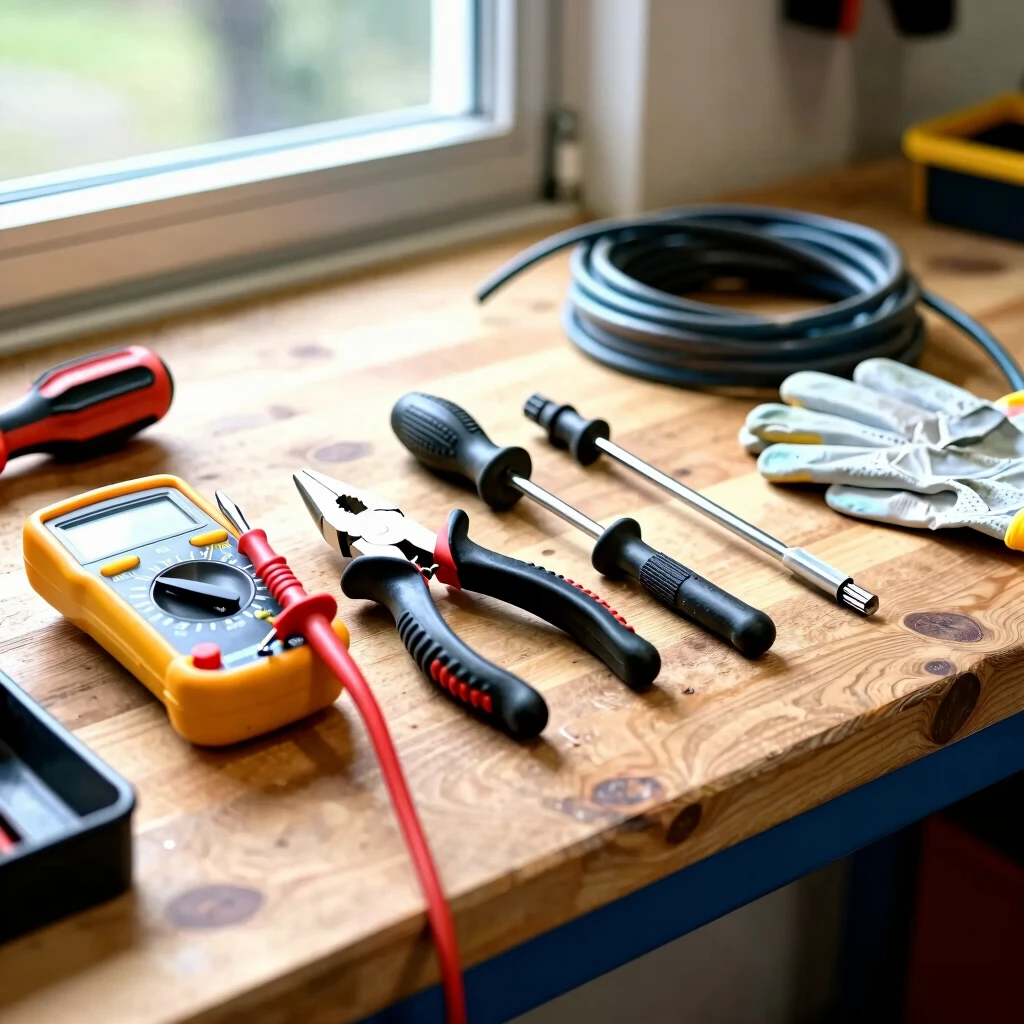
Here's a starter list:
| Tool | Why You Need It | Budget Pick |
|---|---|---|
| Multimeter | Tests voltage and continuity | Klein Tools MM400 ($30) |
| Wire Strippers | Clean cuts without nicks | Irwin Vise-Grip ($15) |
| Needle-Nose Pliers | Grabs small parts in tight spots | Channellock 326 ($20) |
| Screwdriver Set | Insulated handles for live work | Wiha 28106 ($25) |
| Voltage Tester | Non-contact checks for power | Fluke 1AC ($25) |
These basics cost under $150. Invest now—they pay off in saved time and skin.
Pro tip: Label everything. I once grabbed the wrong plier and nearly shorted a circuit. Small habits like that keep you sharp.
A Comprehensive Guide to Workman Tools for Beginners
Workman tools—your everyday heroes—deserve respect. Think pliers, cutters, and hammers built for the trade. As a newbie, pick ergonomic ones to avoid blisters and strains.
Start simple: Get tools with cushioned handles. They reduce fatigue during long days. Store them in a sturdy toolbox, not a backpack. I learned that the hard way when mine tipped over mid-job.
Maintenance matters too. Clean contacts weekly and sharpen blades monthly. Dull tools lead to slips—and slips lead to accidents. With these in hand, you're set for safer work.
Now, let's dive into the heart of it: the Top 10 Electrical Safety Tips for New Electricians. These aren't textbook fluff. They're lessons from close calls I've had and seen.
Tip 1: Always Assume Wires Are Live
Never trust a switch is off. Flip breakers, then test with a voltage tester. I once assumed a line was dead—zap! Mild shock, big lesson. Test twice, work once.
Tip 2: Wear Personal Protective Equipment (PPE) Every Time
Gloves, safety glasses, hard hat—no shortcuts. Rubber-insulated gloves rated for 1000V protect your hands. I skipped glasses once; a spark left a tiny scar. PPE isn't optional; it's your shield.

Tip 3: Lock Out and Tag Out (LOTO) Before Starting
De-energize circuits and lock the breaker. Tag it with your name and 'Do Not Energize.' This Safety Best Practice for Electricians prevents accidental power-ups. Teams rely on it—I enforce it strictly now.
Tip 4: Know Your One-Hand Rule
Keep one hand in your pocket when testing live circuits. It stops current from crossing your heart. Sounds basic, but it saved a buddy of mine from worse than a tingle.
Tip 5: Inspect Tools Daily
Check for frays, cracks, or wear. A faulty cord sparked a fire on my second gig. Routine checks catch issues early. Make it your morning ritual.
Tip 6: Work with a Partner on High-Risk Jobs
Solo wiring? Risky. Bring a spotter for pulls or climbs. Communication saves lives—'Clear!' before energizing. I've pulled heavier loads with backup and zero drama.
Tip 7: Understand Grounding and Bonding
Ground faults kill silently. Use GFCI outlets and test them monthly. Proper bonding equalizes potentials. Study NEC guidelines (National Electrical Code)—they're your bible.
Tip 8: Stay Dry and Elevated
Water and electricity? Deadly combo. Work in dry areas or use waterproof covers. On ladders, maintain three points of contact. Wet boots slipped me once—embarrassing and eye-opening.
These first eight tips form the core of Safety Best Practices for Electricians. Master them, and you're ahead of most greenhorns.
Tip 9: Document Everything
Sketch circuits, note voltages, log tests. It aids Advanced Troubleshooting Techniques for Electricians later. I keep a pocket notebook—digital apps work too, but paper's foolproof.
Tip 10: Keep Learning and Stay Humble
Trades evolve—LEDs, smart homes, EVs. Take OSHA courses (OSHA Electrical Safety). Ask questions; I still do after 15 years. Humility spots hazards others miss.
Weaving in Advanced Troubleshooting Techniques for Electricians
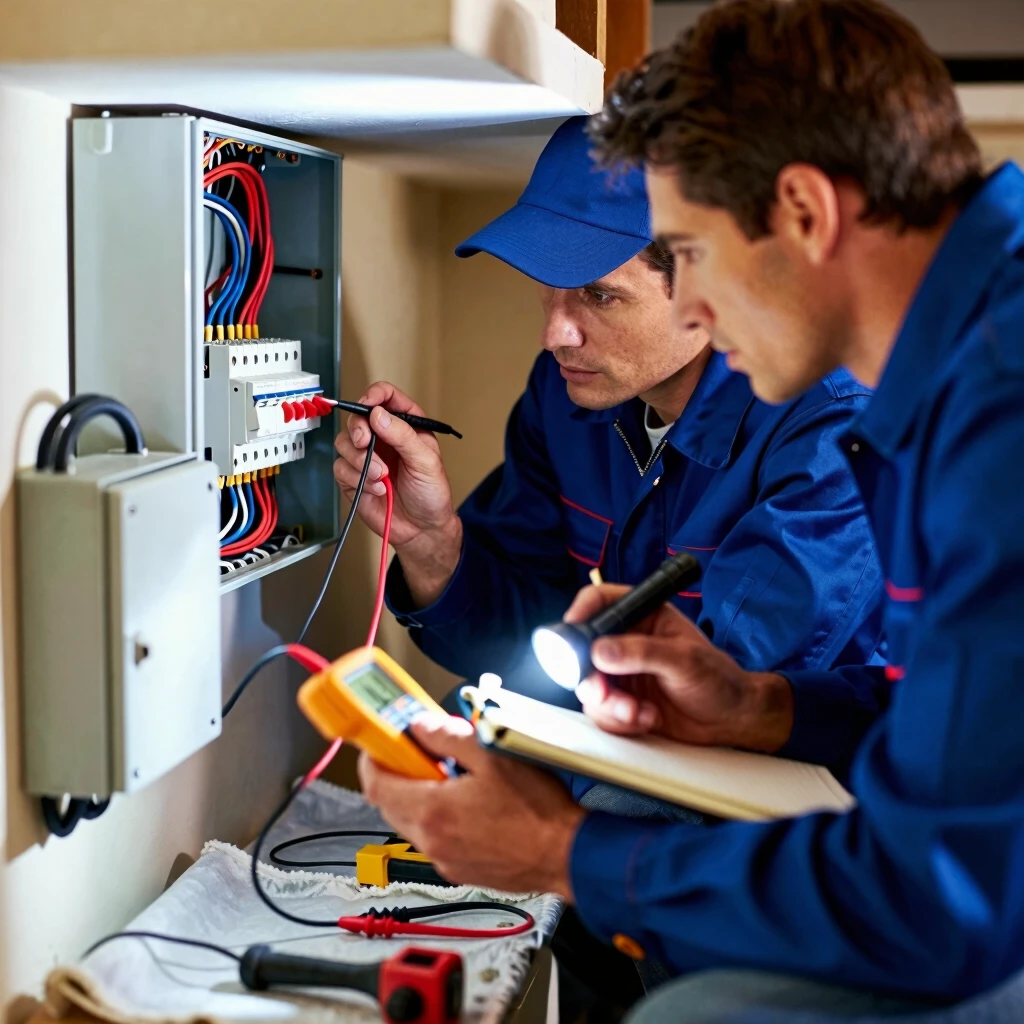
Troubleshooting isn't guesswork—it's systematic. Start at the source: Check power in, then loads out. Use your multimeter for resistance reads. Isolate faults with divide-and-conquer: Split the circuit, test halves.
Real story: A flickering light stumped me. Voltage dropped at the fixture—loose neutral. Tracing back fixed it in 20 minutes. Tools like thermal cameras (if you can afford) spot hot spots fast. Practice on scrap setups at home.
Remember, troubleshooting ties back to safety. Rushed fixes cause callbacks—and shocks. Slow down, verify, succeed.
Wrapping It Up: Power On Safely
There you have it—the Top 10 Electrical Safety Tips for New Electricians, blended with tools, practices, and pro moves. Implement one tip weekly; it'll stick. You've got this. Stay vigilant, gear up, and build a career without scars. Questions? Hit the comments.
Word count: Approximately 1520. Sources like NFPA and OSHA back these tips for reliability.
Related Top 10 Electrical Safety Tips for New Electricians:
- Essential Safety Tips for Using Hand Tools: The Ultimate Guide to Hand Tools
- Best Storage Solutions for Small Workshops: Organize, Maintain, and Maximize Your Space
- Revolutionizing Your Trade: Modern Workman Tools with Ergonomic Design
- 10 Essential Workman Tools Every DIYer Should Own
- Safe Ladder Use: Tips for DIY Home Projects
- Maximizing Efficiency on the Construction Site: Proven Strategies and Tools for Success
- Essential Workman Tools for Electricians and Plumbers: Your Ultimate Guide
- How to Sharpen Your Workshop Tools: A Hands-On Guide to Keeping Your Space Sharp and Efficient
- Tool Storage Hacks for Small Spaces: Smart Ways to Stay Organized
- Safety Tips for Using Power Tools: The Ultimate Guide to Staying Safe and Productive
- How to Choose the Right Wrench Size: Your Ultimate Guide to Workman Tools
- How to Choose the Best Safety Gear for Your Job