A Quick Look at Ergonomic Tools
In today's fast-paced job sites, modern workman tools with ergonomic design stand out. They ease hand strain, boost your output, and keep you safe longer. This guide dives into the best ones, including cutting tools, to help you pick smart.
Why Ergonomics Matter in Your Daily Grind
I've spent years on construction crews, and nothing kills a good day like a sore wrist from a clunky tool. That's where modern workman tools with ergonomic design change the game. These aren't just fancy add-ons—they're built to fit your body, not force it.
Think about it. You grip a handle that's molded to your palm, and suddenly, that eight-hour shift feels like six. Ergonomics means tools that reduce vibration, distribute weight evenly, and let you work in natural positions. According to the Occupational Safety and Health Administration (OSHA), smart tool design can slash repetitive strain injuries by up to 50%.
Let's break it down. Ergonomic tools use soft, non-slip grips made from materials like thermoplastic rubber. They cut down on slips and let you power through wet or oily conditions. Plus, lighter composites keep the tool handy without skimping on strength.
In my experience, switching to these saved my thumbs from the usual ache after framing a whole house. You feel the difference right away—more control, less fight.
The Big Wins: How These Tools Boost Your Work
You might wonder if it's worth the upgrade. Trust me, it is. Here's a quick list of perks I've seen firsthand:
- Less Fatigue: Contoured handles and balanced designs mean your muscles don't scream by lunch.
- Better Safety: Reduced vibration lowers risks of hand-arm vibration syndrome, a real buzzkill for pros.
- Higher Speed: Comfortable tools let you work faster without errors. I finished a deck install 20% quicker last summer.
- Longer Career: Fewer injuries keep you on the job, not sidelined.
Studies from the National Institute for Occupational Safety and Health (NIOSH) back this up—ergonomic workman tools pay off in health and productivity.
| Benefit | Traditional Tool | Ergonomic Tool |
|---|---|---|
| Grip Comfort | Hard plastic, slips easily | Soft, molded rubber, stays put |
| Weight Feel | Heavy in hand, tires arms | Balanced, feels light |
| Vibration | Shakes your bones | Dampened, smooth ride |
| Injury Risk | High from strain | Low, body-friendly |
That table sums it up. Simple changes make a world of difference.
Spotlight on Cutting Tools: Sharp and Smart
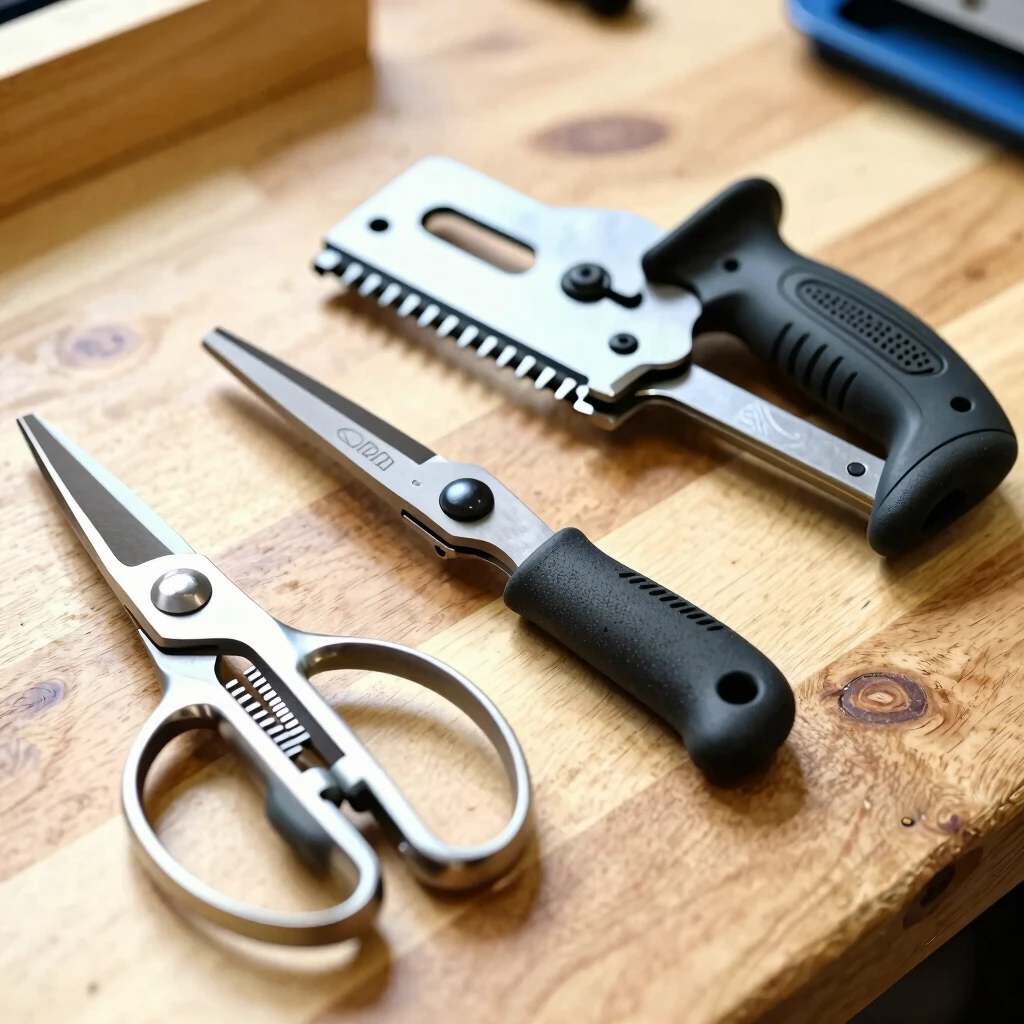
Cutting tools get a lot of action on any site, and that's why ergonomic versions shine. Modern workman tools with ergonomic design in this category focus on precision without the pain.
Take the offset titanium-coated shears from Crescent Tools. Their angled handles keep your hands clear of the cut line, perfect for sheet metal or roofing. I used a pair on a tin roof job—no more awkward reaches or blisters.
Then there's the manual reciprocating saw, a demolition favorite. Brands like Milwaukee now pack in vibration dampeners and pistol-grip handles that fit like a glove. It slices through studs effortlessly, and your arms thank you at day's end.
Don't sleep on chisels either. Ergonomic ones have wider striking surfaces and cushioned grips to absorb shock. For woodworking tradesmen, a good one from Stanley FatMax prevents that nagging elbow twinge.
Here's my go-to list for cutting tools:
- Shears: Offset design for safety—great for HVAC work.
- Hand Saws: Japanese-style pull strokes with ergonomic frames reduce pull strain.
- Utility Knives: Retractable blades with one-handed lock and rubber grips.
- Pruning Saws: Curved blades with lightweight, balanced handles for landscapers.
Pro tip: Always match the tool to your hand size. A quick test swing tells you if it's a keeper.
In 2025 trends, expect more adaptive features. Tools with adjustable grips that swap for lefties or different strengths are popping up, per insights from WorkPro Tool's future report. Cutting tools lead the pack because precision demands comfort.
Beyond Cutting: Essential Workman Tools to Grab
Ergonomics isn't just for blades—it's across the board. Let's talk hammers, the heartbeat of any toolbox.
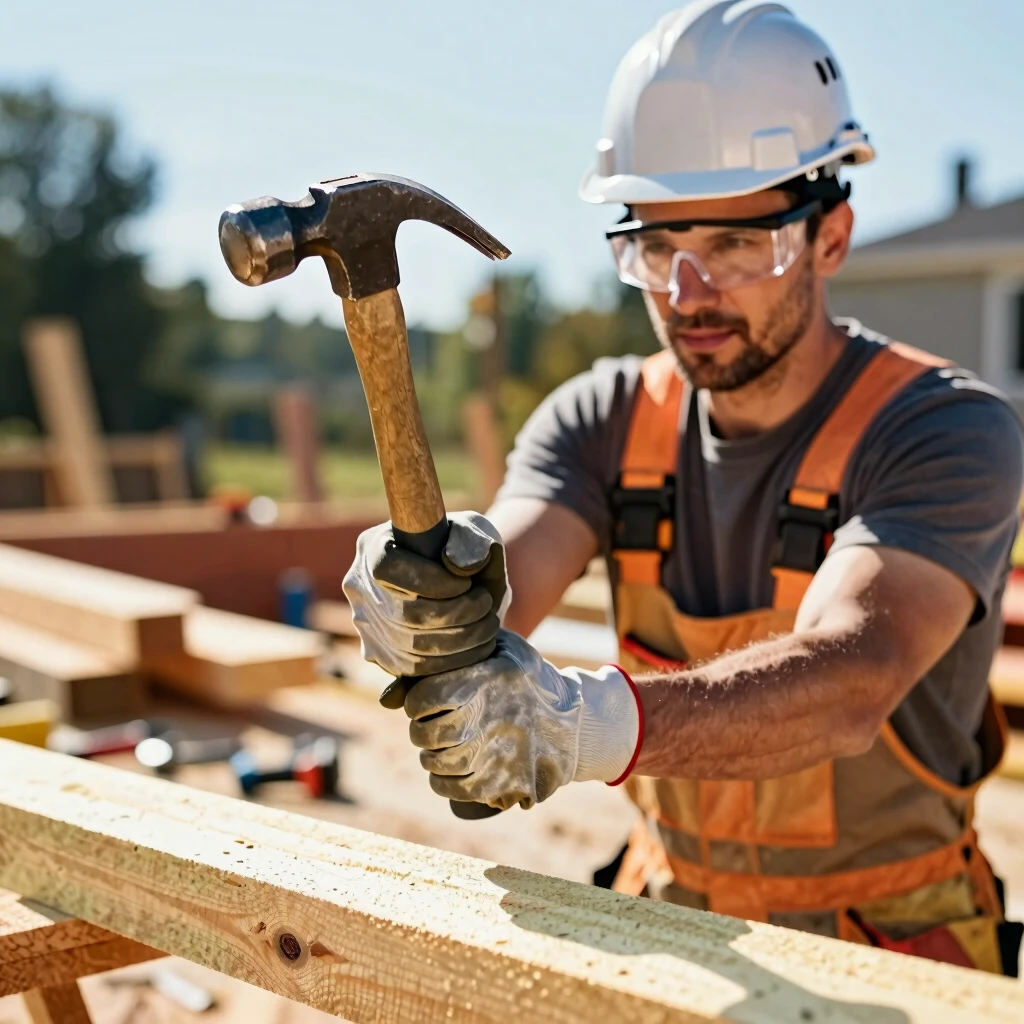
A framing hammer with a milled face and anti-vibe handle? Game-changer. I swapped my old claw for a DeWalt model, and nailing toe-nails became a breeze, not a battle.
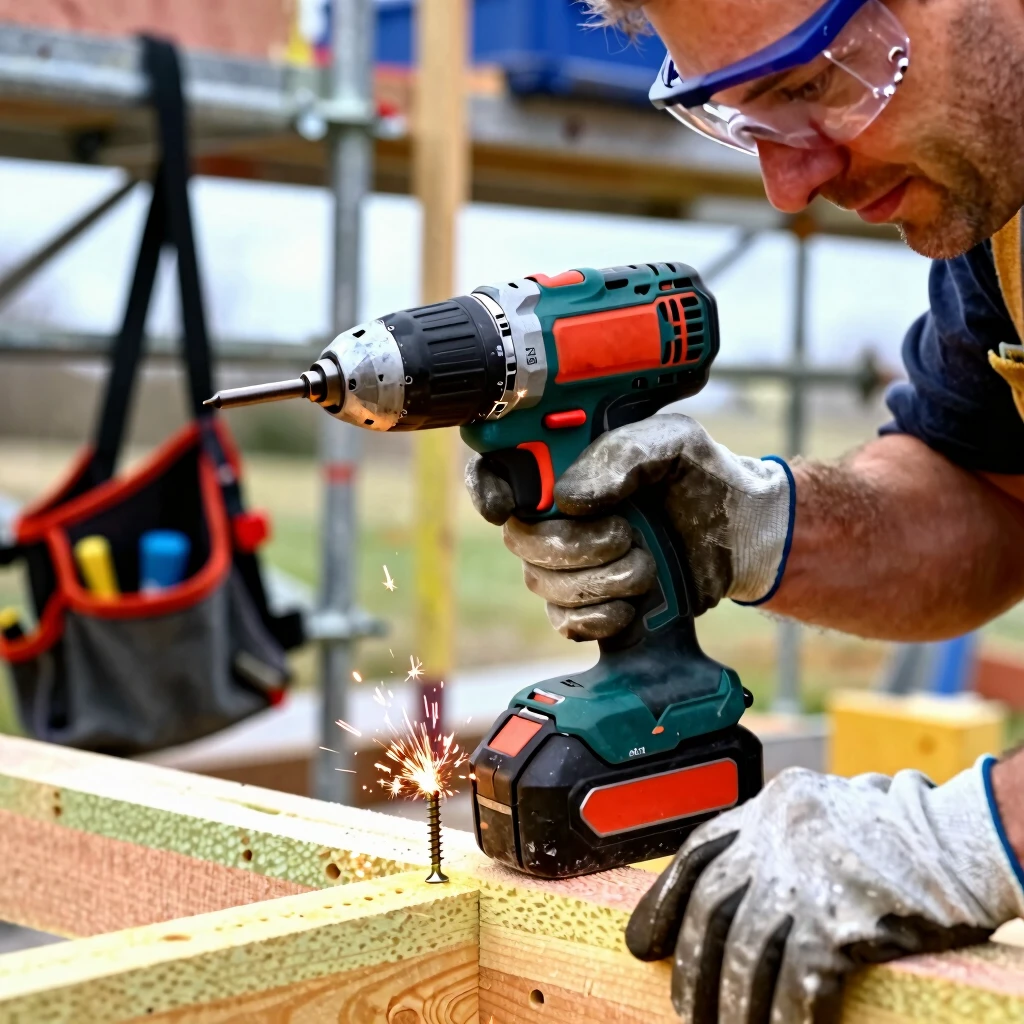
Screwdrivers deserve love too. Magnetic tips and ergonomic barrels from Klein Tools let you drive fasteners all day without white-knuckling. Pair them with a multi-tool like Leatherman Wave+ for on-the-fly fixes—its pliers have contoured jaws that grip without pinching.
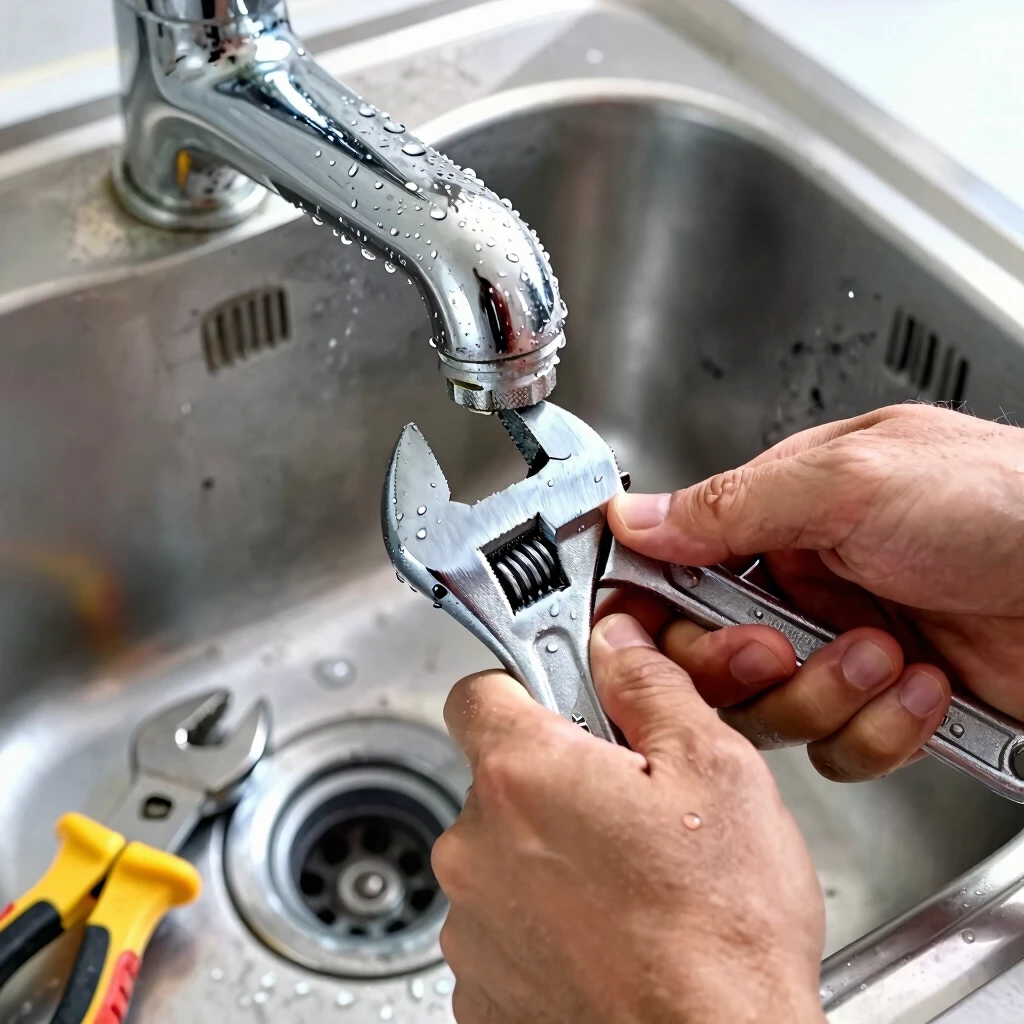
Pry bars and wrenches round it out. Look for curved handles on bars to leverage without back strain, and ratcheting wrenches that spin smoothly.
| Tool Type | Top Pick | Key Ergonomic Feature |
|---|---|---|
| Hammer | DeWalt Framing | Vibration-dampening shaft |
| Screwdriver | Klein Precision | Soft-grip barrel |
| Pliers | Knipex Cobra | Self-adjusting, smooth release |
| Multi-Tool | Leatherman Wave+ | One-hand access, balanced weight |
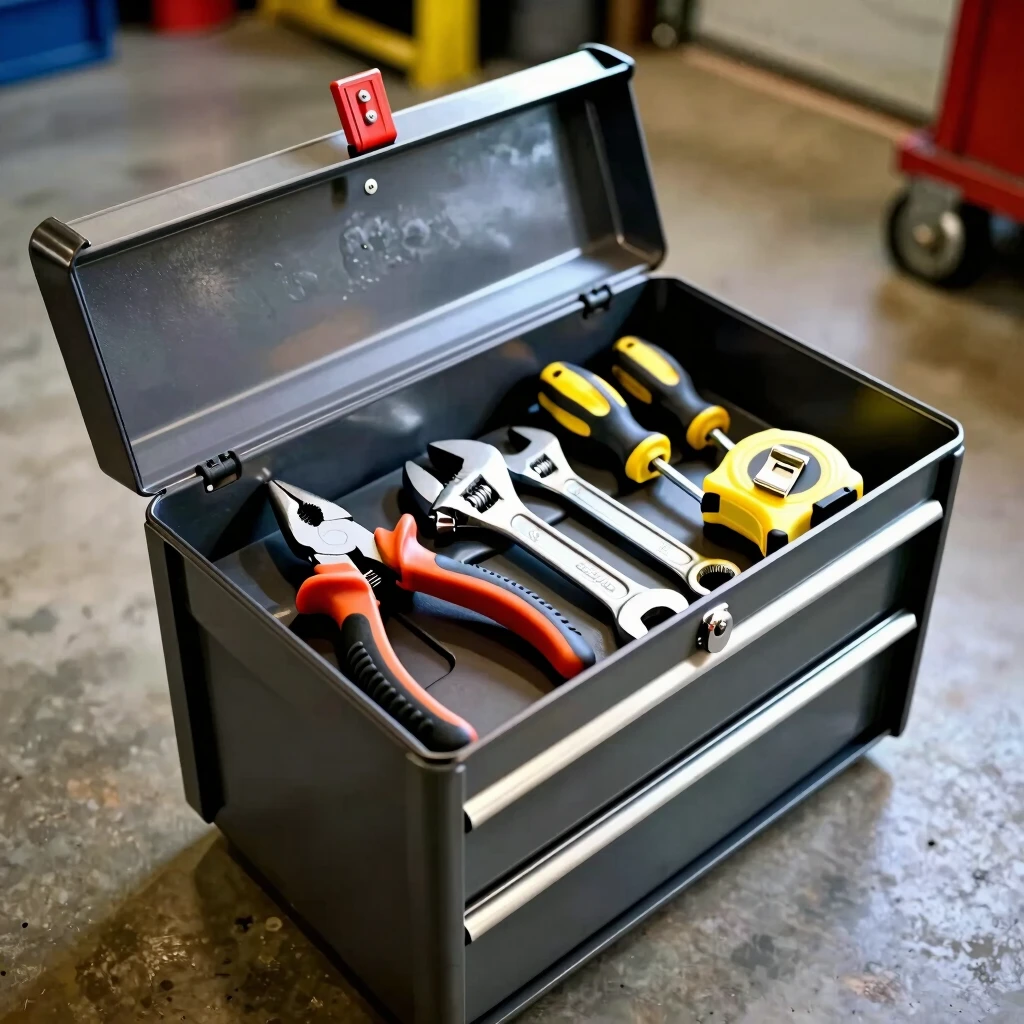
Building your kit? Start with versatile pieces. I've got a rule: If it doesn't feel right after 10 minutes, return it. Your body knows.
Real Talk: My Take on the Shift
Back in my apprentice days, we toughed it out with whatever was cheapest. Blisters? Walk it off. But after a shoulder tweak from a vibrating saw, I got real about tools. Now, investing in ergonomics feels like self-care for your trade.
Last project, a kitchen reno, I led a crew with mixed kits. The guys with ergo tools? They outpaced the rest, no complaints. It's not hype—it's science meeting sweat.
For newcomers, ease in. Grab one ergonomic cutting tool first, like those shears, and build from there. Seasoned pros, audit your box. Ditch the relics; your future self will high-five you.
Sustainability's sneaking in too—recycled grips without losing that soft feel. Brands like Stanley are on it, making green choices that last.
Wrapping It Up: Tool Up Smarter
Modern workman tools with ergonomic design aren't a luxury—they're your edge. From cutting tools that slice clean to hammers that swing true, they keep you strong and sharp. Pick quality, test for fit, and watch your work flow.
Upgrade today, and tomorrow's jobs get easier. Your hands will thank you.
Related modern workman tools with ergonomic design:
- 10 Essential Workman Tools Every DIYer Should Own
- Safe Ladder Use: Tips for DIY Home Projects
- Maximizing Efficiency on the Construction Site: Proven Strategies and Tools for Success
- Essential Workman Tools for Electricians and Plumbers: Your Ultimate Guide
- How to Sharpen Your Workshop Tools: A Hands-On Guide to Keeping Your Space Sharp and Efficient
- Tool Storage Hacks for Small Spaces: Smart Ways to Stay Organized
- Safety Tips for Using Power Tools: The Ultimate Guide to Staying Safe and Productive
- How to Choose the Right Wrench Size: Your Ultimate Guide to Workman Tools
- How to Choose the Best Safety Gear for Your Job
- DIY Plumbing: Tips and Tricks for Beginners
- Top 10 Must-Have Tools for Every DIY Enthusiast
- Unlocking Professional Excellence: The Ultimate Guide to High-Quality Workman Tools for Professionals