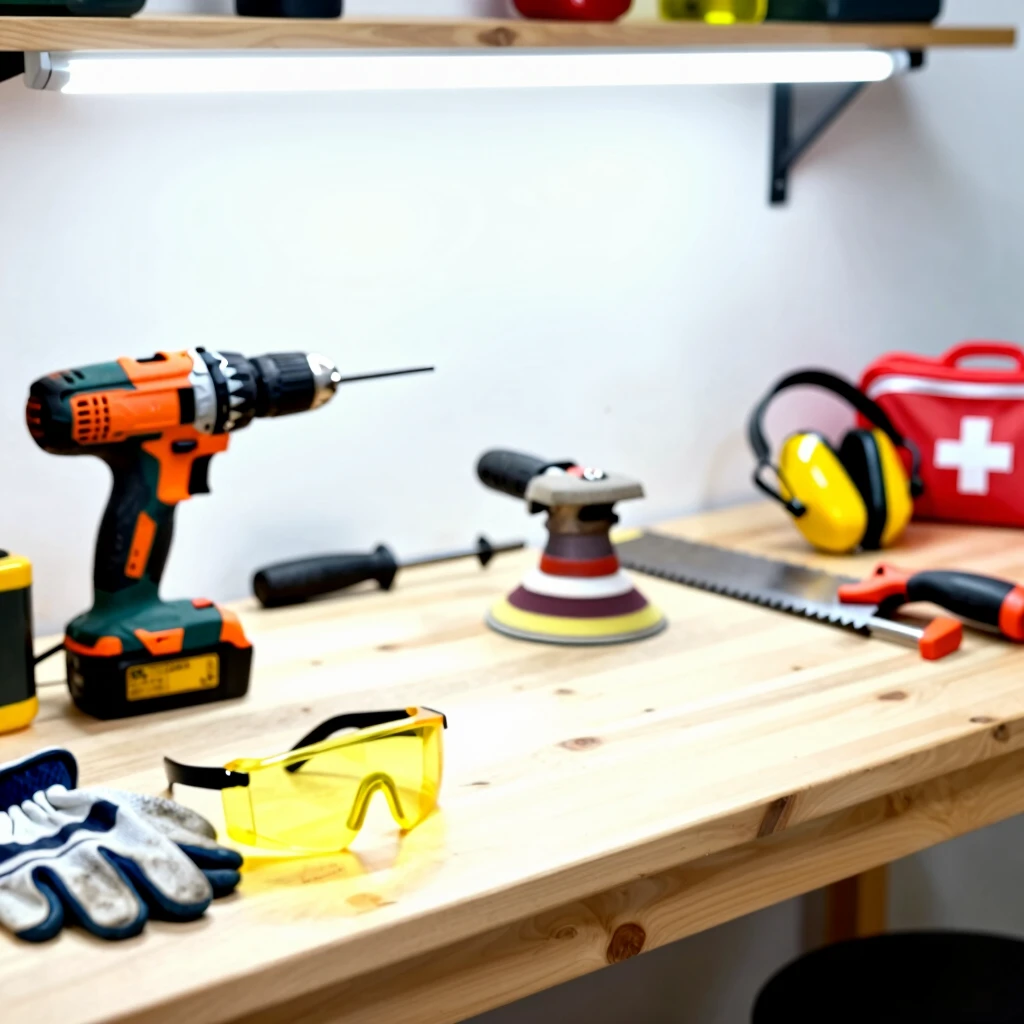
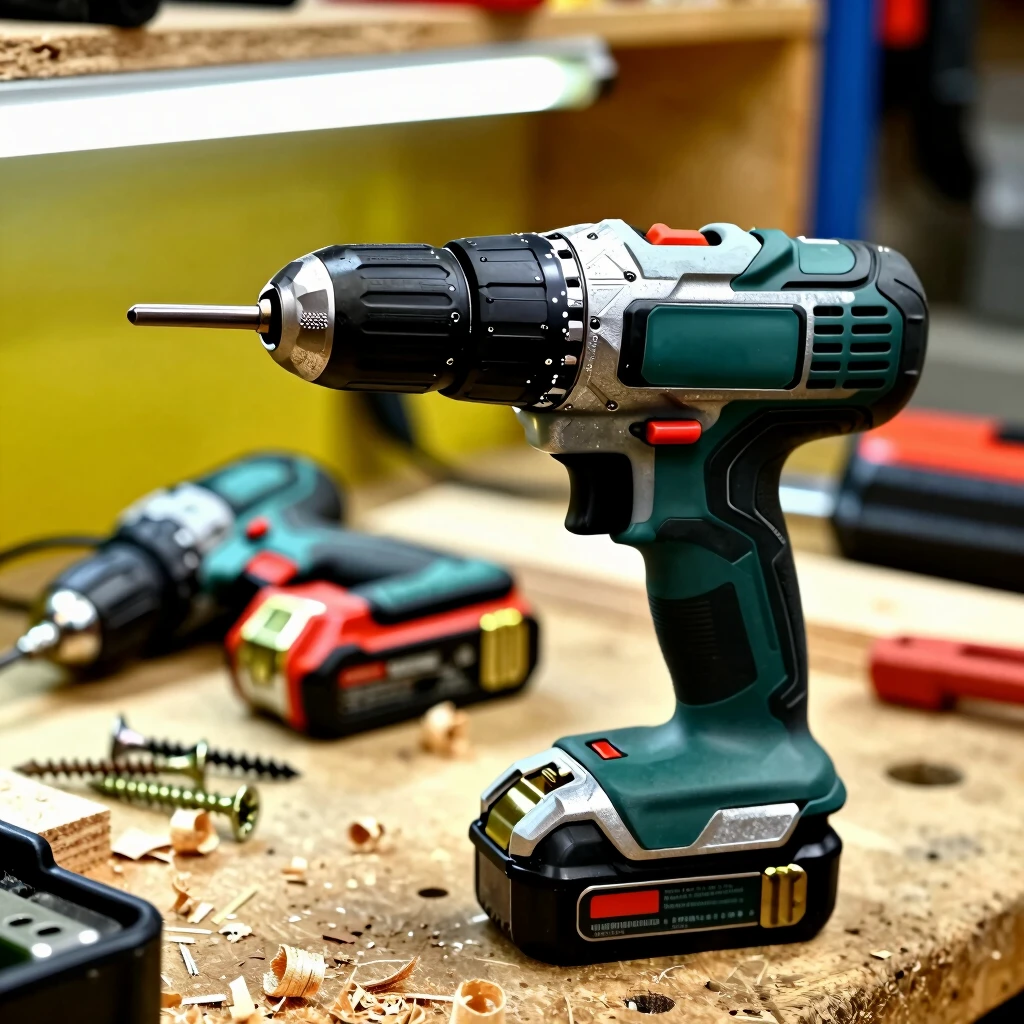
Plumbing problems can sneak up on you. A dripping faucet here, a slow drain there. But with the right approach, you can fix many issues yourself. This guide shares practical steps for beginners. You'll learn about tools, basic repairs, and safety. No need for a pro every time. Let's get started.
I remember my first plumbing adventure. Water everywhere from a loose pipe under the sink. Panicked, I grabbed what tools I had. It turned out simple. That mess taught me to prepare ahead. Now, I tackle small jobs confidently.
Safety First: Protect Yourself Before You Start
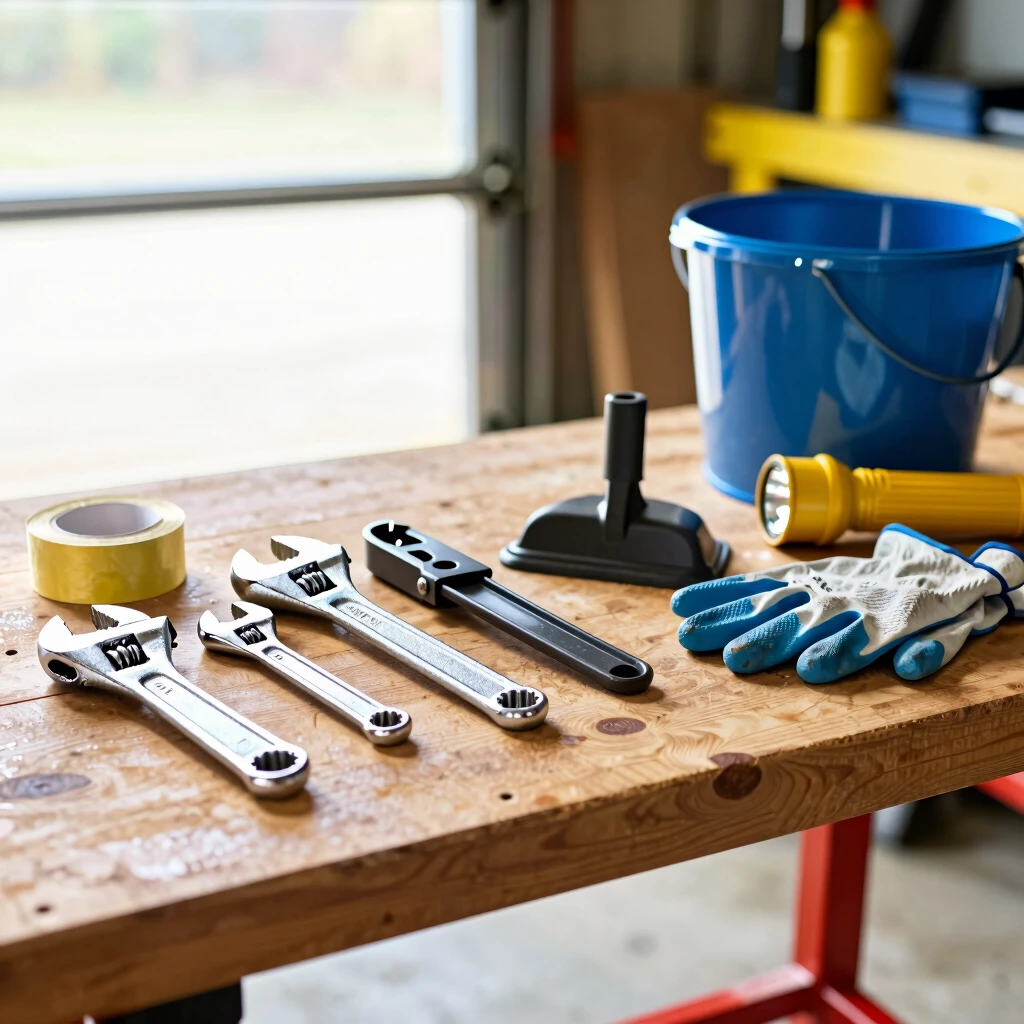
Safety tops every list in DIY plumbing. Water and electricity mix badly. Always shut off the main water valve before diving in. Wear gloves to shield your hands from sharp edges and chemicals.
Test for leaks with dry paper towels. If they get wet, you've found the spot. And never ignore warning signs like discolored water. For more on spotting issues early, check the NC State Extension's preventative home maintenance guide. It offers clear checklists.
In my experience, rushing leads to slips. Take a breath. Gather supplies. A stable workspace prevents accidents too.
Essential Workman Tools for Plumbing
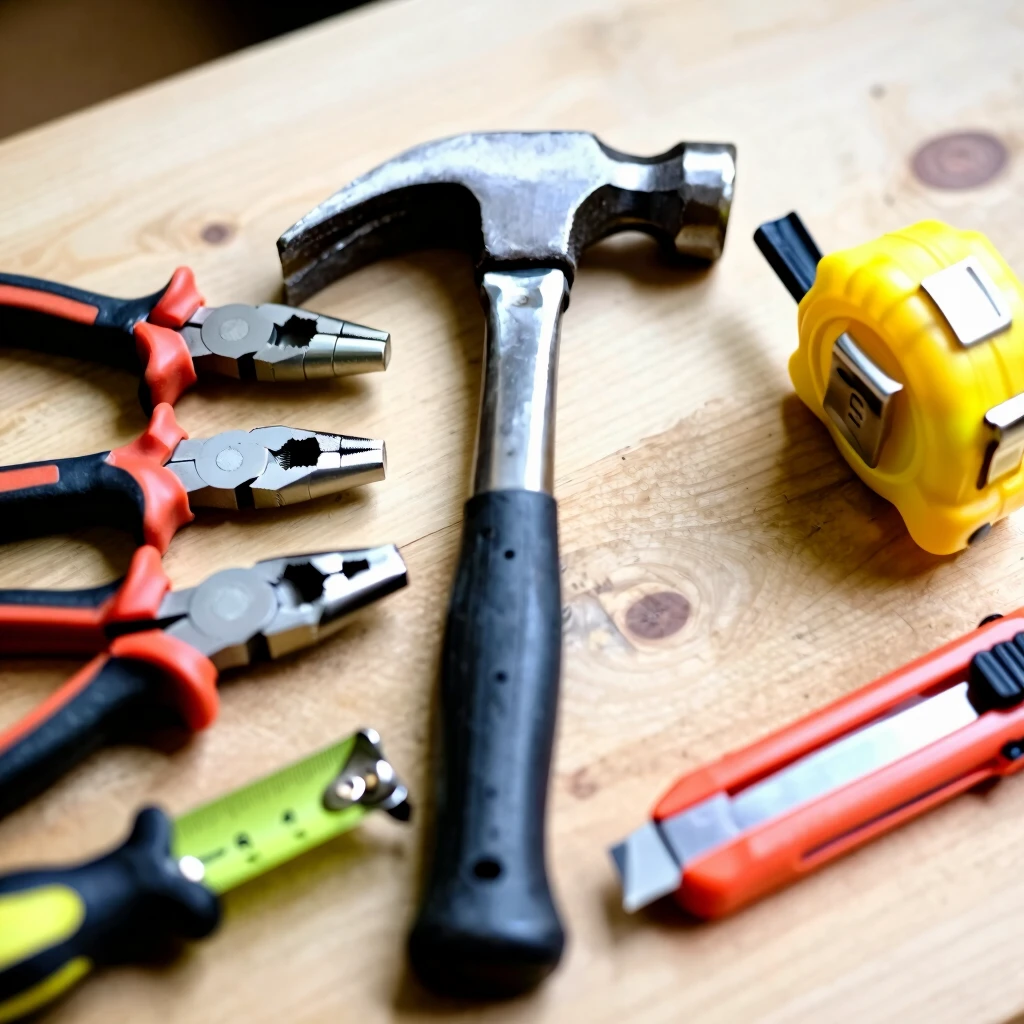
Good tools make jobs easier. Start with basics for DIY plumbing: tips and tricks for beginners rely on reliable gear.
Here's a quick table of must-haves:
| Tool | Use | Why It Matters |
|---|---|---|
| Adjustable Wrench | Tightens fittings | Fits various sizes without multiples |
| Plunger | Clears clogs | Simple, effective for drains |
| Pipe Cutter | Cuts pipes clean | Avoids jagged edges |
| Teflon Tape | Seals threads | Prevents leaks |
| Bucket and Rags | Catches drips | Keeps mess contained |
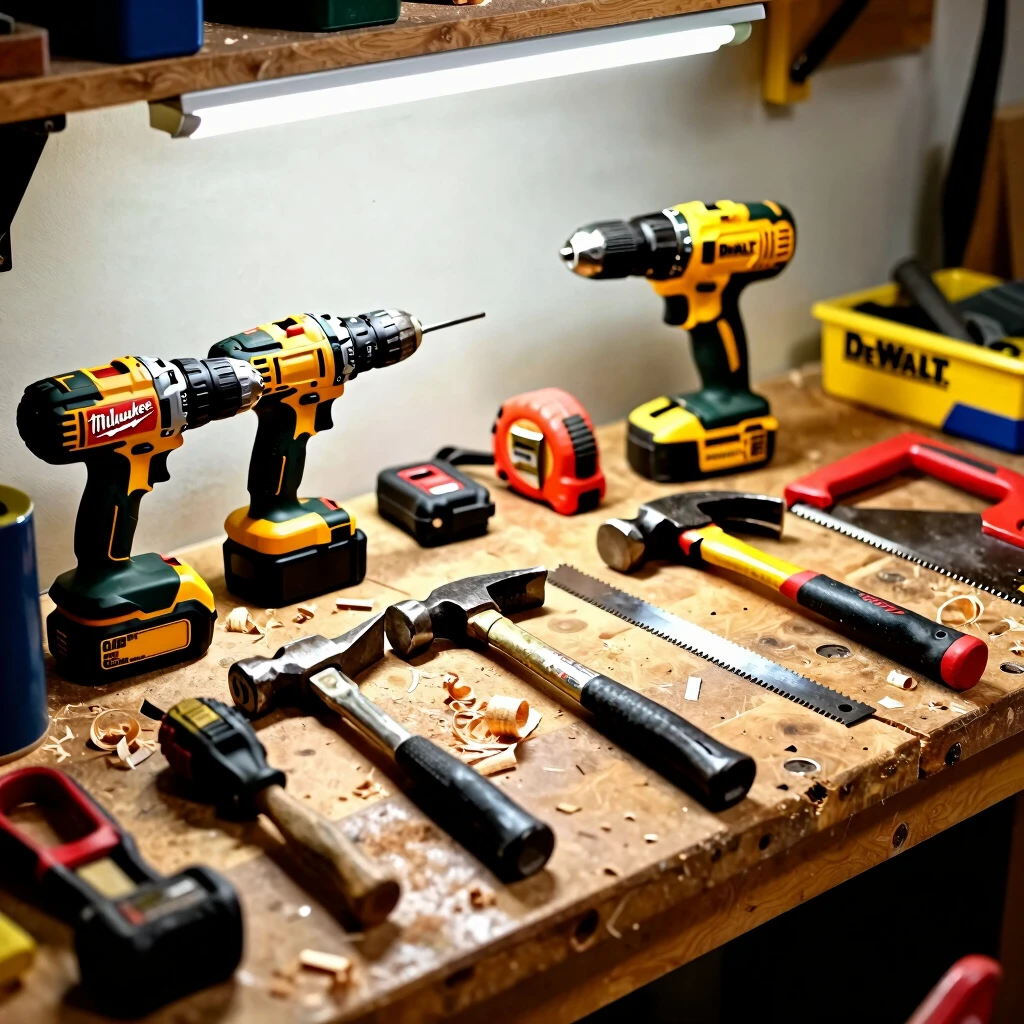
Workman tools for plumbing overlap with others. For instance, a hacksaw from your woodworking tools kit works for cutting PVC. But invest in plumbing-specific ones like a basin wrench for tight spaces. I once used a regular wrench—lesson learned: it slipped and scratched the fixture.
Build your kit gradually. Quality beats cheap knockoffs that break mid-job.
Fixing a Leaky Faucet: Step-by-Step
Leaky faucets waste water and money. The average home loses 10,000 gallons yearly from drips, per the EPA. Fix it yourself in under an hour.
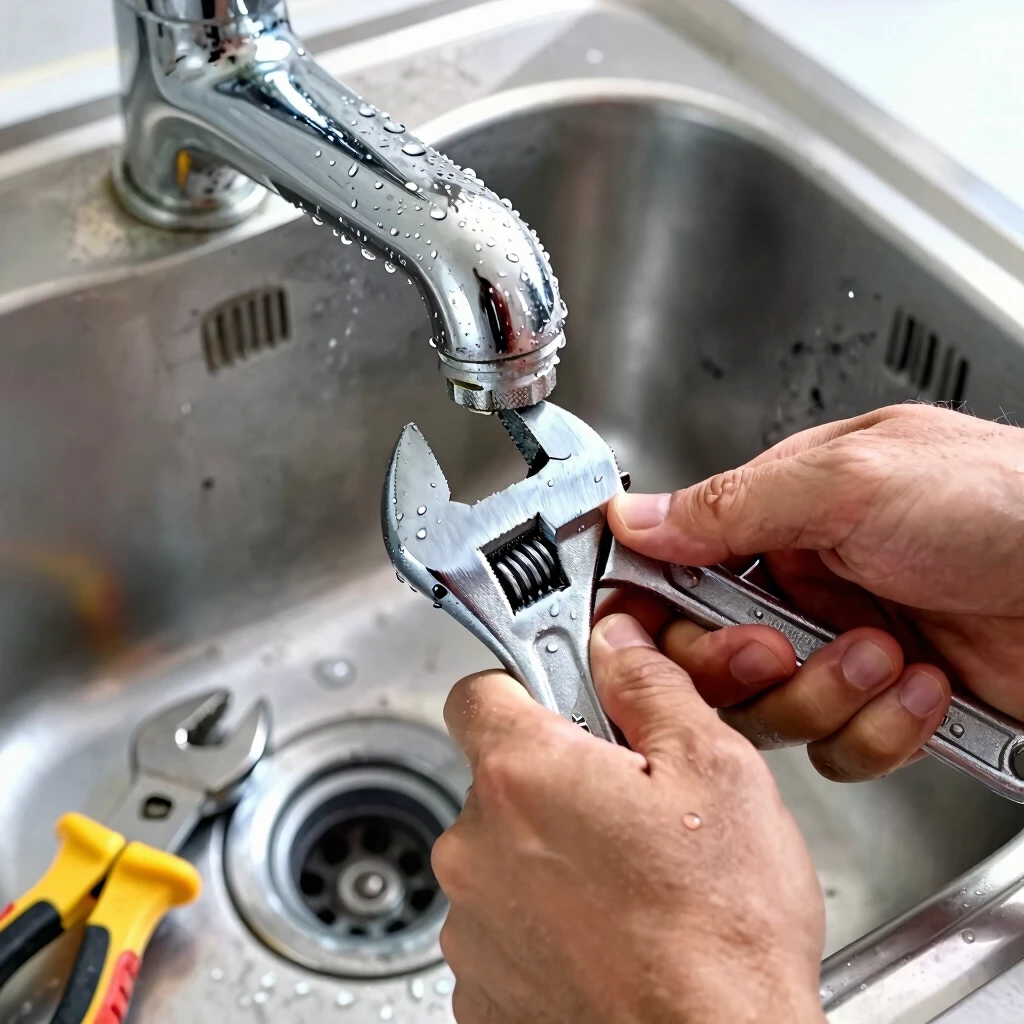
First, turn off the water supply. Plug the drain to avoid losing parts. Disassemble the faucet. Replace the washer or O-ring—the usual culprits.
Wrap threads with Teflon tape clockwise. Reassemble snugly. Turn water on slowly. Test for drips. If it persists, the cartridge might need swapping. For detailed steps, see the EPA's Fix a Leak Week resources. They include videos and checklists.
My tip: Label parts as you go. Photos on your phone help too. Saved me once when I mixed up washers.
Unclogging Drains Without Chemicals
Clogged sinks frustrate everyone. Skip harsh chemicals that harm pipes. Use natural methods first.
Pour boiling water down the drain. Follow with baking soda and vinegar. Let it fizz for 15 minutes. Flush with hot water. For tougher clogs, use a plunger with petroleum jelly on the rim for a better seal.
If that fails, snake the drain. Rent a basic one from a hardware store. Insert gently, twist, and pull. Wear gloves—it's messy.
Woodworking tools like a flexible wire from your shop can improvise a snake in a pinch. But for safety, stick to plumbing-rated workman tools.
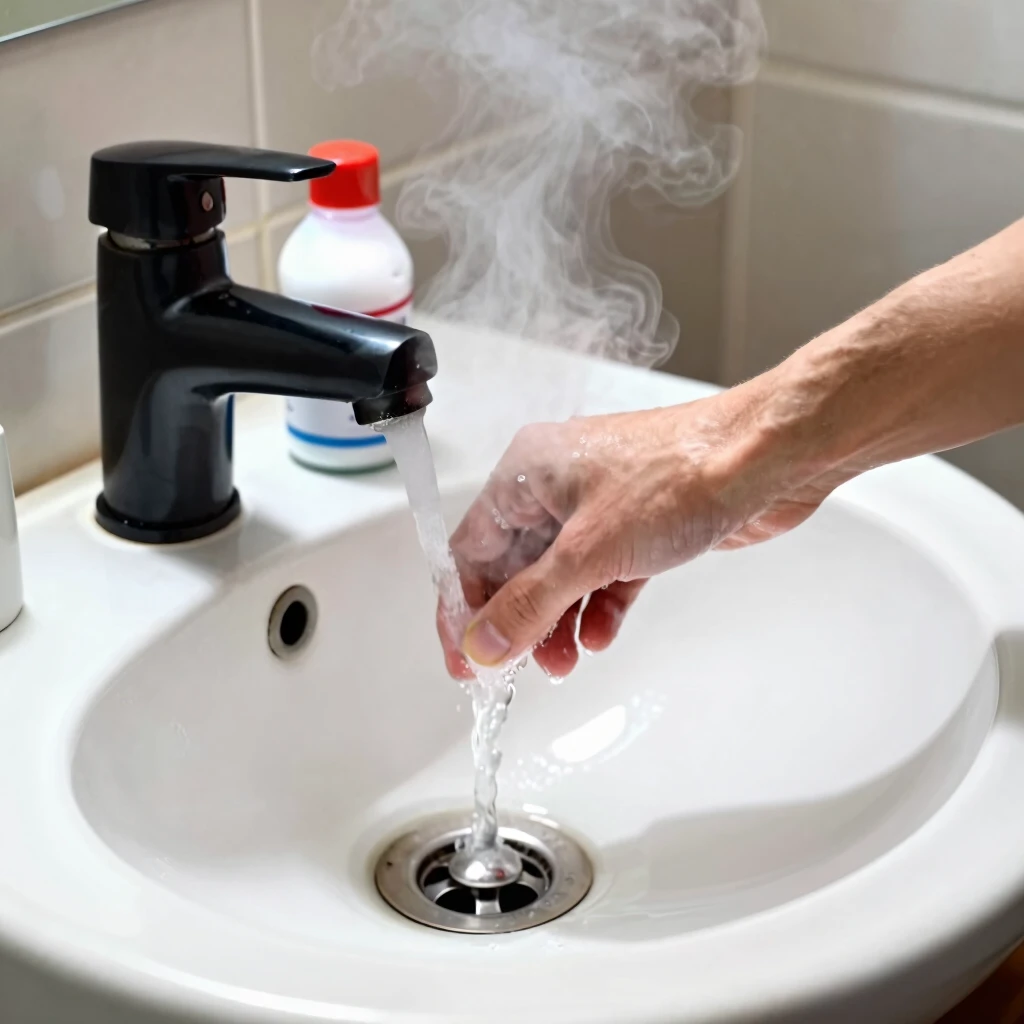
Prevent clogs by using drain screens. Scrape plates before rinsing. I installed mesh guards everywhere—zero clogs since.
Handling Toilet Troubles
Toilets top common calls. Most fixes are beginner-level. Start by checking the flapper. If it doesn't seal, water runs constantly.
Lift the tank lid. Adjust the chain if slack. Replace the flapper if worn—it's cheap and easy. For running water, jiggle the handle first; it resets the valve.
Clogged toilet? Plunge vigorously. Add dish soap and hot water for lubrication. Avoid flushing again until clear.
Pro insight: Test dye tablets in the tank. Blue streaks in the bowl mean a leak. The Purdue Extension water conservation guide explains low-flow upgrades to cut waste.
Once, my kid flushed a toy. Plunger failed; I fished it out with a coat hanger bent carefully. Patience pays off.
Winter Prep: Guard Against Freezes
Cold weather bursts pipes. Insulate exposed lines with foam sleeves. Open cabinet doors under sinks to let warm air circulate.
Drip faucets on the coldest nights. Shut off outdoor spigots and drain hoses. These steps saved my pipes during a surprise freeze.
Common Mistakes and How to Avoid Them
Beginners often tighten too much—cracks pipes. Or ignore shutoffs, flooding kitchens. Always double-check connections with soapy water; bubbles show leaks.
- Mistake: Skipping shutoffs. Solution: Locate valves now.
- Mistake: Wrong sealant. Solution: Use plumbing putty, not silicone everywhere.
- Mistake: Overlooking codes. Solution: Check local rules for big jobs.
Workman tools help avoid slips. A torque wrench prevents over-tightening if you're fancy.
When in doubt, call a pro. DIY shines for simples, but gas lines or mains? Leave them.
Wrapping Up: Build Confidence One Fix at a Time
DIY plumbing empowers you. Start small, learn as you go. With these tips and tricks for beginners, you'll handle most home woes. Stock your toolbox, stay safe, and enjoy the savings. Your home thanks you.
Related DIY Plumbing: Tips and Tricks for Beginners:
- Top 10 Must-Have Tools for Every DIY Enthusiast
- Unlocking Professional Excellence: The Ultimate Guide to High-Quality Workman Tools for Professionals
- How to Choose the Best Plumbing Tools for Your Needs
- Safety Tips for New Construction Workers: A Beginner's Essential Guide
- 10 Tips for Choosing the Right Paint Brushes: Elevate Your Art and DIY Projects
- Top Popular Brands for Workman Tools in 2025: Build Better with Trusted Names
- Safety Tips for Using Workman Tools: Essential Guide for Every Handyman
- Best Cordless Drills for Automotive Work
- Safety First: Best Practices for Using Power Tools
- Essential Workman Tool Maintenance Tips: Keep Your Tools Sharp and Reliable
- Safety Gear Essentials for Electrical Work: A Comprehensive Guide for DIY Enthusiasts
- Must-Have Workman Tools for Beginners: A Starter Guide