Why Workman Tool Maintenance Matters
As a longtime handyman who's tackled everything from backyard decks to garage overhauls, I've learned one hard truth: your tools are only as good as your care for them. Neglect them, and you'll face dull blades, rusty handles, and frustrating breakdowns mid-project. But with solid workman tool maintenance tips, you can keep your kit sharp and dependable. This guide shares straightforward steps to clean, store, and protect your workman tools—drawing from years of trial and error on the job site.
Let's dive in. Start with the basics: regular upkeep saves time and money. Imagine finishing a long day without scraping rust or wrestling with stuck joints. That's the peace of mind good maintenance brings.

Cleaning Your Workman Tools: The First Line of Defense
Dirt and grime are the enemies of any good tool. After a sweaty day swinging a hammer or digging with a shovel, residue builds up fast. I remember one summer job where I ignored a muddy trowel—by fall, it was pitted with rust. Don't let that happen to you.
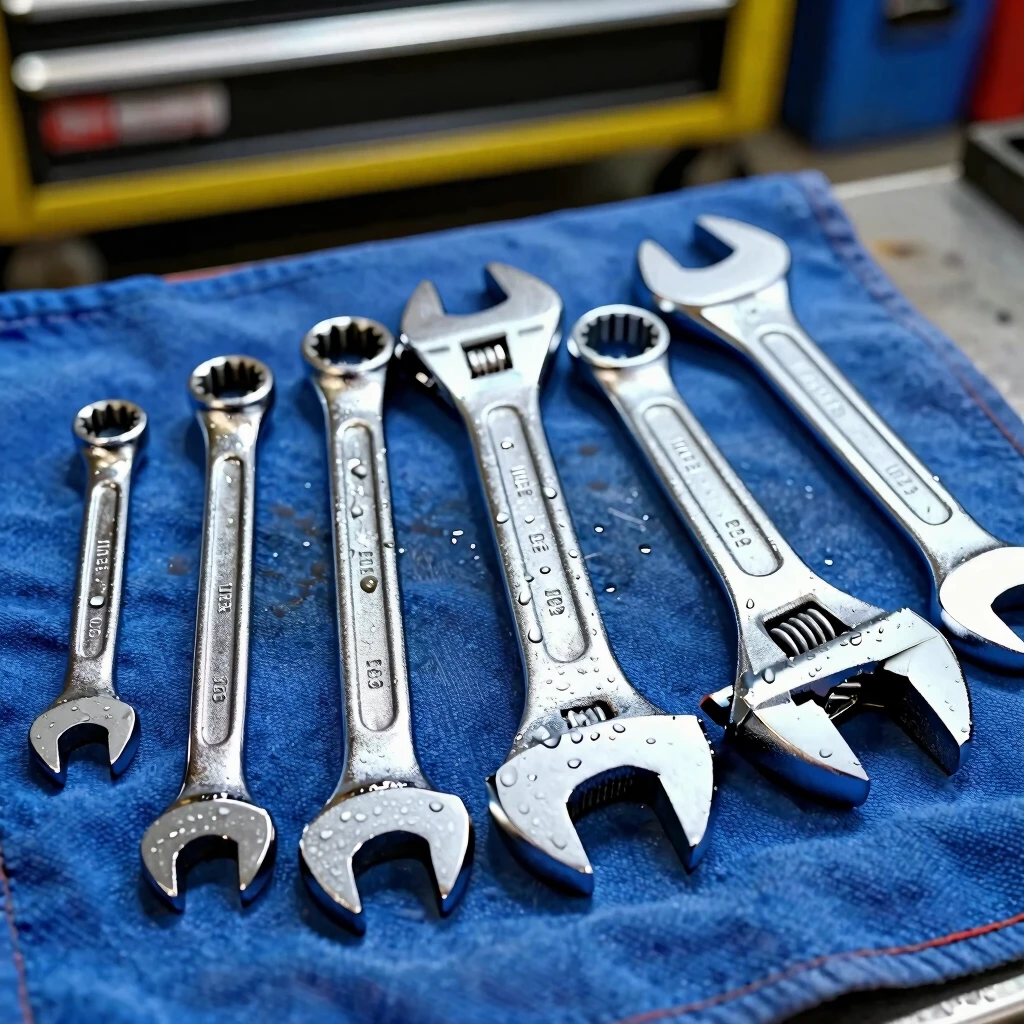
Begin by wiping down tools right after use. Grab a soft cloth or an old rag and remove loose soil. For tougher jobs, like caked-on clay from a spade, use a stiff brush. Warm soapy water works wonders here, but rinse thoroughly and dry immediately to dodge moisture traps.
Pro tip from my workshop: For metal parts, a quick dip in a bucket of water with a splash of vinegar cuts through oxidation without harsh chemicals. It's cheap, effective, and smells better than WD-40 first thing in the morning.
Here's a simple checklist for cleaning routines:
- Daily wipe-down: Use a dry cloth for light use.
- Weekly deep clean: Brush off debris and wash with mild soap.
- Lubricate moving parts: Apply a light oil to hinges and joints.
- Inspect for wear: Look for cracks or loose screws.
For more detailed steps on garden tool care, check out this guide from Oregon State University Extension on cleaning and maintaining hand tools. Their advice on preventing rust through proper drying is spot-on for everyday workman tools.

Smart Storage Solutions with Toolboxes
Nothing ruins a workflow like hunting for a lost screwdriver. That's why investing in quality toolboxes is a game-changer for workman tool maintenance tips. I've switched from flimsy plastic bins to sturdy steel ones, and the difference? Night and day.
Choose a toolbox that fits your space—rolling carts for garages, portable cases for on-site jobs. Line drawers with foam or dividers to keep items from banging around. And always store tools dry; a dehumidifier in humid climates can prevent that sneaky moisture buildup.
Organize by category: hammers and mallets in one spot, bits and blades in another. Label everything—trust me, it'll save you minutes that add up to hours over a year. My go-to setup includes a main toolbox for daily drivers and a wall-mounted shadow board for quick grabs.
| Toolbox Type | Best For | Key Features |
|---|---|---|
| Portable Metal Case | Mobile jobs | Lockable latches, padded handles |
| Rolling Cabinet | Home workshops | Multiple drawers, heavy-duty wheels |
| Wall-Mounted Pegboard | Space savers | Custom hooks, easy visibility |
| Soft-Sided Bag | Light tools | Shoulder strap, zippered pockets |
This table shows options that keep your workman tools protected and accessible. Pick based on your routine, and you'll notice less clutter and more efficiency.
Sharpening: Breathe New Life into Dull Edges
A dull tool isn't just inefficient—it's dangerous. I've nicked myself more times with a blunt chisel than a sharp one ever thought about. Sharpening is a ritual I do every few months, and it transforms old favorites into precision instruments.
Start with the right file: a 10-inch mill bastard file for most blades. Hold the tool steady on a bench vise, and file at a 20-degree angle, pushing away from the edge. Count strokes evenly on both sides to avoid uneven wear.
For finer work, like pruning shears, a diamond stone hones edges to razor quality. Test sharpness by shaving paper—if it slices clean, you're golden. And don't forget: after sharpening, wipe with oil to seal the metal.
The folks at University of Wisconsin Horticulture Extension offer excellent sharpening techniques for lawn tools, including file selection and angle guides that apply perfectly to broader workman tools.

Safety First: Protecting Yourself and Your Tools
Maintenance isn't just about the gear—it's about you too. Slippery handles or frayed cords can turn a simple task into an ER visit. From my early days as a DIY newbie, I skipped gloves and eye protection; now, I gear up every time.
Inspect tools before each use: check for cracks, loose heads, or frayed wires. Store heavy items low to avoid tip-overs. And for power tools, unplug before cleaning—basic, but it saves fingers.
Follow these safety musts:
- Wear gloves and goggles during maintenance.
- Work in well-lit areas to spot defects.
- Keep a first-aid kit handy.
- Train helpers on proper handling.
For authoritative guidelines on hand tool hazards, OSHA's Hand and Power Tools safety booklet covers everything from inspections to guards, helping prevent common injuries on the job.
Personal Insights: Lessons from the Trenches
Over 15 years fixing fences and building sheds, I've gathered a few nuggets. First, treat your tools like teammates—respect them, and they'll pull through. I once revived a 30-year-old plane by stripping old finish and re-oiling; it planes smoother than anything new.
Second, seasonal checks beat emergencies. In winter, I oil wooden handles to fight cracking; in summer, I focus on rust-proofing. And don't hoard—pass on tools you don't use to make room for what you love.
Budget-wise, maintenance costs pennies compared to replacements. A $5 oil can lasts years and wards off $50 rust damage. Share these workman tool maintenance tips with your crew; it'll build better habits all around.
One quirky habit? I name my favorites—like 'Old Reliable' for my trusty level. It reminds me they're investments, not disposables. Try it; it adds fun to the grind.
Wrapping It Up: Your Maintenance Action Plan
There you have it—actionable workman tool maintenance tips to keep your kit humming. Clean regularly, store smart in toolboxes, sharpen with care, and prioritize safety. Start small: pick one tool today and give it the TLC it deserves. Your future self (and back) will thank you.
Stick to these habits, and you'll cut downtime while boosting job satisfaction. Tools last longer, projects flow smoother—what's not to love?
Related workman tool maintenance tips:
- Top 10 Must-Have Workman Tools for Home Projects
- Safety Gear Essentials for Electrical Work: A Comprehensive Guide for DIY Enthusiasts
- Must-Have Workman Tools for Beginners: A Starter Guide
- DIY Workbench Upgrades for Small Spaces: Boost Your Workshop Without the Clutter
- The Ultimate Guide to Tool Belts for Construction Workers: Essentials, Picks, and Pro Tips
- Essential Tools Every Workman Must Have
- Choosing the Best Multimeter for Beginners: Your Essential Guide
- How to Organize Your Workshop for Maximum Efficiency
- Essential Workman Tools for Plumbing Projects: A Complete Guide
- ShopSavvy’s Best Tool Belts for 2025: Gear That Keeps You Moving
- How to Organize Your Toolbox for Maximum Efficiency
- Advanced Workshop Organization: Beyond the Basics