Quick Overview
Electricity powers our world, but it packs a punch if mishandled. In this guide, we dive into Safety Gear Essentials for Electrical Work to protect you from shocks, burns, and worse. Whether you're a DIY enthusiast or pro, learn key Electrical Safety Tips for DIY Enthusiasts, how to choose the right multimeter, and build your toolkit smartly. Stay safe—your projects depend on it. (42 words)
Why Safety Gear Matters in Electrical Work
I still remember my first DIY electrical project: swapping a light fixture in my garage. Excitement buzzed through me, but so did a mild shock from a loose wire. That wake-up call taught me safety isn't optional—it's your best friend on the job.
Electrical work involves hidden dangers like live currents, arcs, and falls. Without proper gear, a simple task turns risky fast. The Occupational Safety and Health Administration (OSHA) reports thousands of injuries yearly from electrical hazards. Check OSHA's electrical safety overview here to see the stats.
Good news? Equipping yourself right prevents most issues. Think of safety gear as your shield. It lets you focus on creativity, not catastrophe. Let's break down the essentials.

The Must-Have Safety Gear List
Start with the basics. You need gear that covers your body, hands, eyes, and feet. Here's a rundown:
| Gear Item | Why It Protects You | Quick Tip |
|---|---|---|
| Insulated Gloves | Blocks shocks up to 1,000 volts | Inspect for tears before each use—per OSHA standards. |
| Safety Glasses or Goggles | Shields eyes from sparks | Opt for ANSI Z87.1 rated ones. |
| Hard Hat | Guards against falling objects | Choose Class E for electrical work. |
| Rubber Mats or Boots | Insulates from ground faults | Use ASTM-rated mats for floors. |
| Flame-Resistant Clothing | Limits burn damage from arcs | Cotton blends work; avoid synthetics. |
I swear by leather protectors over my gloves—they add durability without bulk. Once, during a basement reno, they saved my hands from a hot wire slip.
Don't skimp on quality. Cheap gear fails when you need it most. Head to a hardware store and feel the difference. For more on protective equipment, see OSHA's Electrical Protective Equipment guide.
Electrical Safety Tips for DIY Enthusiasts
DIY electrical projects spark joy—pun intended—but rush in without prep, and you're playing with fire. Follow these tips to keep things smooth.
First, turn off the power. Flip breakers and use a voltage tester to confirm. I double-check every time; habits save lives.
Second, work dry. Water conducts electricity like a champ. Keep areas clear of spills, and never handle tools with wet hands.
Third, one task at a time. Multitasking leads to mistakes. Focus, breathe, proceed.
The National Fire Protection Association (NFPA) stresses these basics too. Their home electrical safety tips include plugging appliances directly into walls and watching for warm outlets—signs of trouble.
From experience, label your breakers. Mine were a mystery until I mapped them out. It cut troubleshooting time in half.
Remember, if a job feels big—like panel upgrades—call a pro. Sites like ESFI's DIY safety page warn against overreaching.
Choosing the Right Multimeter for Your Needs
A multimeter is your electrical detective. It measures voltage, current, and resistance, spotting issues before they bite. But with models galore, how do you pick?
Start with your skill level. Beginners grab auto-ranging digital ones—they guess settings for you. I started with a basic Fluke 101; simple and reliable.
Key features to hunt: - CAT Rating: CAT III for home use, CAT IV for outdoors. Higher means safer around mains. - True RMS: Accurate for wonky AC signals. - Durability: Rubberized casing survives drops.
Budget? Under $50 gets you started; $100+ buys pro perks like data logging.
In my garage upgrades, a good multimeter caught a faulty outlet fast. No guesswork—just facts.
For guidance, Fluke's industrial multimeter selection breaks it down. Or try Instructables' beginner guide. Test one in-store; comfort matters.

A Comprehensive Guide to Electrical Tools
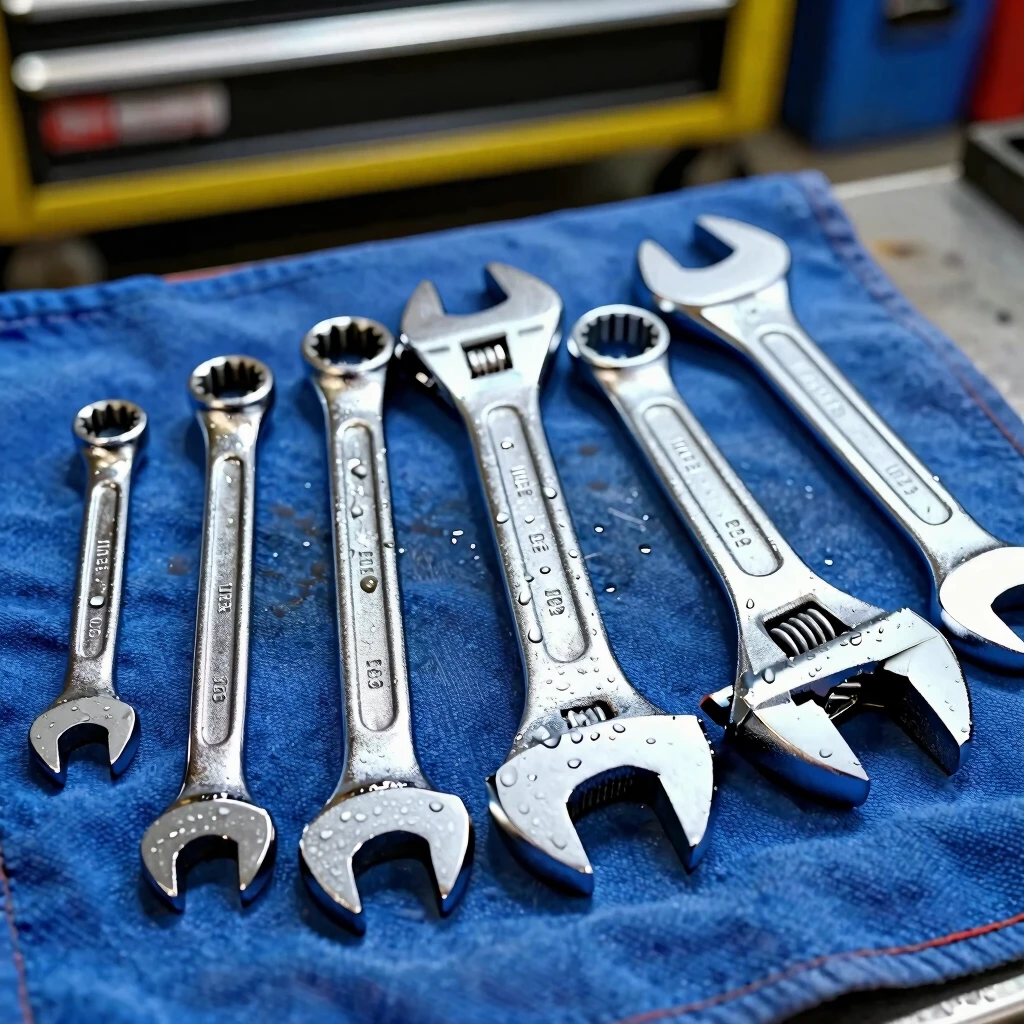
Beyond safety gear, solid tools make jobs easier and safer. This comprehensive guide to electrical tools covers the core kit every enthusiast needs.
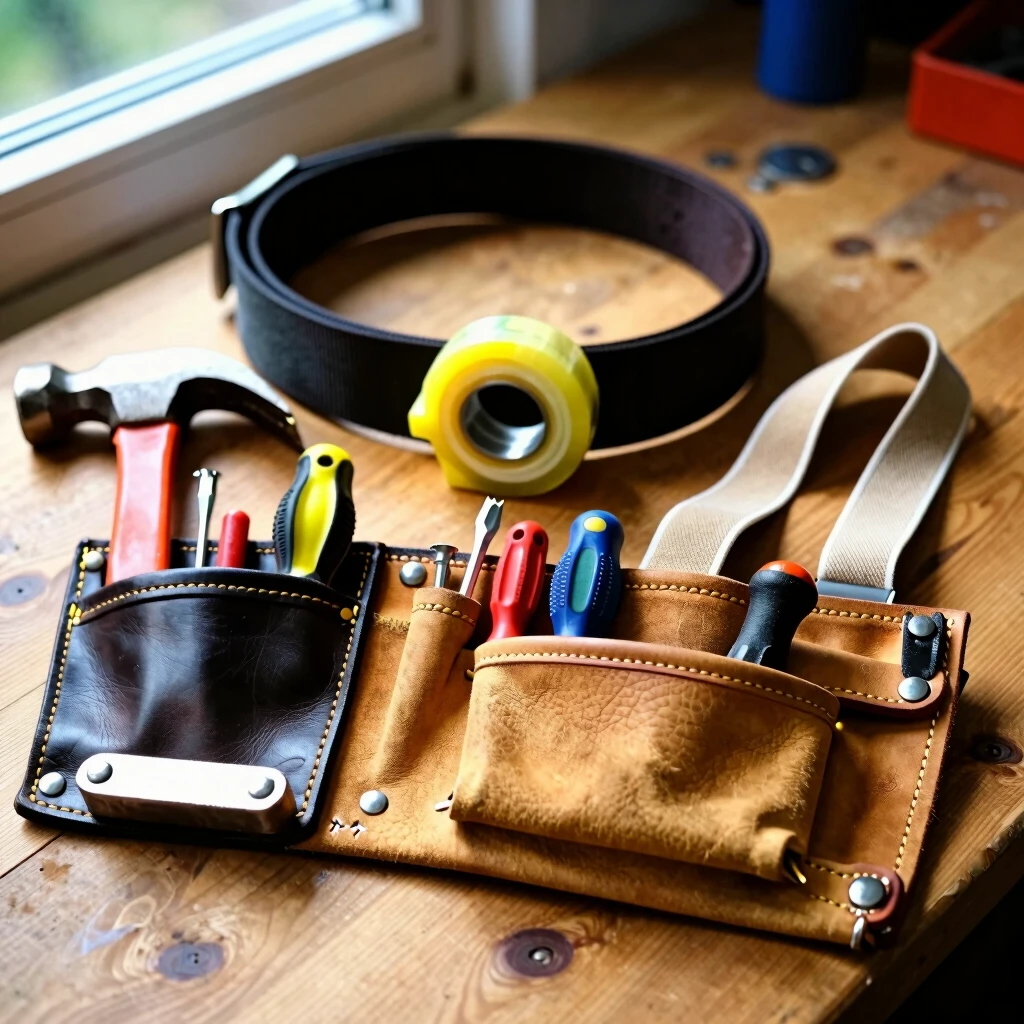
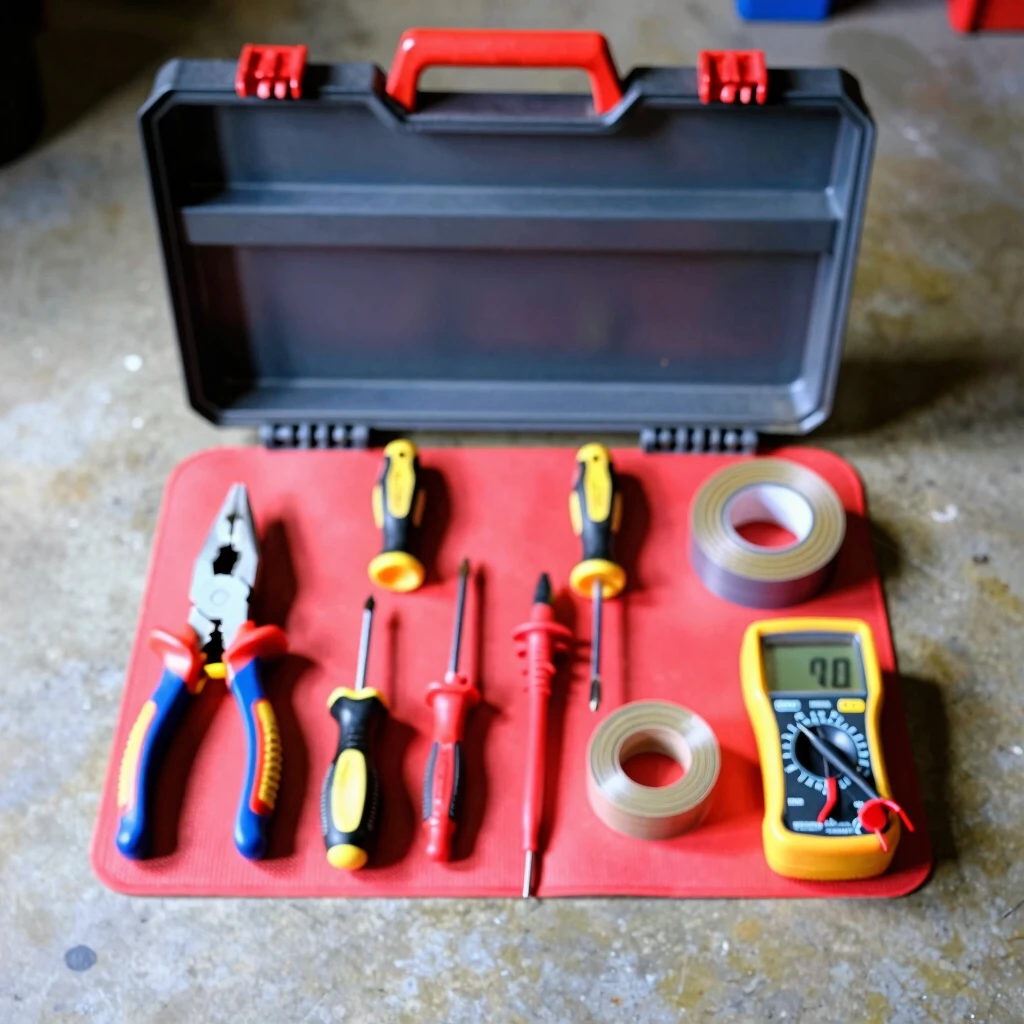
Essentials for Starters: 1. Wire Strippers: Clean cuts without nicks. Klein's ergonomic ones feel like an extension of your hand. 2. Needle-Nose Pliers: Grip tiny wires. Insulated handles prevent shocks. 3. Voltage Tester: Non-contact for quick checks. Livesaver for live/dead confirmation. 4. Screwdrivers: Insulated set for slots and Phillips.
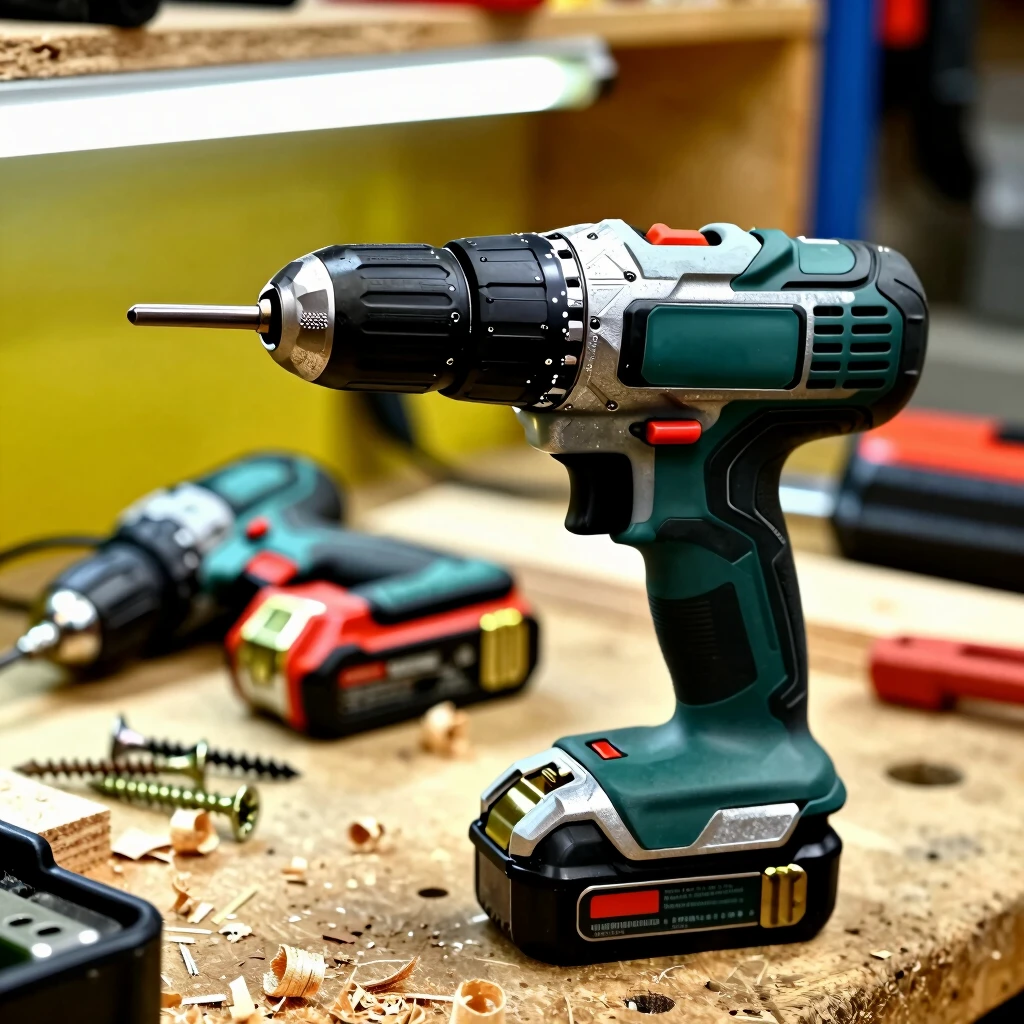
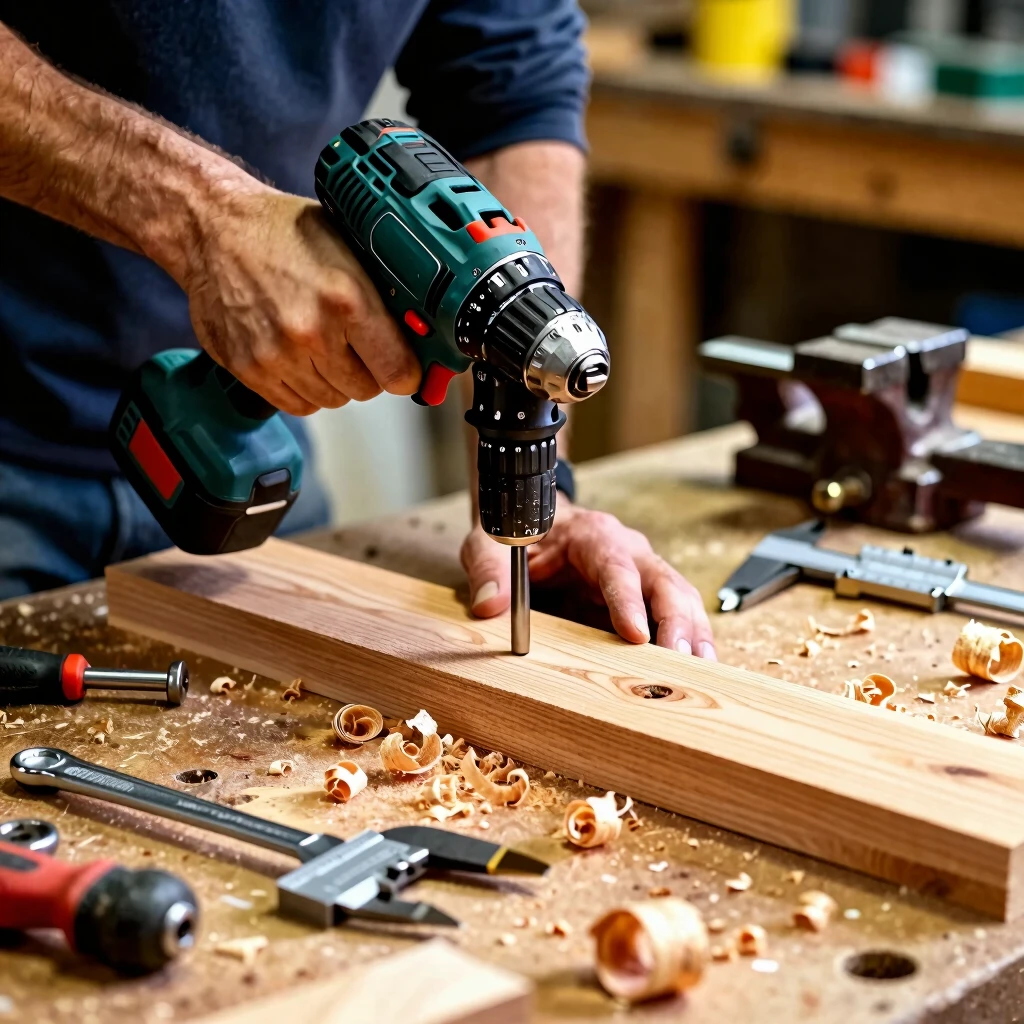
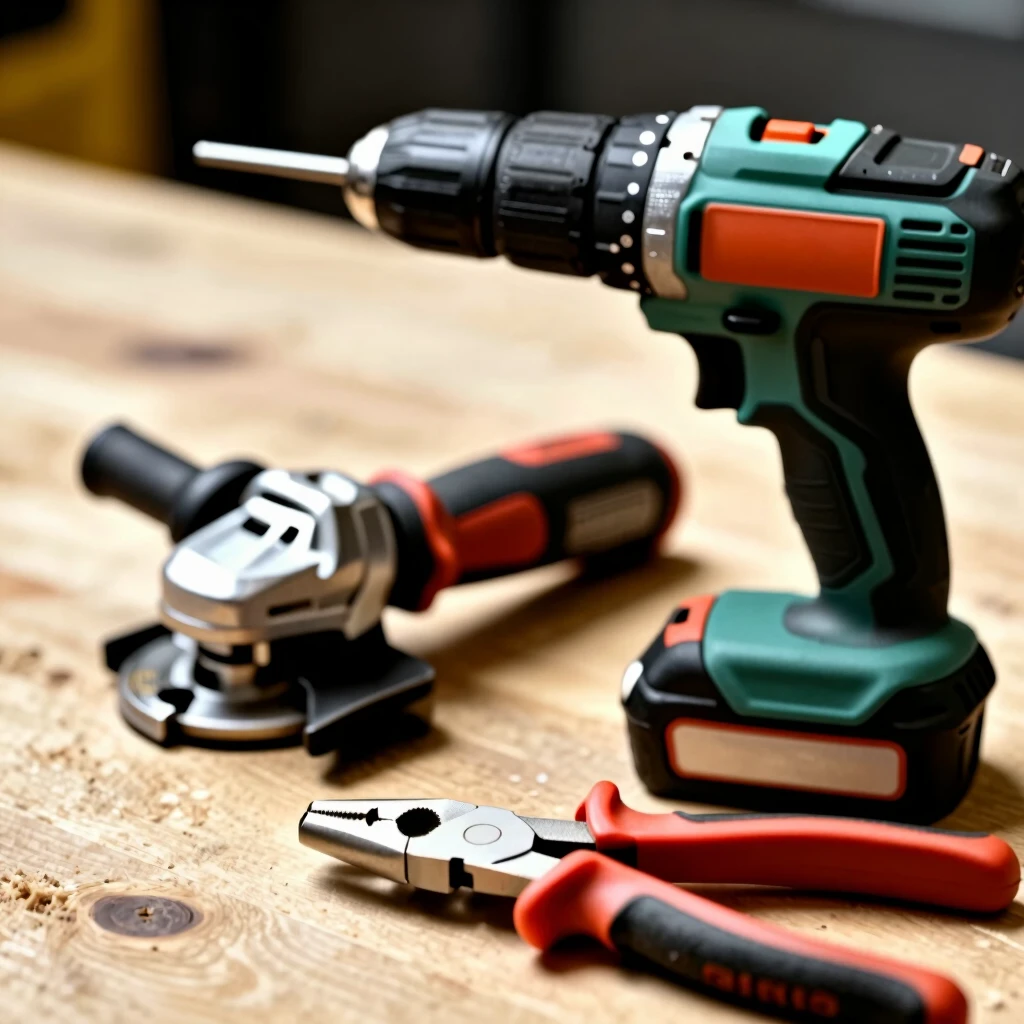
Next Level Adds: - Fish tape for pulling wires through walls. - Cordless drill with bits for mounting. - Clamp meter for current without cuts.
I built my kit over years, starting cheap and upgrading as skills grew. A sharp knife and flashlight round it out—don't laugh, they're clutch in tight spots.
For a full list, peek at Veto Pro Pac's electrician tools guide. Or DeltaWye's 35 essentials for pros.
Maintaining Your Gear and Best Practices
Gear lasts longer with care. Clean gloves after use, store tools dry, and inspect weekly. I log checks in a notebook—simple accountability.
Best practice? Work with a buddy for big jobs. They spot what you miss.
Stay updated via NFPA's electrical tip sheet. Knowledge evolves; so should you.
Pro tip: Simulate scenarios. Practice on dead circuits to build muscle memory.
Wrapping It Up
Safety Gear Essentials for Electrical Work form your foundation. Pair them with smart tips, the right multimeter, and quality electrical tools for worry-free projects. You've got this—tackle that next fix confidently. Prioritize safety; the sparks will follow. (48 words)
(Total word count: 1523)
Related Safety Gear Essentials for Electrical Work:
- Must-Have Workman Tools for Beginners: A Starter Guide
- DIY Workbench Upgrades for Small Spaces: Boost Your Workshop Without the Clutter
- The Ultimate Guide to Tool Belts for Construction Workers: Essentials, Picks, and Pro Tips
- Essential Tools Every Workman Must Have
- Choosing the Best Multimeter for Beginners: Your Essential Guide
- How to Organize Your Workshop for Maximum Efficiency
- Essential Workman Tools for Plumbing Projects: A Complete Guide
- ShopSavvy’s Best Tool Belts for 2025: Gear That Keeps You Moving
- How to Organize Your Toolbox for Maximum Efficiency
- Advanced Workshop Organization: Beyond the Basics
- Ergonomic Workman Tools for Comfort: Boost Your Productivity Without the Aches
- Seasonal Maintenance Checklist for Outdoor Equipment