Imagine starting your workday with tools that feel like extensions of your hand, not burdens on your body. That's the promise of ergonomic workman tools for comfort. These aren't just fancy gadgets—they're smart designs that cut down on strain and keep you going strong.
In this guide, we'll dive into why these tools matter, explore hand and electrical tools, and share real tips to make your workspace kinder to your body. Whether you're a seasoned pro or just starting out, you'll walk away with actionable ways to work smarter, not harder.
Why Choose Ergonomic Workman Tools?
I've spent years on job sites, and let me tell you: a bad tool can turn a quick fix into a full-day ache fest. Ergonomic workman tools for comfort change that game. They focus on how your body moves—think grips that fit your palm, weights balanced just right, and angles that save your wrists from twisting into knots.
The payoff? Less fatigue, fewer injuries, and more hours of focused work. Studies from the Occupational Safety and Health Administration (OSHA) back this up: proper tool design slashes repetitive strain risks by up to 50%. It's not about luxury; it's about longevity in your craft.
Picture this: You're hammering away at a project, but your arm screams after 20 minutes. Swap in an ergonomic hammer with a shock-absorbing handle, and suddenly, you're powering through without the buzz in your elbow. That's the real magic.

The Basics: Understanding Workman Tools
Workman tools cover the essentials—hammers, pliers, screwdrivers, and more—that keep projects on track. But when we talk ergonomic versions, we're upgrading for your body's sake.
These tools prioritize: - Natural grip positions: No more white-knuckling. - Lightweight materials: Less drag on your arms. - Vibration dampening: Especially key for power tools.
From my own toolbox, I remember ditching a clunky old plier set for one with rubberized, contoured handles. The difference? My hands thanked me by the end of the week.
Hand Tools That Make a Difference
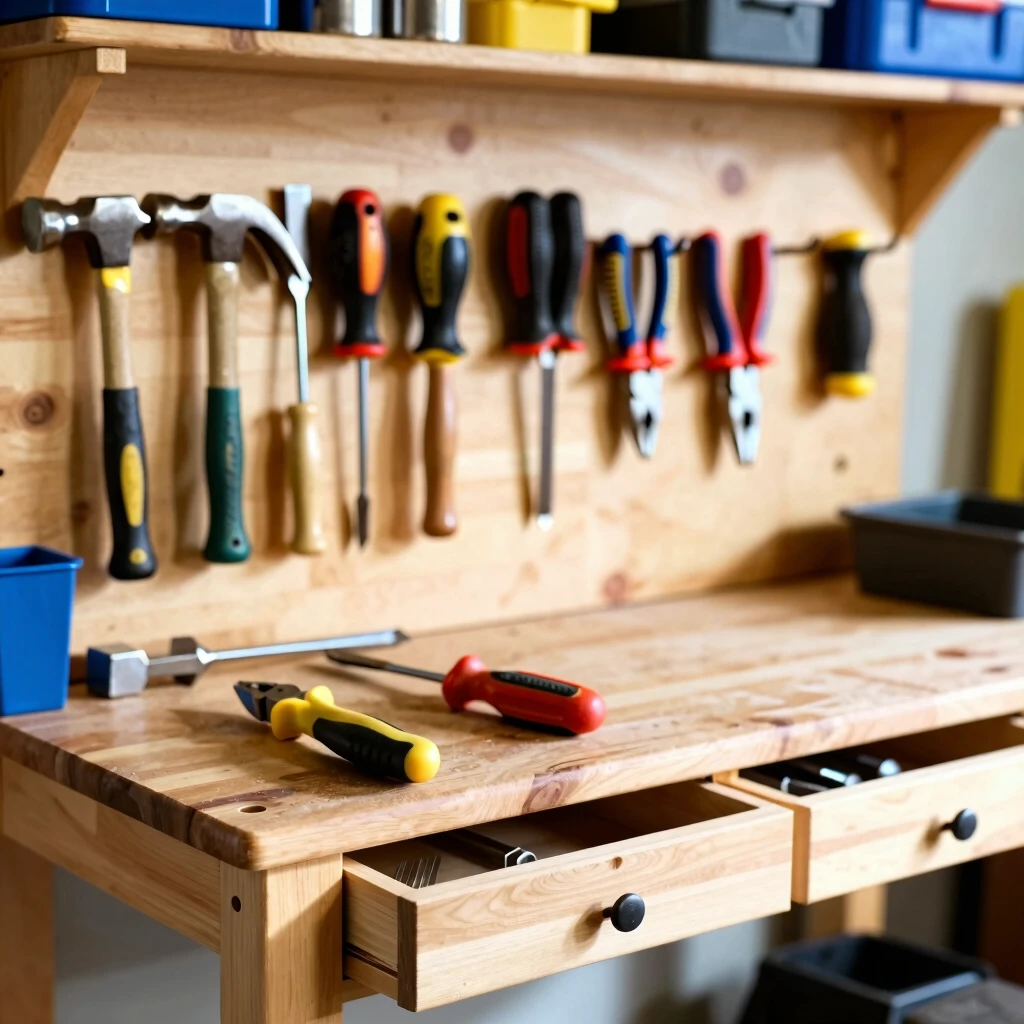
Let's break down some must-haves. Start with screwdrivers. Ergonomic ones have thicker, softer handles that let you apply torque without slipping or cramping.
| Tool Type | Key Ergonomic Feature | Benefit |
|---|---|---|
| Screwdriver | Angled, cushioned grip | Reduces wrist rotation strain |
| Hammer | Vibration-absorbing head | Minimizes arm fatigue |
| Pliers | Spring-loaded jaws | Easier one-handed use |
I once tackled a full cabinet install using these. No blisters, no sore spots—just smooth sailing.
Pro tip: Look for tools certified by the International Ergonomics Association. They test for real-world comfort, not just looks.
Powering Up with Electrical Tools
Now, shift gears to electrical tools. These pack more punch but can amp up the strain if they're not designed right. Ergonomic workman tools for comfort in this category shine with features like wrap-around handles and low-vibration motors.
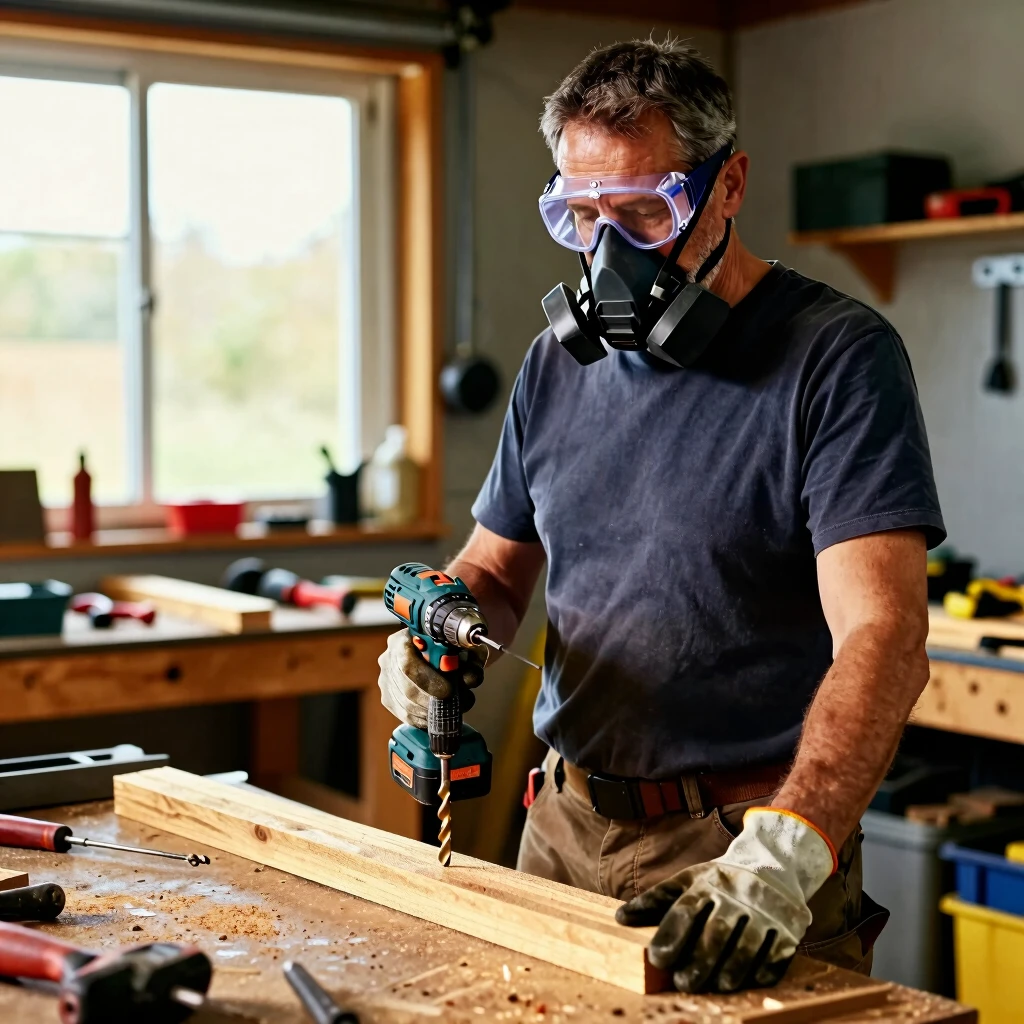
Take cordless drills: Models with pistol grips and side handles distribute weight evenly, keeping your shoulders relaxed. I've wired a whole garage without the usual back twinge—game-changer.
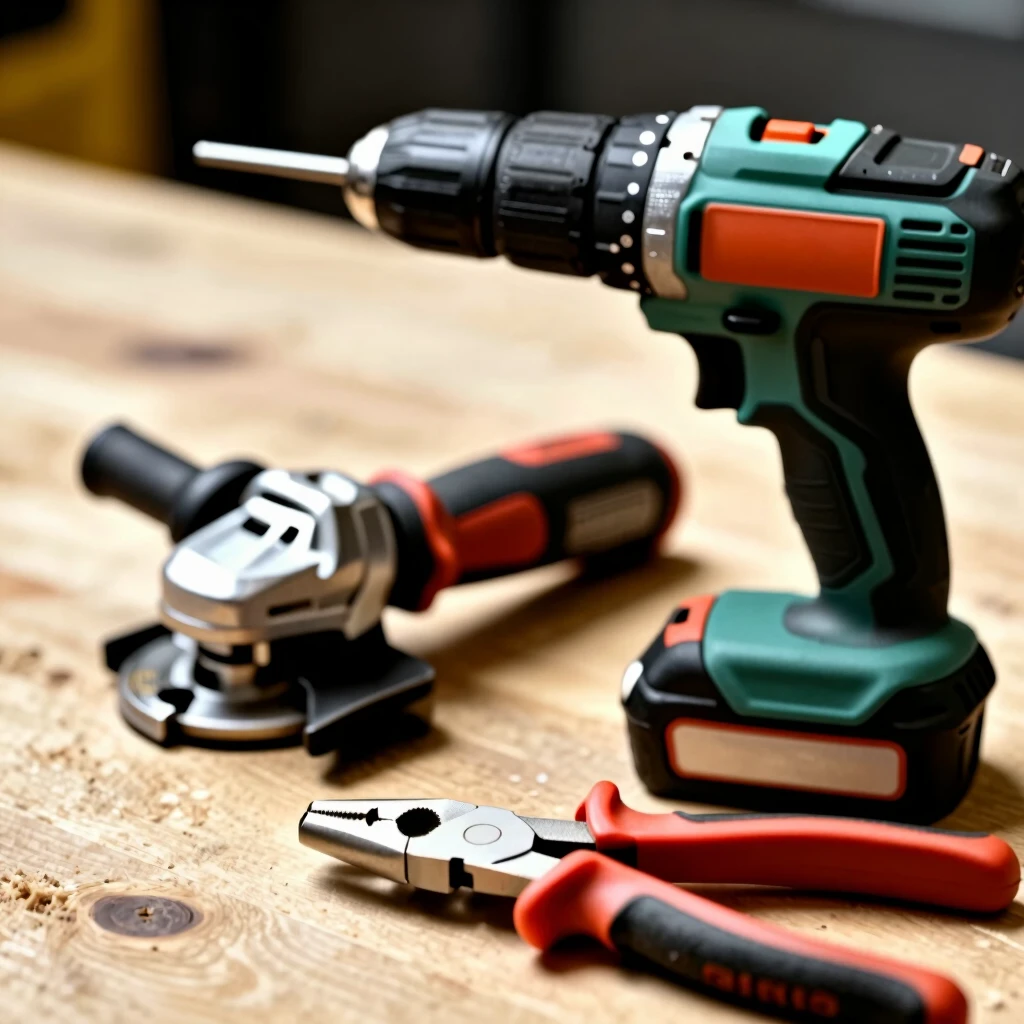
Top Electrical Tools for Everyday Wins
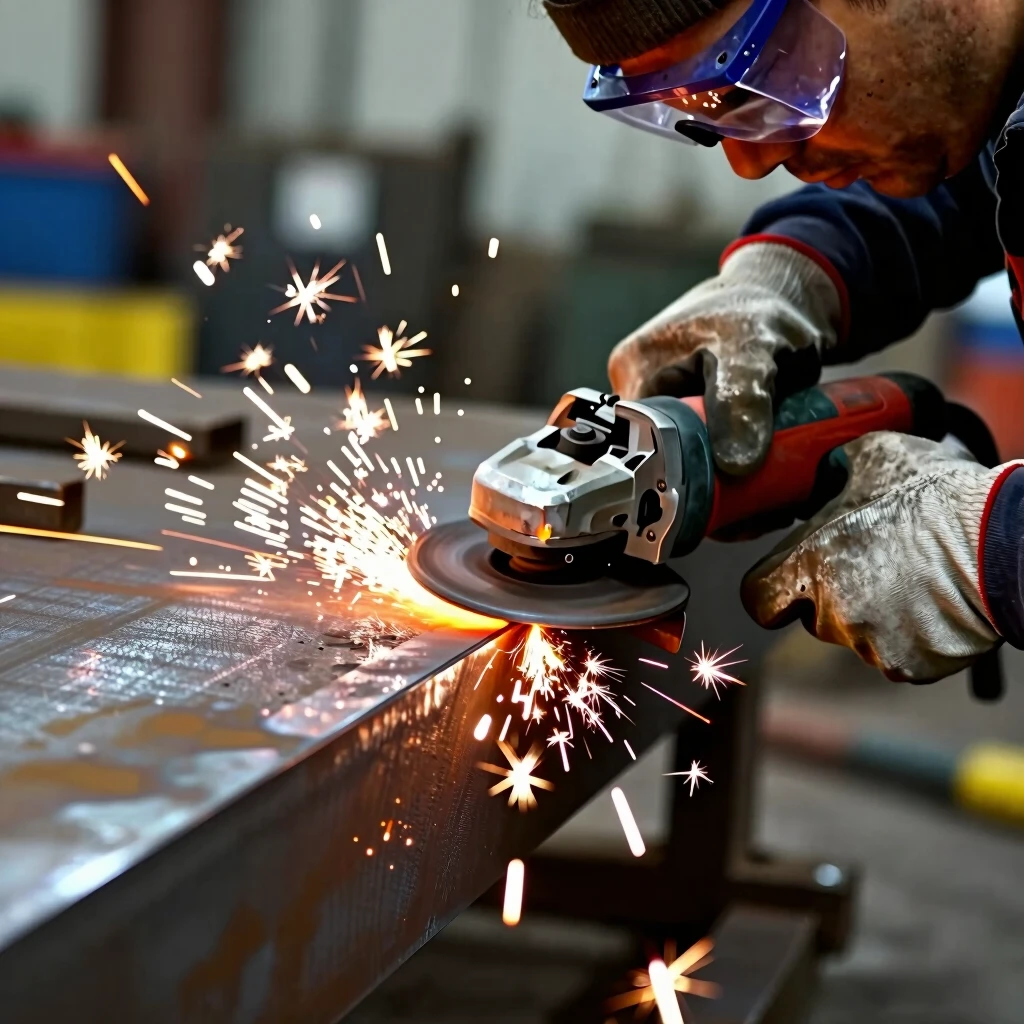
Here's a quick list of electrical tools worth your investment: 1. Cordless Drill/Driver: Opt for one under 4 pounds with an adjustable side handle. It lets you drill overhead without arm pump. 2. Angle Grinder: Seek models with anti-vibe tech. Grinding metal for hours? This saves your hands from numbness. 3. Reciprocating Saw: Look for orbital action with ergonomic triggers. Cuts through lumber like butter, minus the kickback jolt.
In my experience, switching to a lightweight grinder cut my project time by 20%—and my recovery time to zero.
Don't overlook safety. Ergonomic electrical tools often include better insulation and guards, tying comfort to protection. Check out resources from the National Institute for Occupational Safety and Health (NIOSH) for guidelines on tool handling.
How to Pick the Right Ergonomic Tools
Choosing isn't one-size-fits-all. Start by assessing your tasks. Heavy demo work? Prioritize vibration control. Fine assembly? Grip comfort rules.
Steps I follow: - Test the fit: Hold it like you would on the job. Does it feel natural? - Read reviews: Real users spill on long-term comfort. - Budget smart: Quality ergonomics pay off in health savings.
Budget tip: Brands like Stanley or DeWalt offer solid entry-level ergonomic lines without breaking the bank.
One personal story: Early in my career, I ignored ergonomics and ended up with tendonitis. A doc's advice? Invest in tools that invest in you. Now, my kit's all about prevention, and I've gone injury-free for years.

Maintaining Your Tools for Lasting Comfort
Great tools deserve great care. A dull blade or loose grip undoes all that ergonomic goodness.
Quick maintenance checklist: - Clean after each use—wipe down handles to keep grips tacky. - Store properly: Wall mounts beat toolbox tosses for easy access. - Sharpen regularly: A sharp tool needs less force, easing your effort.
I've made it a ritual: Sunday evenings for tool TLC. Keeps everything ready and my body happy.
Common Pitfalls to Avoid
Steer clear of these: - Overlooking weight: Even ergonomic can feel heavy if mismatched. - Ignoring adjustability: Tools that adapt to you beat rigid ones. - Skipping breaks: Tools help, but your body still needs pauses.
Remember, ergonomics is a system—pair tools with good posture for max results.
Real Talk: Stories from the Field
Chat with any veteran workman, and they'll echo this: Comfort tools aren't optional. My buddy, a electrician for 25 years, swears by his ergonomic wire strippers. 'Saved my thumbs,' he says. Another pal in carpentry credits balanced saws for ditching his chiropractor visits.
These aren't hype—they're hard-won wisdom. If you're feeling the daily grind in your joints, it's time for an upgrade.
Wrapping It Up: Comfort as Your Competitive Edge
Ergonomic workman tools for comfort aren't a trend; they're a toolkit essential. From hand basics to electrical powerhouses, they let you focus on the craft, not the pain. Invest now, and thank yourself later with fewer aches and more accomplishments.
Ready to build better? Start small—pick one tool today and feel the shift.
Related ergonomic workman tools for comfort:
- Preventing Work-Related Injuries: Tips and Tricks
- Seasonal Maintenance Checklist for Outdoor Equipment
- How to Maintain Your Torque Wrench for Longevity
- Top 10 Tools Every Workshop Needs
- Ultimate Guide to Power Tools for Metalworking: Boost Your Workshop Game
- The Essential Toolbox for Every DIY Enthusiast: Build Yours Right
- DIY Workshop Storage Solutions: Transform Chaos into Creative Flow
- OSHA’s Guide to Personal Protective Equipment: Essential Safety Gear for Construction Workers
- Essential Tools for Every Handyman: Build Your Ultimate Toolkit
- DIY Tool Repair: When to Fix and When to Replace
- How to Maintain Hand Tools Effectively: A Complete Guide for Everyday Use
- How to Use Power Drills Safely and Effectively: Your Essential Guide