A Quick Overview
Whether you're fixing a leaky faucet or building a backyard deck, having the right gear makes all the difference. This guide covers essential tools for every handyman, focusing on reliable workman tools like hammers that get the job done safely and efficiently. You'll find practical tips drawn from years of hands-on experience to help you build a toolkit that lasts. (42 words)

Why Every Handyman Needs a Solid Toolkit
I've spent countless weekends in my garage, turning simple repairs into weekend triumphs. But early on, I learned a hard lesson: without the right tools, even the easiest task becomes a headache. Essential tools for every handyman aren't just about convenience—they save time, prevent injuries, and boost your confidence.
Think about it. A wobbly shelf? Grab a level and screws. A loose door hinge? Pliers and a screwdriver fix it fast. These workman tools form the backbone of home maintenance. According to the U.S. Department of Agriculture's Forest Service guidelines on equipment safety, selecting proper tools like the right hammer type enhances both efficiency and safety on any project.
Start small if you're building your kit. Focus on quality over quantity. A cheap tool breaks when you need it most, leaving you frustrated and out extra cash. Over the years, I've upgraded my basics, and the difference is night and day.
The Hammer: The Unsung Hero Among Workman Tools
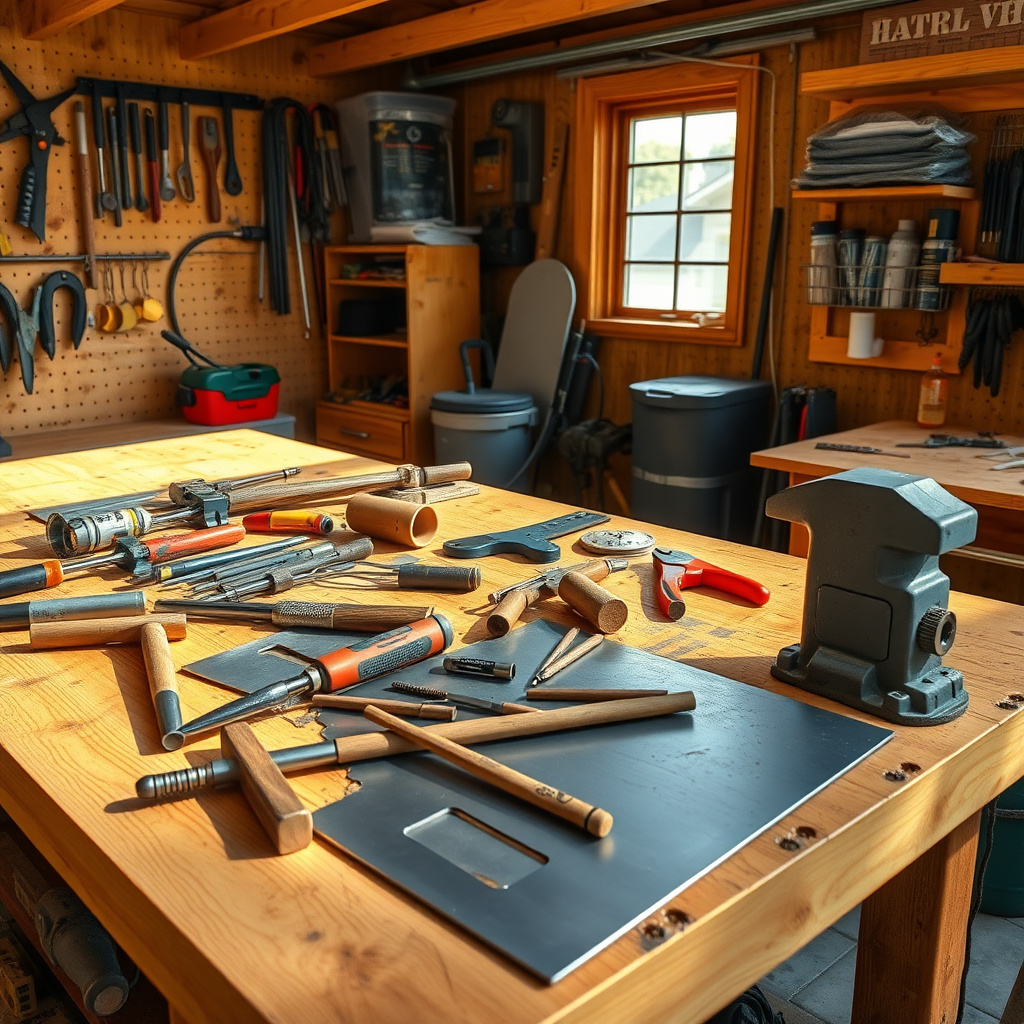
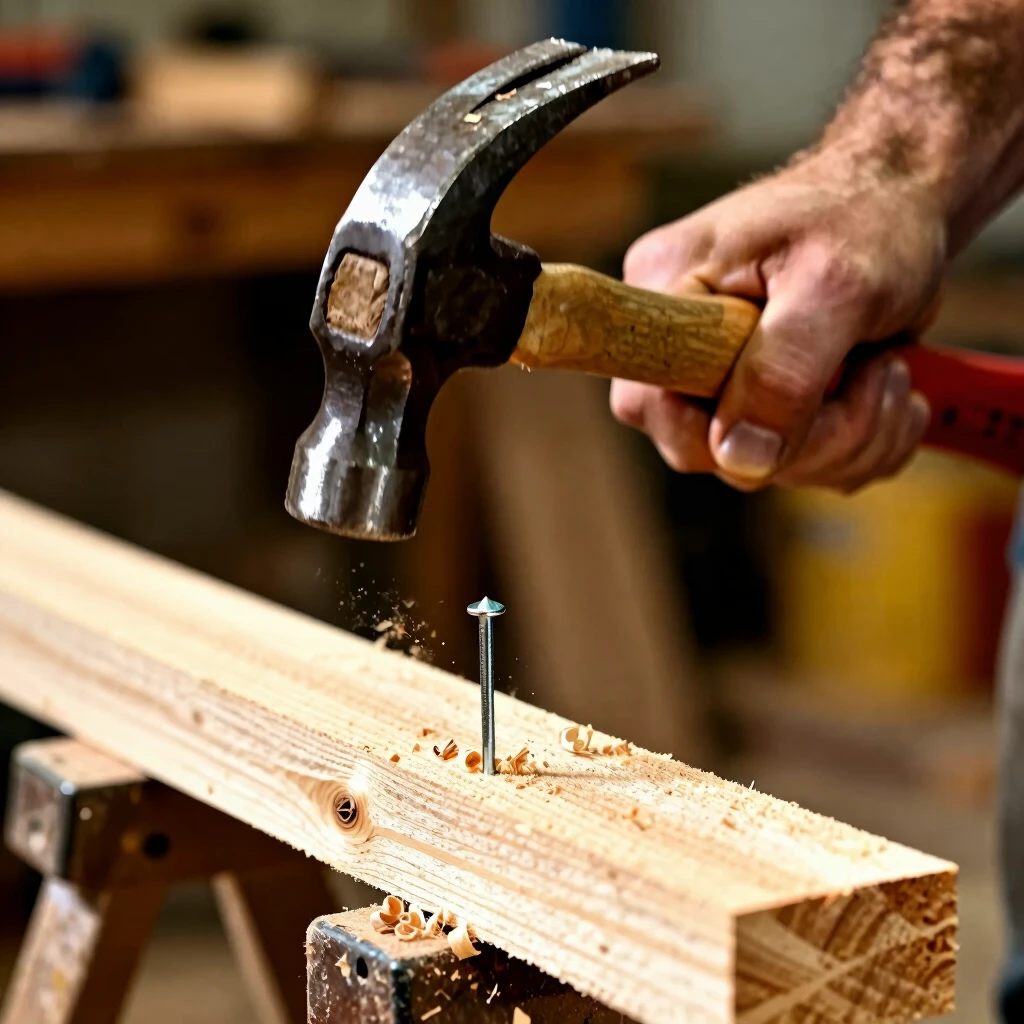
No discussion of essential tools for every handyman skips the hammer. It's the first tool most of us grab, and for good reason. Hammers drive nails, pry boards, and even smash stubborn tiles. But not all hammers serve every purpose.
My go-to is the claw hammer—a 16-ounce model with a comfortable grip. Its curved claw pulls nails without mangling wood, perfect for framing or demolition. For lighter work, like hanging pictures, a smaller ball-peen hammer shines for shaping metal.
Safety first, though. I once chipped a tooth on a hammer head from a loose handle—lesson learned. Always inspect before swinging. The University of Tennessee's hand tool safety guidelines stress checking for cracks and secure heads to avoid flying debris.
Here's a quick list of hammer types every handyman should know:
| Hammer Type | Best For | Weight Tip |
|---|---|---|
| Claw Hammer | General carpentry, nail removal | 13-20 oz |
| Ball-Peen | Metalworking, riveting | 8-32 oz |
| Sledge | Heavy demolition | 2-20 lbs |
| Mallet | Non-marring strikes on chisels | Rubber or wood head |
Pick one that fits your hand. Swing it a few times in the store— it should feel like an extension of your arm.
Screwdrivers and Pliers: The Precision Pair
Next up in your essential tools for every handyman: screwdrivers and pliers. These workman tools handle the fine details that hammers can't touch.
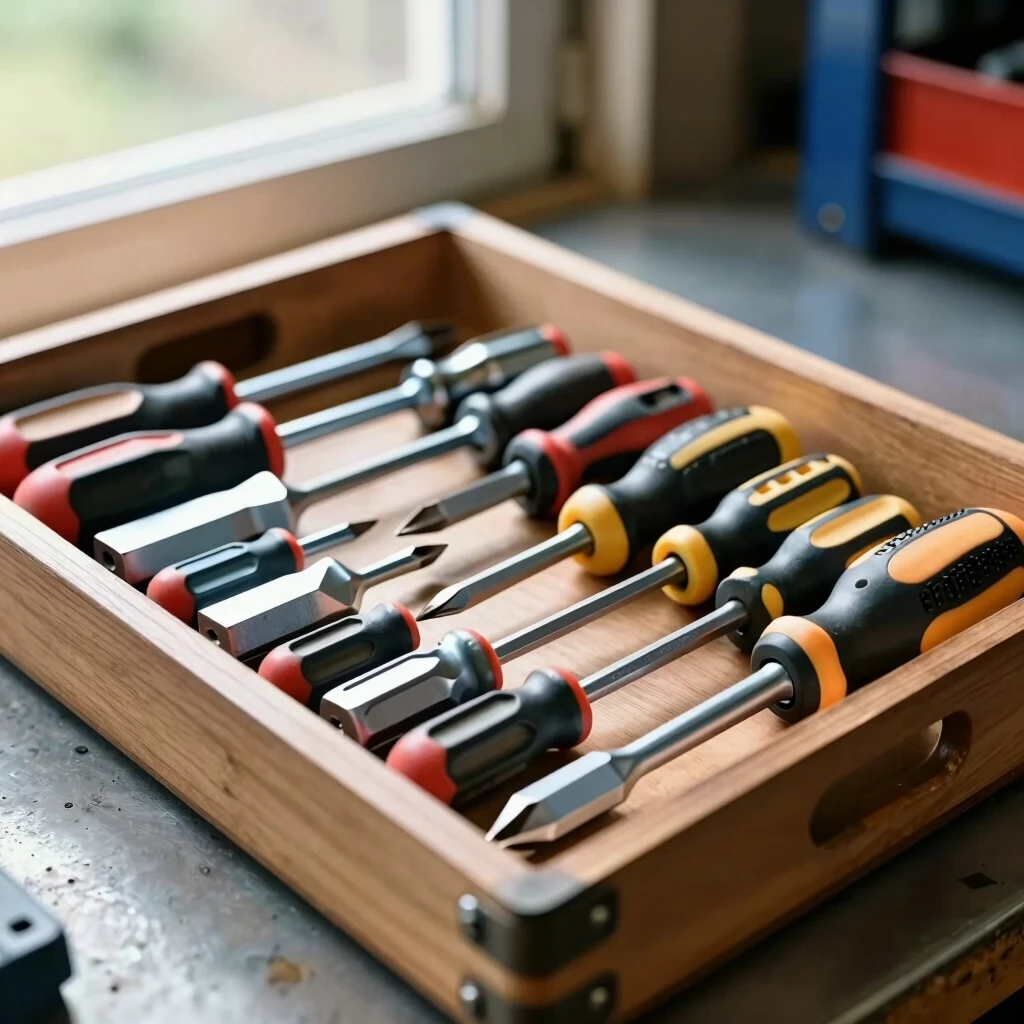
I keep a multi-bit screwdriver set handy—Phillips, flathead, and Torx heads cover 90% of screws you'll meet. Magnetic tips grab screws before they vanish into cracks, saving you from swearing under your breath.
Pliers? Needle-nose for tight spots, like wiring or jewelry fixes, and slip-joint for gripping pipes. My favorite story: During a kitchen remodel, locking pliers held a faucet in place while I tightened it solo. No extra hands needed.
Pro tip: Label your bits to avoid mix-ups. And for safety, the OSHA training script on hand tools warns against using screwdrivers as pry bars—they snap and fly.
Build your set gradually: - 6-in-one screwdriver - Needle-nose pliers (6-inch) - Combination pliers - Locking pliers (vise-grips)
Measuring and Marking: Get It Right the First Time
Measure twice, cut once—that old saying rings true. Essential tools for every handyman include a tape measure and a speed square.
My 25-foot tape has a sturdy case and clear markings. It locks tight, so no slipping mid-measure. Pair it with a pencil for marking—always use a sharp one to avoid fuzzy lines.
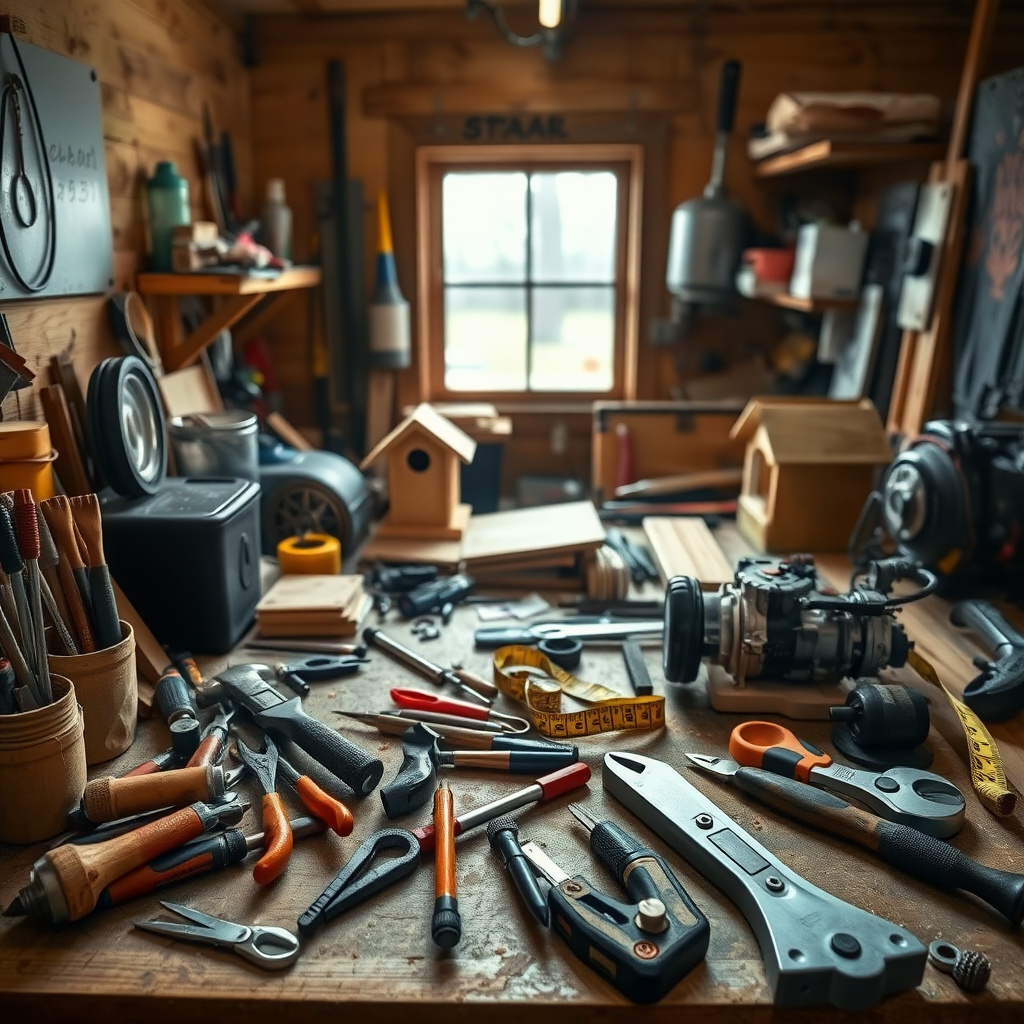
For angles, a combination square beats eyeballing every time. I built a birdhouse last spring, and precise marks kept it square, not wobbly.
Don't overlook levels. A 24-inch torpedo level checks shelves and frames. Digital ones beep for perfection, but bubble styles are foolproof and cheap.
From the Pinal County government's home maintenance guide, starting with basics like these tools lets you tackle most repairs affordably.
Power Tools: When Hand Strength Isn't Enough
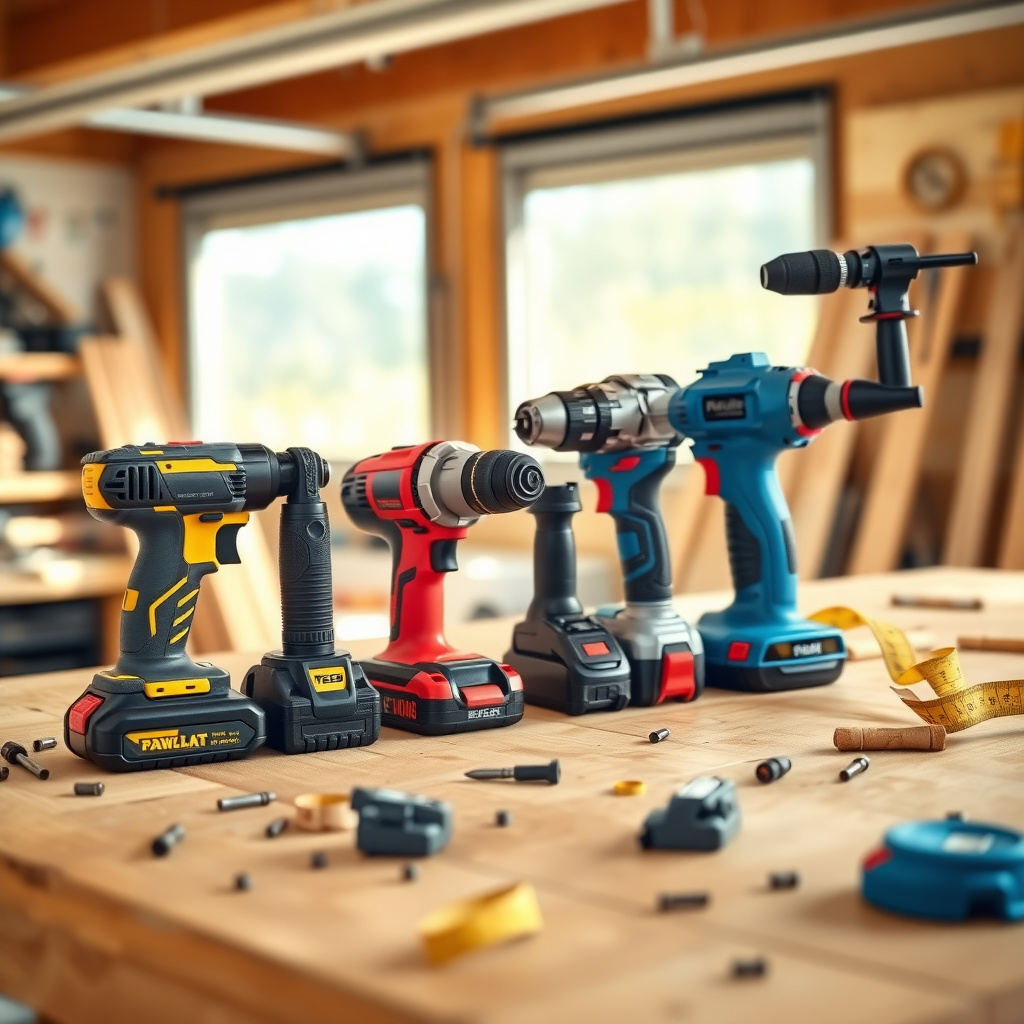
Workman tools evolve with power. A cordless drill changed my game—drills holes, drives screws, even mixes paint.
Start with an 18-volt combo kit: drill, impact driver, and circular saw. Batteries swap between them, cutting clutter. I re-roofed my shed in half a day thanks to that saw's clean cuts.
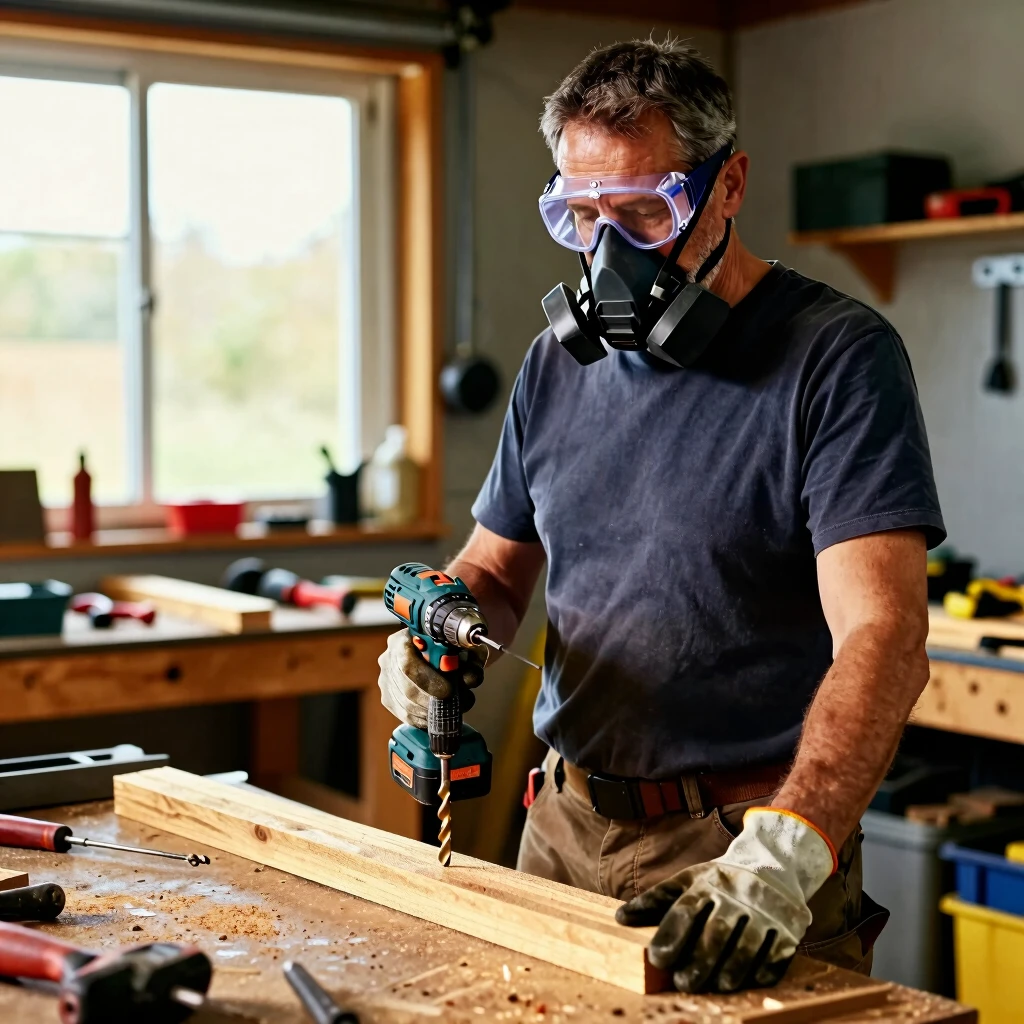
Safety amps up here. Wear goggles and gloves. The UTK guidelines I mentioned earlier highlight grounding cords and inspecting for damage to prevent shocks.
Essential power picks: 1. Cordless drill/driver 2. Jigsaw for curves 3. Orbital sander for smooth finishes
Charge batteries overnight, and store them cool—heat kills them fast.

Safety Gear: Protect Yourself First
Tools are worthless if you're sidelined by injury. Essential tools for every handyman include safety basics: gloves, glasses, ear protection, and a first-aid kit.
I skipped glasses once trimming branches—splinter in the eye. Never again. ANSI-rated eyewear blocks flying bits.
Dust masks filter sawdust; knee pads save joints on floors. And steel-toe boots? They stopped a dropped hammer cold.
OSHA emphasizes training: Know your tool's hazards. Keep a fire extinguisher nearby for electrical mishaps.
Pack your safety kit: - Safety glasses - Work gloves (cut-resistant) - Hearing protection - Dust mask/respirator - First-aid essentials
Organizing Your Toolkit: Keep It Accessible
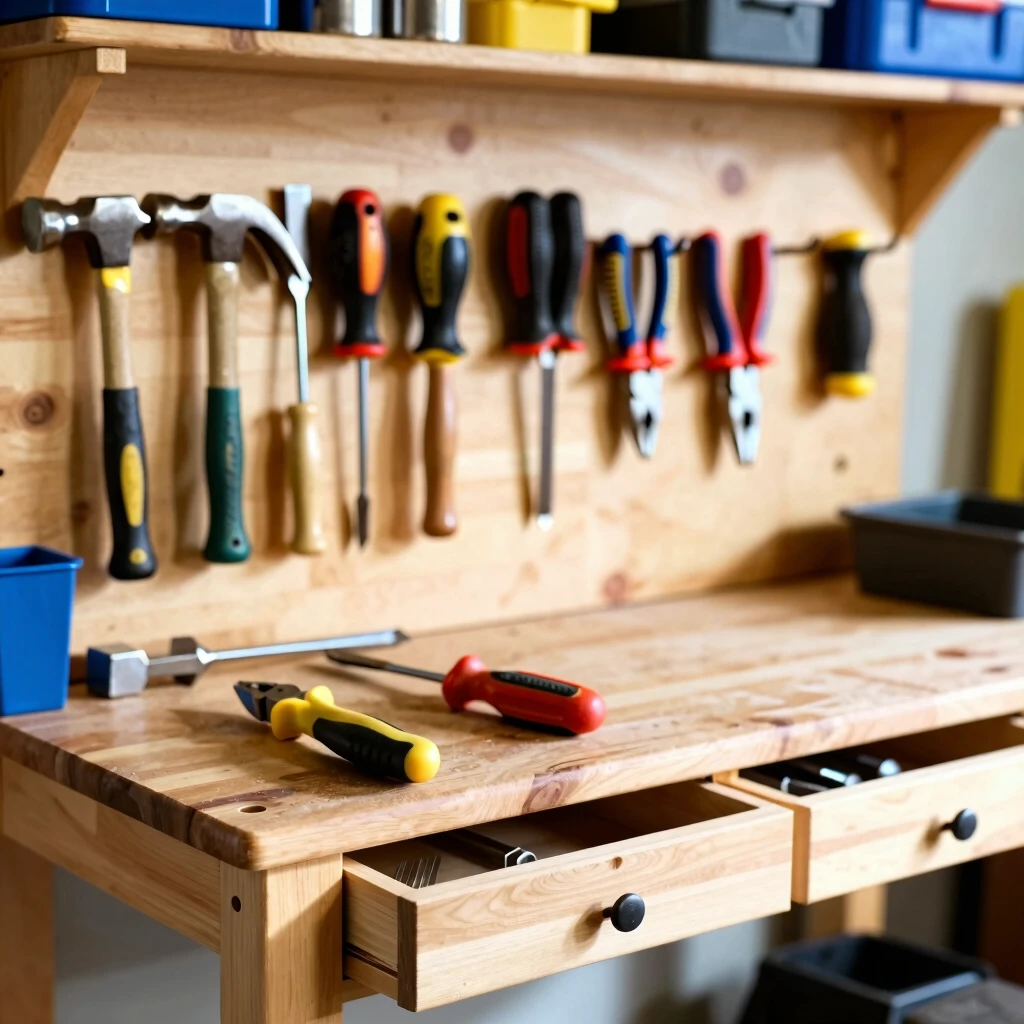
A jumbled toolbox wastes time. Use pegboards for walls, drawers for small bits. Label everything—I use painter's tape for quick IDs.
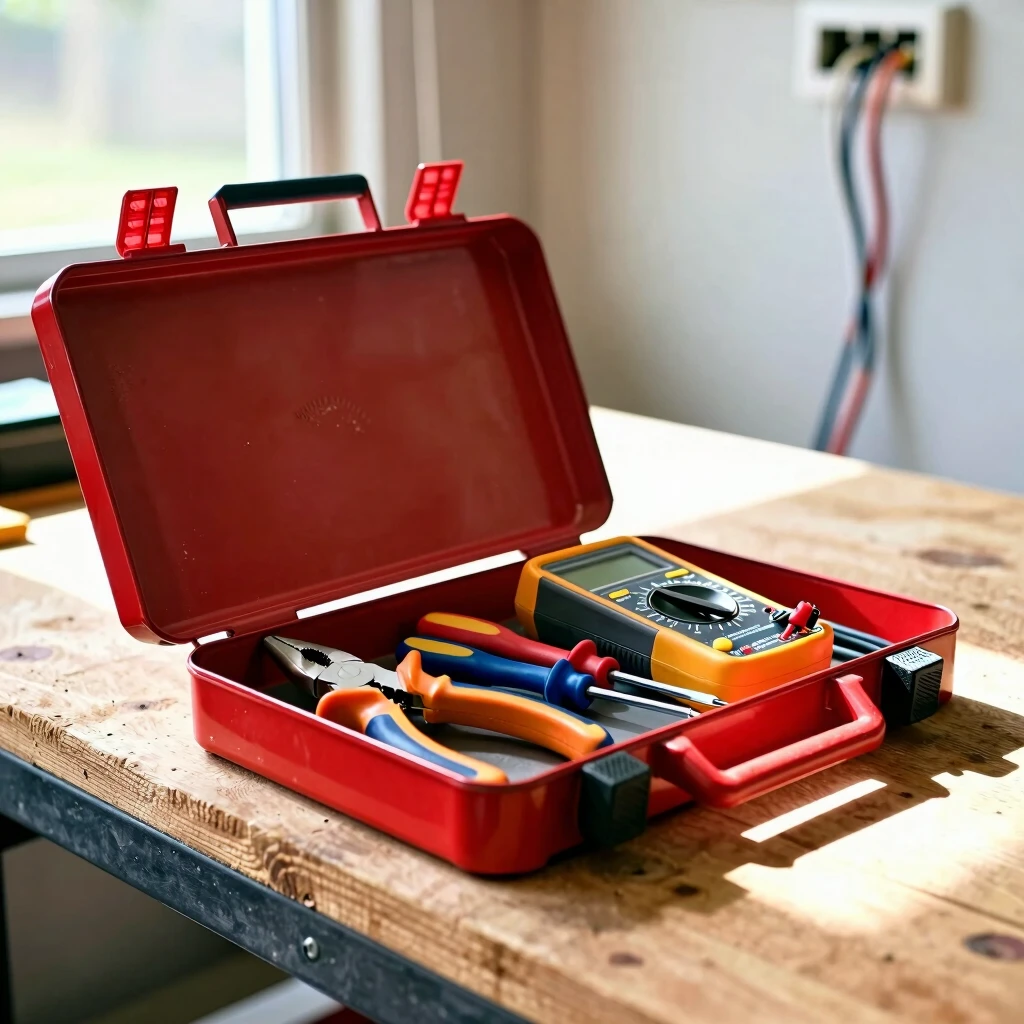
Portable cases stack neatly in your truck. My rolling cart holds power tools, ready to roll.
Maintenance matters: Oil moving parts, sharpen blades yearly. Dull tools slip and hurt.
A Personal Take: Lessons from the Trenches
Years ago, I fixed my deck with borrowed junk—stripped screwdrivers, rusty pliers. It took twice as long, and I nearly quit. Now, with quality essential tools for every handyman, projects flow. Last month, I built a playhouse for my niece. Hammers pounded true, measures stayed straight. Her smile? Priceless.
Invest in yourself. Start with 10 core items, add as you go. You'll feel the shift from amateur to pro.
Wrapping It Up
Essential tools for every handyman, from hammers to power drills, empower you to handle home tasks with ease. Prioritize safety, quality, and organization for lasting results. Your toolkit isn't just gear—it's your ticket to DIY success. Grab one today and start building. (1487 words total)
Related essential tools for every handyman:
- DIY Tool Repair: When to Fix and When to Replace
- How to Maintain Hand Tools Effectively: A Complete Guide for Everyday Use
- How to Use Power Drills Safely and Effectively: Your Essential Guide
- Unlocking Creativity: Essential Specialty Hammers for Crafts and Hobbies
- The Importance of Tool Maintenance: A Guide to Safe and Efficient Electrical Work
- Preventing Workplace Injuries with Smart Tool Choices: A Practical Guide
- Understanding Different Types of Screwdrivers and Their Uses
- Essential Workman Tools for Metalworking: Your Complete Guide
- How to Maintain Your Car's Engine for Longevity: Smart Tips, Essential Tools, and Your AI Companion
- A Detailed Guide to Essential Tools for Hobbyists
- How to Choose the Right Torque Wrench for Your Needs
- How to Choose the Best Power Drill for Your DIY Projects