Quick Overview
Picking the right torque wrench can make all the difference in your repairs. Whether you're tightening lug nuts on your car or assembling furniture, it ensures bolts stay secure without stripping. In this guide, we'll break down types, features, and tips to match one to your needs—saving you time and headaches down the road. (38 words)
Why You Need a Torque Wrench in Your Toolbox
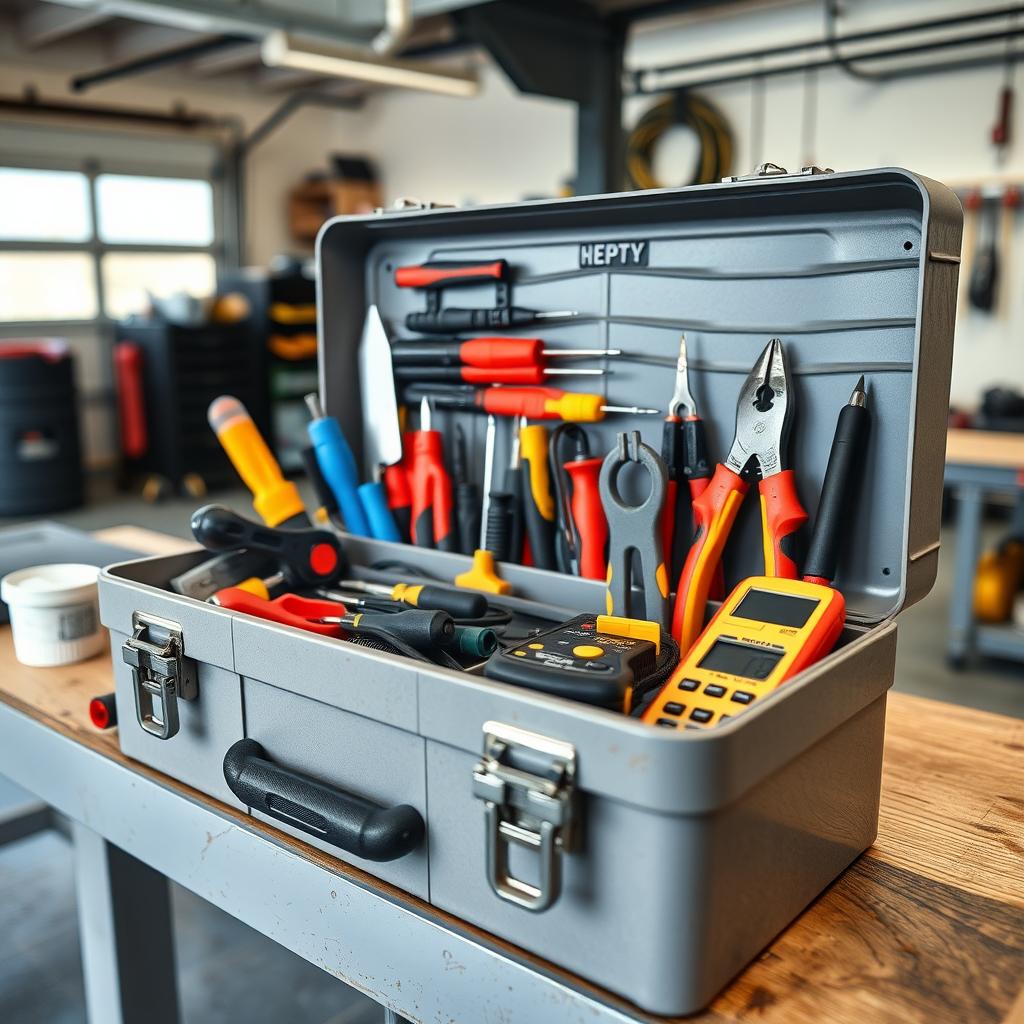
I've spent years tinkering in my garage, and nothing beats the peace of mind a good torque wrench brings. Regular wrenches? They're fine for loose jobs, but when precision matters—like in car repairs—they fall short. Over-tighten a bolt, and you risk cracking parts. Under-tighten, and things loosen up fast.
That's where torque wrenches shine. They measure the force you apply, hitting exact specs every time. As a workman tool, it's essential for anyone serious about their projects.
Think about changing a tire. Without one, you guess the tightness. With it, you follow the manual's psi perfectly. This isn't just convenience; it's safety. Studies show improper torque leads to failures in critical spots, like brakes or engines.
How Torque Wrenches Improve Accuracy in Car Repairs
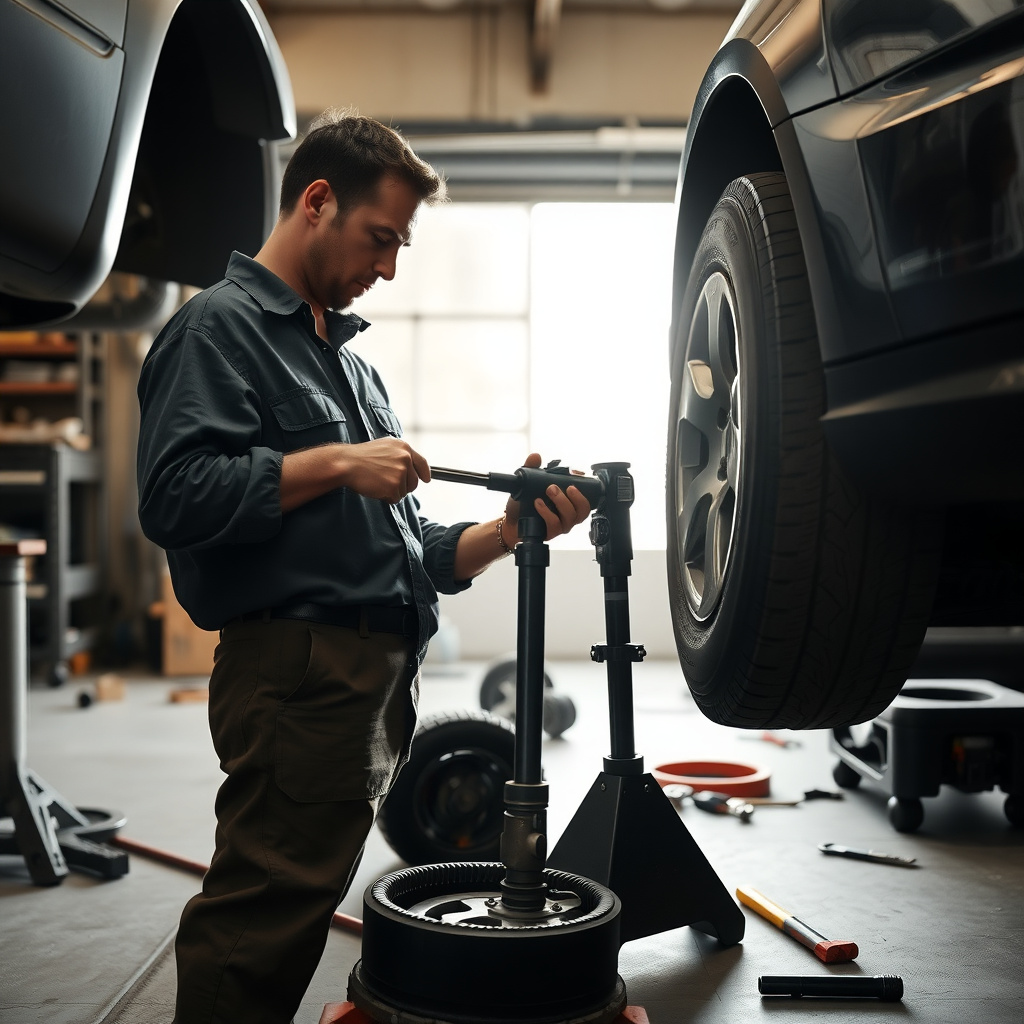
Let's get real: car repairs demand spot-on accuracy. A loose head gasket? Engine trouble. Stripped threads? Costly fixes. Torque wrenches fix that by applying consistent force.
From my experience swapping out brake calipers, using one cut my redo rate in half. No more second-guessing. The FAA's guide on nut and bolt torquing highlights how precise torque prevents failures in high-stress areas—lessons that apply straight to your driveway mechanic work.
Pro tip: Always check your vehicle's manual for specs. Most call for 80-100 ft-lbs on wheels, but engines vary wildly. A torque wrench ensures you hit it right, boosting longevity and safety.
Understanding the Types of Torque Wrenches
Not all torque wrenches are created equal. Each type suits different jobs. Here's a quick rundown:
| Type | How It Works | Best For | Price Range |
|---|---|---|---|
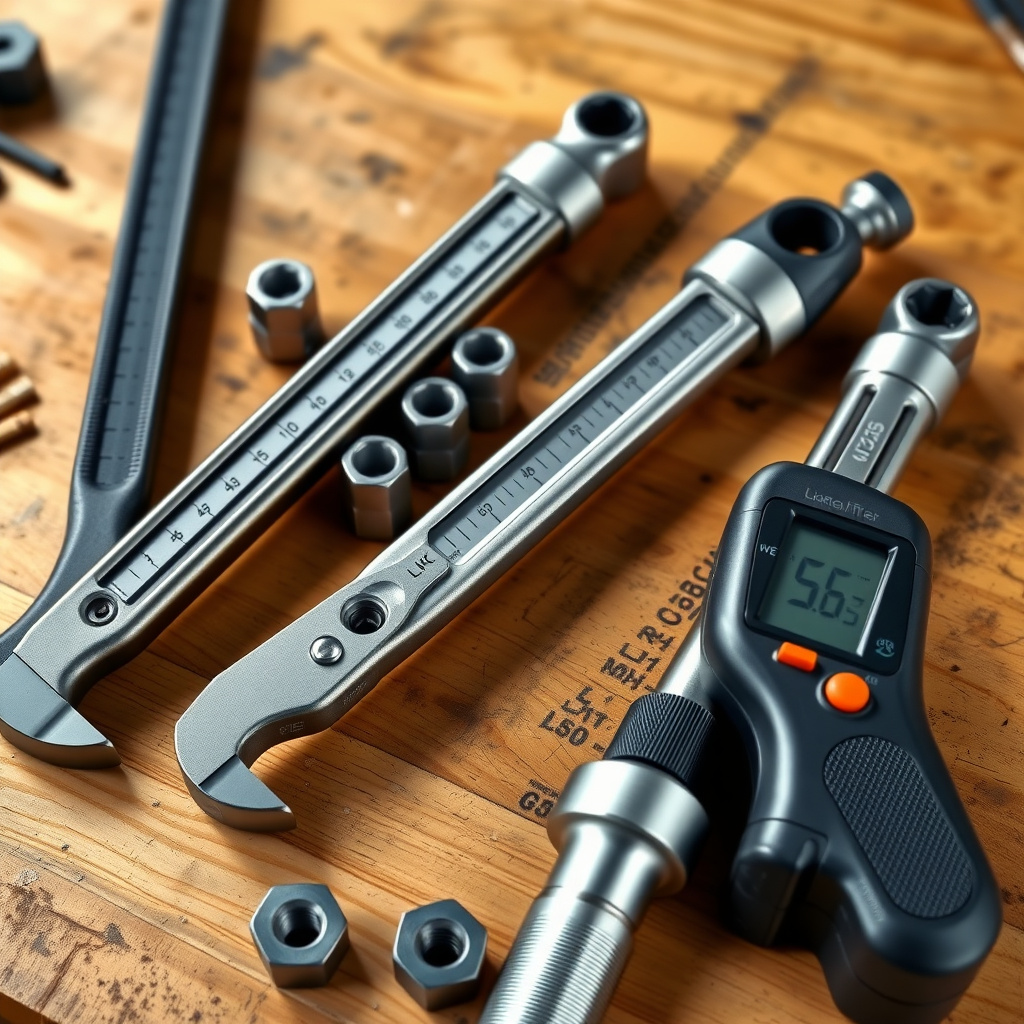
| Beam | Scale and needle show torque visually | Budget, low-torque tasks | $20-50 |
| Click | 'Clicks' when torque is reached | Everyday mechanic use | $40-100 |
| Digital | LCD screen displays exact reading | Precision pros, data logs | $100-300 |
The FAA's overview of torque wrench types dives deeper into these, stressing calibration for reliability.
I started with a beam type for simple bike fixes. It was cheap and did the job. But for cars, I upgraded to click—faster and less error-prone.
Key Factors to Consider When Choosing
So, how do you choose the right torque wrench for your needs? Start with these basics.
Drive Size
Match the drive to your sockets. Common sizes: - 1/4-inch: Small engines, bikes. - 3/8-inch: General auto work. - 1/2-inch: Heavy trucks, big bolts.
I keep a 3/8-inch in my kit—versatile for most cars.
Torque Range
Pick a range that covers your jobs. For home use, 20-150 ft-lbs works. Pros might need 10-250. Overkill on range means bulkier tools.
Accuracy and Calibration
Look for ±4% accuracy. Cheaper ones drift fast. The University of Northern Iowa's calibration study shows how regular checks keep readings true—vital for safety.
Calibrate yearly or after drops. Many brands offer lifetime services.
Material and Build
Steel handles last. Chrome finish fights rust. Ergonomic grips save your wrists on long days.
From swapping exhausts in humid weather, I learned: Skip plastic bits; they crack.
Best Wrenches for Mechanics: My Top Picks
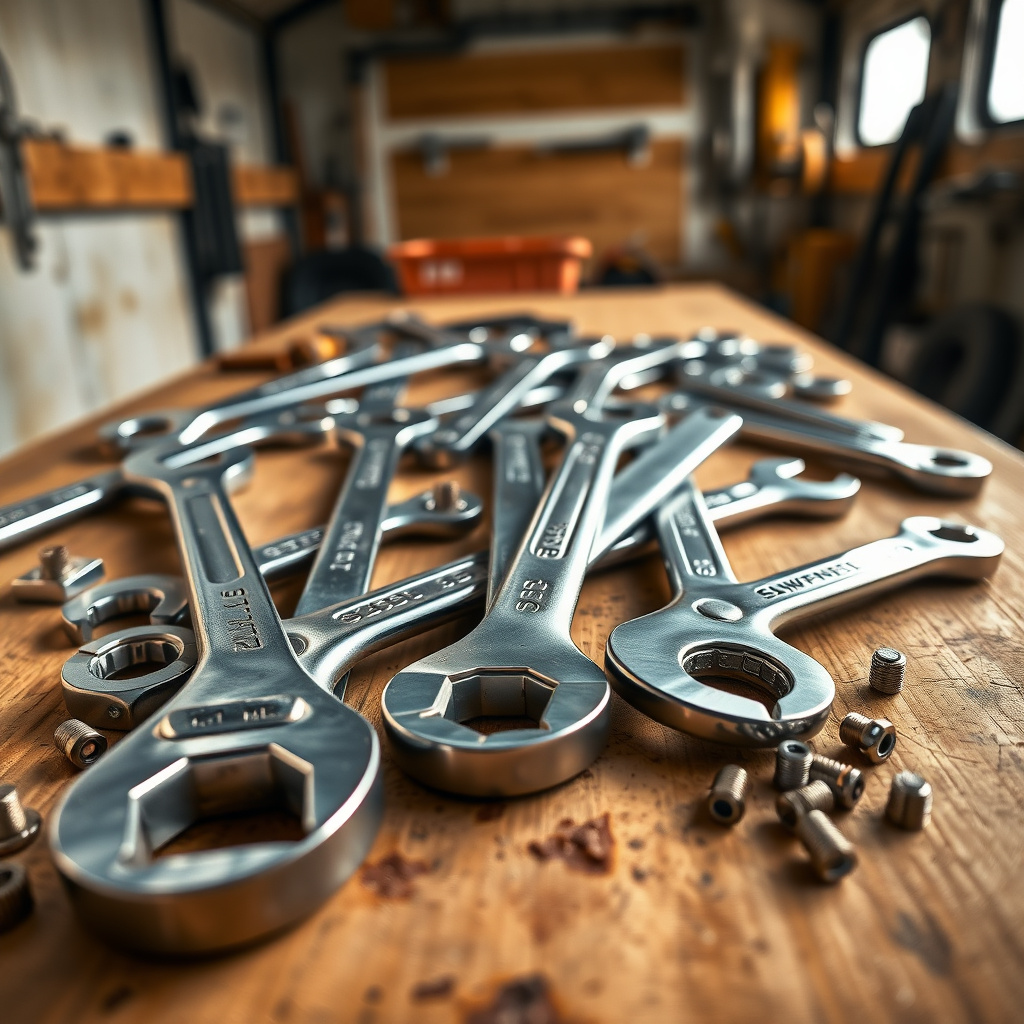
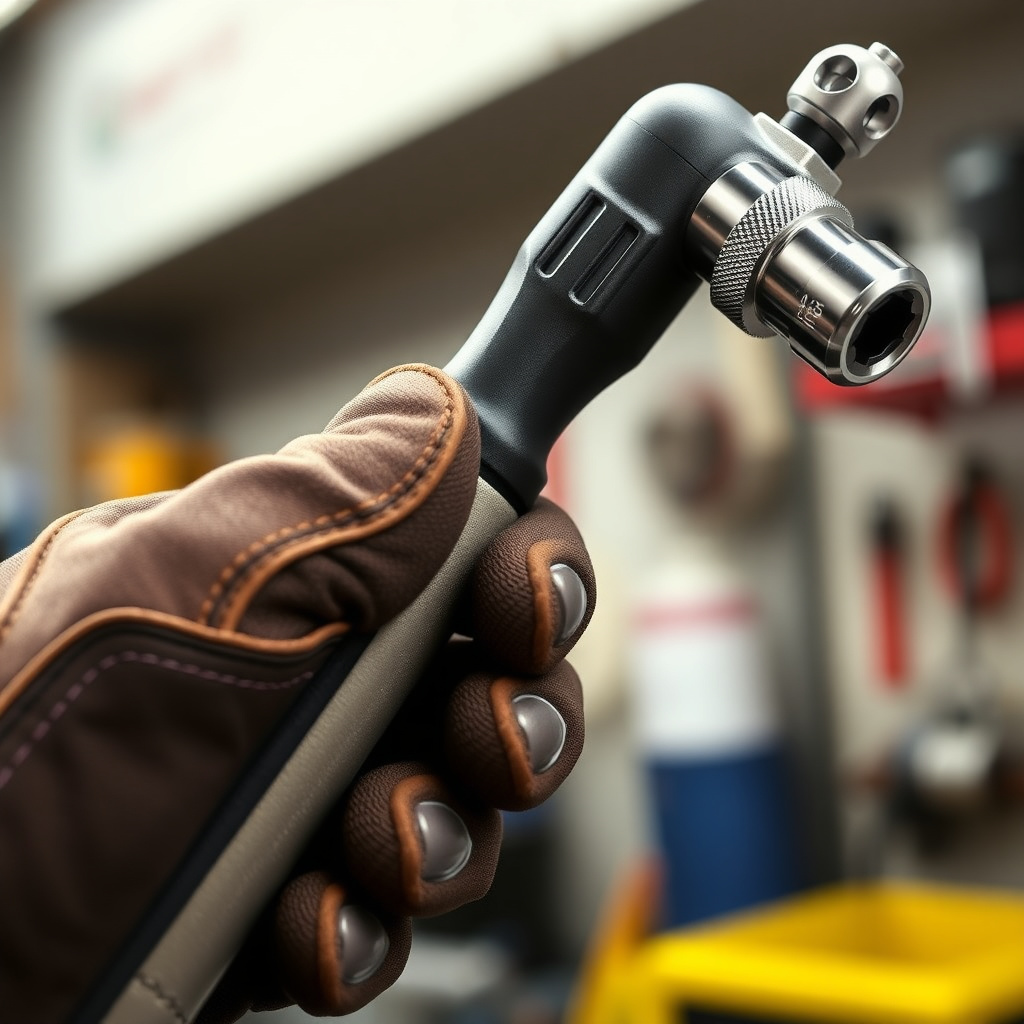
As someone who's tested dozens, here are standouts among the best wrenches for mechanics:
- Budget Beam: Precision Instruments 3/8-inch - Simple, accurate under 50 ft-lbs. Great starter.
- Click King: Tekton 1/2-inch - Lifetime warranty, smooth click. Handles 250 ft-lbs easy.
- Digital Pro: ACDelco ARM601 - Bluetooth logs for audits. Pricey but worth it for shops.
These aren't just tools; they're investments. Pair with quality sockets for peak performance.
Remember, the NC State lab guide on wrenches notes how torque types excel in lab settings—same logic for your garage.
How to Use and Maintain Your Torque Wrench
Got one? Now use it right.
- Set to zero before storing.
- Pull smoothly; don't jerk.
- Clean after greasy jobs.
I once ignored storage and it lost calibration. Lesson learned: Treat it like a precision instrument.
For maintenance: - Wipe with cloth, no solvents. - Store in case, away from magnets. - Recalibrate as needed.
Common Mistakes to Avoid
Don't cheap out—bad ones fail fast. Skip 'torque sticks'; they're approximate. And always double-check units: ft-lbs vs. Nm.
In one rush job, I mixed units on a manifold. Nearly caused a leak. Slow down; accuracy wins.
Wrenches as Essential Workman Tools
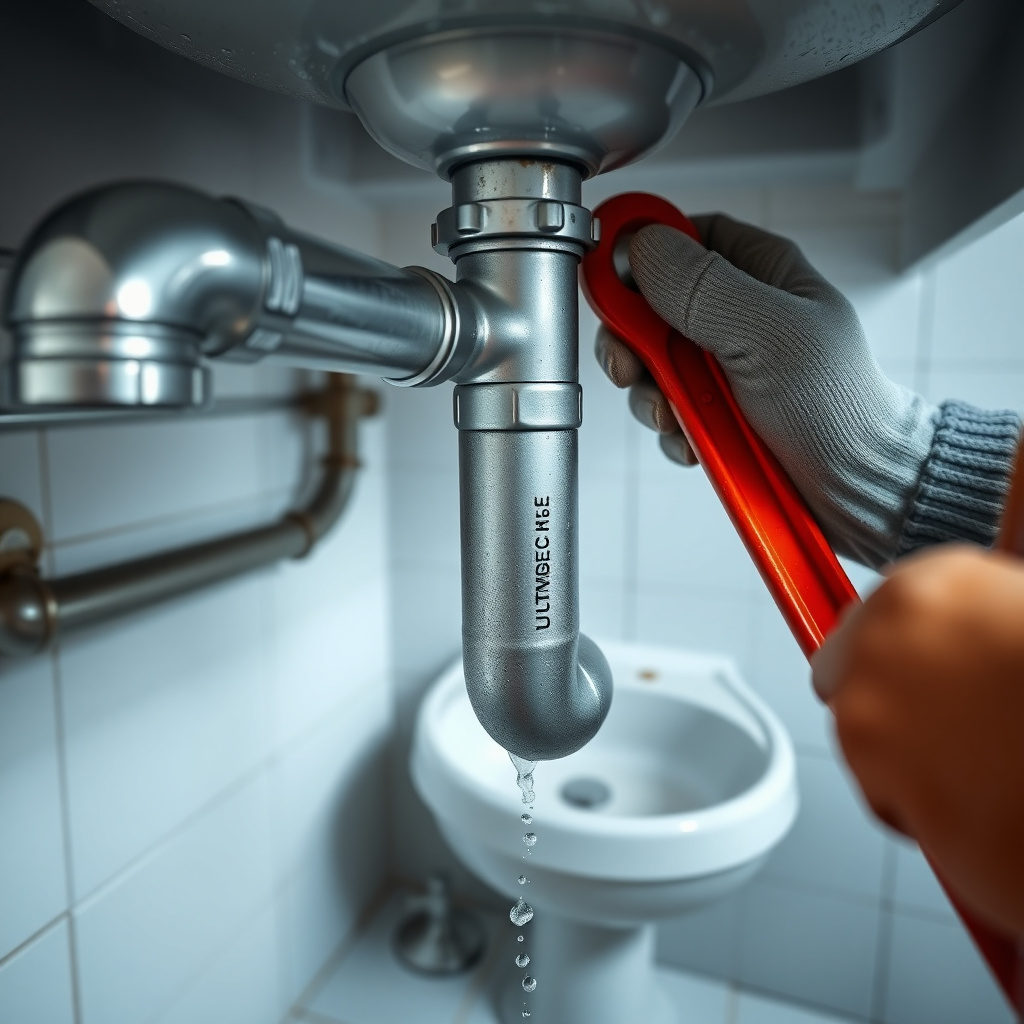
Beyond cars, torque wrenches fit any trade. Plumbers use them for fittings; cyclists for spokes. They're versatile workman tools that pay off in reliability.
If you're building decks or bikes, a small one prevents wobbles. Versatility is key.
Wrapping It Up
Choosing the right torque wrench boils down to matching type, range, and build to your tasks. Start simple, upgrade as needed. You'll notice tighter bolts, fewer failures, and smoother projects. Invest now; thank yourself later. For more on precision tools, check the read_more below.
Related How to Choose the Right Torque Wrench for Your Needs:
- How to Choose the Best Power Drill for Your DIY Projects
- Best Wrench Sets for Construction Workers: Essential Workman Tools for Every Job Site
- A Guide to Basic DIY Home Repair Tools: Essential Workman Tools Every Homeowner Needs
- Safety Tips for Your Next DIY Adventure
- Workman Tools for Everyday Fixes: Mastering Home Electrical Repairs with Essential Electrical Tools
- Essential Workman Tools for Plumbing: Your Ultimate Guide
- Advanced Techniques for Workshop Organization: Boost Efficiency and Productivity
- Essential Painting Tools for Beginners: Your Guide to Starting Right
- Advanced Electrical Tools for Automation: Revolutionizing Workman Efficiency
- Top Safety Practices for Electrical Projects: A Comprehensive Guide
- DIY Safety: Protecting Yourself While Working on Home Projects
- Understanding the Role of Ergonomics in Construction