Overview
Electrical projects can be rewarding, but they come with serious risks if not handled properly. From small repairs to major installations, following Top Safety Practices for Electrical Projects is crucial to prevent accidents, injuries, or even fatalities. This guide shares practical advice, personal insights, and proven strategies to keep safety first, whether you're using workman tools for electrical work or tackling a complex wiring job.
Why Safety Matters in Electrical Projects
Working with electricity is inherently dangerous. A single mistake can lead to electric shocks, burns, or fires. According to the U.S. Occupational Safety and Health Administration (OSHA), electrical hazards cause over 300 deaths and 4,000 injuries annually in U.S. workplaces alone. My first experience with electrical work taught me this the hard way. As a young apprentice, I once forgot to double-check if a circuit was de-energized. The resulting spark was a wake-up call that safety isn’t optional—it’s everything.
Safety isn’t just about protecting yourself. It’s about safeguarding your home, coworkers, or clients. Whether you’re a DIY enthusiast or a professional, adopting the right practices and tools ensures everyone walks away unharmed.

Essential Safety Practices for Electrical Projects
1. Always Turn Off the Power
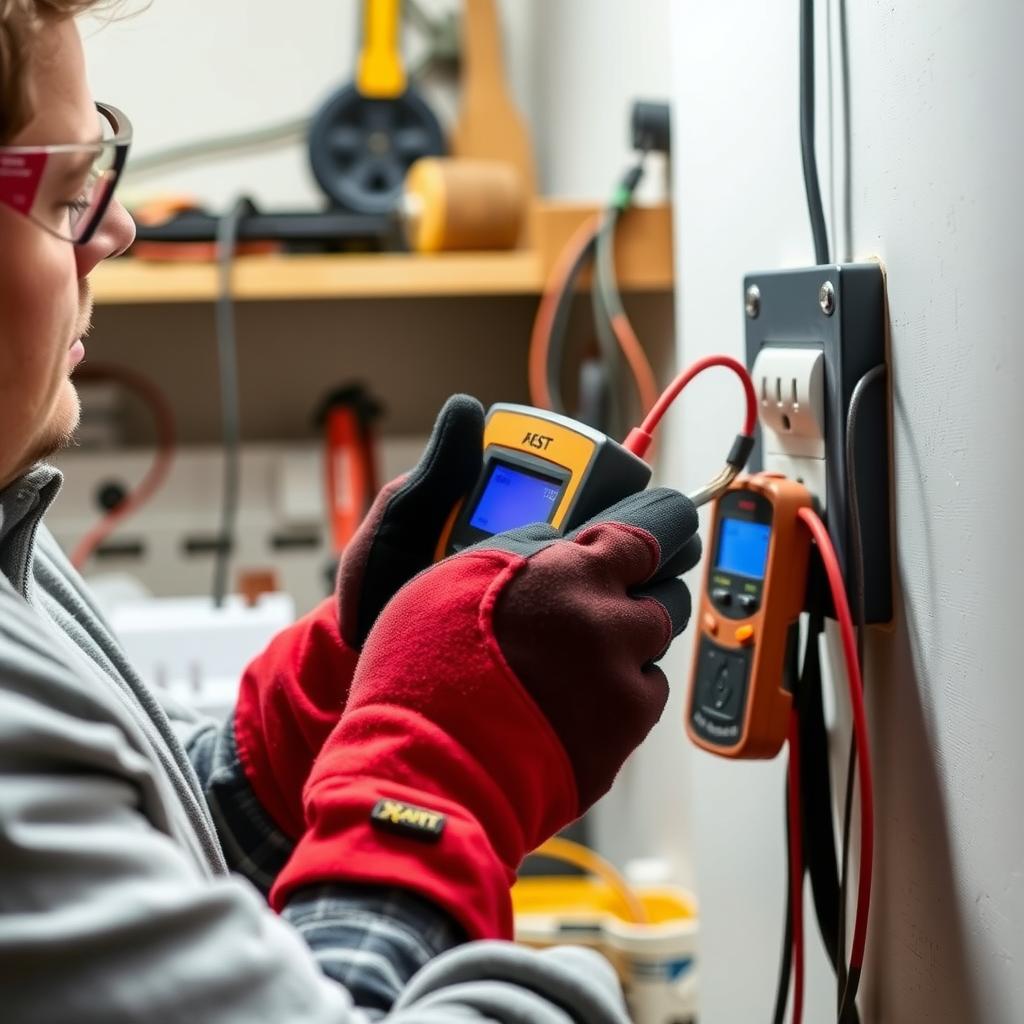
The golden rule of electrical work: never work on a live circuit. Before starting any project, locate the circuit breaker and switch it off. Use a non-contact voltage tester to confirm the power is off. I’ve seen too many close calls where someone assumed a circuit was dead. A reliable voltage tester, one of the key workman tools for electrical work, is your first line of defense.
Tip: Label the breaker to prevent someone from accidentally turning it back on while you’re working.
2. Use Insulated Tools
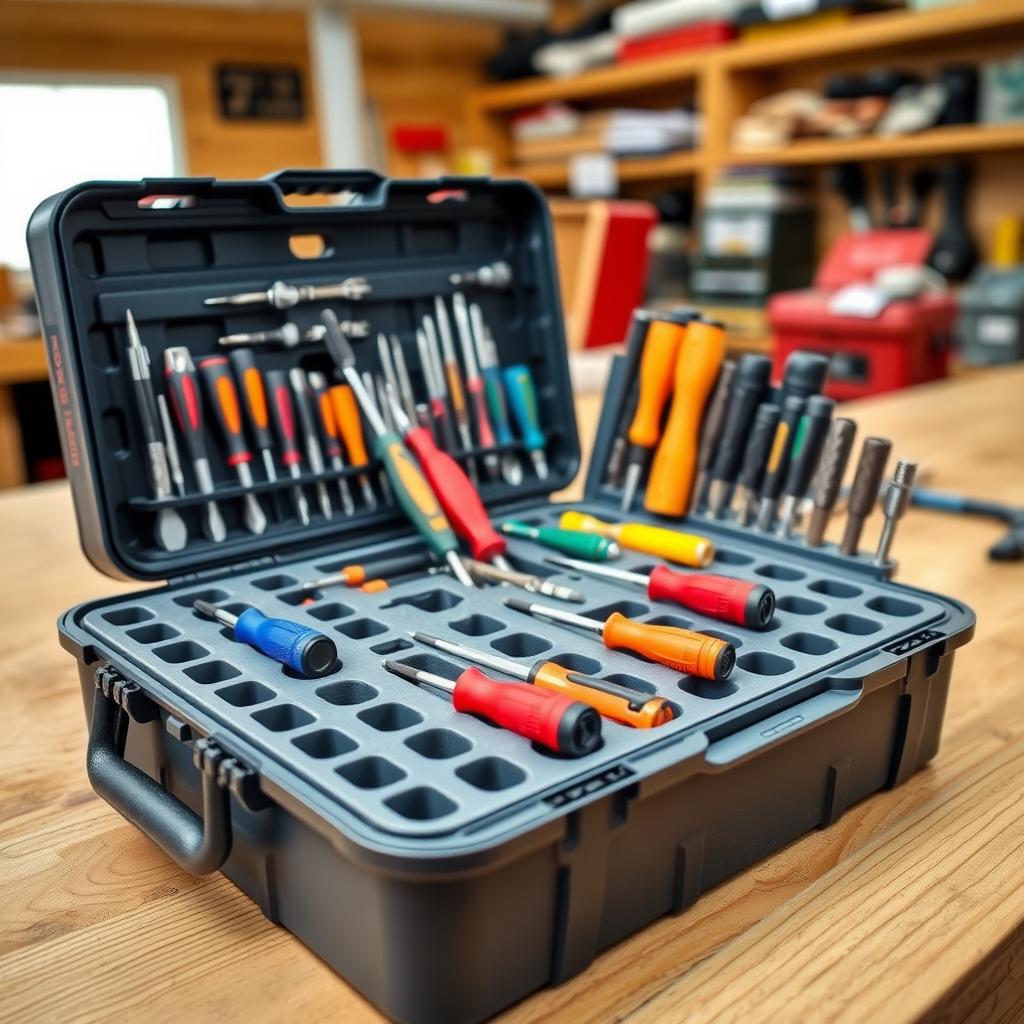
Standard tools, like those used for woodworking, aren’t safe for electrical projects. Workman tools designed for electrical work, such as insulated screwdrivers and pliers, have rubberized handles to prevent shocks. The National Fire Protection Association (NFPA) recommends using tools that meet safety standards like those set by the International Electrotechnical Commission (IEC). Investing in quality insulated tools has saved me from potential shocks during tricky repairs.
3. Wear Proper Personal Protective Equipment (PPE)
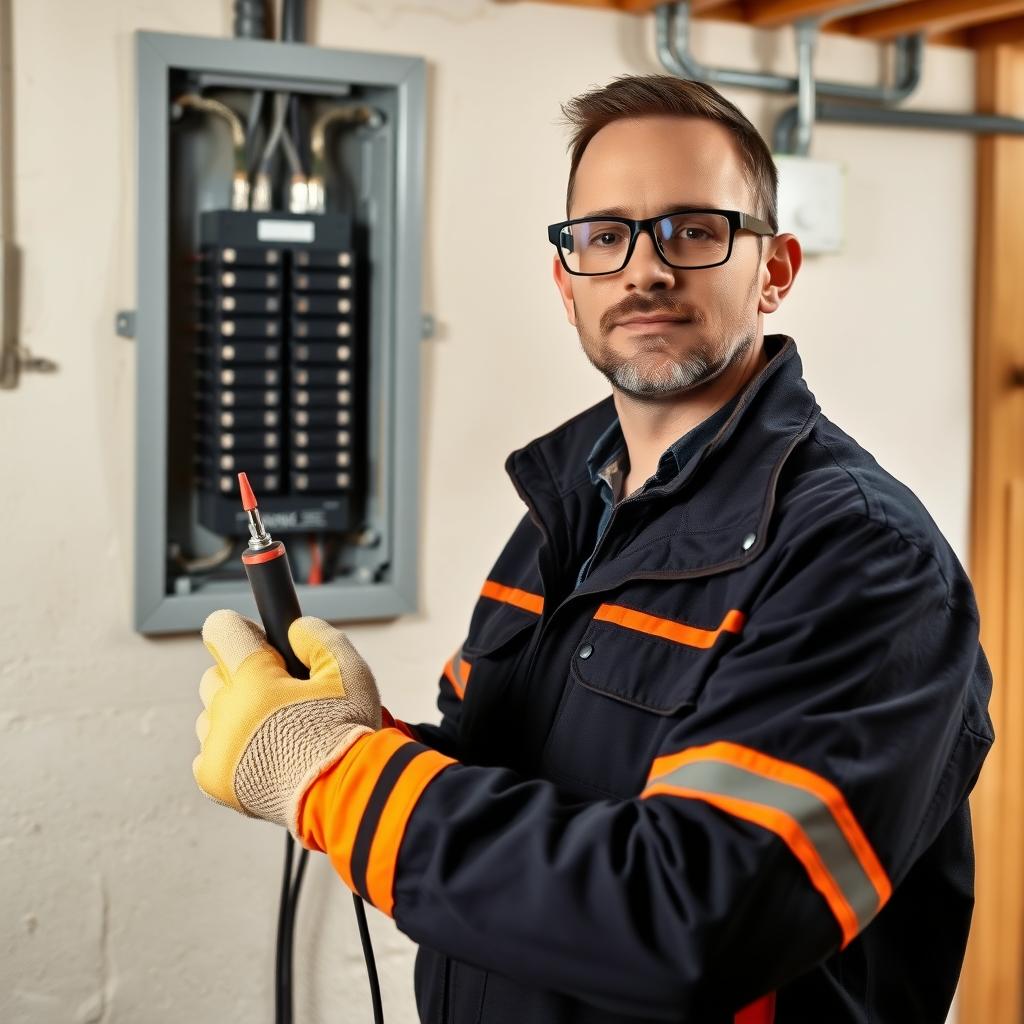
PPE is non-negotiable. At a minimum, wear: - Insulated gloves: Protect against accidental contact with live wires. - Safety glasses: Shield your eyes from sparks or debris. - Flame-resistant clothing: Reduces burn risks in case of an arc flash.
When I worked on a commercial wiring job, my flame-resistant jacket protected me from a small spark caused by a loose connection. It’s a small investment for big protection.
4. Understand Your Project’s Scope
Before starting, know the project’s requirements. Are you installing a new outlet, repairing a light fixture, or wiring a room? Each task has unique risks. For example, working in tight spaces like attics requires extra caution due to limited visibility and potential for hidden wires. Researching the project thoroughly—using resources like the Electrical Safety Foundation International (ESFI)—helps you anticipate hazards and plan accordingly.
5. Avoid Water and Damp Areas
Water conducts electricity, making wet environments deadly. Never work on electrical projects in damp conditions or near water sources. If you’re working outdoors, ensure all equipment is rated for outdoor use. I once delayed a project because of a rainy day, and it was the right call—water and electricity don’t mix.
6. Double-Check Connections
Loose or improper connections can cause fires or equipment failure. After completing a task, inspect all connections for tightness and proper insulation. Use electrical tape or wire nuts to secure exposed wires. A mentor once told me, 'A good electrician checks their work twice.' That advice has stuck with me through countless projects.
Choosing the Right Tools for the Job
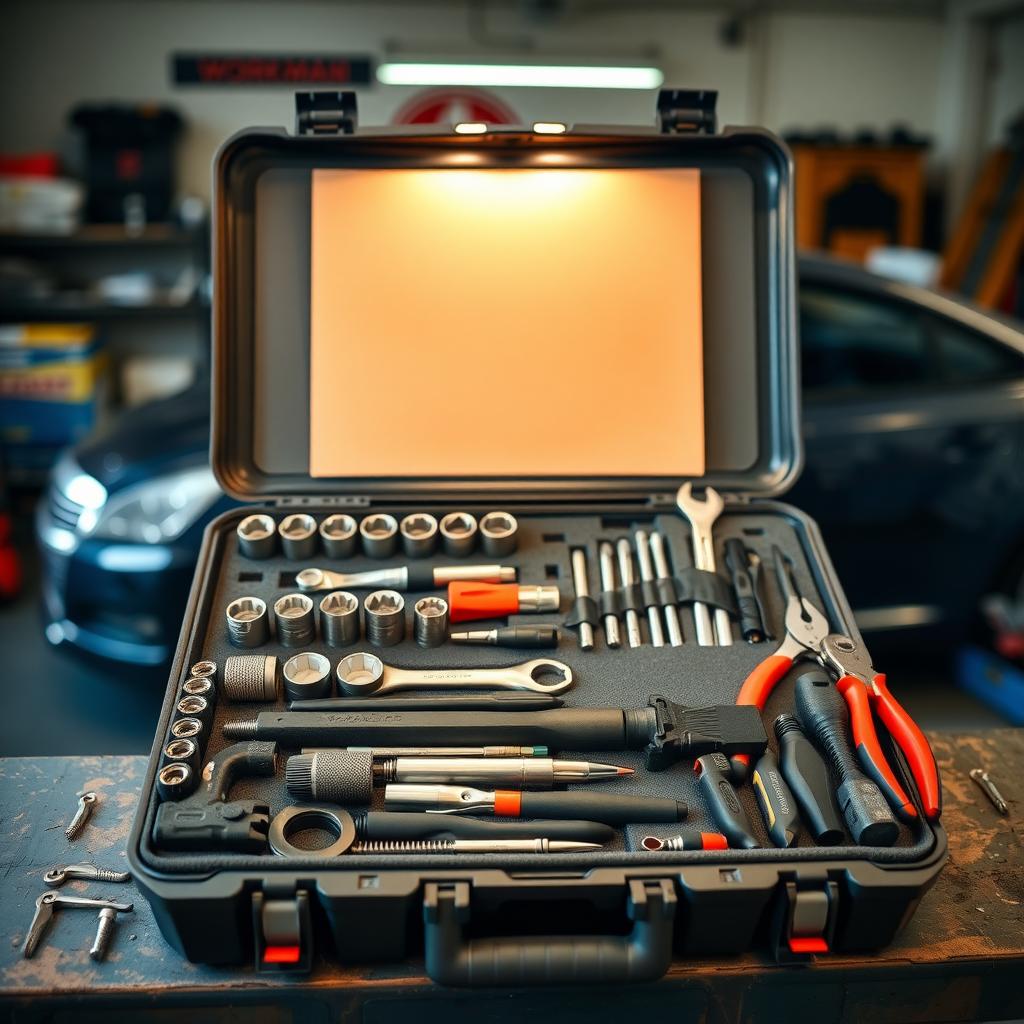
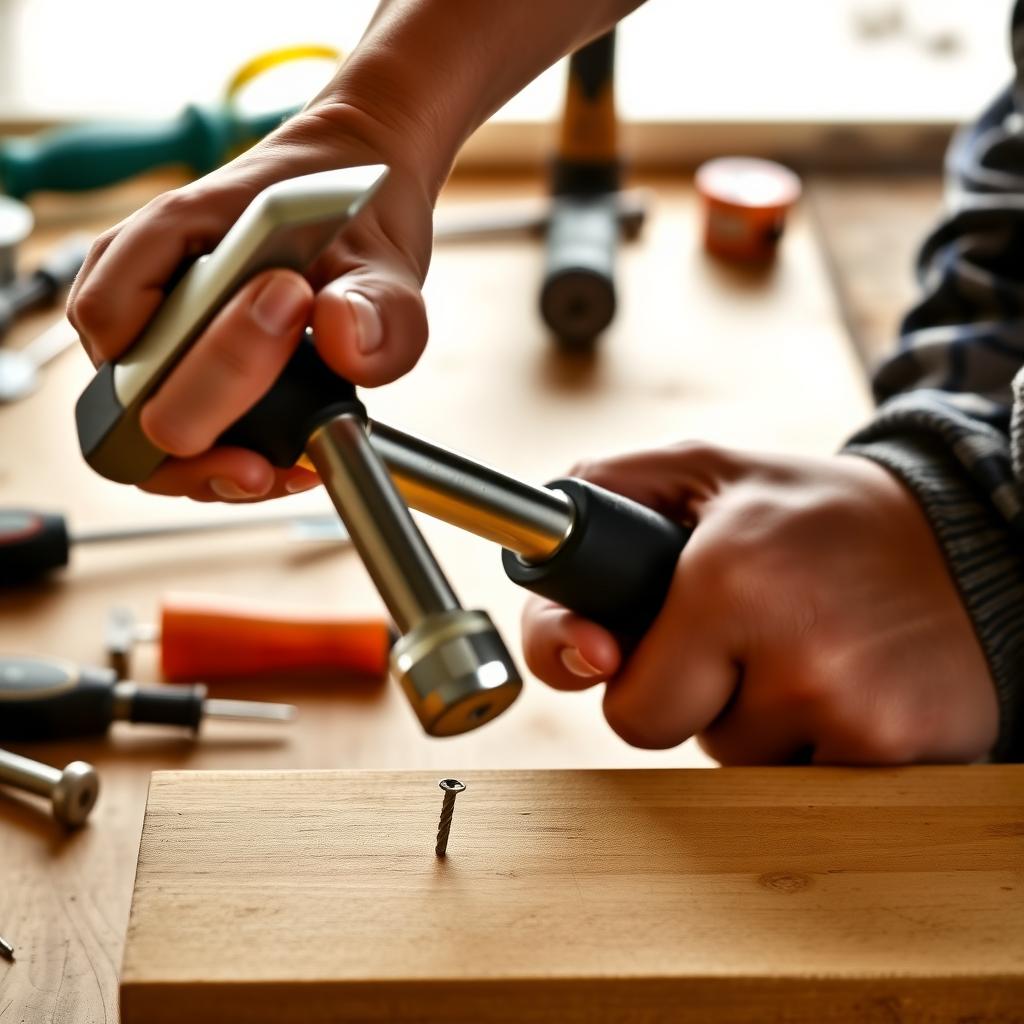
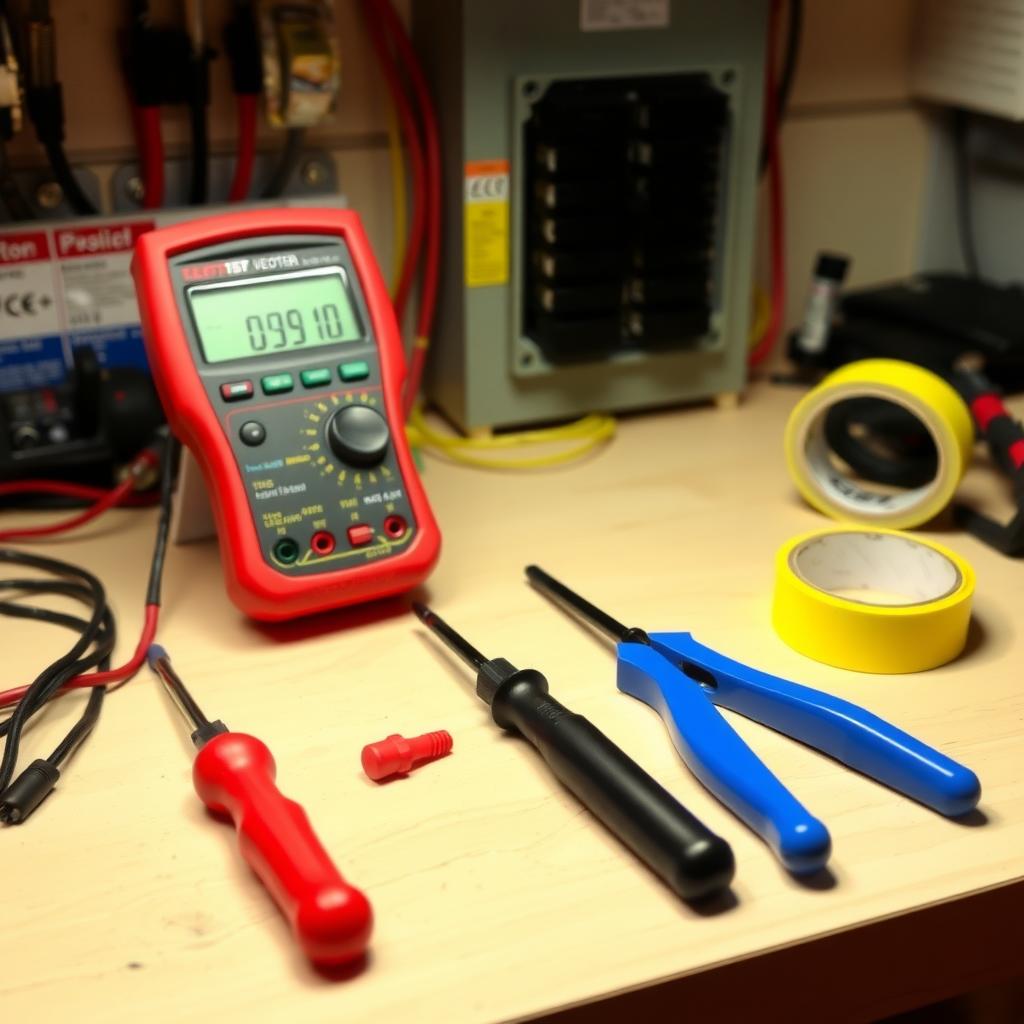
Not all tools are created equal. While woodworking tools like hammers or drills might be tempting to use, they lack the insulation needed for electrical safety. Instead, invest in workman tools for electrical work like:
| Tool | Purpose | Safety Benefit |
|---|---|---|
| Voltage Tester | Checks if circuits are live | Prevents shocks |
| Insulated Screwdrivers | Tightens screws on electrical components | Reduces risk of contact with live parts |
| Wire Strippers | Removes insulation from wires | Ensures clean, safe connections |
| Multimeter | Measures voltage, current, and resistance | Diagnoses electrical issues safely |
These tools aren’t just convenient—they’re designed to keep you safe. For instance, a multimeter helped me diagnose a faulty outlet without risking a shock.
Common Mistakes to Avoid
Even experienced electricians make mistakes, but some are preventable: - Skipping the voltage test: Always verify the power is off. - Overloading circuits: Know the load capacity of your circuits to prevent overheating. - Ignoring local codes: Electrical codes exist for a reason. Check with your local municipality or resources like the U.S. Consumer Product Safety Commission (CPSC) for guidelines.
I once overlooked a local code requirement for grounding a new outlet. The inspector caught it, and I had to redo the work. Lesson learned: always check the rules.
Tips for DIYers vs. Professionals
For DIYers
If you’re new to electrical work, stick to small projects like replacing outlets or light switches. Always consult a professional for complex tasks like rewiring a house. Use beginner-friendly resources and double-check every step.
For Professionals
Stay updated on safety standards and invest in continuous training. Attend workshops or follow organizations like OSHA or ESFI for the latest guidelines. Your experience is valuable, but complacency can be dangerous.
Summary
Top Safety Practices for Electrical Projects boil down to preparation, proper tools, and vigilance. Turn off the power, use insulated workman tools, wear PPE, and double-check your work. Whether you’re a DIYer or a seasoned electrician, these practices protect you and those around you. Stay informed, stay cautious, and make safety your top priority.
Related Top Safety Practices for Electrical Projects:
- Understanding Electrical Codes - CPSC: Your Essential Guide to Safety in Electrical Projects
- DIY Safety: Protecting Yourself While Working on Home Projects
- Understanding the Role of Ergonomics in Construction
- Top 10 Tools Every Workman Should Own for Any Job
- How to Fix Common Plumbing Problems at Home: A DIY Guide
- How to Choose the Best Hand Tools for Home Repairs
- The Ultimate Guide to Workman Tools for Automotive Repairs
- Woodworking 101: Essential Tools for Beginners
- Understanding Construction Site Hazards: A Comprehensive Guide to Staying Safe
- How to Choose the Best Tools for Electrical Projects: A Comprehensive Guide
- Screwdriver Safety Tips: How to Use Workman Tools Safely and Effectively
- How to Use a Hammer Safely: A Beginner’s Guide to Mastering This Essential Tool