Overview: Building Your Automotive Repair Toolkit
Whether you're a weekend DIY mechanic or a seasoned professional, having the right workman tools for automotive repairs is crucial. A well-equipped toolbox can make the difference between a smooth repair and hours of frustration. This guide dives into the must-have tools, practical tips for choosing them, and how to organize your toolbox for efficiency.
Why Workman Tools Matter for Automotive Repairs
Workman tools for automotive repairs are designed to tackle the unique challenges of vehicle maintenance, from loosening stubborn bolts to diagnosing engine issues. These tools combine durability, precision, and affordability, making them a favorite for mechanics on a budget. Unlike high-end brands, workman tools offer reliable performance without breaking the bank, perfect for both hobbyists and professionals.
My first experience with automotive repairs was changing the oil on my old sedan. I started with a cheap wrench set, but it slipped and rounded the drain plug. Switching to a quality workman toolset made the job smoother and taught me the value of investing in dependable tools. Quality matters, especially when you're elbow-deep in an engine.
Essential Workman Tools for Automotive Repairs
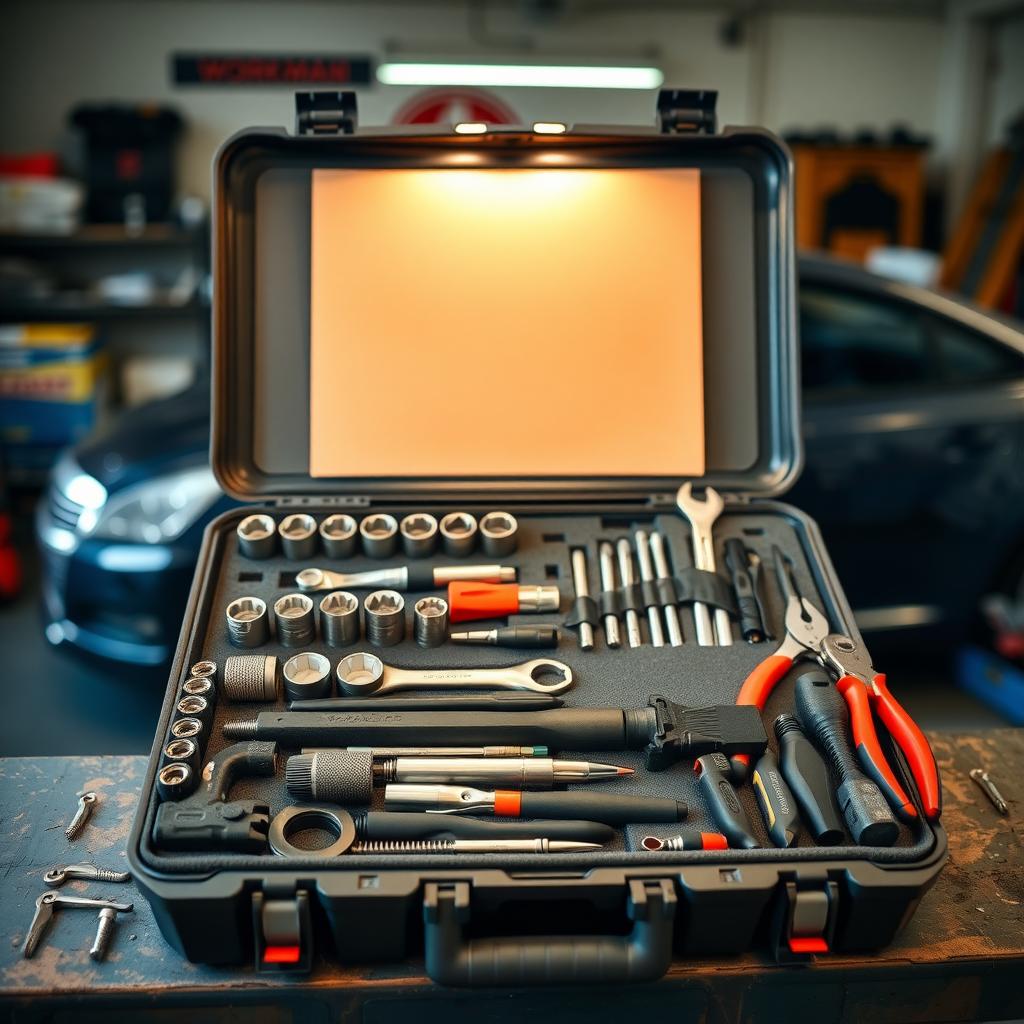
A solid automotive toolkit starts with the basics. Below is a curated list of essential workman tools every mechanic needs, based on years of hands-on experience and industry standards:
- Socket and Ratchet Set: A versatile socket set (metric and standard) with a ratchet handle is non-negotiable. Look for workman sets with both shallow and deep sockets for tight engine compartments. These are perfect for loosening or tightening bolts quickly.
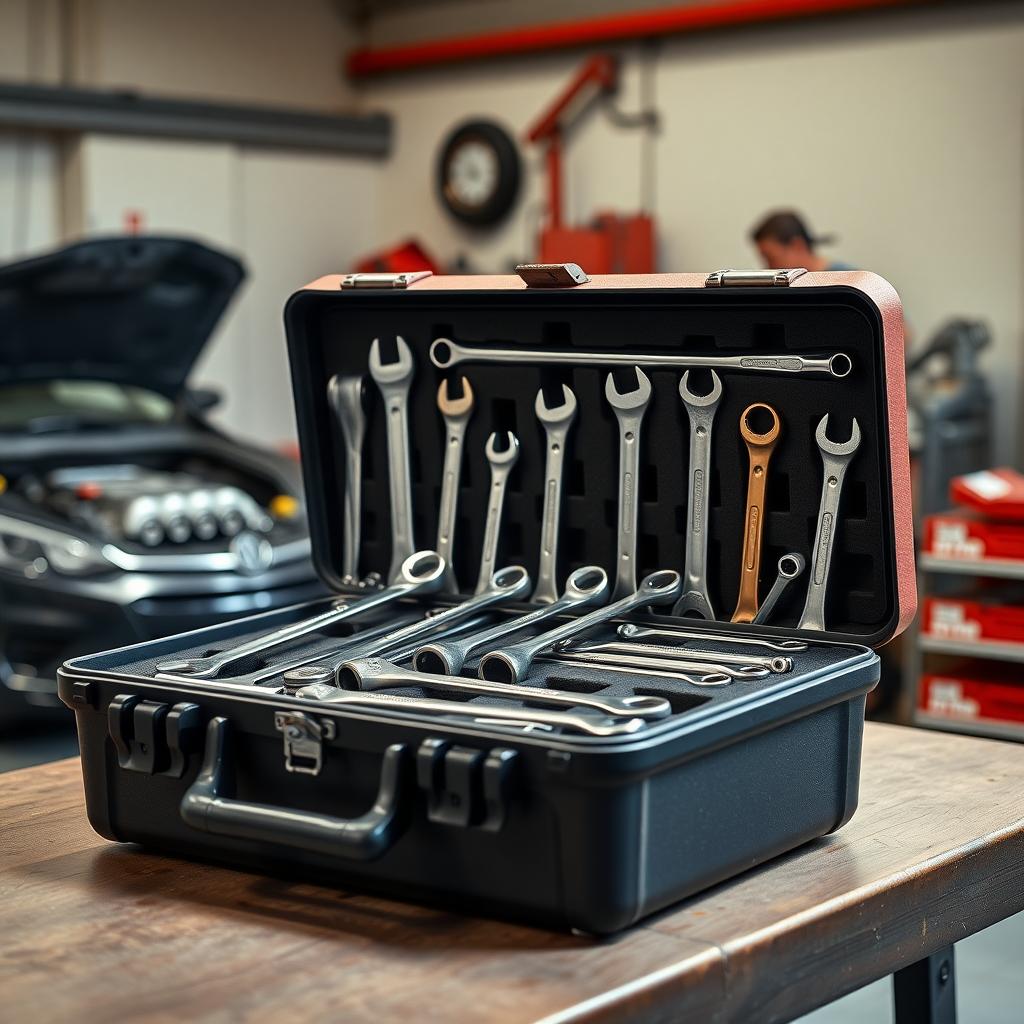
- Wrenches: Combination wrenches (open and closed ends) are ideal for nuts and bolts where sockets won’t fit. Adjustable wrenches add flexibility for odd sizes.
- Screwdrivers: A set with flathead, Phillips, and Torx heads covers most automotive screws. Magnetic tips prevent losing screws in tight spaces.
- Pliers: Needle-nose, slip-joint, and locking pliers handle gripping, cutting, and bending tasks. They’re lifesavers for removing stubborn fasteners.
- Torque Wrench: Essential for precise tightening, especially for engine components. A click-style torque wrench is user-friendly and reliable.
- Jack and Jack Stands: A floor jack lifts vehicles safely, while jack stands provide stability during undercarriage work. Choose heavy-duty options for larger vehicles.
- Diagnostic Scanner: Modern vehicles require a scanner to read error codes. Affordable workman-brand scanners are great for DIYers.
These tools form the backbone of any repair job, from oil changes to brake replacements. For example, when I replaced my car’s brake pads, a reliable socket set and torque wrench ensured the job was done safely and correctly.
Choosing the Right Workman Tools
Not all workman tools are created equal. When building your toolkit, consider these factors:
| Factor | Why It Matters | Tip |
|---|---|---|
| Durability | Tools must withstand heavy use | Look for chrome-vanadium steel for strength |
| Ergonomics | Comfort reduces fatigue | Choose tools with cushioned grips |
| Warranty | Protects your investment | Opt for brands with lifetime guarantees |
| Price | Balances quality and budget | Compare sets for value, not just cost |
I once bought a bargain-bin wrench that snapped during a tough job. Since then, I prioritize tools with solid construction and warranties. For instance, DeWalt’s automotive toolsets offer a great balance of quality and affordability for workman tools. Always check reviews and test tools in-store if possible.
The Importance of Toolboxes for Organization
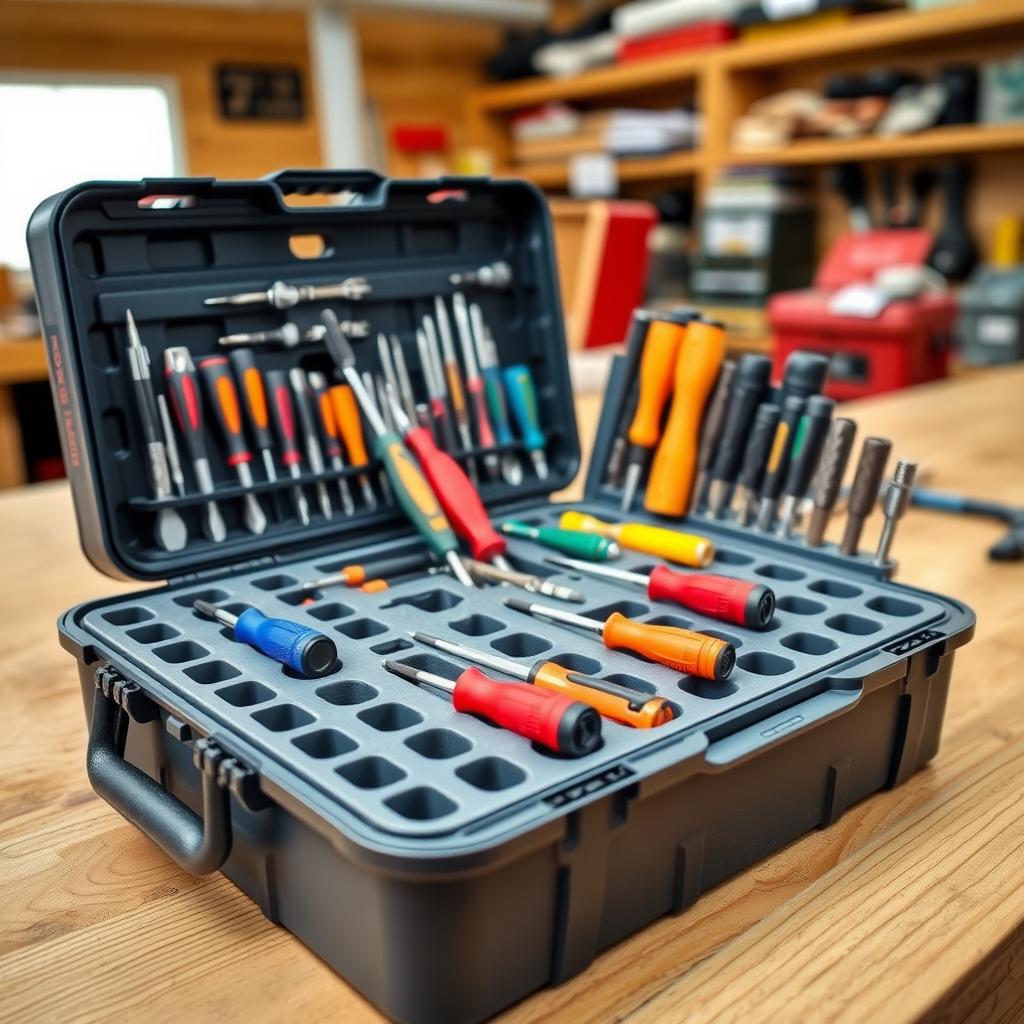
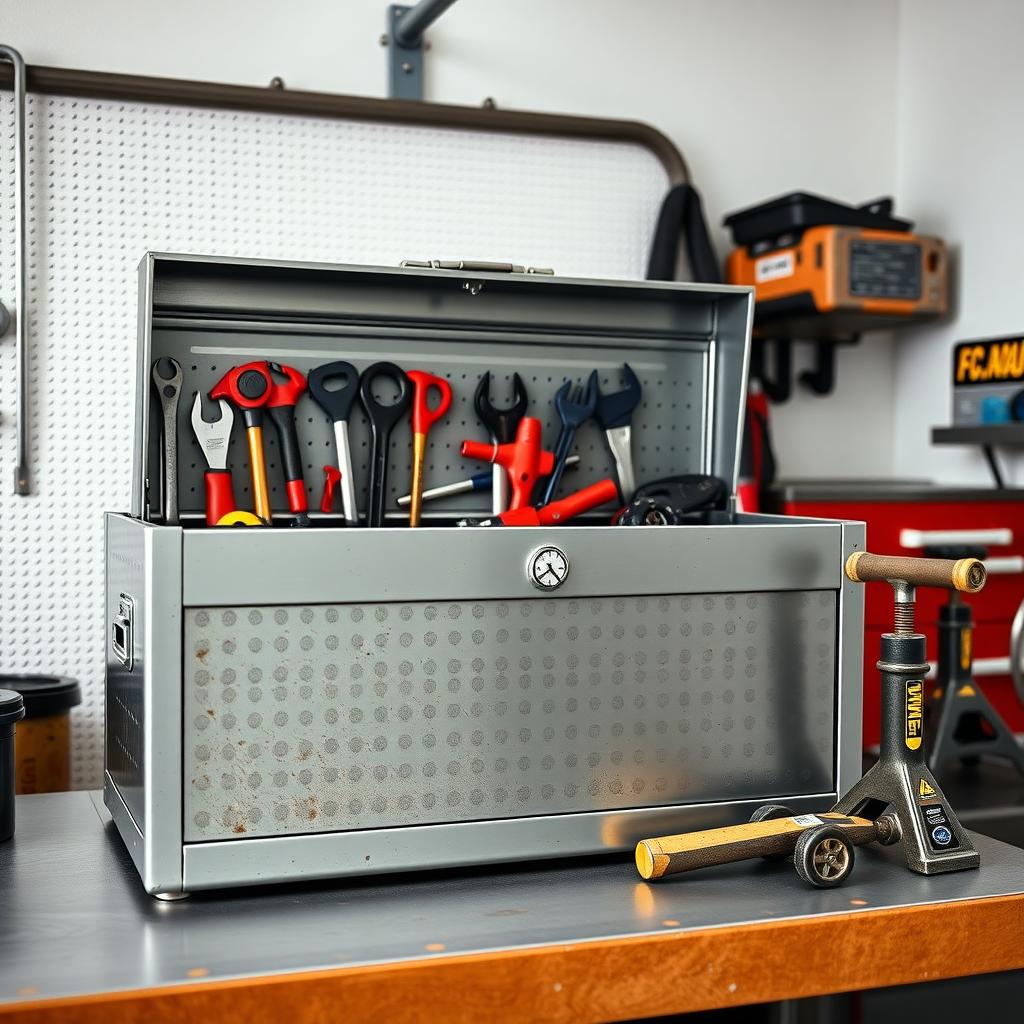
A good toolbox is as critical as the tools inside it. Toolboxes keep your workman tools for automotive repairs organized, protected, and portable. A cluttered toolbox wastes time and risks damaging tools. Here’s how to choose the right one:
- Size: A medium-sized toolbox (20-30 inches) suits most DIYers, while professionals may need rolling cabinets.
- Material: Steel toolboxes are durable but heavy; plastic ones are lighter but less sturdy.
- Features: Look for foam inserts, lockable drawers, and rust-resistant coatings.
My first toolbox was a small plastic case, but it quickly became a mess. Upgrading to a steel toolbox with foam inserts transformed my workflow. I could find tools instantly, and they stayed in great condition. For inspiration, check The Home Depot’s guide to tool storage for practical options.

Specialty Workman Tools for Advanced Repairs
Beyond the basics, specialty workman tools can elevate your repair game. These are designed for specific tasks and save time on complex jobs:
- Oil Filter Wrench: Makes removing stubborn oil filters a breeze.
- Brake Bleeder Kit: Simplifies brake fluid changes for safer braking.
- Telescoping Mirror and Magnet Set: Perfect for retrieving dropped bolts or inspecting tight spaces.
- Ball Joint Separator: Essential for suspension work.
When I tackled my first suspension repair, a ball joint separator saved me hours of struggle. Specialty tools like these are worth the investment for frequent repairs. Eastwood’s specialty tool guide highlights options that pair well with workman tools for precision tasks.
Maintaining Your Workman Tools
To keep your workman tools for automotive repairs in top shape, follow these maintenance tips:
- Clean Regularly: Wipe tools after use to remove grease and dirt.
- Store Properly: Use foam inserts or organizers to prevent damage.
- Inspect for Wear: Check for cracks or rust and replace damaged tools.
- Lubricate Moving Parts: Apply oil to ratchets and pliers for smooth operation.
I learned this the hard way when a rusty wrench ruined a bolt. Now, I clean and store my tools religiously, and they last years longer. For detailed maintenance tips, OSHA’s tool safety guidelines offer expert advice on keeping tools safe and functional.
Budgeting for Your Toolkit
Building a toolkit can feel overwhelming, but you don’t need to buy everything at once. Start with essentials like a socket set and screwdrivers, then add specialty tools as needed. Workman tools are budget-friendly, but avoid the cheapest options—they often fail under pressure. Allocate your budget like this:
- 40% on core hand tools (sockets, wrenches, screwdrivers)
- 30% on a quality toolbox
- 20% on specialty tools
- 10% on diagnostic tools
When I started, I spent $200 on a basic workman toolset and toolbox, then gradually added tools as my skills grew. This approach kept costs manageable while ensuring I had what I needed.
Summary: Your Path to a Reliable Toolkit
Workman tools for automotive repairs offer an affordable, reliable way to tackle vehicle maintenance. From socket sets to sturdy toolboxes, the right tools make repairs faster, safer, and more enjoyable. Start with the essentials, invest in a quality toolbox, and maintain your tools for long-term use. With these insights, you’re ready to build a toolkit that powers your automotive projects.
Related workman tools for automotive repairs:
- Woodworking 101: Essential Tools for Beginners
- Understanding Construction Site Hazards: A Comprehensive Guide to Staying Safe
- How to Choose the Best Tools for Electrical Projects: A Comprehensive Guide
- Screwdriver Safety Tips: How to Use Workman Tools Safely and Effectively
- How to Use a Hammer Safely: A Beginner’s Guide to Mastering This Essential Tool
- Organizing Your Tool Shed Like a Pro: A Step-by-Step Guide
- Woodworking Tools Every DIY Enthusiast Should Own
- Must-Have Hand Tools for Mechanics: Your Essential Guide
- Top Toolkits for Every Handyman: Building Your Essential Collection
- Mastering Joinery with Mortise Chisels: A Woodworker’s Guide
- Safety Tips for Using Hand Tools in the Workshop
- Tool Belts with Ergonomic Designs: Comfort and Efficiency for Workmen