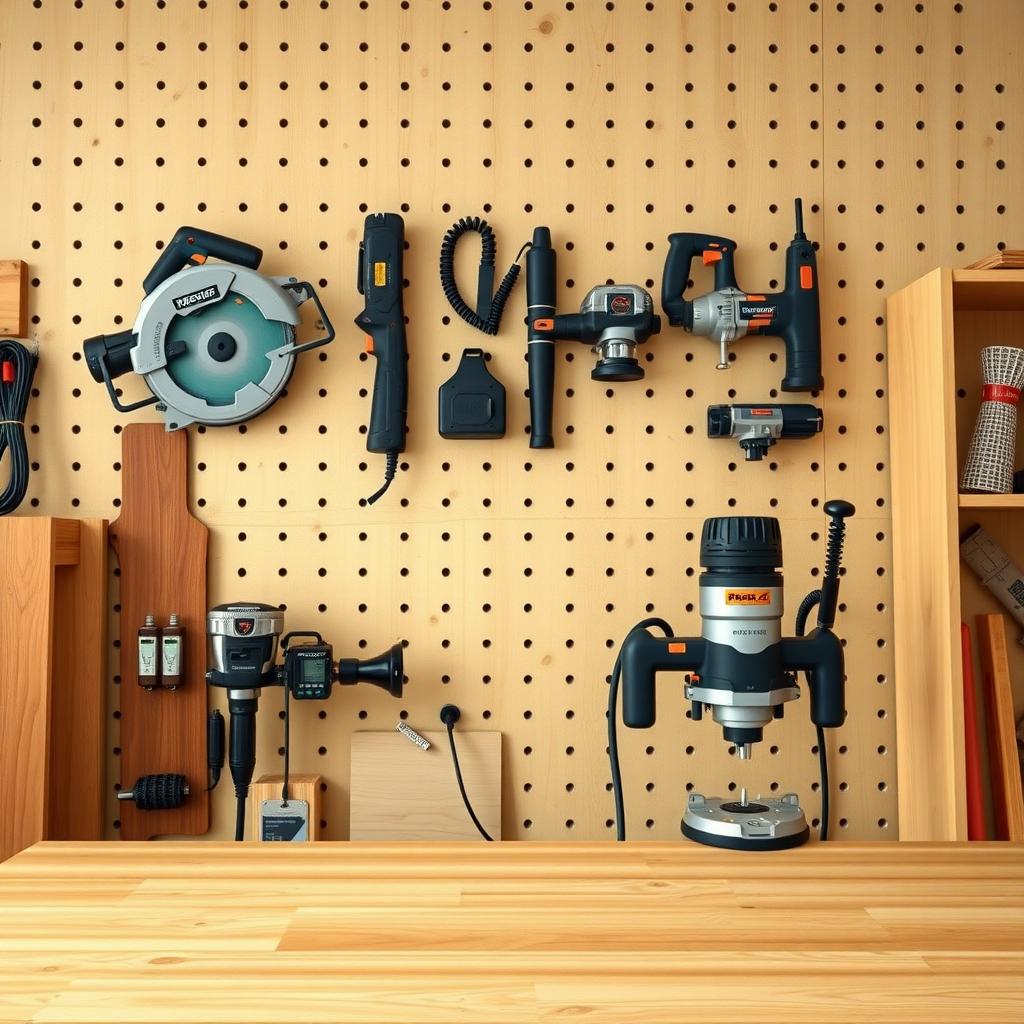
Overview: Why Tool Belts with Ergonomic Designs Matter
For craftsmen, contractors, and DIY enthusiasts, a tool belt is more than just a place to store workman tools—it's a lifeline on the job. Tool belts with ergonomic designs take this essential gear to the next level, prioritizing comfort and efficiency. By reducing strain and improving accessibility, these belts help you work smarter, not harder.
The Importance of Ergonomics in Tool Belts
Carrying heavy tools all day can take a toll on your body. Traditional tool belts often lead to back pain, shoulder strain, or discomfort after long hours. That’s where tool belts with ergonomic designs shine. They’re built to distribute weight evenly, reduce pressure points, and allow natural movement.
I’ve spent years working on construction sites, and I can tell you firsthand: a poorly designed tool belt feels like a punishment by the end of a shift. Switching to an ergonomic model was a game-changer. My back stopped aching, and I could focus on the job instead of adjusting my belt every five minutes.
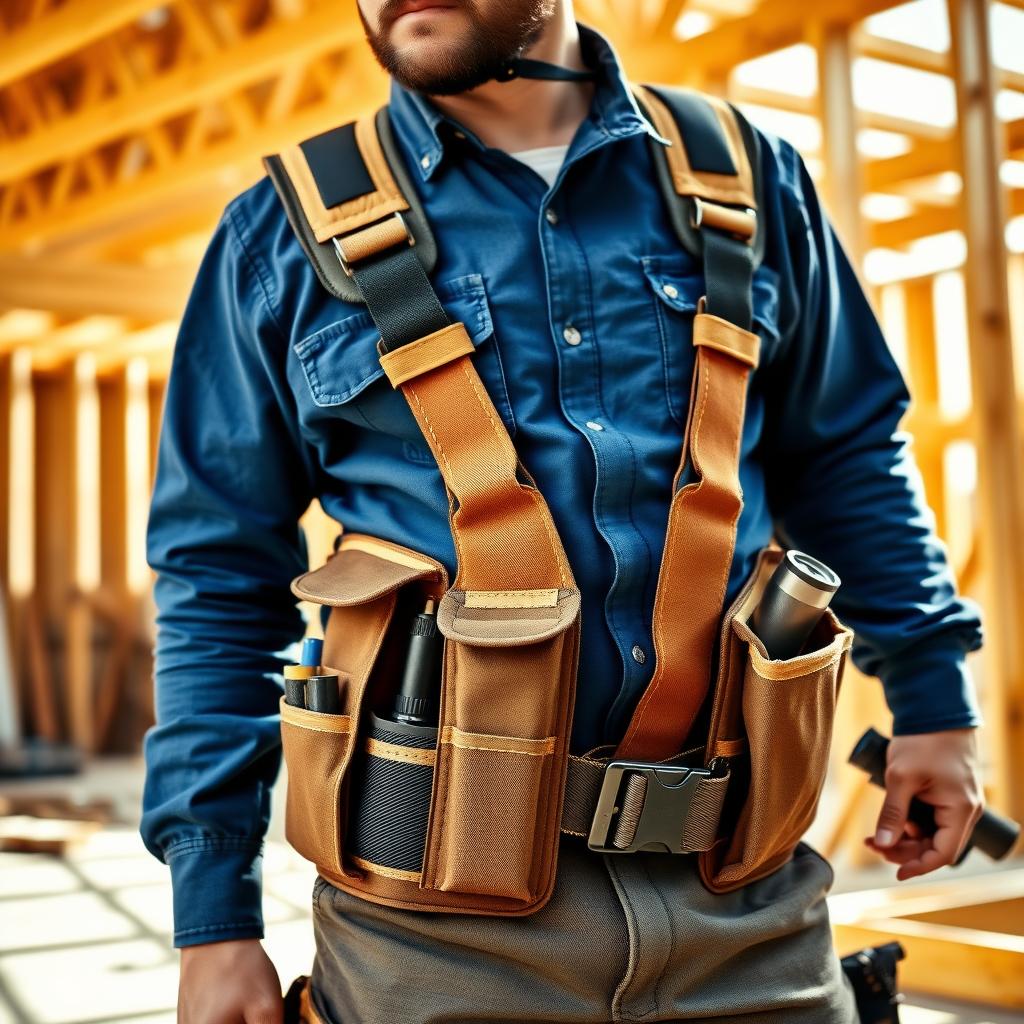
Key Features of Ergonomic Tool Belts
What makes a tool belt ergonomic? It’s all about thoughtful design. Here are the features to look for:
- Padded Support: Cushioned waistbands and shoulder straps reduce pressure on your hips and shoulders.
- Adjustable Straps: Customizable fits ensure the belt stays secure without digging into your skin.
- Weight Distribution: Wide belts or suspenders spread the load evenly to prevent strain.
- Accessible Pockets: Strategically placed pockets let you grab tools without awkward twisting.
- Durable Materials: Lightweight yet tough fabrics like nylon or leather ensure long-term use.
For example, I once used a belt with a gel-padded waistband. It felt like wearing a cloud compared to my old leather rig, which used to dig into my sides after a few hours.
Benefits of Using Ergonomic Tool Belts
Switching to a tool belt with an ergonomic design can transform your workday. Here’s why:
- Reduced Fatigue: Proper weight distribution means less strain on your body, so you stay energized longer.
- Improved Productivity: Quick access to workman tools saves time and keeps you focused.
- Better Posture: Ergonomic belts encourage natural alignment, reducing the risk of long-term injuries.
- Enhanced Comfort: Padded designs make long hours feel manageable, even in tough conditions.
Studies, like one from the National Institute for Occupational Safety and Health (NIOSH), show that ergonomic tools can reduce workplace injuries by up to 30%. That’s a big deal for anyone who relies on their body to get the job done.
Top Ergonomic Tool Belts for 2025
Here’s a rundown of some standout tool belts with ergonomic designs, based on my experience and research:
| Brand/Model | Key Features | Best For |
|---|---|---|
| Occidental Leather Pro | Gel-padded belt, suspenders, 20 pockets | Heavy-duty construction |
| DeWalt Work Gear | Breathable mesh padding, adjustable straps | General contractors |
| Klein Tools Tradesman | Removable pouches, reinforced stitching | Electricians |
| ToughBuilt Pro | Foam padding, hammer loop, modular design | DIY enthusiasts |
The Occidental Leather Pro is my personal favorite. It’s pricier, but the gel padding and suspenders make it worth every penny for long days on the job.
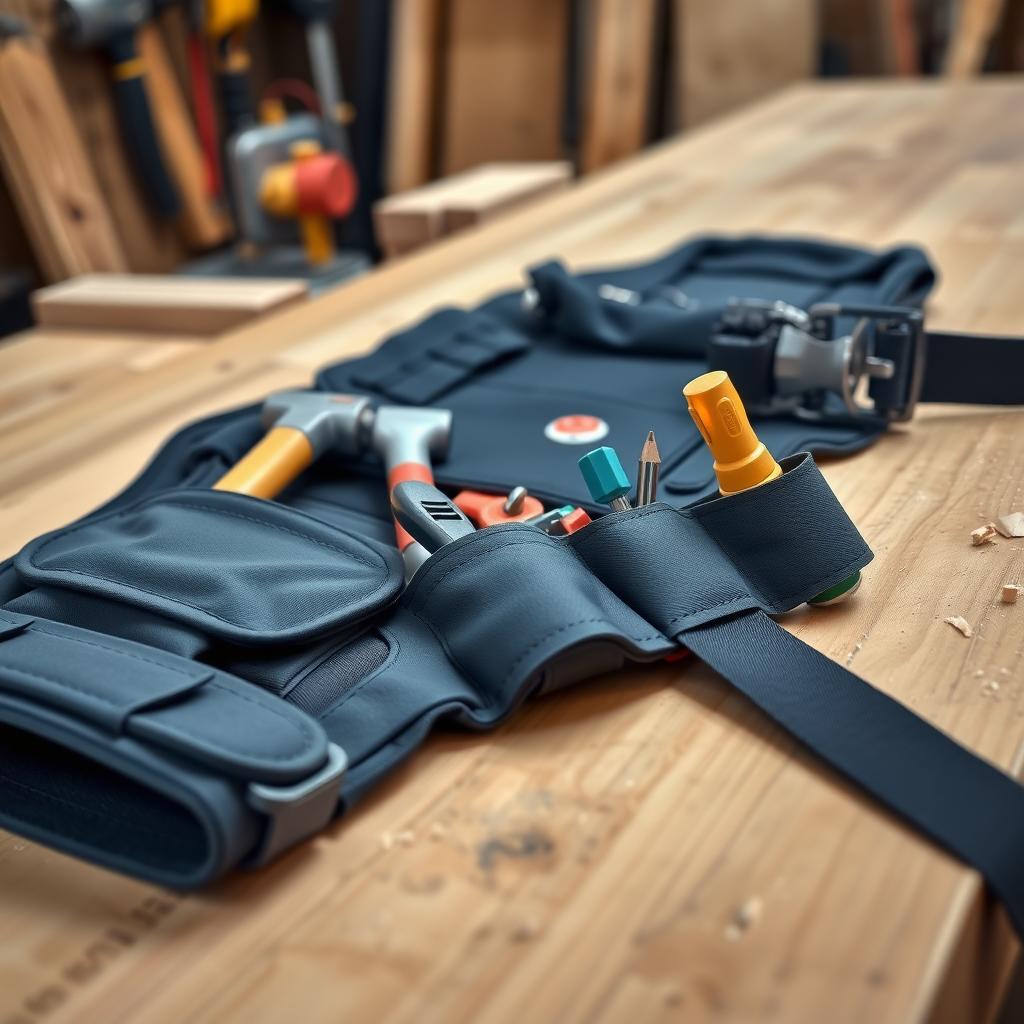
How to Choose the Right Ergonomic Tool Belt
Picking the perfect tool belt depends on your needs. Here’s a step-by-step guide:
- Assess Your Tools: Make a list of the workman tools you carry daily. Carpenters need hammer loops, while electricians might prioritize smaller pockets for wire cutters.
- Consider Your Work Environment: If you’re in tight spaces, a slim belt with fewer pouches might be better. For outdoor jobs, look for weather-resistant materials.
- Test the Fit: Adjustability is key. Try the belt on, if possible, to ensure it sits comfortably on your hips.
- Check Weight Capacity: Ensure the belt can handle the weight of your tools without sagging.
- Prioritize Comfort: Look for padding and breathable materials, especially if you work long hours.
I learned this the hard way after buying a cheap belt that looked great online but fell apart after a week. Invest in quality—it pays off.
Tips for Maintaining Your Tool Belt
To keep your ergonomic tool belt in top shape, follow these tips:
- Clean Regularly: Wipe down leather or nylon with a damp cloth to remove dirt and sweat.
- Inspect for Wear: Check stitching and buckles monthly to catch issues early.
- Organize Smartly: Distribute heavy tools evenly to maintain balance and avoid strain.
- Store Properly: Hang your belt in a dry place to prevent mold or material damage.
I make it a habit to clean my belt every Friday. It only takes 10 minutes, but it keeps it looking and functioning like new.
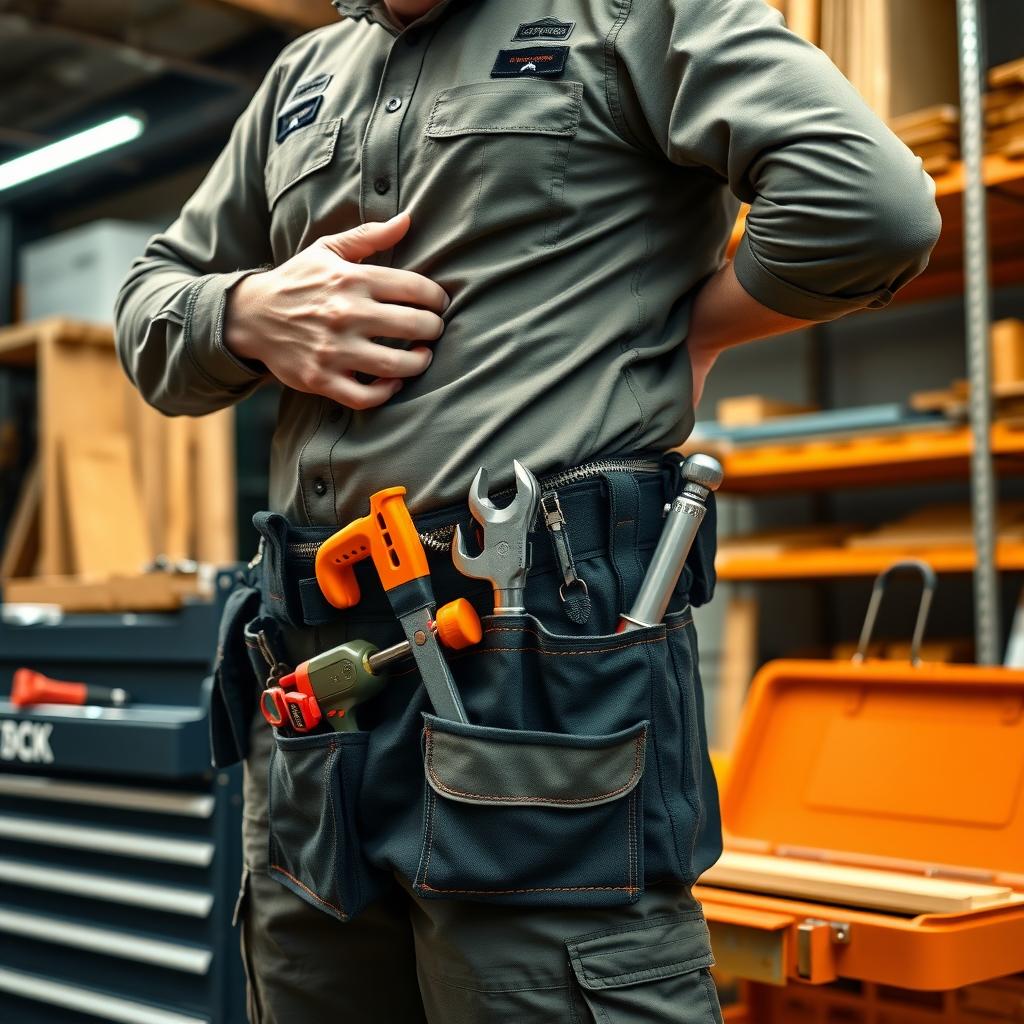
Common Mistakes to Avoid
Even the best tool belts with ergonomic designs won’t help if you use them wrong. Here are pitfalls to watch out for:
- Overloading: Packing too many tools can negate the ergonomic benefits and strain your body.
- Poor Adjustment: A loose or overly tight belt can cause discomfort or slip during work.
- Ignoring Maintenance: Neglecting wear and tear can lead to sudden failures on the job.
I once overloaded my belt with every tool I owned, thinking it’d save time. Instead, I ended up with a sore back and a torn pocket. Less is more.
The Future of Ergonomic Tool Belts
The tool belt industry is evolving. Manufacturers are now experimenting with smart designs, like modular pouches that clip on and off or integrated cooling systems for hot climates. Some brands are even using sustainable materials, which is great for eco-conscious workers.
I’m excited to see where this goes. A buddy of mine tested a prototype with built-in hydration pouches—perfect for summer jobs. Keep an eye on brands like DeWalt and ToughBuilt for cutting-edge updates.
Summary: Invest in Comfort and Efficiency
Tool belts with ergonomic designs are a must-have for anyone serious about their craft. They reduce fatigue, boost productivity, and make long workdays more bearable. By choosing a belt with padded support, adjustable straps, and smart pocket placement, you’re investing in your health and efficiency. Take the time to pick the right model, maintain it well, and avoid common mistakes. Your body will thank you.
Related tool belts with ergonomic designs:
- Mastering Metal Forming: Advanced Hammering Techniques and Tools
- Preventing Hand Injuries at Work: Practical Tips for a Safer Workplace
- Future Trends in Construction Planning: Revolutionizing the Industry
- Must-Have Workman Tools for Every Toolbox: Your Ultimate Guide
- DIY Storage Builds: Make Your Own Tool Racks
- DIY Home Improvement Projects for Beginners: Your Ultimate Guide to Getting Started
- The Ultimate Guide to Hand Tools Storage Solutions
- Master Your Projects: A Complete Guide to Rotary Tool Accessories and Attachments
- DIY Toolbox Organization Ideas: The Ultimate Guide to Toolboxes for Every Need
- Essential Safety Gear for Construction Workers: Stay Protected on the Job
- Best Practices for Work-from-Home Boundaries: Boost Productivity and Balance
- The Ultimate Guide to Power Tools for Woodworking Enthusiasts