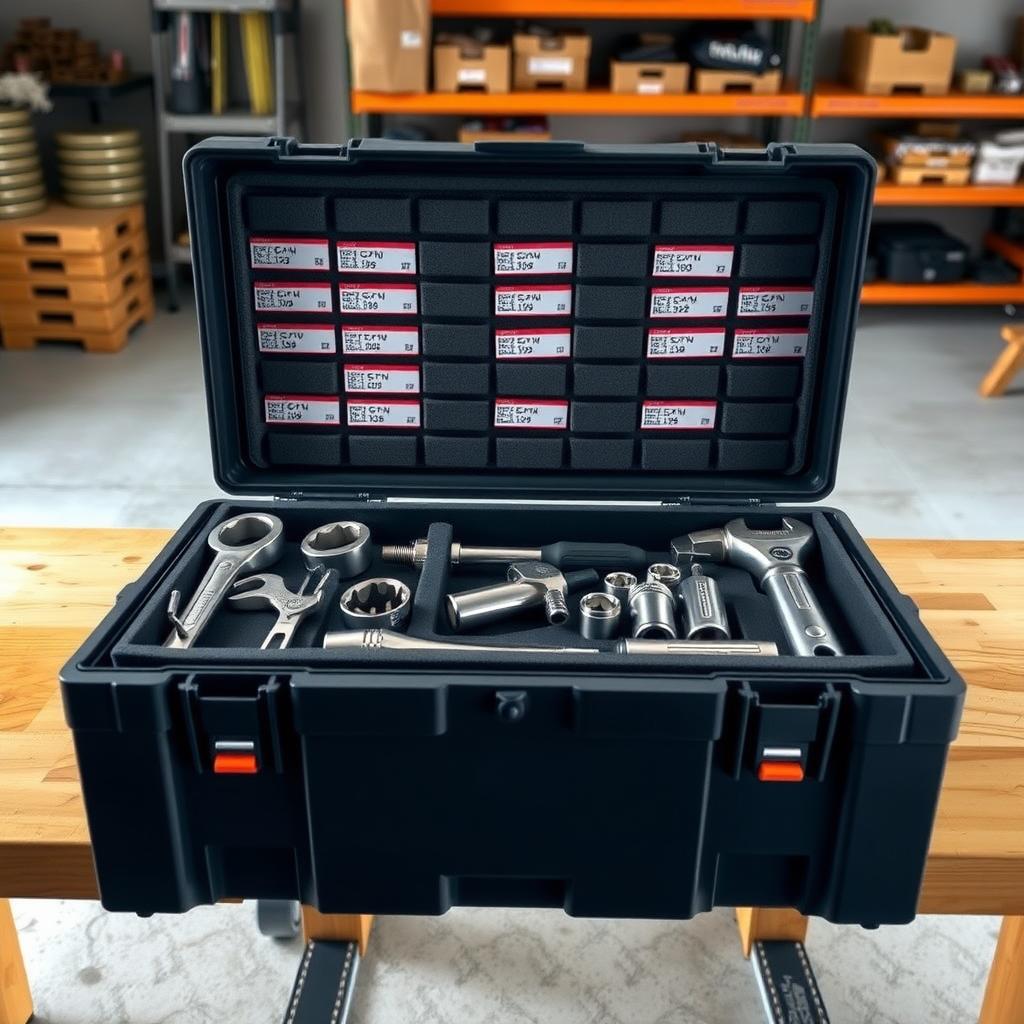
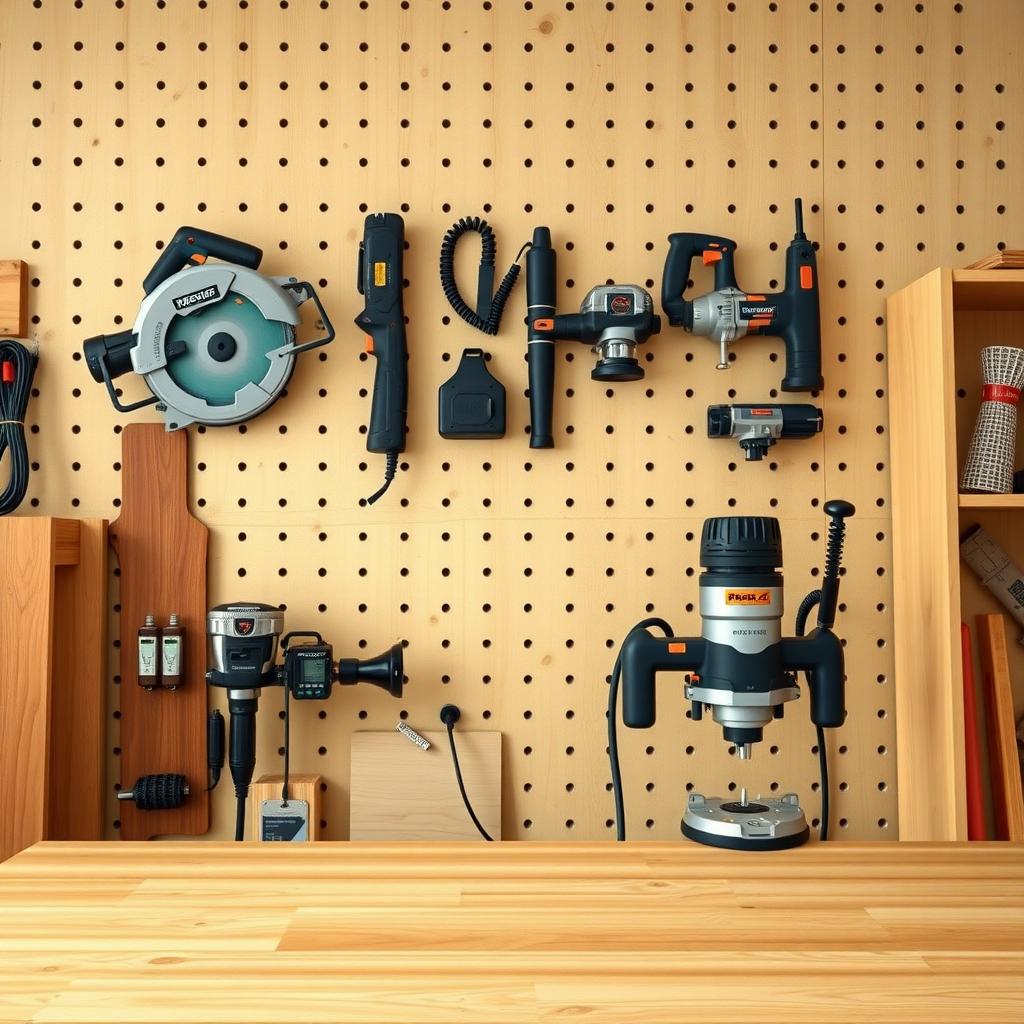
Overview: Why Hand Injury Prevention Matters
Hand injuries are among the most common workplace accidents, affecting workers in industries like construction, manufacturing, and healthcare. From cuts and bruises to chronic conditions like carpal tunnel syndrome, these injuries can lead to pain, lost workdays, and long-term health issues. Preventing hand injuries at work isn’t just about safety—it’s about keeping your hands healthy for the tasks you rely on every day. This guide shares practical steps, ergonomic solutions, and personal insights to help you stay safe.
The Real Cost of Hand Injuries
Your hands are your most valuable tools. Whether you’re swinging a hammer, operating a drill, or assembling parts, your hands are constantly at work. But they’re also vulnerable. According to the Occupational Safety and Health Administration (OSHA), hand injuries account for a significant portion of workplace incidents, with over 100,000 cases reported annually in the U.S. alone. These injuries range from minor cuts to severe conditions like tendonitis or nerve damage, often caused by repetitive motions or improper tool use.
I’ve seen this firsthand. A friend who worked in construction ignored a nagging wrist pain from using a heavy, unbalanced hammer. Over time, it turned into a chronic issue that forced him to take months off work. Stories like his are common, but they’re preventable with the right approach.
Understanding Common Hand Injury Risks
To prevent hand injuries, you need to know what causes them. Here are the main culprits:
- Repetitive Motions: Repeating the same action, like gripping a tool tightly or twisting a screwdriver, can strain muscles and tendons.
- Awkward Postures: Bending your wrist unnaturally while using tools increases stress on joints and ligaments.
- Excessive Force: Using too much strength to operate heavy or poorly designed tools can lead to fatigue and injury.
- Vibration: Power tools like drills or saws can cause hand-arm vibration syndrome, leading to numbness or pain.
- Contact Stress: Pressing your hand against sharp or hard surfaces, like a tool’s edge, can cause bruising or nerve damage.
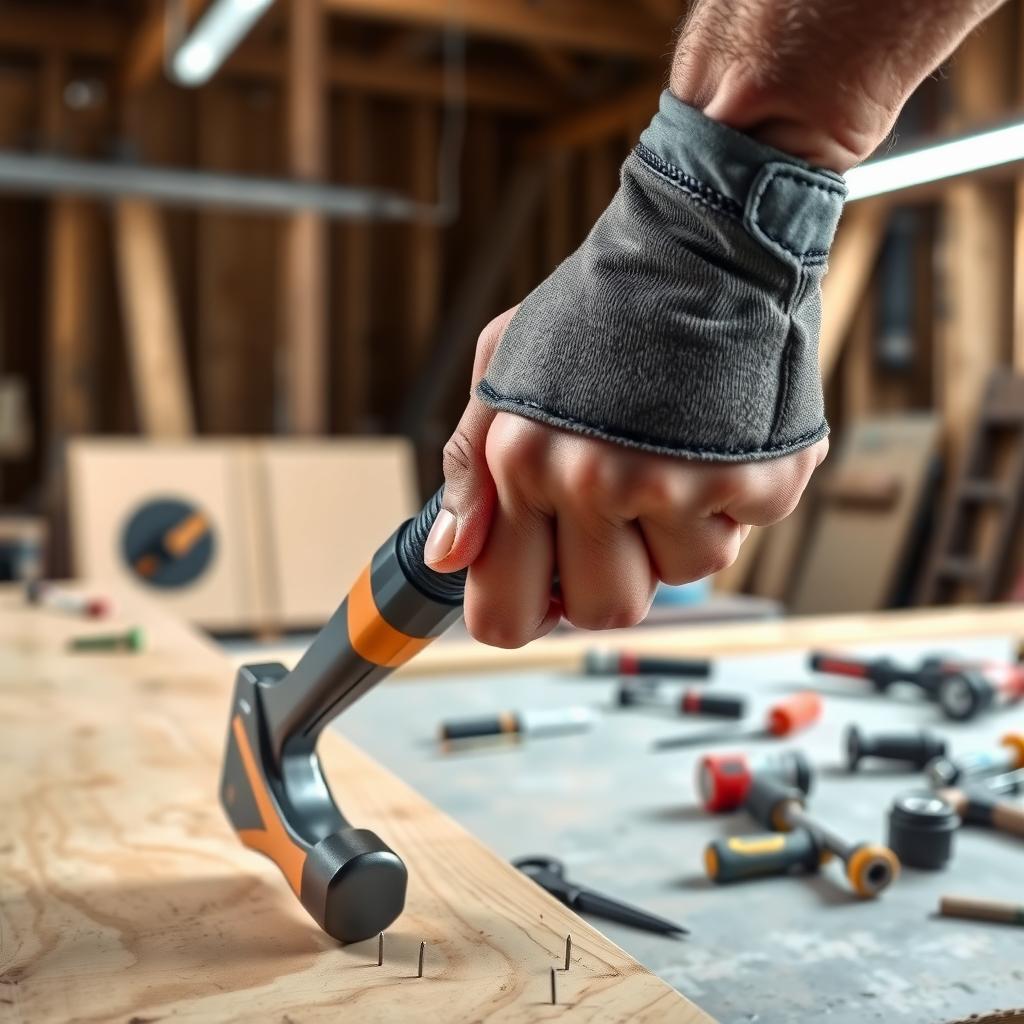
Choosing Ergonomic Hand Tools for Reduced Strain
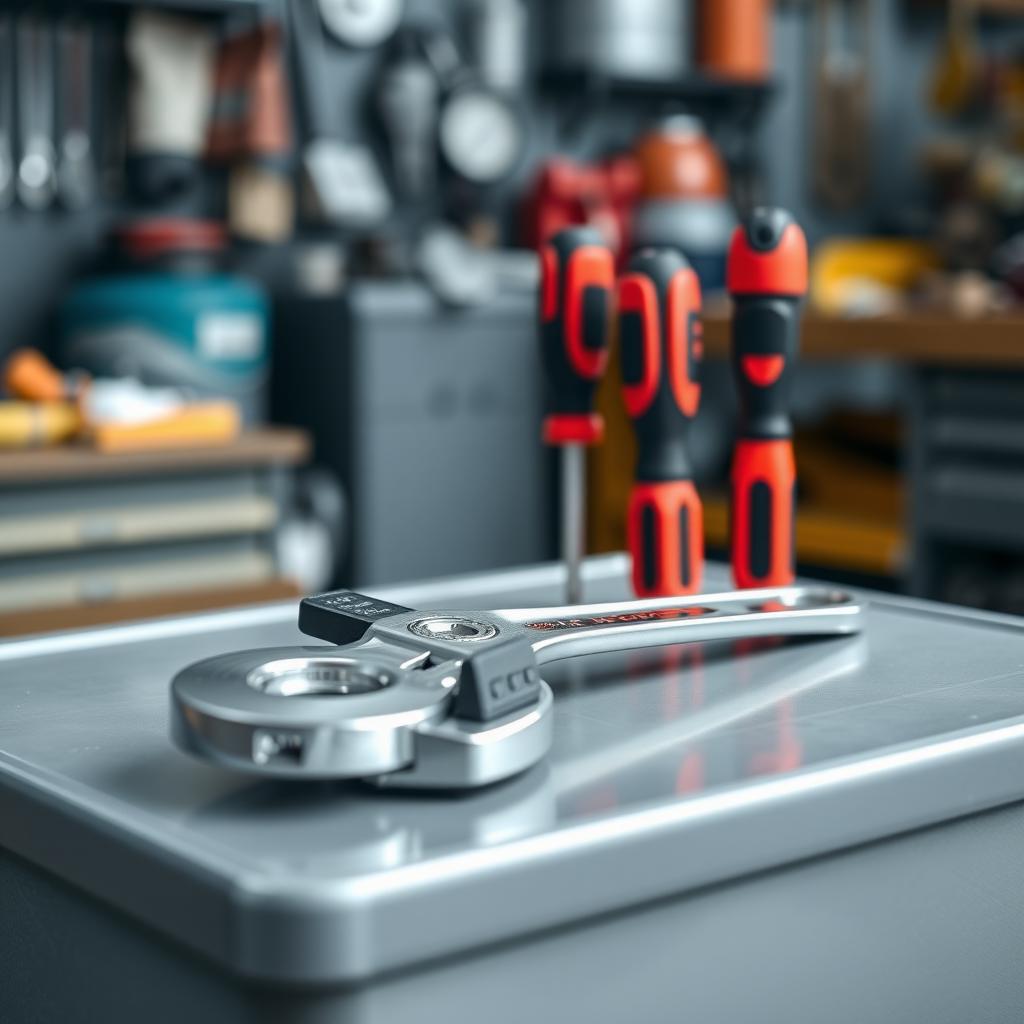
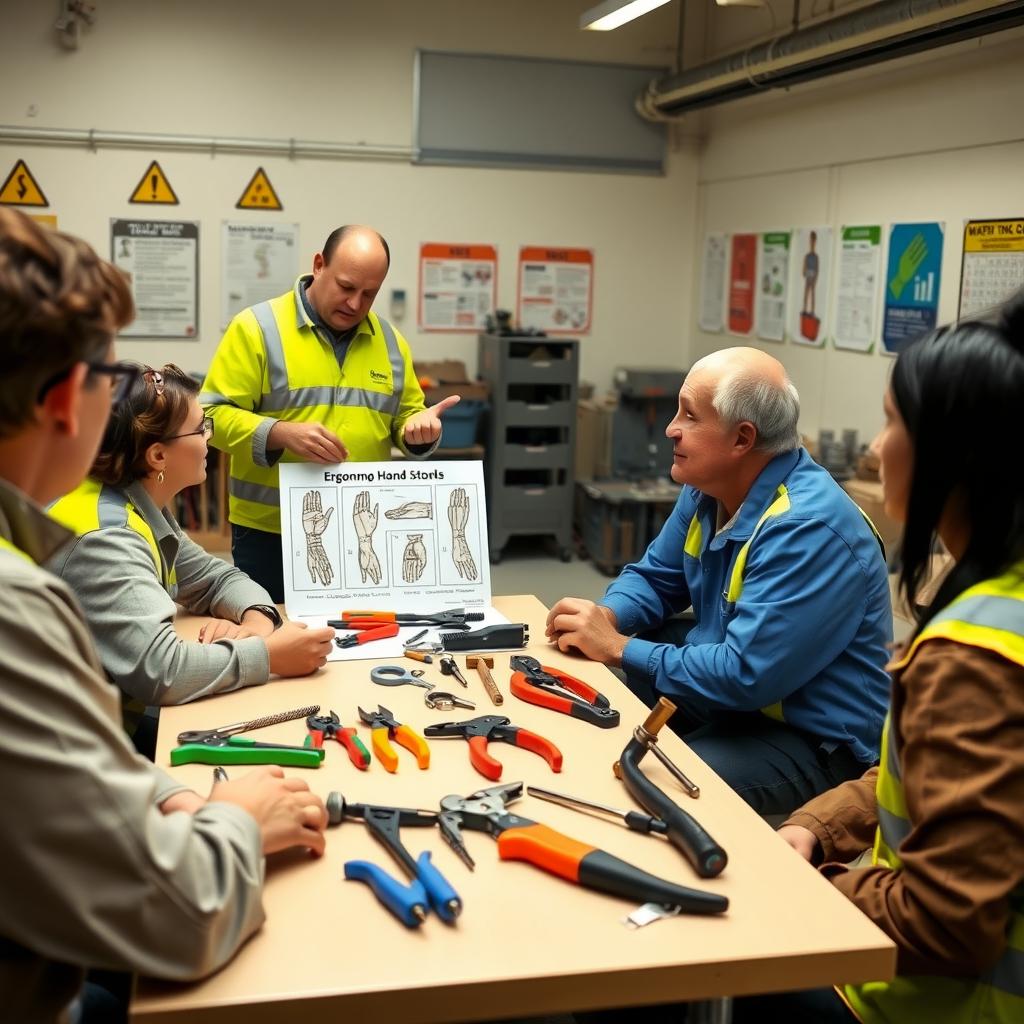
One of the most effective ways to prevent hand injuries is by using ergonomic hand tools for reduced strain. These tools are designed to fit your hand comfortably, reduce awkward postures, and minimize the force needed to complete tasks. For example, tools with padded, slip-resistant handles distribute pressure evenly across your palm, reducing the risk of blisters or nerve compression.
When selecting hand tools or workman tools, look for these features:
| Feature | Benefit |
|---|---|
| Padded Handles | Reduces pressure on the palm and prevents blisters |
| Bent Handles | Keeps wrists in a neutral position to avoid strain |
| Lightweight Design | Minimizes fatigue during prolonged use |
| Anti-Vibration Technology | Reduces risk of hand-arm vibration syndrome in power tools |
| Proper Handle Size | Ensures a secure grip without excessive force |
A study by the National Institute for Occupational Safety and Health (NIOSH) found that ergonomic tools can reduce the risk of musculoskeletal disorders by up to 30%. For instance, using a screwdriver with a handle designed to match your hand’s natural grip can make a big difference. I once switched to an ergonomic pair of pliers during a home renovation project, and the reduced wrist strain was noticeable after just a few hours.
Proper Tool Use Techniques
Even the best tools won’t help if you use them incorrectly. Here are some tips to keep your hands safe:
- Grip Lightly: Hold tools firmly but avoid squeezing too hard. Over-gripping can strain muscles and lead to fatigue.
- Switch Hands: If possible, alternate hands to spread the workload and reduce strain on one side.
- Take Breaks: Pause every 20-30 minutes to stretch your hands and wrists. Simple exercises, like opening and closing your fists, can improve blood flow.
- Use the Right Tool: Don’t force a tool to do a job it wasn’t designed for. For example, using a wrench as a hammer can cause hand injuries.
- Maintain Tools: Keep blades sharp and tools clean to reduce the force needed to operate them.
Workplace Adjustments for Hand Safety
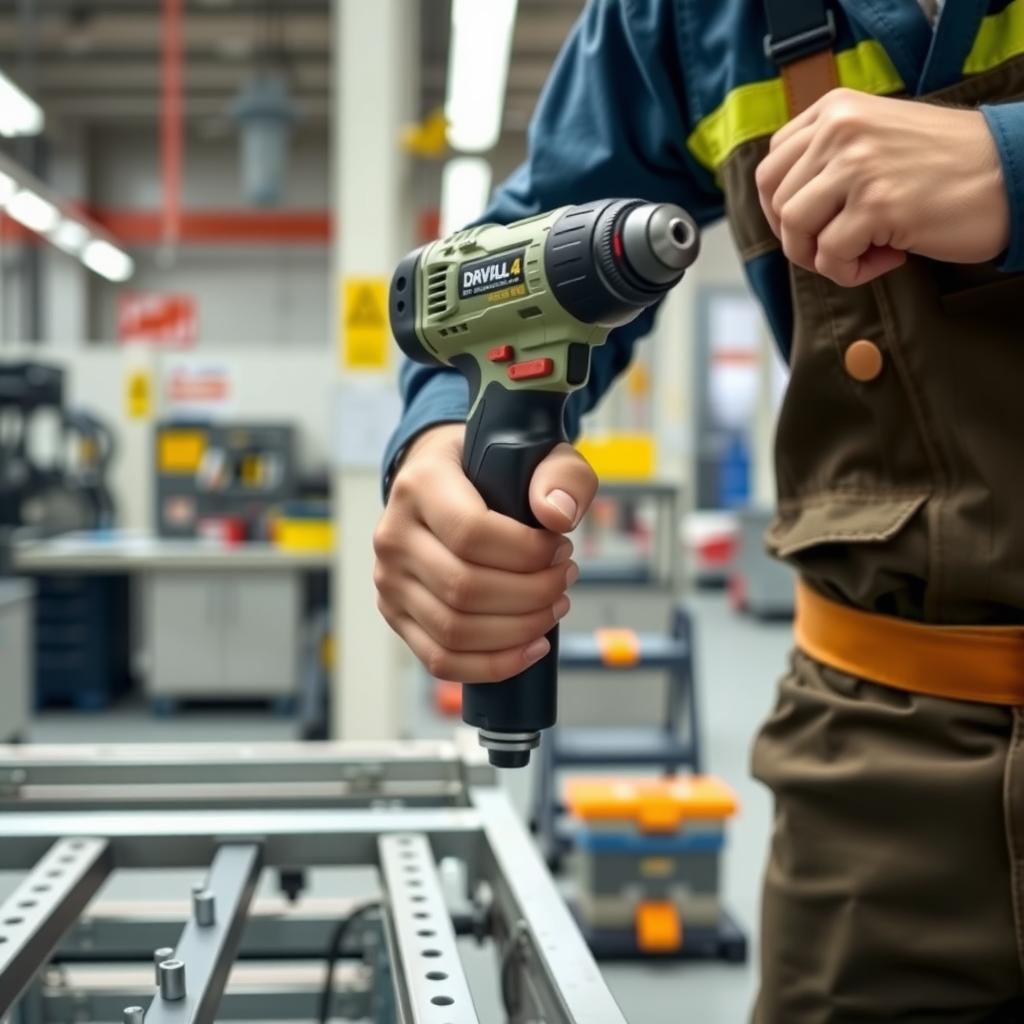
Beyond choosing the right tools, your work environment plays a huge role in preventing hand injuries. Adjusting your workstation can reduce strain and improve comfort. For example, position materials at waist or chest level to avoid excessive reaching or bending. If you’re working on a vertical surface, use pistol-grip tools to keep your wrist straight.
Employers can help by providing adjustable workstations, like tables or stands, to hold materials securely. This reduces the need to grip objects tightly with your hands. A 2007 NIOSH publication on ergonomic guidelines for manual material handling emphasizes that redesigning workstations can significantly lower injury risks.
Personal Protective Equipment (PPE)
Gloves are a simple yet effective way to protect your hands. Vibration-dampening gloves can reduce the impact of power tools, while cut-resistant gloves protect against sharp edges. However, gloves aren’t a cure-all. They must fit properly to avoid reducing grip strength or dexterity. I learned this the hard way when a poorly fitting glove slipped during a project, nearly causing a cut.
Training and Awareness
Education is key to preventing hand injuries at work. Workers should be trained to recognize ergonomic risks and use tools correctly. A 2015 study from the University of Technology Malaysia showed that ergonomic training reduced musculoskeletal disorders by up to 42% in office workers, and similar benefits apply to manual labor. Regular safety meetings can reinforce these habits and encourage workers to report early signs of discomfort.
Creating a Culture of Safety
Preventing hand injuries isn’t just about tools or techniques—it’s about building a workplace where safety comes first. Encourage open communication so workers feel comfortable reporting hazards or discomfort. Safety committees can evaluate tools and processes, ensuring ergonomic practices are followed. When workers see their health is a priority, they’re more likely to adopt safe habits.
My Take: Small Changes, Big Impact
From my experience, small changes—like switching to ergonomic tools or taking regular breaks—can make a huge difference. I used to think hand injuries were just part of manual work, but after seeing how proper tools and techniques helped my friend recover and return to work, I’m convinced prevention is worth the effort. It’s not about overhauling your entire routine; it’s about making smart choices consistently.
Summary: Protecting Your Hands for the Long Haul
Preventing hand injuries at work starts with understanding the risks and taking action. By choosing ergonomic hand tools for reduced strain, using proper techniques, adjusting your workspace, and staying proactive with training, you can keep your hands safe and healthy. These steps not only reduce injuries but also boost productivity and job satisfaction. Start small, stay consistent, and make hand safety a priority.
Related Preventing Hand Injuries at Work:
- CCOHS Hand Tool Ergonomics: Health Hazards and How to Stay Safe at Work
- NIOSH Guide to Selecting Non-Powered Hand Tools: Prevent Hand Injuries at Work with Ergonomic Designs
- Future Trends in Construction Planning: Revolutionizing the Industry
- Must-Have Workman Tools for Every Toolbox: Your Ultimate Guide
- DIY Storage Builds: Make Your Own Tool Racks
- DIY Home Improvement Projects for Beginners: Your Ultimate Guide to Getting Started
- The Ultimate Guide to Hand Tools Storage Solutions
- Master Your Projects: A Complete Guide to Rotary Tool Accessories and Attachments
- DIY Toolbox Organization Ideas: The Ultimate Guide to Toolboxes for Every Need
- Essential Safety Gear for Construction Workers: Stay Protected on the Job
- Best Practices for Work-from-Home Boundaries: Boost Productivity and Balance
- The Ultimate Guide to Power Tools for Woodworking Enthusiasts