Overview: Power Tools for Woodworking Enthusiasts
Woodworking is a craft that blends creativity with precision. For enthusiasts, choosing the right power tools can make or break a project. From power drills to table saws, this guide explores essential tools, sharing practical tips to help you build with confidence and skill.
Why Power Tools Matter in Woodworking
Power tools for woodworking enthusiasts aren’t just about speed—they’re about precision and efficiency. Hand tools have their charm, but power tools let you tackle complex projects with ease. Whether you’re crafting a bookshelf or a dining table, the right tools save time and effort. I’ve spent years in my garage workshop, learning that a good power tool can transform a frustrating task into a satisfying one.
Power Drills: The Heart of Any Workshop
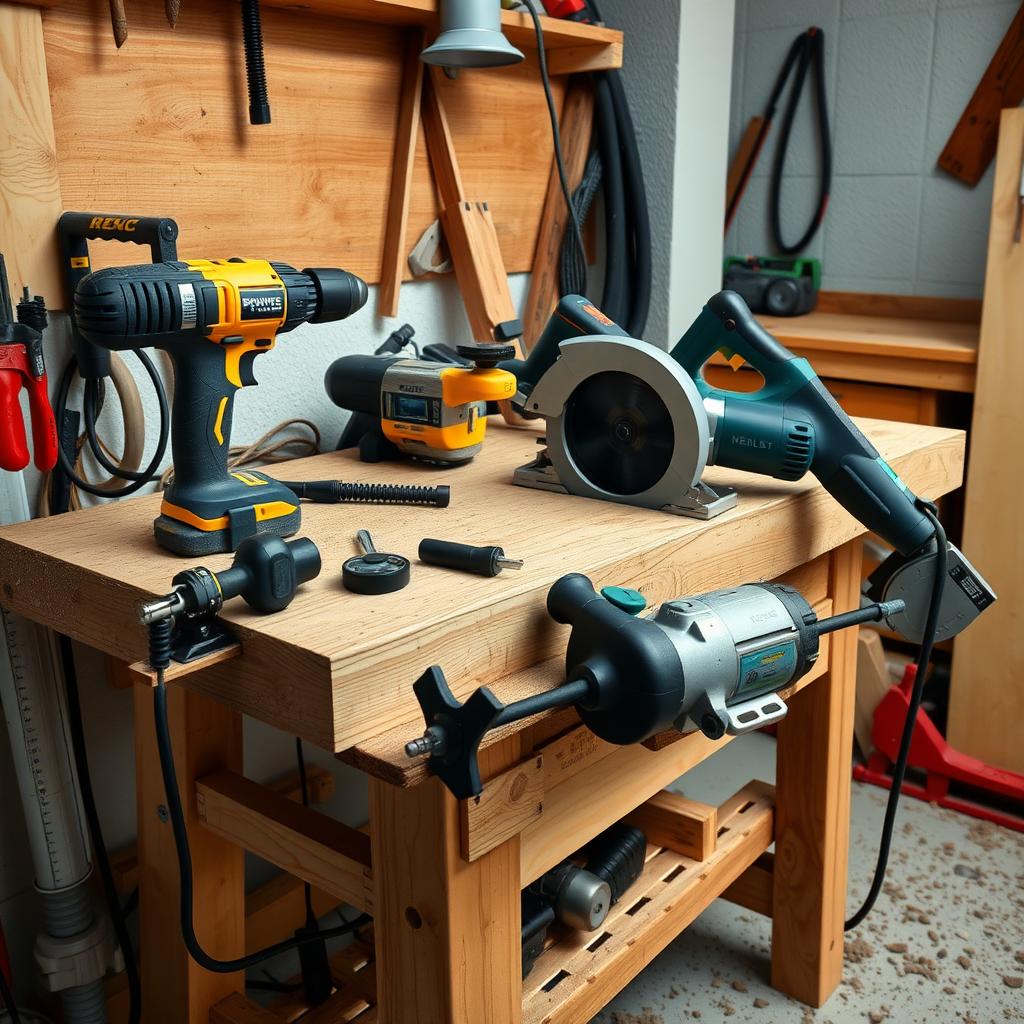
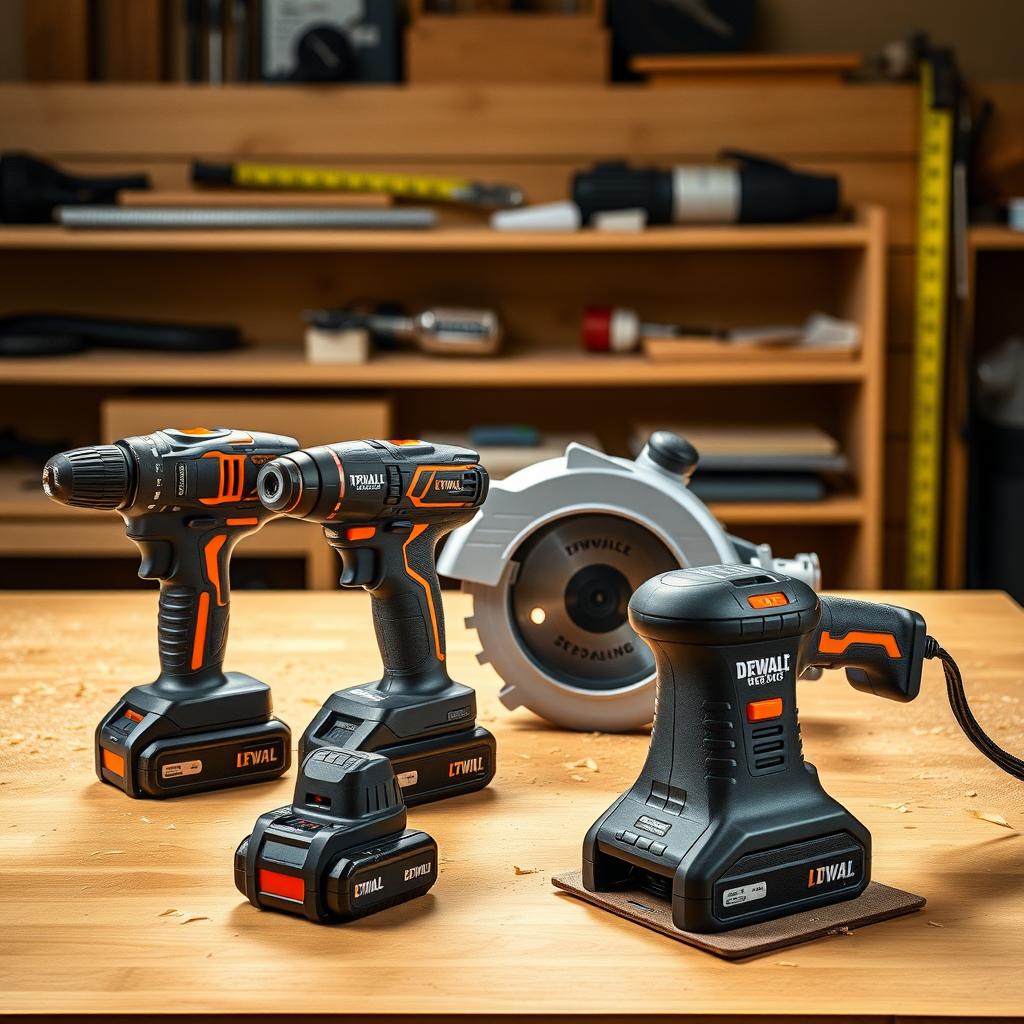
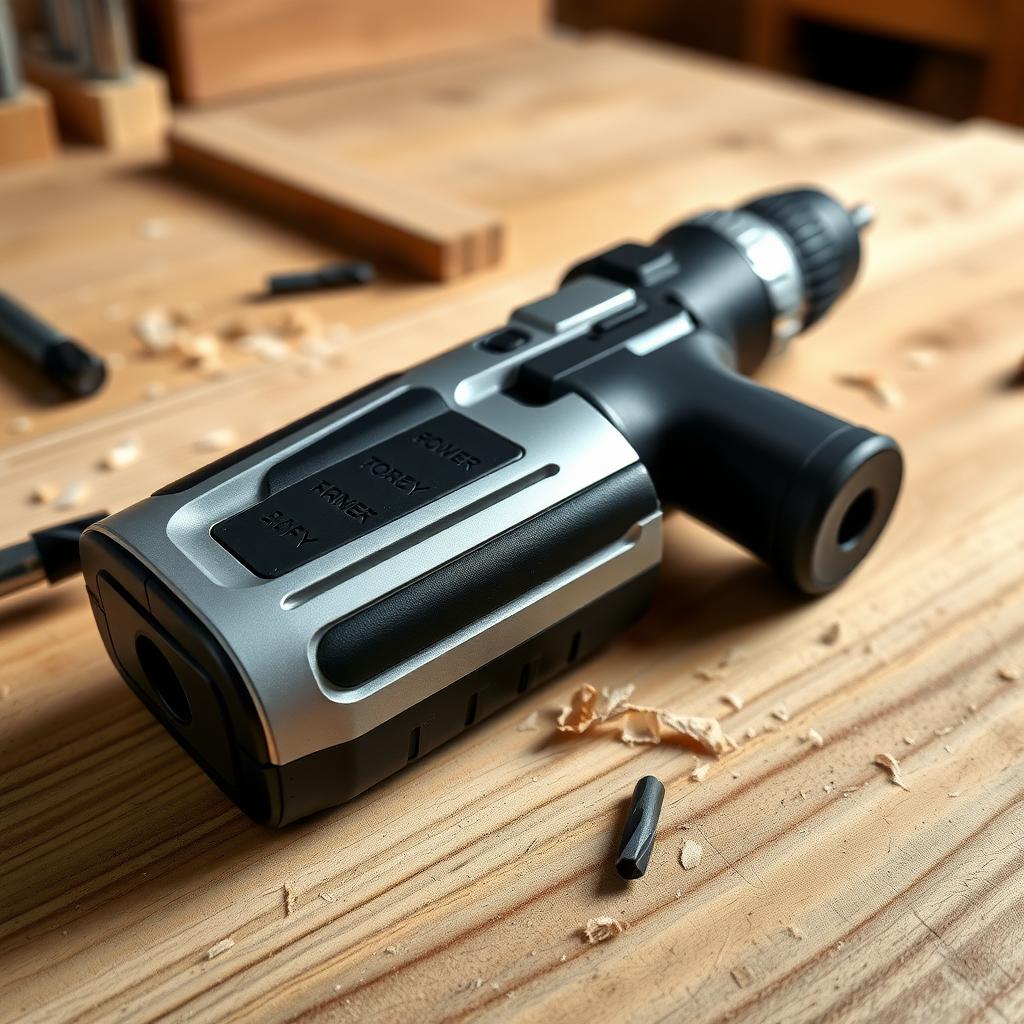
Every woodworker needs a reliable power drill. It’s the tool I reach for most, whether I’m assembling furniture or drilling pilot holes for screws. Cordless drills, like those from DeWalt or Makita, offer portability, while corded models provide consistent power for heavy-duty tasks. Look for drills with variable speed settings and a comfortable grip—your hands will thank you after hours of work.
Choosing the Right Power Drill
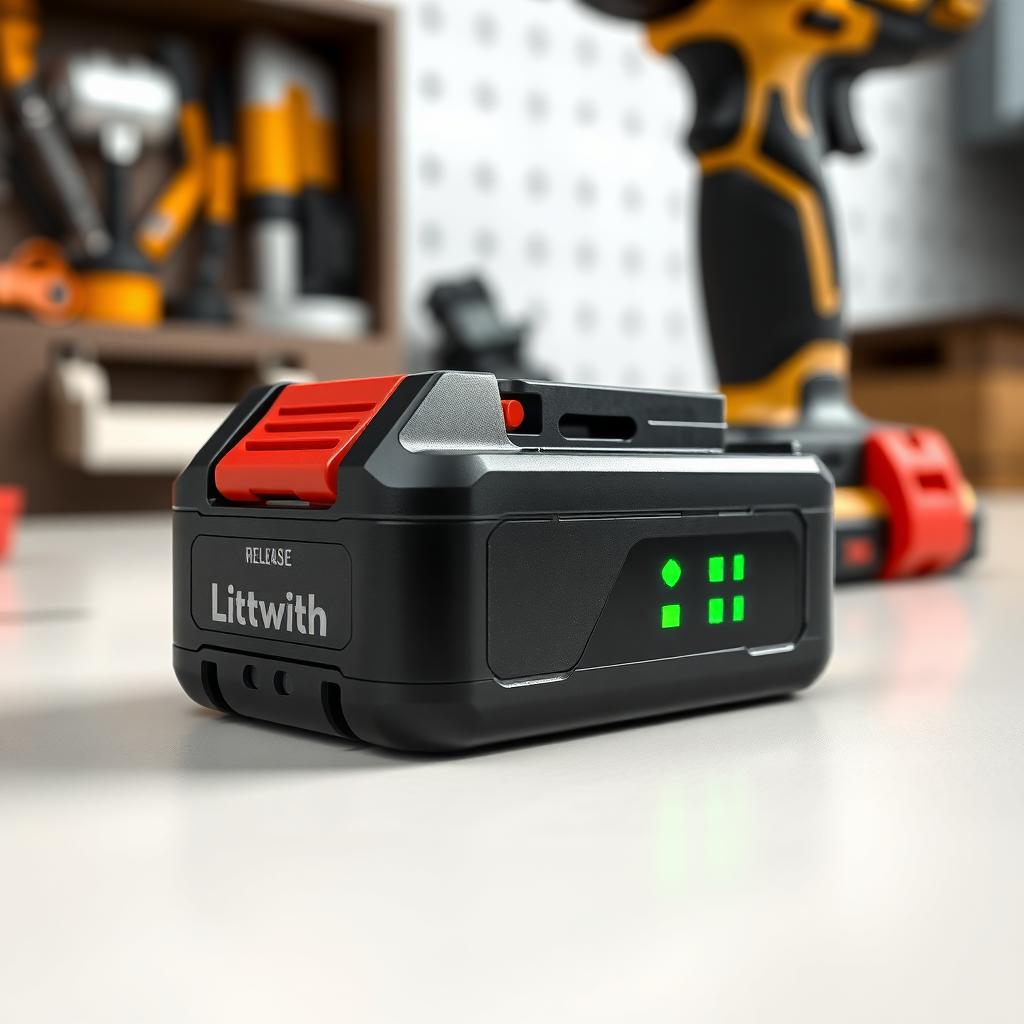
When picking a power drill, consider battery life for cordless models. A 20V lithium-ion battery typically lasts through a full day of moderate use. For example, I once built a set of kitchen shelves using a cordless drill, and the battery held up through drilling and driving screws without a recharge. Also, check for features like LED lights for better visibility in dim corners.
Circular Saws: Precision Cutting Made Simple
A circular saw is a must-have for cutting large sheets of plywood or long boards. I remember my first project—a simple coffee table—where a circular saw made quick work of cutting oak boards to size. Look for a saw with a laser guide for straight cuts and a dust collection port to keep your workspace clean.
Table Saws for Advanced Projects
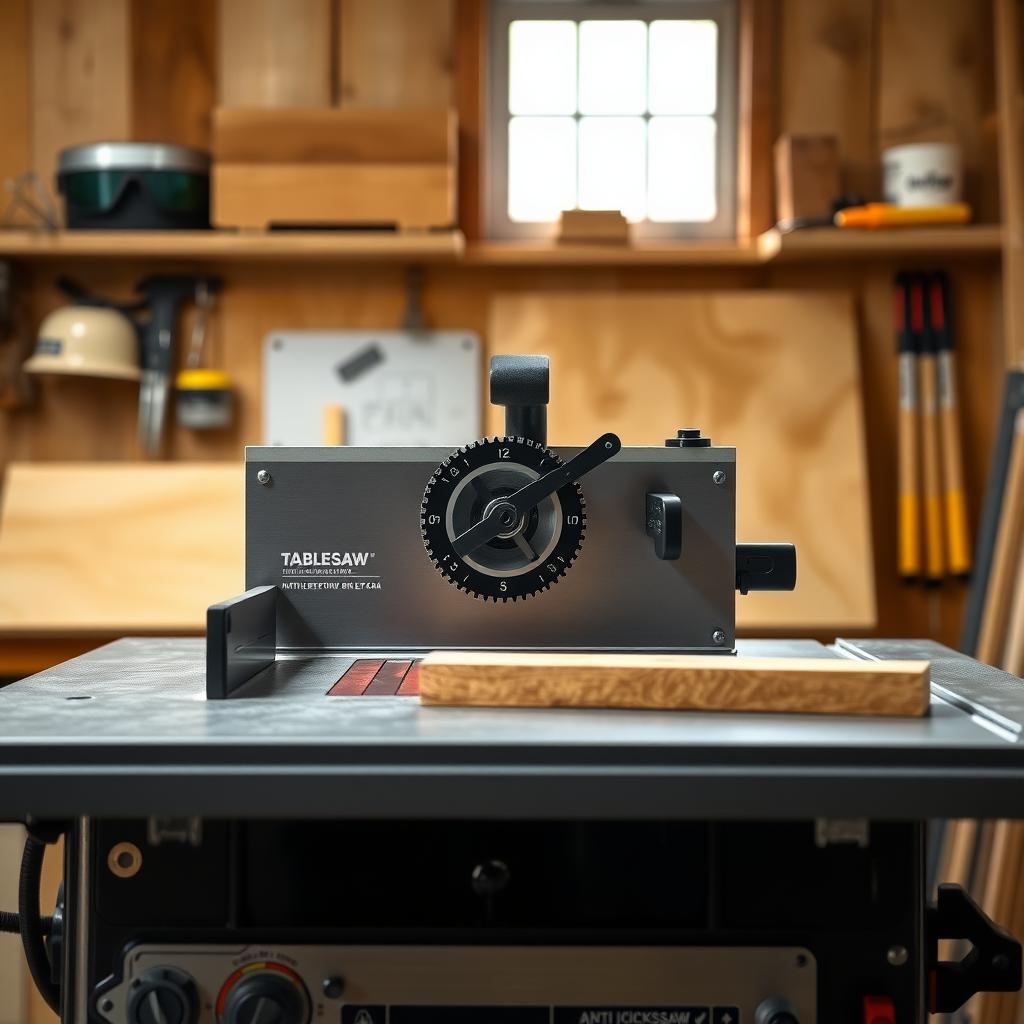
If you’re serious about woodworking, a table saw is a game-changer. It’s perfect for ripping boards or making precise crosscuts. My table saw has been the backbone of projects like custom cabinets. Beginners might start with a compact model, while experienced woodworkers may prefer a full-sized saw with a sturdy stand.
Sanders: Smoothing Your Way to Perfection
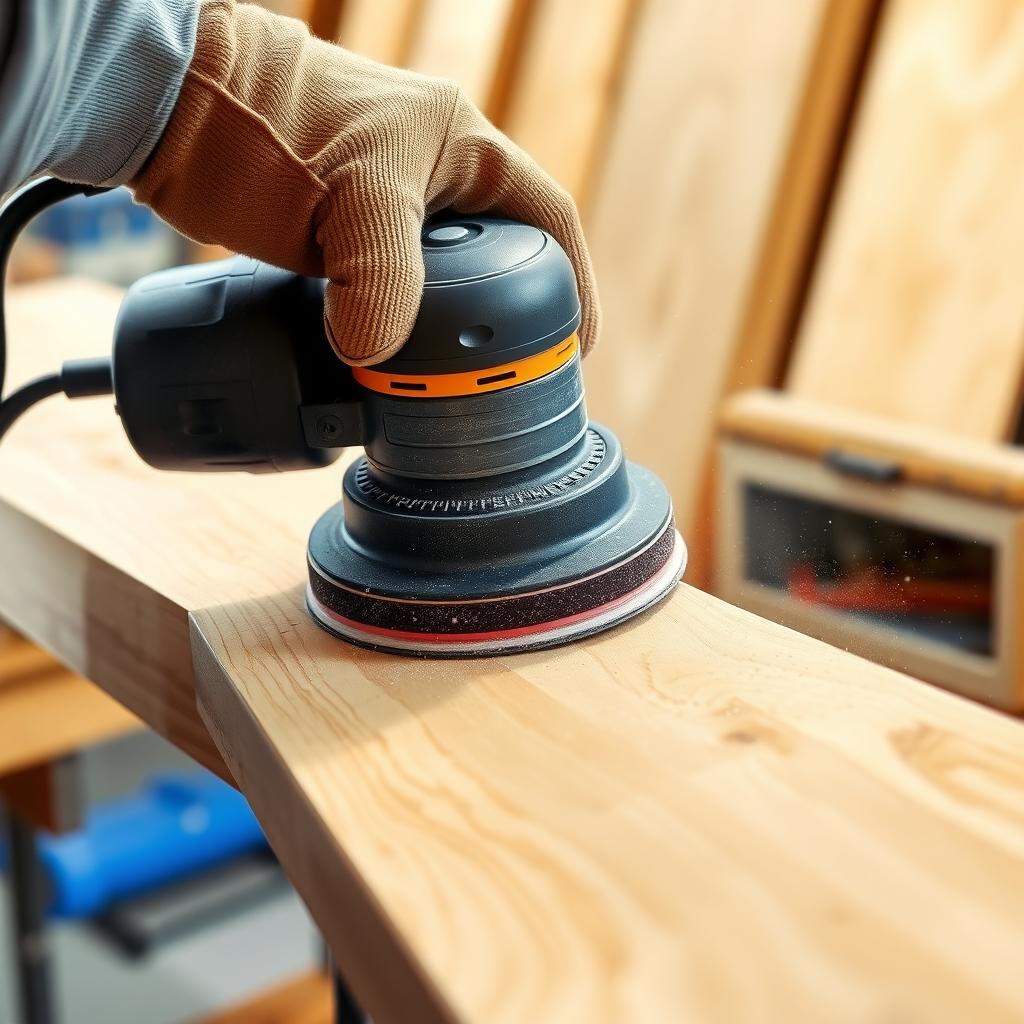
Sanders are essential for giving your projects a polished finish. Orbital sanders are great for flat surfaces, while belt sanders tackle rough stock quickly. I once spent hours hand-sanding a cedar chest before investing in an orbital sander—it cut my finishing time in half and gave a smoother result.
Jigsaws and Routers: Adding Creativity
Jigsaws are fantastic for curved cuts, like intricate designs on a headboard. Routers, on the other hand, let you carve decorative edges or joinery. I used a router to create dovetail joints for a drawer, and the precision blew me away. Both tools are versatile, letting you push your creative boundaries.
Safety First: Tips for Using Power Tools
Power tools are powerful, but they demand respect. Always wear safety glasses and ear protection—my ears learned this lesson after a long day with a loud circular saw. Keep your workspace clear, and double-check that your tools are in good condition. A dull blade or worn-out bit can ruin your project or cause injury.
Maintaining Your Power Tools
Regular maintenance keeps your tools running smoothly. Clean sawdust from your tools after every session, and sharpen blades regularly. I learned the hard way when a dull table saw blade caused a jagged cut on an expensive piece of walnut. Lubricate moving parts and store tools in a dry place to prevent rust.
Budget vs. Premium Power Tools
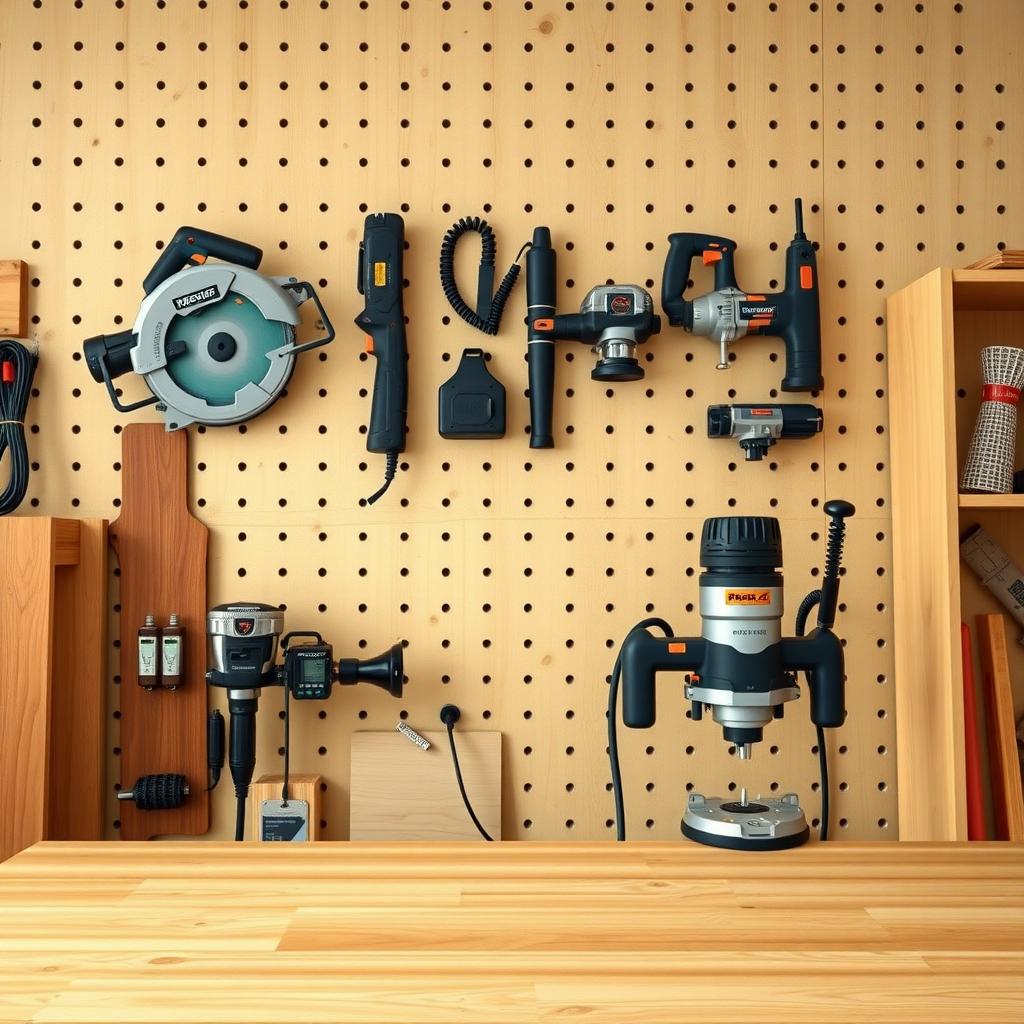
You don’t need to break the bank to start woodworking, but investing in quality pays off. Budget brands like Ryobi offer solid options for beginners, while premium brands like Festool deliver unmatched precision for pros. I started with a mid-range drill and upgraded as my skills grew—it’s a balance of cost and capability.
Building Your Tool Collection
Start with the essentials: a power drill, circular saw, and sander. As your projects get more ambitious, add a table saw or router. Here’s a quick guide to prioritize:
| Tool | Best For | Approx. Cost |
|------|----------|--------------|
| Power Drill | Drilling holes, driving screws | $50-$150 |
| Circular Saw | Cutting boards, plywood | $60-$200 |
| Orbital Sander | Smoothing surfaces | $40-$100 |
| Table Saw | Precise cuts, large projects | $200-$600 |
This table helped me plan my workshop setup without overspending.
Where to Learn More About Power Tools
YouTube channels like Woodworking for Mere Mortals offer great tutorials for beginners. For in-depth reviews, check out websites like Popular Woodworking (https://www.popularwoodworking.com/). Joining local woodworking clubs can also connect you with experienced crafters who share tool tips and project ideas.
Summary: Empower Your Woodworking Journey
Power tools for woodworking enthusiasts open up endless possibilities. From versatile power drills to precise table saws, these tools help you create with confidence. Start small, prioritize safety, and invest in quality as your skills grow. With the right tools, your next project could be your best yet.
Related power tools for woodworking enthusiasts:
- Understanding Power Tool Batteries: Care and Safety
- How to Maintain Your Tools Like a Pro
- The Importance of Precision in Automotive Maintenance
- Screwdriver Maintenance Tips: Keep Your Workman Tools in Top Shape
- Choosing the Right Work Boots for Construction Work: A Comprehensive Guide
- DIY Workshop Projects to Enhance Productivity: Ultimate Guide
- Beginner’s Guide to Table Saw Safety: Protect Yourself While Mastering Your Craft
- Essential Power Washer Maintenance Tips for Long-Lasting Performance
- Top 10 Power Tool Safety Tips for Safe and Effective Use
- Essential Workman Tools Every DIYer Should Have
- Choosing the Best Cordless Tools for Your Workshop: A Comprehensive Guide
- Features to Look for in a Workbench: Your Guide to Choosing the Perfect Setup