Overview
Construction work demands gear that can keep up with tough conditions. Choosing the right work boots for construction work is critical for safety, comfort, and productivity. This guide dives into what makes a great pair of boots, how to match them with tool belts for construction workers, and practical tips from real job site experiences.
Why Work Boots Matter in Construction
Construction sites are no place for flimsy footwear. You’re walking on uneven ground, dodging sharp objects, and sometimes dealing with wet or slippery surfaces. The right work boots protect your feet, reduce fatigue, and help you stay focused. I’ve seen coworkers limp off the job site because their boots didn’t hold up. A good pair isn’t just about comfort—it’s about keeping you safe and on your feet all day.
When picking boots, think about your specific role. Are you framing, pouring concrete, or managing a crew? Each job has unique demands. For example, framers need lightweight boots for agility, while concrete workers prioritize waterproofing. Pairing your boots with the right tool belts for construction workers also streamlines your workflow, keeping workman tools within reach.
Key Features to Look for in Work Boots
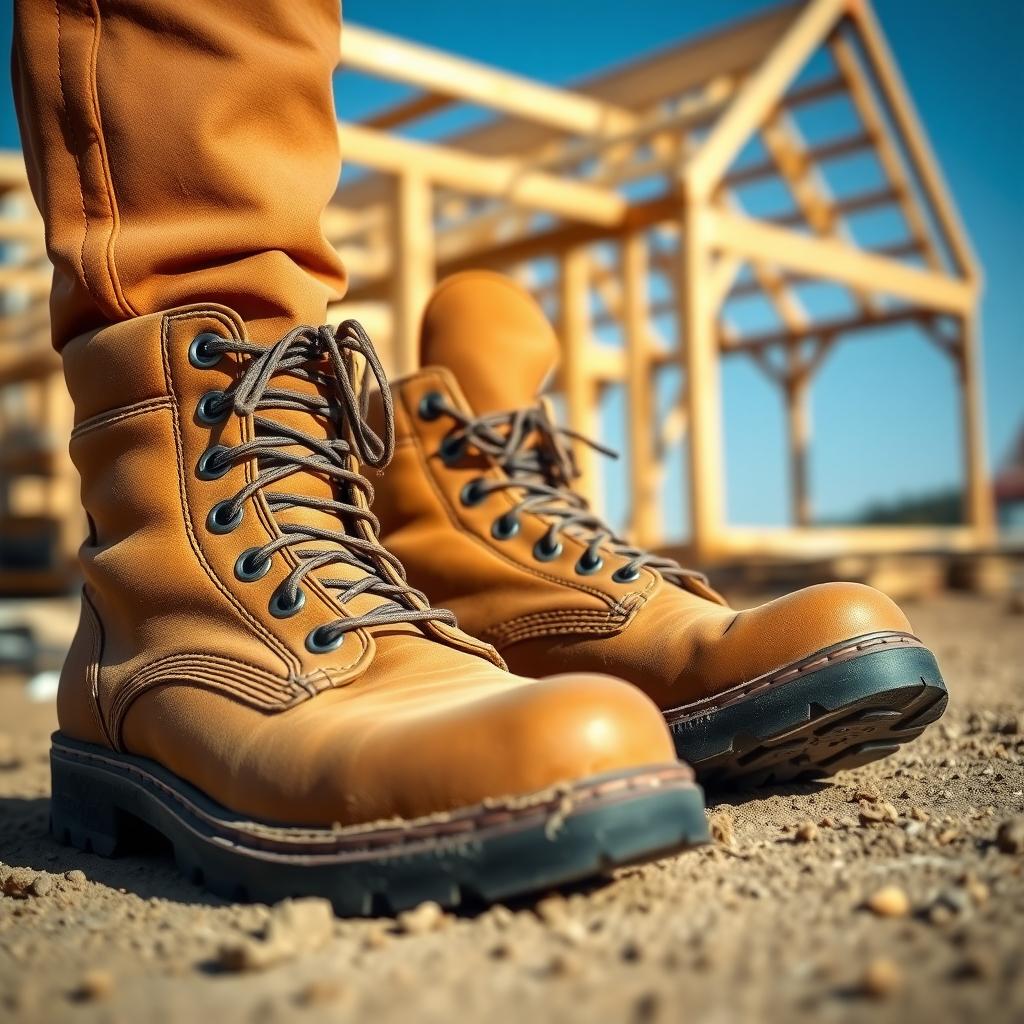
Not all work boots are created equal. Here’s a breakdown of must-have features to consider when choosing the right work boots for construction work:
- Safety Toe Protection: Steel or composite toes are non-negotiable for most construction sites. Steel is heavier but durable; composite is lighter and doesn’t conduct cold. Check if your site requires ASTM F2413-18 compliance for impact and compression resistance.
- Slip-Resistance: Look for boots with deep, multidirectional lugs on the sole. Rubber outsoles with high traction work best on oily or wet surfaces.
- Waterproofing: If you’re working in wet conditions, like pouring concrete, choose boots with a waterproof membrane like Gore-Tex. Leather treated with sealants also helps.
- Comfort and Support: Cushioned insoles and arch support reduce foot fatigue. I’ve found boots with EVA midsoles feel like walking on clouds, even after 10-hour shifts.
- Durability: Full-grain leather boots last longer under heavy wear. Stitching should be tight and reinforced, especially around the toe and heel.
One time, I made the mistake of buying cheap boots to save a few bucks. By week two, the soles were splitting, and my feet were killing me. Investing in quality boots upfront saves money and pain in the long run. Brands like Red Wing, Timberland Pro, and Danner are worth checking out for reliable options.
Matching Boots with Tool Belts for Efficiency
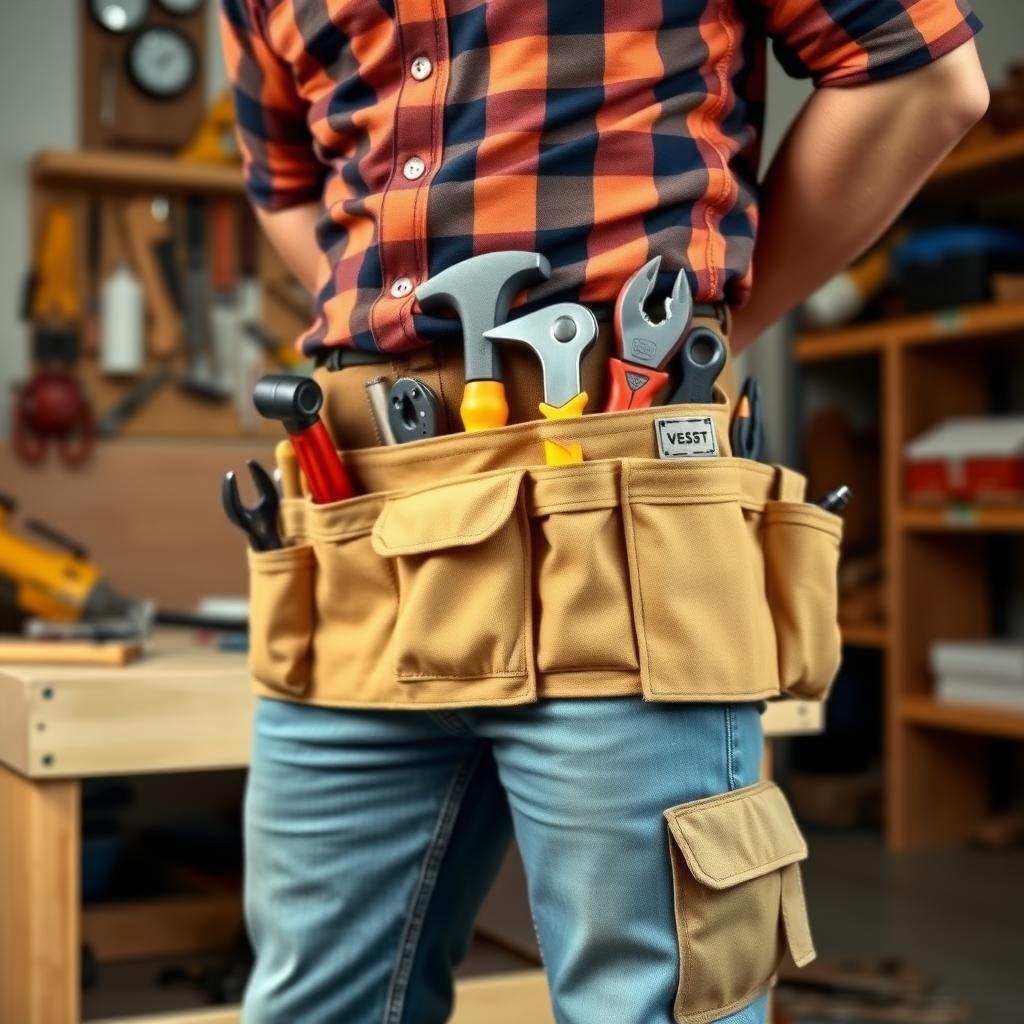
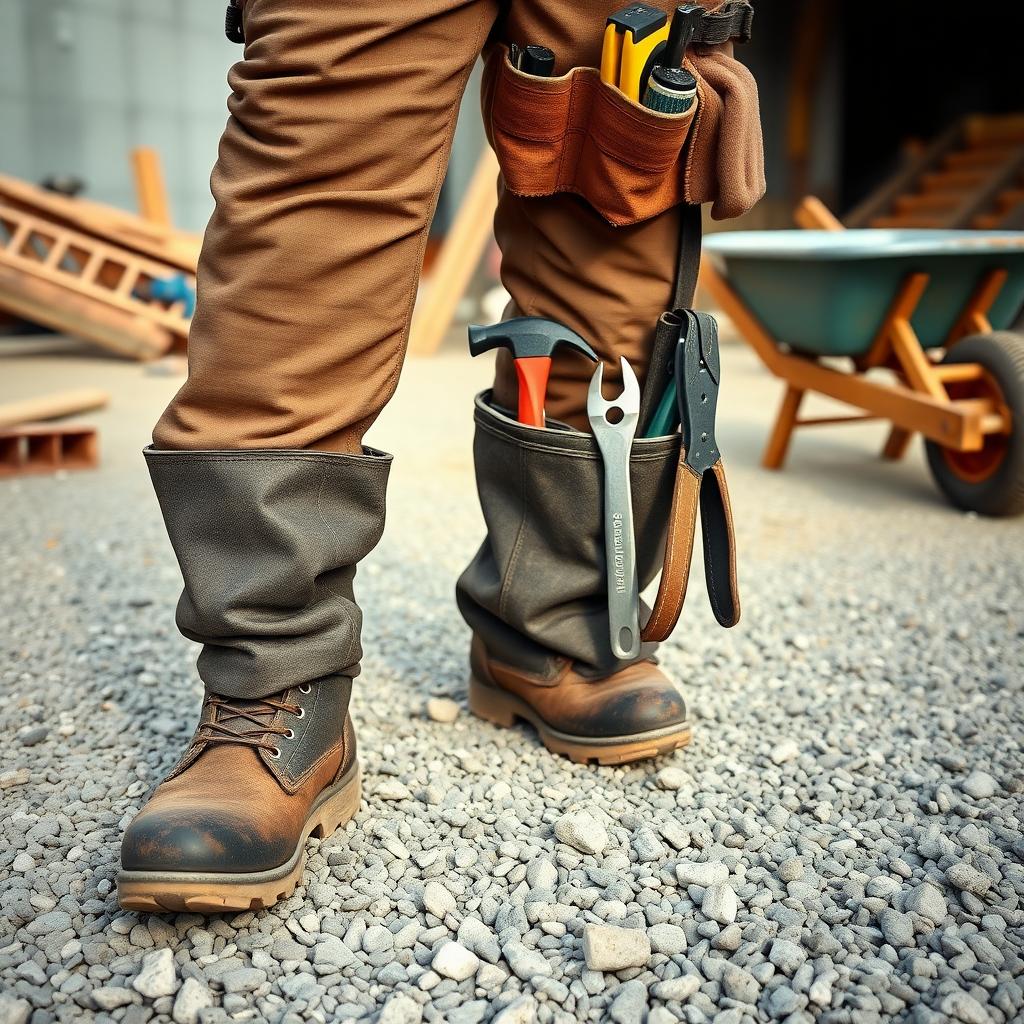
Boots aren’t the only gear that matters. Tool belts for construction workers are just as crucial for keeping workman tools organized and accessible. A well-designed tool belt complements your boots by reducing strain and improving mobility. For example, a lightweight belt with padded straps pairs well with agile, low-profile boots for framers. Heavier belts with multiple pouches suit workers carrying more tools, like electricians, and work best with sturdy, supportive boots.
When choosing a tool belt, prioritize adjustable straps and durable materials like leather or heavy-duty nylon. I’ve used a belt with quick-release buckles for years—it’s a game-changer when you need to shed gear fast. Keep your belt balanced to avoid back strain, and make sure it doesn’t interfere with your boots’ ankle support.
Safety Standards and Certifications
Construction sites often follow strict safety rules. The Occupational Safety and Health Administration (OSHA) requires protective footwear for jobs with risks of falling objects or punctures. Look for boots meeting ASTM F2413 standards, which cover toe protection, electrical hazard resistance, and puncture resistance. Some sites also require EH-rated boots for electrical work to prevent shocks.
Check the boot’s label for certifications. If it’s not clear, ask the manufacturer or check their website. I once bought boots assuming they were EH-rated, only to find out they weren’t. Lesson learned: always double-check before stepping onto a site with live wires.
Comfort Tips for Long Shifts
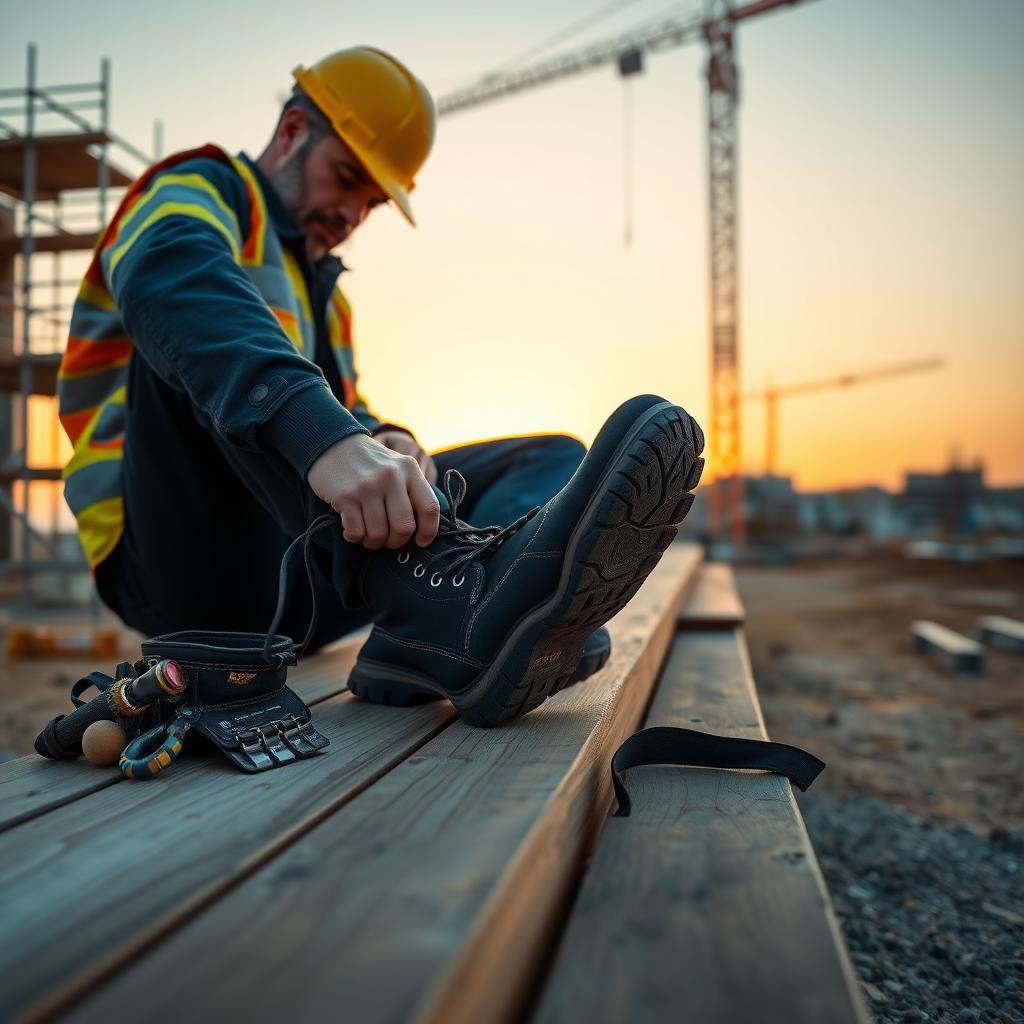
Comfort is king when you’re on your feet all day. Here are some tips to keep your feet happy:
- Break Them In: Wear new boots around the house for a few days before hitting the job site. This prevents blisters and helps the leather mold to your feet.
- Use Quality Socks: Moisture-wicking socks, like those made from merino wool, keep your feet dry and reduce friction.
- Replace Insoles: Stock insoles often wear out fast. Swap them for gel or memory foam insoles for extra cushioning.
- Clean and Maintain: Wipe down boots daily and condition leather every few months to extend their life.
I’ve also found that rotating between two pairs of boots helps them last longer. Let one pair air out while you wear the other. It’s a small trick that makes a big difference, especially in hot or wet conditions.
Common Mistakes to Avoid
It’s easy to make mistakes when choosing work boots. Here are pitfalls to steer clear of:
| Mistake | Why It’s a Problem | Solution |
|---|---|---|
| Buying based on price alone | Cheap boots wear out fast and lack support | Invest in quality brands with good reviews |
| Ignoring fit | Tight or loose boots cause blisters and fatigue | Try boots on in the afternoon when feet swell |
| Skipping safety features | Missing certifications can get you sent home | Check for ASTM compliance |
| Overlooking maintenance | Neglected boots crack and leak | Clean and condition regularly |
I learned the hard way about fit. My first pair was a half-size too small, and by midday, my toes were screaming. Always try boots on with the socks you’ll wear on the job, and walk around to test the fit.
Where to Buy and What to Spend
You can find quality work boots at specialty stores, online retailers, or even direct from manufacturers. Sites like WorkBoots.com and Boot Barn offer wide selections. Expect to spend $100-$250 for a solid pair. Higher-end models, like those from Red Wing, can cost more but often last years with proper care.
Summary
Choosing the right work boots for construction work is about balancing safety, comfort, and durability. Prioritize features like safety toes, slip-resistance, and waterproofing based on your job’s demands. Pair your boots with a functional tool belt to keep workman tools organized and boost efficiency. By investing in quality and maintaining your gear, you’ll stay safe and comfortable on the job site.
Related Choosing the Right Work Boots for Construction Work:
- DIY Workshop Projects to Enhance Productivity: Ultimate Guide
- Beginner’s Guide to Table Saw Safety: Protect Yourself While Mastering Your Craft
- Essential Power Washer Maintenance Tips for Long-Lasting Performance
- Top 10 Power Tool Safety Tips for Safe and Effective Use
- Essential Workman Tools Every DIYer Should Have
- Choosing the Best Cordless Tools for Your Workshop: A Comprehensive Guide
- Features to Look for in a Workbench: Your Guide to Choosing the Perfect Setup
- How to Choose the Right Wrench for Your Project
- Advanced Power Tool Maintenance Techniques: The Ultimate Guide
- Workman Tools: A Guide to Maintenance and Care
- Tool Maintenance and Care Tips for Long-Lasting Workman Tools
- Mastering Tool Care: Tips for Longevity