Overview
Every DIYer knows the thrill of turning an idea into reality with their own hands. But to make that happen, you need the right tools. Essential Workman Tools Every DIYer Should Have are the backbone of any successful project, whether you’re building a bookshelf or fixing a leaky pipe. This guide dives into the must-have tools, shares personal insights from years of DIY experience, and offers tips to keep your tools in top shape.
Why the Right Tools Matter
When I started my DIY journey, I made the mistake of buying cheap tools to save money. Big mistake. A flimsy screwdriver stripped screws, and a dull saw made cuts uneven. Quality workman tools save time, frustration, and even money in the long run. They’re an investment in your craft. Let’s break down the essentials every DIYer needs in their toolbox.
The Core Toolkit: Must-Have Tools
Hammer
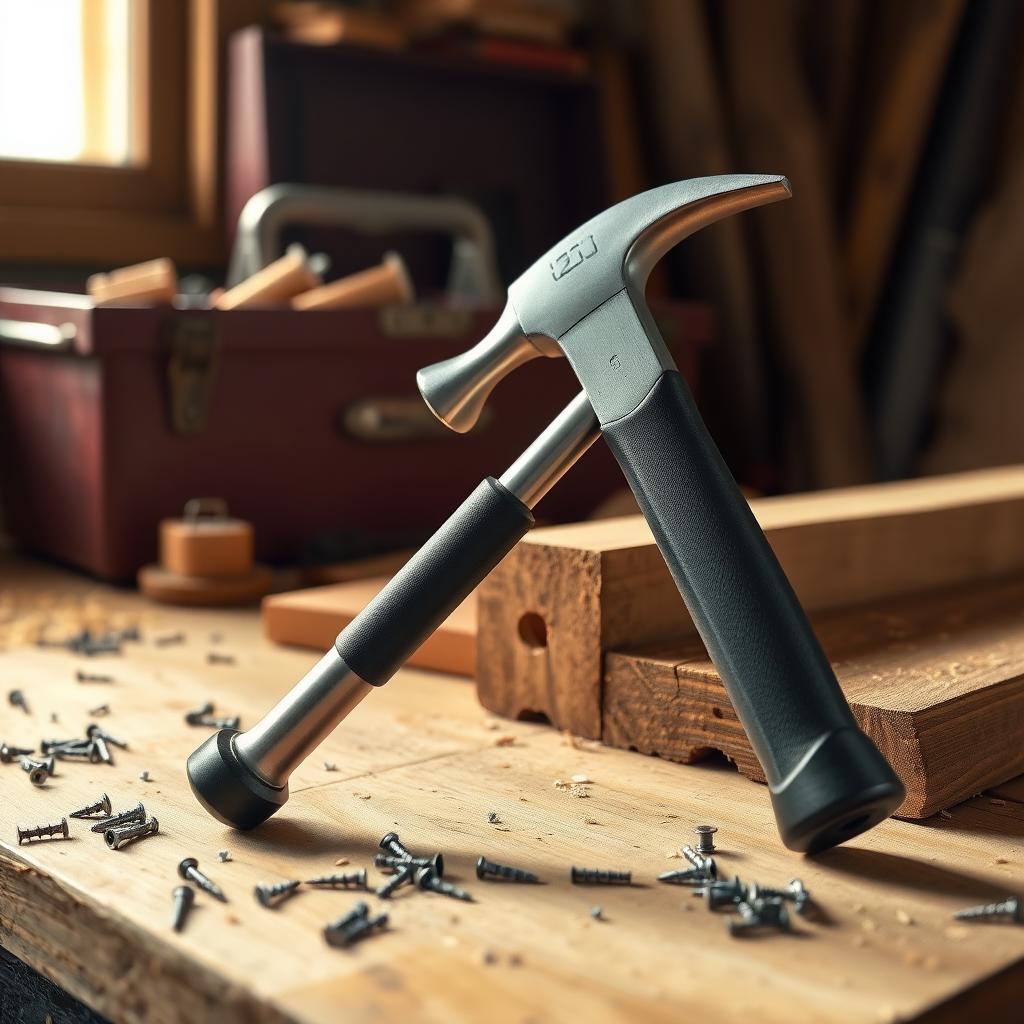
A sturdy claw hammer is a DIY staple. Look for one with a comfortable grip and a weight of about 16 ounces. It’s perfect for driving nails and prying them out. I’ve used my trusty hammer for everything from hanging pictures to building a backyard deck.
Screwdriver Set
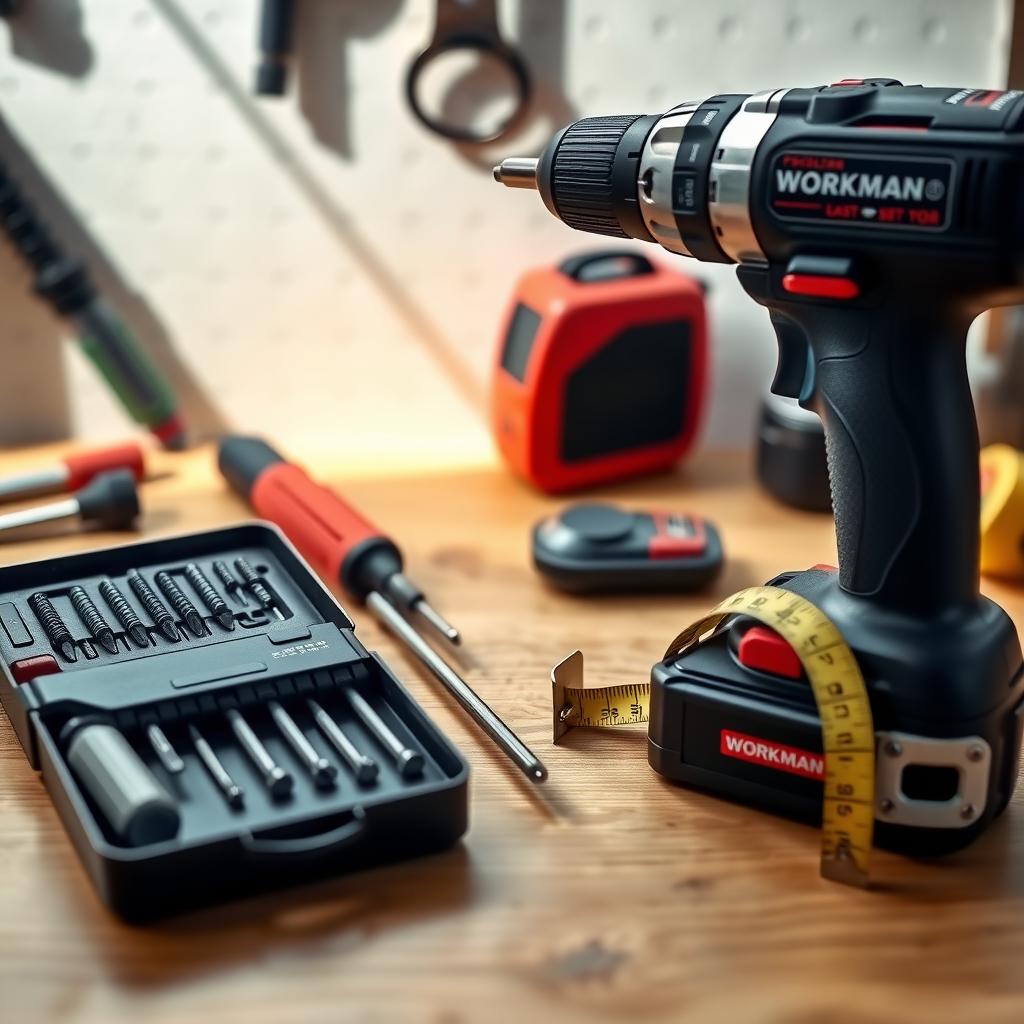
A good set of screwdrivers (both flathead and Phillips) is non-negotiable. Opt for a multi-bit screwdriver with interchangeable heads to save space. I keep mine in a tool belt for quick access during projects like assembling furniture or installing shelves.
Tape Measure
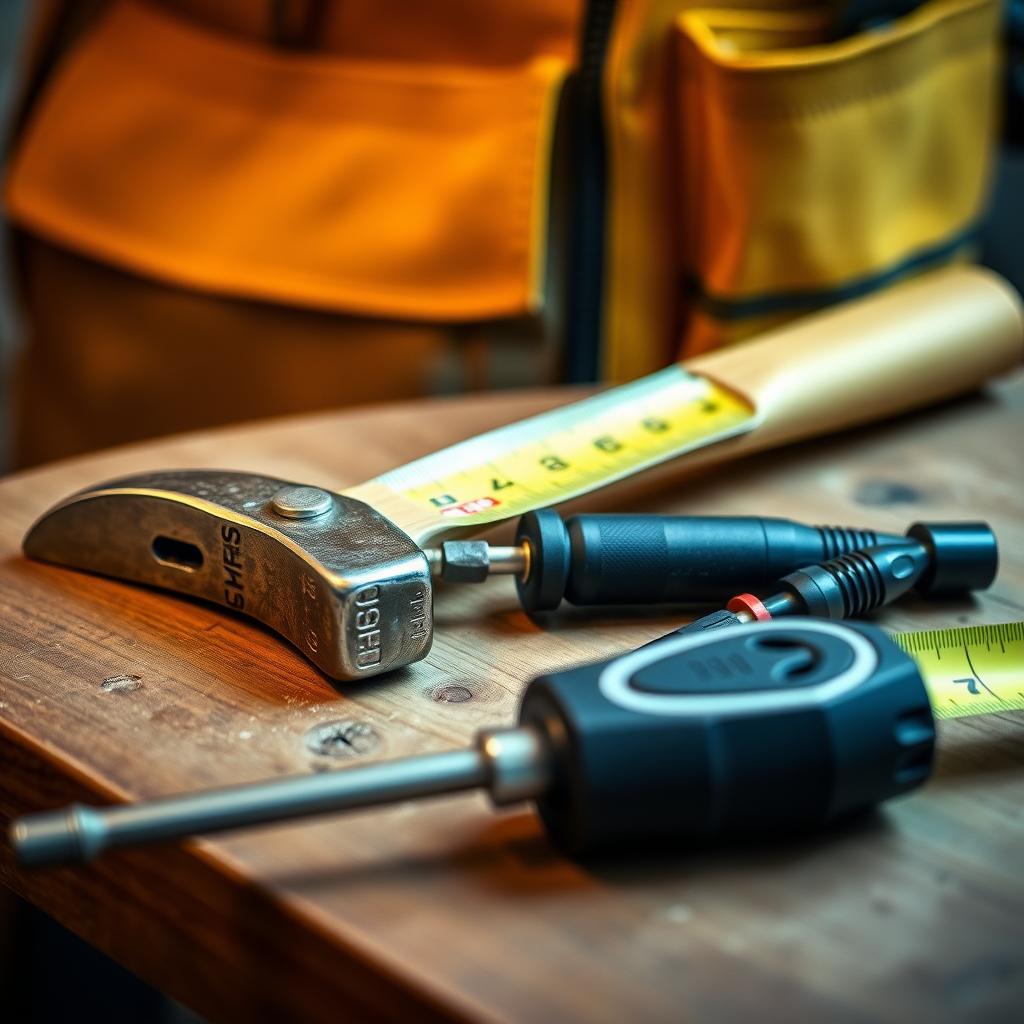
Accuracy is everything in DIY. A 25-foot tape measure with a locking mechanism is ideal. I once mismeasured a cut by half an inch, and the whole project went off track. A reliable tape measure prevents those headaches.
Power Drill
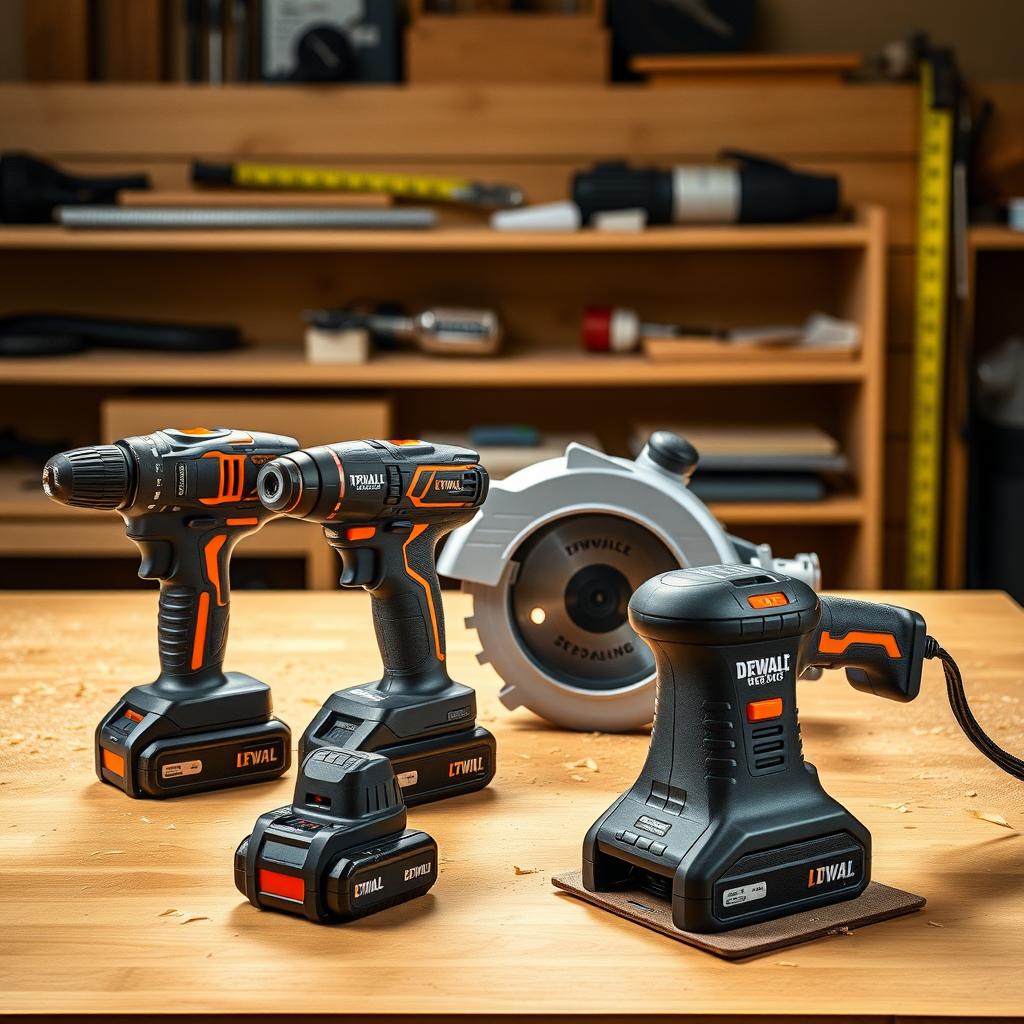
A cordless power drill is a game-changer. Choose one with at least 18 volts and a variety of drill bits. It’s perfect for drilling holes and driving screws. My drill saved me hours when I built a custom shelving unit last summer.
Level
Nothing screams amateur like a crooked shelf. A 24-inch bubble level ensures your projects are perfectly aligned. I use mine for everything from hanging art to leveling a new patio.
Utility Knife
A sharp utility knife is versatile for cutting drywall, trimming carpet, or opening packages. Get one with replaceable blades for long-term use. I keep a spare blade in my tool belt to avoid interruptions.
Tool Belts: Your DIY Sidekick
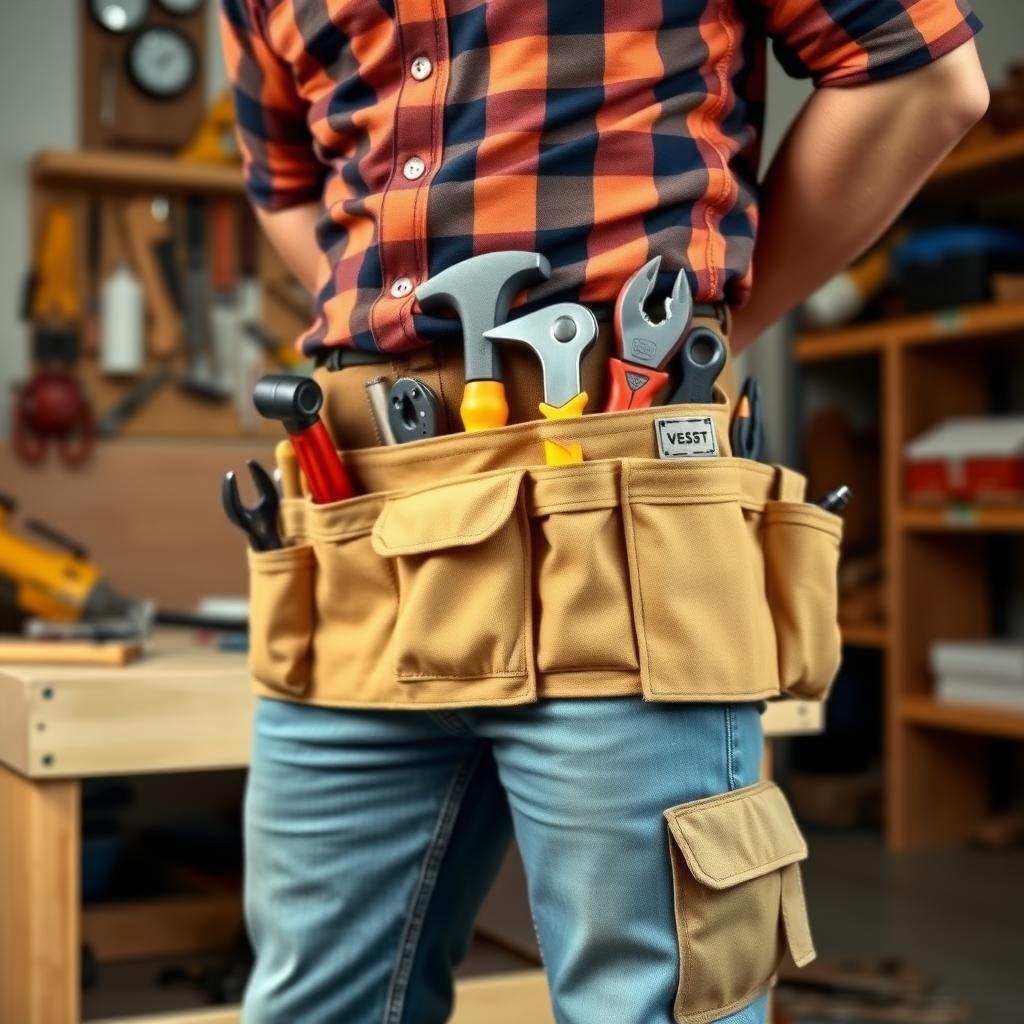
Tool belts with ergonomic designs are a lifesaver for keeping your tools within reach. A good tool belt distributes weight evenly, reducing strain during long projects. I used to scatter tools across my workspace, wasting time searching for them. Now, my tool belt keeps everything organized. Look for one with multiple pockets and a padded belt for comfort. Brands like DeWalt and ToughBuilt offer durable options that last.
Specialty Tools for Advanced Projects
Circular Saw
For bigger projects like cutting plywood or framing lumber, a circular saw is a must. A 7-1/4-inch blade is versatile for most tasks. I used mine to build a treehouse for my kids, and it made quick work of precise cuts.
Pliers Set
A set of needle-nose, slip-joint, and locking pliers covers most gripping and twisting needs. I’ve used needle-nose pliers for everything from electrical work to crafting. Keep them handy in your tool belt.
Stud Finder
Hanging heavy shelves or mounting a TV? A stud finder locates wooden studs behind drywall, ensuring secure installations. My electronic stud finder has been a lifesaver for countless wall-mounted projects.
Tool Maintenance 101: Keeping Your Tools in Peak Condition
Tools are only as good as their upkeep. Tool Maintenance 101: Keeping Your Tools in Peak Condition starts with simple habits. Here’s how I keep my tools ready for action:
- Clean Regularly: Wipe down tools after use to remove dust and debris. A damp cloth works wonders.
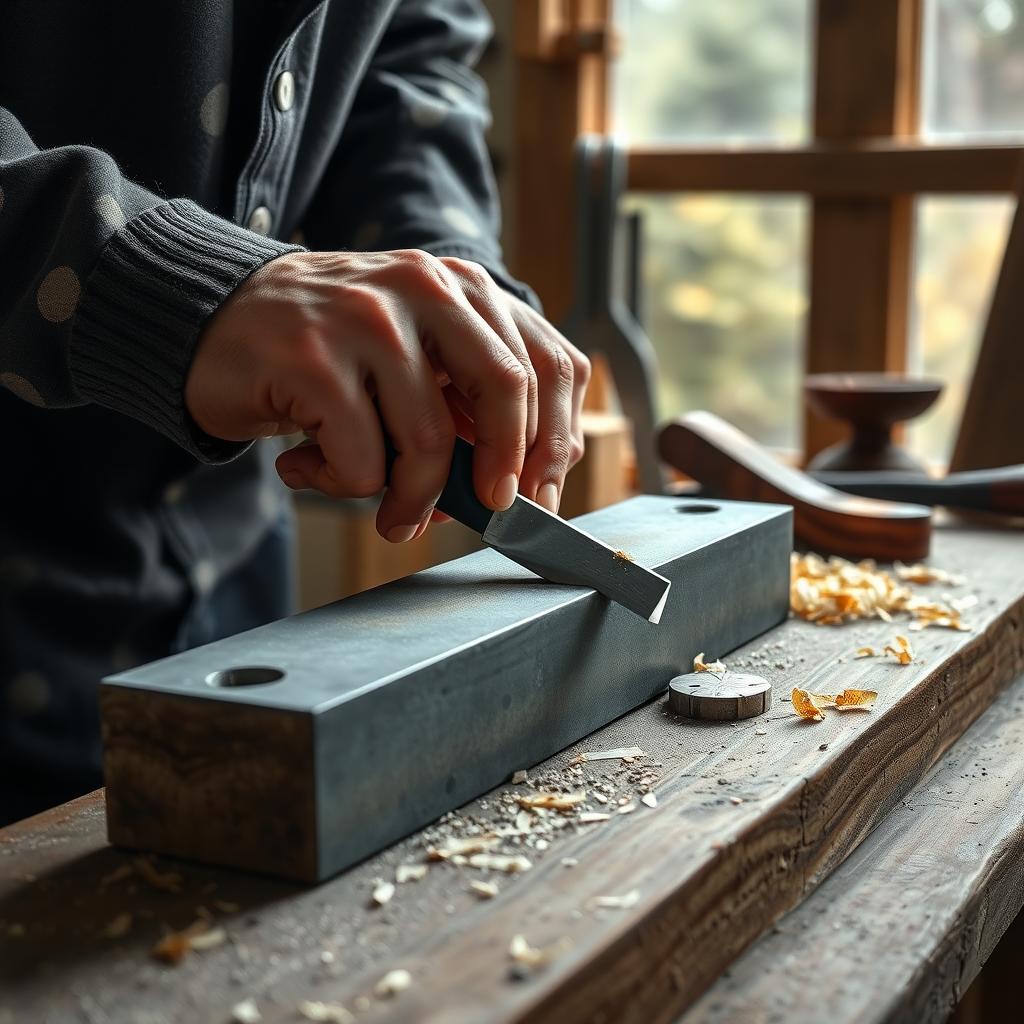
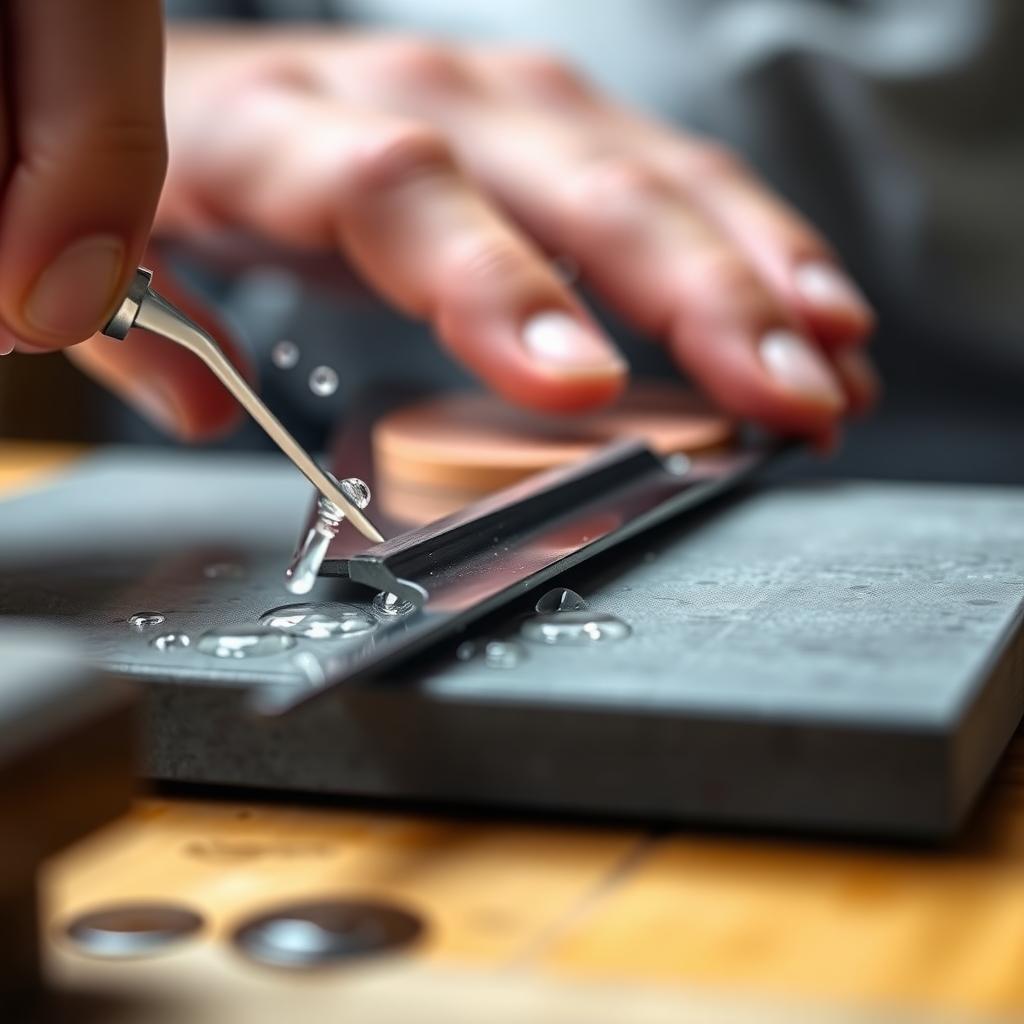
- Sharpen Blades: Dull blades are dangerous. Use a sharpening stone for utility knives and saws.
- Lubricate Moving Parts: A drop of oil on pliers or drill chucks prevents rust and keeps them smooth.
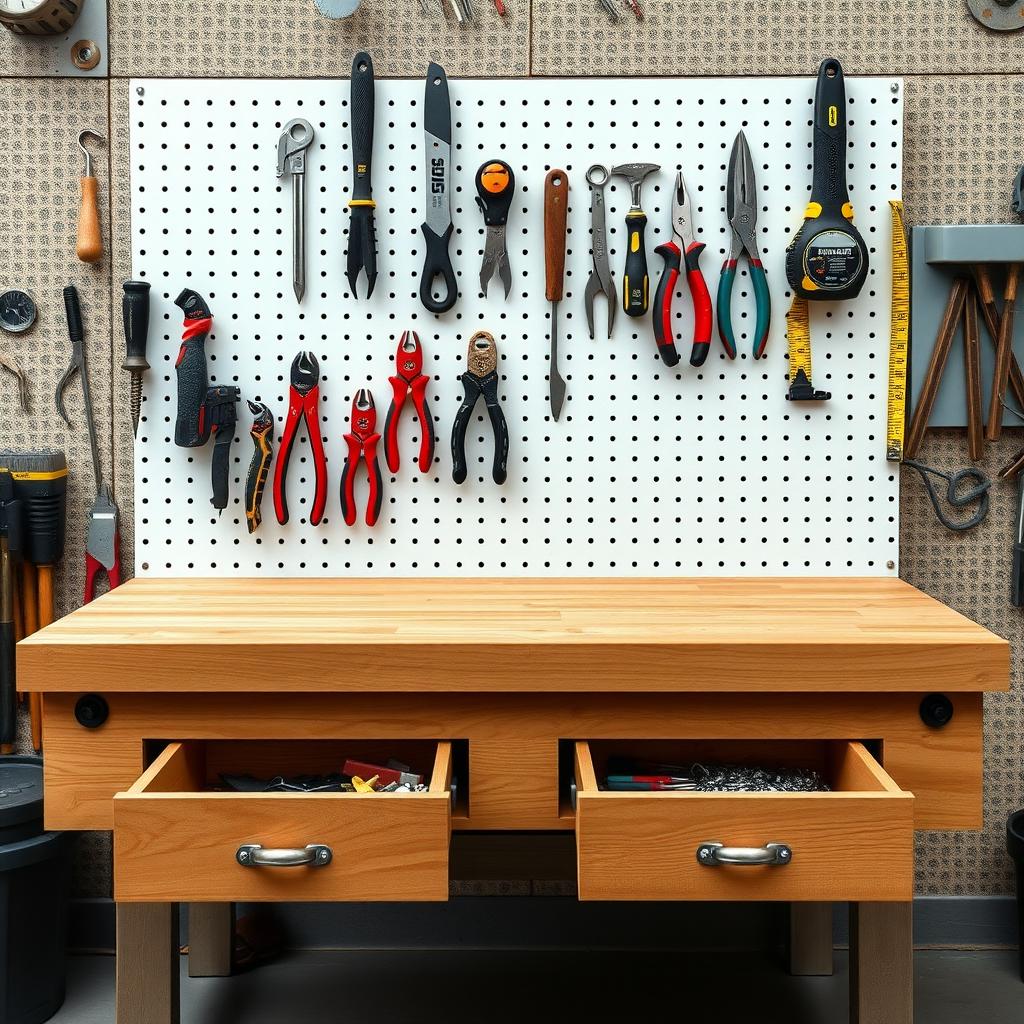
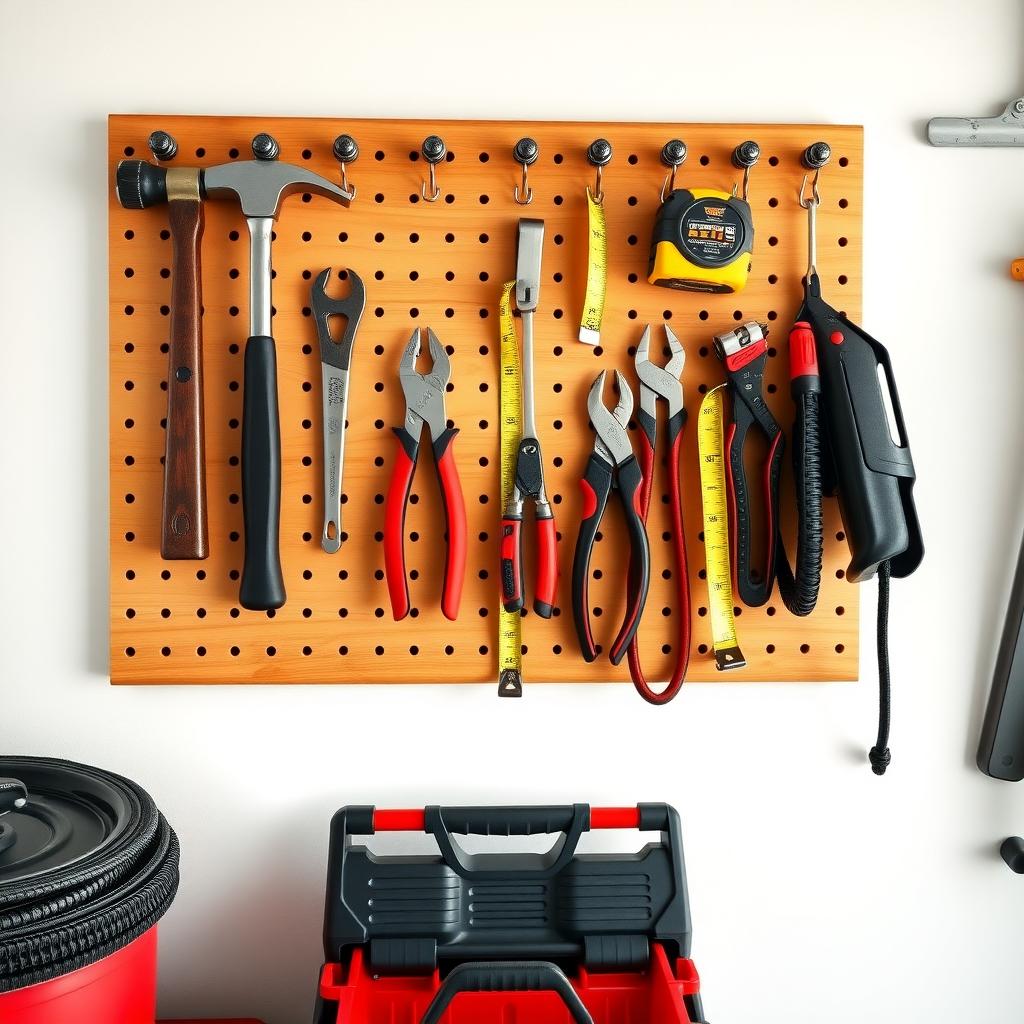
- Store Properly: Use a toolbox or hang tools on a pegboard to avoid damage. My garage pegboard keeps everything organized and rust-free.
I learned this the hard way when my favorite screwdriver rusted after being left in a damp basement. Now, I store my tools in a dry, organized space.
Choosing Quality Over Quantity
When buying workman tools, prioritize quality. Cheap tools break or wear out quickly, costing more in replacements. Stick to reputable brands like Stanley, Craftsman, or Milwaukee. Check reviews on sites like Home Depot or Lowe’s before purchasing. My Milwaukee drill has lasted five years and still runs like new.
Safety First
DIY is fun, but safety is critical. Always wear gloves, safety glasses, and sturdy shoes. Keep your workspace clear to avoid trips. I once dropped a hammer on my foot because I was rushing—lesson learned. A good tool belt also helps by keeping sharp tools secure and out of the way.
Building Your Toolkit Over Time
You don’t need every tool at once. Start with the basics—hammer, screwdriver, tape measure—and add as your skills grow. My first toolkit was a small box with just five tools. Over time, I added specialty tools like a circular saw as my projects got more ambitious.
Summary
Having the Essential Workman Tools Every DIYer Should Have sets you up for success. From a reliable hammer to tool belts with ergonomic designs, these tools make projects easier and more enjoyable. Pair them with proper maintenance, as outlined in Tool Maintenance 101: Keeping Your Tools in Peak Condition, and you’ll be ready for any DIY challenge. Start small, invest in quality, and keep safety first. Your next project is waiting!
Related Essential Workman Tools Every DIYer Should Have:
- Tool Maintenance 101: Keeping Your Tools in Peak Condition
- Choosing the Best Cordless Tools for Your Workshop: A Comprehensive Guide
- Features to Look for in a Workbench: Your Guide to Choosing the Perfect Setup
- How to Choose the Right Wrench for Your Project
- Advanced Power Tool Maintenance Techniques: The Ultimate Guide
- Workman Tools: A Guide to Maintenance and Care
- Tool Maintenance and Care Tips for Long-Lasting Workman Tools
- Mastering Tool Care: Tips for Longevity
- Advanced Tool Maintenance Techniques for Longevity and Performance
- How to Choose the Right Power Washer for Your Needs
- Types of Hammers for Different Projects: Choosing the Right Tool
- Essential Safety Tips for Electrical Work: A Comprehensive Guide