Overview
Keeping your tools in great condition isn’t just about making them last longer—it’s about ensuring they perform at their best every time you pick them up. Whether you’re a beginner with a basic set of workman tools or a seasoned pro, mastering advanced tool maintenance techniques can save you time, money, and frustration. This guide dives into practical, actionable steps to maintain your tools for longevity, with insights from years of hands-on experience.
Why Tool Maintenance Matters
Tools are an investment. A good wrench, hammer, or drill can last decades if cared for properly, but neglect can turn even the best workman tools into rust buckets. Poorly maintained tools can lead to shoddy work, safety risks, or costly replacements. I’ve seen a rusty screwdriver strip a screw and ruin a project, and I’ve learned the hard way that a little upkeep goes a long way. By adopting advanced tool maintenance techniques, you ensure precision, safety, and durability.
The Cost of Neglect
A neglected tool doesn’t just fail you—it can fail others. A dull blade can slip, a rusty hinge can jam, and a poorly stored power tool can short-circuit. Regular maintenance prevents these issues and extends the life of your tools, saving you from frequent trips to the hardware store.
Cleaning Your Tools: The Foundation of Maintenance
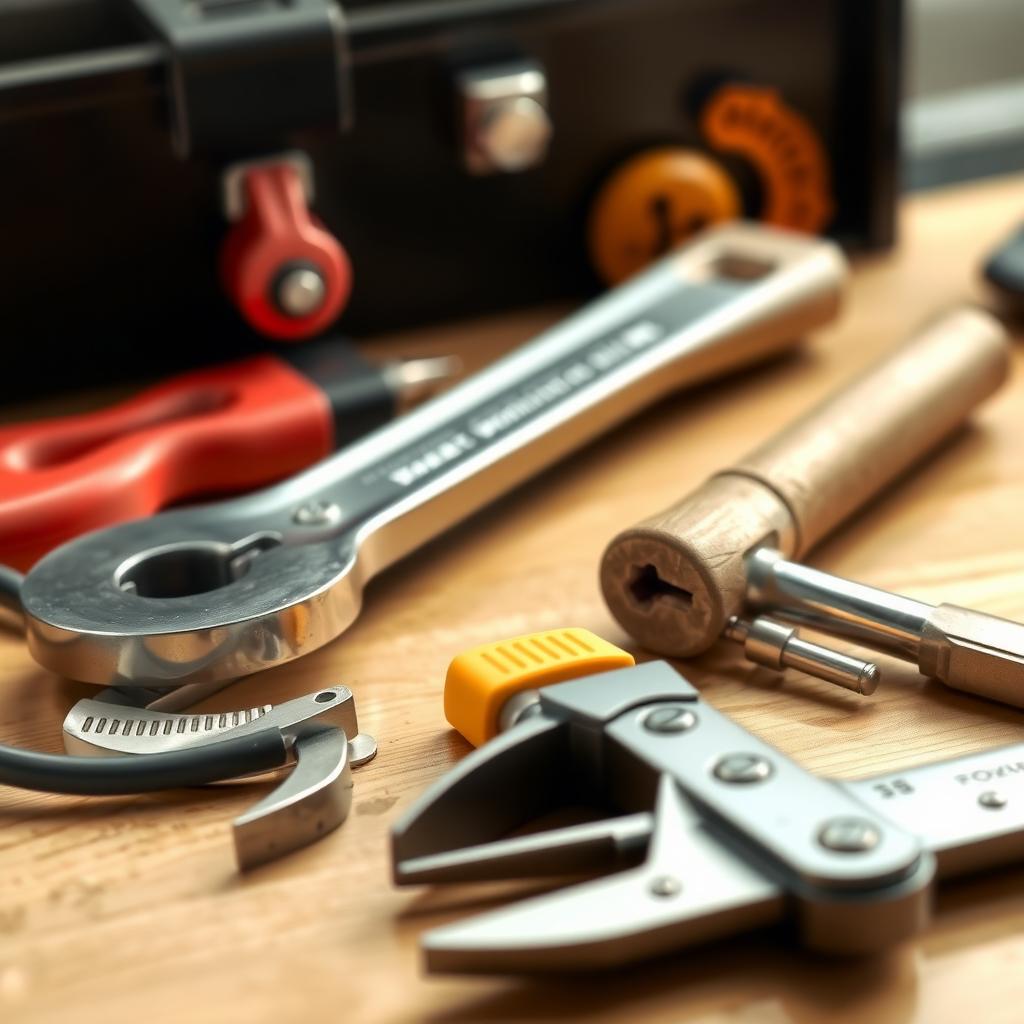
Cleaning is the first step in any advanced tool maintenance technique. Dirt, grease, and sawdust can wear down metal and clog moving parts. For hand tools like wrenches or pliers, I start by wiping them down with a damp cloth and mild soap. Avoid soaking metal tools in water—it invites rust. For stubborn grime, a wire brush works wonders.
Power tools need extra care. Unplug them first (safety first!), then use compressed air to blow out dust from vents and crevices. For drills or saws, check the manufacturer’s manual for specific cleaning instructions. I once revived a sluggish cordless drill just by cleaning its battery contacts with a cotton swab and rubbing alcohol.
Cleaning Checklist
- Hand Tools: Wipe with a damp cloth, dry thoroughly, and use a wire brush for rust.
- Power Tools: Use compressed air for dust, clean battery contacts, and inspect cords for wear.
- Cutting Tools: Remove sap or resin with a solvent like mineral spirits.
- Frequency: Clean after every major project or monthly for frequent use.
Preventing Rust: A Game-Changer
Rust is the enemy of workman tools. Living in a humid climate taught me this lesson fast. To keep rust at bay, store tools in a dry environment and use silica gel packets in your toolbox. After cleaning, I apply a thin layer of machine oil or WD-40 to metal surfaces. For long-term storage, consider a rust inhibitor spray—products like Boeshield T-9 are popular for a reason.
If rust has already set in, don’t panic. Light rust can be scrubbed off with steel wool and a bit of elbow grease. For heavier corrosion, soak the tool in white vinegar for 24 hours, then scrub and dry.
Sharpening for Precision
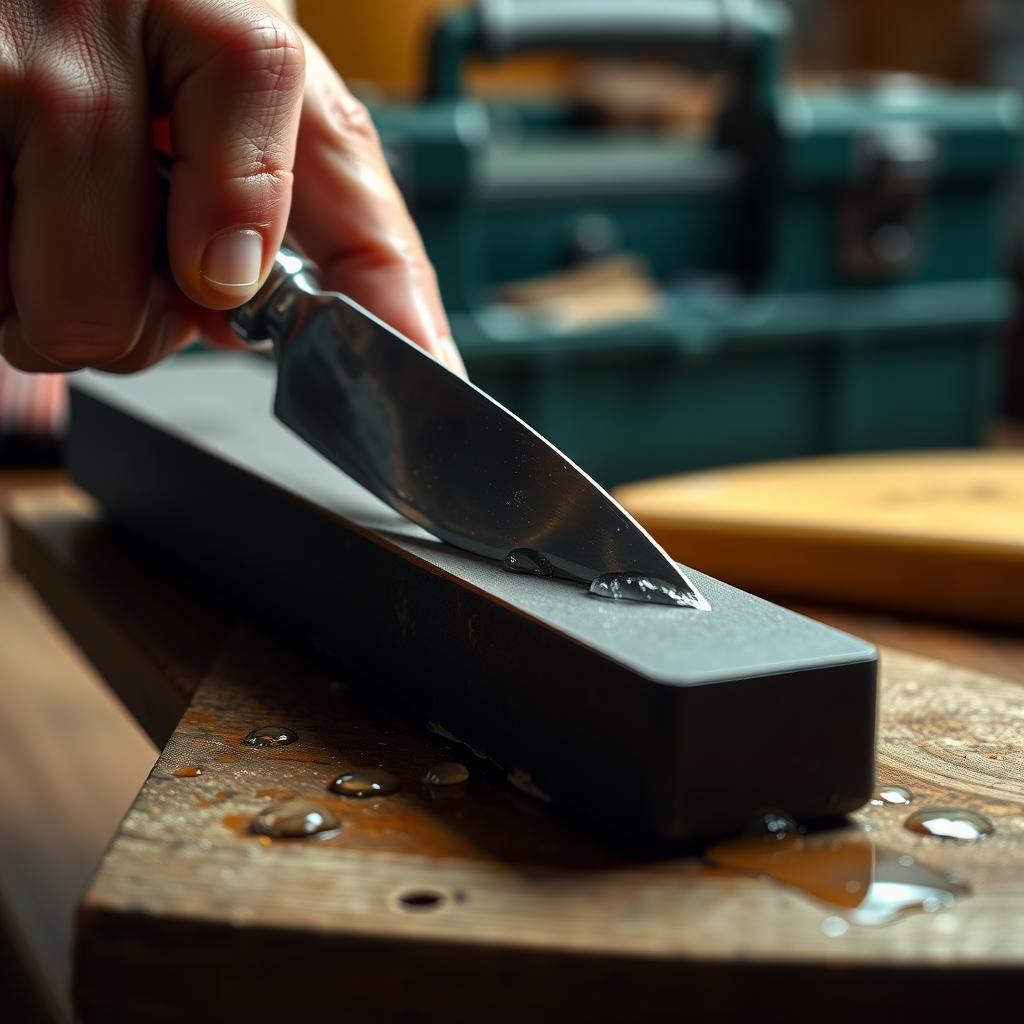
Dull tools are frustrating and dangerous. Whether it’s a chisel, knife, or lawnmower blade, keeping edges sharp is a core part of how to maintain your tools for longevity. I use a whetstone for hand tools, starting with a coarse grit and moving to a finer one for a razor-sharp edge. For power tool blades, like circular saws, I recommend professional sharpening services unless you’re comfortable with a bench grinder.
Pro Tip: Always test sharpness on scrap material before using the tool on a project. A sharp tool should cut cleanly without excessive force.
Proper Storage: Protect Your Investment
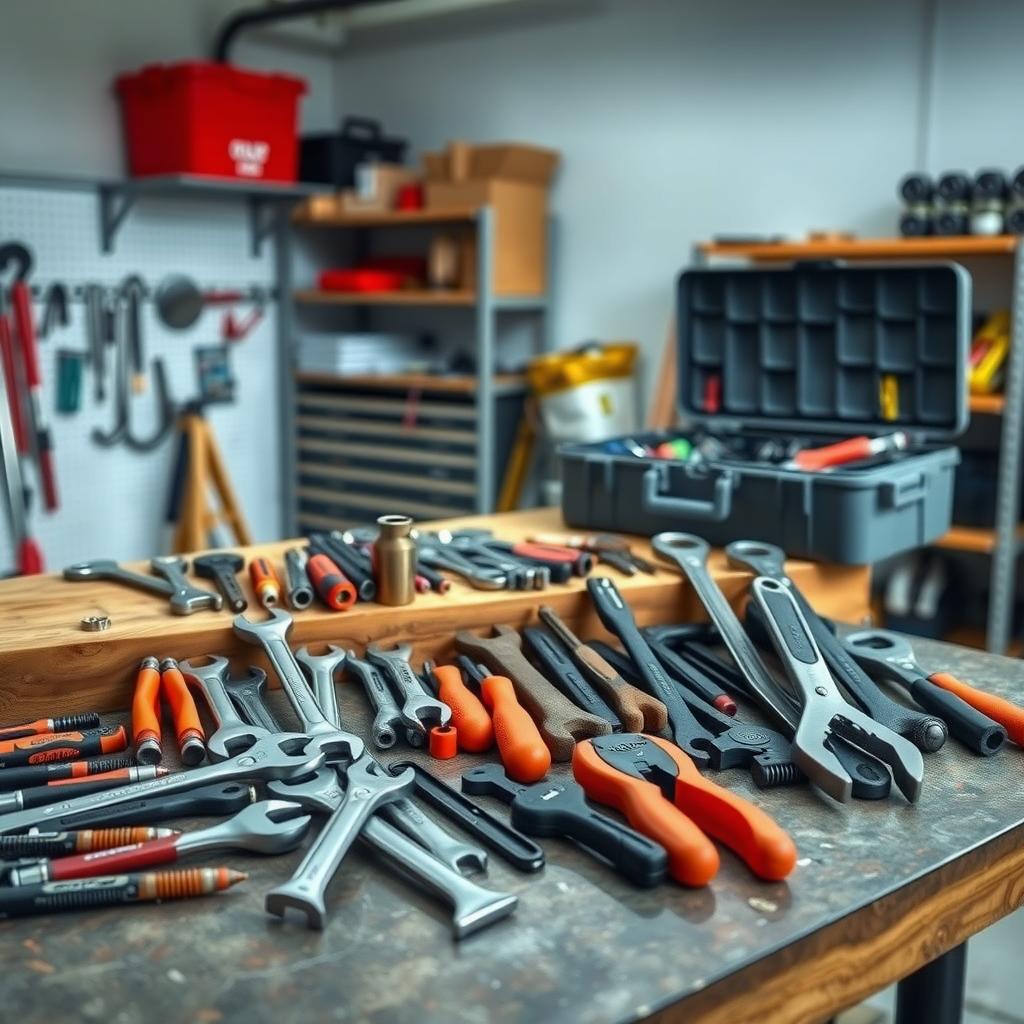
Storage is where many beginners go wrong. Tossing tools into a pile invites damage, so investing in a quality toolbox is key. For workman tools for beginners, a basic toolbox with compartments works fine. I prefer a rolling toolbox with drawers for larger collections—it keeps everything organized and accessible.
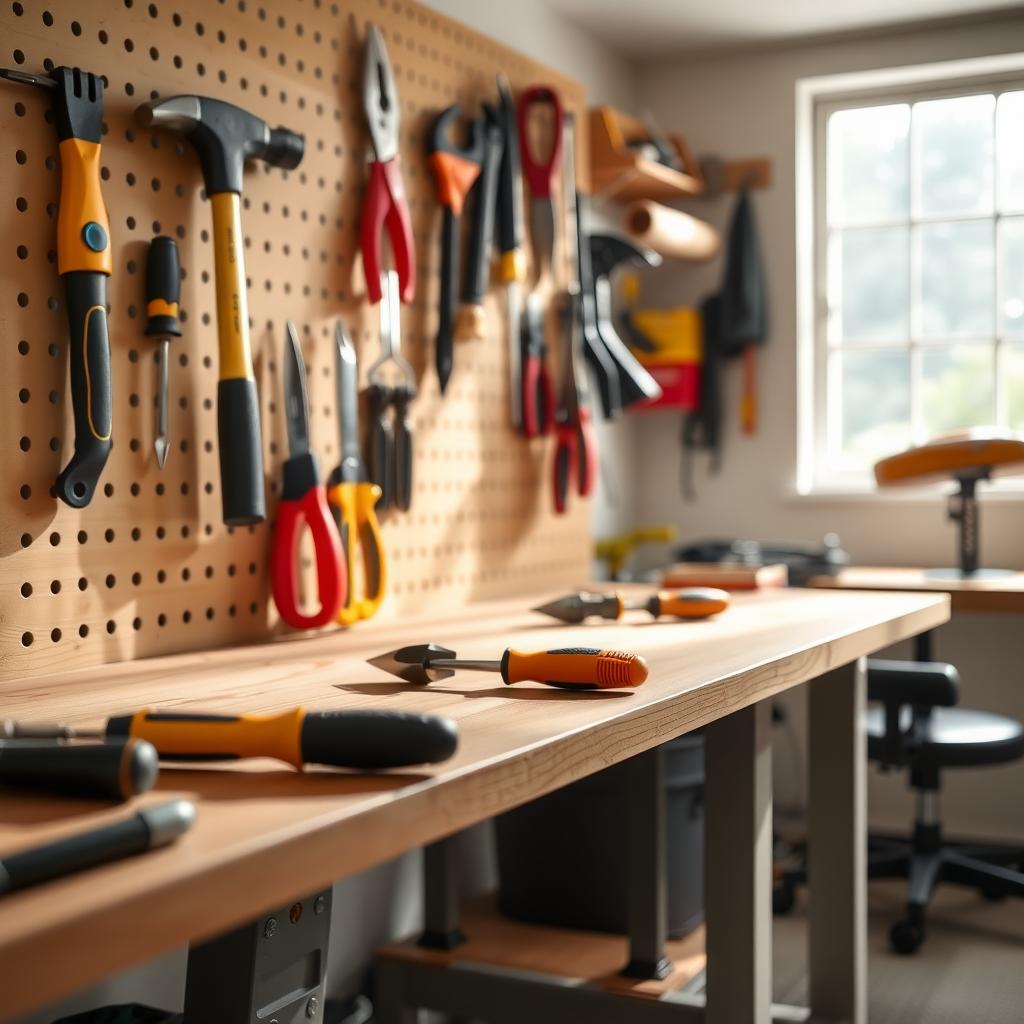
For power tools, store them in their original cases or padded bags to prevent dust and impact damage. Wall-mounted racks or pegboards are great for hand tools, keeping them visible and rust-free. Always store tools in a dry, cool place, away from extreme temperatures.
Storage Solutions Table
| Tool Type | Recommended Storage | Tips |
|---|---|---|
| Hand Tools | Toolbox or pegboard | Use foam inserts for organization |
| Power Tools | Original case or padded bag | Remove batteries before storage |
| Cutting Tools | Blade guards or sheaths | Store vertically to avoid dulling |
| Small Accessories | Compartmentalized toolbox | Label compartments for easy access |
Regular Inspections: Catch Issues Early
A quick inspection can catch problems before they escalate. Every few months, I check my tools for wear, loose parts, or damage. For hand tools, look for bent handles or chipped edges. For power tools, inspect cords, switches, and blades. If something feels off—like a rattling drill chuck—fix it immediately or consult a professional.
Beginner Tip: If you’re new to workman tools for beginners, start with a simple checklist. Look for rust, test moving parts, and ensure handles are secure. This habit will save you headaches down the road.
Lubrication: Keep Things Moving
Moving parts, like those on pliers or adjustable wrenches, need lubrication to stay smooth. I use a light machine oil for metal-on-metal contact and silicone spray for plastic components. Apply sparingly—too much oil attracts dust. For power tools, check the manual for specific lubrication points, like gears or bearings. Regular lubrication reduces wear and keeps tools feeling like new.
Calibration for Accuracy
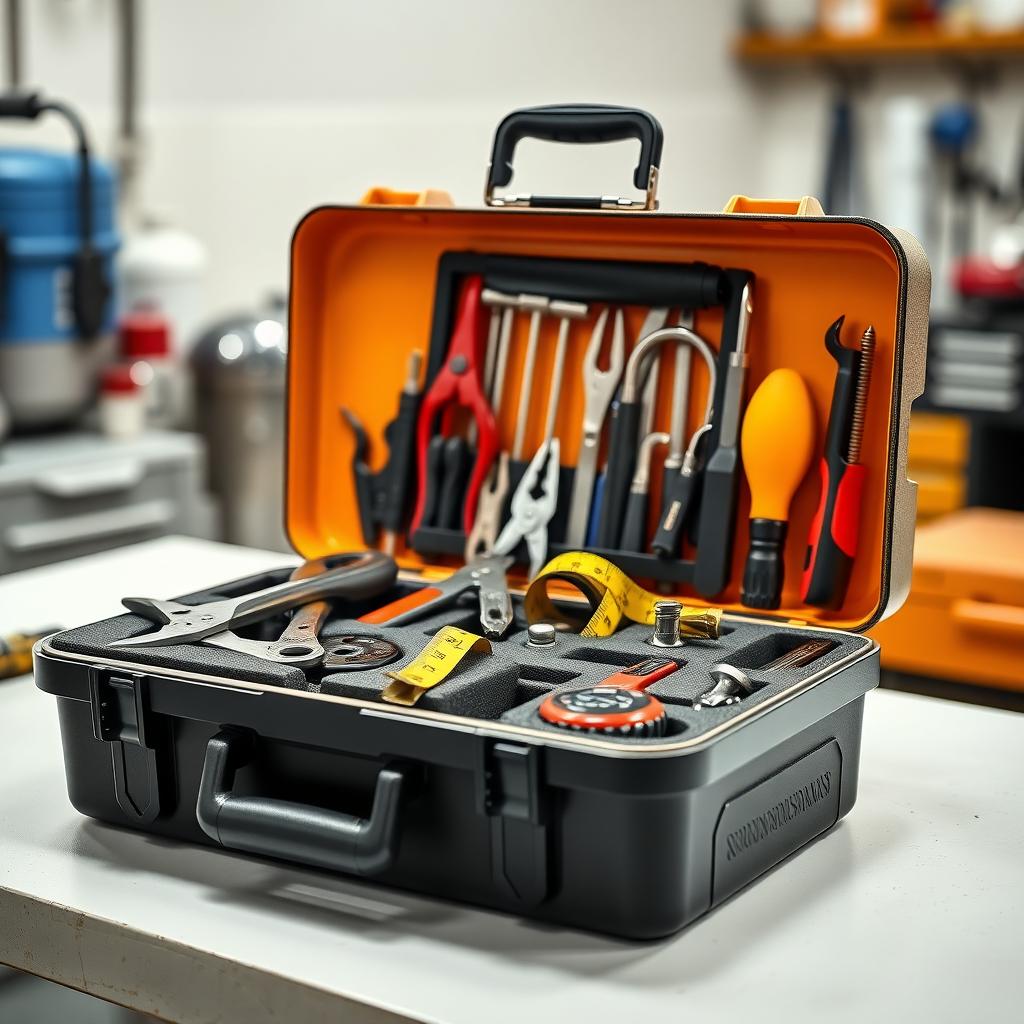
Tools like levels, tape measures, or laser guides can lose accuracy over time. I once built a crooked shelf because I trusted a misaligned level—lesson learned. Check calibration regularly. For tape measures, ensure the end hook moves slightly (it’s designed to). For levels, test against a known flat surface. If a tool’s off, replace it or have it recalibrated by a professional.
Advanced Tips for Power Tools
Power tools require extra attention due to their complexity. Always unplug them before maintenance. Check brushes and bearings for wear, and replace them as needed. For cordless tools, store batteries at a partial charge (around 40%) to extend their lifespan. I also keep a log of when I service each tool—it helps me stay on top of maintenance schedules.
Common Mistakes to Avoid
- Skipping Cleaning: Even one project’s worth of grime can start corrosion.
- Improper Storage: Leaving tools in a damp garage invites rust.
- Ignoring Small Issues: A loose screw or slight wobble can become a bigger problem.
- Over-Lubricating: Excess oil attracts dirt, gumming up moving parts.
Summary
Mastering advanced tool maintenance techniques is about building habits—cleaning after use, storing properly, and checking for wear. Whether you’re using workman tools for beginners or professional-grade equipment, these steps ensure your tools stay reliable and last for years. A well-maintained toolbox isn’t just a collection of tools; it’s a foundation for great work.
Related Advanced Tool Maintenance Techniques:
- How to Choose the Right Power Washer for Your Needs
- Types of Hammers for Different Projects: Choosing the Right Tool
- Essential Safety Tips for Electrical Work: A Comprehensive Guide
- Ergonomic Tips for Woodworkers: Crafting Comfortably and Safely
- The Beginner's Guide to Essential Tools for Your First DIY Project
- Comprehensive Guide to Electrical Tools: Must-Haves for Every Workman
- Essential Workman Tools for Home Renovations: Your Ultimate Guide
- Ergonomics Beyond Tools: A Workshop Guide for Comfort and Efficiency
- The Ultimate Guide to Workman Tools for Automotive Repair
- Revolutionizing Home Painting: How AI-Powered Tools Boost Efficiency
- Decluttering Your Life: Tips for a More Organized Home and Mind
- How to Organize Your Toolbox Like a Pro