Overview: Understanding Hammers for Every Task
Hammers are essential workman tools, versatile and timeless, found in nearly every toolbox. Whether you're a DIY enthusiast or a professional, knowing the types of hammers for different projects can make or break your work. This guide dives into the most common hammers, their unique purposes, and practical tips for choosing the right one.
Why Hammers Matter
Hammers are more than just blunt instruments; they’re precision tools when used correctly. I remember my first home renovation project—trying to drive a nail with a cheap, flimsy hammer. It was frustrating, and the results were sloppy. The right hammer ensures efficiency, safety, and a job well done. With so many types available, each designed for specific tasks, understanding their differences is key.
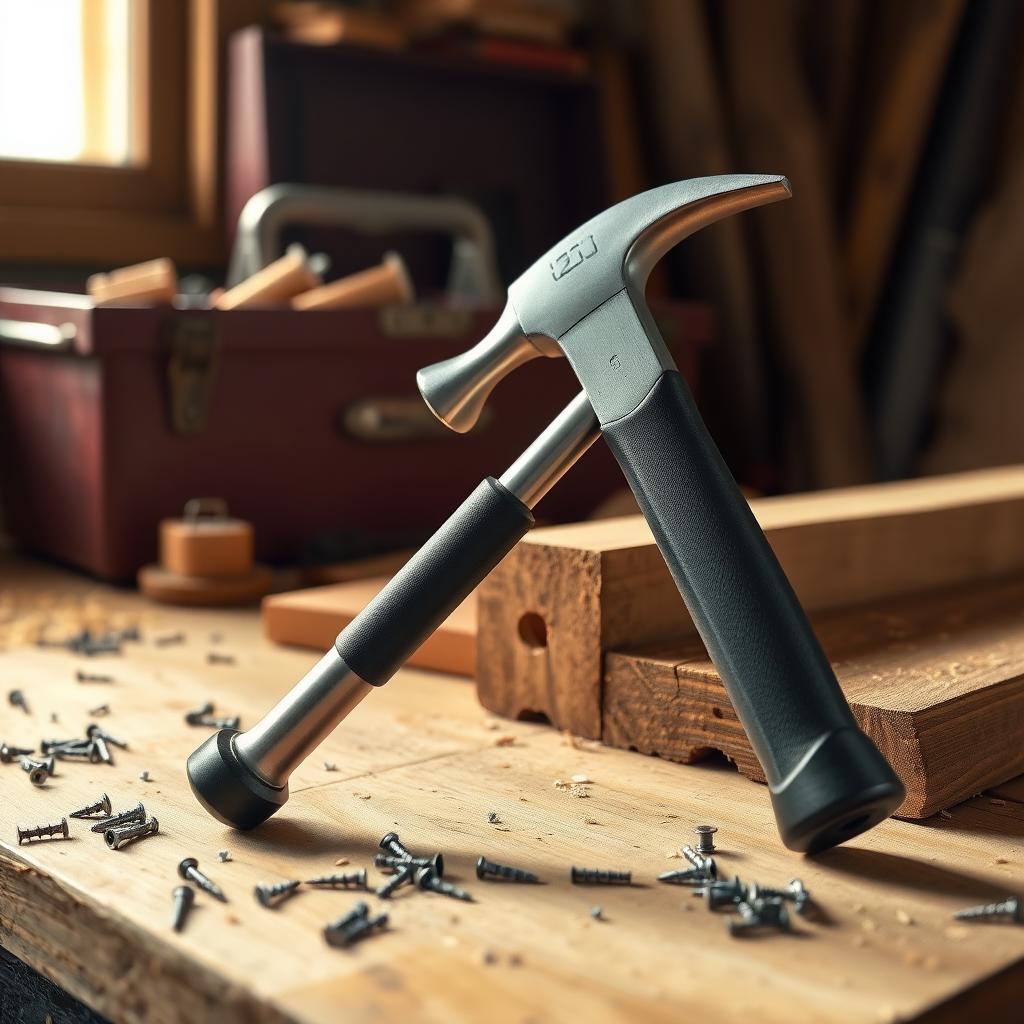
Claw Hammer: The All-Purpose Classic
The claw hammer is the go-to for most households. Its flat, round head drives nails into wood, while the curved, claw-like end pulls them out. I’ve used a claw hammer for everything from hanging picture frames to building a backyard deck. It’s versatile but shines in woodworking and light construction.
- Best for: General carpentry, nail removal, light demolition
- Weight: Typically 16-20 ounces
- Tip: Choose a hammer with a comfortable grip, like rubber or fiberglass, to reduce hand fatigue.
Sledgehammer: Power for Heavy-Duty Tasks
When brute force is needed, the sledgehammer steps in. Its long handle and heavy head deliver powerful blows, perfect for demolition or driving stakes. I once helped a friend tear down an old shed, and the sledgehammer made quick work of stubborn concrete posts. It’s not subtle, but it’s effective.
- Best for: Demolition, driving large stakes, breaking concrete
- Weight: 2-20 pounds
- Tip: Use both hands and let the hammer’s weight do the work to avoid strain.
Ball Peen Hammer: Precision for Metalwork
The ball peen hammer, with its rounded end opposite a flat striking face, is a favorite for metalworking. I’ve seen blacksmiths and jewelers use it to shape metal or set rivets. Its precision makes it ideal for tasks requiring controlled strikes.
- Best for: Metal shaping, riveting, chiseling
- Weight: 4-32 ounces
- Tip: Start with light taps to gauge force, especially on delicate materials.
Framing Hammer: Built for Construction
Framing hammers are heavier than claw hammers, with a longer handle and a milled face for better grip on nails. I borrowed one for a barn-raising project, and its power made framing walls a breeze. It’s a must for serious construction projects.
- Best for: Framing houses, heavy carpentry
- Weight: 20-32 ounces
- Tip: Look for a straight claw for prying apart lumber.
Mallet: Gentle but Firm
Unlike metal hammers, mallets have softer heads, often made of rubber, wood, or plastic. They’re perfect for tasks where you don’t want to damage the surface, like assembling furniture or driving chisels. I used a rubber mallet to tap together a bookshelf without leaving dents.
- Best for: Woodworking, furniture assembly, chiseling
- Weight: 8-32 ounces
- Tip: Match the mallet material to the task—rubber for delicate surfaces, wood for chisels.
Specialty Hammers: Niche Tools for Unique Jobs
Some projects call for specialized hammers. Here are a few worth knowing:
| Hammer Type | Best For | Key Feature |
|---|---|---|
| Tack Hammer | Upholstery, small nails | Lightweight, magnetic head |
| Drywall Hammer | Drywall installation | Hatchet-like edge for scoring |
| Brick Hammer | Masonry, bricklaying | Chisel end for cutting bricks |
| Dead Blow Hammer | Automotive, non-marring strikes | Sand-filled head to reduce recoil |
I once tried using a claw hammer for upholstery—big mistake. A tack hammer would’ve saved me hours of frustration.
Choosing the Right Hammer for Your Project
Selecting the right hammer depends on your project’s needs. Here’s a quick guide:
- Light DIY (e.g., picture hanging): Claw hammer or tack hammer
- Heavy construction: Framing hammer or sledgehammer
- Metalwork: Ball peen hammer
- Delicate tasks: Mallet or dead blow hammer
Consider the hammer’s weight, handle material, and grip. Fiberglass handles are durable and reduce vibration, while wooden handles feel classic but may splinter over time.
Practical Tips for Using Hammers Effectively
Using a hammer seems straightforward, but technique matters. Here are some tips I’ve learned:
- Grip firmly but not too tight: Hold the handle near the end for better leverage.
- Aim carefully: Start with light taps to set the nail before swinging harder.
- Protect your hands: Wear gloves to absorb shock, especially with heavy hammers.
- Maintain your tools: Check for loose heads or cracked handles to avoid accidents.
I once swung a sledgehammer too hard and missed—lesson learned: control is more important than force.
Safety First: Avoiding Common Mistakes
Hammers are simple but can cause injury if mishandled. Always wear safety glasses to protect against flying debris. Keep your work area clear to avoid tripping. And never use a damaged hammer—cracked handles or loose heads can lead to dangerous mishaps. I’ve seen a loose hammerhead fly off mid-swing, narrowly missing a coworker.
Where to Learn More
If you’re curious about hammers or workman tools, check out reputable sources like Popular Mechanics for tool reviews or Fine Woodworking for woodworking tips. These sites offer practical advice for both beginners and pros.
Summary: Your Hammer, Your Project
Hammers are indispensable workman tools, and knowing the types of hammers for different projects ensures you get the job done right. From claw hammers for everyday tasks to sledgehammers for heavy-duty work, each has a purpose. Choose wisely, swing safely, and your projects will come together smoothly.
Related types of hammers for different projects:
- Essential Safety Tips for Electrical Work: A Comprehensive Guide
- Ergonomic Tips for Woodworkers: Crafting Comfortably and Safely
- The Beginner's Guide to Essential Tools for Your First DIY Project
- Comprehensive Guide to Electrical Tools: Must-Haves for Every Workman
- Essential Workman Tools for Home Renovations: Your Ultimate Guide
- Ergonomics Beyond Tools: A Workshop Guide for Comfort and Efficiency
- The Ultimate Guide to Workman Tools for Automotive Repair
- Revolutionizing Home Painting: How AI-Powered Tools Boost Efficiency
- Decluttering Your Life: Tips for a More Organized Home and Mind
- How to Organize Your Toolbox Like a Pro
- Essential Workman Tools for Every DIY Enthusiast
- Essential Screwdrivers for Mechanics: Your Guide to the Best Workman Tools