Overview: Building Your DIY Toolkit
Every DIY enthusiast needs a solid set of tools to tackle projects with confidence. Whether you're fixing a leaky faucet or building a bookshelf, having the right workman tools makes all the difference. This guide dives into the essentials, sharing practical advice and personal insights to help you create a toolkit that’s ready for anything.
Why Every DIYer Needs a Quality Toolkit
Starting a DIY project without the right tools is like cooking without ingredients—it’s frustrating and the results won’t be great. Over the years, I’ve learned that investing in quality workman tools saves time, money, and headaches. A well-stocked toolkit empowers you to handle repairs, builds, and creative projects with ease. Let’s break down the must-haves for every DIY enthusiast.
Hammers: The Foundation of Any Toolkit
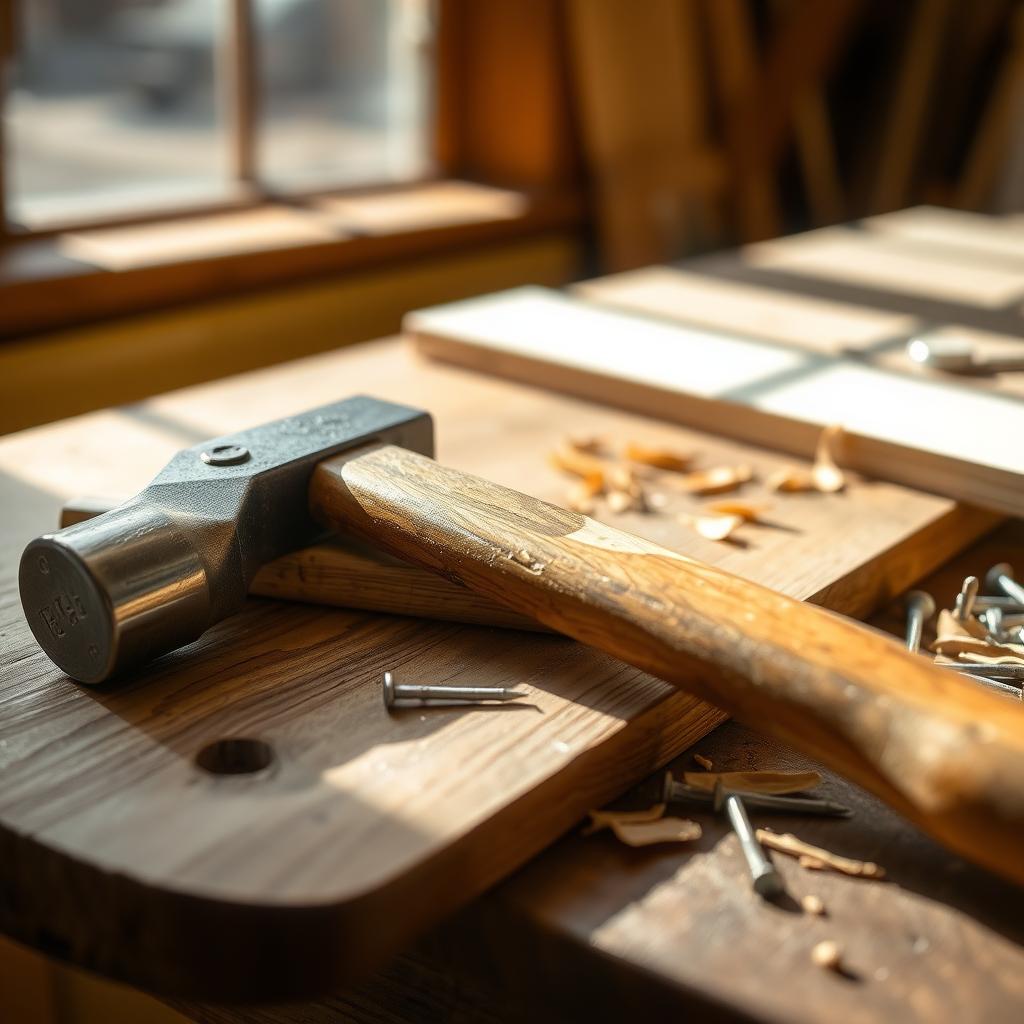
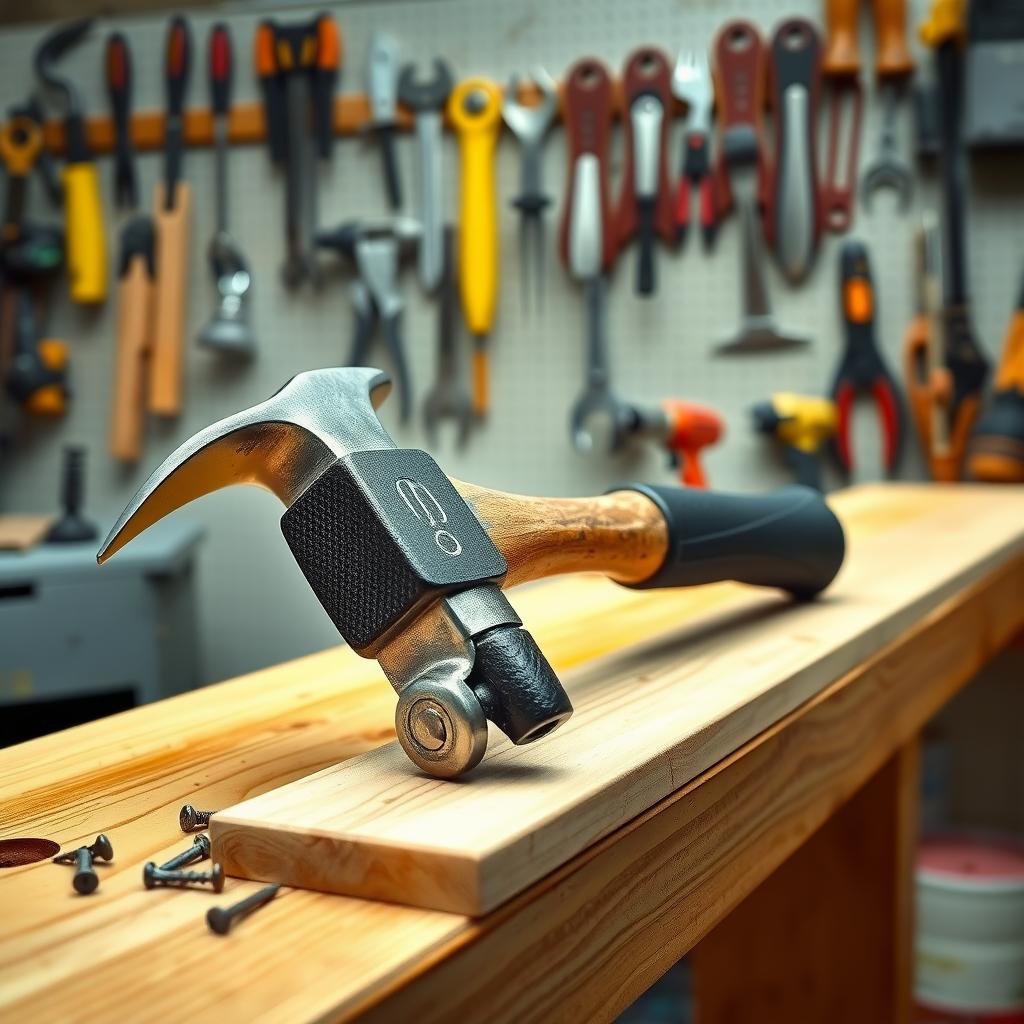
A hammer is the backbone of any DIY toolkit. I remember my first project—a simple picture frame—where a cheap hammer bent nails and left me frustrated. A good claw hammer, with a comfortable grip and solid weight (around 16-20 ounces), is versatile for driving nails and light demolition. Look for one with a forged steel head for durability.
Pro Tip
Choose a hammer with a textured grip to avoid slips during sweaty summer projects. Brands like Stanley or Estwing are reliable choices, built to last through years of use.
Screwdrivers: Precision and Versatility
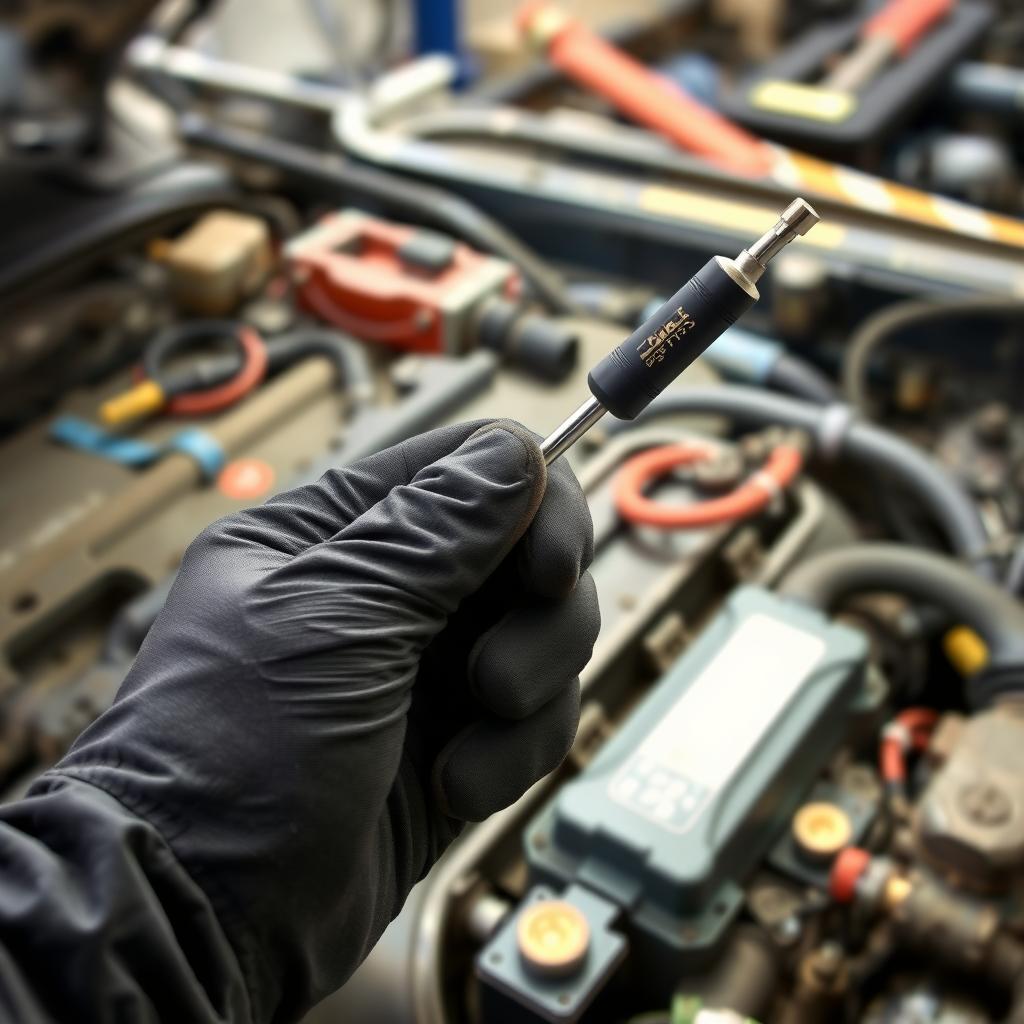
No toolkit is complete without a set of screwdrivers. I’ve tackled everything from assembling furniture to fixing electronics, and a good screwdriver set has never let me down. Opt for a multi-piece set with both Phillips and flathead tips in various sizes. Magnetic tips are a game-changer—they hold screws in place, making one-handed work easier.
My Go-To Choice
A 6-in-1 interchangeable screwdriver is compact and versatile, perfect for small spaces. It’s been a lifesaver when I’m working in tight corners, like under a sink.
Wrenches: Power for Tough Jobs
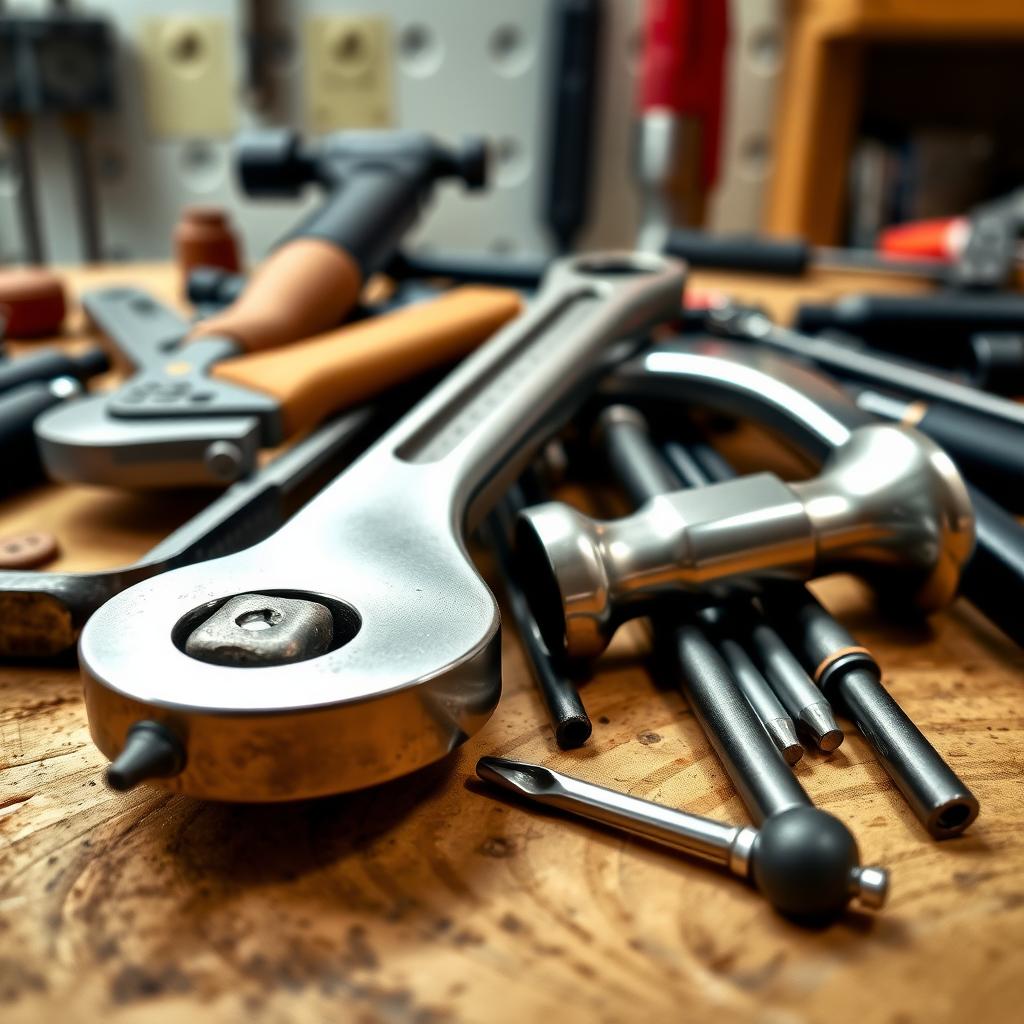
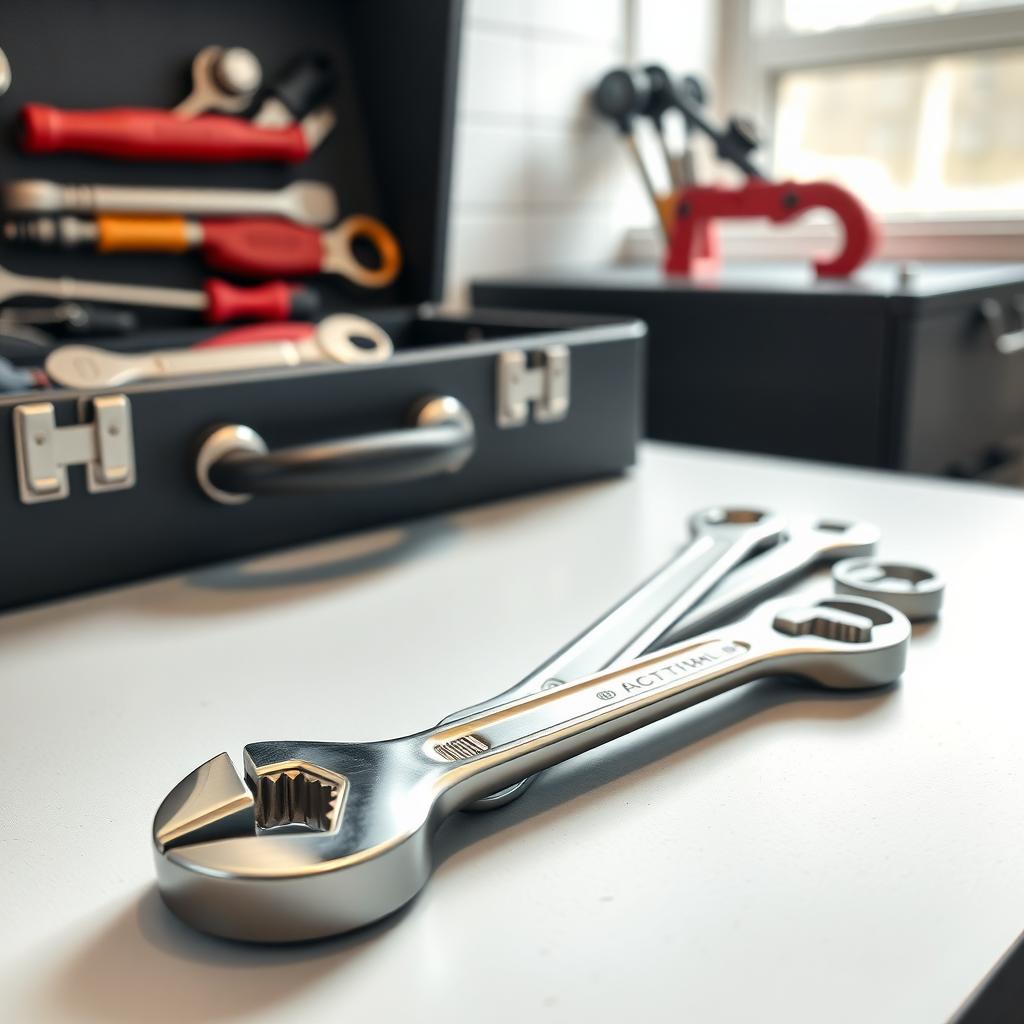
Wrenches are essential workman tools for every DIY enthusiast, especially for plumbing or automotive projects. Early in my DIY journey, I struggled with a rusty bolt under my sink because I didn’t have the right wrench. An adjustable wrench is a must for its flexibility, but a set of combination wrenches (with open and box ends) offers precision for specific sizes.
How to Choose the Right Wrench Size
Choosing the right wrench size can feel overwhelming with so many options. Here’s what I’ve learned: measure the bolt or nut with a caliper or ruler to determine its size in millimeters or inches. For example, a 10mm wrench fits a 10mm bolt. If you’re unsure, an adjustable wrench can handle most sizes, but for frequent tasks, invest in a set ranging from 6mm to 19mm. Always check the fit to avoid stripping the bolt—snug is safe.
Pliers: Grip and Control
Pliers are your best friend for gripping, twisting, and cutting. I’ve used needle-nose pliers for everything from pulling splinters to bending wire for crafts. A good set includes needle-nose, slip-joint, and cutting pliers. Look for models with cushioned handles for comfort during long projects.
Quick Hack
Keep a small pair of locking pliers (like Vice-Grips) handy. They’re perfect for holding bolts in place while you wrench them loose—a trick I wish I knew when I started.
Power Tools: Stepping Up Your Game
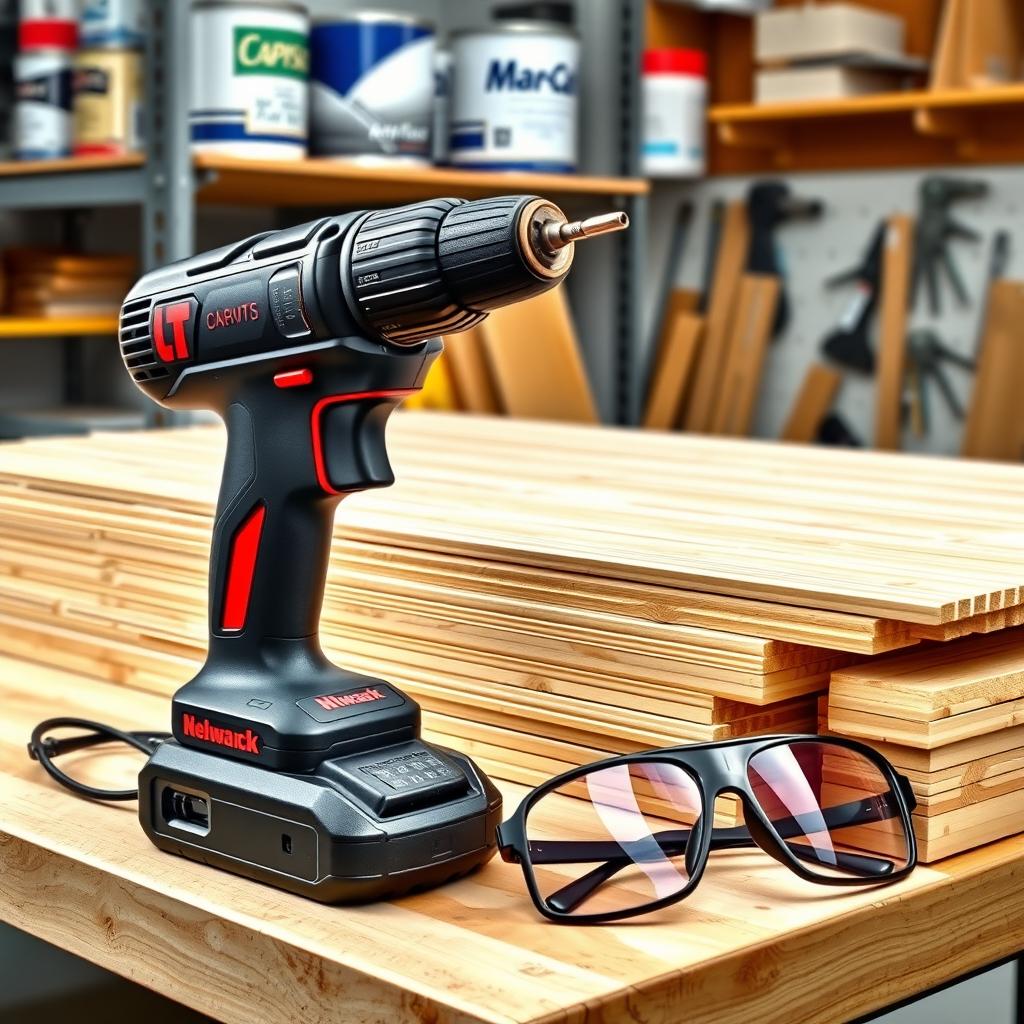
While hand tools are essential, power tools take your DIY projects to the next level. A cordless drill is my top pick—mine has drilled holes for shelves and driven screws into tough hardwood. Choose one with at least 18 volts and multiple speed settings for versatility. A circular saw is another great addition for cutting wood or metal with precision.
Safety First
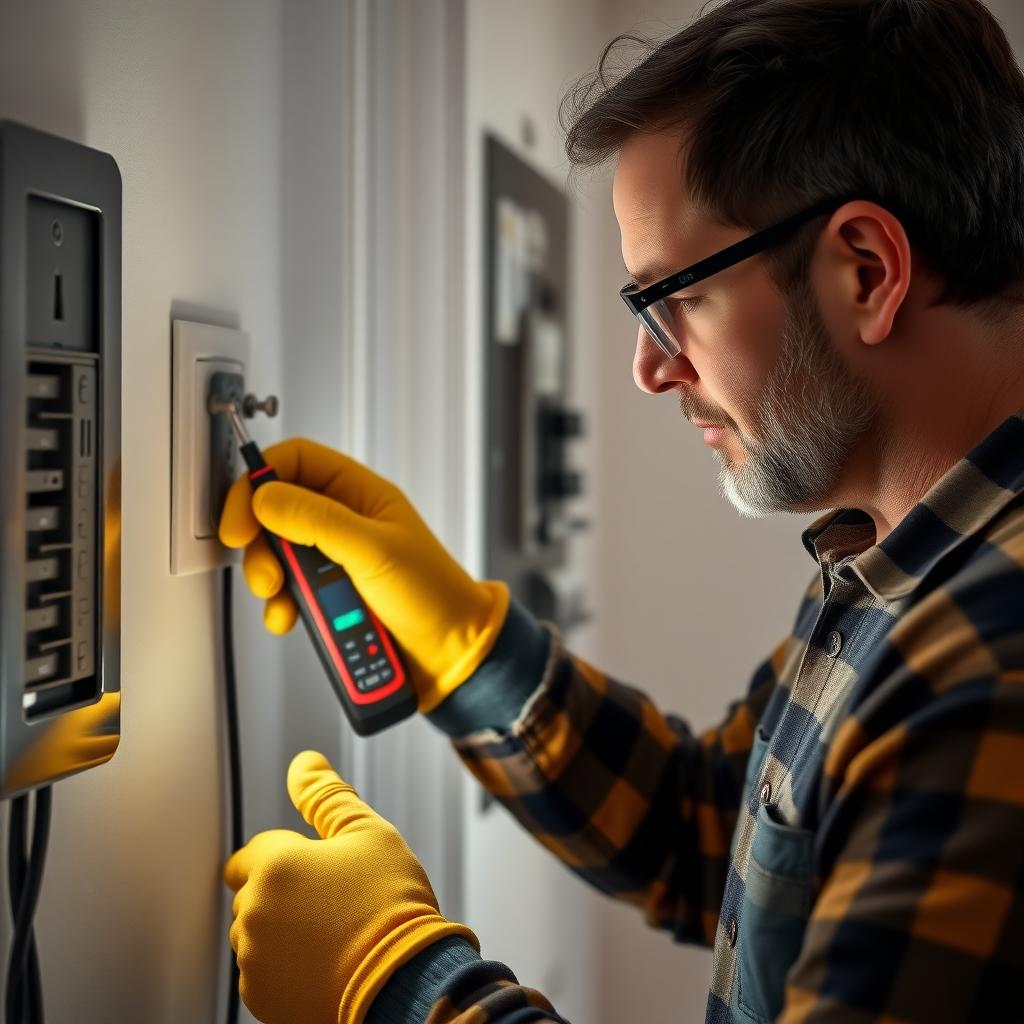
Always wear safety glasses when using power tools. I learned this the hard way when a wood chip flew too close for comfort during a cutting project.
Measuring Tools: Accuracy Matters
Accurate measurements are the foundation of successful DIY projects. A 25-foot tape measure is a staple for its portability and reach. I also recommend a level for ensuring straight lines—my crooked shelf from my early days taught me that lesson. For precision, a combination square is great for marking angles.
Table: Essential Measuring Tools
| Tool | Use Case | Why It’s Essential |
|---|---|---|
| Tape Measure | Measuring lengths | Portable, versatile for most projects |
| Level | Ensuring straight lines | Prevents crooked installations |
| Combination Square | Marking angles, checking depth | Ideal for woodworking and metalwork |
Tool Storage: Keeping It Organized
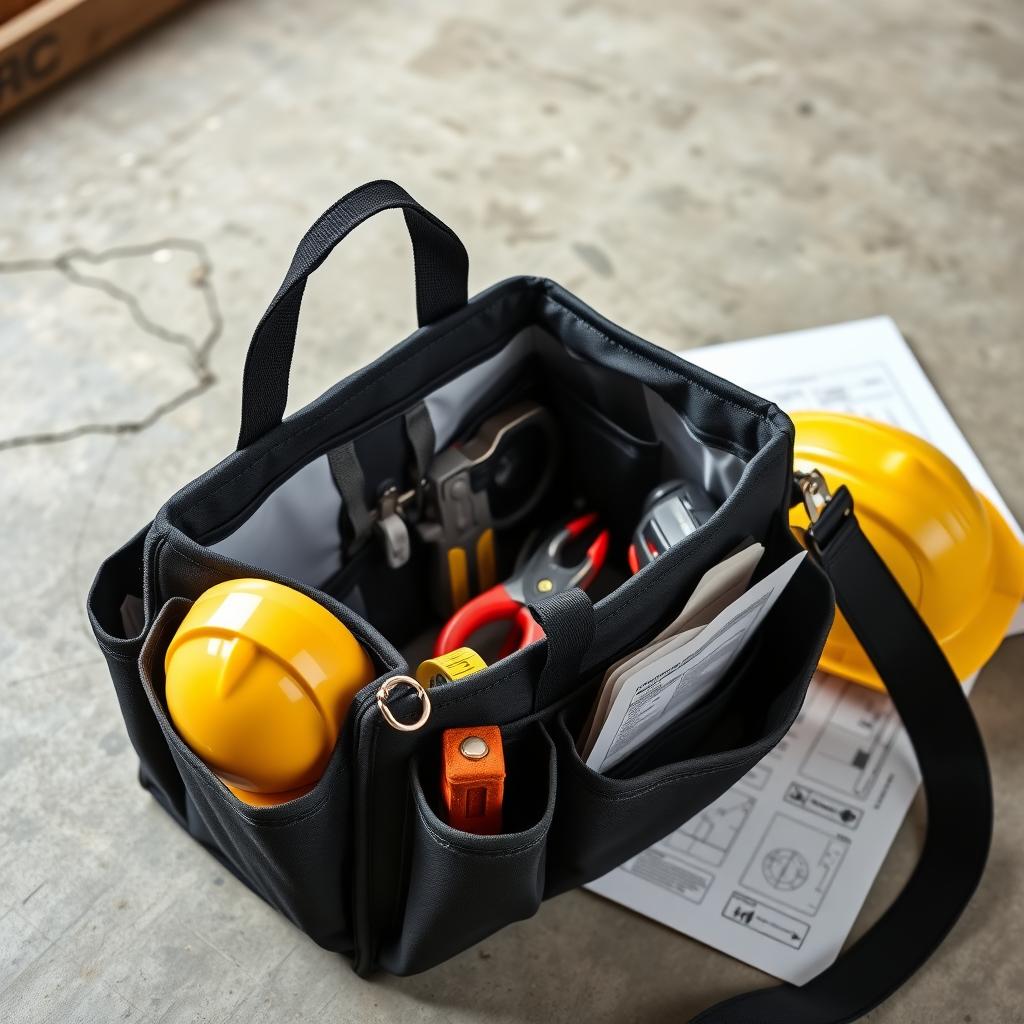
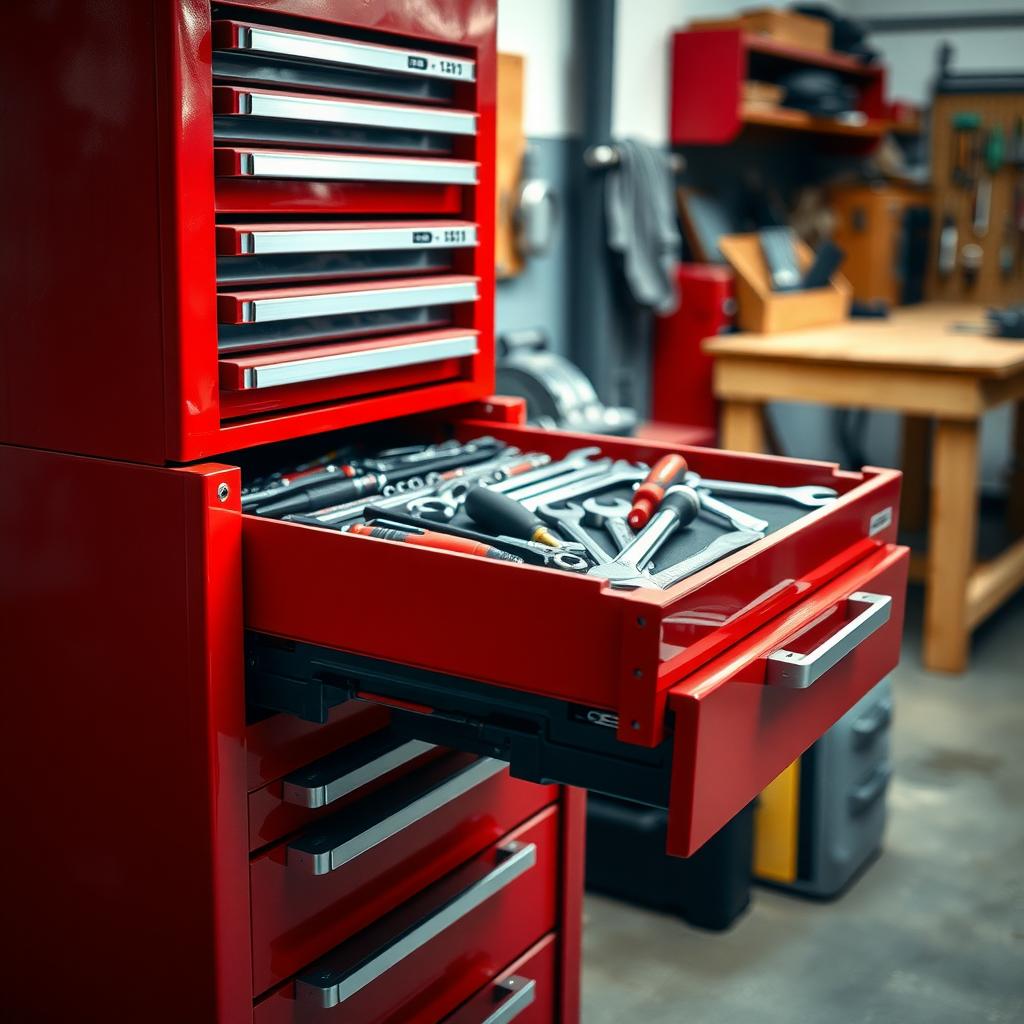
A cluttered toolbox is a DIYer’s worst enemy. I used to waste time digging through a messy bag for the right wrench. Now, I use a toolbox with compartments and a pegboard for hanging tools. It’s a small investment that saves hours and keeps your tools in good shape.
Personal Insights: Learning from Mistakes
When I started DIY projects, I bought cheap tools to save money. Big mistake. They broke quickly, and I ended up spending more to replace them. Quality matters—invest in durable brands like Craftsman or DeWalt. Also, don’t skip safety gear. A pair of gloves and safety glasses can prevent injuries that sideline your projects.
Where to Start as a Beginner
If you’re new to DIY, start with a basic kit: a hammer, screwdriver set, adjustable wrench, pliers, and a tape measure. As you gain experience, add power tools and specialized items. Check out resources like Family Handyman for project ideas and tool tips.
Summary: Your Path to DIY Success
Building a toolkit with essential workman tools for every DIY enthusiast sets you up for success. From choosing the right wrench size to investing in a reliable drill, these tools empower you to tackle any project. Start small, prioritize quality, and keep learning—your next masterpiece is just a tool away.
Related Essential Workman Tools for Every DIY Enthusiast:
- Top 10 Safety Tips for Using Power Tools: Expert Guide to Stay Safe and Efficient
- Advanced Woodworking Tools for DIY Enthusiasts: Essential Workman Tools for Every DIY Enthusiast
- How to Choose the Right Power Drill for Your Projects
- Essential Screwdrivers for Mechanics: Your Guide to the Best Workman Tools
- Troubleshooting Electrical Problems Made Easy: A Comprehensive Guide
- How to Choose the Best Toolbox for Your Needs
- The Evolution of Woodworking Tools: A Historical Overview
- The Ultimate Guide to Choosing Tool Sets for Automotive Repairs
- Tool Maintenance 101: Keep Your Gear in Top Shape
- Mastering the Art of Hammering: Techniques for Precision and Power
- Choosing the Right Workman Tools: A Comprehensive Guide
- Advanced Workman Tools for Professionals: Elevate Your Craft