Overview
Hammering is more than just swinging a tool—it's a skill that blends strength, control, and technique. Whether you're driving nails into wood or shaping metal, Mastering the Art of Hammering: Techniques for Precision and Power can elevate your work. This guide shares practical tips, safety advice, and personal insights to help you hammer like a pro.
Why Hammering Matters
A hammer is one of the most basic yet versatile tools in any workman’s kit. From framing houses to crafting furniture, it’s a go-to for countless tasks. But poor technique can lead to bent nails, damaged surfaces, or even injury. Mastering hammering means understanding your tool, your materials, and your own strength. Over years of woodworking, I’ve learned that a well-placed strike feels almost effortless, while a sloppy one can ruin a project. Let’s break down how to get it right.
How to Choose the Right Hammer for Your Project
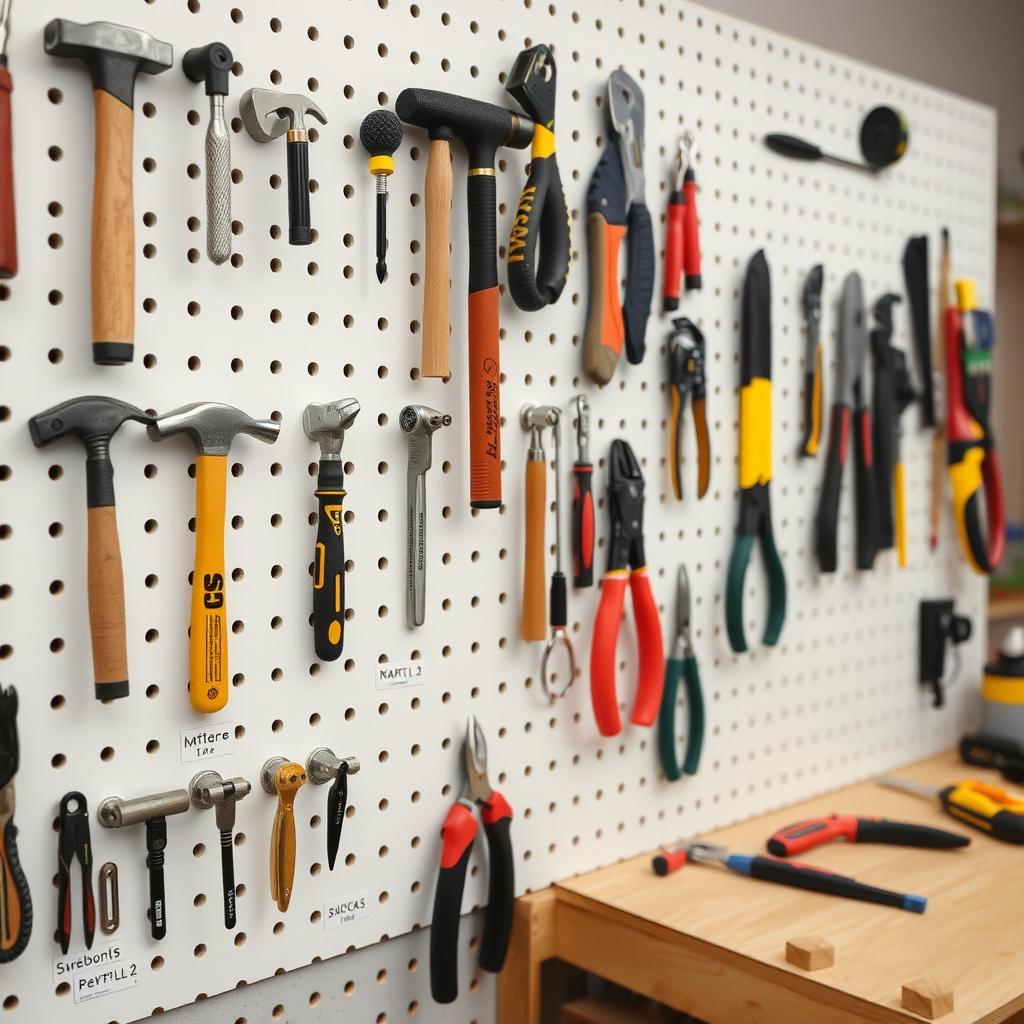
Not all hammers are created equal. The right hammer depends on your task, material, and even your grip strength. Here’s a quick guide to picking the perfect one:
- Claw Hammer: Ideal for carpentry, with a curved end for pulling nails. A 16-ounce model works for most home projects.
- Sledgehammer: Built for heavy-duty tasks like breaking concrete. Choose a lighter 2-4 pound version for control.
- Ball Peen Hammer: Perfect for metalwork, with a rounded end for shaping.
- Framing Hammer: Heavier (20-32 ounces) for driving large nails into wood during construction.
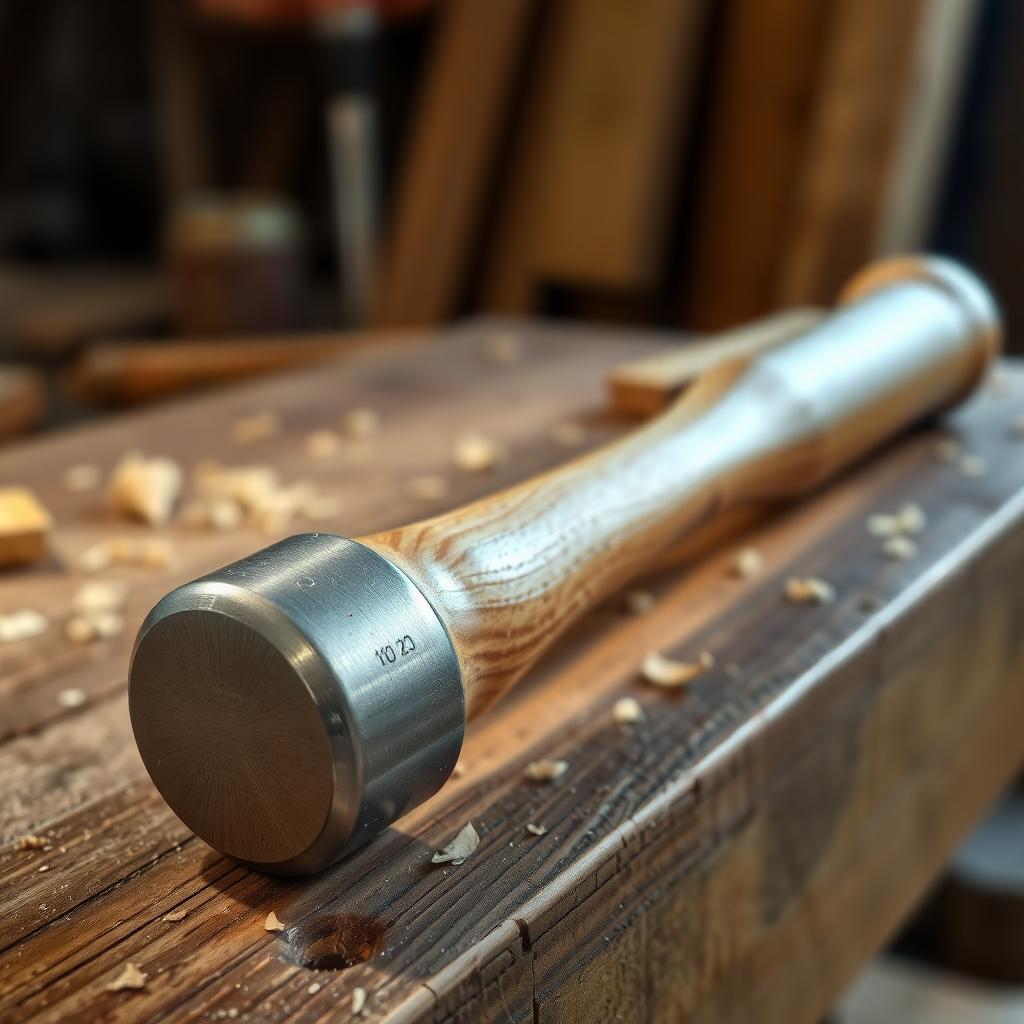
When choosing, hold the hammer and test its balance. A good hammer feels like an extension of your arm. For detailed advice, check out this guide from the University of Missouri Extension on selecting hand tools for woodworking.
Techniques for Precision Hammering
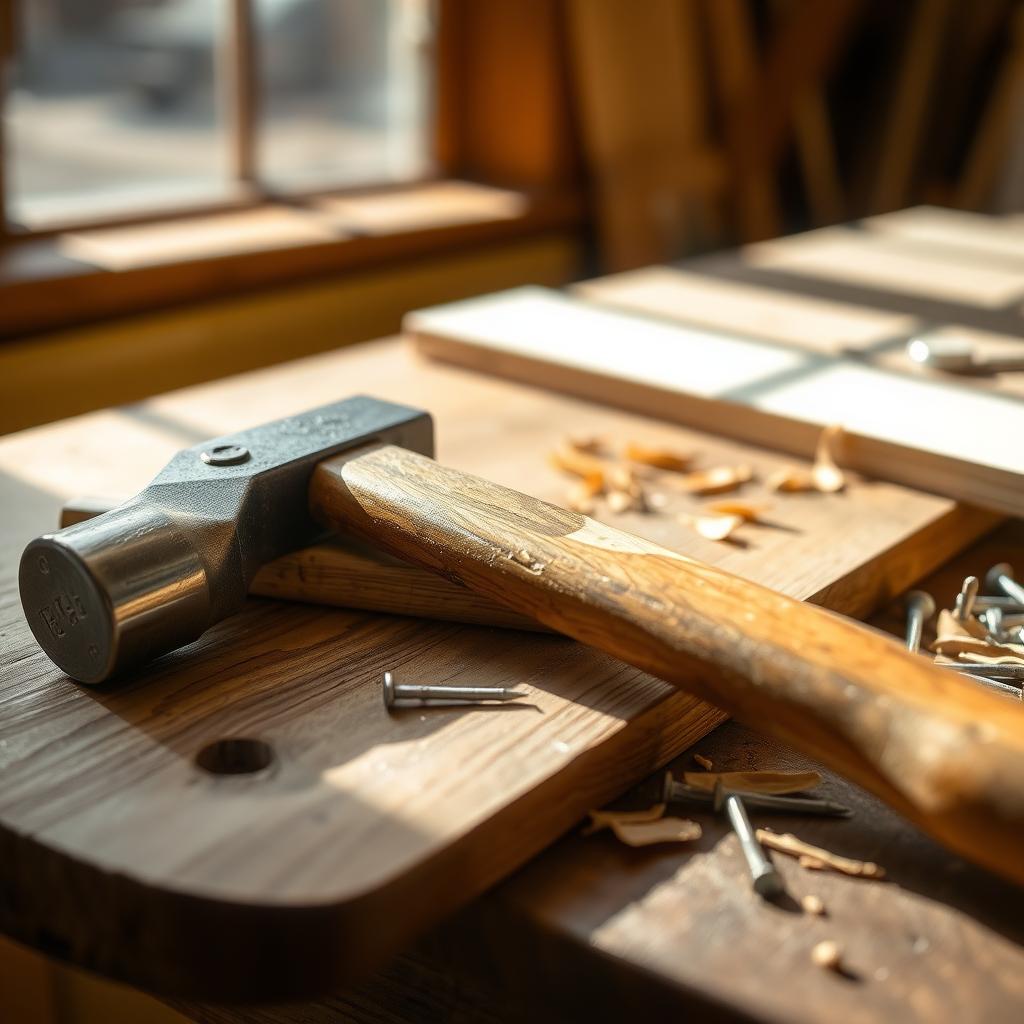
Precision is about control, not just force. Here are techniques I’ve honed over years of trial and error:
- Grip Properly: Hold the hammer near the end of the handle for maximum leverage. Keep your grip firm but relaxed to avoid strain.
- Aim Carefully: Line up the hammer’s face with the nail head. A slight angle can help drive the nail straight.
- Use Short, Controlled Swings: Start with light taps to set the nail, then increase force. Long swings often lead to misses.
- Follow Through: Let the hammer’s weight do the work. Imagine driving the nail through the material, not just into it.
One trick I learned early on: keep your eyes on the nail, not the hammer. It sounds simple, but it’s a game-changer for accuracy.
Techniques for Power Hammering
For tasks like breaking concrete or driving large spikes, power is key. Here’s how to maximize force without losing control:
- Use Your Body: Bend your knees and engage your core. The power comes from your whole body, not just your arm.
- Choose the Right Hammer: A sledgehammer or framing hammer is best for heavy tasks. Lighter hammers tire you out faster.
- Strike Flat: Ensure the hammer face hits squarely to transfer maximum force. Angled strikes waste energy.
I once spent a day splitting logs with a sledgehammer and wedge. By focusing on steady, full-body swings, I got through a pile in half the time.

How to Use Hammers Safely
Safety is non-negotiable when hammering. A single misstep can cause serious injury. Follow these Safety Tips Every Workman Should Know:
| Safety Tip | Why It Matters |
|---|---|
| Wear safety glasses | Protects eyes from flying debris or nail ricochet. |
| Inspect your hammer | A loose head or cracked handle can break mid-swing. |
| Keep your work area clear | Clutter increases the risk of tripping or missing your target. |
| Use the right hammer | The wrong tool can damage materials or cause strain. |
The Occupational Safety and Health Administration (OSHA) emphasizes checking tools for damage before use. I once saw a colleague’s hammerhead fly off mid-swing—luckily, no one was hurt, but it was a wake-up call.
Common Mistakes to Avoid
Even experienced workers make mistakes. Here are pitfalls I’ve encountered and how to dodge them:
- Overstriking: Hitting too hard bends nails or dents surfaces. Start light and build force.
- Poor Grip: Holding the hammer too tightly causes fatigue. Loosen up slightly.
- Ignoring Material: Hardwoods like oak need more force than soft pine. Adjust your swing accordingly.
I once dented a cherry tabletop because I didn’t account for its density. A lighter hammer and gentler taps would’ve saved me hours of sanding.
Top 10 Tools Every Workman Should Own
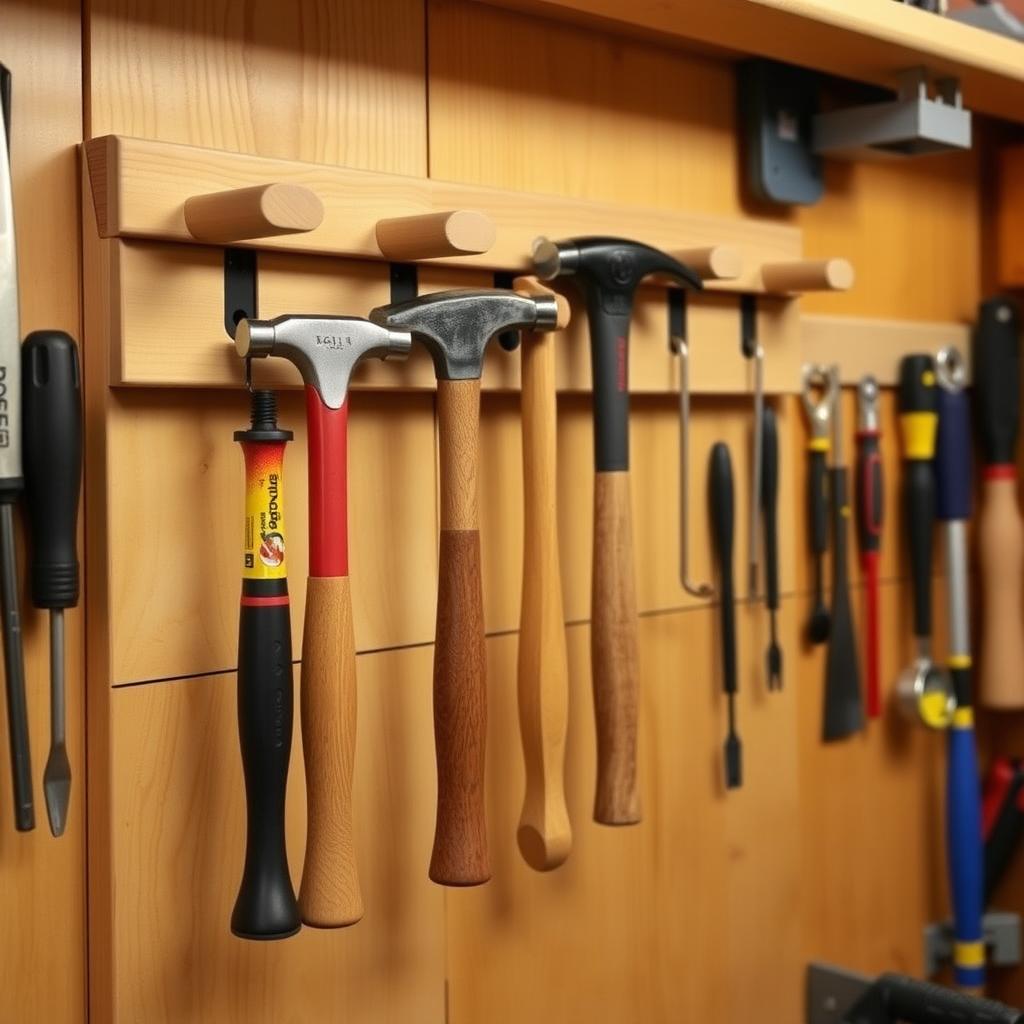
A hammer is just one piece of a well-rounded toolkit. Here’s a list of must-haves, based on my experience and recommendations from Fine Woodworking:
- Claw Hammer: For nails and light prying.
- Tape Measure: Precision starts with accurate measurements.
- Utility Knife: For clean cuts on materials.
- Level: Ensures your work is straight.
- Screwdriver Set: For screws of all sizes.
- Chisel Set: Essential for woodworking.
- Pliers: For gripping and twisting.
- Drill: Cordless for versatility.
- Safety Glasses: Protect your eyes.
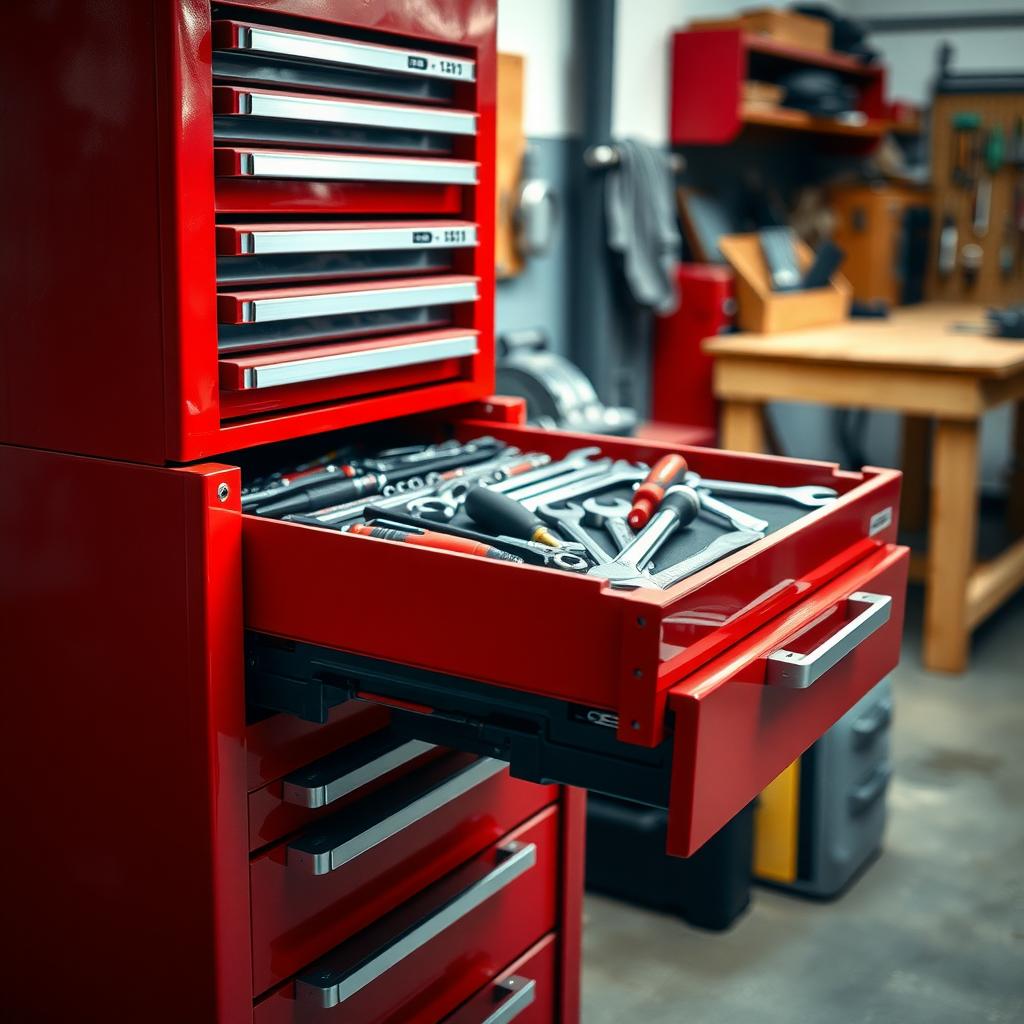
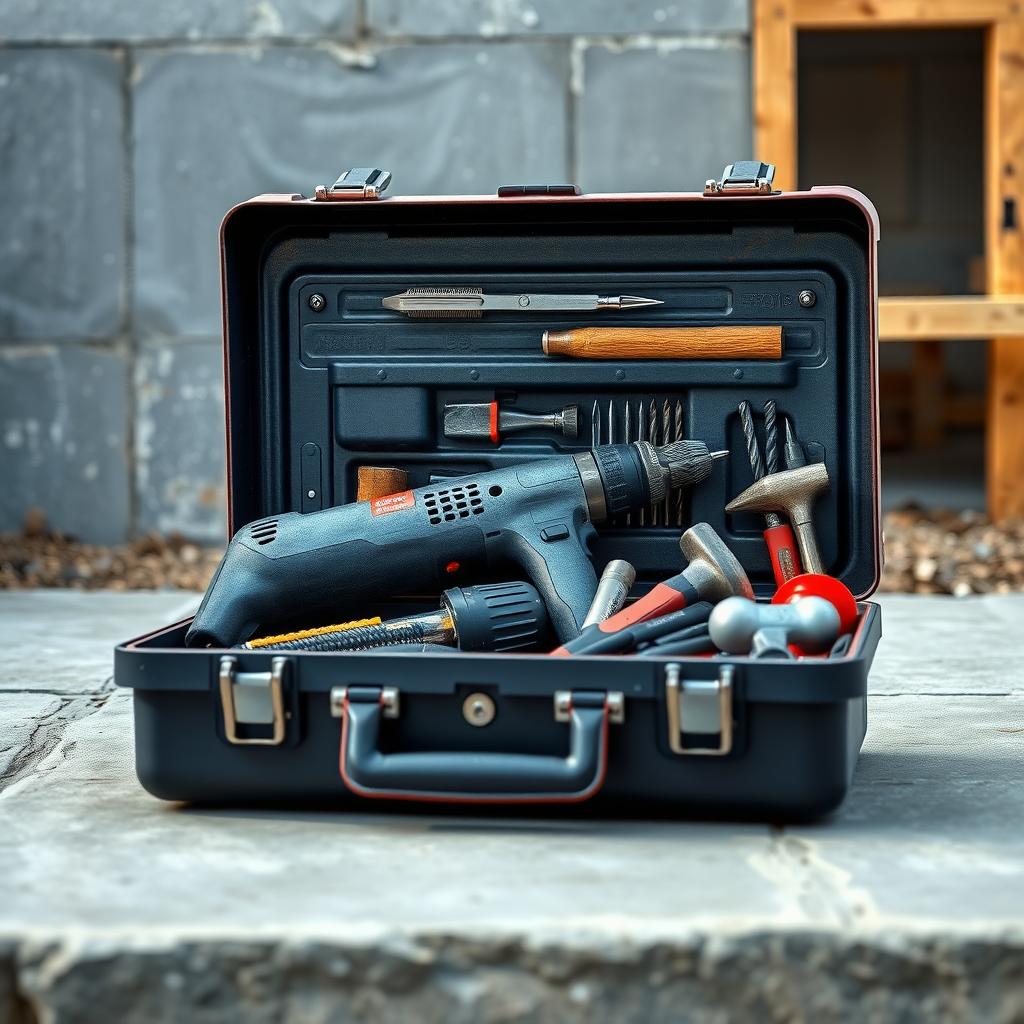
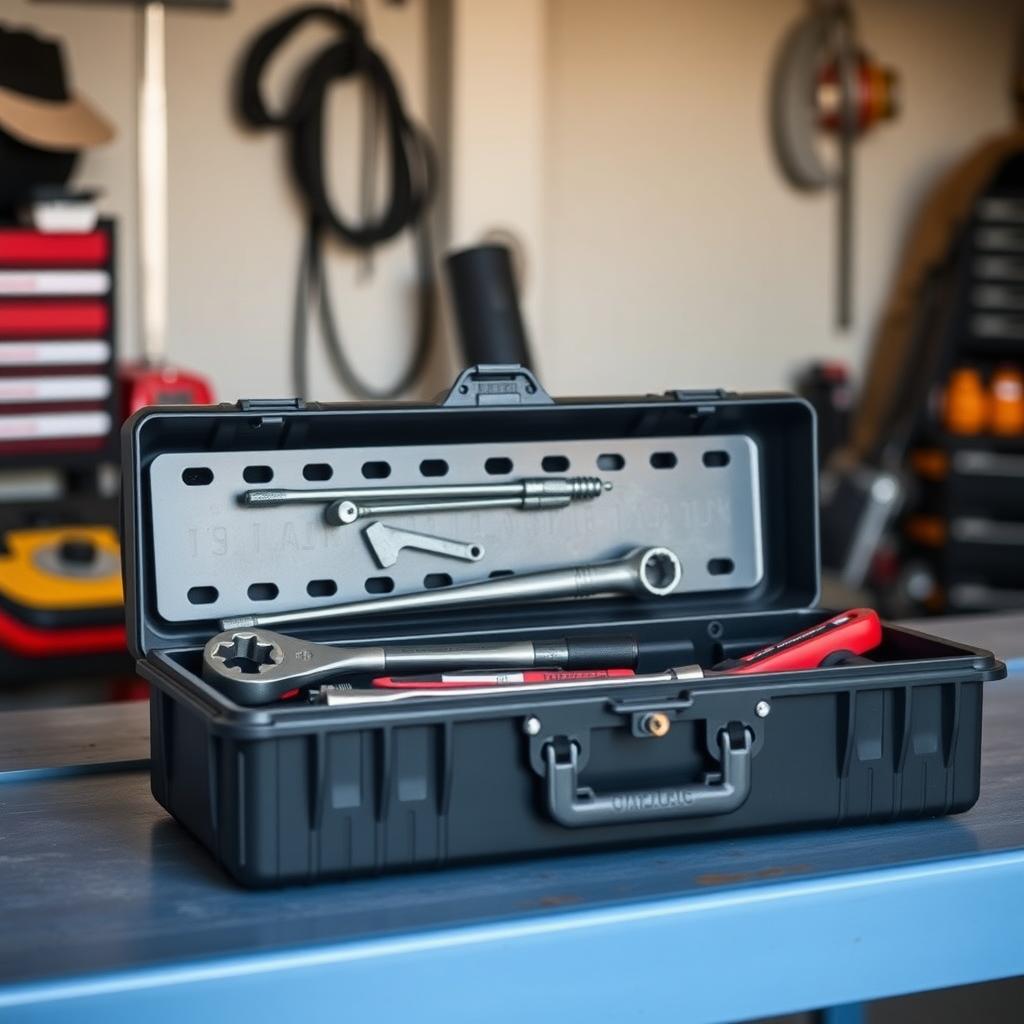
- Toolbox: Keeps everything organized.
Invest in quality tools—they last longer and perform better.
Building Confidence Through Practice
Hammering is a skill that improves with repetition. Start with small projects, like building a birdhouse, to practice your swing. Over time, you’ll develop a feel for how much force to use. I still remember my first project—a wobbly shelf that taught me the value of patience and precision. Keep practicing, and you’ll find your rhythm.
Summary
Mastering the art of hammering combines technique, tool choice, and safety. By selecting the right hammer, practicing precise and powerful swings, and following safety guidelines, you can tackle any project with confidence. Whether you’re a beginner or a seasoned pro, these tips will help you work smarter and safer.
Related Mastering the Art of Hammering: Techniques for Precision and Power:
- Beginner’s Guide to Woodworking: Tools and Techniques
- Essential Safety Tips for Using Hand Tools
- Choosing the Right Workman Tools: A Comprehensive Guide
- Advanced Workman Tools for Professionals: Elevate Your Craft
- Organizing Your Workshop for Maximum Efficiency: A Practical Guide
- Hammer Basics: Types and Uses Explained
- How to Choose the Right Drill for Your Projects: A Comprehensive Guide
- Understanding Hammer Dynamics and Ergonomics: A Comprehensive Guide
- How to Check Your Car’s Oil Like a Pro
- Advanced Workman Skills: Tools for the Next Level
- Maintaining Your Wrench Set for Longevity: A Comprehensive Guide
- Power Tools for Beginners: Your Ultimate Guide to Getting Started