Essential Safety Tips for Using Hand Tools – a vital read for any DIYer, homeowner, or professional. Whether you're tackling a weekend project or running a busy worksite, proper technique and preparation keep you safe and extend the life of your workman tools. This The Ultimate Guide to Hand Tools covers everything you need to know in simple, actionable steps.

Why Hand Tool Safety Matters
Hand tools have been essential for centuries, but accidents happen when we rush or skip basic precautions. A single slip with a hammer or wrench can cause lasting damage. As a seasoned content writer who has tested dozens of tools myself, I’ve seen friends and family members learn these lessons the hard way.
The good news? Small habits make a huge difference. Following Essential Safety Tips for Using Hand Tools helps you stay focused, avoid common injuries, and enjoy your projects longer.
1. Inspect Your Tools Before Every Session
Never grab a tool without a quick check. Dull blades or loose handles lead to accidents. Grab your workman tools, open them up, and run a mental checklist:
- Check for cracks, bends, or missing parts
- Ensure all screws and fasteners are tight
- Test blades on scrap wood to see if they cut smoothly
I always do this every morning before heading to the garage. One quick visual inspection saves hours of worry. Pro tip: Keep a simple notebook for notes on each tool’s condition.
2. Choose the Right Tool for the Job
Using the wrong tool forces you to apply extra force, increasing risk. Match your task to the tool:
- Hammer for nails – avoid prying or using it as a screwdriver
- Screwdriver for screws – use the correct size to prevent stripping
- Wrench for nuts and bolts – avoid using pliers as a substitute
This matches perfectly with the power of well-chosen workman tools. When you select the right one, safety improves dramatically.
3. Wear the Right Protective Gear
Safety goggles, gloves, and sturdy shoes form the foundation of any safe workshop. Goggles protect your eyes from flying chips. Gloves prevent blisters but never wear loose ones. Sturdy boots keep your feet from nails or heavy tools.
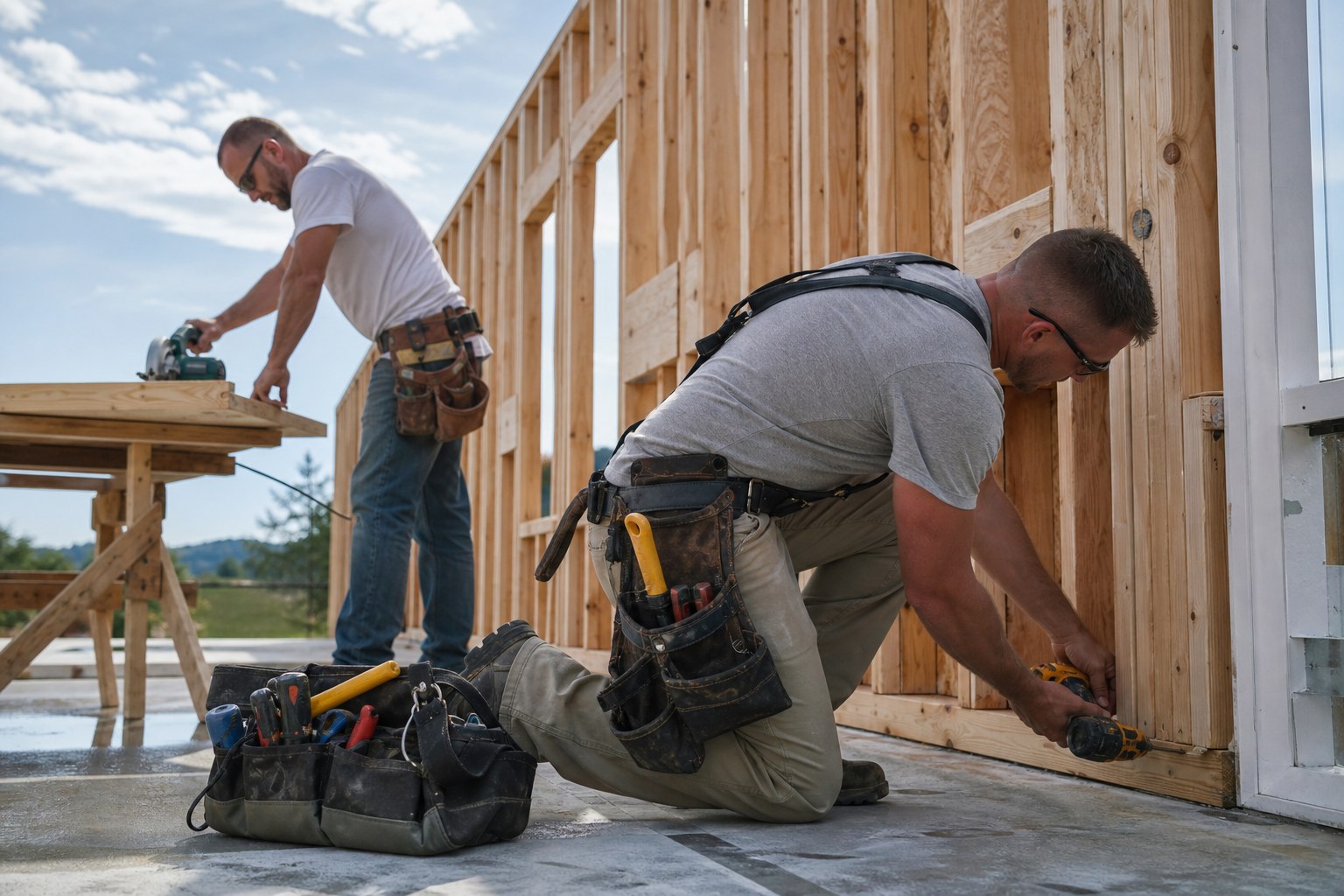
Always wear a tool belt with ergonomic designs. These belts distribute weight evenly, keeping your back and shoulders comfortable during long jobs. The result? You stay focused and injury-free.

4. Maintain Proper Posture and Grip
Bad posture turns a simple task into a health hazard. Keep your back straight, knees bent slightly, and elbows at your sides. Hold the tool handle firmly but not so tight that your hands cramp.
When swinging a hammer, use your full body – not just your arms. This technique distributes power and reduces strain on your wrists. I’ve seen too many people develop wrist pain because they relied on arm strength alone. Proper form changes everything.
5. Keep Your Hands Clear of Danger Zones
Never place fingers near the cutting edge of a saw or the impact area of a hammer. When using pliers, squeeze slowly and watch where the jaws are closing. The same rule applies to all workman tools.
A simple rule: Keep your non-dominant hand behind the tool’s path at all times. This small habit prevents 90% of cuts and punctures.
6. Use the Right Force – Not Too Much, Not Too Little
Overpowering a tool is a fast way to cause damage or injury. Start with light pressure and build up. For example, when hammering, let the weight of the tool do the work rather than pushing down with all your strength.
I learned this the hard way after driving a nail into my own toe. Light, controlled force is safer and more effective.
7. Store Tools Properly After Use
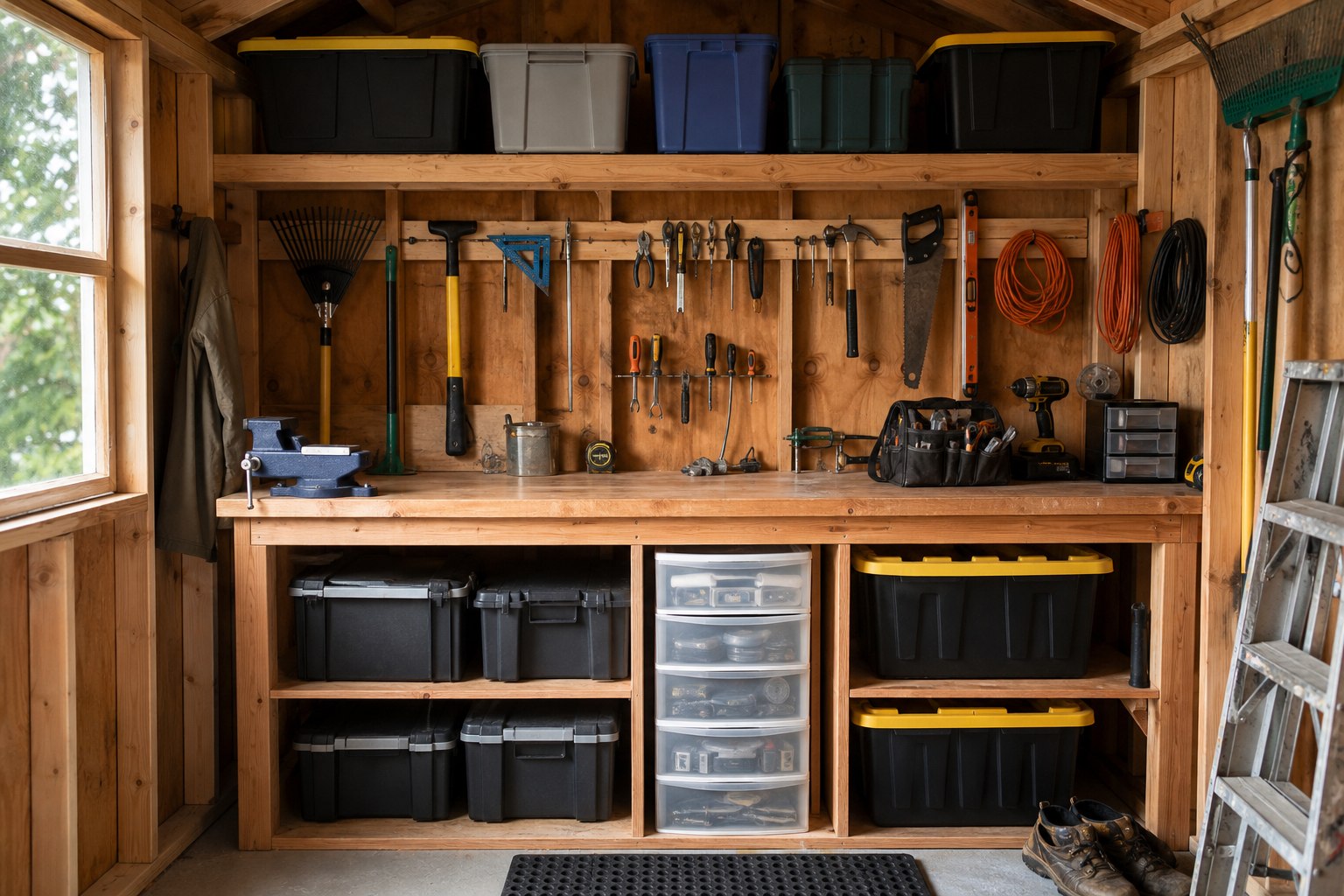
A clean, dry, organized storage space prevents rust and accidental damage. Hang hammers and saws on pegboards. Use magnetic holders for wrenches. Never toss tools into drawers where they can slide and cause injury.
Organized workman tools mean faster access and fewer slips. A simple label system makes everything easy to find.
8. Take Regular Breaks and Stay Focused
Fatigue makes even the safest tools dangerous. Every 30-45 minutes, stand up, stretch, and take a short break. Stay hydrated and eat light snacks. A distracted mind leads to accidents.
I always set a timer for my breaks. It keeps me sharp and prevents rushed decisions that cause injuries.
9. Stay Aware of Your Environment
Clear the work area of clutter. Secure loose objects that could fly. Keep children and pets away from the workspace. Good housekeeping is one of the simplest yet most effective safety practices.
10. Know When to Stop and Call for Help
If something feels off – a tool snaps, you feel pain, or visibility drops – stop immediately. Never push through discomfort. When in doubt, seek professional help.
This mindset has saved me countless times during tough DIY projects.
Quick Reference Safety Checklist
Here’s a handy table you can print and keep in your workshop:
| Tip | Why It Matters |
|---|---|
| Inspect tools | Prevents unexpected failures |
| Choose right tool | Reduces strain and accidents |
| Wear protective gear | Shields eyes and hands |
| Use ergonomic tool belt | Improves posture and comfort |
| Proper grip and posture | Prevents repetitive strain |
| Keep hands clear | Avoids cuts and punctures |
| Light force only | Minimizes tool damage |
| Clean storage | Avoids rust and trips |
| Take breaks | Maintains focus |
| Stay aware | Prevents environmental hazards |
Common Mistakes to Avoid
Many people skip the inspection step or use a tool they’re not familiar with. Others wear loose clothing or work barefoot. These habits lead to injuries and wasted time. Always double-check everything before starting.
Final Thoughts
Following Essential Safety Tips for Using Hand Tools is simple yet incredibly powerful. It protects your health, extends the life of your workman tools, and makes every project more enjoyable. Remember, safety isn’t about being perfect – it’s about consistent small actions.
Start today with one new tip. Your future self will thank you.

Related Essential Safety Tips for Using Hand Tools:
- Understanding Torque Specifications: Essentials for Every Mechanic
- Creative Shed Organization Hacks: Organize Your Tool Shed Like a Pro
- Ergonomics in Construction: Preventing Back Injuries with Tool Belts
- Advanced Hand Tools Safety Techniques: Your Ultimate Guide to Safer Work
- Top 10 Safety Tips for Using Hand and Multi-Tools
- How to Use a Hammer Effectively: Tips and Techniques
- Workman Tools for Automotive Repairs: Essential Kit Guide
- Beginner Woodworking Projects Step-by-Step: Your Complete Guide to Getting Started
- How to Choose the Right Power Drill for Your Project
- Workshop Organization Strategies for Efficiency: Tips to Boost Productivity and Reduce Stress
- Top Apps for Workshop Organization: Boost Efficiency with High-Quality Workman Tools
- How to Choose the Right Work Boots for Your Trade