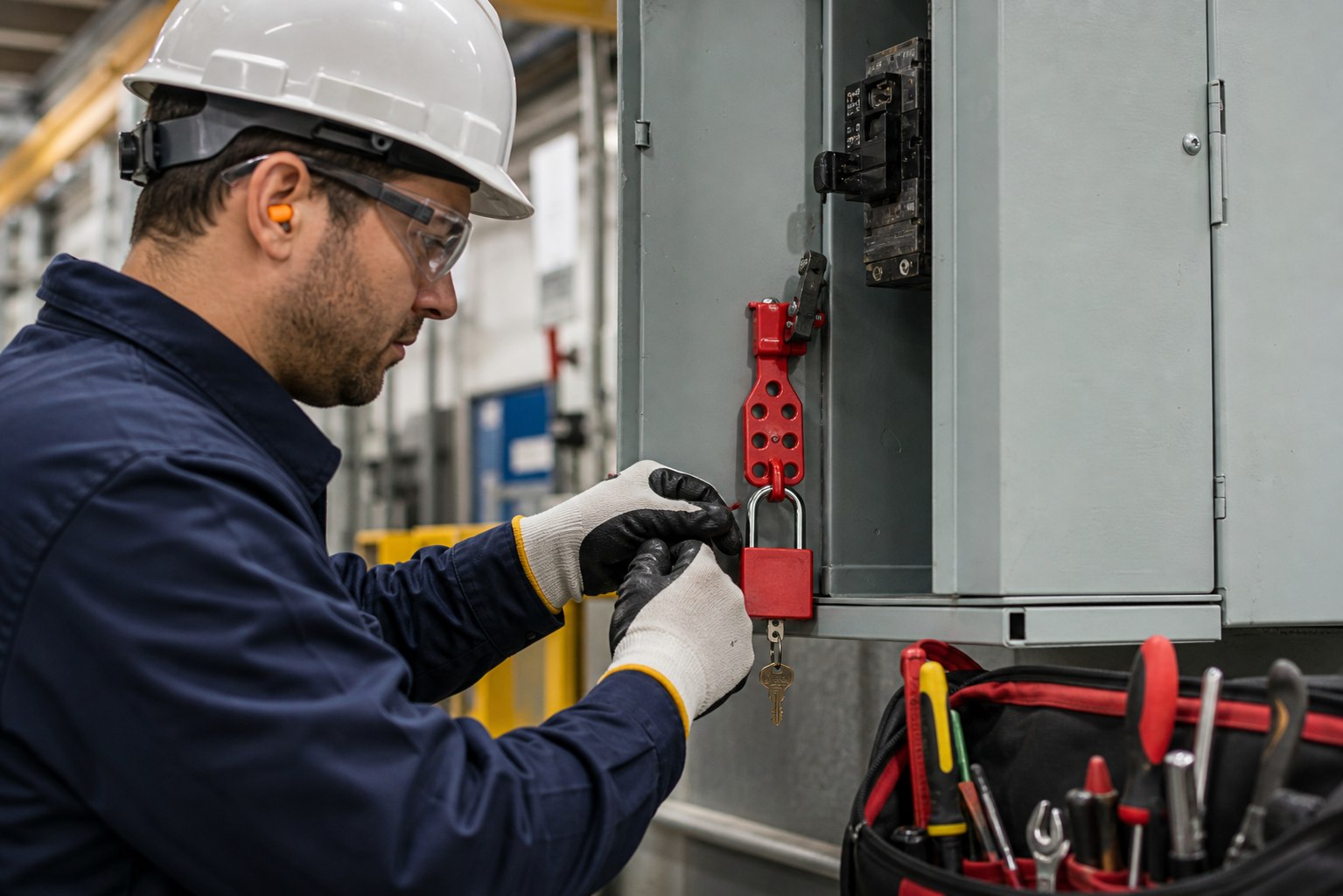
Back injuries remain one of the biggest health challenges for construction workers. Repeated bending, twisting, and heavy lifting put enormous strain on your spine and muscles. Ergonomics in Construction: Preventing Back Injuries with Tool Belts offers practical ways to protect your body while you get the job done. Proper support gear and smart techniques can keep you working safely and pain-free for years.
Why Back Injuries Are Common in Construction
Construction work demands constant movement—lifting, reaching, kneeling, and carrying. Over time, these actions overload the lower back. Studies show musculoskeletal disorders affect more than 12% of construction workers, with back pain often leading to lost workdays and long-term pain.
According to the U.S. Bureau of Labor Statistics, construction and extraction occupations have high rates of days away from work due to these issues. The National Institute for Occupational Safety and Health highlights that simple ergonomic changes can dramatically cut injury risk.
In my years on job sites, I’ve seen crews lose days to lower-back pain after just one bad lift. That’s why I always focus on prevention before it happens. Tool belts and supportive gear play a key role in keeping your posture strong and your tools accessible without awkward reaching.
Understanding Ergonomics in Construction
Ergonomics matches the job to your body. In construction, it means using tools and techniques that fit your natural movements. Poor ergonomics forces extra strain on your back. Good ergonomics lets you work comfortably and stay productive.
The NIOSH publication Simple Solutions: Ergonomics for Construction Workers provides clear examples of low-cost fixes that workers and supervisors can use right away.
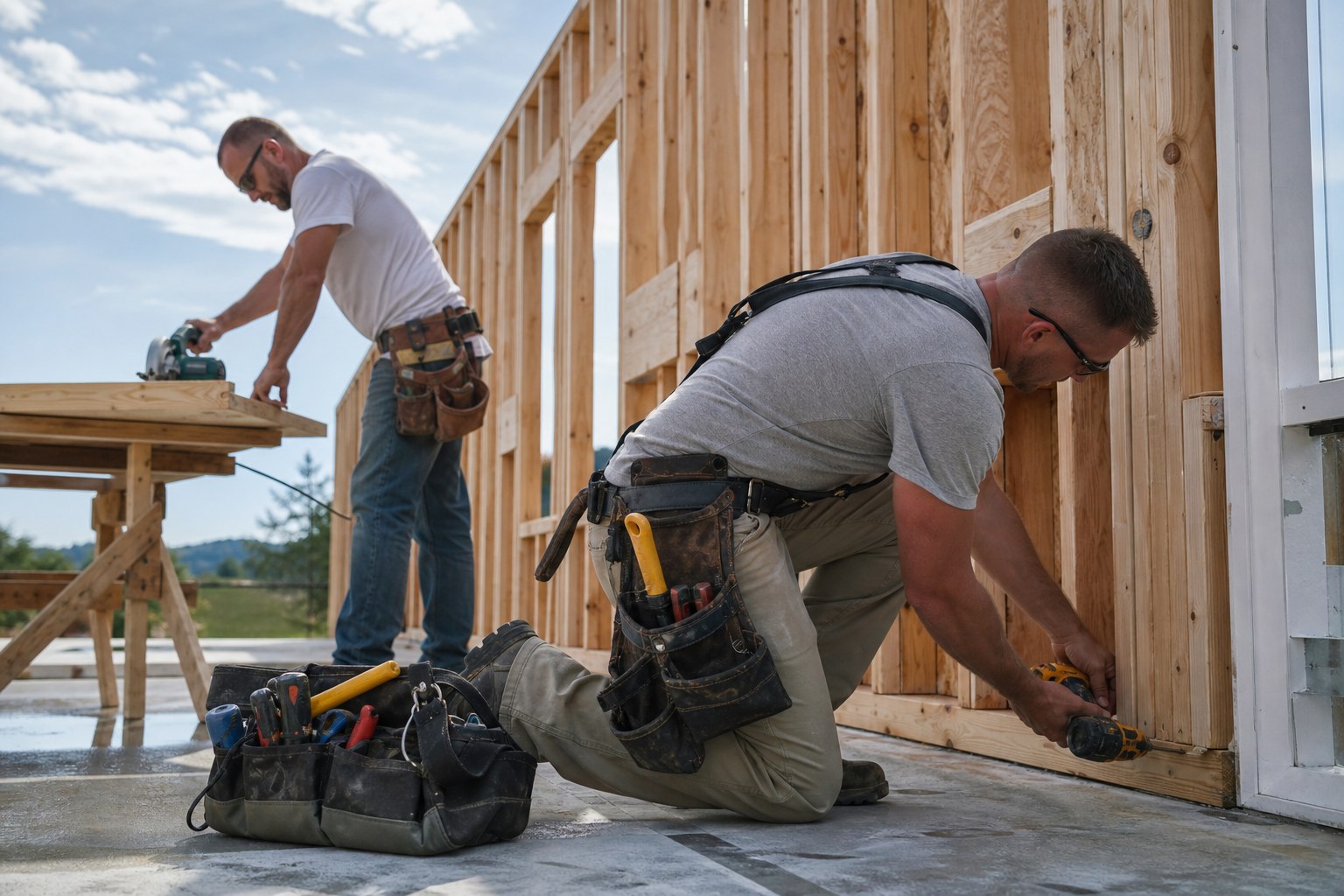
How Tool Belts Help Prevent Back Injuries
A well-designed tool belt keeps heavy or awkward tools close to your body instead of at arm’s length. This reduces twisting and bending that strain the lower back.
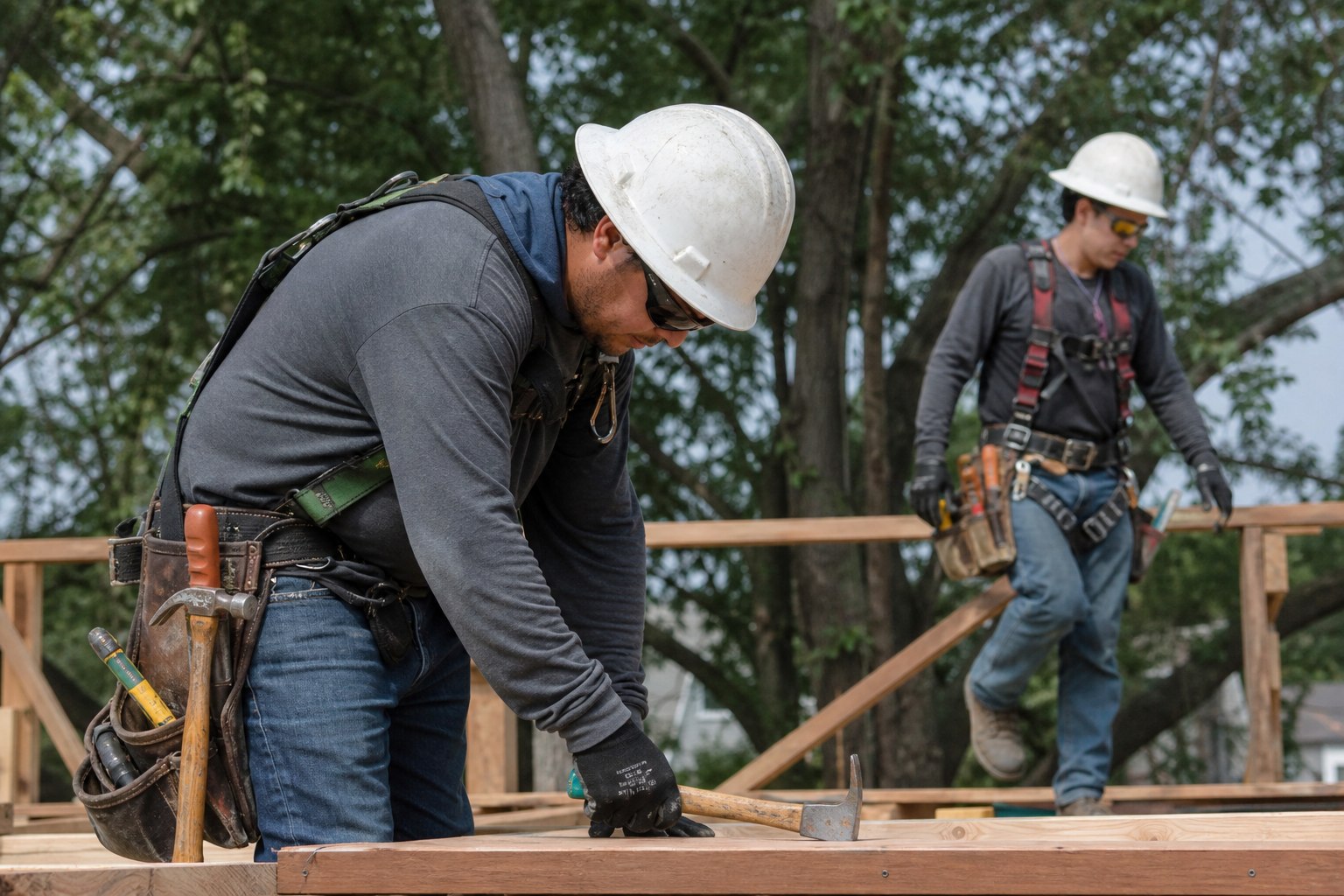
Suspenders on many belts further support your core, easing pressure on your spine. Workers who use proper belts report less fatigue during long shifts. OSHA’s Guide to Personal Protective Equipment stresses that fitting gear properly is essential to avoid discomfort and injury.
I started wearing a quality tool belt after a friend suffered a herniated disc from carrying nails in his back pocket. Since then, I’ve never looked back—literally. The belt keeps my tools secure and my movements natural.
Essential Safety Gear for Construction Workers
Beyond tool belts, essential safety gear includes hard hats, high-visibility vests, and slip-resistant boots. OSHA’s Guide to Personal Protective Equipment explains why proper PPE matters and how to select it for each job.
Here’s a quick comparison of common choices:
| Gear Type | Main Benefit | Key Feature to Check |
|---|---|---|
| Tool Belt | Reduces back strain | Adjustable fit and padding |
| Hard Hat | Protects head from falling objects | Lightweight and secure fit |
| Hi-Vis Vest | Increases visibility in traffic | Reflective strips and Class rating |
| Safety Boots | Prevents slips and foot crush | Slip-resistant soles |
How to Choose the Right Safety Gear for Your Job
Choose gear that fits your body and the hazards you face. Measure your waist for tool belts, check ANSI standards for helmets, and test boots for comfort on uneven ground.
OSHA’s Guide to Personal Protective Equipment and the CDC’s Simple Solutions: Ergonomics for Construction Workers both stress that properly fitted equipment makes all the difference. When in doubt, ask your supervisor or safety officer for site-specific guidance.
How to Stay Safe on Construction Sites: Essential Tips
Here are practical tips that workers use daily:
- Lift with your legs, not your back
- Keep tools within 12 inches of your body
- Take breaks every 30–45 minutes to stretch
- Inspect gear before each shift
- Report any discomfort immediately
These small habits add up to big safety gains.
Real Stories from the Jobsite
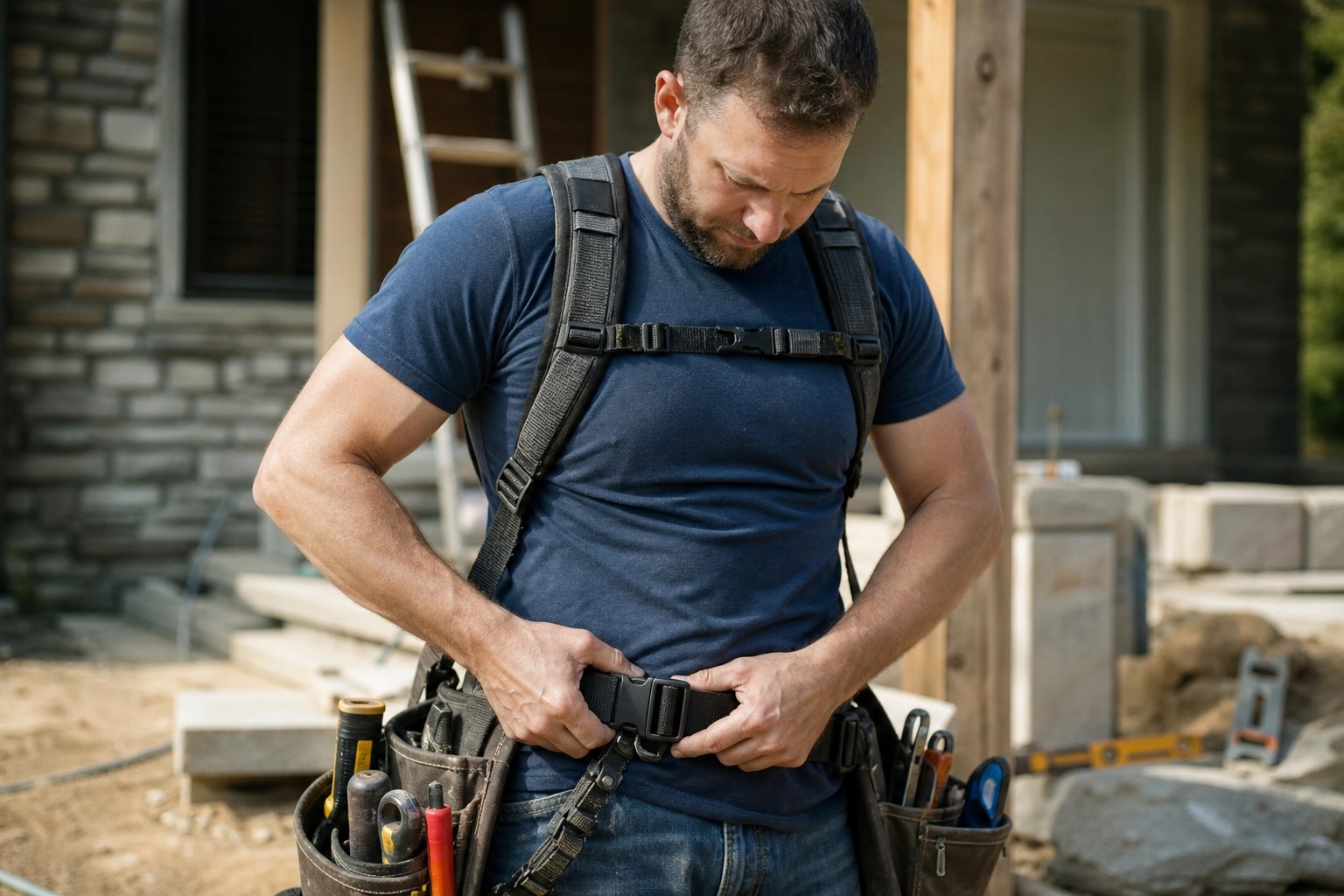
One crew I worked with switched to adjustable tool belts and power-assisted lifting aids. Their back injury rate dropped by half in six months. Another crew added lumbar support panels to belts and saw workers stay on the job longer without pain.
These experiences prove that small changes in gear and technique create lasting results.
Best Practices for Using Tool Belts
- Position the belt at your hips, not your waist
- Choose belts with multiple organized pockets
- Use suspenders for heavy loads
- Replace worn belts regularly
- Combine with proper lifting techniques
Follow these steps and you’ll carry less strain with every step.
Final Thoughts
Ergonomics in Construction: Preventing Back Injuries with Tool Belts is more than about gear—it’s about respecting your body and choosing smart habits. By using essential safety gear, following OSHA’s Guide to Personal Protective Equipment, and learning How to Choose the Right Safety Gear for Your Job, you protect yourself and your crew.
Start today with one small upgrade and watch the difference it makes.
Recommended Readings
OSHA’s Guide to Personal Protective Equipment – Official standards for safe gear selection.
NIOSH Simple Solutions: Ergonomics for Construction Workers – Free practical tip sheets for daily use.
CDC Worker Health Charts on Low Back Pain – Latest data on construction MSD rates.
CPWR Construction Chart Book 7th Edition – Comprehensive statistics and trends in the industry.
Related Ergonomics in Construction: Preventing Back Injuries with Tool Belts:
- Advanced Hand Tools Safety Techniques: Your Ultimate Guide to Safer Work
- Top 10 Safety Tips for Using Hand and Multi-Tools
- How to Use a Hammer Effectively: Tips and Techniques
- Workman Tools for Automotive Repairs: Essential Kit Guide
- Beginner Woodworking Projects Step-by-Step: Your Complete Guide to Getting Started
- How to Choose the Right Power Drill for Your Project
- Workshop Organization Strategies for Efficiency: Tips to Boost Productivity and Reduce Stress
- Top Apps for Workshop Organization: Boost Efficiency with High-Quality Workman Tools
- How to Choose the Right Work Boots for Your Trade
- Choosing the Best Multimeter for Beginners: Your Essential Guide to Workman Tools for Electrical Work
- Woodworking Safety Tips from OSHA: Expert Guidelines for Safe Home Workshops
- Best Practices for Maintaining Workman Tools: A Comprehensive Guide