Overview
Hammers are essential workman tools, but not all are created equal. Understanding hammer dynamics and ergonomics can transform how you work, boosting efficiency and reducing fatigue. This guide dives into the science behind hammers, offering insights to help you pick the perfect tool for any job.
The Basics of Hammer Dynamics
Hammers seem simple, but their performance hinges on physics. Hammer dynamics involve how weight, balance, and force interact during use. A well-designed hammer delivers maximum impact with minimal effort, letting you work smarter, not harder.
The head’s weight is key. Heavier heads, like those on sledgehammers, pack more force but tire you out faster. Lighter heads, found on claw hammers, are better for precision tasks like nailing. The trick is matching the hammer’s weight to the job. For example, driving large spikes needs a heavy head, while assembling furniture calls for a lighter one.
Balance also matters. A hammer’s center of gravity should sit near the head’s base, where it meets the handle. This design ensures the force you apply transfers efficiently to the target. I once used a poorly balanced hammer for a fencing project, and my wrist ached after an hour. Switching to a well-balanced model made all the difference—less strain, more control.
Ergonomics: Comfort Meets Efficiency
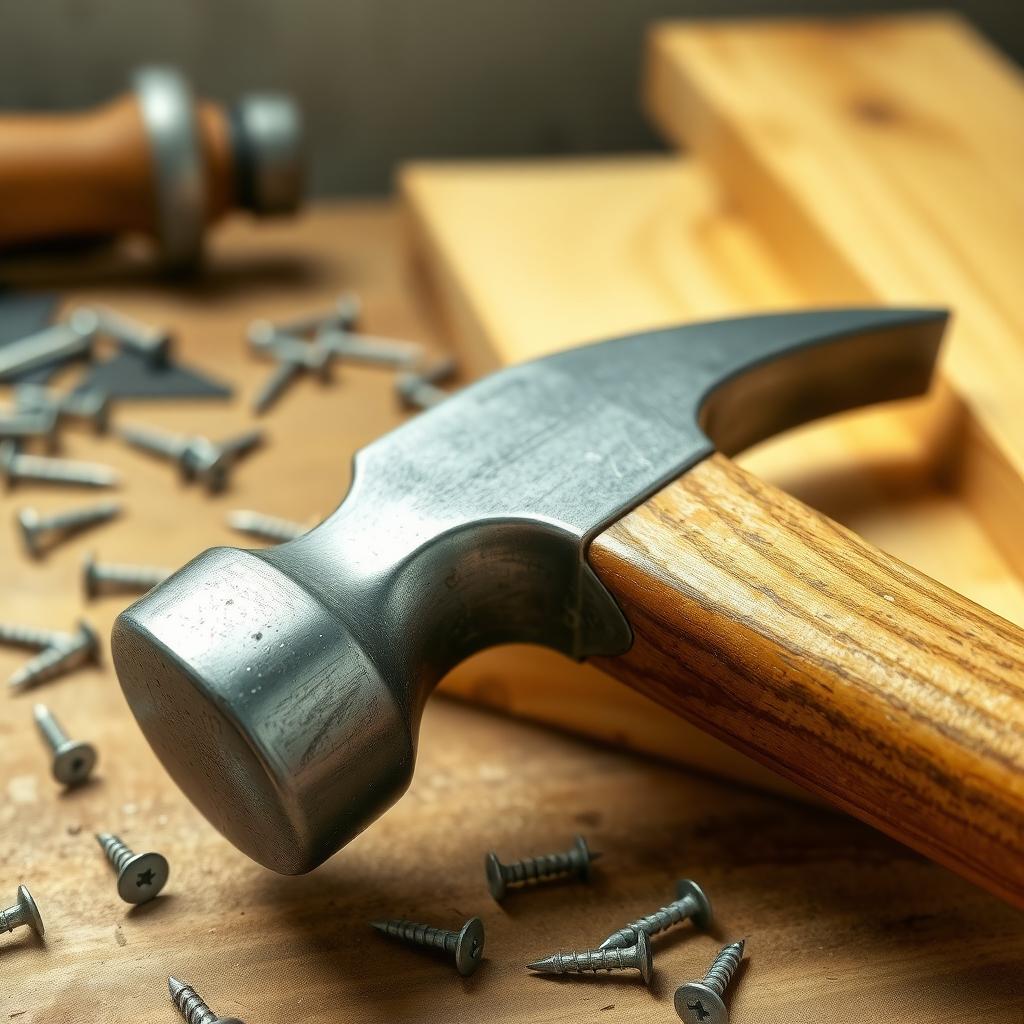
Ergonomics is about designing tools to fit the user, not the other way around. When it comes to hammers, ergonomics focuses on grip, handle shape, and vibration control. A good hammer feels like an extension of your hand, reducing strain during long sessions.
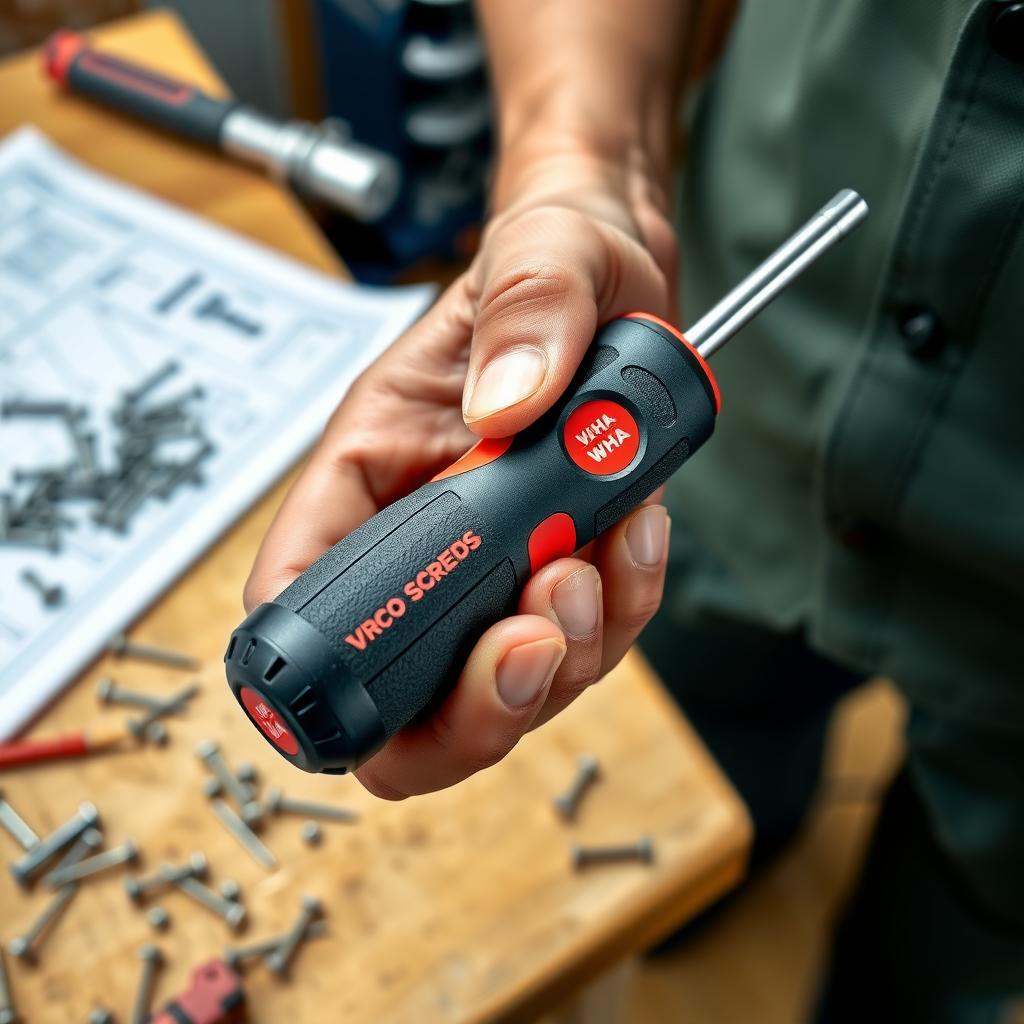
Grip is a big deal. Handles with contoured grips or rubber coatings reduce slipping and absorb shock. I’ve found that textured grips help, especially when your hands get sweaty. Wooden handles, while classic, can splinter or feel slick. Fiberglass or steel handles with cushioned grips often last longer and feel better.
Handle length also affects ergonomics. Short handles, around 10-12 inches, offer control for detailed work. Longer handles, like those on sledgehammers, give leverage for heavy swings but can be unwieldy in tight spaces. When I was building a deck, a short-handled hammer was perfect for precise nailing, but for driving stakes, I switched to a longer model.
Types of Hammers and Their Uses
Different hammers suit different tasks. Here’s a quick breakdown:
| Hammer Type | Best For | Key Features |
|---|---|---|
| Claw Hammer | General carpentry, nail removal | Curved claw for pulling nails, 16-20 oz head |
| Sledgehammer | Demolition, driving stakes | Heavy head (2-20 lbs), long handle |
| Ball Peen Hammer | Metalworking | Rounded end for shaping metal |
| Framing Hammer | Heavy-duty framing | Heavier head (20-32 oz), milled face for grip |
| Tack Hammer | Upholstery, small tacks | Lightweight, magnetic head for precision |
Choosing the right hammer saves time and effort. For instance, using a claw hammer for metalwork is a recipe for frustration—trust me, I learned that the hard way.

Key Factors in Hammer Design
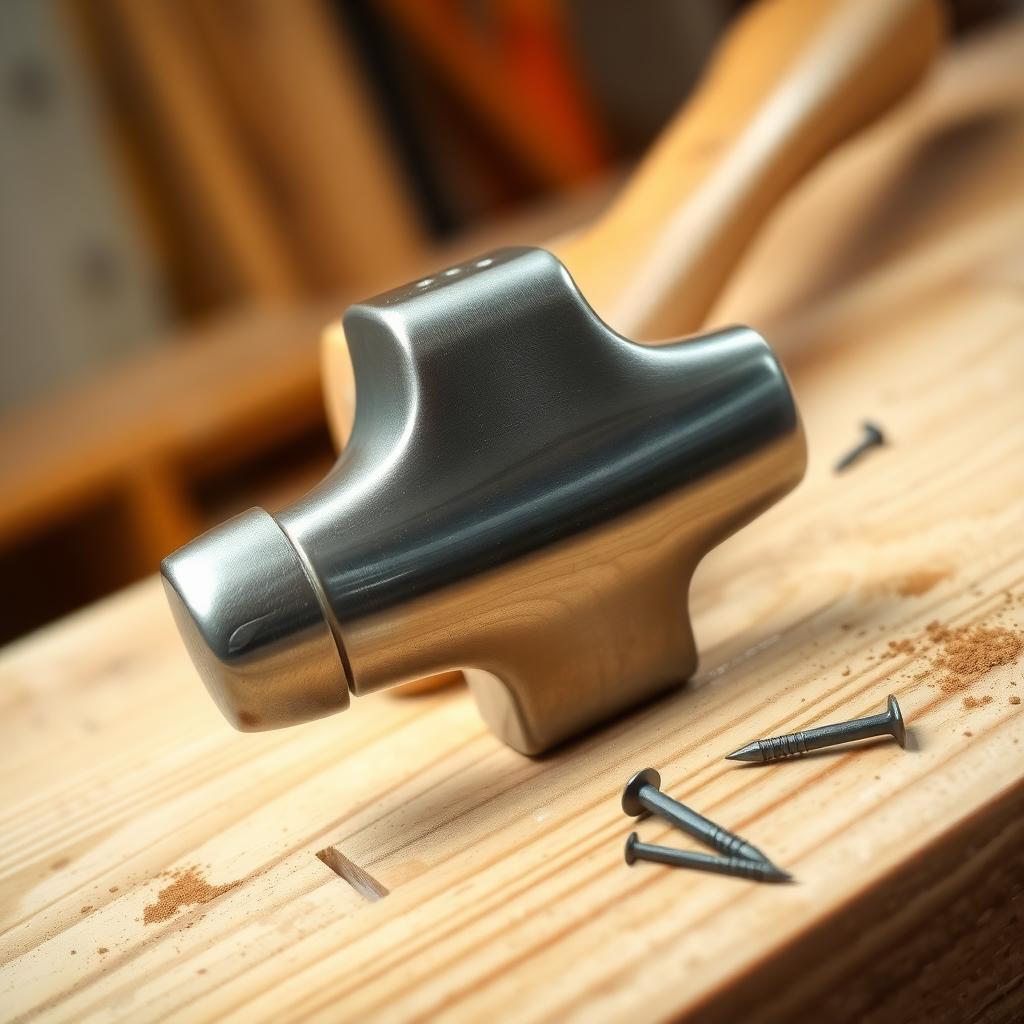
Beyond weight and grip, other design elements impact performance. The face of the hammer—where it strikes—can be smooth or milled. Milled faces grip nails better, reducing slips, but they can damage softer woods. Smooth faces are gentler, ideal for finish carpentry.
The material of the head matters too. Steel heads are durable but can transmit more vibration. Some hammers have shock-absorbing features, like hollowed-out heads or padded grips, to reduce this. I’ve noticed less arm fatigue with these designs, especially during long projects.
The handle’s material and shape also play a role. Curved handles align with your wrist’s natural motion, reducing strain. Straight handles, common in traditional designs, can feel less intuitive but offer a classic look. Fiberglass handles are lightweight and strong, while wooden ones absorb shock naturally but wear out faster.
Practical Tips for Using Hammers
To get the most out of your hammer, follow these tips: - Grip properly: Hold the handle near the end for maximum leverage, not close to the head. - Swing with control: Let the hammer’s weight do the work. Over-swinging leads to fatigue and missed hits. - Check your stance: Stand with feet shoulder-width apart for balance, especially with heavier hammers. - Maintain your tool: Inspect for loose heads or cracked handles. A wobbly hammer is unsafe and inefficient.
I once rushed a project and ignored a loose hammerhead. It flew off mid-swing, narrowly missing my foot. Lesson learned: always check your tools.
Choosing the Right Hammer for You
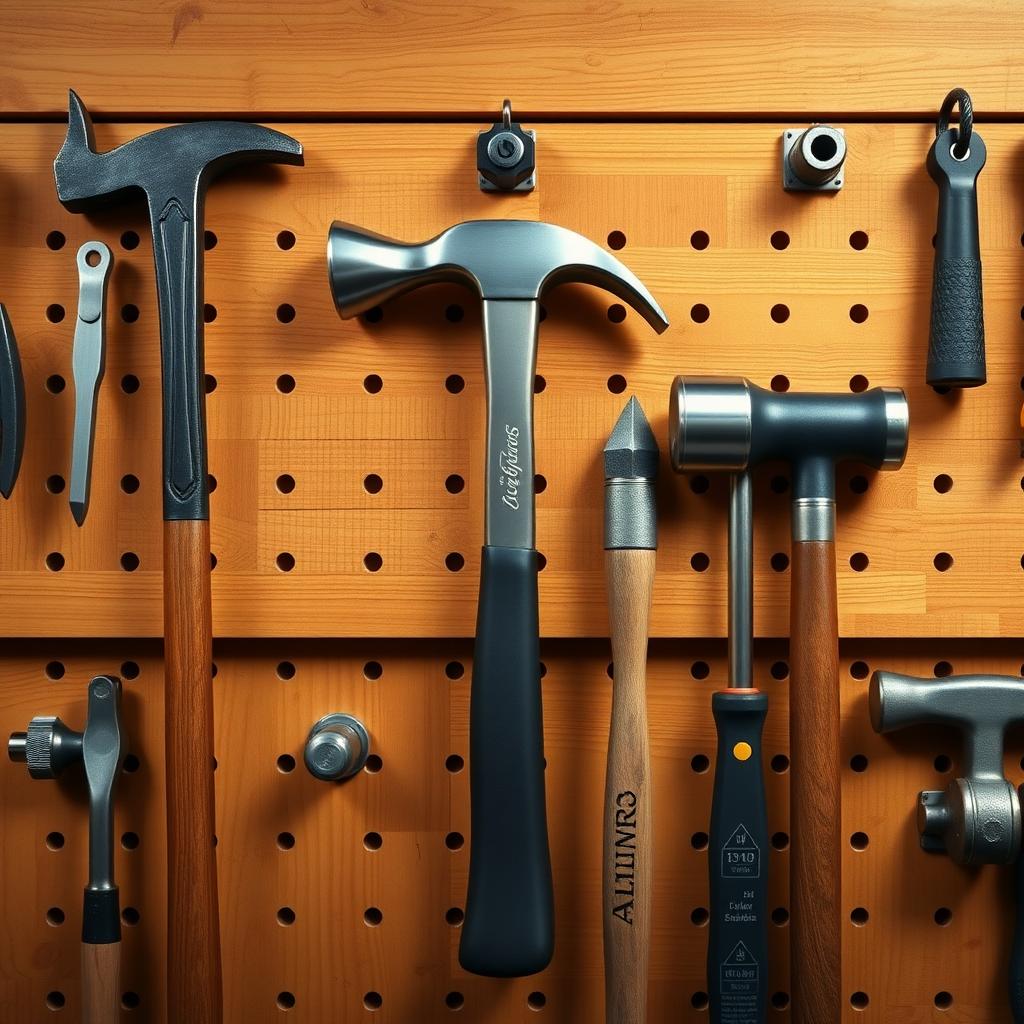
Selecting a hammer depends on your needs. Ask yourself: - What tasks will I do most? Carpentry, demolition, or metalwork? - How long will I use it? Long sessions need ergonomic features. - What’s my budget? Quality hammers cost more but last longer.
For general home use, a 16-ounce claw hammer with a fiberglass handle is versatile and affordable. Professionals might invest in a framing hammer for heavy-duty work or a specialized tool like a tack hammer for niche tasks.
If you’re unsure, visit a hardware store and hold a few hammers. Feel their weight and grip. A good hammer feels natural in your hand. I once spent 20 minutes testing hammers before buying one for a renovation—it was time well spent.
Common Mistakes to Avoid
Even experienced users make mistakes. Here are some to watch for: - Using the wrong hammer: Don’t use a claw hammer for chiseling or a sledgehammer for small nails. - Ignoring ergonomics: A cheap hammer might save money but cost you in comfort. - Poor maintenance: Dull or damaged heads reduce efficiency and safety.
Learning from mistakes is part of the process. Early in my DIY days, I used a lightweight hammer for demolition. It was exhausting and slow. Switching to a sledgehammer cut my work time in half.
The Science Behind the Swing
Hammer dynamics aren’t just about the tool—they’re about you. Your swing technique affects force and accuracy. A smooth, controlled swing transfers energy efficiently, while jerky motions waste effort. Studies, like those from the Journal of Biomechanics, show that proper wrist alignment reduces strain by up to 20%. Keep your wrist straight and let the hammer’s momentum do the heavy lifting.
Summary
Understanding hammer dynamics and ergonomics is key to choosing and using workman tools effectively. By considering weight, balance, grip, and design, you can pick a hammer that boosts performance and reduces fatigue. Whether you’re a DIYer or a pro, the right hammer makes all the difference. Practice good technique, maintain your tools, and choose wisely for better results.
Related understanding hammer dynamics and ergonomics:
- The Evolution of Hammers: From Stone to Steel
- How to Check Your Car’s Oil Like a Pro
- Advanced Workman Skills: Tools for the Next Level
- Maintaining Your Wrench Set for Longevity: A Comprehensive Guide
- Power Tools for Beginners: Your Ultimate Guide to Getting Started
- DIY Home Repair Projects for Beginners: Your Ultimate Guide
- Essential Tools Every DIYer Should Own for a Well-Equipped Workshop
- Top 10 Ergonomic Tools Every Tradesperson Should Have
- How to Use a Hammer Safely: A Comprehensive Guide for Beginners and Pros
- 10 Tips for Choosing the Right Paint for Your Next Art Project
- Top 10 Must-Have Construction Tools for Every Workman
- Essential Electrical Tools Every Beginner Needs: A Comprehensive Guide