Overview
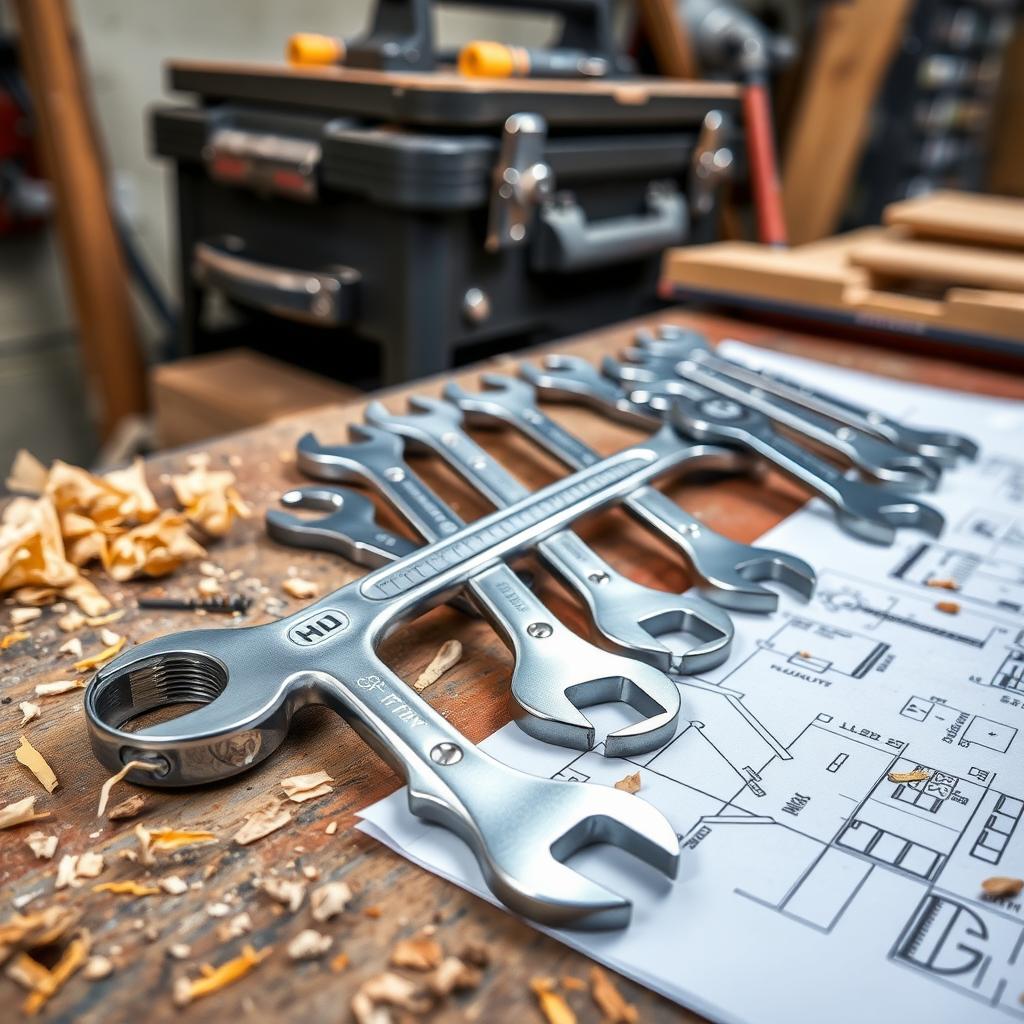
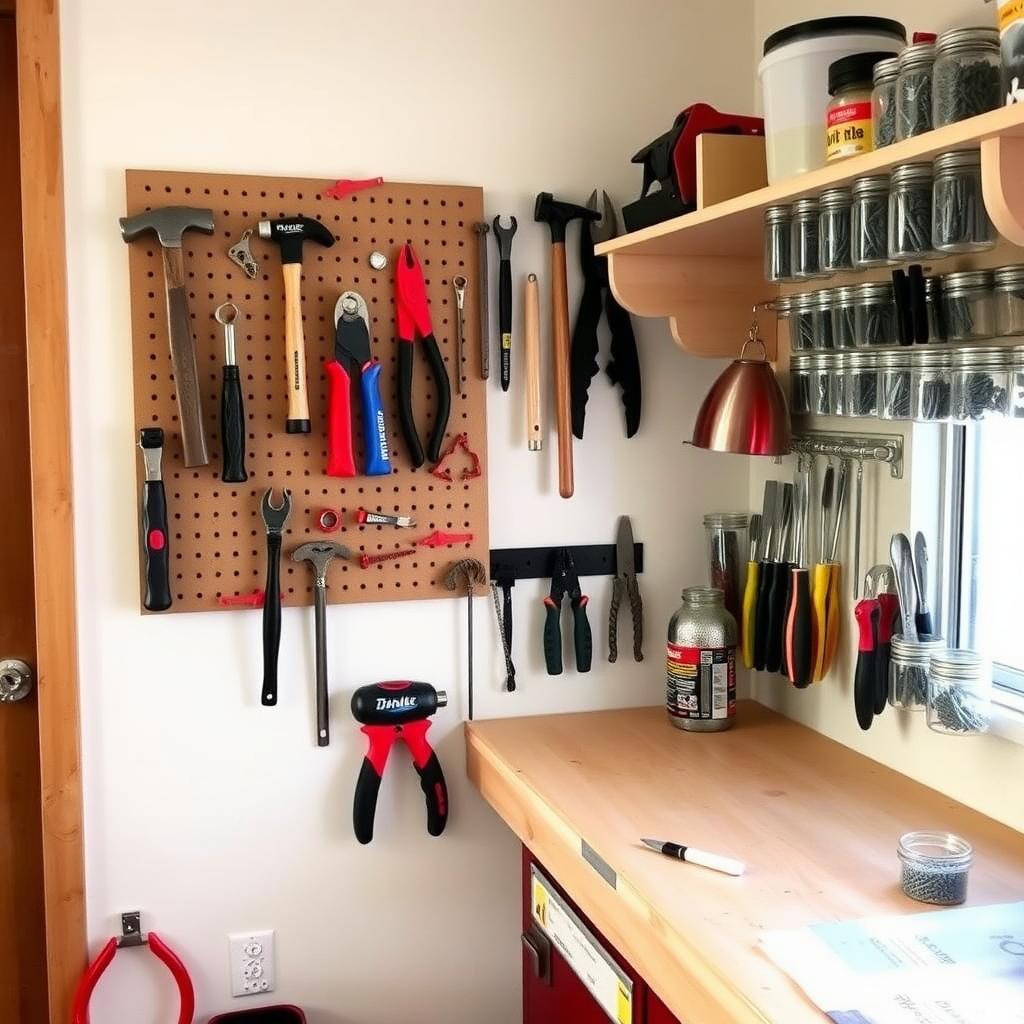
Whether you're fixing a leaky faucet or building a custom bookshelf, having the right tools makes all the difference. Essential Tools Every DIYer Should Own are the backbone of any successful project. This guide shares my experiences as a DIY enthusiast, highlighting the tools I rely on, how to care for them, and ways to troubleshoot common issues. Let’s dive into building a toolkit that empowers you to create, repair, and maintain with ease.
Why a Solid Toolkit Matters
When I started my DIY journey, I underestimated the importance of quality tools. I’d grab whatever was cheapest, only to end up frustrated when a screwdriver stripped or a hammer’s handle wobbled. A well-equipped toolkit saves time, reduces frustration, and ensures safety. According to a study by the Home Improvement Research Institute, 68% of DIYers report better project outcomes when using high-quality tools. Investing in the right gear is like building a strong foundation for your home—it sets you up for success.
Must-Have Tools for Every DIYer
Here’s my list of Essential Tools Every DIYer Should Own, based on years of tackling projects from furniture assembly to home repairs. These tools cover a range of tasks and are versatile enough for beginners and seasoned DIYers alike.
1. Screwdriver Set
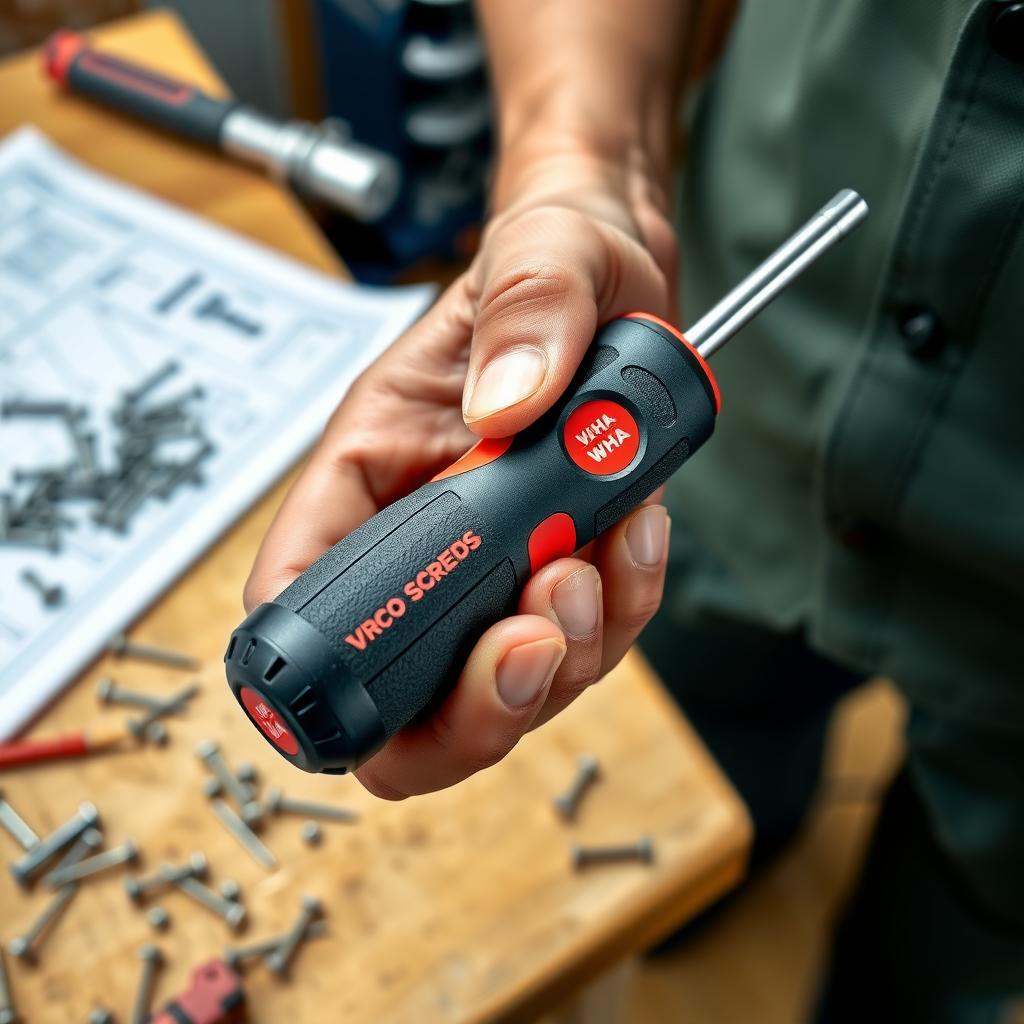
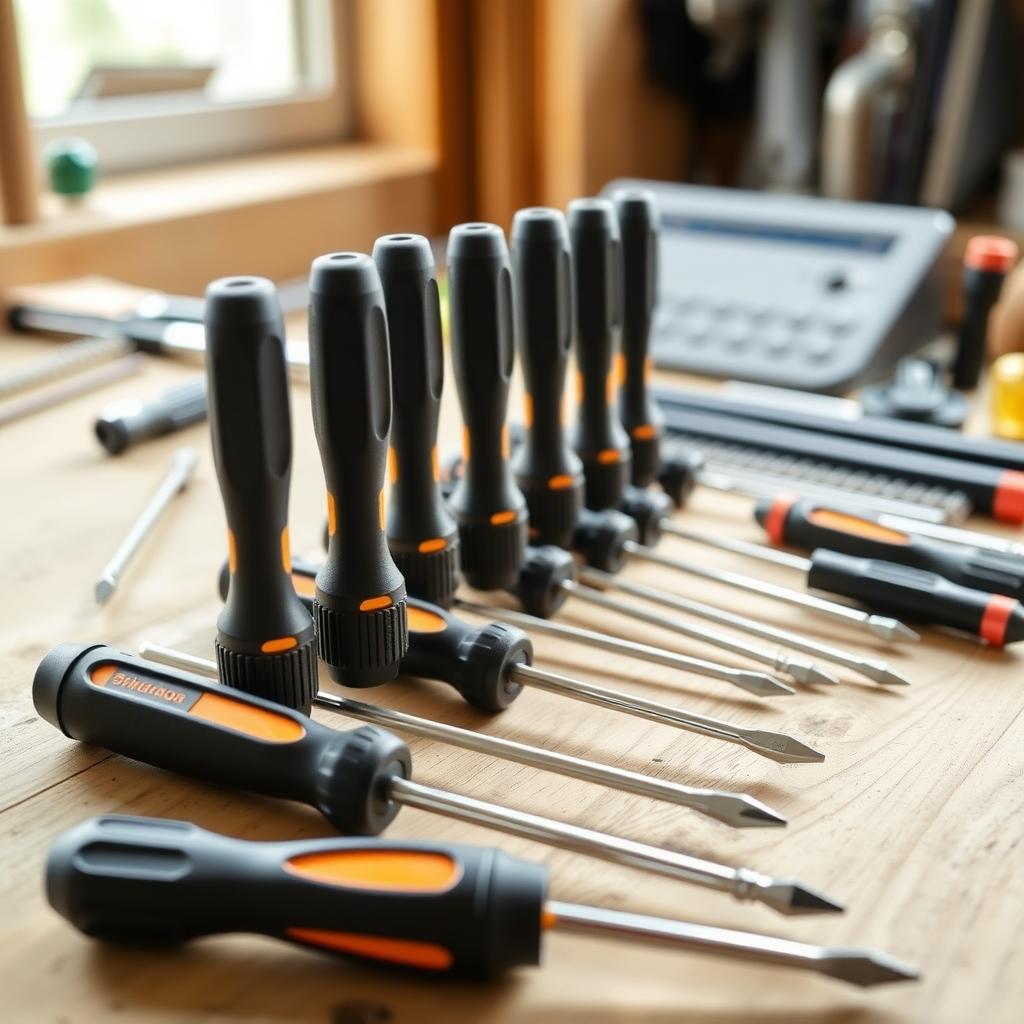
Screwdrivers are the unsung heroes of any toolkit. A good set with both flathead and Phillips heads in various sizes handles everything from assembling furniture to fixing electronics. I prefer a magnetic-tip set for easier screw handling. Look for ergonomic grips to reduce hand fatigue during long projects.
2. Cordless Drill
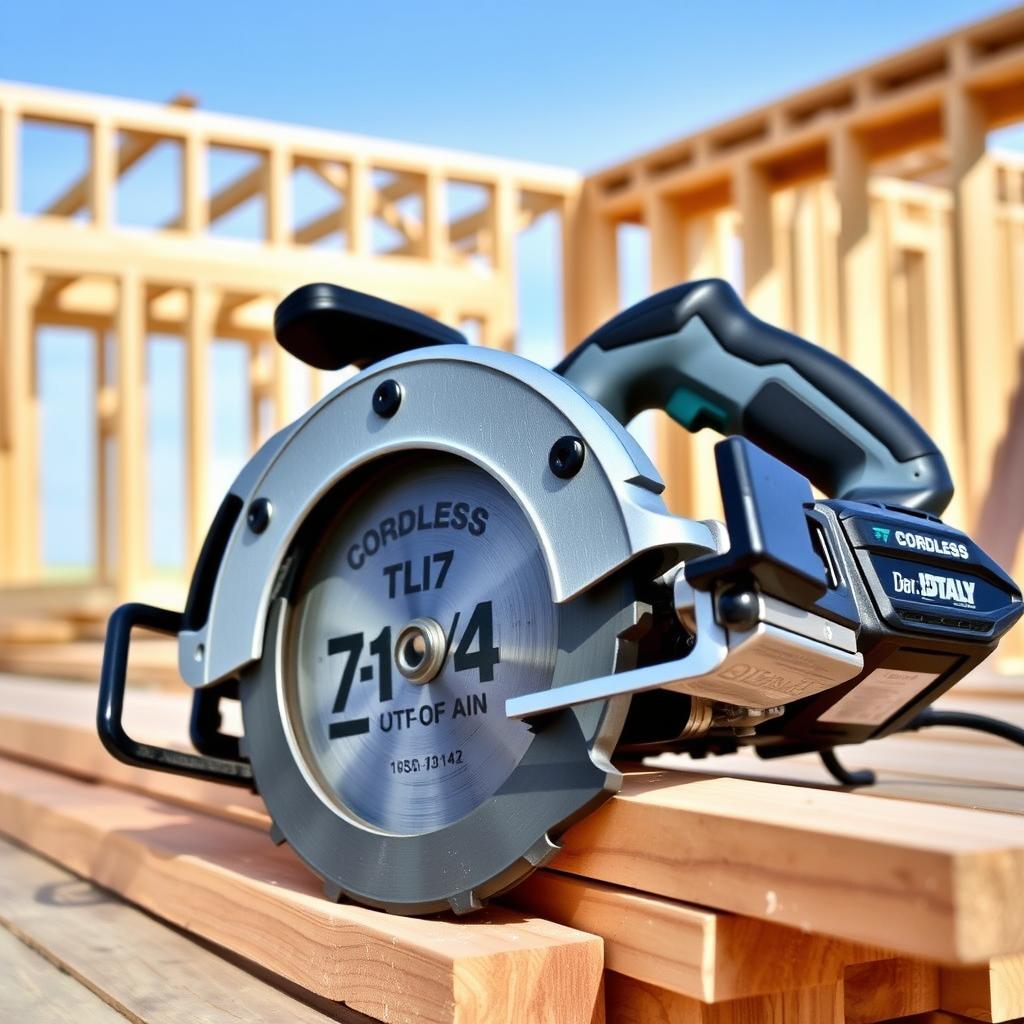
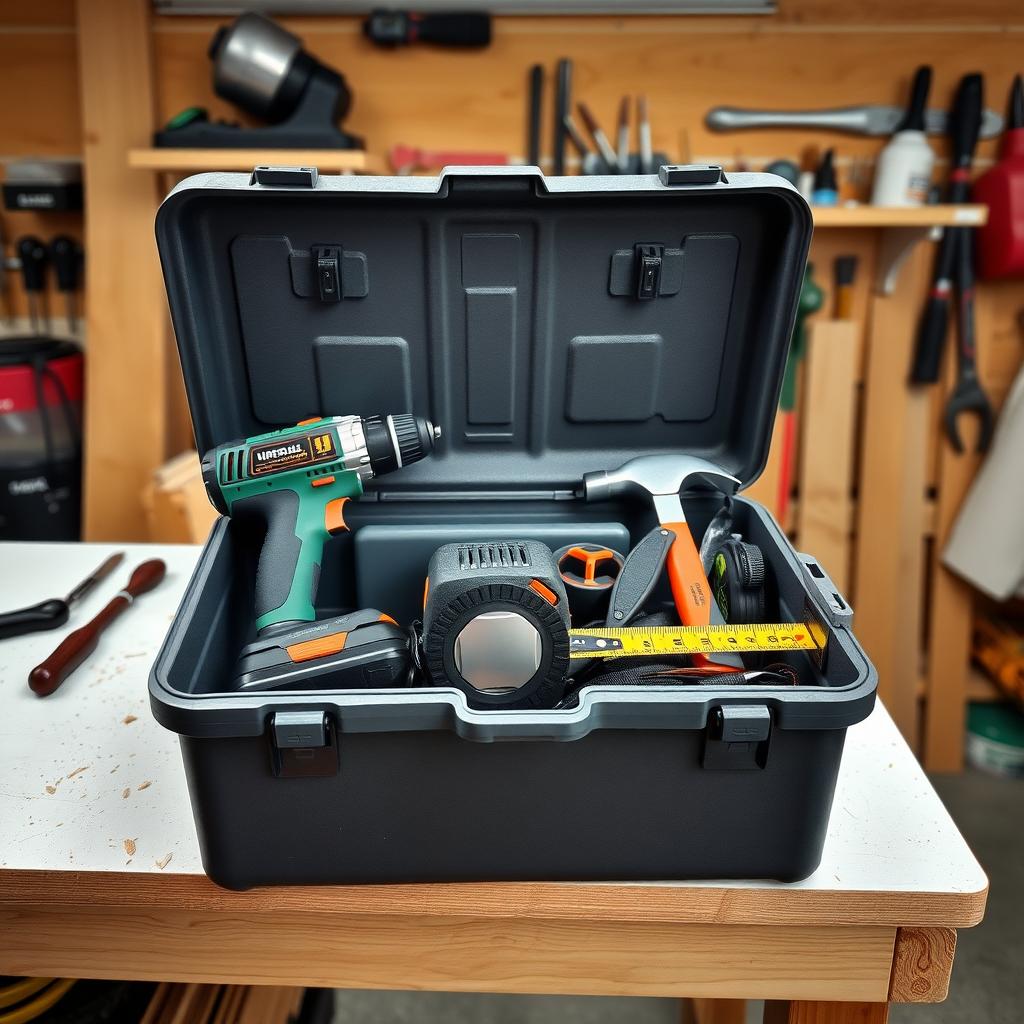
A cordless drill is a game-changer. It drives screws faster than a manual screwdriver and drills holes for everything from shelves to drywall anchors. I recommend a 20V model with interchangeable bits for versatility. A clutch setting prevents over-tightening, which saved me from stripping screws on a recent cabinet project.
3. Hammer
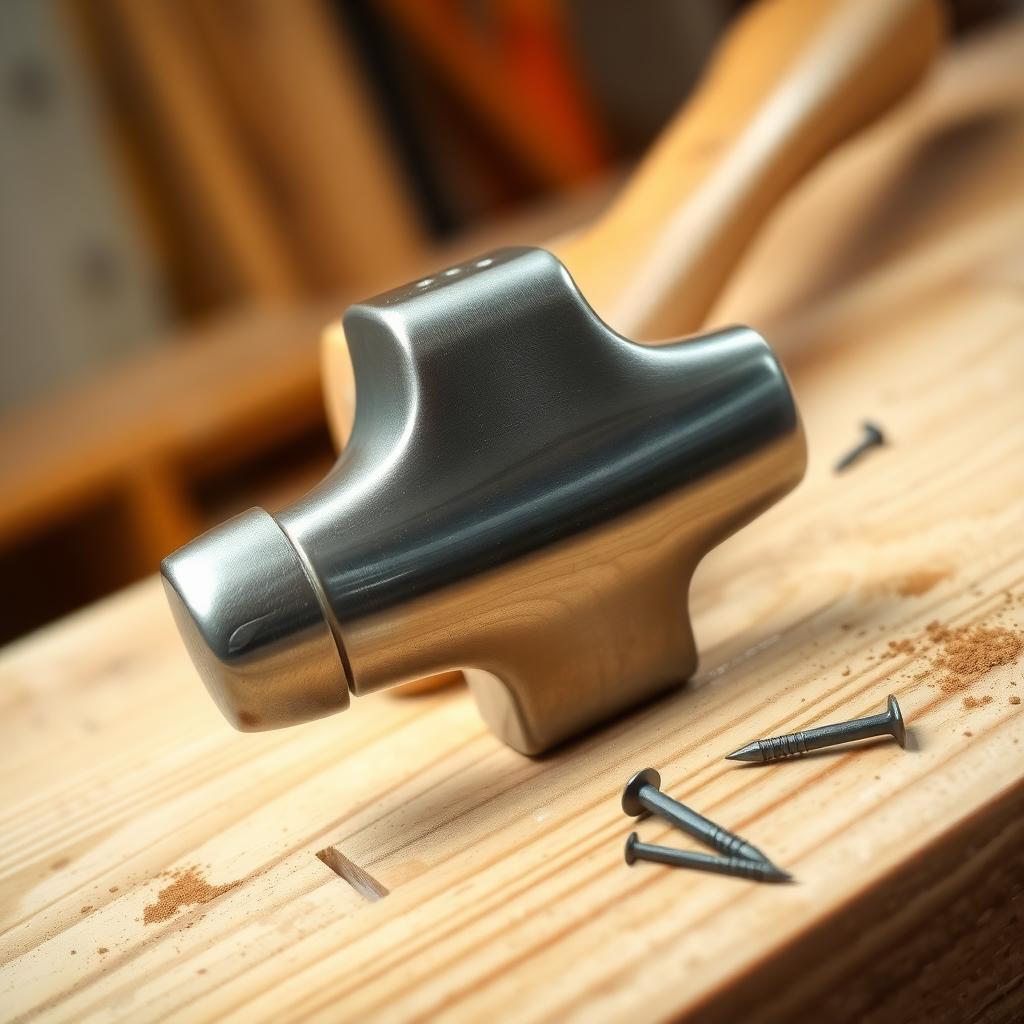
A claw hammer is essential for driving nails and prying them out when mistakes happen (and they will!). A 16-ounce hammer with a fiberglass handle offers a good balance of power and control. I’ve used mine for everything from hanging picture frames to building a backyard fence.
4. Tape Measure
Accuracy is everything in DIY. A 25-foot tape measure with a locking mechanism and a sturdy clip is a must. I learned the hard way to double-check measurements after cutting a board too short for a shelving unit. Look for one with both metric and imperial markings for flexibility.
5. Level
Nothing screams “amateur” like a crooked shelf. A 24-inch spirit level ensures your projects are perfectly aligned. I’ve found digital levels handy for precise angles, but a traditional bubble level is reliable and affordable.
6. Utility Knife
From cutting drywall to trimming carpet, a utility knife with replaceable blades is indispensable. I keep extra blades in my toolbox to avoid dull cuts, which can lead to sloppy work or accidents.
Easy DIY Tool Care Tips for Longevity
Taking care of your tools ensures they last for years. I’ve learned these Easy DIY Tool Care Tips for Longevity through trial and error, and they’ve kept my toolkit in top shape.
Screwdriver Maintenance Tips
Screwdrivers seem simple, but neglecting them can lead to stripped tips or rusted shafts. Here’s how I keep mine in great condition:
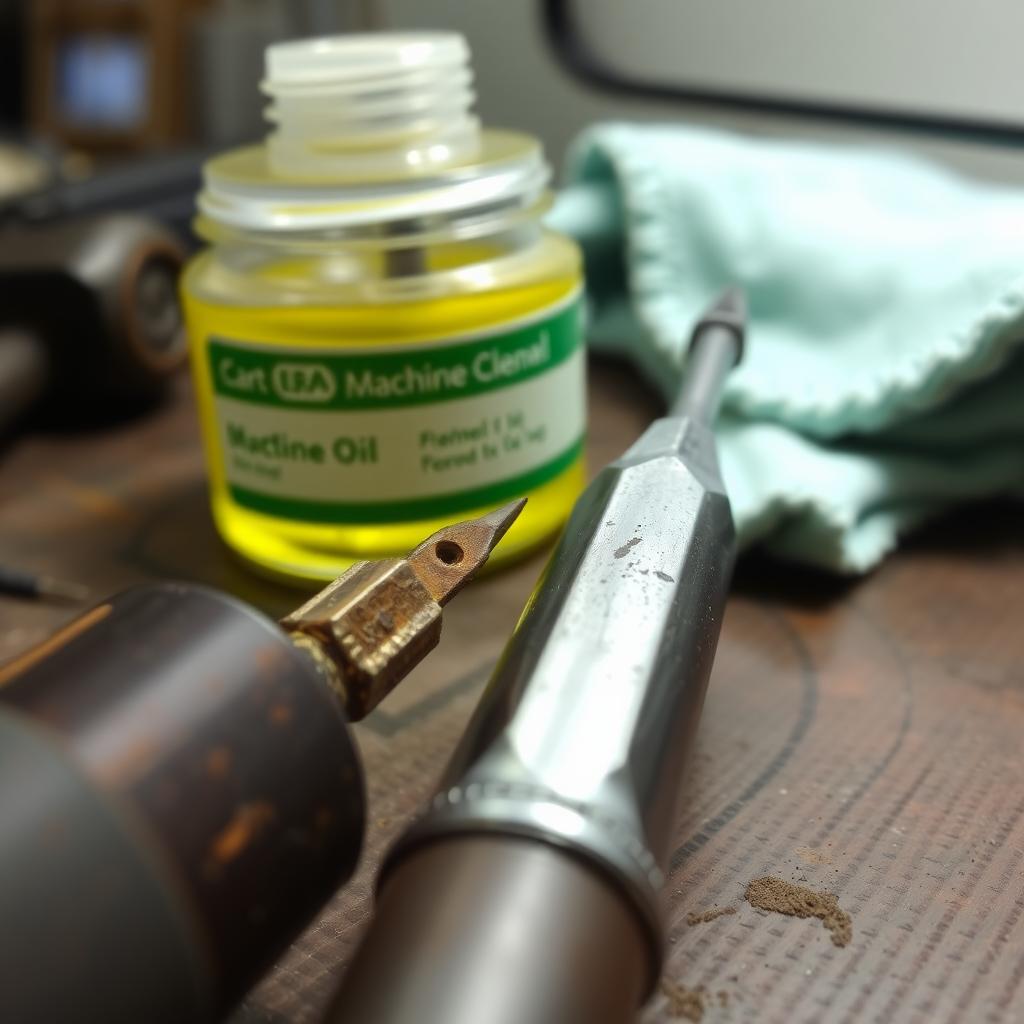
- Clean Regularly: Wipe the metal shaft with a damp cloth to remove dirt or grease, then dry thoroughly to prevent rust.
- Store Properly: Keep screwdrivers in a rack or toolbox to avoid tip damage. I once tossed mine in a drawer, and the tips got nicked, making them less effective.
- Inspect Tips: If a tip is worn, replace the screwdriver or use a file to reshape it, as advised by Fine Homebuilding’s tool maintenance guide.
General Tool Care
- Lubricate Moving Parts: For tools like drills, apply a light machine oil to moving parts every few months.
- Keep Dry: Store tools in a dry place to prevent rust. A silica gel packet in your toolbox can help.
- Sharpen Blades: For utility knives, replace dull blades immediately to maintain precision and safety.
Common Workshop Tool Problems and Solutions
Even the best tools can run into issues. Here are some Common Workshop Tool Problems and Solutions I’ve encountered and how to fix them.
| Problem | Tool | Solution |
|---|---|---|
| Stripped Screwdriver Tip | Screwdriver | File down the tip or replace the screwdriver. Avoid using on mismatched screws. |
| Drill Bit Jamming | Cordless Drill | Clean the bit and lubricate the chuck. Ensure you’re using the right bit for the material. |
| Hammer Handle Loosening | Hammer | Tighten with a wrench or replace if cracked. Check regularly for wear. |
| Inaccurate Tape Measure | Tape Measure | Clean the blade and check for bends. Replace if the hook is loose. |
Personal Insights from My DIY Journey
One of my biggest lessons as a DIYer was realizing that quality trumps quantity. Early on, I bought a cheap drill that died mid-project, leaving me stranded. Investing in a reliable cordless drill was a turning point—it’s now my go-to tool. Similarly, keeping my screwdrivers clean and organized has saved me countless headaches. The Occupational Safety and Health Administration (OSHA) emphasizes that proper tool maintenance reduces workplace accidents, and I’ve found this applies to home workshops too.
Building Your Toolkit Over Time
You don’t need to buy everything at once. Start with the essentials: a screwdriver set, hammer, and tape measure. As your skills grow, add tools like a cordless drill or level. Check reviews on sites like Popular Mechanics for recommendations on durable brands. I’ve built my collection over years, and each tool feels like a trusted partner in my projects.
Summary
A well-equipped toolkit is the heart of any DIYer’s workshop. By investing in Essential Tools Every DIYer Should Own like screwdrivers, drills, and levels, and following Easy DIY Tool Care Tips for Longevity, you’ll be ready for any project. Address Common Workshop Tool Problems and Solutions proactively to keep your tools in peak condition. Start small, maintain your gear, and enjoy the satisfaction of creating something with your own hands.
Related Essential Tools Every DIYer Should Own:
- How to Choose the Right Screwdriver for Your Project: Essential Guide
- Top 10 Ergonomic Tools Every Tradesperson Should Have
- How to Use a Hammer Safely: A Comprehensive Guide for Beginners and Pros
- 10 Tips for Choosing the Right Paint for Your Next Art Project
- Top 10 Must-Have Construction Tools for Every Workman
- Essential Electrical Tools Every Beginner Needs: A Comprehensive Guide
- The Ultimate Guide to Workman Tools for Everyday Use
- Tips for Organizing Small Workshops Efficiently
- Keeping Your Power Tools in Top Shape: A Comprehensive Guide
- Advanced Tool Maintenance Techniques for Longevity and Performance
- The Best Workman Tools for Professional Builders: A Comprehensive Guide
- Small Space Organization Hacks for Home Workshops