Overview
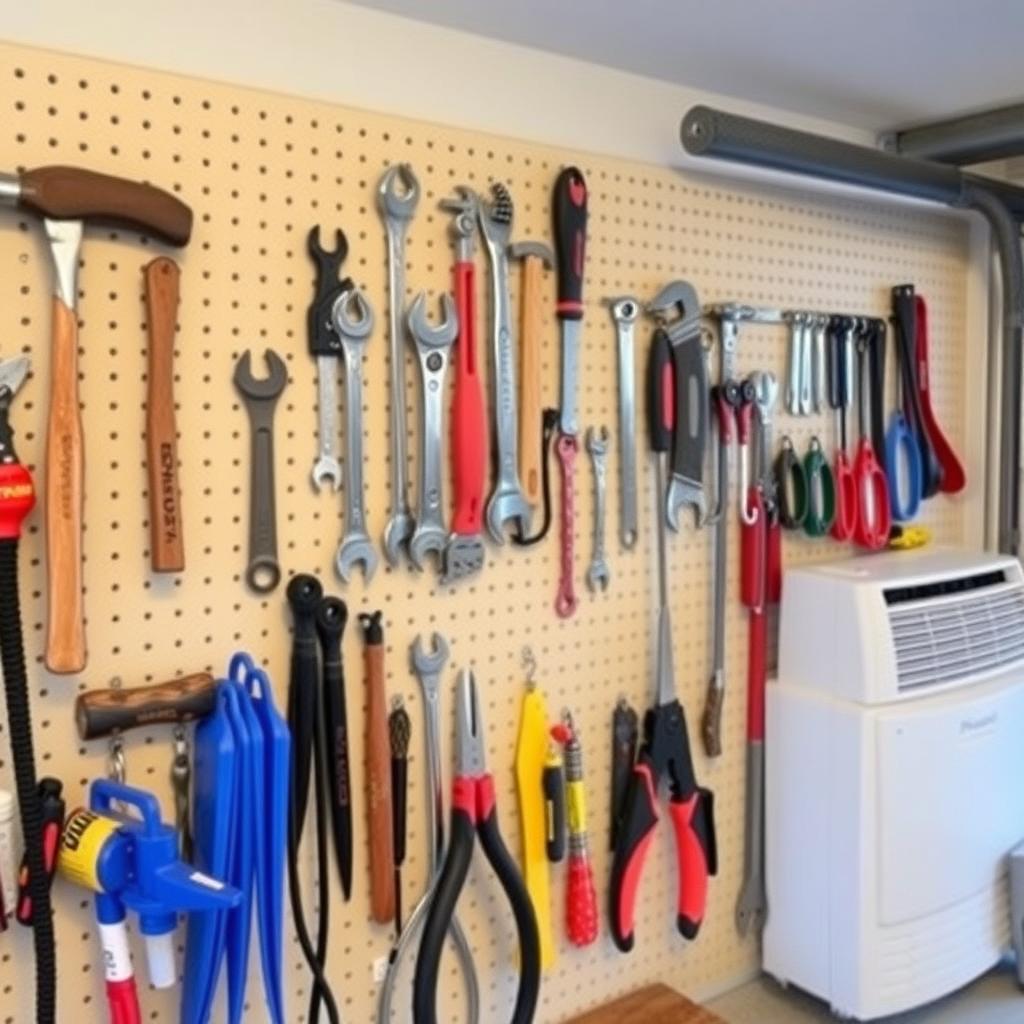
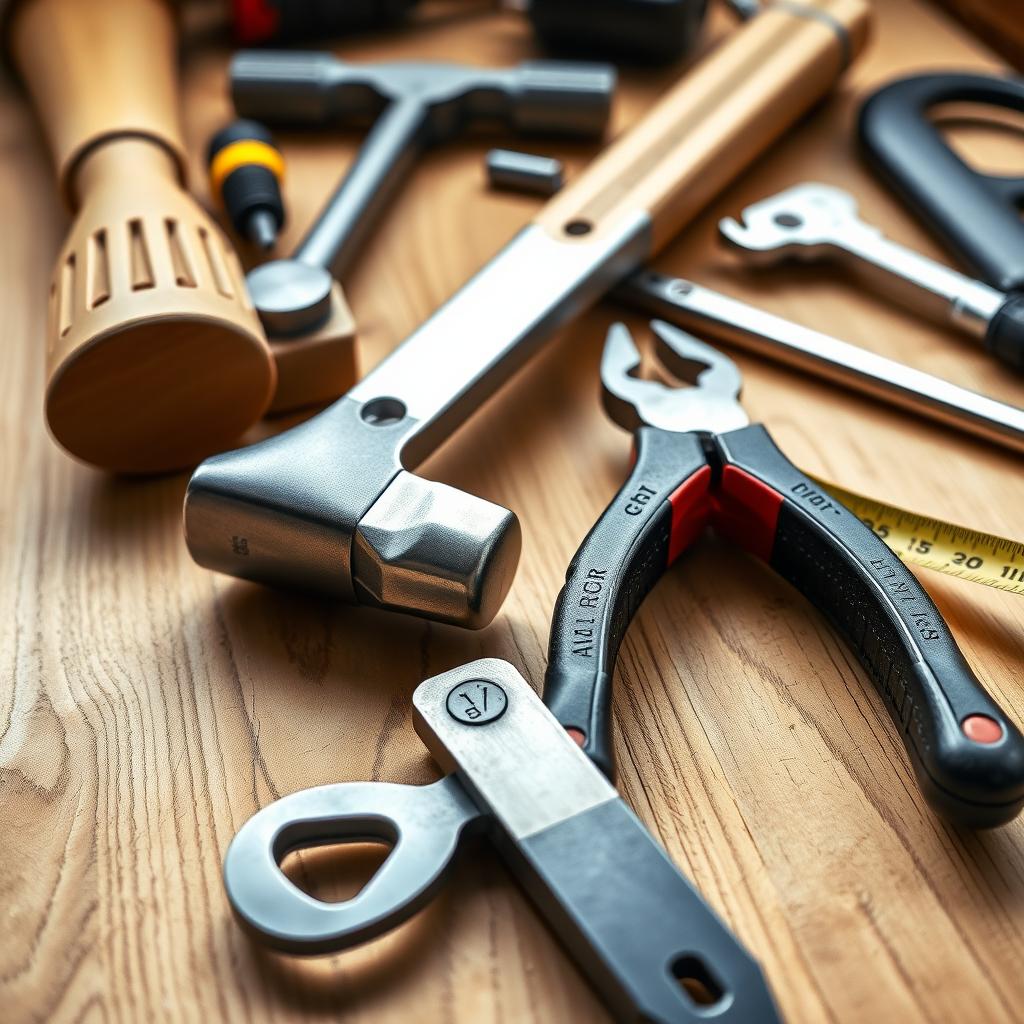
Keeping your tools in top shape is more than just a chore—it’s an investment in your craft. Whether you’re a beginner with a basic set of workman tools or a seasoned pro with a fully stocked toolbox, mastering Advanced Tool Maintenance Techniques can save you time, money, and frustration. This guide dives into practical, actionable methods to ensure your tools last for years while performing at their best.
Why Tool Maintenance Matters
Tools are the backbone of any project, from building furniture to fixing a leaky pipe. Neglecting them can lead to rust, dull blades, or even dangerous malfunctions. Proper care not only extends the life of your tools but also ensures safety and precision. For beginners, learning How to Maintain Your Tools for Longevity is a foundational skill that sets you up for success. Even a simple screwdriver, when well-maintained, can outlast a poorly cared-for power drill.
I’ve seen firsthand how a little effort goes a long way. Years ago, I inherited my grandfather’s old toolbox. His chisels and hammers were decades old but still sharp and sturdy because he treated them with care. That experience taught me that maintenance isn’t just about tools—it’s about respecting your work.
Cleaning Your Tools: The Foundation of Maintenance
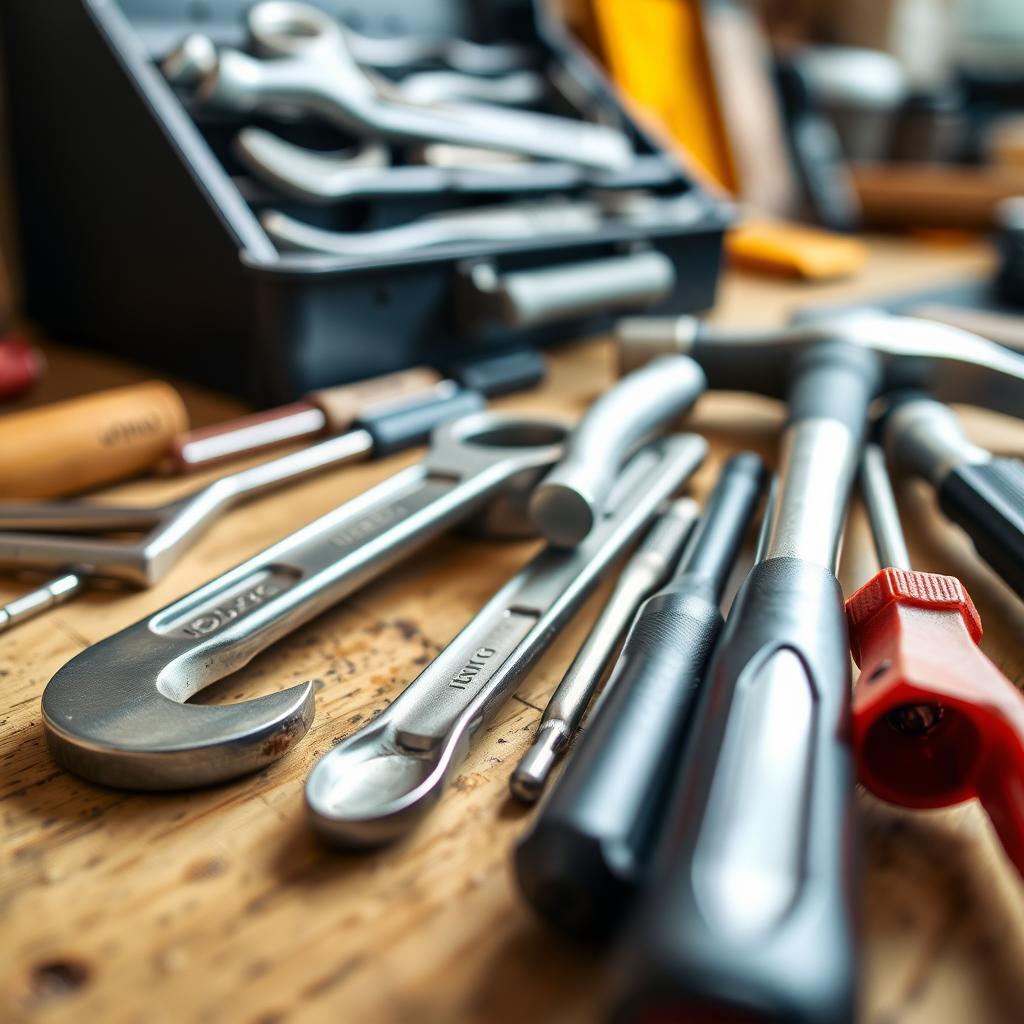
Dirt, grease, and sawdust are the enemies of any tool. Regular cleaning prevents buildup that can cause corrosion or affect performance. Here’s a step-by-step approach to cleaning your workman tools:
- Remove Debris: Use a stiff brush or compressed air to clear dust and grime from surfaces.
- Wipe Down Metal Parts: Use a cloth dampened with mineral spirits or a mild degreaser to clean metal surfaces. Avoid soaking tools in water, as it promotes rust.
- Dry Thoroughly: Use a clean, dry cloth to ensure no moisture remains.
- Lubricate Moving Parts: Apply a light machine oil to hinges, joints, or blades to keep them moving smoothly.
For power tools, always unplug them before cleaning and follow the manufacturer’s guidelines. According to a guide from Purdue University’s Agricultural Safety Program, regular cleaning can reduce tool-related accidents by ensuring proper function.
Preventing Rust: A Key to Longevity
Rust is a tool’s worst nightmare. It weakens metal and makes tools harder to use. To prevent rust:
- Store Tools Properly: Keep tools in a dry, climate-controlled environment. A quality toolbox with moisture-absorbing packets can work wonders.
- Apply Protective Coatings: Use a thin layer of oil or a rust-inhibiting spray on metal surfaces.
- Inspect Regularly: Check for early signs of rust and address them immediately with fine sandpaper or a wire brush.
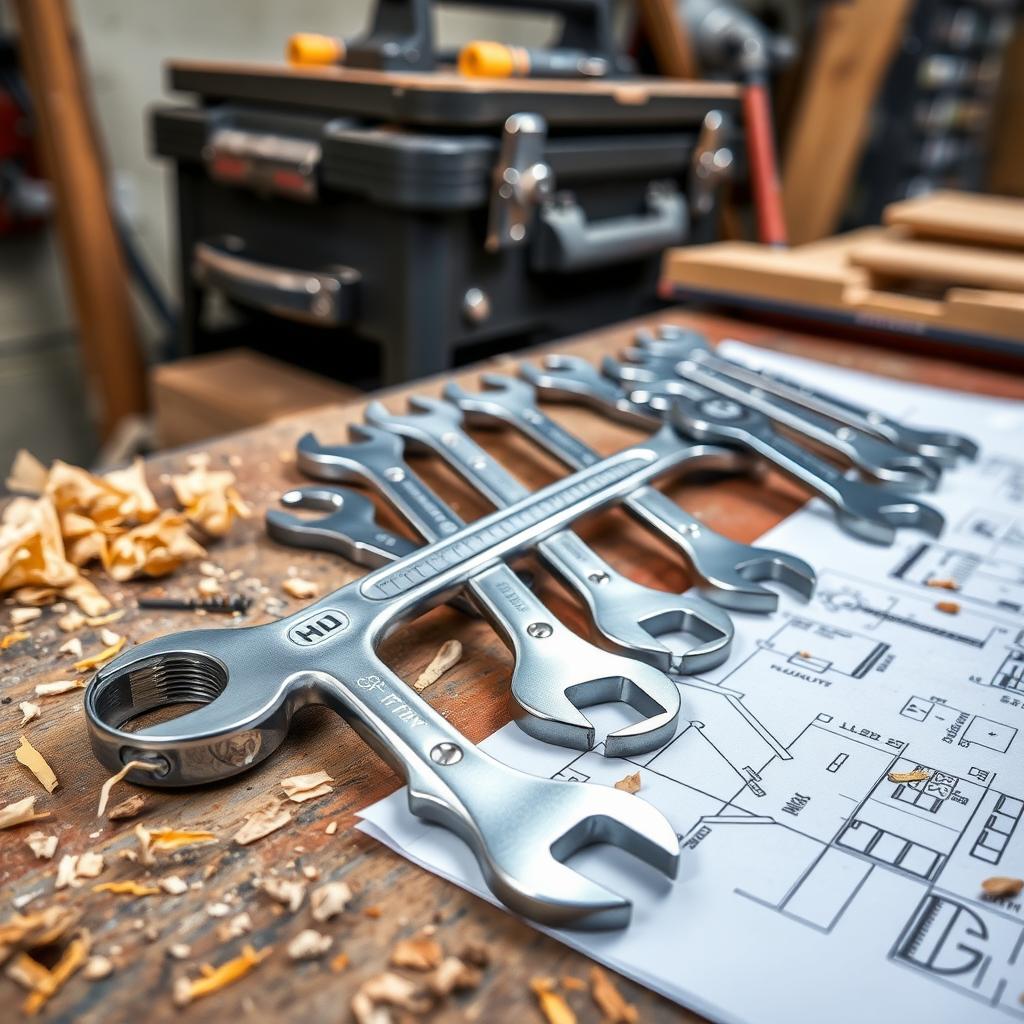
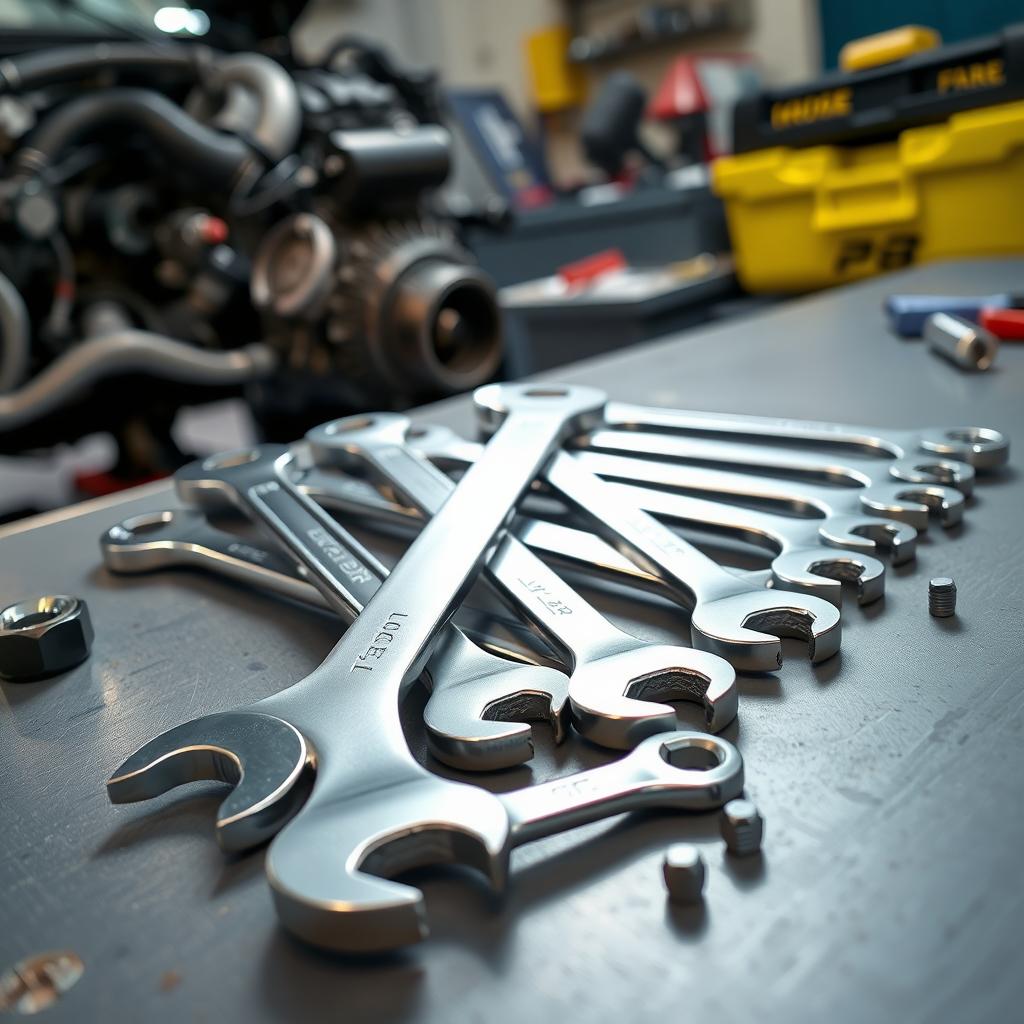
I once left a wrench in a damp garage for a month, and it developed rust spots. A quick scrub with steel wool and a coat of oil brought it back to life, but it was a reminder to never skip storage precautions.
Sharpening Blades for Precision
Dull tools are not only ineffective but also dangerous. Chisels, saws, and drill bits need regular sharpening to maintain their edge. Here’s how to sharpen common tools:
| Tool Type | Sharpening Method | Frequency |
|---|---|---|
| Chisels | Use a whetstone or sharpening guide at a 25-degree angle | Every 1-2 months with heavy use |
| Saws | File teeth with a triangular file, following the original angle | Annually or when cutting slows |
| Drill Bits | Use a bench grinder or drill sharpener for precise-opened bits | As needed, typically every 10-15 holes |
For beginners, investing in a simple sharpening stone is a game-changer. A study from the University of Illinois Extension notes that sharp tools can improve efficiency by up to 30%, saving time and effort.
Sharpening takes practice, but it’s worth it. I remember struggling with a dull chisel early in my woodworking days. Once I learned to sharpen it properly, my cuts were cleaner, and the work felt effortless. Start with a coarse stone and finish with a finer one for a razor-sharp edge.
Storage Solutions: Protecting Your Investment
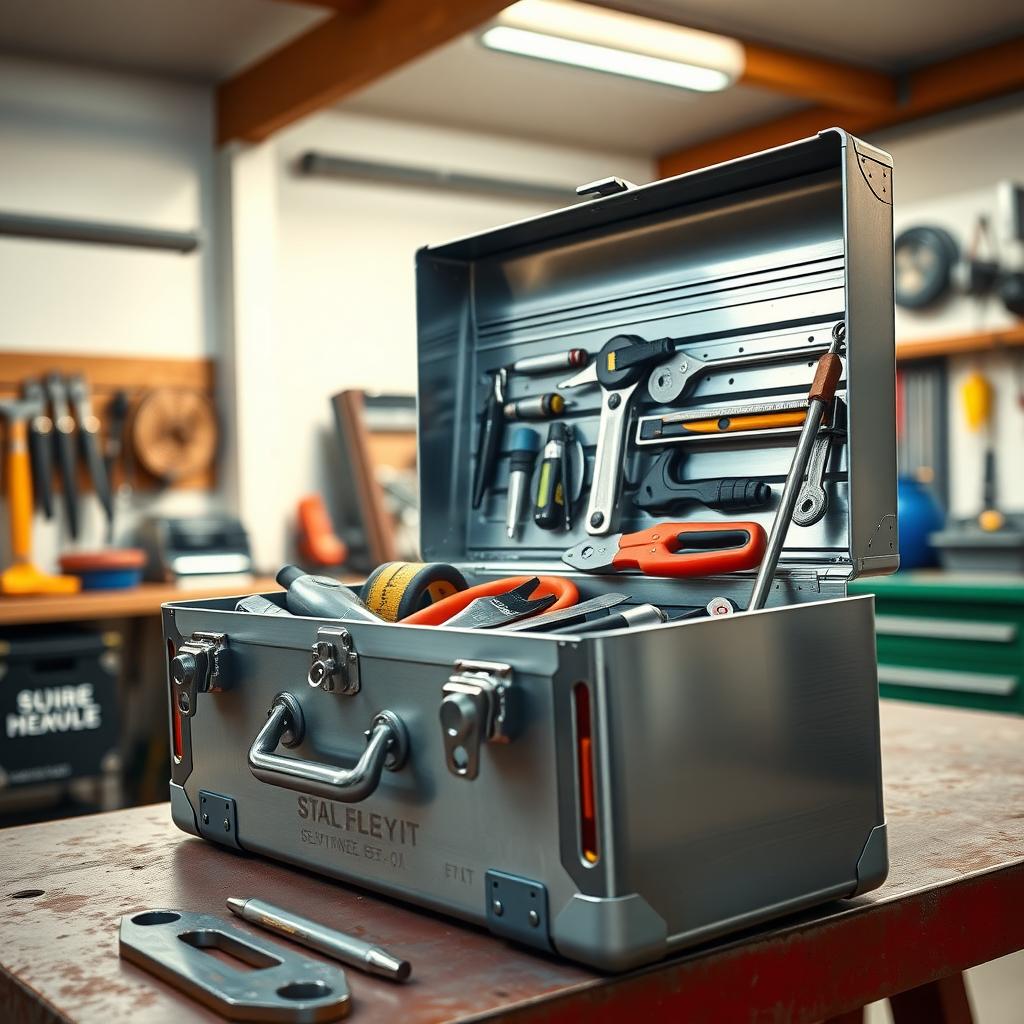
A good toolbox is more than just storage—it’s a shield for your workman tools. Here’s how to choose and use one effectively:
- Material: Metal or heavy-duty plastic toolboxes resist wear and moisture better than fabric bags.
- Organization: Use foam inserts or dividers to keep tools from banging into each other.
- Portability: For beginners, a portable toolbox with a handle is ideal for small projects.
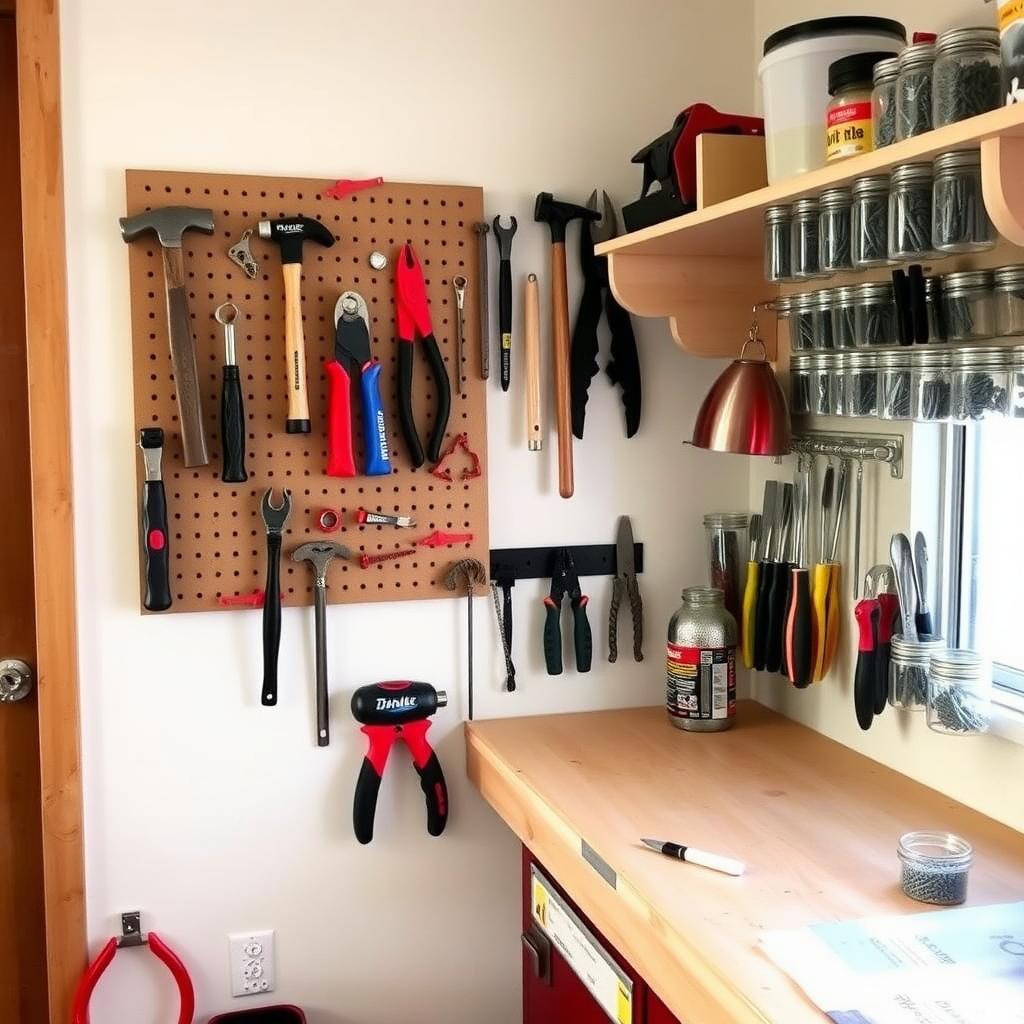
I keep my tools in a metal toolbox with custom foam cutouts. It’s a bit of an upfront investment, but it’s saved me from replacing damaged tools countless times. Check out OSHA’s guidelines on tool storage for workplace safety tips that apply at home too.
Advanced Techniques for Power Tools
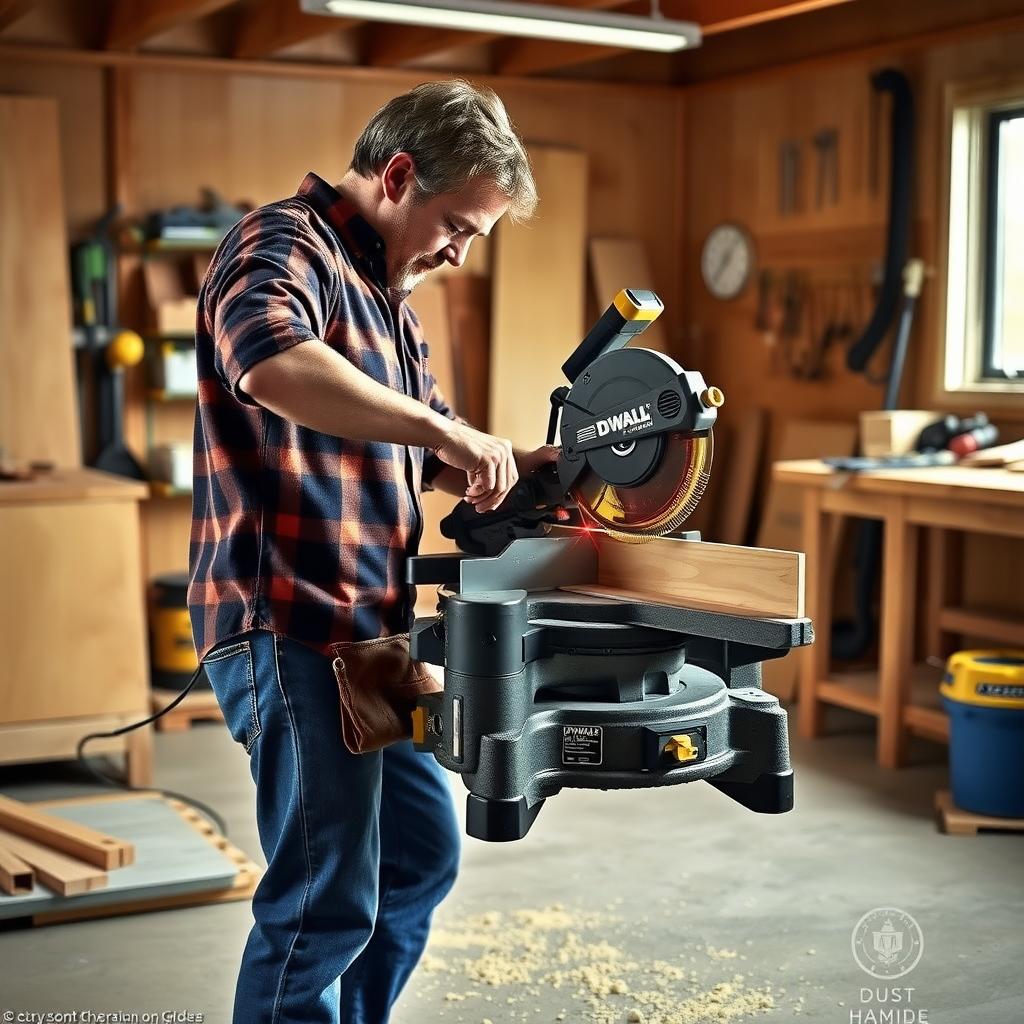
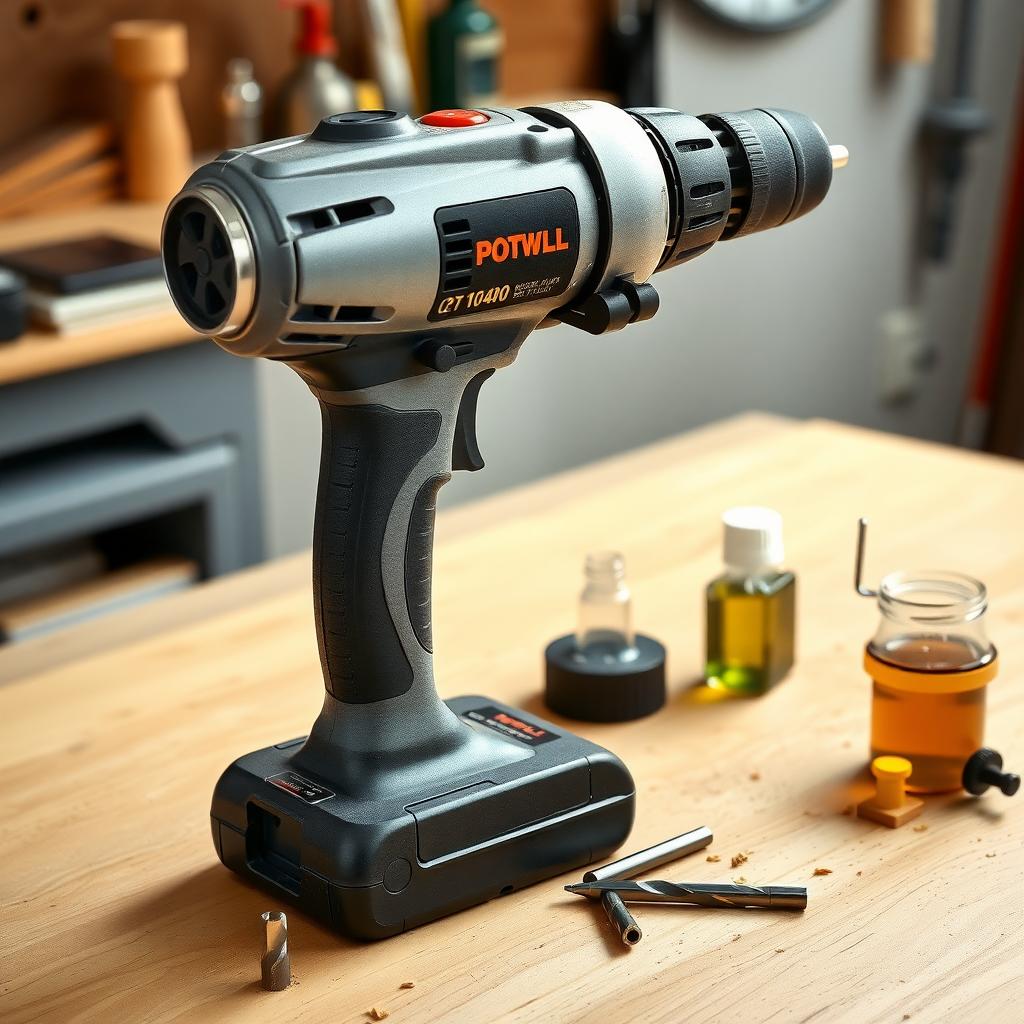
Power tools like drills and saws require extra care. Here are some Advanced Tool Maintenance Techniques for them:
- Check Electrical Components: Inspect cords for fraying and replace damaged ones immediately.
- Clean Air Vents: Dust in vents can cause overheating. Use compressed air to clear them.
- Calibrate Regularly: Ensure tools like laser levels are calibrated for accuracy.
I once had a cordless drill overheat because I ignored the vents. A quick clean and a new battery later, it was back to full power. Don’t skip these steps—they’re critical for longevity.
Maintenance Schedule: Stay Ahead of Wear
Consistency is key. Create a maintenance schedule based on how often you use your tools:
- Daily: Wipe down tools after use to remove debris.
- Weekly: Inspect for rust or damage and lubricate moving parts.
- Monthly: Sharpen blades and check power tool calibration.
- Annually: Deep-clean and apply protective coatings.
This routine has kept my tools in near-perfect condition for years. For workman tools for beginners, starting with a simple schedule builds good habits early.
Common Mistakes to Avoid
Beginners often make these mistakes:
- Ignoring Small Issues: A tiny rust spot can spread quickly if ignored.
- Using the Wrong Cleaner: Harsh chemicals can damage tool finishes.
- Poor Storage: Leaving tools exposed to humidity invites corrosion.
I learned the hard way when I stored a saw in a damp basement. It rusted beyond repair, and I had to replace it. Don’t make the same mistake—prioritize proper storage.
Summary
Mastering Advanced Tool Maintenance Techniques ensures your tools stay reliable and safe for years. From cleaning and rust prevention to sharpening and proper storage, these practices are essential for beginners and pros alike. Invest time in your workman tools, and they’ll reward you with longevity and precision. Keep learning, stay consistent, and your toolbox will serve you well.
Related Advanced Tool Maintenance Techniques:
- How to Choose the Right Toolbox for Your Needs: Expert Tips and Insights
- The Best Workman Tools for Professional Builders: A Comprehensive Guide
- Small Space Organization Hacks for Home Workshops
- Setting Up Your Home Office for Productivity: A Complete Guide
- 10 Essential Painting Tools Every Painter Should Have
- The Best Power Tools for Automotive Repair: A Comprehensive Guide
- Top Power Tools for Your Workshop: Must-Haves for Woodworking Enthusiasts
- Hand Tools Maintenance Tips: Keep Your DIY Arsenal in Top Shape
- Comprehensive Guide to Choosing Workman Tools
- The Best Wrenches for Mechanics: Top Picks for Durability and Performance
- The Future of Automation Tech: Revolutionizing Industries with Smart Tools
- Painting Techniques for Beginners: A Step-by-Step Guide