Overview
The future of automation tech is reshaping how industries operate, making processes faster, safer, and more efficient. From advanced electrical tools to smart industrial sensors, these technologies are driving a new era of innovation. This article dives into what’s next for automation and how it’s changing the world.
Why Automation Tech Matters
Automation technology is no longer just a buzzword—it’s a game-changer. Imagine a factory where machines talk to each other, predict when they’ll need repairs, and adjust operations on the fly. That’s the reality we’re stepping into. The future of automation tech is about creating systems that work smarter, not harder. It’s helping businesses cut costs, reduce waste, and keep workers safe. As someone who’s seen factories struggle with outdated processes, I can tell you: automation is like giving industries a superpower.
What’s driving this shift? The need for efficiency and sustainability. Companies face pressure to produce more with less—less time, less energy, and fewer resources. Automation tech answers that call by blending artificial intelligence (AI), robotics, and the Internet of Things (IoT). According to a report by the International Federation of Robotics, global industrial robot sales hit 486,800 units in 2021, a 31% jump from the previous year. That number’s only climbing as we head into 2025.
Understanding Industrial Sensors: The Eyes and Ears of Automation
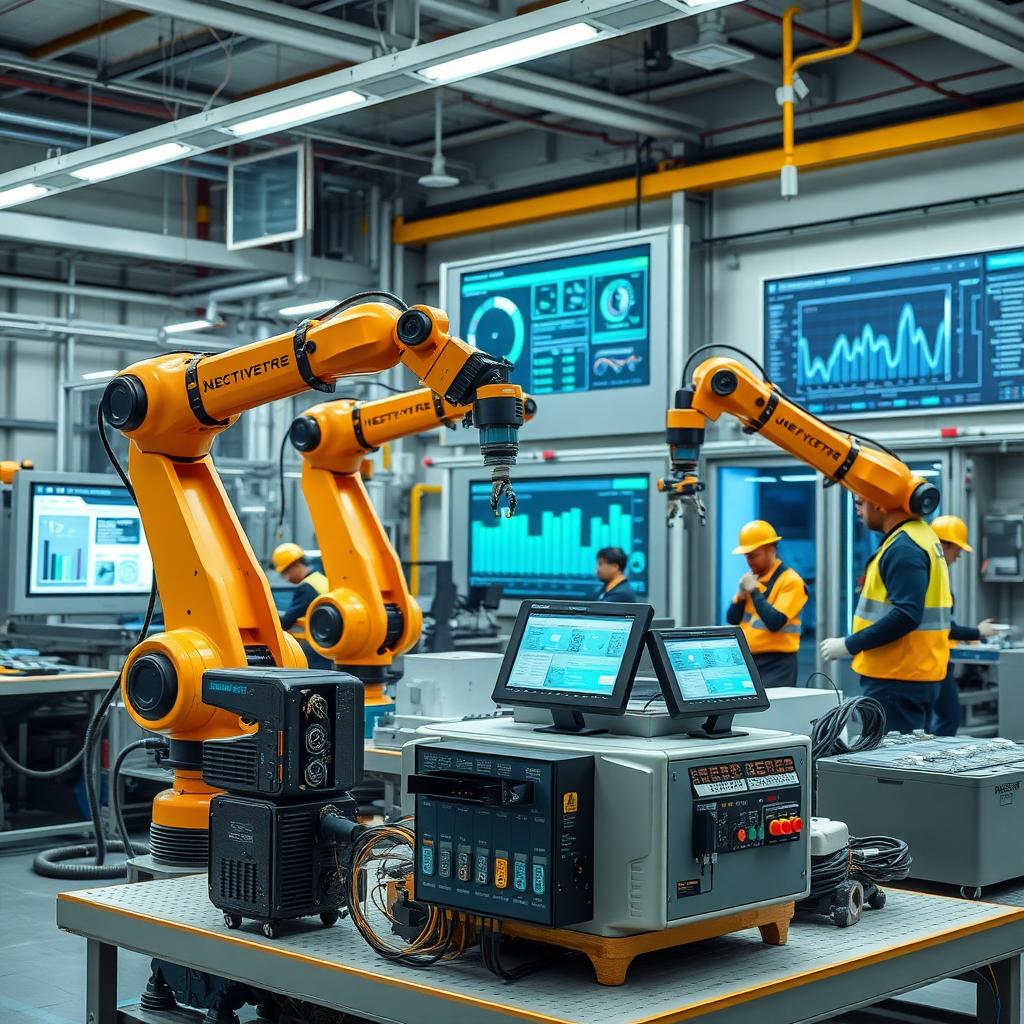
At the heart of automation are industrial sensors—small devices with a big impact. Think of them as the eyes and ears of a factory. They monitor everything from temperature to vibration, sending real-time data to control systems. This data helps machines make decisions, like slowing down to prevent overheating or flagging a part that’s out of spec. Understanding industrial sensors is key to grasping how automation works.
For example, in agriculture, sensors check soil moisture and crop health, ensuring precise irrigation. In electronics, they inspect circuit boards for defects, catching errors humans might miss. A study from MIT highlights how sensors paired with AI can cut manufacturing waste by up to 20%. I’ve seen this firsthand in a local plant where sensors caught a faulty conveyor belt before it caused a week-long shutdown. That’s the kind of practical impact sensors bring.
Types of Industrial Sensors
Here’s a quick look at common sensors powering automation:
| Sensor Type | Function | Industry Use |
|---|---|---|
| Temperature | Measures heat levels | Manufacturing, HVAC |
| Pressure | Detects gas or liquid pressure | Oil & gas, automotive |
| Proximity | Senses nearby objects | Robotics, assembly lines |
| Vision | Captures images for inspection | Electronics, pharmaceuticals |
These sensors feed data to systems that adjust operations in real time, making processes smoother and more reliable.
Advanced Electrical Tools for Automation: Powering the Future
If sensors are the eyes, advanced electrical tools for automation are the brains. These tools, like programmable logic controllers (PLCs) and human-machine interfaces (HMIs), control and monitor automated systems. They’re the bridge between human workers and machines, turning raw data into actionable commands. For instance, a PLC can adjust a robot’s speed based on sensor input, ensuring precision without human intervention.
Electrical tools have come a long way. I remember visiting a factory where workers manually adjusted machines using basic electrical tools like multimeters. Now, advanced tools integrate with cloud systems, letting managers monitor production from their phones. A Rockwell Automation report notes that 70% of manufacturers will use connected worker tools by 2025, boosting productivity by linking workers to real-time data.
Workman Tools Evolving for Automation
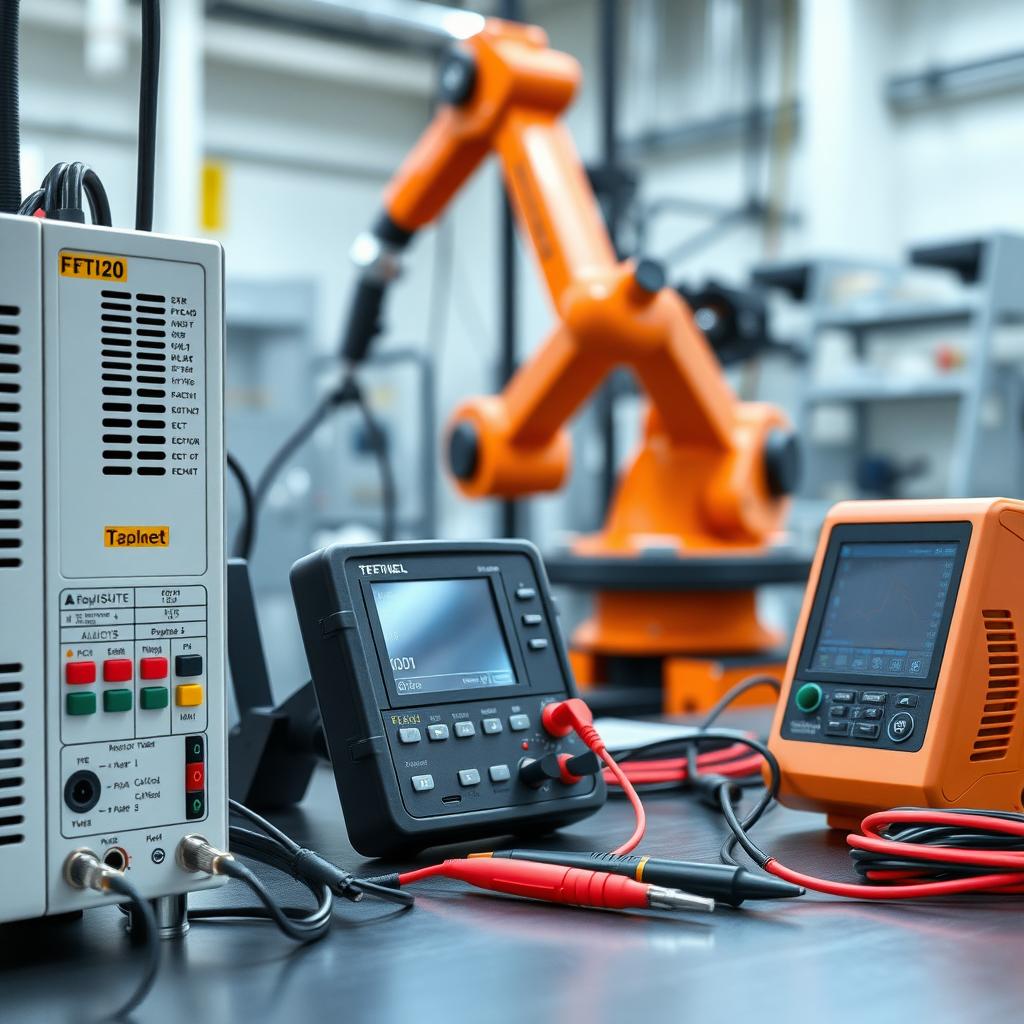
Workman tools—think screwdrivers, wrenches, and testers—are getting a high-tech makeover. These aren’t your grandpa’s tools anymore. Modern workman tools integrate with automation systems, often featuring sensors or connectivity for real-time feedback. For example, smart torque wrenches can log data to ensure bolts are tightened perfectly every time. This reduces errors and boosts quality.
I once spoke with a technician who swore by his smart multimeter. It not only measured voltage but also sent data to a tablet, flagging issues instantly. These tools make workers more efficient and let them focus on tasks machines can’t handle. As automation grows, workman tools will keep evolving, blending traditional craftsmanship with cutting-edge tech.
The Role of AI and IoT in Automation
AI and IoT are the backbone of the future of automation tech. AI analyzes sensor data to predict equipment failures before they happen, saving millions in downtime costs. IoT connects devices, creating a network where machines share information instantly. For example, a McKinsey report estimates that IoT could add $1.6 trillion to the global economy by 2025, with manufacturing leading the charge.
Picture a warehouse where autonomous robots move goods based on IoT signals, while AI optimizes their paths to avoid collisions. I’ve seen this in action at a logistics hub, where robots cut delivery times by 30%. These technologies aren’t just fancy add-ons—they’re essential for staying competitive.
Challenges and Opportunities
The future of automation tech isn’t without hurdles. Cybersecurity is a big concern—connected systems are vulnerable to attacks. A single breach can halt production or leak sensitive data. Then there’s the skills gap. As automation grows, workers need training to use advanced tools and interpret data. I’ve met plant managers frustrated by the lack of skilled technicians, but those who invest in training see huge returns.
On the flip side, automation opens doors. It’s creating jobs in tech development and maintenance, even as it reduces repetitive tasks. Plus, it’s driving sustainability. Automated systems optimize energy use, cutting emissions. For instance, smart factories using IoT and AI can reduce energy waste by 15%, per a U.S. Department of Energy study.

How to Prepare for the Future
Want to stay ahead in the future of automation tech? Start small. Invest in a few smart sensors or tools and track their impact. Train your team on new systems—online courses or certifications like those from StudyForFE can help. Finally, partner with automation experts to customize solutions for your needs. I’ve seen small businesses transform by taking these steps, proving you don’t need a massive budget to embrace automation.
The key is to act now. Waiting means falling behind competitors who are already automating. Whether you’re a small shop or a global manufacturer, the tools are more accessible than ever.
Summary
The future of automation tech is bright, driven by industrial sensors, advanced electrical tools, and smart workman tools. These innovations are making industries faster, safer, and greener. By embracing AI, IoT, and training, businesses can thrive in this new era. Stay curious, invest wisely, and automation will be your edge.
Related the-future-of-automation-tech:
- Top 10 Industrial Automation Trends in 2025 - StartUs Insights
- The Ongoing Evolution of Industrial Automation - Fresh Consulting
- Painting Techniques for Beginners: A Step-by-Step Guide
- The Evolution of Workman Tools: From Stone Age to Modern Day
- Best Ratcheting Wrenches for Fast Repairs: Your Ultimate Guide
- A Guide to Choosing the Right Wrenches for Any Job
- Top 10 Essential Tools for Every Workman’s Toolbox
- How to Care for Your Workman Tools: A Comprehensive Guide
- Table Saws with Advanced Safety Mechanisms: Your Guide to Safer Woodworking
- How to Prep Your Walls for a Perfect Paint Job
- How to Choose the Right Hammer for Any Job
- 10 Essential Power Tools for Every Workshop