Overview
Table saws are essential power tools for woodworkers, but they can be dangerous without proper safety features. Modern table saws with advanced safety mechanisms, like flesh-detection technology and automatic blade braking, have transformed the industry, reducing injuries significantly. This guide dives into how these tools work, their safety innovations, and tips for using them effectively.
Why Table Saw Safety Matters
Table saws are the backbone of any woodshop, capable of making precise cuts in everything from plywood to hardwood. But their power comes with risks. According to the U.S. Consumer Product Safety Commission, table saws cause around 30,000 injuries annually, with nearly 4,000 resulting in amputations. These stats hit home for me when I witnessed a friend narrowly escape serious injury due to a kickback incident. The experience made me appreciate how far safety technology has come.
Traditional table saws rely on basic guards and user caution, but human error is inevitable. Advanced safety mechanisms address this by adding layers of protection that act faster than a blink. These innovations don’t just save fingers—they save livelihoods, especially for professional carpenters.
Key Advanced Safety Mechanisms in Table Saws
Modern table saws with advanced safety mechanisms incorporate cutting-edge technology to prevent accidents. Here’s a breakdown of the most impactful features:
-
Flesh-Detection Technology: Pioneered by SawStop, this system uses an electrical signal on the blade to detect skin contact. When your finger touches the blade, the system stops it in less than 5 milliseconds, often reducing a potential amputation to a minor cut. I’ve seen demos where a hot dog (mimicking a finger) gets a nick instead of being obliterated—it’s impressive. SawStop’s technology is now a benchmark, though it’s not foolproof for non-blade injuries like kickback.
-
Automatic Blade Braking: Once flesh is detected, the blade stops and retracts below the table. This rapid response, often powered by a spring or combustion cartridge, minimizes damage. For example, the Bosch REAXX uses a combustion-based system similar to an airbag deployment, dropping the blade out of harm’s way.
-
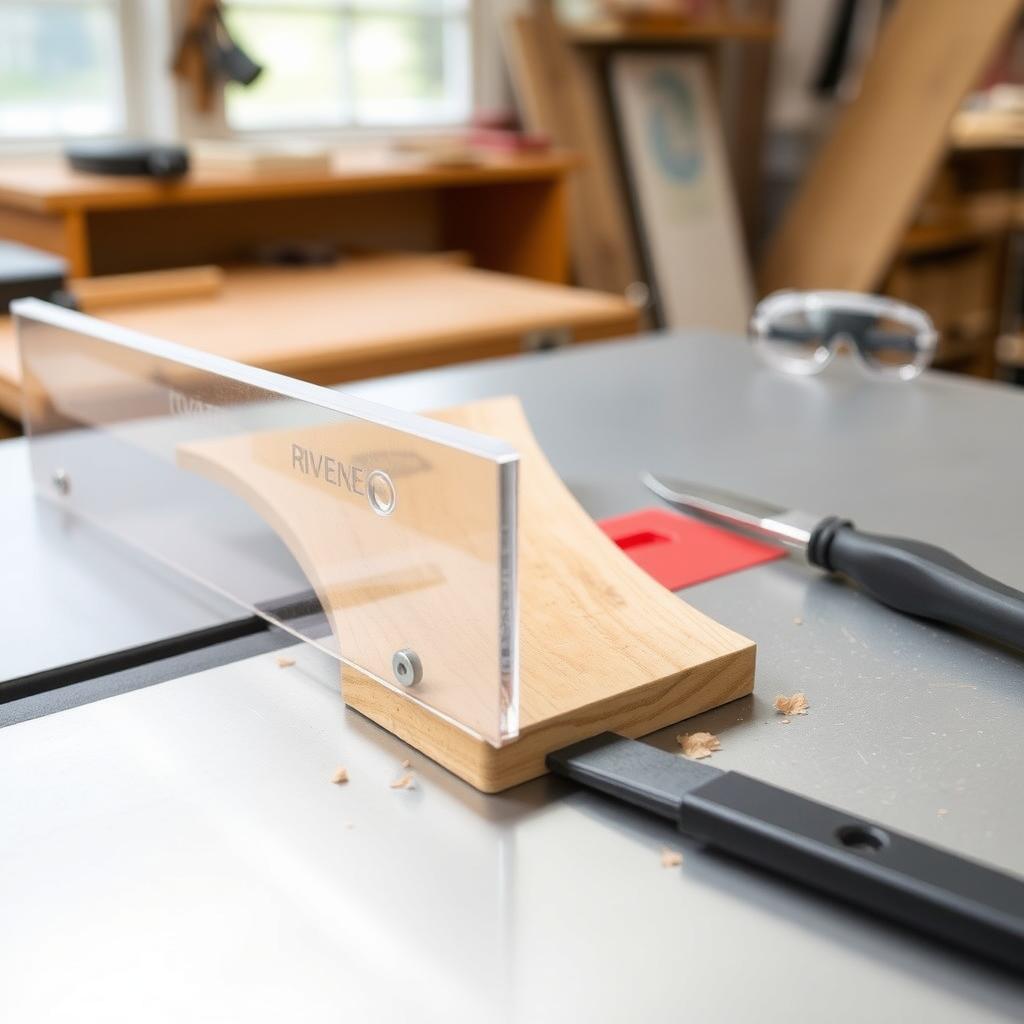
Riving Knives and Anti-Kickback Pawls: These prevent the wood from pinching the blade, which can cause dangerous kickback. A riving knife stays aligned with the blade, keeping the cut open, while pawls grip the wood to stop it from flying backward. I always check these before starting a cut—they’re simple but critical.
-
Modular Blade Guards: Unlike older, clunky guards that users often removed, modern guards are clear, adjustable, and easy to use. They shield you from the blade while maintaining visibility. My old saw’s guard was a hassle, but newer designs make safety feel less like a chore.
How These Mechanisms Work Together
These features create a layered safety net. Flesh-detection stops blade contact injuries, riving knives reduce kickback risks, and guards protect against debris and accidental touches. Together, they address the main dangers outlined by the National Institute for Occupational Safety and Health, like lacerations, amputations, and flying debris.
However, no system is perfect. Flesh-detection can’t prevent kickback-related fractures, and guards don’t help if you bypass them. That’s why user habits matter as much as technology. I learned this the hard way when I rushed a cut and felt the wood jerk—luckily, my riving knife saved the day.
Choosing the Right Table Saw with Advanced Safety Features
When shopping for table saws with advanced safety mechanisms, consider these factors:
| Feature | Why It Matters | Example Models |
|---|---|---|
| Flesh-Detection | Prevents severe blade injuries | SawStop PCS175, Bosch REAXX |
| Riving Knife | Reduces kickback risk | Delta 36-725T2, DeWalt DWE7491RS |
| Modular Guard | Enhances visibility and ease of use | Grizzly G0690, Harvey HW110S |
| Dust Collection | Keeps workspace clean, improves safety | Laguna Fusion F1, SawStop PCS175 |
-
Budget vs. Safety: SawStop models are pricier (often $2,500+), but their safety tech is unmatched. If budget’s tight, brands like Delta offer solid riving knives and guards at around $600. I started with a budget model and upgraded to a SawStop after seeing its tech in action.
-
Portability: Jobsite saws like the Bosch REAXX are lighter but still pack safety features. For home shops, stationary models like the SawStop PCS175 offer more stability.
-
Ease of Maintenance: Check if replacement parts (like brake cartridges) are affordable. SawStop’s cartridges cost about $100, which is worth it for a saved finger.
Research from Wood Magazine highlights the SawStop PCS175 as a top performer for its balance of safety and precision, making it a great choice for serious hobbyists.
Practical Tips for Safe Table Saw Use
Even with advanced safety mechanisms, good habits are crucial. Here’s what I’ve learned from years of woodworking:
-
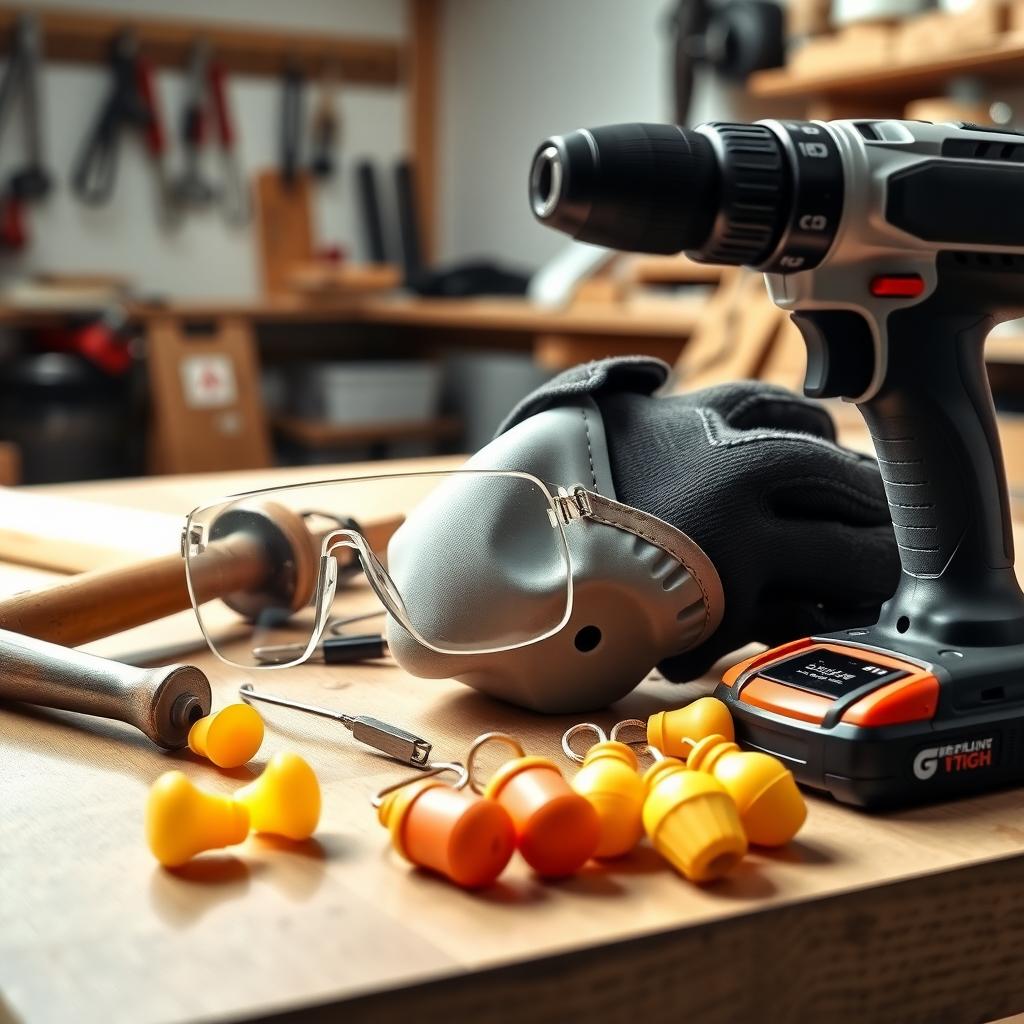
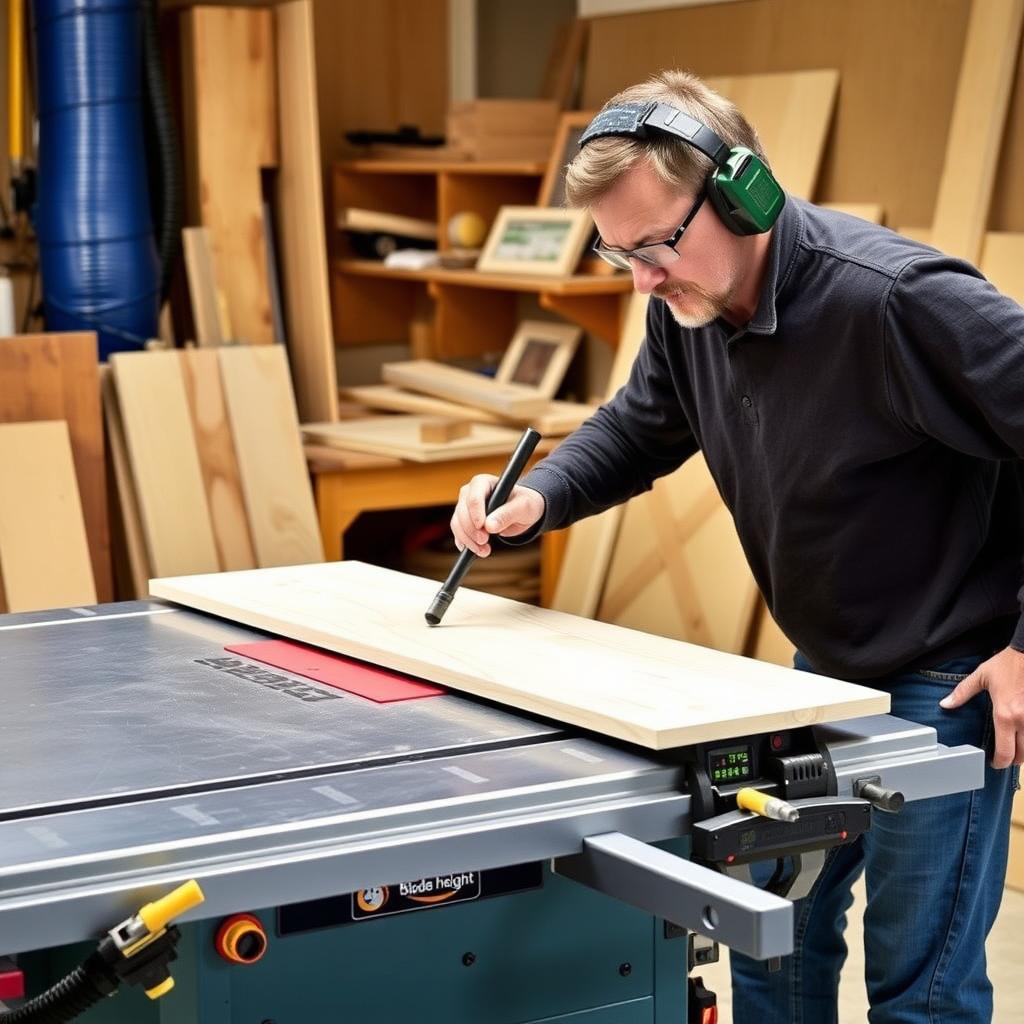
Always Use Safety Gear: Wear goggles, ear protection, and a dust mask. I keep a pair of 3M safety glasses handy—they don’t fog up, even with a mask.
-
Check Your Setup: Before cutting, ensure the blade, fence, and riving knife are aligned. A misaligned fence caused a scary kickback for me once.
-
Use Push Sticks: Keep your hands at least 6 inches from the blade. Push sticks are a lifesaver for narrow cuts.
-
Stand to the Side: Never stand directly behind the blade to avoid kickback projectiles. I mark a “safe zone” on my shop floor.
-
Maintain Your Saw: Clean the blade and check safety features weekly. A dull blade or loose guard can negate even the best tech.
-
Avoid Bypassing Safety Features: It’s tempting to remove guards for better visibility, but don’t. Modern guards are designed to stay out of your way.
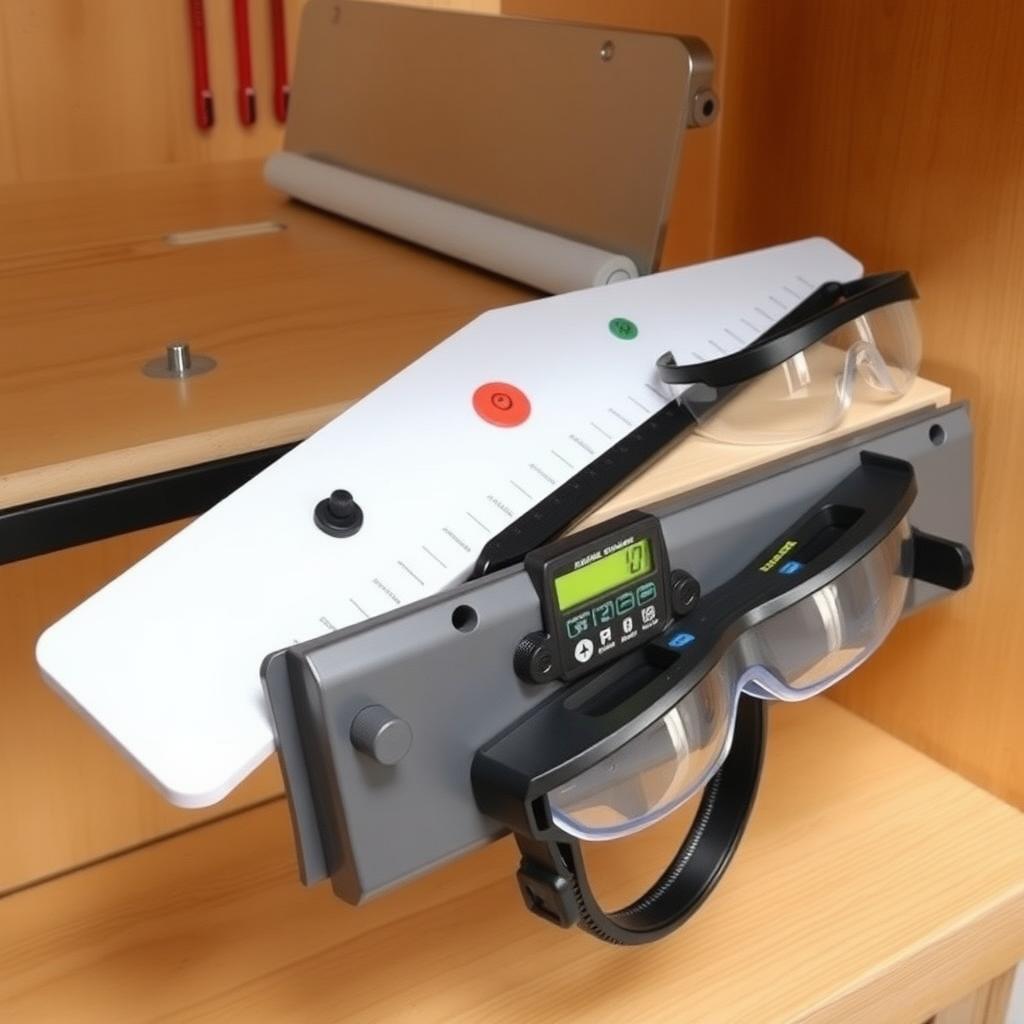
The Future of Table Saw Safety
The industry is evolving fast. The Consumer Product Safety Commission is considering mandating flesh-detection technology on all new table saws, a move that could save thousands of fingers annually. However, this could raise costs, as SawStop holds key patents, potentially limiting competition. I’m hopeful that companies like Bosch and Delta will develop affordable alternatives, as competition drives innovation.
Emerging tech, like optical sensors (e.g., Altendorf Hand Guard), uses cameras to detect hand proximity, but it’s costly ($15,000+) and less practical for home users. For now, flesh-detection and riving knives remain the gold standard.
My take? Invest in a saw with proven safety features, even if it stretches your budget. The peace of mind is worth it. I’ve seen too many close calls to skimp on safety.
Summary
Table saws with advanced safety mechanisms are game-changers for woodworkers. From flesh-detection to riving knives, these power tools blend precision with protection. By choosing the right saw and following safe practices, you can enjoy woodworking without fear. Stay informed, stay safe, and keep creating.
Related tablesaws with advanced safety mechanisms:
- Wood Magazine: Mid-Range Tablesaws Review
- This Old House: A Simple Guide to Using Table Saws Safely
- How to Prep Your Walls for a Perfect Paint Job
- How to Choose the Right Hammer for Any Job
- 10 Essential Power Tools for Every Workshop
- Tool Organization Tips for Painters: Keep Your Workspace Efficient
- Essential Safety Gear for DIY Projects: Protecting Yourself and Your Tools
- The Role of Technology in Improving Construction Safety
- DIY Woodworking Projects for Beginners: A Comprehensive Guide
- Essential Tools for Every Workman's Toolbox: Must-Haves for Any Project
- How to Organize Your Workshop Like a Pro
- Mastering Advanced Hand Tool Techniques for Precision Craftsmanship