Overview
Hand tools are the backbone of any skilled craftsman’s toolkit. Whether you're a DIY enthusiast or a seasoned professional, mastering Advanced Hand Tool Techniques can transform your projects. This guide dives into practical methods, must-have tools, and smart storage solutions to help you work smarter and achieve professional-grade results.
Why Advanced Hand Tool Techniques Matter
Hand tools offer precision and control that power tools often can’t match. From chiseling intricate joints to sanding delicate surfaces, advanced techniques allow you to tackle complex tasks with confidence. These skills save time, reduce waste, and elevate the quality of your work. By focusing on technique, you also deepen your connection to the craft, making every project a rewarding experience.
I’ve spent years honing my skills in woodworking and metalwork, and I’ve learned that the difference between good and great work often comes down to how you use your tools. Let’s explore some key techniques that can take your craftsmanship to the next level.
Top 10 Hand Tools Every Workman Should Own
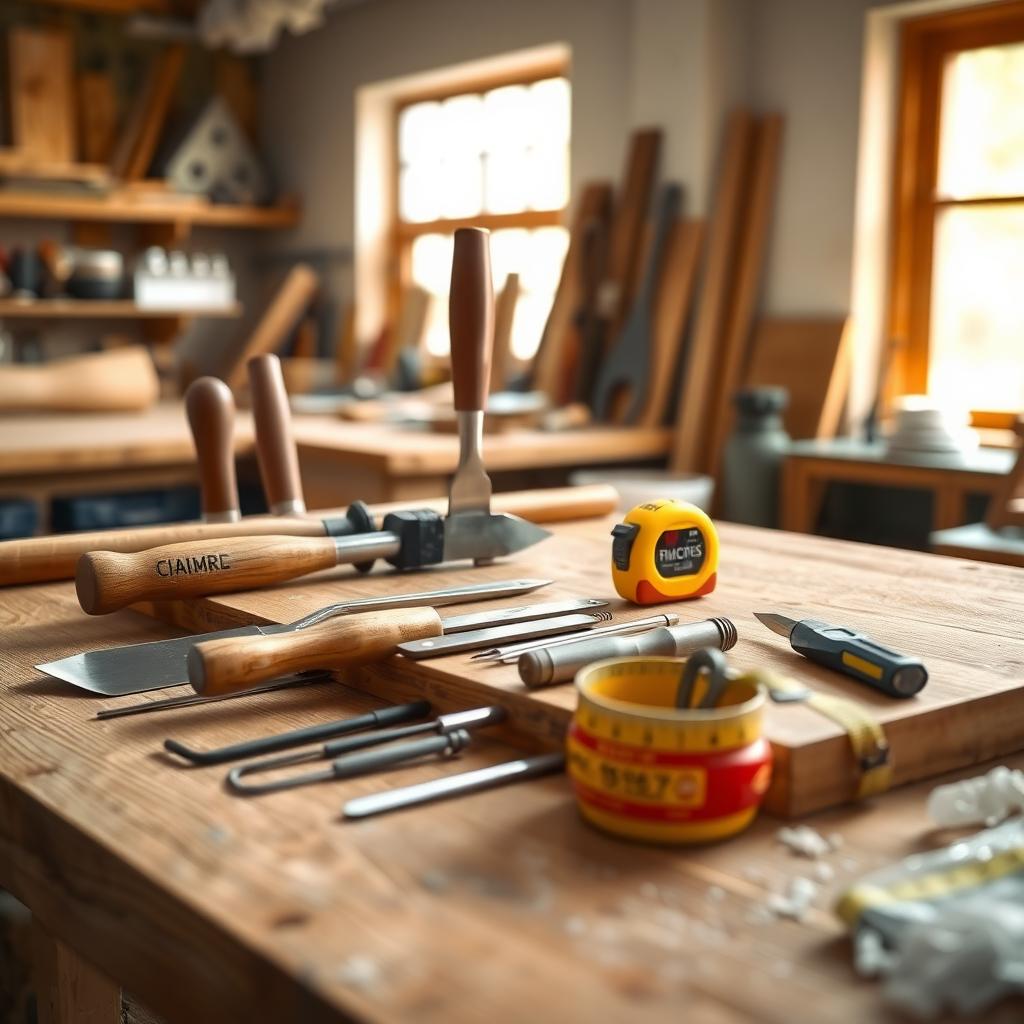
Before diving into techniques, let’s talk about the tools you need. A well-curated toolkit is essential for tackling any project. Here’s my Top 10 Hand Tools Every Workman Should Own, based on versatility and reliability:
- Chisel Set - For precise woodworking and shaping.
- Claw Hammer - Perfect for driving and removing nails.
- Screwdriver Set - A range of sizes for various fasteners.
- Hand Saw - Ideal for controlled cuts in wood.
- Measuring Tape - Accuracy starts with precise measurements.
- Utility Knife - For trimming and cutting with precision.
- Pliers (Needle-Nose and Slip-Joint) - For gripping and twisting.
- Level - Ensures your projects are perfectly aligned.
- Block Plane - Smooths edges and surfaces.
- Combination Square - For marking and checking angles.
Invest in high-quality versions of these tools. Cheap tools wear out fast and can ruin your work.
Advanced Techniques for Precision Work
1. Mastering Chisel Work
Chisels are deceptively simple but incredibly versatile. To carve precise joints, hold the chisel at a slight angle and use controlled, light taps with a mallet. Keep the blade razor-sharp—dull tools lead to sloppy cuts. Practice on scrap wood to perfect your angle and pressure before tackling a project.
2. Perfecting Hand Sawing
A hand saw requires patience and practice. Mark your cut line clearly with a pencil and combination square. Start with a few light strokes to create a groove, then use smooth, full-length strokes. Let the saw do the work; don’t force it. A steady rhythm prevents jagged edges.
3. Smoothing with a Block Plane
A block plane is your secret weapon for smooth surfaces. Adjust the blade for a fine cut, and work with the grain to avoid tear-out. Keep your movements light and consistent, checking progress frequently. This technique is perfect for refining edges or preparing wood for finishing.
4. Precision Measuring and Marking
Accurate measurements are the foundation of any project. Use a combination square for 90-degree angles and a marking gauge for consistent lines. Double-check measurements before cutting—mistakes here can ruin your work. I always measure twice and cut once, a habit that’s saved me countless times.
Guide to Mobile Storage Carts for Tools
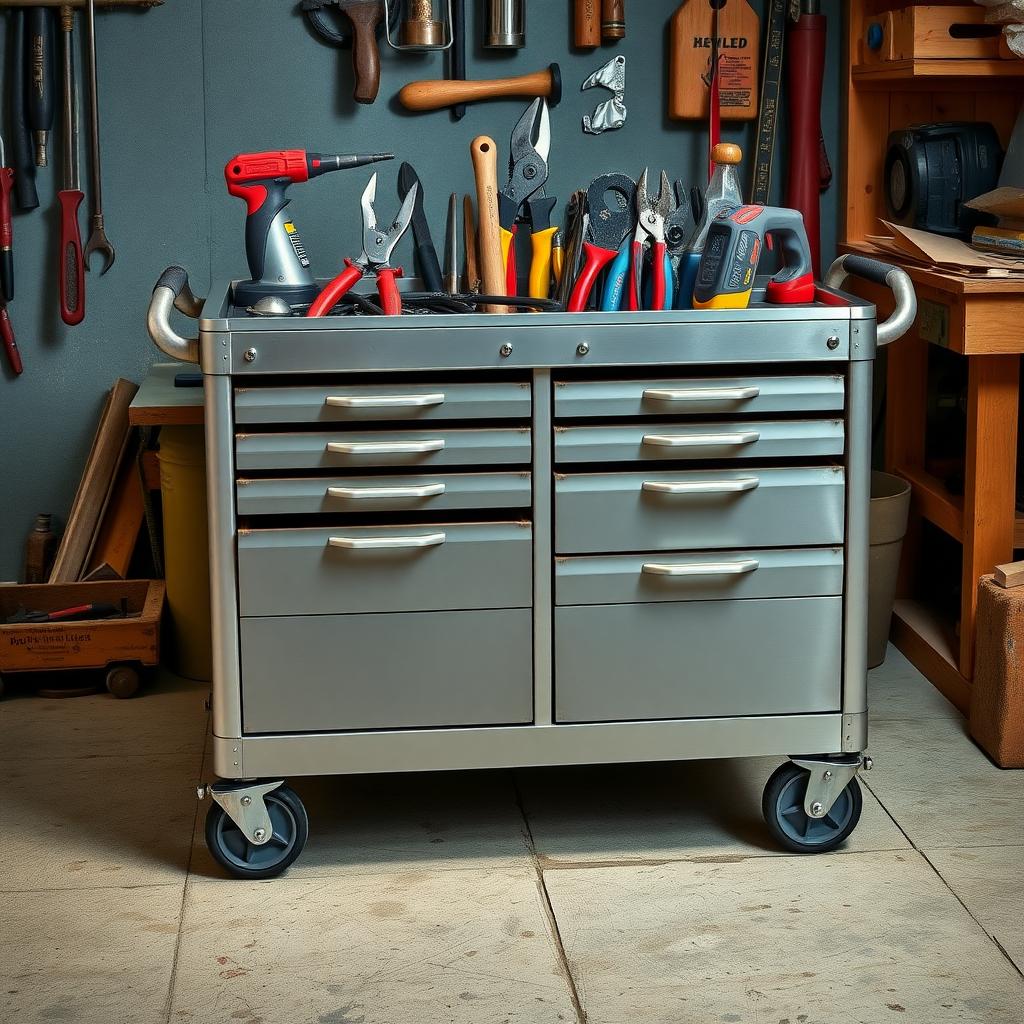
Keeping your hand tools organized is as important as mastering their use. A cluttered workspace slows you down and increases the risk of accidents. Mobile storage carts for tools are a game-changer, offering portability and easy access. Here’s a quick guide to choosing and using them:
| Feature | Why It Matters | Recommendation |
|---|---|---|
| Mobility | Move tools where you need them | Look for carts with sturdy wheels |
| Storage Capacity | Fit all your tools securely | Opt for carts with drawers and shelves |
| Durability | Withstand heavy use | Choose steel or heavy-duty plastic |
| Locking Mechanism | Keep tools safe | Ensure drawers have secure locks |
I use a rolling cart with multiple drawers to keep my chisels and screwdrivers organized. It’s easy to wheel it to my workbench, and everything stays in place during transport.
Hand Tools Storage Solutions for Small Spaces
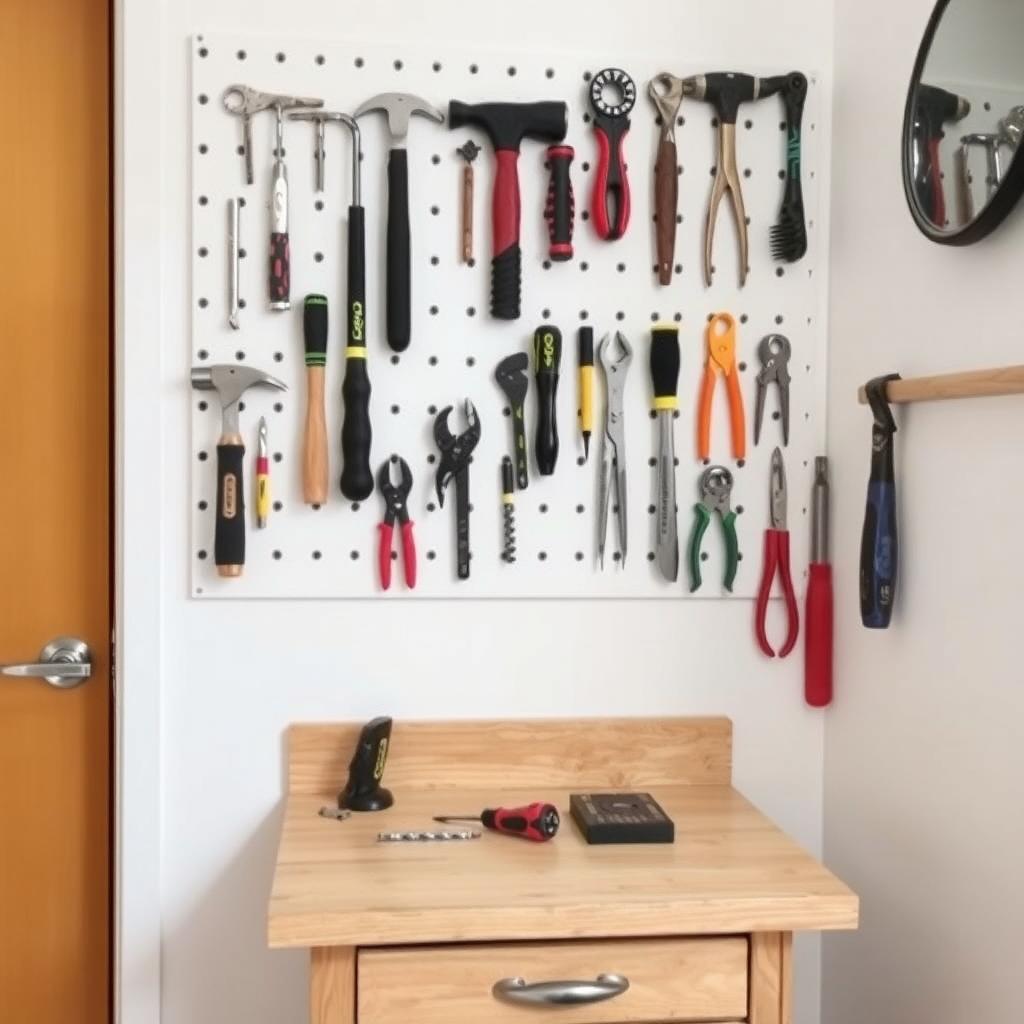
Not everyone has a large workshop, so smart hand tools storage solutions are critical. Wall-mounted pegboards are great for hanging tools like hammers and pliers, keeping them visible and accessible. Magnetic strips work well for screwdrivers and chisels. For small spaces, consider stackable toolboxes or foldable carts that tuck away when not in use.
One trick I’ve learned is to use foam inserts in drawers to keep tools from shifting. This protects their edges and makes it easy to spot missing items. If you’re on a budget, repurpose old kitchen organizers for smaller tools like bits and blades.
Tips for Maintaining Your Hand Tools
Proper care extends the life of your tools and ensures consistent performance. Here are some practical tips:
- Clean Regularly: Wipe tools after use to remove dust and debris.
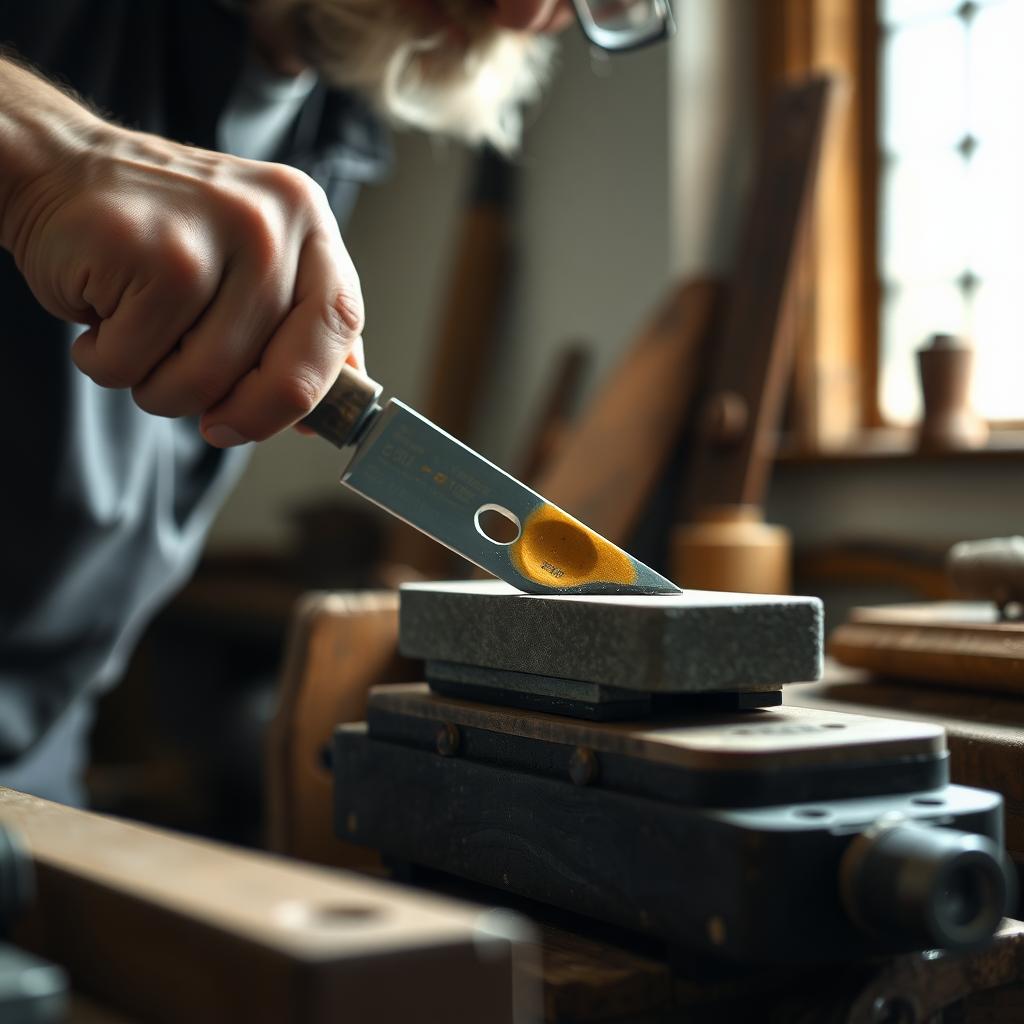
- Sharpen Blades: Use a whetstone for chisels and planes to keep edges sharp.
- Store Properly: Avoid damp areas to prevent rust.
- Inspect for Wear: Check handles and blades for cracks or damage.
I once neglected a chisel, and it rusted overnight in a humid garage. Now, I store my tools in a dry, organized space and check them weekly.
Common Mistakes to Avoid
Even experienced craftsmen make mistakes. Here are a few to watch out for:
- Using the Wrong Tool: Don’t use a screwdriver as a pry bar—it’ll damage the tip.
- Forcing a Cut: Let the tool do the work to avoid slips or uneven results.
- Skipping Maintenance: Dull or rusty tools lead to poor performance.
Early in my career, I rushed a project and used a dull saw. The result was a jagged cut that took hours to fix. Patience and preparation are key.
Summary
Mastering Advanced Hand Tool Techniques is about combining the right tools, smart storage, and practiced skills. From chiseling precise joints to organizing your workspace with mobile storage carts for tools, these methods help you work efficiently and produce high-quality results. Invest in the Top 10 Hand Tools Every Workman Should Own, keep them well-maintained, and practice regularly to elevate your craft.
Related Advanced Hand Tool Techniques:
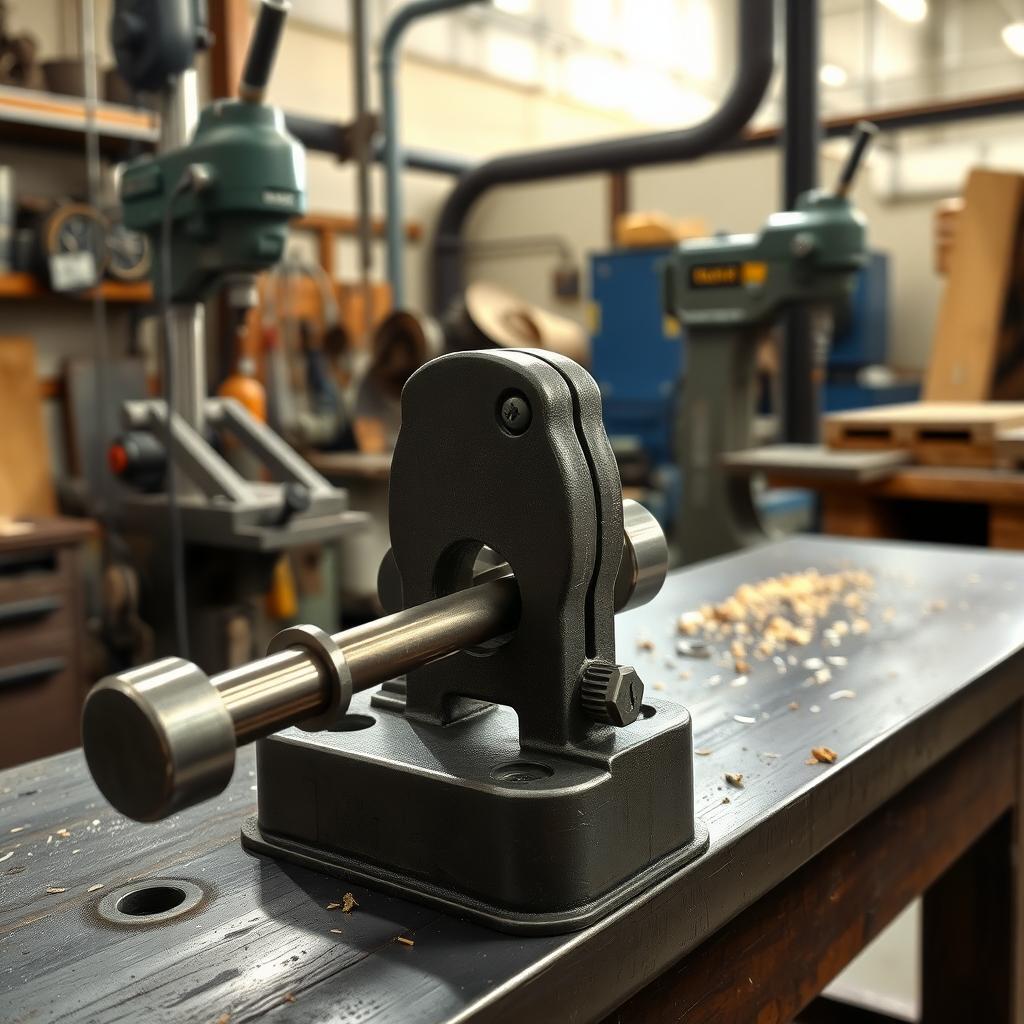
- How to Choose the Right Vice for Your Workbench: A Comprehensive Guide
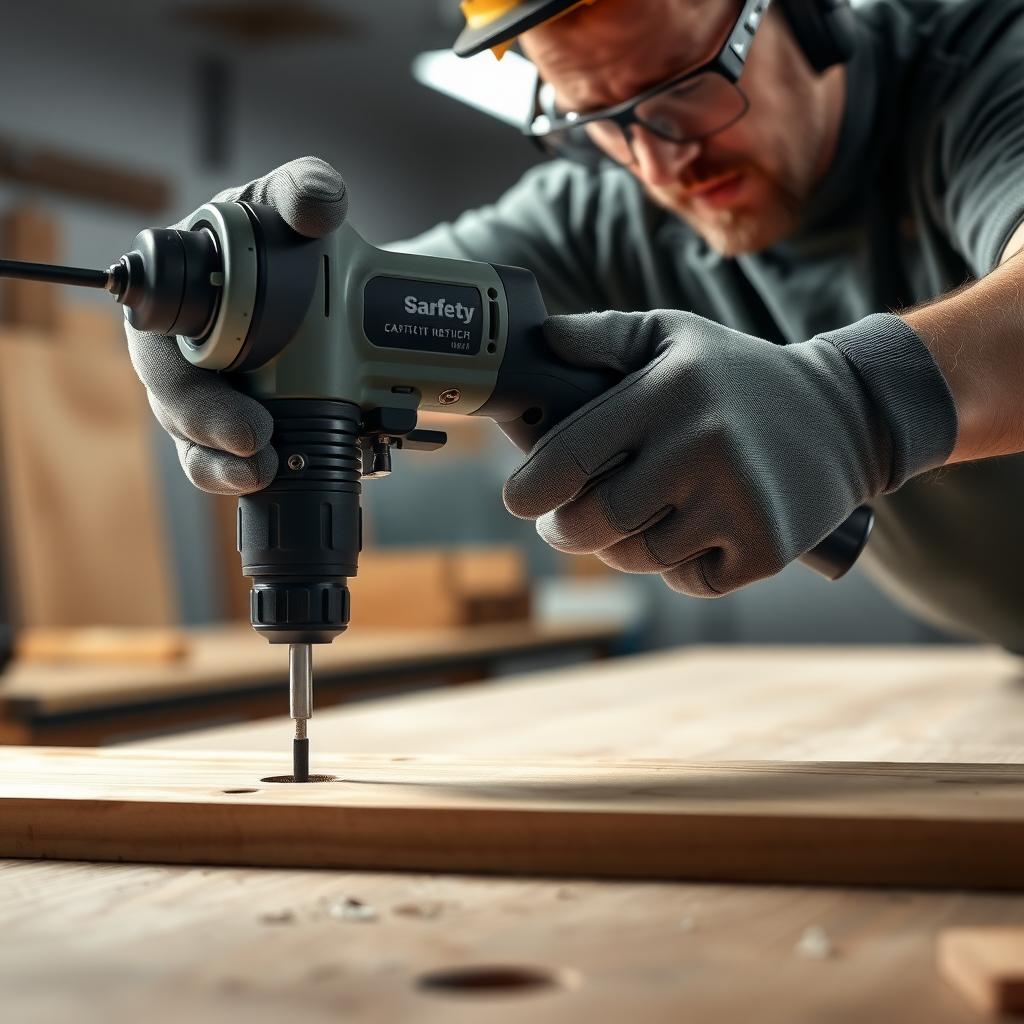
- Power Tools Safety Guidelines: Stay Safe While Using Power Drills and More
- Top Tool Brands Trusted by Professionals: Your Guide to Quality Tools
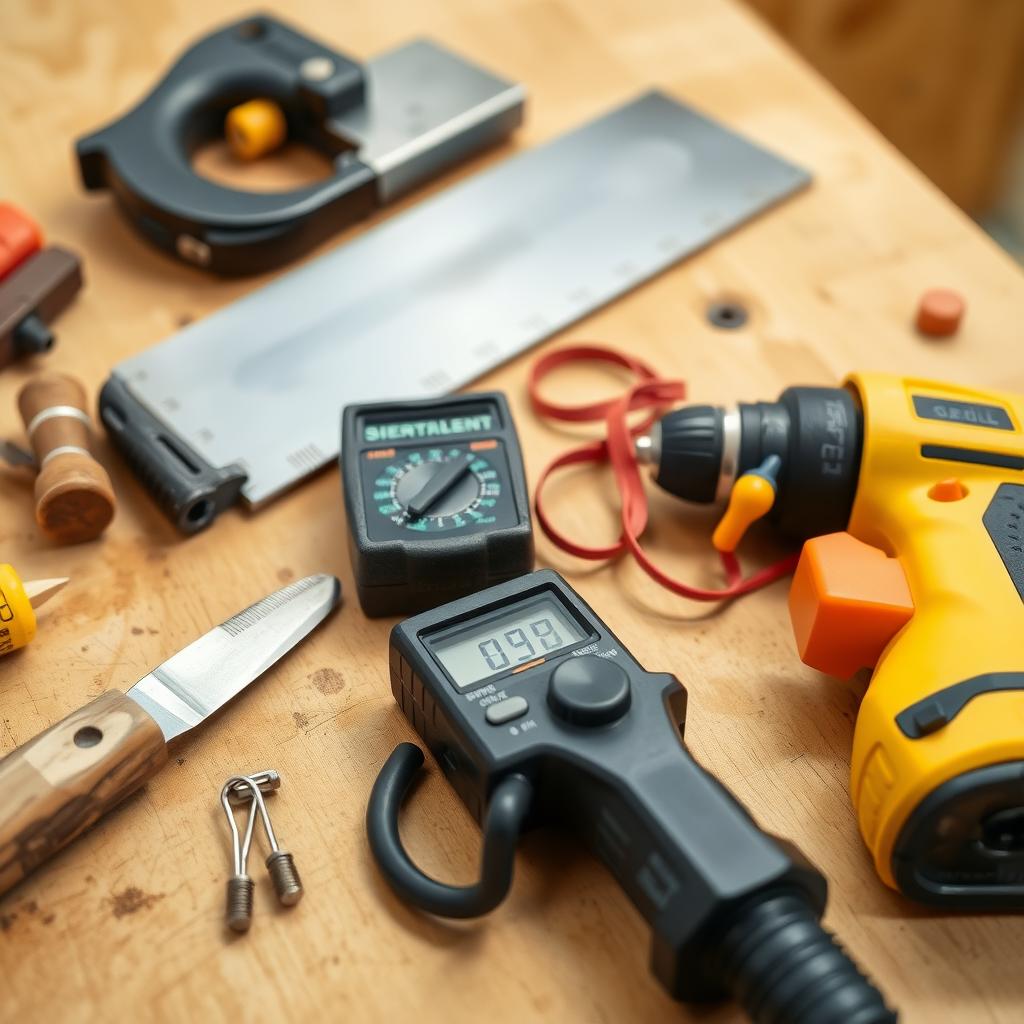
- Combining Woodworking and Electrical Work: The Ultimate Guide
- Common Power Washer Problems and Solutions: Keep Your Machine Running Smoothly
- Essential Power Tools Maintenance Tips for Long-Lasting Performance
- DIY Tool Storage Solutions for Small Spaces: Maximize Your Workshop
- Choosing the Right Paintbrush for Your Project: A Comprehensive Guide
- Innovative Ergonomic Solutions for Home Improvement: Transform Your Work Experience
- Mastering Precision Drilling: The Ultimate Guide to Power Tools
- Understanding Metric vs. SAE Measurements: A Comprehensive Guide for Workman Tools
- How to Choose the Right Construction Level for Your Project