Overview
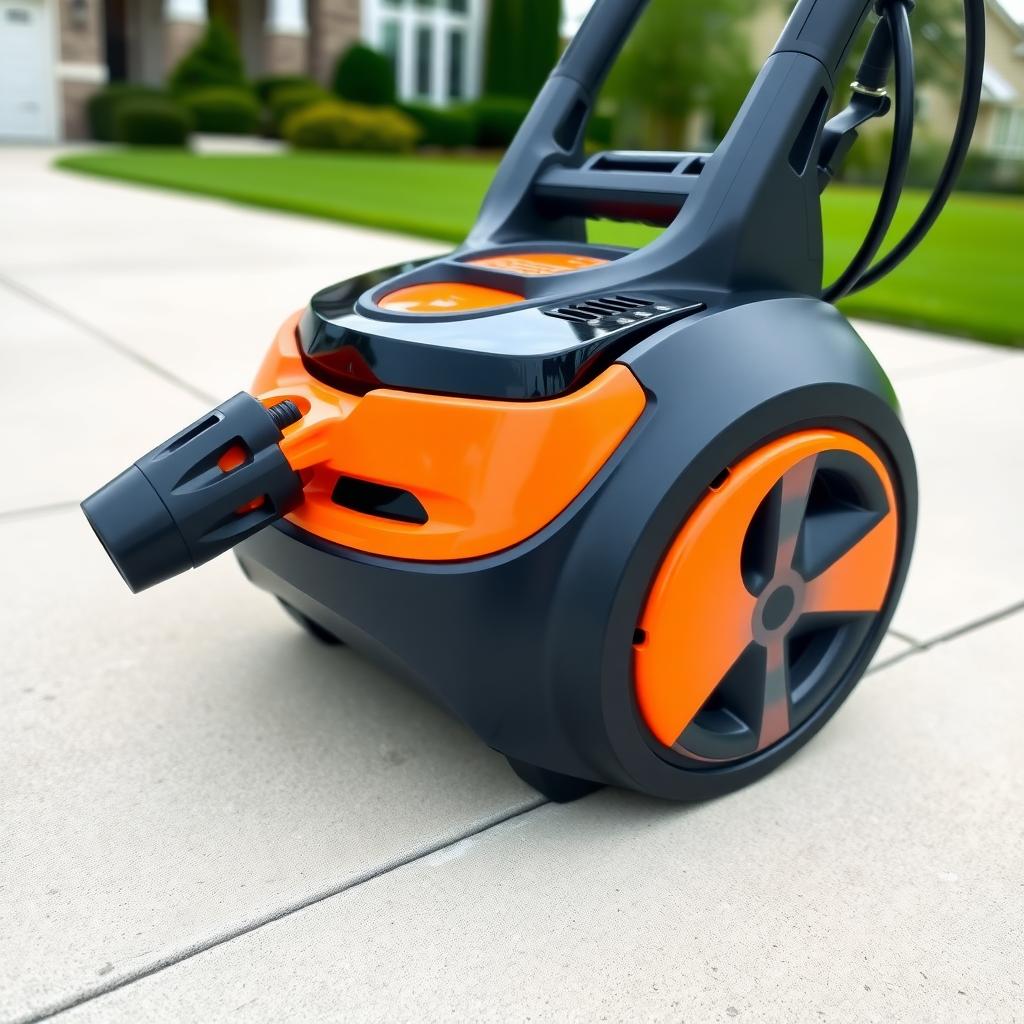
Power washers are game-changers for tackling tough grime on driveways, decks, and siding. But when they malfunction, it’s frustrating. This guide dives into Common Power Washer Problems and Solutions, offering practical fixes, insights from my own experiences, and a look at Electric vs. Gas Power Washers: Which Wins? Plus, we’ll highlight the Top 5 Electric Power Washers for Home Use to help you choose the right tool.
Why Power Washers Fail: Common Issues
Power washers, whether electric or gas, are powerful tools, but they’re not immune to problems. Over the years, I’ve wrestled with my own machines—both electric and gas—and learned the hard way what goes wrong. Most issues boil down to a few culprits: clogged nozzles, poor maintenance, or faulty connections. Let’s break down the most frequent problems and how to fix them.
1. Low or No Pressure
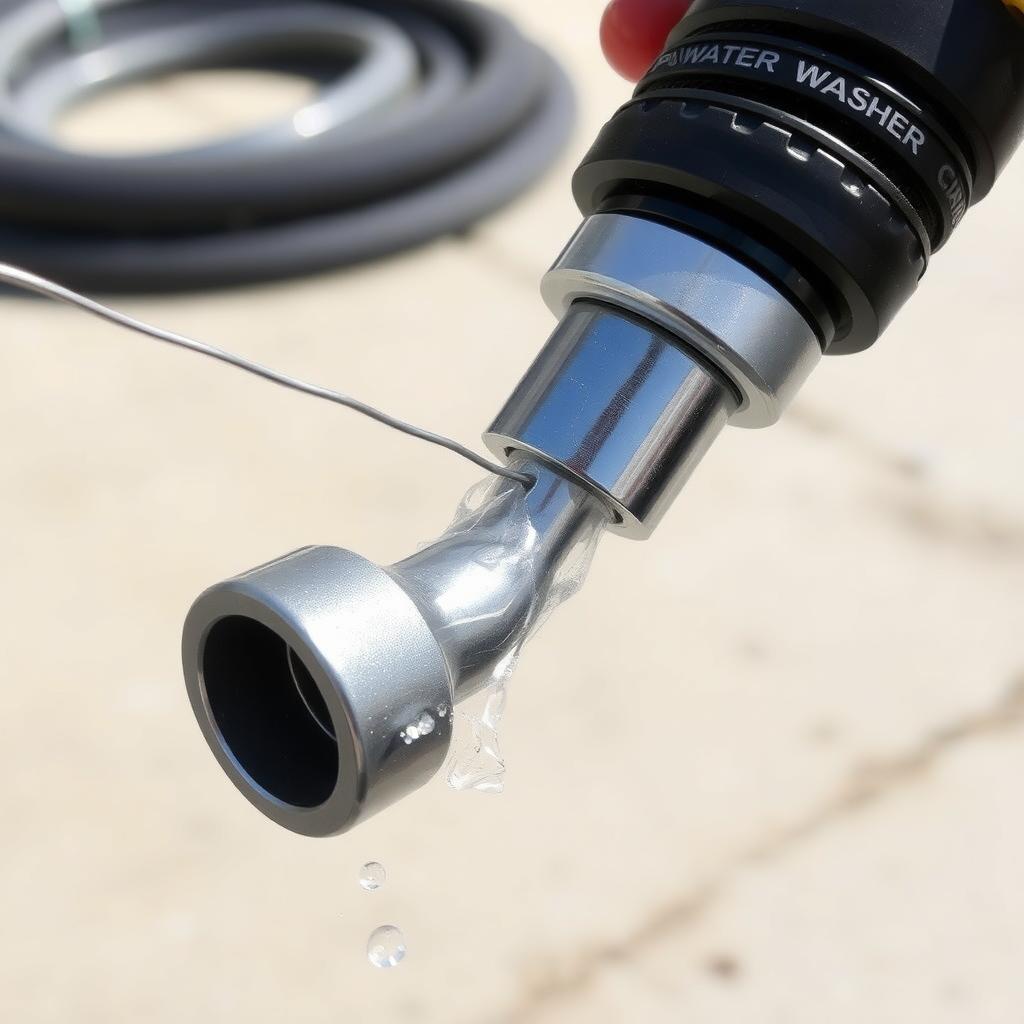
Nothing’s worse than pulling the trigger and getting a weak spray. This happened to me last summer while cleaning my deck. The culprit? A clogged nozzle. Dirt, debris, or mineral buildup can block the nozzle, reducing pressure.
Solution: Turn off and unplug the washer. Remove the nozzle and use a thin wire or pin to clear debris. Rinse it thoroughly. If the problem persists, check the water inlet filter for clogs. I once found my filter packed with sediment—cleaning it restored full pressure. For electric models, ensure the outlet provides enough power; a weak circuit can starve the motor.
2. Engine Won’t Start (Gas Models)
Gas power washers can be finicky, especially after sitting unused. I had a gas model that refused to start after winter storage. The issue was old fuel gumming up the carburetor.
Solution: Drain old fuel and replace it with fresh gas mixed with a fuel stabilizer. Check the spark plug—replace it if it’s fouled. If the carburetor is clogged, drain it or use a carburetor cleaner. For complex issues, consult a professional, as carburetor repairs can be tricky. Regular maintenance, like running the engine dry before storage, prevents this headache.
3. Pump Issues
The pump is the heart of a power washer, and it’s prone to damage if not cared for. I learned this when my electric washer started leaking water from the pump after I forgot to winterize it.
Solution: Check for leaks or strange noises. If water freezes in the pump during winter, it can crack components. Drain the pump completely before storing, or use pump saver fluid. For leaks, tighten connections or replace worn seals. Severe pump damage often requires professional repair or replacement, which can cost $100-$300.
4. Soap Not Dispensing
Many power washers have soap reservoirs for efficient cleaning, but sometimes the soap won’t flow. This happened while I was trying to clean mildew off my siding. The issue was back pressure in the pump.
Solution: Use the lowest-pressure nozzle (often the black soap nozzle) to reduce back pressure. Check the siphon hose for clogs or kinks. Ensure the detergent valve is open. I fixed mine by flushing the system with clean water after each soap use to prevent buildup.
5. Electric Washer Shuts Off
Electric power washers can overheat or trip circuits, especially during long jobs. I once had mine cut out while washing my driveway because I used a flimsy extension cord.
Solution: Use a heavy-duty, grounded extension cord (12- or 14-gauge). Plug directly into a wall outlet if possible to avoid voltage drops. If the motor overheats, let it cool for 20-30 minutes. Check the manual for reset buttons or thermal overload switches. Always ensure proper ventilation during use.
Power Washer Troubleshooting and Repair: A Step-by-Step Approach
When your power washer acts up, a systematic approach saves time. Here’s my go-to checklist, refined from years of trial and error:
- Inspect the Water Supply: Ensure the faucet is fully open and the hose isn’t kinked.
- Check Filters and Nozzles: Clean any debris from the inlet filter and nozzle.
- Verify Power Source: For electric models, test the outlet; for gas, check fuel and spark plugs.
- Examine the Pump: Look for leaks or unusual noises.
- Test Connections: Tighten hoses, fittings, and seals.
This method saved me when my electric washer stopped mid-job—turns out, a kinked hose was the issue. For detailed model-specific advice, check your manual or the manufacturer’s website, like Husqvarna’s support page.
Electric vs. Gas Power Washers: Which Wins?
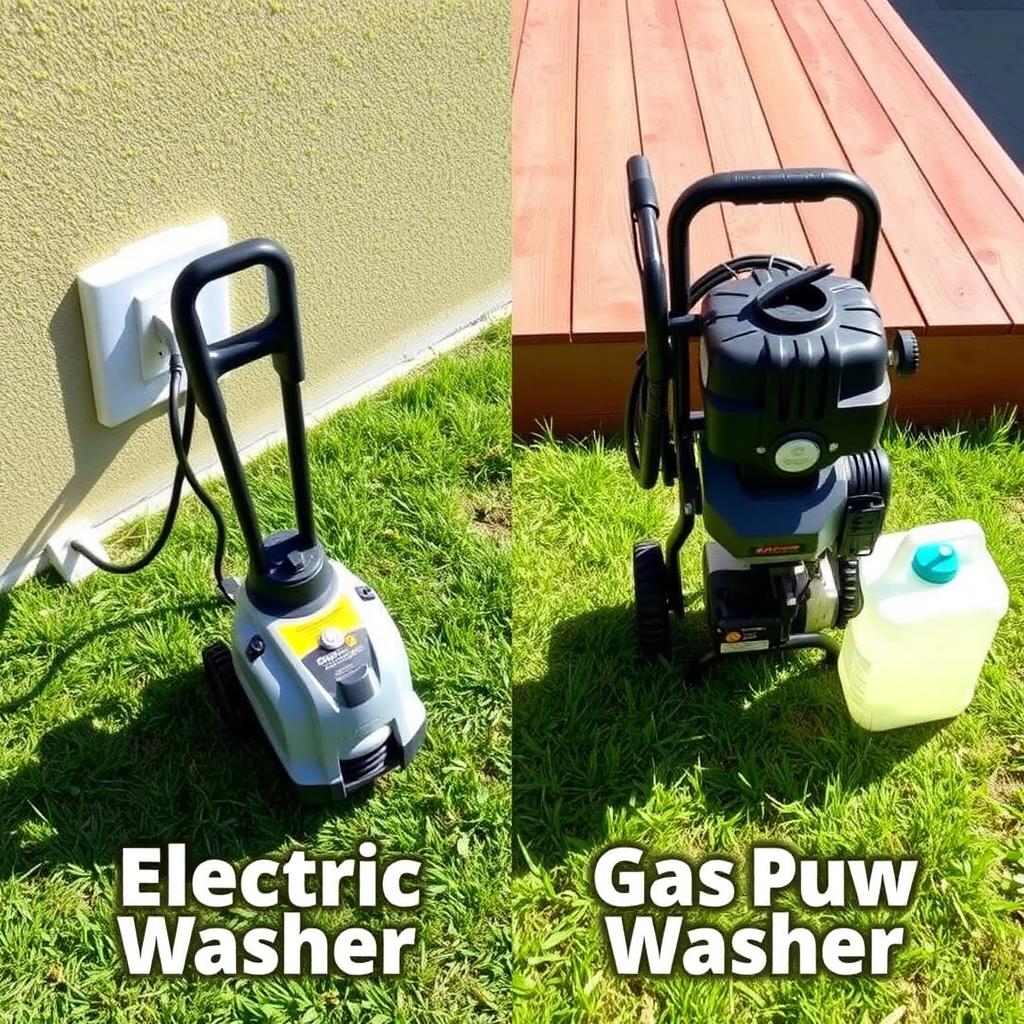
Choosing between electric and gas power washers depends on your needs. I’ve owned both, and each has strengths. Here’s a breakdown to help you decide:
| Feature | Electric Power Washers | Gas Power Washers |
|---|---|---|
| Power (PSI) | 1,200–3,400 | 2,000–5,000 |
| Cost | $100–$700 | $300–$1,000+ |
| Maintenance | Low (clean filters, store properly) | High (oil changes, fuel stabilizer) |
| Mobility | Limited by cord | Cordless, highly mobile |
| Best For | Light to medium tasks (decks, cars) | Heavy-duty jobs (driveways, paint stripping) |
Electric Pros: They’re quieter, eco-friendly, and easy to start. My electric washer is perfect for quick jobs like cleaning patio furniture. They require minimal upkeep—no oil changes or spark plugs.
Electric Cons: Limited by cord length and lower power. They’re less durable, lasting 3-5 years.
Gas Pros: Superior power for tough jobs. I used a gas model to blast old paint off a fence, and it was a beast. They last 5-7 years with care.
Gas Cons: Noisy, emit fumes, and need regular maintenance. They’re heavier and pricier.
For most homeowners, electric models are sufficient and hassle-free. If you tackle frequent heavy-duty tasks, gas wins for power and longevity.
Top 5 Electric Power Washers for Home Use
Electric power washers are ideal for most homeowners due to their ease of use and affordability. After testing several models and researching reviews, here are my top picks for 2025:
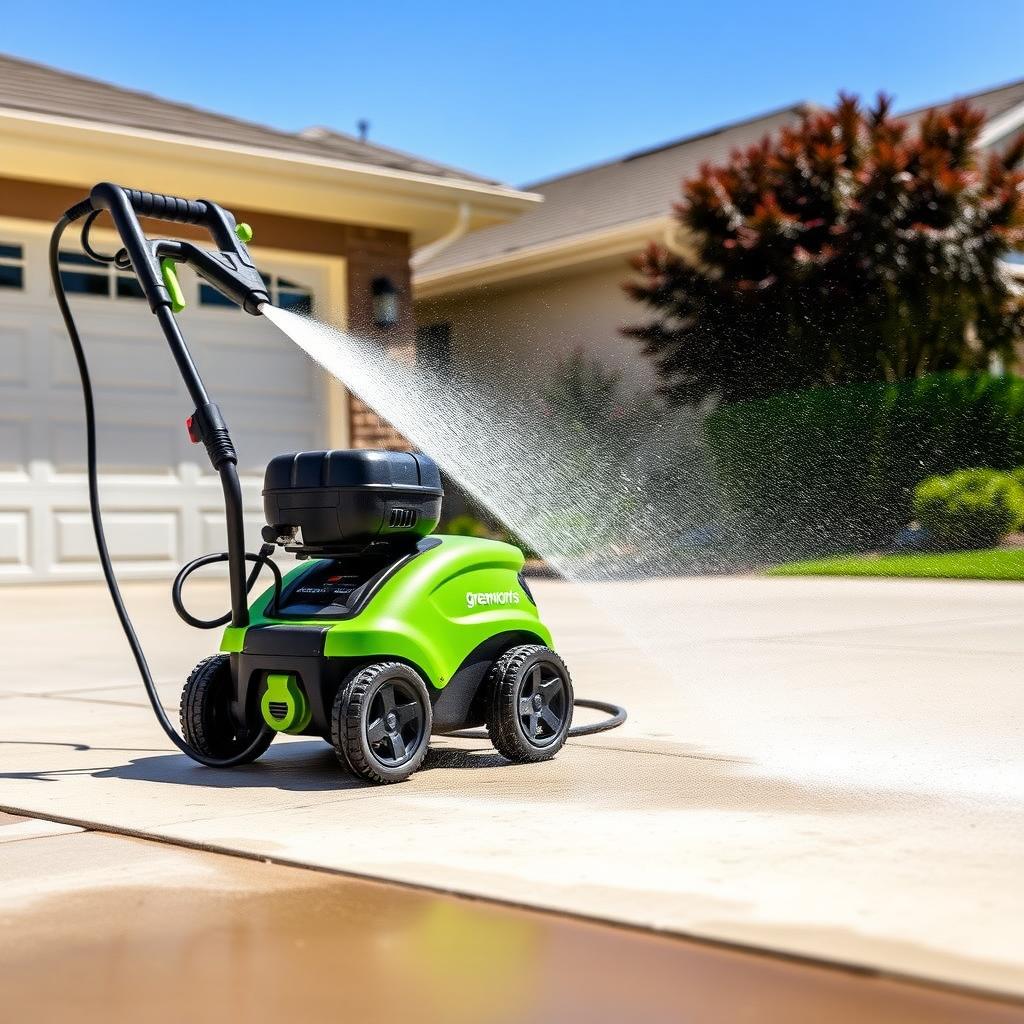
- Greenworks GPW3000 ($300)
- Specs: 3,000 PSI, 2.0 GPM, 25-ft hose
- Why I Love It: This beast handles tough grime on driveways and siding. Its onboard detergent tank and five nozzles make it versatile. I used it to clean my patio, and it was a breeze.
-
Best For: Medium to heavy residential tasks.
-
Ryobi RY1419MT ($150)
- Specs: 1,900 PSI, 1.2 GPM, 20-ft hose
- Why I Love It: Affordable and compact, it’s great for small jobs like washing cars. Its lightweight design is easy to store.
-
Best For: Budget-conscious DIYers.
-
Craftsman CMEPW2100 ($200)
- Specs: 2,100 PSI, 1.2 GPM, 25-ft hose
- Why I Love It: Quiet and car-friendly, it’s perfect for delicate surfaces. I used it on my SUV without worrying about paint damage.
-
Best For: Vehicle cleaning.
-
Westinghouse ePX3500 ($250)
- Specs: 2,000 PSI, 1.9 GPM, 20-ft hose
- Why I Love It: Lightweight (under 20 lbs) and portable, it’s ideal for small spaces. It handled my deck cleaning with ease.
-
Best For: Small homes or apartments.
-
EGO Power+ HPW3200 ($400)
- Specs: 3,200 PSI, 1.2 GPM, cordless
- Why I Love It: Battery-powered for ultimate mobility. I used it to clean garden tools without needing an outlet. Its high PSI rivals gas models.
- Best For: Cordless convenience.
Maintenance Tips to Prevent Problems
Prevention is better than repair. Here’s how I keep my power washers running smoothly:
- Flush After Use: Run clean water through the system to clear soap or debris.
- Winterize Properly: Drain all water and use pump saver fluid to prevent freezing damage.
- Store Indoors: Electric models are easy to store in a garage; gas models need a dry, ventilated space.
- Regular Checks: Inspect hoses, nozzles, and filters monthly for wear.
Following these steps has extended the life of my electric washer to over five years, and my gas model is still going strong after seven.
Summary
Power washers are fantastic tools, but issues like low pressure, engine failures, or pump problems can stall your cleaning projects. By following our power washer troubleshooting and repair tips, you can fix most problems yourself. Choosing between Electric vs. Gas Power Washers depends on your needs—electric for ease, gas for power. The Top 5 Electric Power Washers for Home Use offer reliable options for homeowners. With proper care, your power washer will keep your home sparkling for years.
Related Common Power Washer Problems and Solutions:
- Essential Power Tools Maintenance Tips for Long-Lasting Performance
- DIY Tool Storage Solutions for Small Spaces: Maximize Your Workshop
- Choosing the Right Paintbrush for Your Project: A Comprehensive Guide
- Innovative Ergonomic Solutions for Home Improvement: Transform Your Work Experience
- Mastering Precision Drilling: The Ultimate Guide to Power Tools
- Understanding Metric vs. SAE Measurements: A Comprehensive Guide for Workman Tools
- How to Choose the Right Construction Level for Your Project
- Mastering Ergonomics in Hand Tool Use: Safety and Comfort for Workers
- Ergonomic Wrenches for Reducing Hand Strain: A Workman’s Guide
- The Impact of Smart Technology on Manual Labor: Revolutionizing Workman Tools in 2024
- Top 10 Workman Tools for Beginners: Your Essential Toolkit Guide
- The Ultimate Guide to Power Tools: Mastering Your DIY Projects