Overview
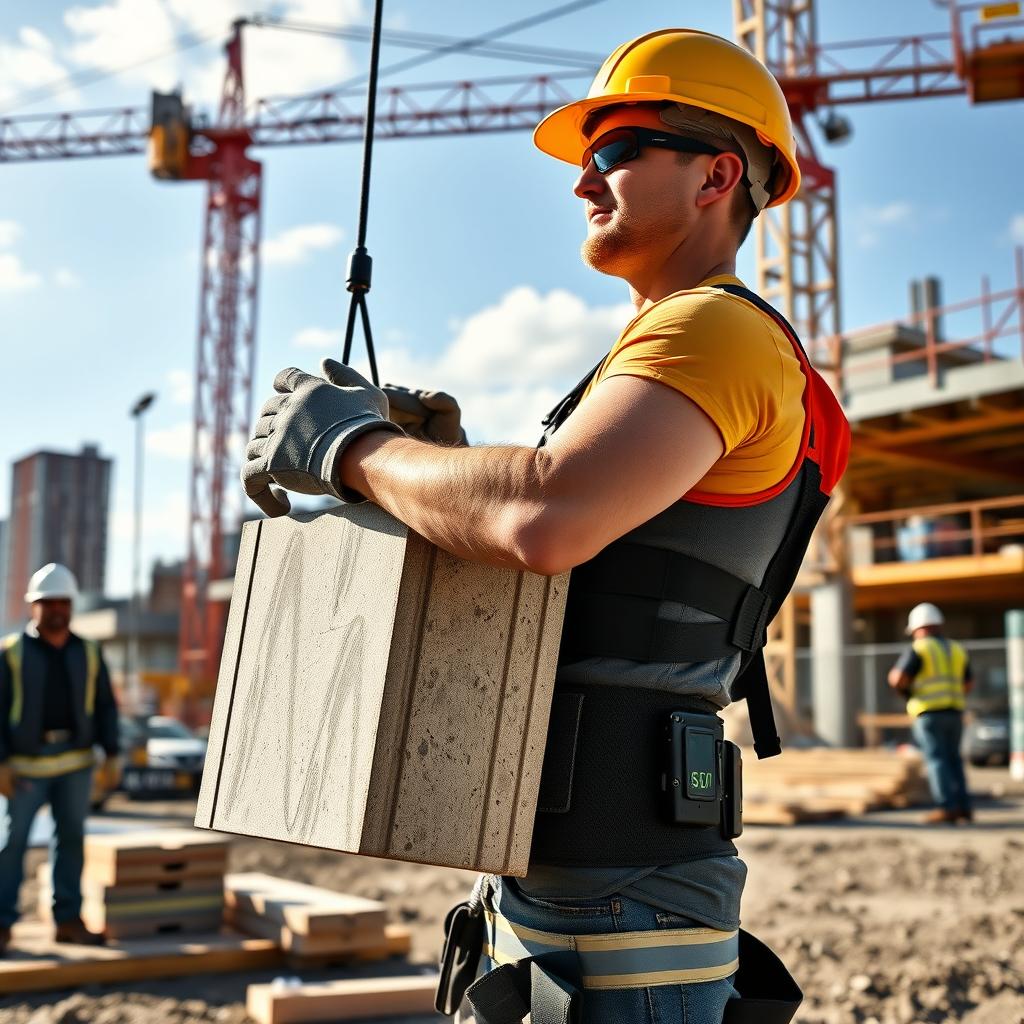
A construction level is the backbone of any building project, ensuring precision and accuracy. Whether you're laying bricks, framing walls, or setting foundations, choosing the right construction level can make or break your work. This guide dives into the types, features, and practical tips for selecting the best tool for your needs, with a focus on construction tools for masonry work and other tasks.
Why a Construction Level Matters
Imagine building a house only to find the walls leaning or the floors uneven. A quality construction level prevents these headaches by ensuring surfaces are perfectly aligned. Levels are essential workman tools for professionals and DIYers alike, used in masonry, carpentry, and landscaping. Picking the right one saves time, reduces errors, and boosts confidence in your work.
From my experience on job sites, a good level is like a trusted friend. I once worked on a masonry project where a cheap level gave inconsistent readings, leading to a misaligned retaining wall. We had to redo half the work, costing time and money. A reliable level is an investment in quality.
Types of Construction Levels
Not all levels are created equal. Here’s a breakdown of the main types you’ll encounter:
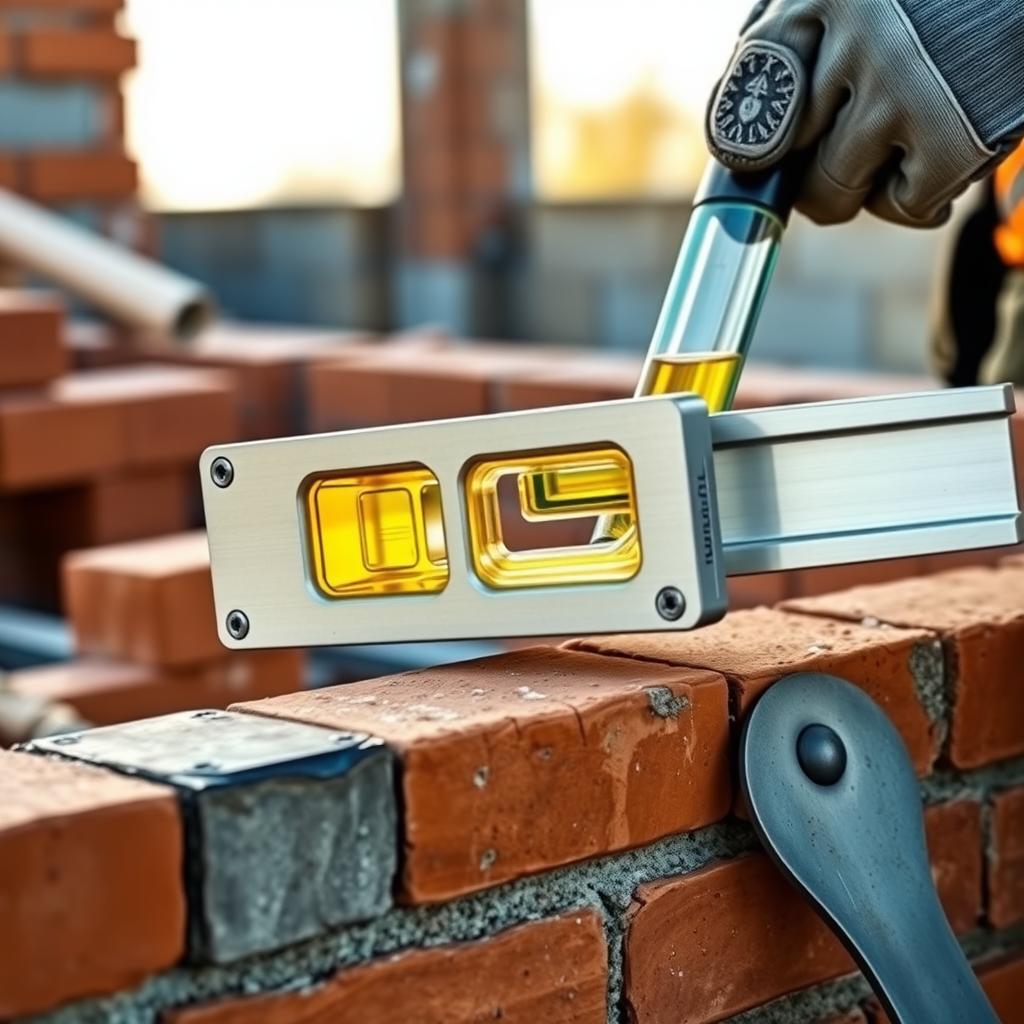
- Spirit Levels: The classic choice, featuring liquid-filled tubes mounted in a frame. They’re versatile for masonry, framing, and general construction.
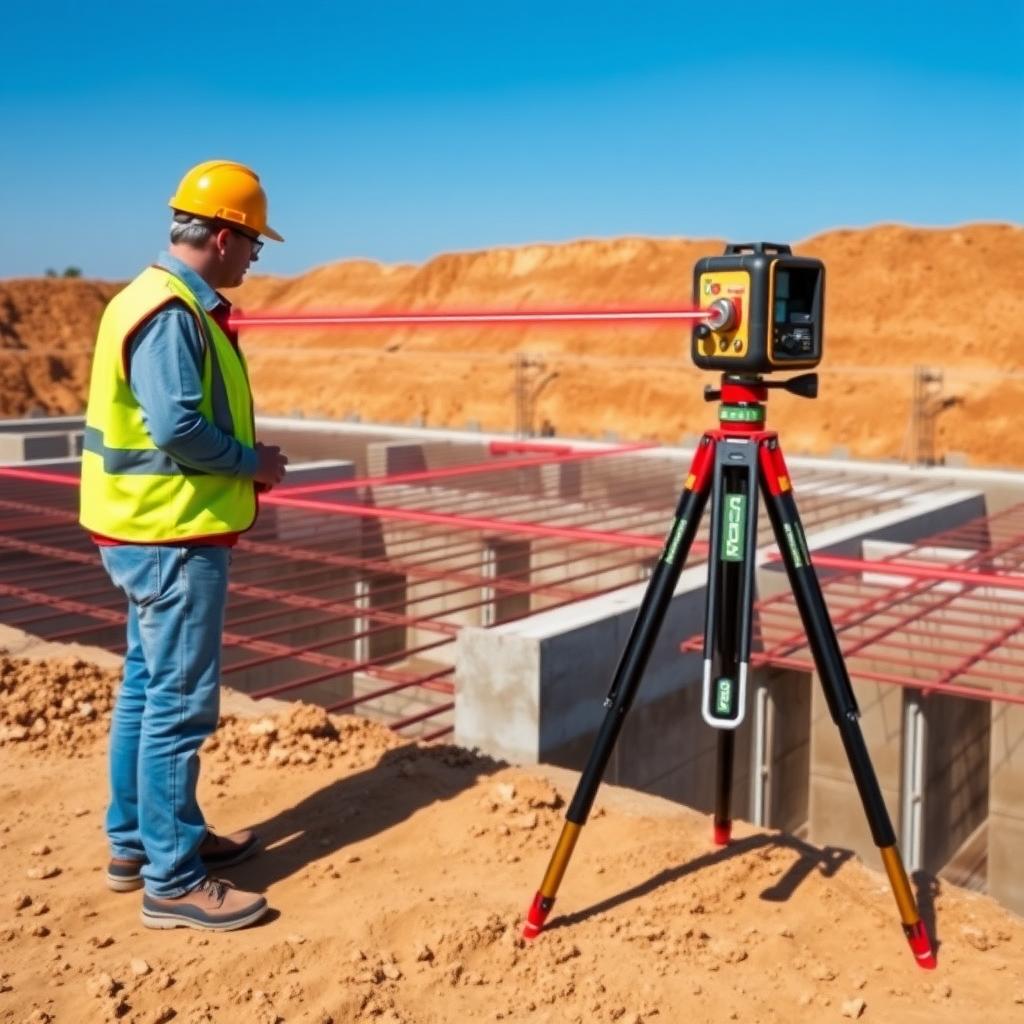
- Laser Levels: These project a beam of light to mark level lines over long distances, ideal for large-scale projects like foundations.
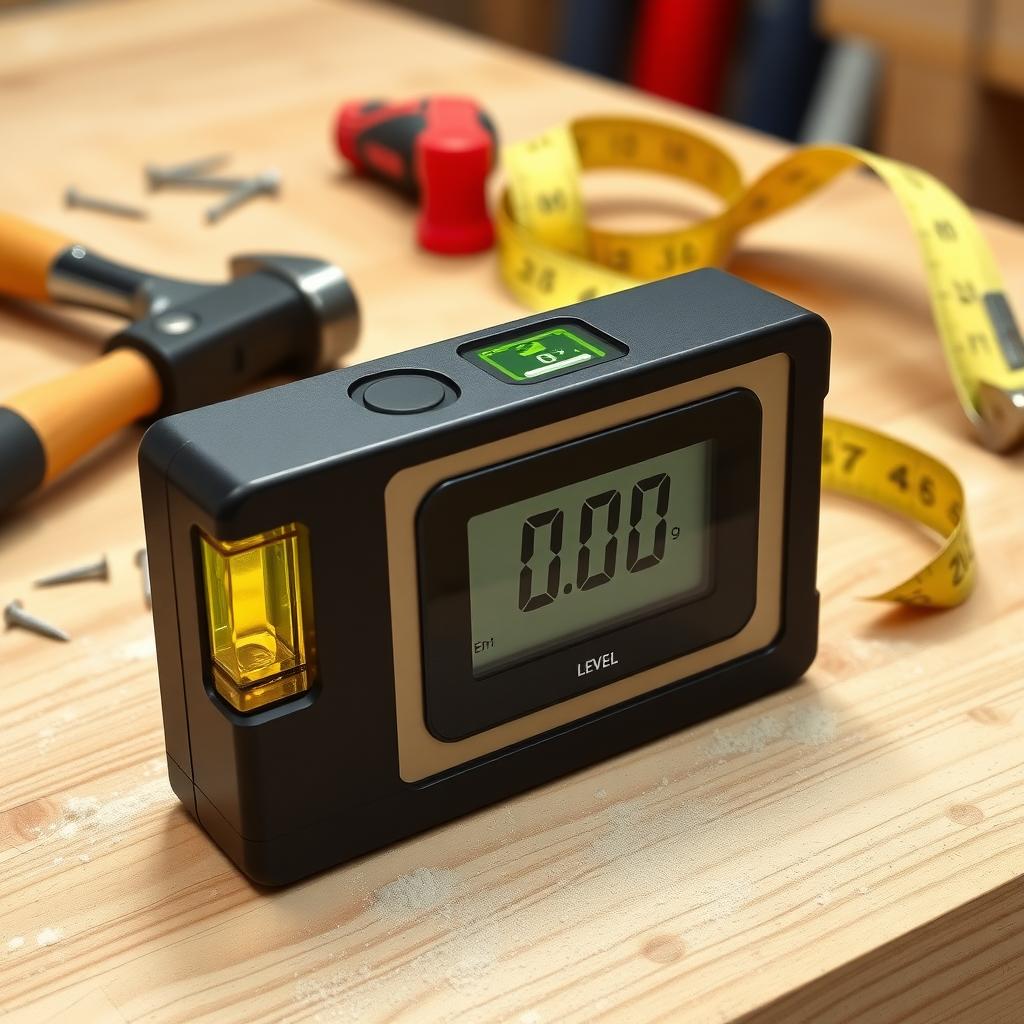
- Digital Levels: High-tech options with digital displays for precise angle measurements, great for complex installations.
- Torpedo Levels: Compact and perfect for tight spaces, like plumbing or small masonry tasks.
- Line Levels: Lightweight and used with a string for checking level over longer distances, often in landscaping.
Key Features to Look For
When choosing a construction level, focus on features that match your project’s needs. Here are the essentials:
| Feature | Why It Matters |
|---|---|
| Accuracy | Look for a level with at least 0.5 mm/m accuracy to ensure precise measurements. |
| Durability | Aluminum or magnesium frames withstand rough job sites. Reinforced vials prevent cracking. |
| Length | Shorter levels (2–4 feet) suit small tasks; longer ones (6–8 feet) are better for masonry or framing. |
| Vial Quality | High-visibility liquid and UV-resistant vials ensure readability in bright sunlight. |
| Ease of Use | Magnetic edges or grip handles make positioning easier, especially for solo work. |
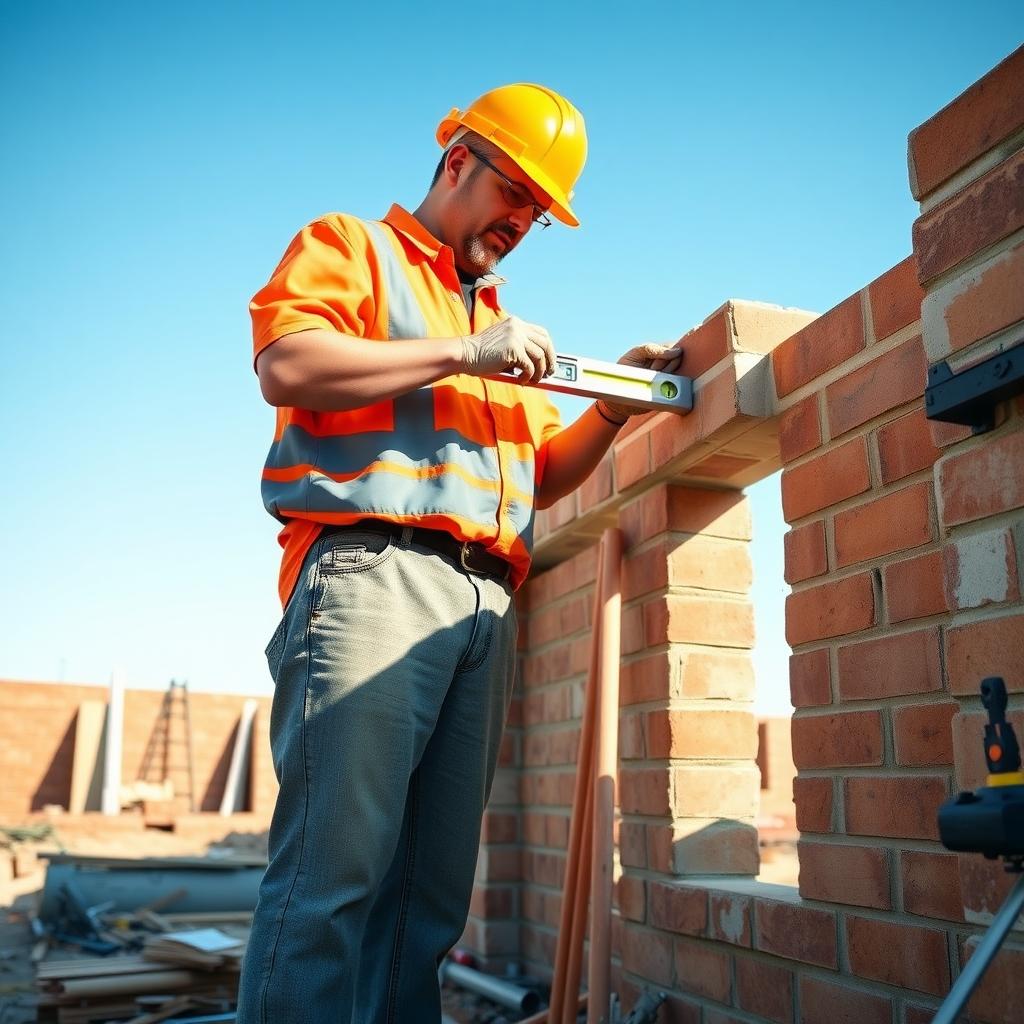
For masonry work, I prefer a 4-foot spirit level with a sturdy frame. It’s long enough to span multiple bricks but not so heavy it slows you down.
According to Purdue University’s Construction Management guide, accuracy in leveling tools directly impacts structural integrity, especially in load-bearing masonry walls. A small error can lead to significant issues over time, like cracks or instability.
Matching the Level to Your Project
Different projects demand different tools. Here’s how to choose based on your work:
- Masonry Work: A spirit level (4–6 feet) is ideal for checking brick or block alignment. Look for one with shock-resistant vials, as masonry sites are rough. Construction tools for masonry work must handle dust and vibration.
- Carpentry: A shorter spirit or torpedo level works for framing or installing cabinets. Magnetic edges are a bonus for metal studs.
- Large-Scale Projects: Laser levels shine for foundations or grading large areas. They’re pricier but save time on big jobs.
- DIY Home Projects: A versatile 2-foot spirit level or a digital level suits most home tasks, like hanging shelves or leveling patios.
I once helped a friend level a backyard patio using a line level. It was budget-friendly and perfect for ensuring the ground was even before pouring concrete. For bigger jobs, though, I’d splurge on a laser level for speed and precision.
Practical Tips for Choosing Your Level
Here are actionable steps to pick the right construction level:
- Assess Your Needs: Will you use it for small DIY tasks or professional masonry? Match the level type to your project scope.
- Check Accuracy: Test the level in-store by placing it on a surface, noting the bubble position, then flipping it 180 degrees. The bubble should stay consistent.
- Consider Durability: Job sites are tough. Choose a level with a metal frame and impact-resistant vials.
- Think About Visibility: Bright, clear vials are crucial for outdoor work. Laser levels should have strong, visible beams.
- Set a Budget: Basic spirit levels cost $20–$50, while laser levels can run $100–$500. Balance cost with quality.
The Occupational Safety and Health Administration (OSHA) emphasizes that proper tool selection reduces workplace errors, highlighting the importance of investing in reliable workman tools.
Common Mistakes to Avoid
- Buying Cheap: A low-cost level might save money upfront but can lead to inaccurate readings and rework.
- Ignoring Calibration: Even high-end levels need periodic checks. Store them properly to avoid damage.
- Choosing the Wrong Size: A level too short for your project won’t span enough surface, while an oversized one is cumbersome.
- Skipping Features: Magnetic edges or digital displays might seem like extras, but they can save hours on the job.
I learned the hard way to avoid cheap levels. On one project, a discount model’s bubble was off by a degree, throwing an entire wall out of alignment. Now, I always double-check calibration before starting.
Maintenance and Care
To keep your construction level in top shape:
- Clean Regularly: Wipe down the frame and vials to remove dust or mortar.
- Store Properly: Keep it in a protective case to avoid damage.
- Check Calibration: Place it on a flat surface and rotate it to ensure consistent readings.
- Avoid Drops: Even durable levels can lose accuracy if dropped repeatedly.
A well-maintained level lasts years. I’ve had my favorite spirit level for a decade, and it’s still as accurate as day one because I store it carefully and clean it after every job.
Where to Buy
You can find quality construction levels at hardware stores, online retailers, or specialty tool shops. Brands like Stabila, Bosch, and DeWalt are known for durability and accuracy. For professional-grade options, check out The Constructor’s tool guide, which reviews top construction tools for reliability.
Summary
Choosing the right construction level means understanding your project, prioritizing accuracy and durability, and avoiding common pitfalls. Whether you’re a mason, carpenter, or DIYer, the right level ensures your work is precise and professional. Invest in quality, maintain your tools, and you’ll build with confidence every time.
Related How to Choose the Right Construction Level:
- Essential Workman Tools for Home Renovations: Your Ultimate Guide
- How to Master Masonry Work: A Step-by-Step Guide
- The Best Laser Levels for Large-Scale Projects: 2026 Expert Guide
- Mastering Ergonomics in Hand Tool Use: Safety and Comfort for Workers
- Ergonomic Wrenches for Reducing Hand Strain: A Workman’s Guide
- The Impact of Smart Technology on Manual Labor: Revolutionizing Workman Tools in 2024
- Top 10 Workman Tools for Beginners: Your Essential Toolkit Guide
- The Ultimate Guide to Power Tools: Mastering Your DIY Projects
- Essential Wrenches for Automotive Repair: Your Toolkit Guide
- How Order Boosts Your Workshop Efficiency: The Ultimate Guide
- How to Choose the Right Paint for Your Project: A Comprehensive Guide
- How Ergonomics is Changing the Construction Industry