Overview
Ergonomic wrenches for reducing hand strain are game-changers for workmen who spend hours tightening bolts or loosening nuts. These specialized workman tools prioritize comfort, reduce fatigue, and minimize injury risks. This article dives into their benefits, features, and how to choose the right one for your needs.
Why Ergonomic Wrenches Matter
If you’ve ever spent a day turning a wrench, you know the ache that creeps into your hands and wrists. Standard wrenches, while effective, often force your hand into awkward positions. Over time, this can lead to strain, soreness, or even chronic conditions like carpal tunnel syndrome. Ergonomic wrenches for reducing hand strain are designed to align with your body’s natural movements, making tasks easier and safer.
Studies show that repetitive hand motions increase the risk of musculoskeletal disorders by up to 30%. Tools with ergonomic designs can cut this risk significantly. By redistributing pressure and reducing grip force, these wrenches let you work longer with less discomfort.
I’ve seen this firsthand. As someone who’s tinkered with cars and home repairs, I used to dread long sessions with a standard wrench. My hands would cramp after an hour. Switching to an ergonomic model felt like a revelation—less pain, better grip, and no more dreading the next bolt.
Key Features of Ergonomic Wrenches
Not all wrenches labeled 'ergonomic' are created equal. Here’s what to look for when choosing workman tools designed for comfort:
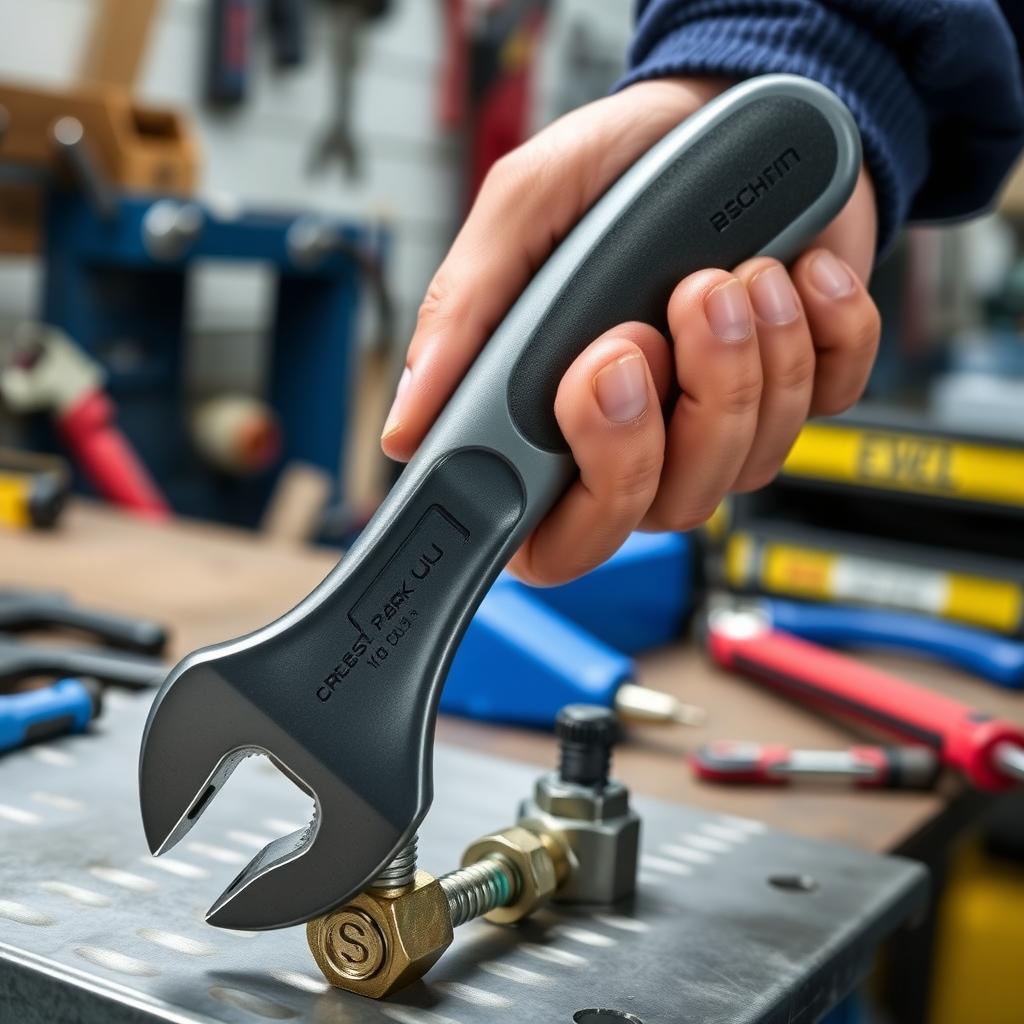
- Contoured Grips: Handles shaped to fit the natural curve of your hand reduce pressure points. Look for soft, non-slip materials like rubber or silicone.
- Angled Designs: Some wrenches have angled heads or handles to minimize wrist bending, aligning with your forearm’s natural position.
- Lightweight Materials: Heavy tools increase fatigue. Many ergonomic wrenches use alloys or composites to stay light without sacrificing strength.
- Adjustable Mechanisms: For adjustable wrenches, smooth mechanisms reduce the effort needed to change sizes, saving your hands from extra strain.
A 2019 study from the National Institute for Occupational Safety and Health found that tools with contoured grips reduced grip force by 20% compared to standard designs, directly lowering strain.
Types of Ergonomic Wrenches
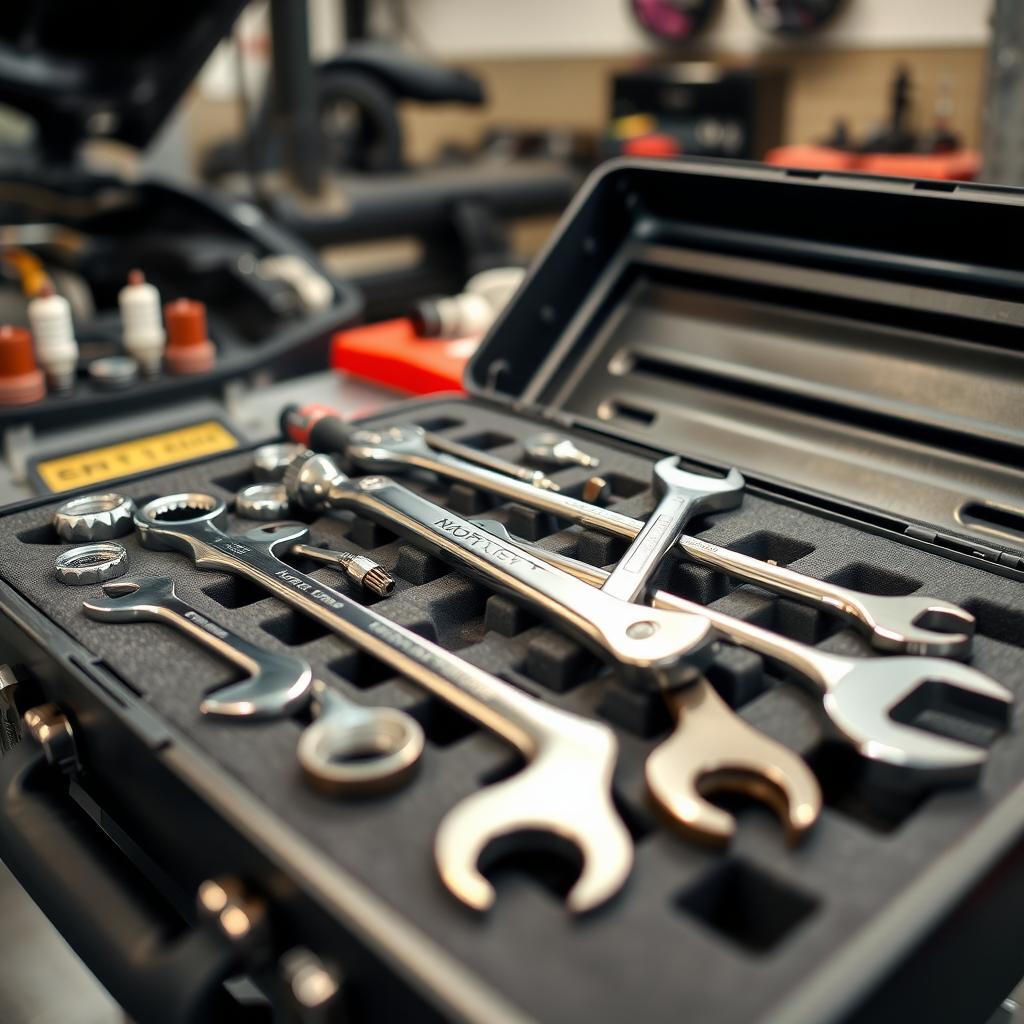
Ergonomic wrenches come in various forms, each suited to specific tasks. Here’s a quick breakdown:
| Type | Best For | Ergonomic Benefit |
|---|---|---|
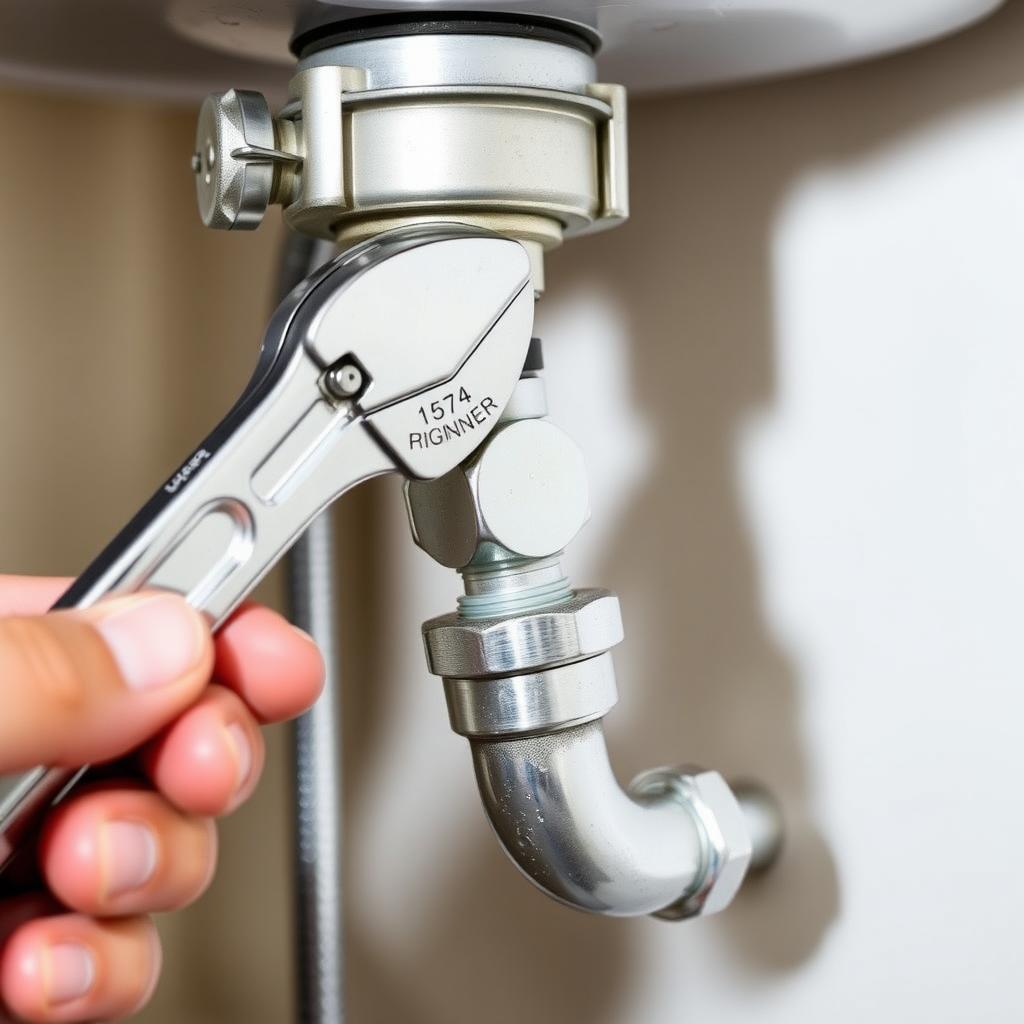
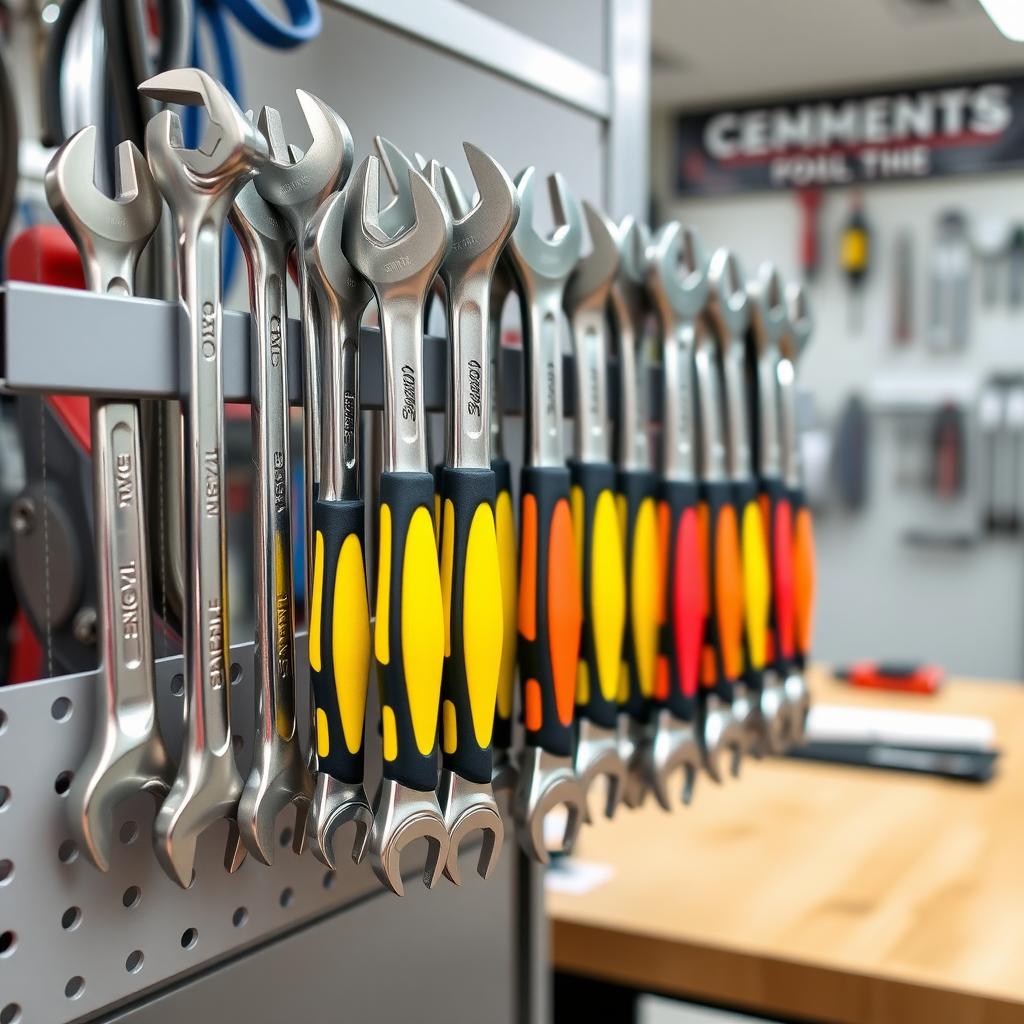
| Combination Wrench | General tasks like automotive or plumbing | Angled heads reduce wrist strain |
| Adjustable Wrench | Versatile jobs with varying bolt sizes | Smooth adjustment dials ease hand effort |
| Ratchet Wrench | High-repetition tasks | Minimal wrist movement with ratcheting action |
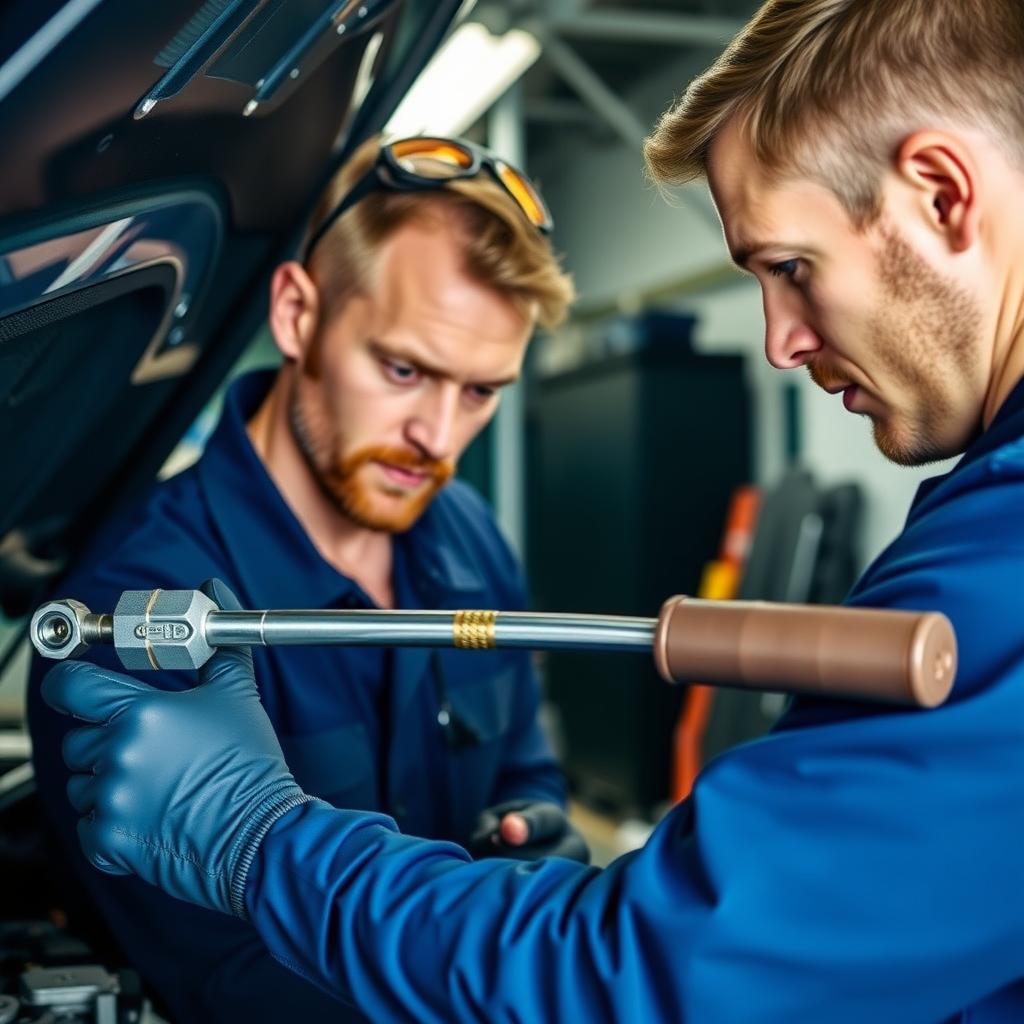
| Torque Wrench | Precision tasks like engine work | Cushioned grips for prolonged use |
Each type addresses hand strain differently, so match the wrench to your task. For example, ratchet wrenches shine in tight spaces where you’d otherwise twist your wrist repeatedly.
Last summer, I worked on a friend’s motorcycle, swapping out rusty bolts. A ratchet wrench with an ergonomic grip saved me hours of discomfort. The ratcheting action meant I didn’t have to reposition the tool constantly, and the padded handle felt like an extension of my hand.
Benefits Beyond Comfort
Ergonomic wrenches for reducing hand strain do more than just feel good. They boost productivity by letting you work longer without breaks. They also improve precision—when your hand isn’t cramping, you’re less likely to slip and strip a bolt. Plus, they can save money in the long run by reducing medical costs from repetitive strain injuries.
A report from the Occupational Safety and Health Administration notes that ergonomic tools can reduce workplace injuries by up to 25%, saving businesses and workers alike from downtime and medical expenses.
Choosing the Right Ergonomic Wrench
Picking the best wrench depends on your needs. Here are some tips to guide you:
- Assess Your Tasks: Frequent, repetitive tasks call for ratchet or adjustable wrenches. For precision, a torque wrench is ideal.
- Test the Grip: If possible, hold the wrench before buying. It should feel balanced and natural in your hand.
- Check Weight: Lighter tools are better for long sessions, but ensure they’re durable enough for your work.
- Read Reviews: Look for feedback from other workmen on comfort and durability. Sites like Popular Mechanics often review workman tools for real-world performance.
I once bought a cheap 'ergonomic' wrench online, only to find its grip was too slick. Lesson learned: always check user reviews or try the tool in-store.
Practical Tips for Reducing Hand Strain
Even with ergonomic wrenches, good habits matter. Here’s how to maximize comfort:
- Take Breaks: Rest your hands every 30-45 minutes to prevent fatigue.
- Use Proper Technique: Keep your wrist straight and let the tool do the work. Avoid over-gripping.
- Pair with Gloves: Padded gloves can add extra cushioning and reduce vibration.
- Maintain Tools: A well-maintained wrench operates smoothly, reducing the effort needed.
These habits, combined with ergonomic tools, create a system for healthier, more efficient work.
Real-World Impact
Switching to ergonomic wrenches transformed how I approach projects. Whether it’s a quick home repair or a full day in the garage, I no longer dread the hand cramps that used to slow me down. These tools aren’t just about comfort—they’re about working smarter and staying injury-free.
The University of Michigan Center for Ergonomics emphasizes that tools designed for human biomechanics can extend careers by reducing wear on the body. For workmen, that’s a big deal.
Summary
Ergonomic wrenches for reducing hand strain are essential workman tools for anyone who values comfort and efficiency. With features like contoured grips, lightweight materials, and smart designs, they make tasks easier and safer. By choosing the right wrench and pairing it with good habits, you can work longer, avoid injuries, and boost productivity. Explore these tools to transform your workday.
Related ergonomic wrenches for reducing hand strain:
- The Impact of Smart Technology on Manual Labor: Revolutionizing Workman Tools in 2024
- Top 10 Workman Tools for Beginners: Your Essential Toolkit Guide
- The Ultimate Guide to Power Tools: Mastering Your DIY Projects
- Essential Wrenches for Automotive Repair: Your Toolkit Guide
- How Order Boosts Your Workshop Efficiency: The Ultimate Guide
- How to Choose the Right Paint for Your Project: A Comprehensive Guide
- How Ergonomics is Changing the Construction Industry
- How to Maintain and Store Wrenches for Long-Lasting Performance
- Top 10 Ergonomic Tools Every Workshop Needs for Comfort and Efficiency
- Tips for DIY Plumbing Success: Master Your Home Repairs
- Top Screwdriver Safety Tips You Can’t Ignore
- The Best Tablesaws with User-Friendly Features for Every Workshop