Overview: Your Path to DIY Plumbing Success
Taking on plumbing projects at home can save you hundreds of dollars and give you a sense of accomplishment. With the right approach and tools, anyone can handle basic repairs like fixing a leaky faucet or unclogging a drain. This guide shares tips for DIY plumbing success, drawing from real experiences to help you work smarter, not harder.
Why DIY Plumbing Matters
Plumbing issues are a part of homeownership, and calling a professional every time can get expensive. I remember the first time I fixed a dripping kitchen faucet—it was intimidating, but the satisfaction of solving it myself was worth it. By learning a few skills and using the right workman tools for plumbing projects, you can tackle small jobs confidently. The key is preparation, patience, and knowing your limits.
Essential Tools for DIY Plumbing
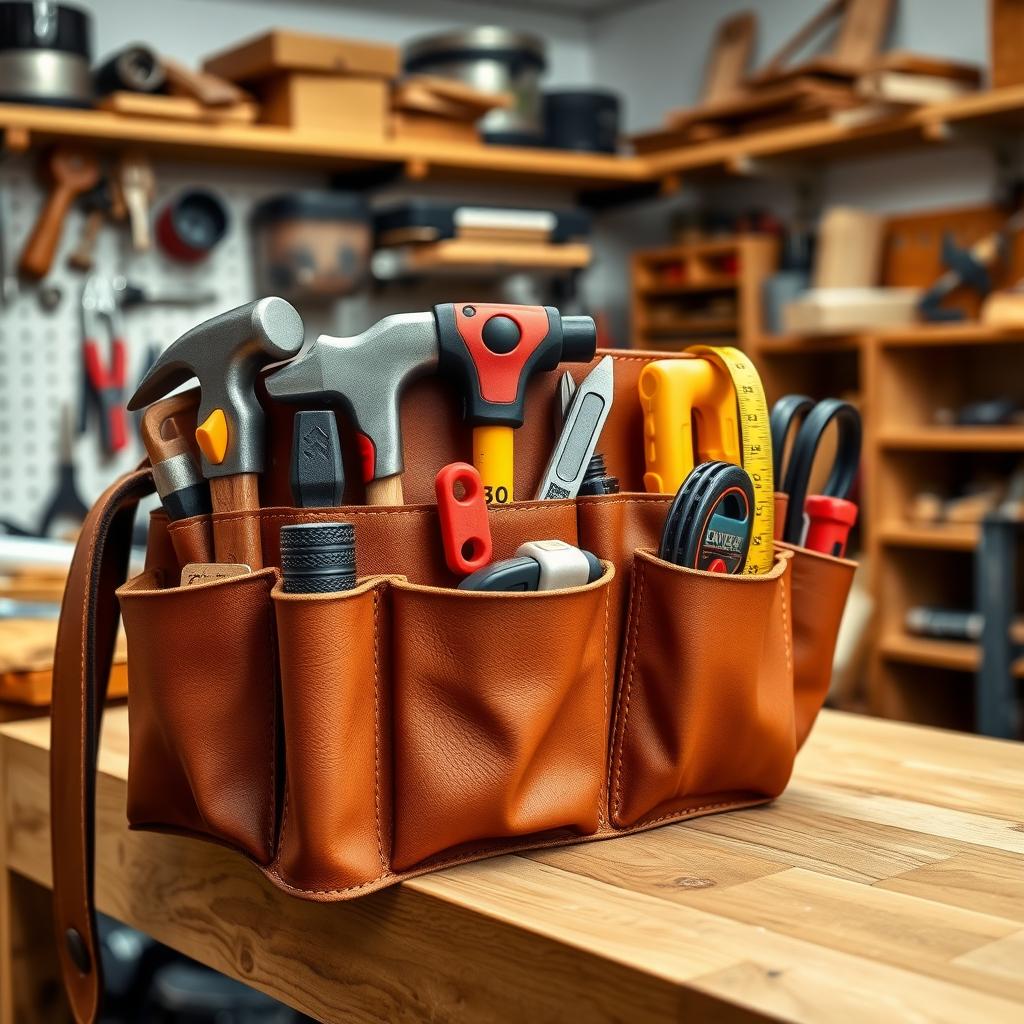
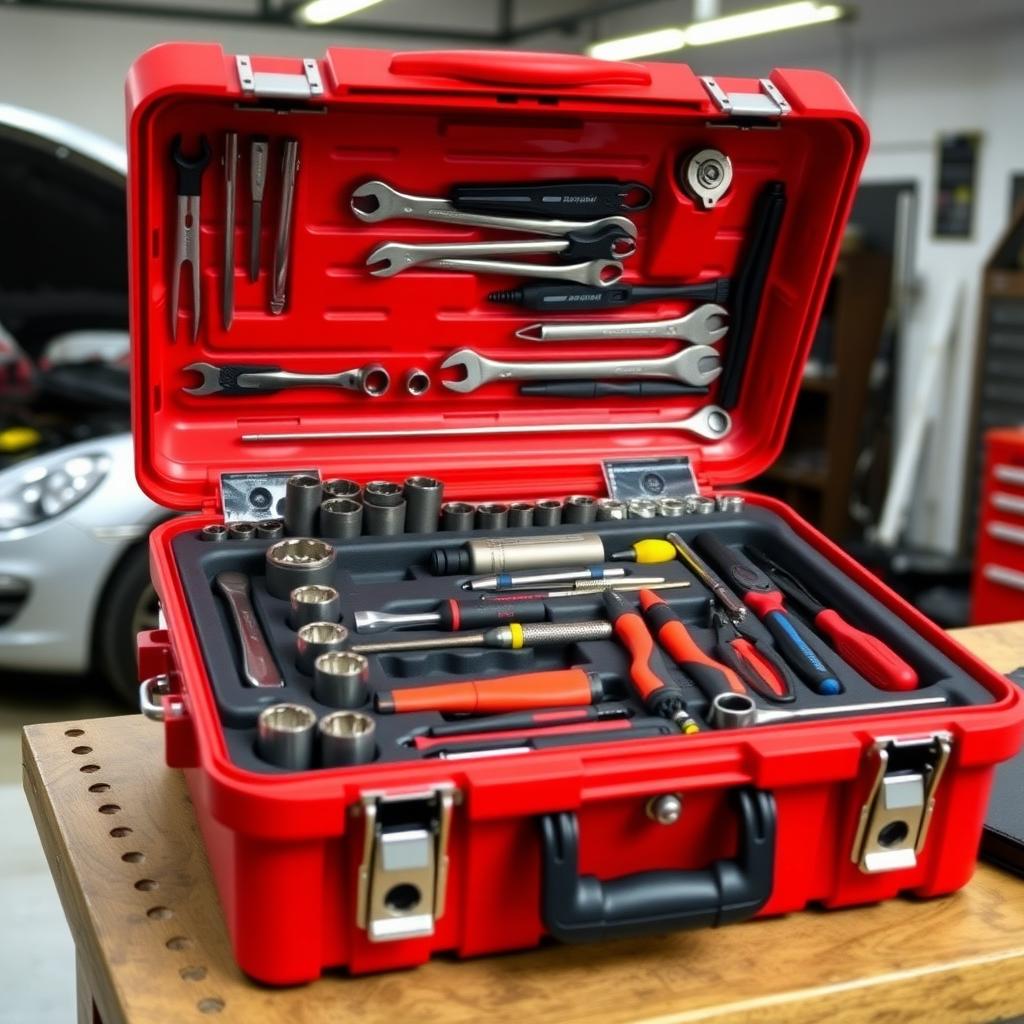
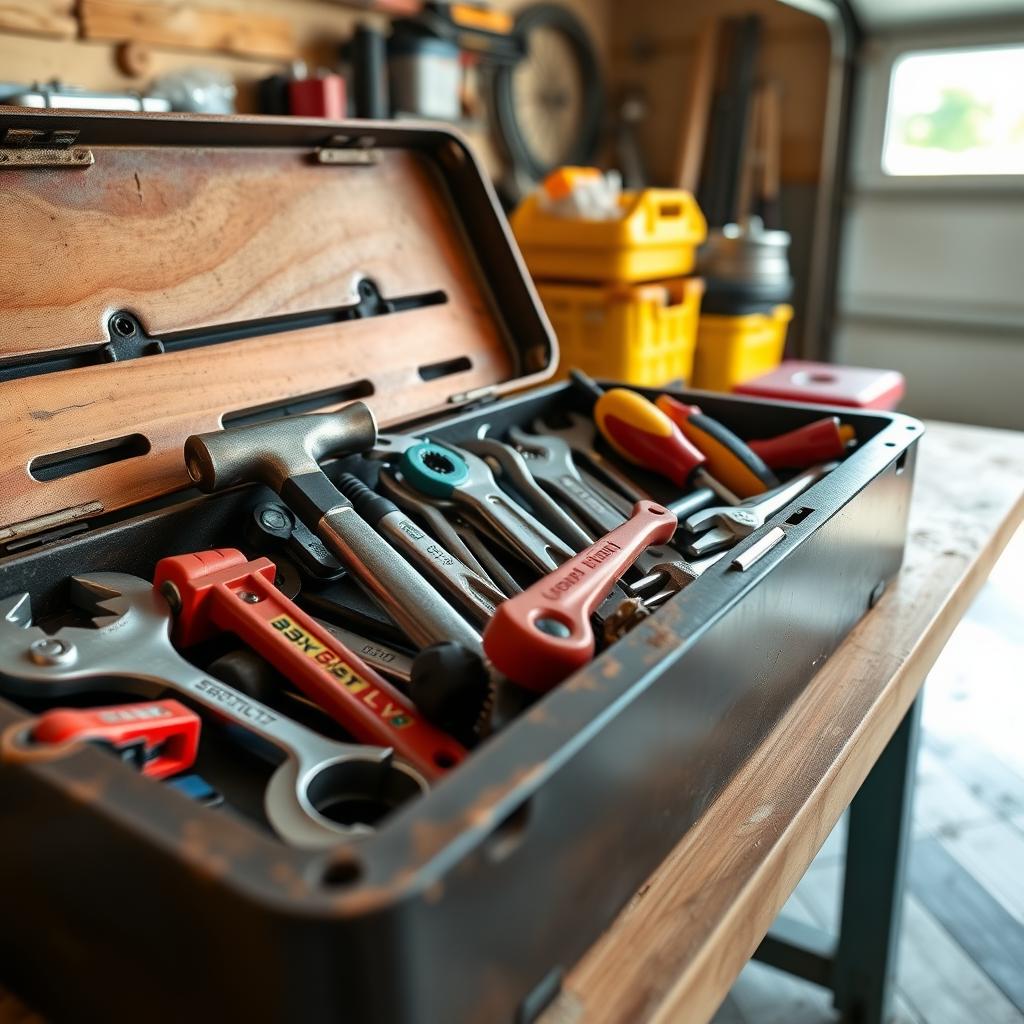
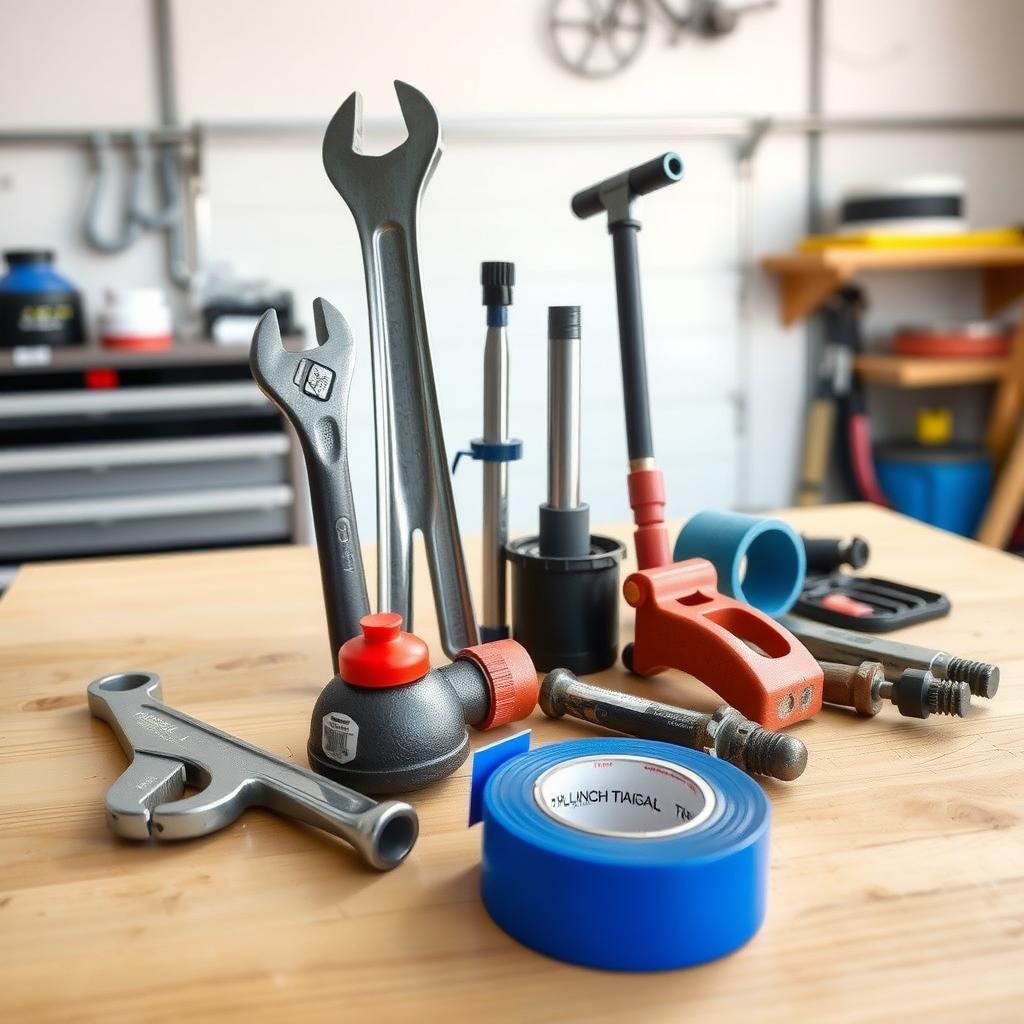
Before diving into any project, gather the right workman tools. Having the proper equipment makes the job easier and safer. Here’s a list of must-have tools: - Adjustable wrench: Perfect for tightening or loosening nuts and bolts. - Pipe wrench: Ideal for gripping pipes securely. - Plunger: A go-to for clearing clogs in sinks and toilets. - Pipe cutter: For clean, precise cuts on copper or PVC pipes. - Plumber’s tape: Seals threaded connections to prevent leaks. - Plumbing snake: Clears stubborn drain blockages. Investing in quality wrenches and other tools ensures durability and better results. I learned this the hard way when a cheap wrench slipped and scratched my sink!
Step-by-Step Tips for DIY Plumbing Success
Here are actionable tips for DIY plumbing success to guide you through common projects:
1. Always Turn Off the Water Supply
Before starting any repair, shut off the water supply to avoid floods. For sinks, look for shut-off valves under the counter. For bigger jobs, turn off the main water line. I once forgot this step and ended up with a soaked bathroom floor—lesson learned!
2. Diagnose the Problem First
Take time to understand the issue. Is the faucet leaking at the base or the spout? Is the drain slow or completely blocked? A clear diagnosis saves time and prevents unnecessary work.
3. Start Small
If you’re new to plumbing, begin with simple tasks like replacing a faucet washer or unclogging a sink. These projects build confidence and skills before tackling bigger jobs like pipe repairs.
4. Use the Right Materials
Match materials to your system. For example, use copper fittings for copper pipes and PVC for plastic ones. Mixing materials without proper connectors can lead to leaks.
5. Test Your Work
After completing a repair, turn the water back on slowly and check for leaks. Run the system for a few minutes to ensure everything holds. This step saved me from a major cleanup after a loose connection.
Common DIY Plumbing Projects
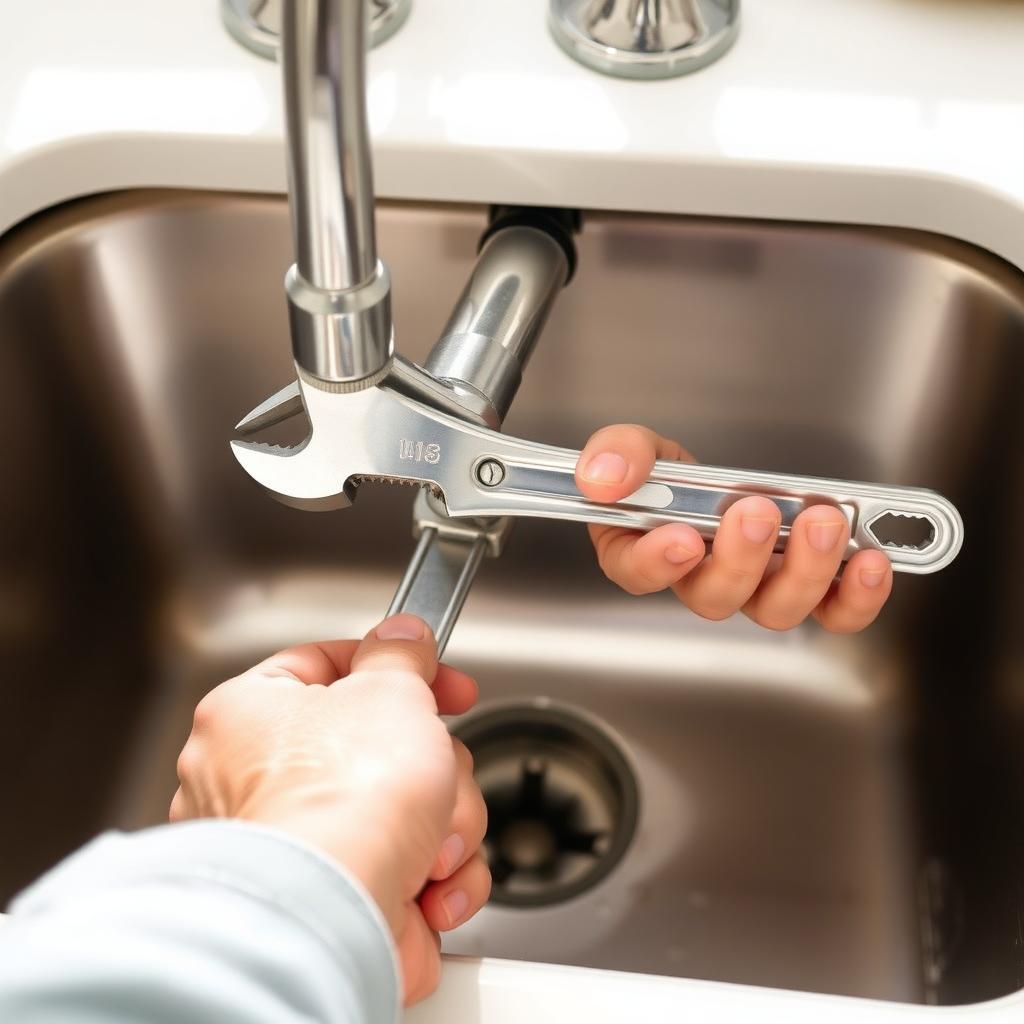
Here’s a breakdown of frequent plumbing tasks and how to approach them: | Project | Difficulty | Tools Needed | Estimated Time | |-------------|----------------|------------------|-------------------| | Fix a Leaky Faucet | Easy | Adjustable wrench, screwdriver, replacement washers | 30 minutes | | Unclog a Drain | Easy-Moderate | Plunger, plumbing snake | 15-45 minutes | | Replace a Toilet Flapper | Easy | New flapper, adjustable wrench | 20 minutes | | Install a New Showerhead | Easy | Adjustable wrench, plumber’s tape | 15 minutes | | Fix a Running Toilet | Moderate | Replacement fill valve, wrench | 1 hour | These projects are beginner-friendly and require basic workman tools for plumbing projects. For example, fixing a leaky faucet often involves tightening or replacing a worn washer, which you can do with an adjustable wrench and a screwdriver.
Avoiding Common Mistakes
Even experienced DIYers make errors. Here are pitfalls to avoid: - Over-tightening fittings: This can crack pipes or strip threads. Tighten until snug, then give a quarter turn more. - Ignoring safety: Always wear gloves and safety glasses, especially when cutting pipes or handling chemicals. - Skipping research: Watch tutorials or read guides for your specific project. Websites like This Old House offer reliable step-by-step advice. - Not knowing when to stop: If a job feels too complex (like soldering copper pipes), call a professional to avoid costly damage.
Maintenance Tips to Prevent Issues
Preventive care reduces the need for repairs. Here’s how to keep your plumbing in top shape: - Check for leaks regularly: Look under sinks and around toilets for drips. - Clean drains monthly: Use a mixture of vinegar and baking soda to keep drains clear. - Inspect pipes seasonally: Look for corrosion or wear, especially in older homes. - Flush your water heater annually: This removes sediment and extends its lifespan. I started doing these checks after a small leak turned into a major repair. A little effort goes a long way!
When to Call a Professional
While DIY plumbing is rewarding, some jobs require expertise. Call a plumber for: - Major pipe repairs or replacements - Water heater installation - Sewer line issues - Anything involving gas lines I once tried fixing a water heater myself and quickly realized it was beyond my skills. A pro fixed it in half the time and ensured it was safe.
Summary: Your DIY Plumbing Journey
With the right tips for DIY plumbing success, you can handle many home repairs confidently. Start with the right workman tools, like wrenches and plungers, and take projects one step at a time. Always prioritize safety, test your work, and know when to call a pro. With practice, you’ll save money and gain skills that last a lifetime.
Related Tips for DIY Plumbing Success:
- Step-by-Step Guide to Fixing a Leaky Faucet
- Top Screwdriver Safety Tips You Can’t Ignore
- The Best Tablesaws with User-Friendly Features for Every Workshop
- How to Choose the Right Tools for Your Job: A Practical Guide
- How to Paint a Room Like a Pro: A Step-by-Step Guide
- The Importance of Quality Tools in Construction: Building a Solid Foundation
- Beginner’s Guide to Car Repair Tools: Your Toolkit Essentials
- The Pomodoro Technique: Boosting Productivity Through Structured Work Sessions
- How to Maintain Your Tools for Longevity: A Comprehensive Guide
- Exploring Types of Wrenches for Different Jobs: A Workman’s Guide
- Top 10 DIY Projects for Beginners to Kickstart Your Creative Journey
- The Art of Metalwork: Techniques and Tips for Beginners