Overview
Starting car repairs as a beginner can feel overwhelming, but having the right tools makes all the difference. This Beginner’s Guide to Car Repair Tools walks you through the essentials, from wrenches to diagnostic gadgets, to help you tackle basic repairs with confidence.
Why You Need the Right Tools
When I first started tinkering with my old sedan, I grabbed whatever tools were lying around—mostly a rusty screwdriver and a mismatched socket set. Big mistake. Using the wrong tools led to stripped bolts and a lot of frustration. The right workman tools save time, prevent damage, and make repairs enjoyable. Whether you’re changing oil or replacing brake pads, a solid toolkit is your foundation.
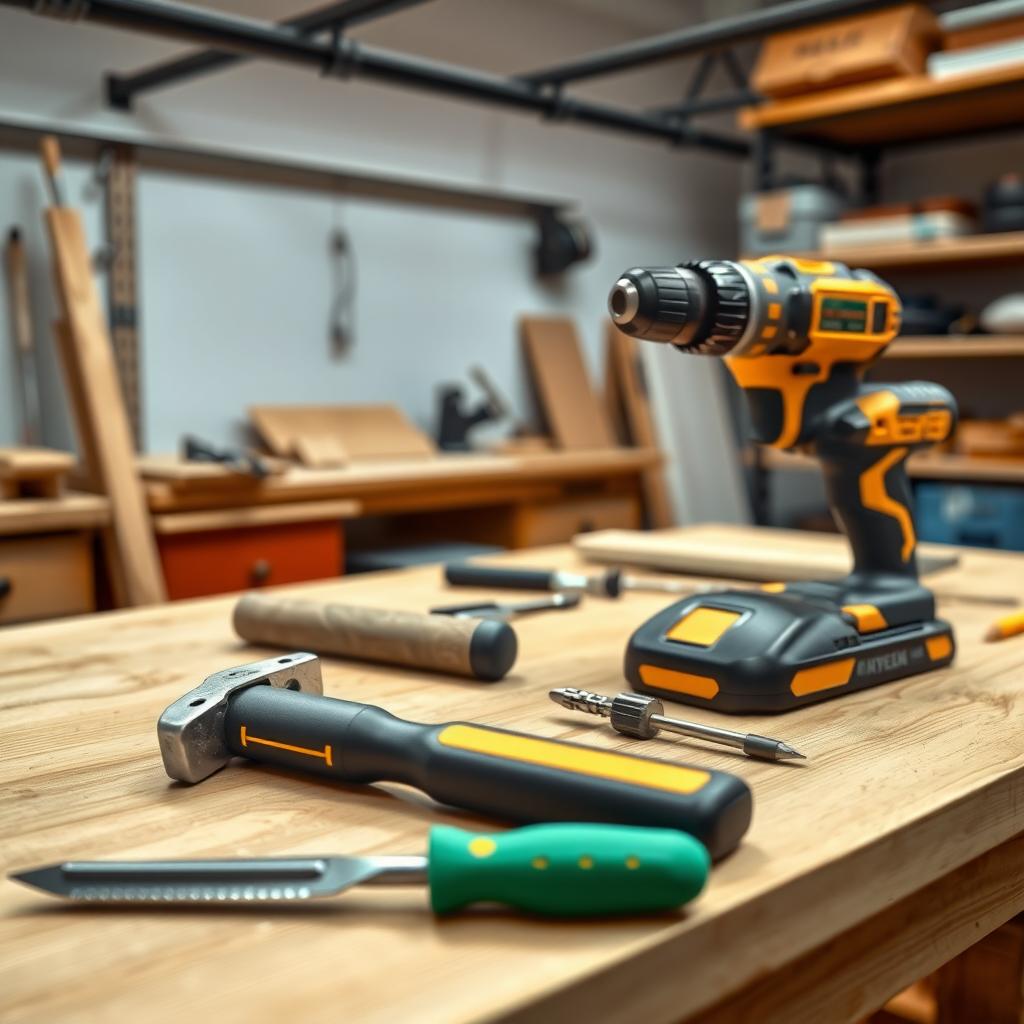
Car repair tools fall into a few categories: hand tools, power tools, and diagnostic equipment. As a beginner, focus on hand tools first—they’re versatile and budget-friendly. Let’s break down the essentials, starting with the most critical: essential wrenches for automotive repair.
Essential Wrenches for Automotive Repair
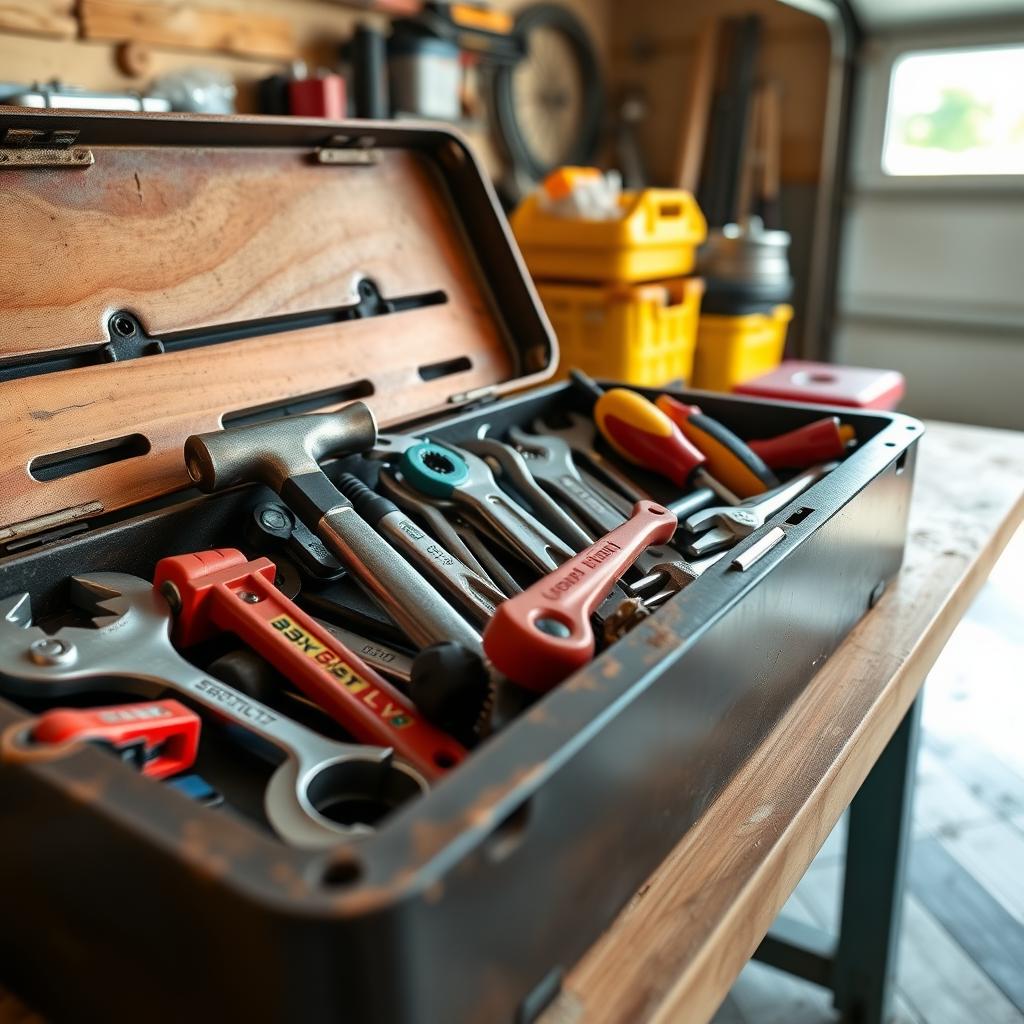
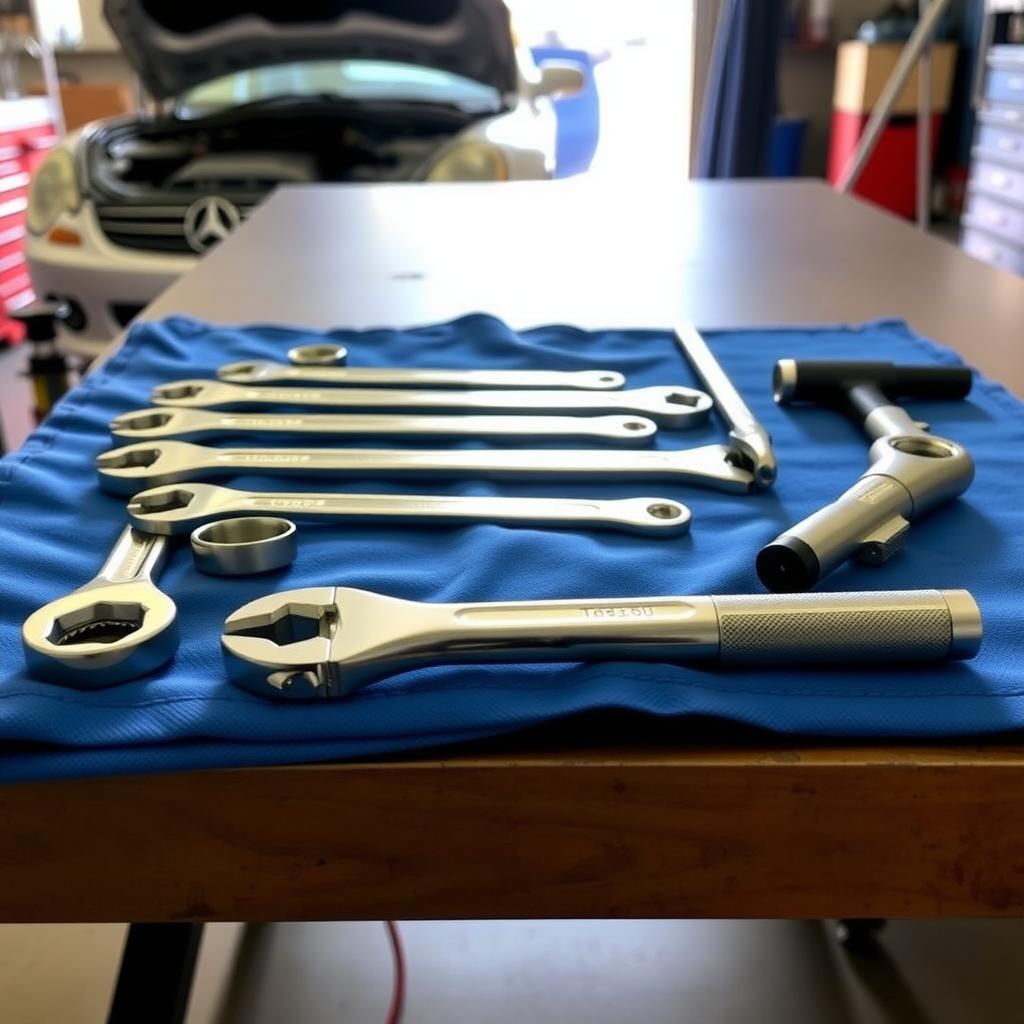
Wrenches are the backbone of any car repair toolkit. They’re used for loosening or tightening bolts and nuts, from spark plugs to suspension components. Here’s a rundown of the must-have wrenches for beginners:
- Combination Wrenches: These have an open end and a box end, offering versatility. A set ranging from 8mm to 19mm covers most car repairs.
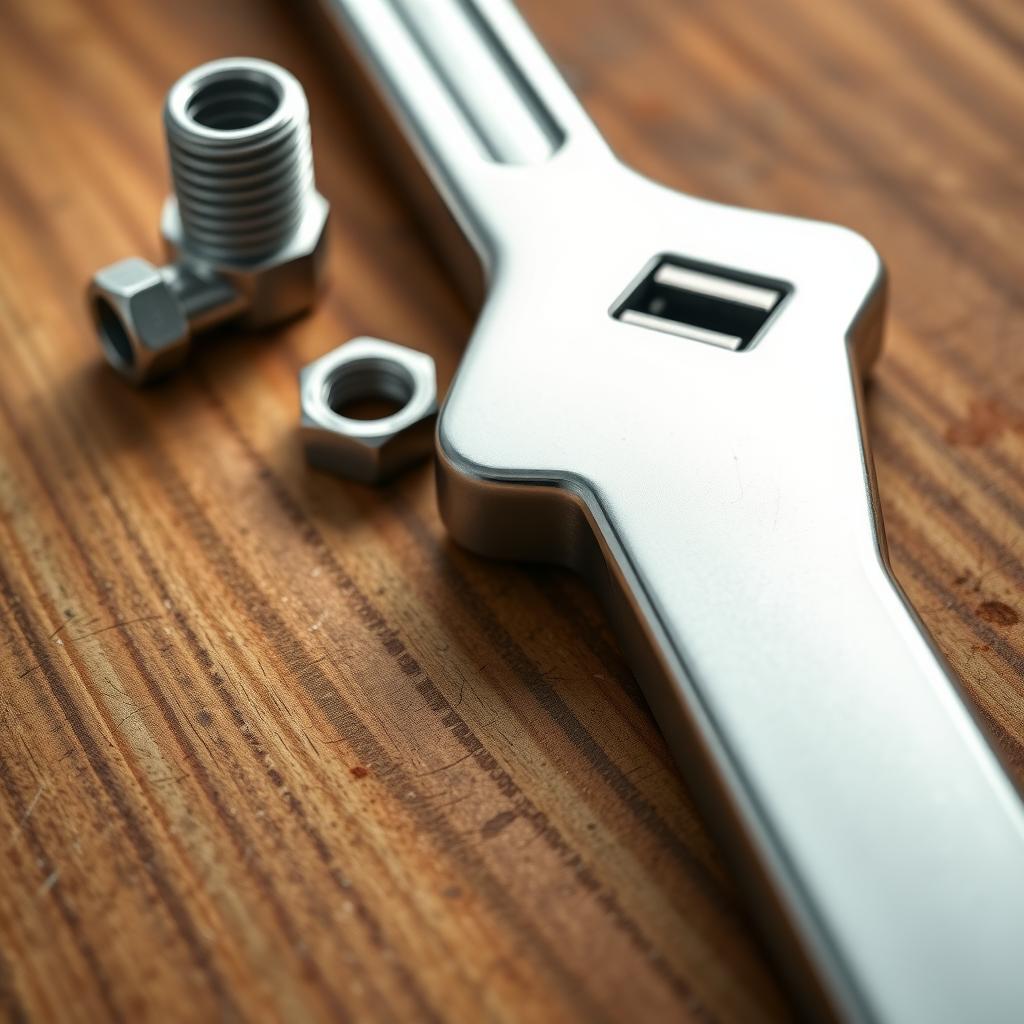
- Adjustable Wrench: Perfect for odd-sized bolts when you don’t have the exact size.
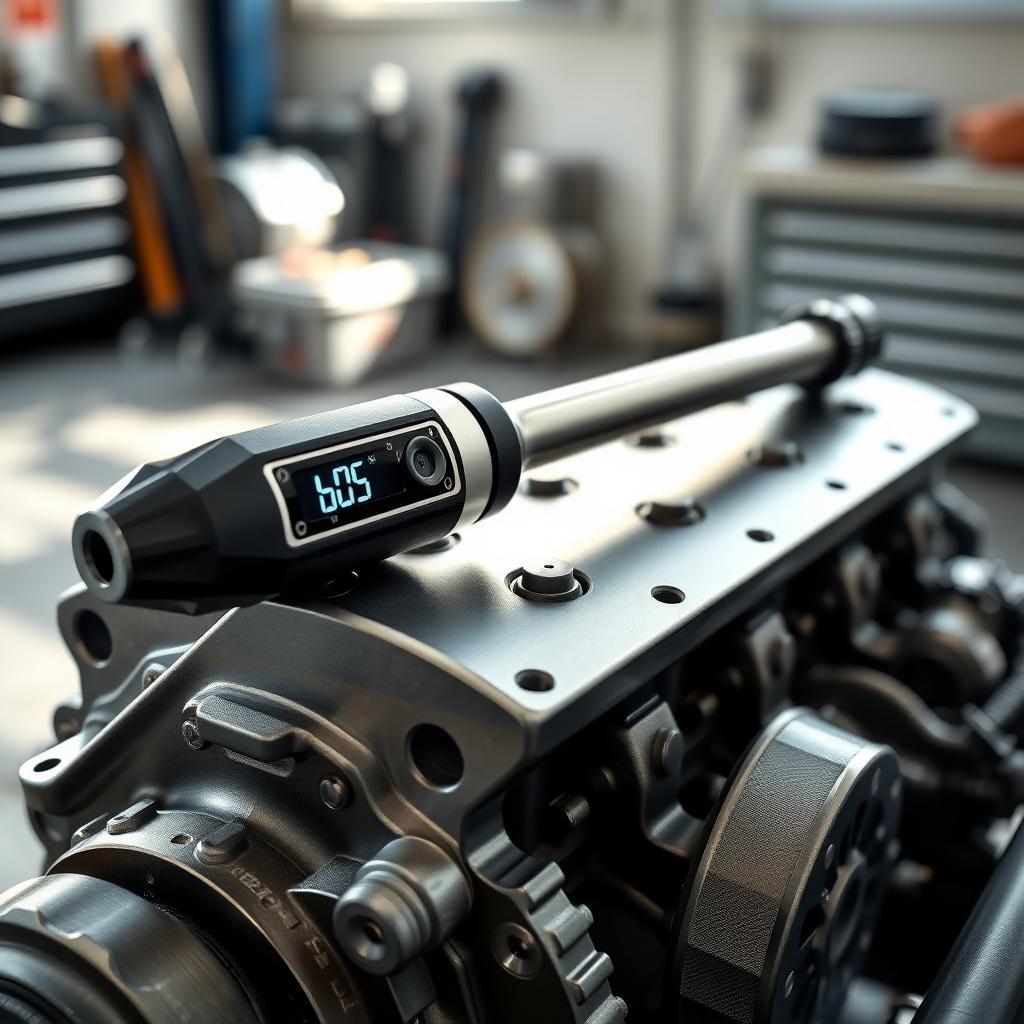
- Torque Wrench: Ensures you tighten bolts to the manufacturer’s specs, preventing over-tightening. I learned this the hard way after snapping a bolt on my first oil pan change!
According to The University of Wisconsin’s Engineering Department, using a torque wrench can reduce mechanical failures by ensuring proper fastener tension.
Socket Sets and Ratchets
Sockets are another must-have. They work with a ratchet to quickly remove or install bolts. A 3/8-inch drive socket set with both metric and standard sizes (8mm to 19mm and 5/16 to 3/4 inch) is ideal for beginners. Pair it with a ratchet that has a comfortable grip and a quick-release feature. I once spent hours wrestling with a stuck bolt because I didn’t have a deep-well socket—don’t make that mistake. Add a few deep sockets to your kit for hard-to-reach spots.
Screwdrivers and Pliers
Screwdrivers are non-negotiable. Get a set with both Phillips and flathead tips in various sizes. Magnetic tips are a lifesaver for keeping screws in place. Pliers, like needle-nose and locking pliers, are great for gripping small parts or holding components steady. I’ve used needle-nose pliers to fish out a dropped bolt from an engine bay more times than I can count.
Jack and Jack Stands
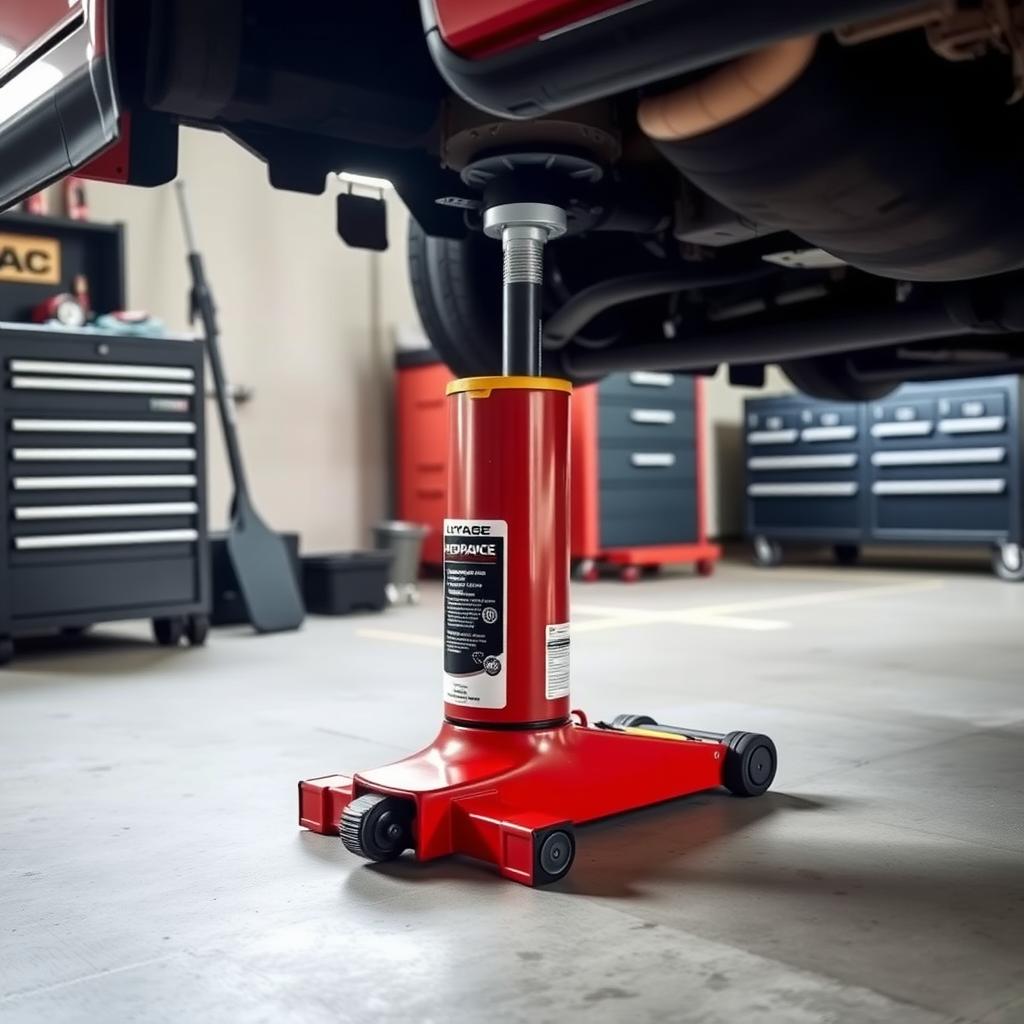
Lifting your car safely is critical. A hydraulic floor jack is easier to use than a scissor jack, especially for frequent repairs. Always pair it with jack stands—never rely on a jack alone. The National Highway Traffic Safety Administration emphasizes that improper jack use causes thousands of injuries annually, so invest in sturdy stands and learn proper placement.
Diagnostic Tools for Beginners
Modern cars are complex, so a basic diagnostic tool like an OBD-II scanner is a game-changer. It reads error codes from your car’s computer, helping you pinpoint issues like a faulty oxygen sensor. I bought a budget-friendly scanner for $30, and it saved me hundreds by diagnosing a check engine light myself. Look for one with a clear display and compatibility with your car’s make.
Other Essential Workman Tools
Beyond wrenches and sockets, here are a few more tools to round out your kit:
| Tool | Use | Why It’s Essential |
|---|---|---|
| Multimeter | Tests electrical circuits | Diagnoses battery or wiring issues |
| Oil Filter Wrench | Removes oil filters | Makes oil changes easier |
| Funnel | Guides fluids | Prevents spills during oil or coolant refills |
| Work Light | Illuminates dark areas | Perfect for under-hood work |
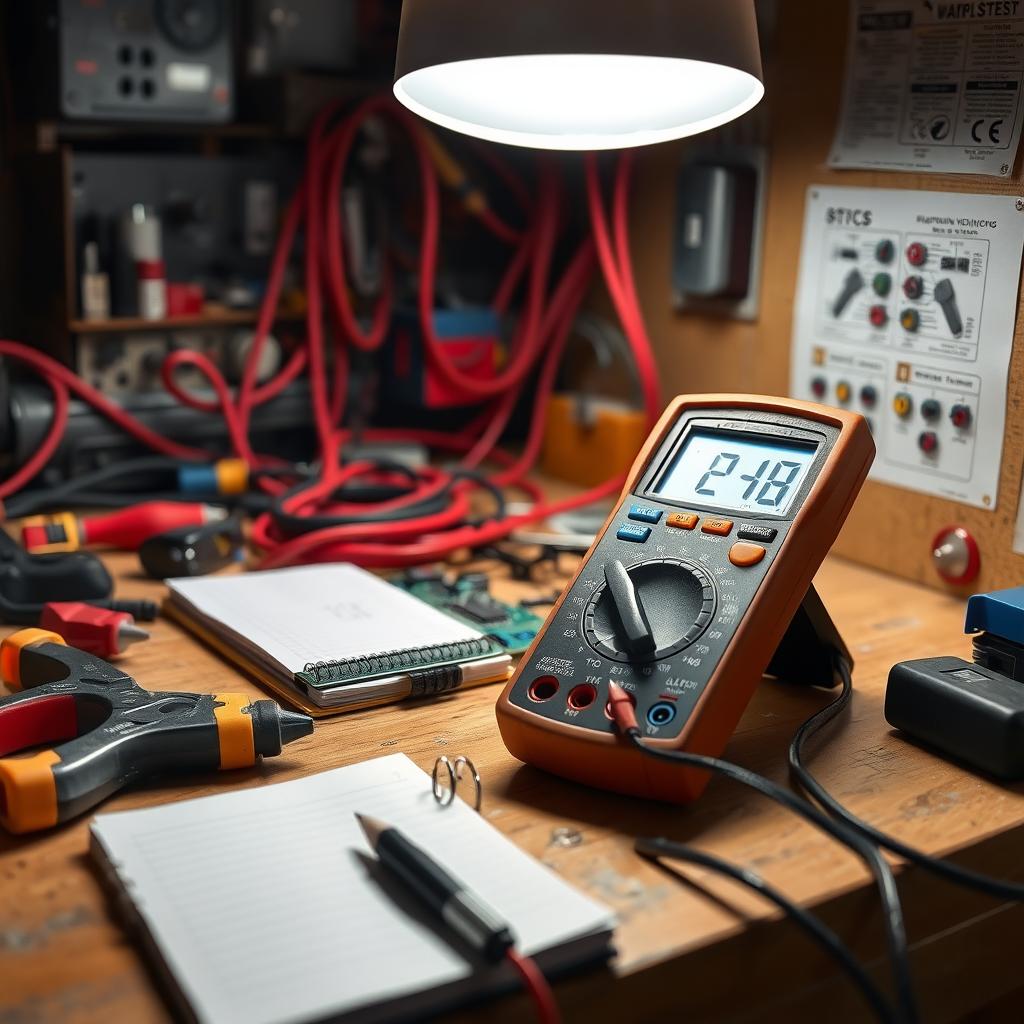
These tools are affordable and cover a wide range of repairs. My multimeter, for instance, helped me find a dead battery cell before I wasted money on a new alternator.
Organizing Your Toolkit
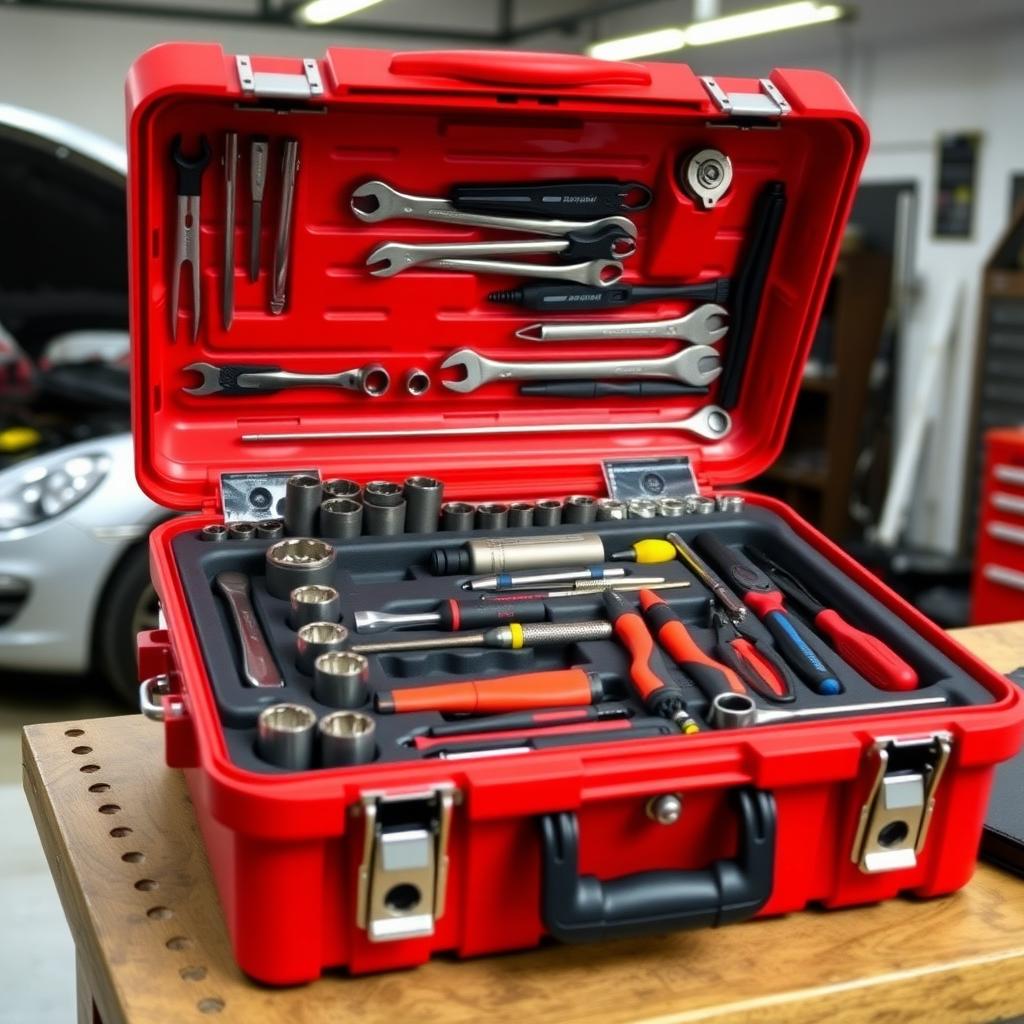
A disorganized toolbox is a recipe for frustration. Invest in a toolbox or a rolling cart to keep your workman tools tidy. Group similar tools together—wrenches in one drawer, sockets in another. Label drawers if you’re forgetful like me. A clean workspace boosts efficiency and makes repairs less stressful.
Tips for Choosing Quality Tools
Quality matters more than quantity. Cheap tools break or wear out quickly, costing you more in the long run. Stick to reputable brands with good reviews. Check for lifetime warranties—many brands offer them on hand tools. Consumer Reports tests tools for durability, noting that mid-range brands often balance quality and affordability for beginners.
Where to Start with Repairs
Once your toolkit is ready, start with simple tasks like oil changes, air filter replacements, or spark plug swaps. These build confidence and familiarize you with your tools. Watch tutorials, but don’t skip your car’s manual—it’s your best friend. My first oil change took two hours, but now it’s a 20-minute job.
Safety First
Never underestimate safety. Wear gloves to protect your hands and safety glasses to shield your eyes. Work in a well-ventilated area, especially when handling fluids. The Occupational Safety and Health Administration recommends keeping a fire extinguisher nearby in case of sparks or flammable spills.
Summary
Building a beginner’s car repair toolkit is about starting small and smart. Focus on versatile tools like essential wrenches for automotive repair, sockets, and a jack with stands. Add diagnostic tools as you grow. With practice, you’ll turn small fixes into big savings. Keep learning, stay safe, and enjoy the process!
Related Beginner’s Guide to Car Repair Tools:
- The Pomodoro Technique: Boosting Productivity Through Structured Work Sessions
- How to Maintain Your Tools for Longevity: A Comprehensive Guide
- Exploring Types of Wrenches for Different Jobs: A Workman’s Guide
- Top 10 DIY Projects for Beginners to Kickstart Your Creative Journey
- The Art of Metalwork: Techniques and Tips for Beginners
- Mastering the Art of Woodworking with Power Tools: A Comprehensive Guide
- Must-Have Wrenches for Every Toolbox: Your Ultimate Guide
- How to Choose Ergonomic Tools for Your Workshop
- Top DIY Projects for Your Cordless Drill: Unleash Your Creativity
- The Ultimate Guide to Table Saw Safety
- How to Use Wrenches Safely: A Comprehensive Guide for Beginners and Pros
- Safety Best Practices for Electricians: A Comprehensive Guide