Overview
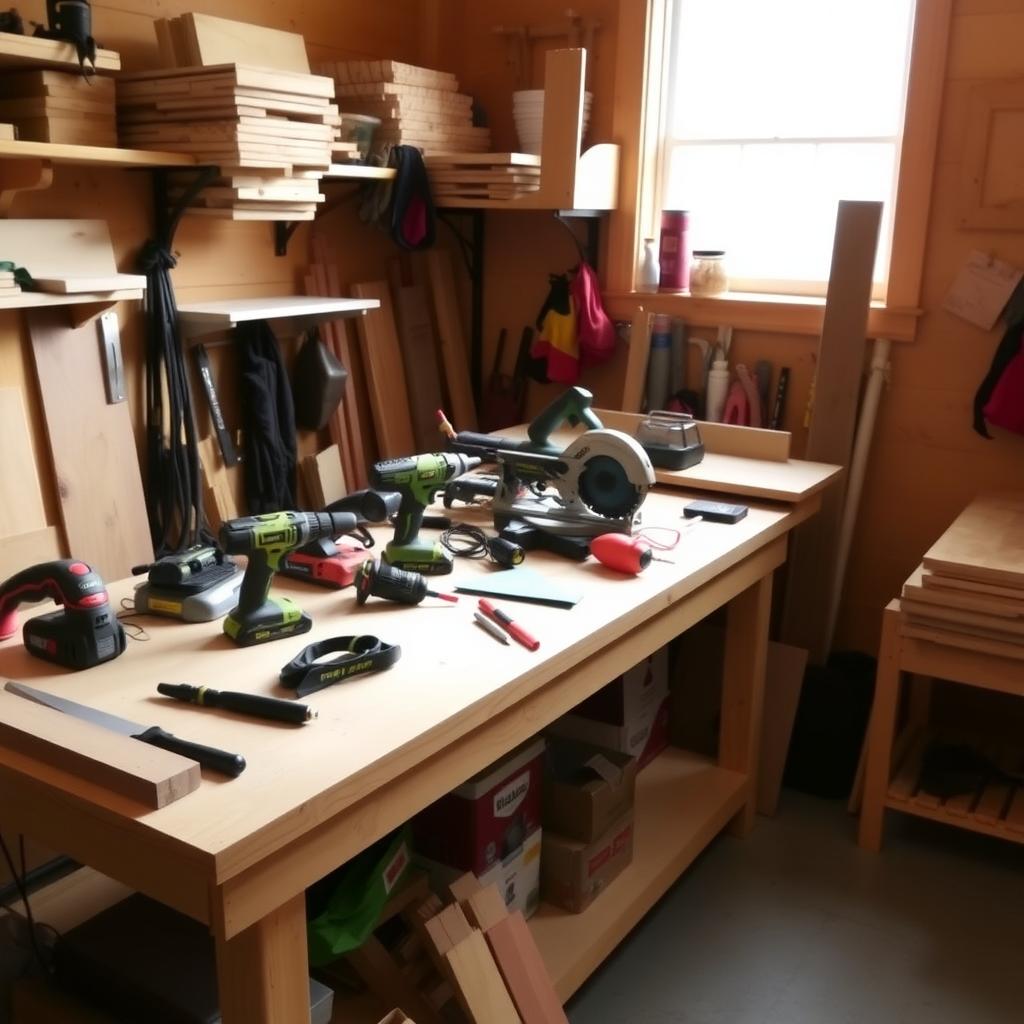
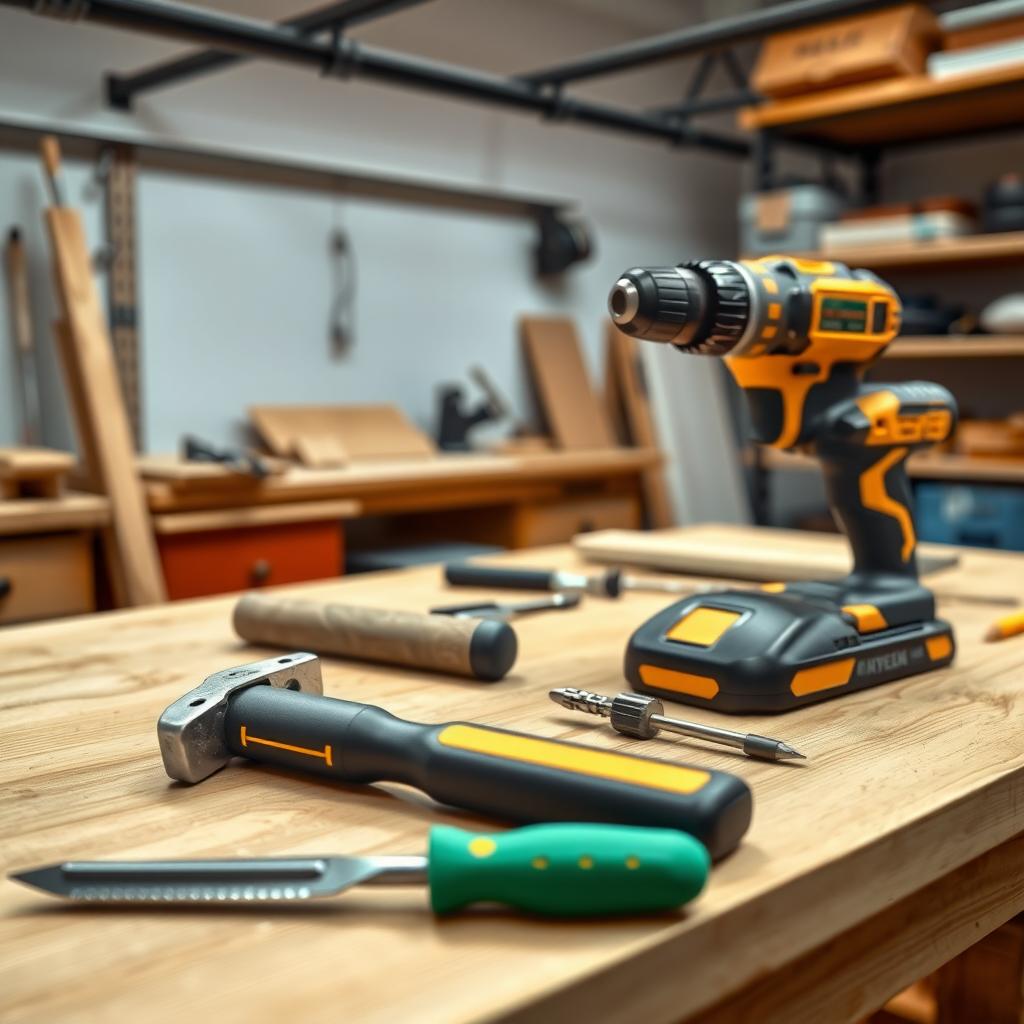
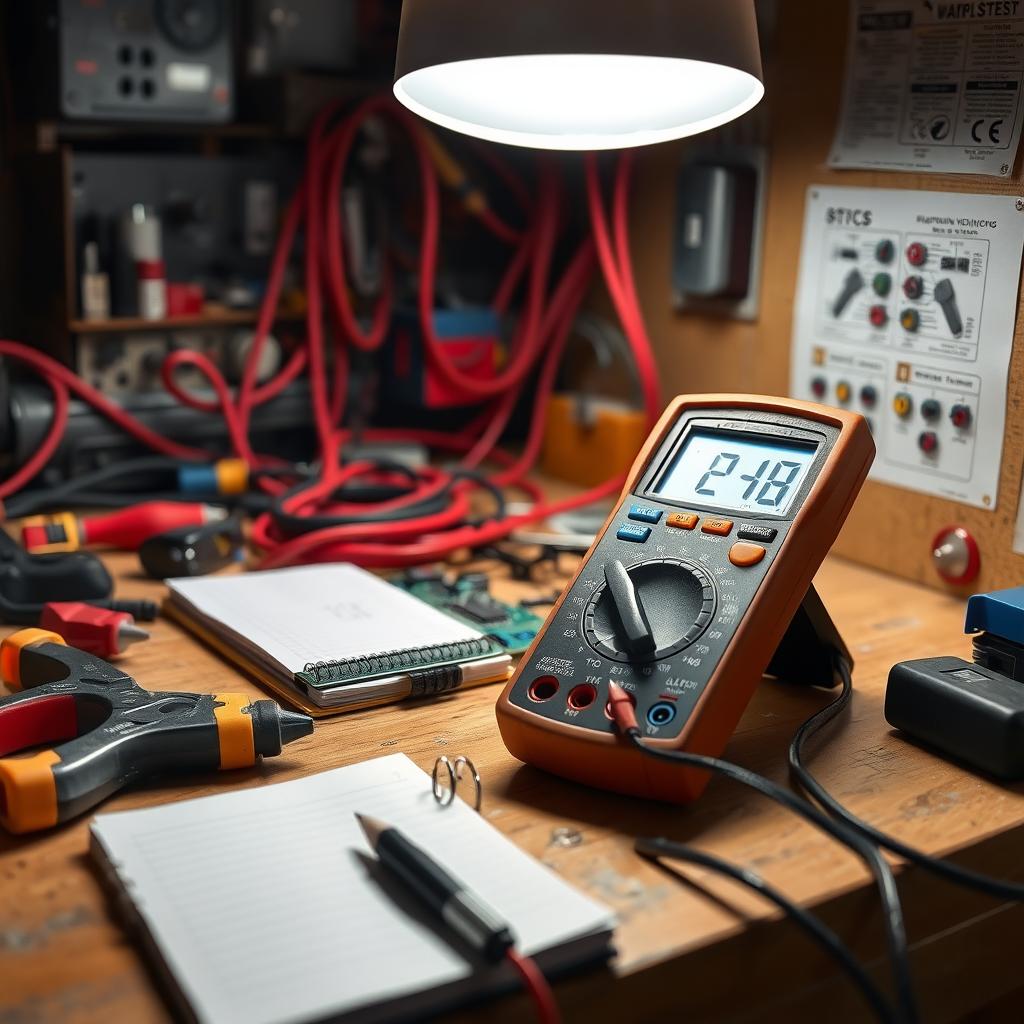
Keeping your tools in great condition isn't just about saving money—it's about ensuring they work well when you need them. Whether you're using workman tools for beginners or heavy-duty equipment, proper maintenance extends their life and boosts performance. This guide covers everything you need to know about how to maintain your tools for longevity.
Why Tool Maintenance Matters
Tools are an investment. A good set of workman tools can last years, even decades, if cared for properly. Neglect them, and they rust, dull, or break, costing you time and money. Regular maintenance keeps tools reliable, safe, and efficient. Plus, it saves you from the frustration of a broken tool mid-project.
I learned this the hard way when my first hammer's handle splintered because I left it outside overnight. A little care could’ve prevented that. According to a study by the University of Illinois Extension, proper tool care can extend their lifespan by up to 50%. That’s significant for anyone, from DIY beginners to seasoned pros.
Cleaning Your Tools: The Foundation of Longevity
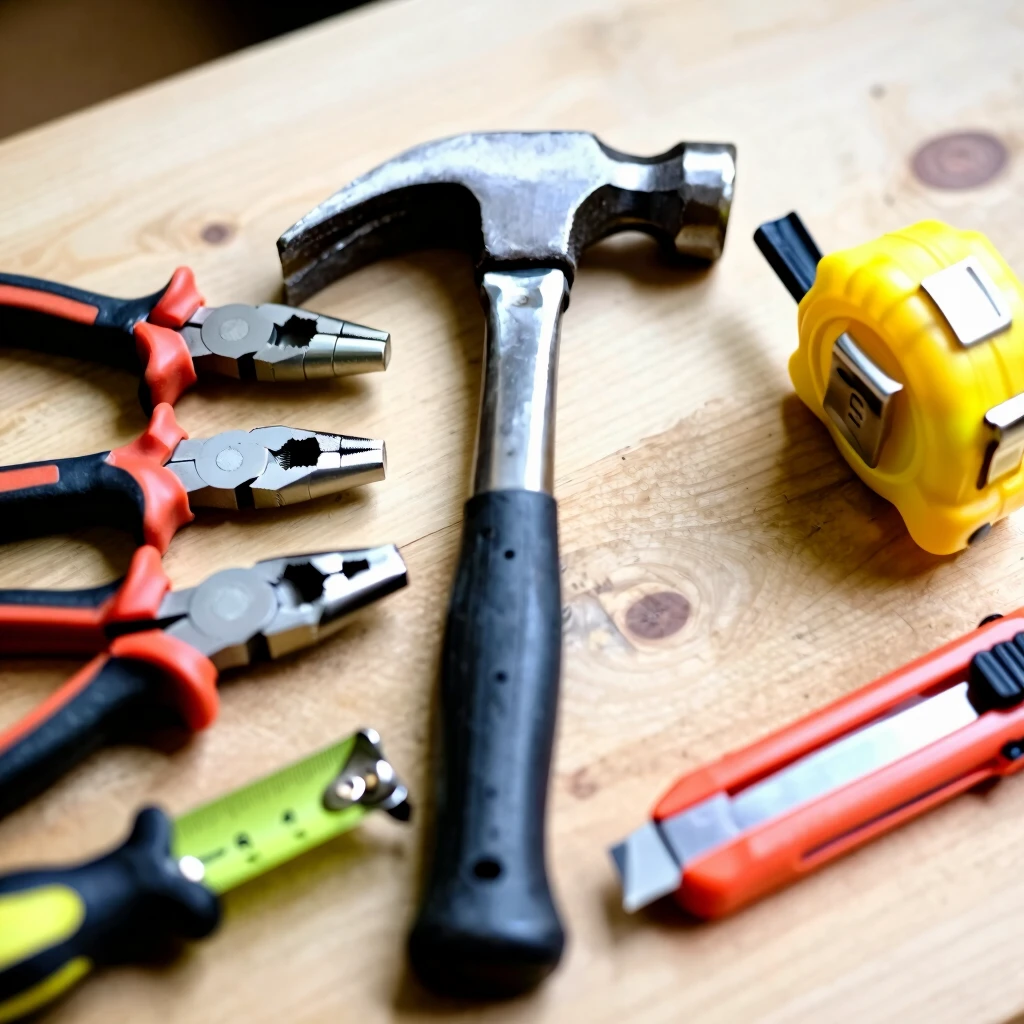
Dirt, grease, and debris are the enemies of tools. Cleaning them after every use is the first step to longevity. For hand tools like screwdrivers or pliers, wipe them down with a damp cloth and mild soap. Dry them thoroughly to prevent rust. For power tools, use compressed air to remove dust from vents and a soft brush for hard-to-reach spots.
I keep a small bucket of cleaning supplies in my garage—rags, a wire brush, and some WD-40. After a project, I spend 10 minutes wiping down my tools. It’s a habit that’s saved me from replacing rusty wrenches. For tougher grime, a guide from Purdue University recommends using a degreaser for metal tools, but avoid harsh chemicals that can damage coatings.
Cleaning Checklist
- Hand Tools: Wipe with a damp cloth, dry completely, and apply a light oil to metal surfaces.
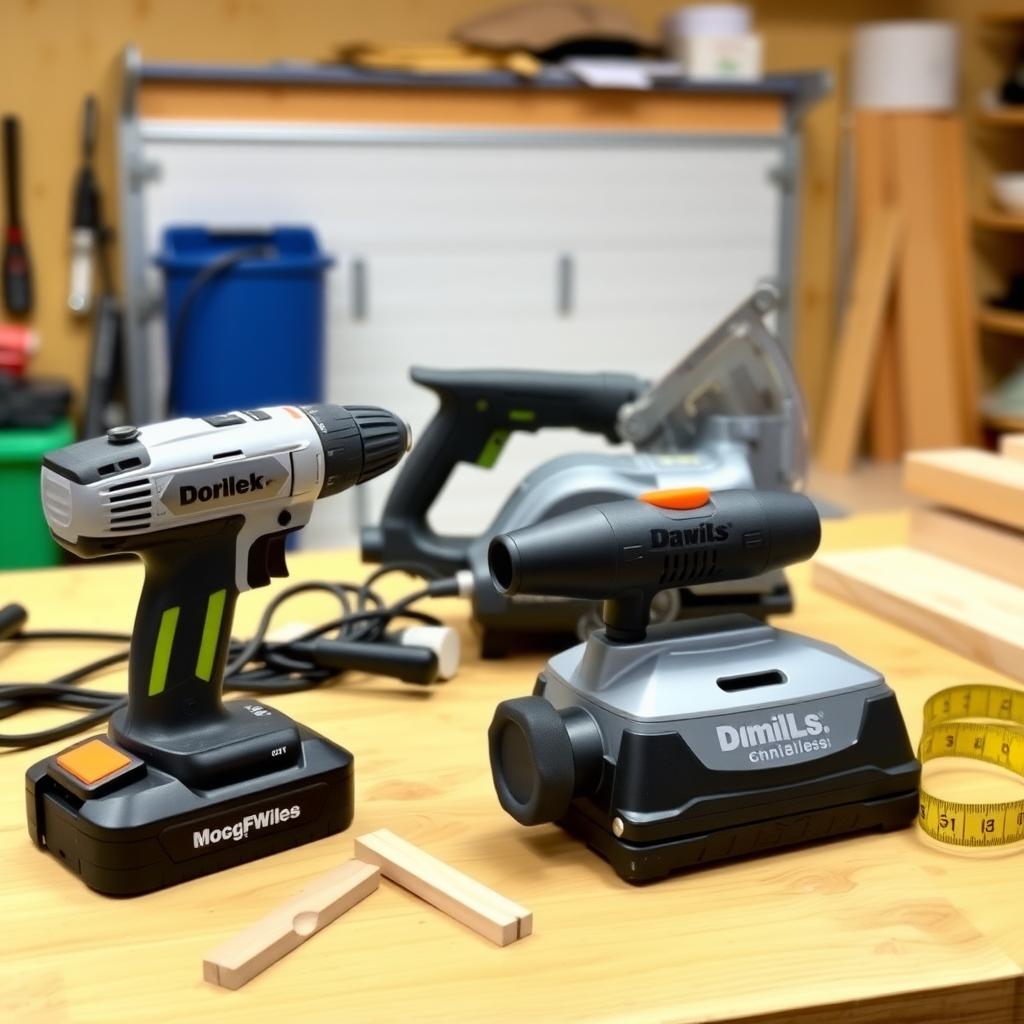
- Power Tools: Remove dust with compressed air, check cords for wear, and store in a dry place.
- Cutting Tools: Clean blades with alcohol to remove sap or residue, then sharpen as needed.
- Garden Tools: Rinse off soil, dry thoroughly, and coat with a rust inhibitor.
Sharpening for Peak Performance
Dull tools are not only ineffective but also dangerous. A dull blade requires more force, increasing the risk of slips or accidents. For tools like chisels, knives, or lawnmower blades, regular sharpening is key. I use a simple whetstone for my hand tools, sharpening every few months or after heavy use.
For beginners, sharpening might seem tricky, but it’s straightforward with practice. A resource from Oregon State University suggests sharpening at a 20-25 degree angle for most blades. If you’re unsure, take your tools to a professional sharpener once a year. It’s worth the cost to keep your workman tools performing like new.

Proper Storage: Protect Your Investment
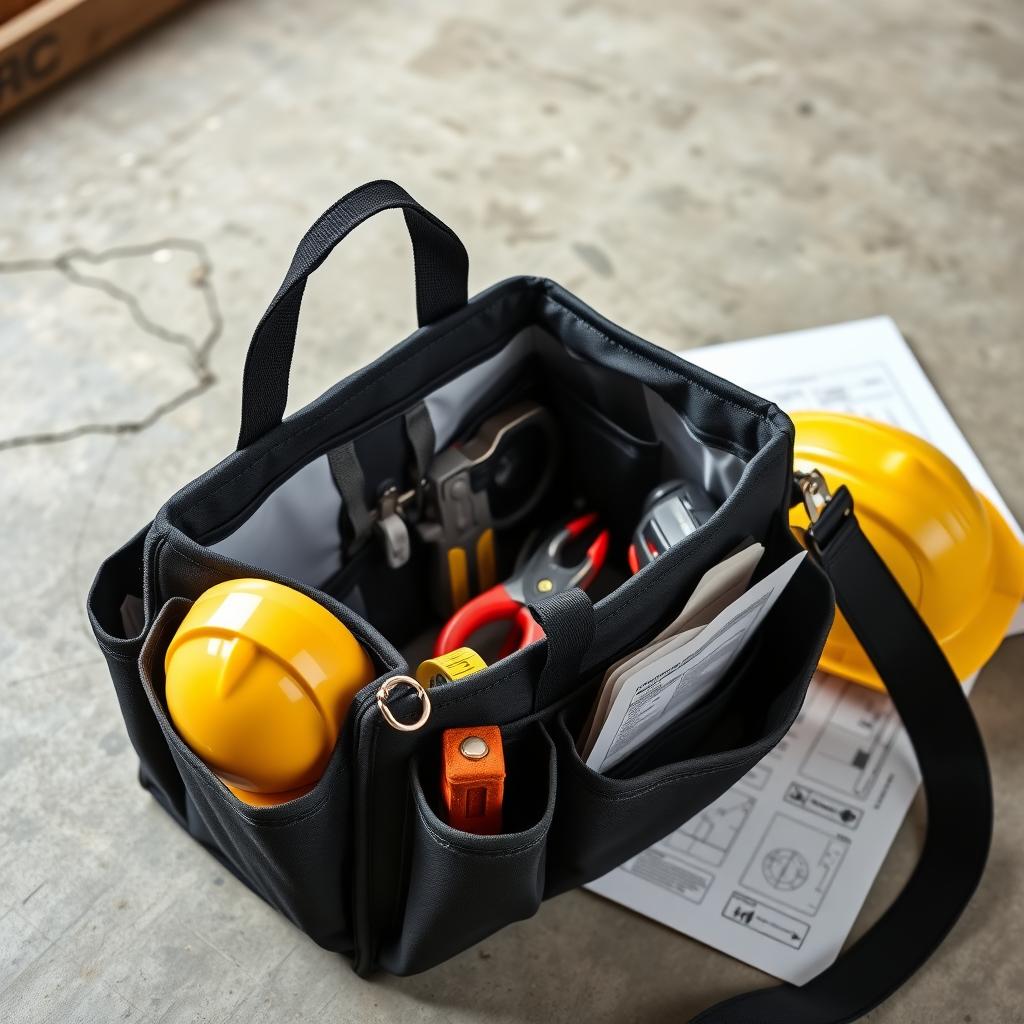
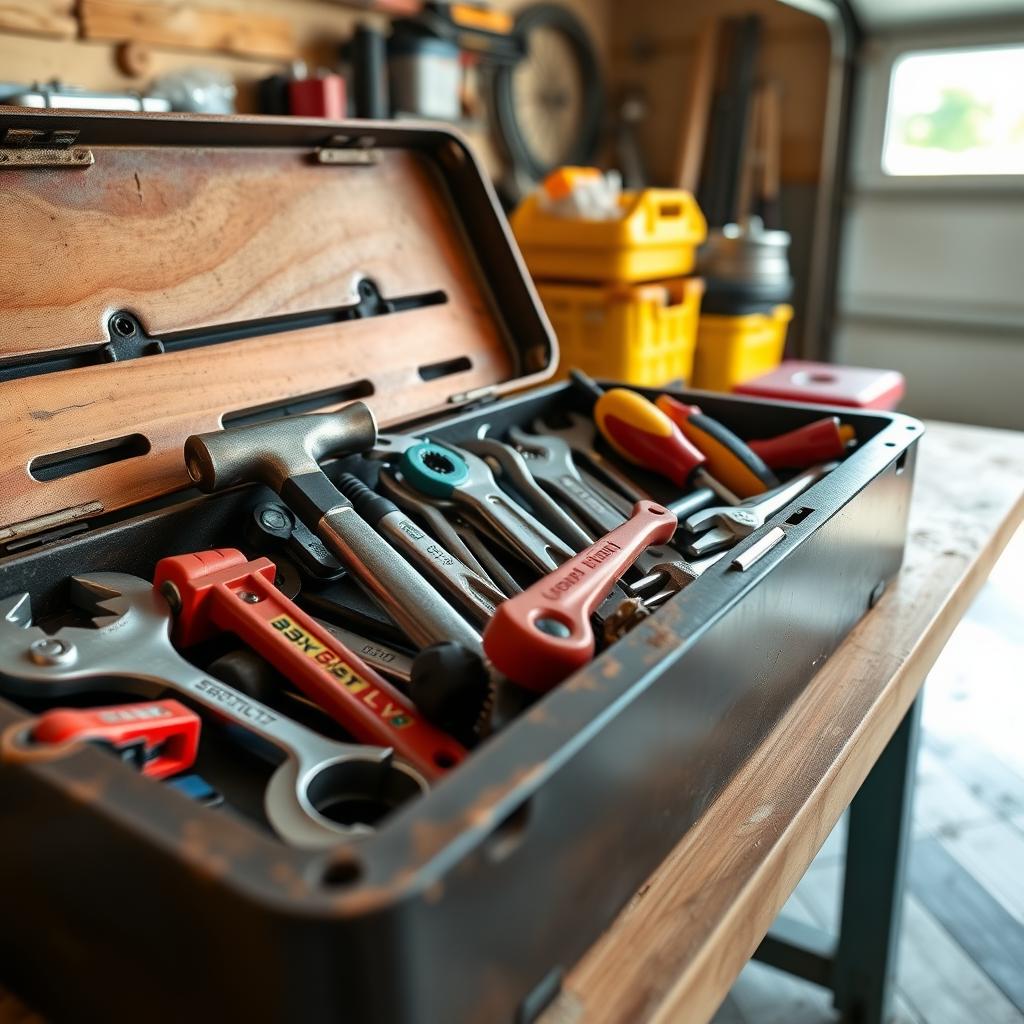
How you store your tools is just as important as how you clean them. Toolboxes are a game-changer for keeping workman tools organized and protected. I used to toss my tools in a drawer, only to find them scratched or rusted. Now, I use a toolbox with foam inserts to keep everything in place.
For power tools, store them in their original cases or a dry, climate-controlled space. Humidity is a killer—rust can form in just a few days in a damp garage. A report by the National Institute of Standards and Technology found that corrosion costs the U.S. $276 billion annually, and improper tool storage is a big contributor. Consider silica gel packets in your toolbox to absorb moisture.
Storage Tips
| Tool Type | Storage Solution | Why It Works |
|---|---|---|
| Hand Tools | Toolbox with foam inserts | Prevents scratches and rust |
| Power Tools | Original case or dry cabinet | Protects from dust and moisture |
| Garden Tools | Wall rack or shed | Keeps them off damp floors |
| Small Parts | Divided organizer | Easy access and organization |
Regular Inspections and Repairs
Don’t wait for a tool to break before you check it. Every few months, inspect your tools for wear. Look for cracks in handles, loose screws, or frayed cords on power tools. I once ignored a small crack in a drill’s housing, and it failed during a big project. A quick fix could’ve saved me.
For minor repairs, like tightening a loose screw or replacing a worn grip, do it yourself. For complex issues, like motor problems in power tools, consult a professional. Regular checks keep small problems from becoming big ones.
Lubrication: Keep Things Moving
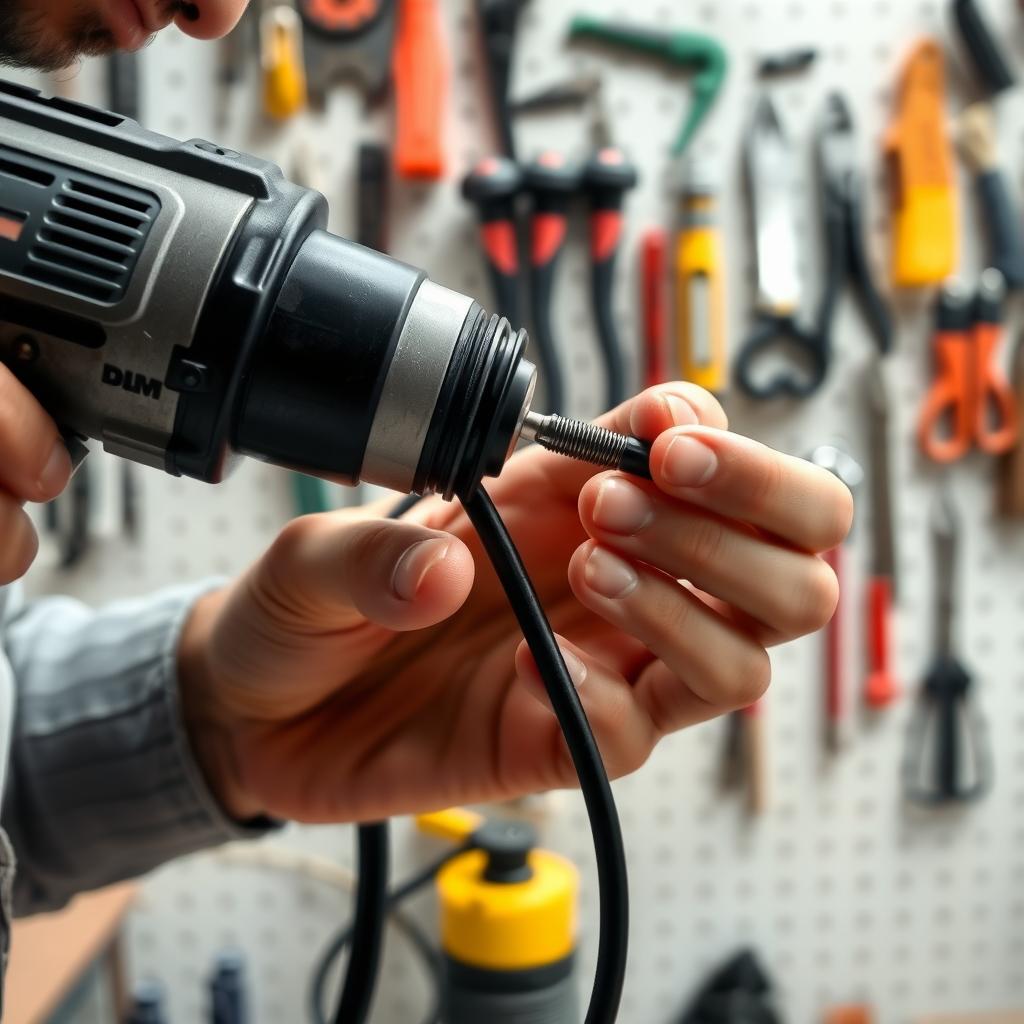
Moving parts need lubrication to stay smooth and prevent wear. For tools like pliers or hedge clippers, a drop of machine oil on the pivot point works wonders. I use a lightweight oil every few months, and it’s kept my tools moving like new.
For power tools, check the manufacturer’s manual for specific lubrication needs. Over-lubricating can attract dust, so use just enough. A guide from Texas A&M AgriLife Extension recommends synthetic oils for high-performance tools, as they last longer than petroleum-based ones.
Tips for Workman Tools for Beginners
If you’re new to using workman tools, start small. Invest in a basic toolbox and a few quality tools—a hammer, screwdriver set, and pliers are enough for most DIY projects. Focus on maintenance from day one to build good habits. I started with cheap tools and regretted it when they broke quickly. Spend a little more for quality, and maintain them well to make them last.
Join a local DIY group or watch online tutorials to learn maintenance tricks. You’ll save money and gain confidence. Plus, a well-maintained tool feels better to use—it’s like driving a car that’s just been tuned up.
Common Mistakes to Avoid
- Skipping Cleaning: Even one use can leave debris that causes rust.
- Improper Storage: Leaving tools in a damp basement or exposed to weather is a recipe for damage.
- Ignoring Wear: Small cracks or dull blades can lead to bigger problems.
- Using Tools Wrongly: Using a screwdriver as a pry bar can ruin it. Always use tools for their intended purpose.
Summary
Maintaining your tools for longevity is about consistent care—cleaning, sharpening, storing, inspecting, and lubricating. Whether you’re using workman tools for beginners or advanced equipment, these habits ensure your tools stay reliable and safe. A little effort goes a long way in saving money and frustration. Start today, and your toolbox will thank you for years to come.
Related How to Maintain Your Tools for Longevity:
- How to Choose the Best Toolbox for Your Needs
- Safety Tips for Using Workman Tools: Essential Guide for Every Handyman
- Exploring Types of Wrenches for Different Jobs: A Workman’s Guide
- Top 10 DIY Projects for Beginners to Kickstart Your Creative Journey
- The Art of Metalwork: Techniques and Tips for Beginners
- Mastering the Art of Woodworking with Power Tools: A Comprehensive Guide
- Must-Have Wrenches for Every Toolbox: Your Ultimate Guide
- How to Choose Ergonomic Tools for Your Workshop
- Top DIY Projects for Your Cordless Drill: Unleash Your Creativity
- The Ultimate Guide to Table Saw Safety
- How to Use Wrenches Safely: A Comprehensive Guide for Beginners and Pros
- Safety Best Practices for Electricians: A Comprehensive Guide