Overview: Mastering Safe Wrench Use
Wrenches are essential workman tools, but using them safely requires knowledge and care. This guide dives into how to use wrenches safely, offering practical tips, personal insights, and expert advice to prevent injuries and boost efficiency, whether you're a DIY enthusiast or a seasoned professional.
Why Safe Wrench Use Matters
Wrenches seem simple, but improper use can lead to injuries like bruised knuckles, strained muscles, or damaged tools. I’ve seen friends rush into projects without understanding their tools, only to end up with a sprained wrist or a stripped bolt. Learning how to use wrenches safely protects you and your equipment.
Safety starts with awareness. Wrenches apply significant force, and a slip can cause harm. According to the U.S. Bureau of Labor Statistics, hand tool injuries account for thousands of emergency room visits annually. Let’s explore how to avoid becoming part of that statistic.
Choosing the Right Wrench
Not all wrenches are created equal. Picking the right one for the job is the first step in safe use. Here’s a quick breakdown of common types:
- Adjustable Wrench: Versatile, adjusts to fit various bolt sizes.
- Combination Wrench: Fixed size, with an open end and a box end.
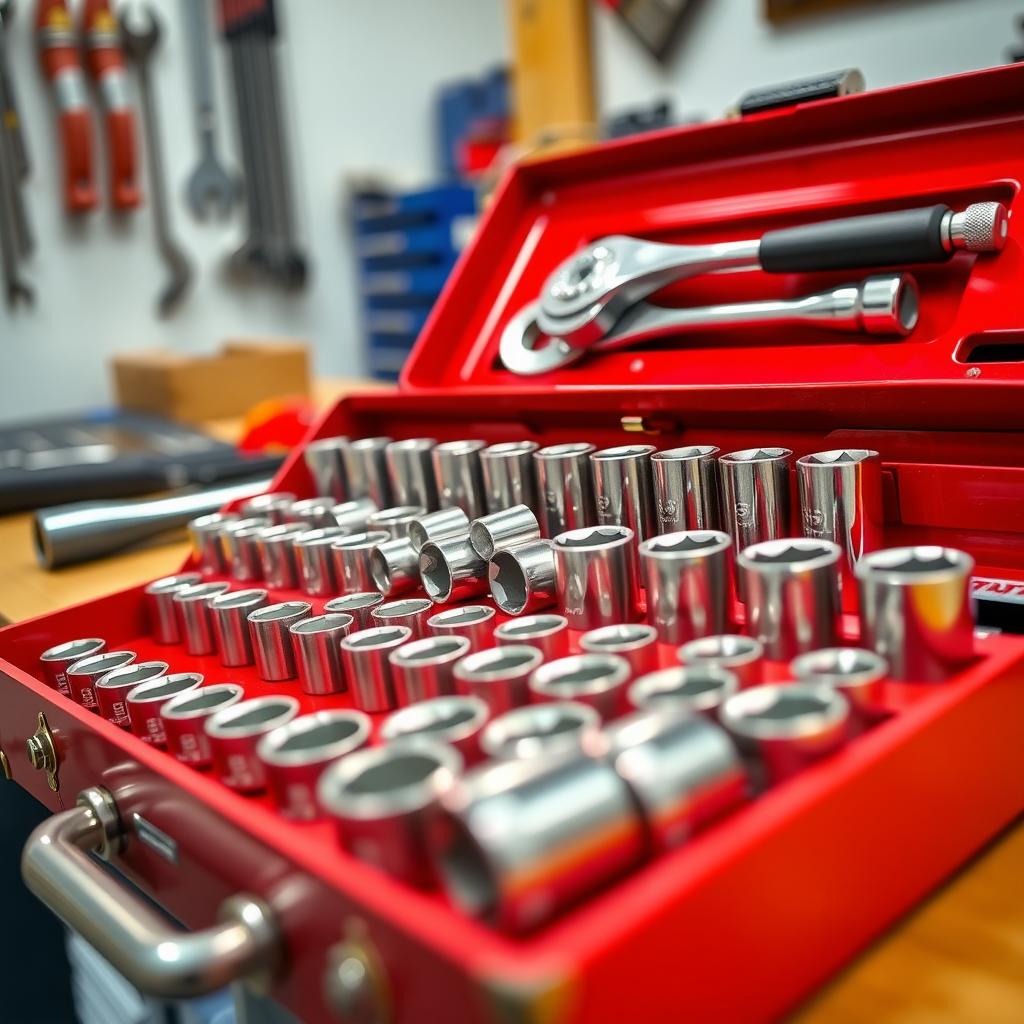
- Socket Wrench: Great for high-torque tasks, often used with a ratchet.
- Torque Wrench: Applies specific force, ideal for precision tasks like automotive work.
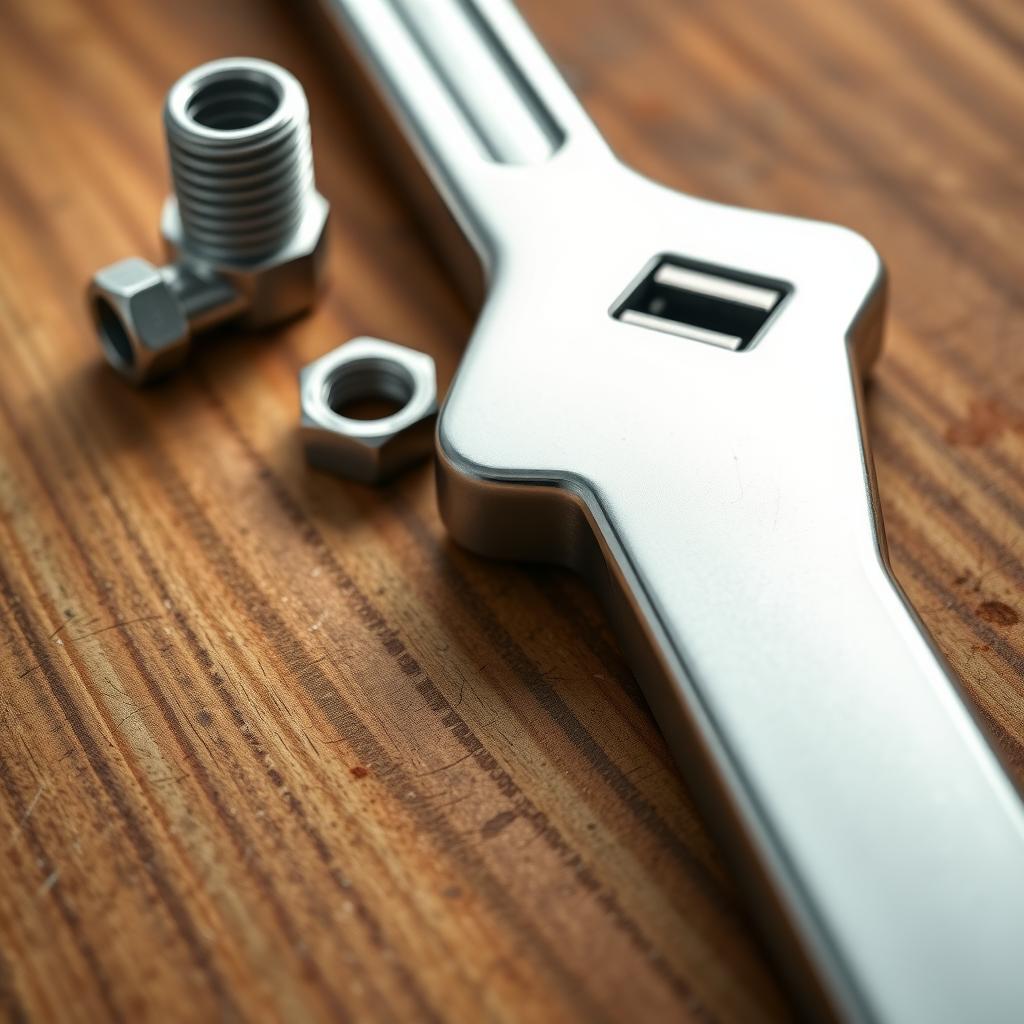
Always match the wrench to the fastener size. Using an ill-fitting wrench risks rounding off bolts or slipping, which can lead to injury. I once tried using an adjustable wrench that was too loose, and it slipped mid-turn, nearly smashing my hand. Lesson learned: always double-check fit.
Preparing for Safe Wrench Use
Before you start, set yourself up for success. Here’s a checklist to ensure safety:
- Inspect Your Wrench: Check for cracks, rust, or wear. A damaged wrench can fail under pressure.
- Wear Safety Gear: Gloves protect your hands, and safety glasses shield your eyes from debris.
- Clear Your Workspace: Remove clutter to avoid tripping or knocking tools over.
- Know Your Task: Understand the fastener type and torque requirements.
I always keep a small mirror to inspect hard-to-see areas, like bolts under machinery. It’s saved me from blindly forcing a wrench and risking a slip.
Proper Wrench Techniques
Using a wrench correctly minimizes risks and maximizes efficiency. Here are key techniques:
Pull, Don’t Push
Always pull the wrench toward you rather than pushing it away. Pulling gives you better control and reduces the chance of slipping. If you must push, use an open palm to avoid smashing your knuckles if the wrench slips.
Apply Steady Force
Don’t jerk or hammer the wrench. Apply smooth, consistent pressure. I learned this the hard way when I tried to muscle a stuck bolt and ended up with a sore shoulder.
Position Yourself Correctly
Stand with a stable stance, keeping your body aligned with the wrench’s movement. Avoid awkward angles that strain your wrist or back.
Use the Right Size
A wrench that’s too big or small can slip or damage the fastener. Double-check the fit before applying force.
These techniques sound basic, but they’re game-changers. A friend once ignored the ‘pull, don’t push’ rule and ended up with a bruised hand when his wrench slipped. Practice these habits, and they’ll become second nature.
Table: Common Wrench Sizes and Uses
| Wrench Type | Common Sizes | Best For |
|---|---|---|
| Adjustable Wrench | 6–12 inches | General tasks, varying bolts |
| Combination Wrench | 8–19 mm | Automotive, plumbing |
| Socket Wrench | 1/4–1 inch | High-torque tasks |
| Torque Wrench | Varies by model | Precision tasks |
This table helps you pick the right wrench for your project, ensuring safety and efficiency.
Avoiding Common Mistakes
Even experienced users make errors. Here are pitfalls to avoid:
- Over-Tightening: This can strip threads or break bolts. Use a torque wrench for precision tasks, following manufacturer specs.
- Using Damaged Tools: A worn wrench can slip or break. Replace damaged tools immediately.
- Improper Leverage: Don’t extend a wrench with a pipe (known as a ‘cheater bar’). This increases torque unpredictably and risks injury.
- Ignoring Rust: Rusty bolts require penetrating oil and patience, not brute force.
I once saw a colleague use a cheater bar on a stubborn bolt. The wrench snapped, and he narrowly avoided injury. Stick to proper tools and techniques.
Special Considerations for Torque Wrenches
Torque wrenches are unique among workman tools because they apply specific force. Using them safely requires extra care:
- Calibrate Regularly: An uncalibrated torque wrench can over- or under-tighten, causing damage. Most manufacturers recommend calibration every 5,000 uses or annually.
- Store Properly: Keep torque wrenches at their lowest setting to maintain accuracy.
- Follow Specs: Always check the torque requirements for your project, often found in manuals or online.
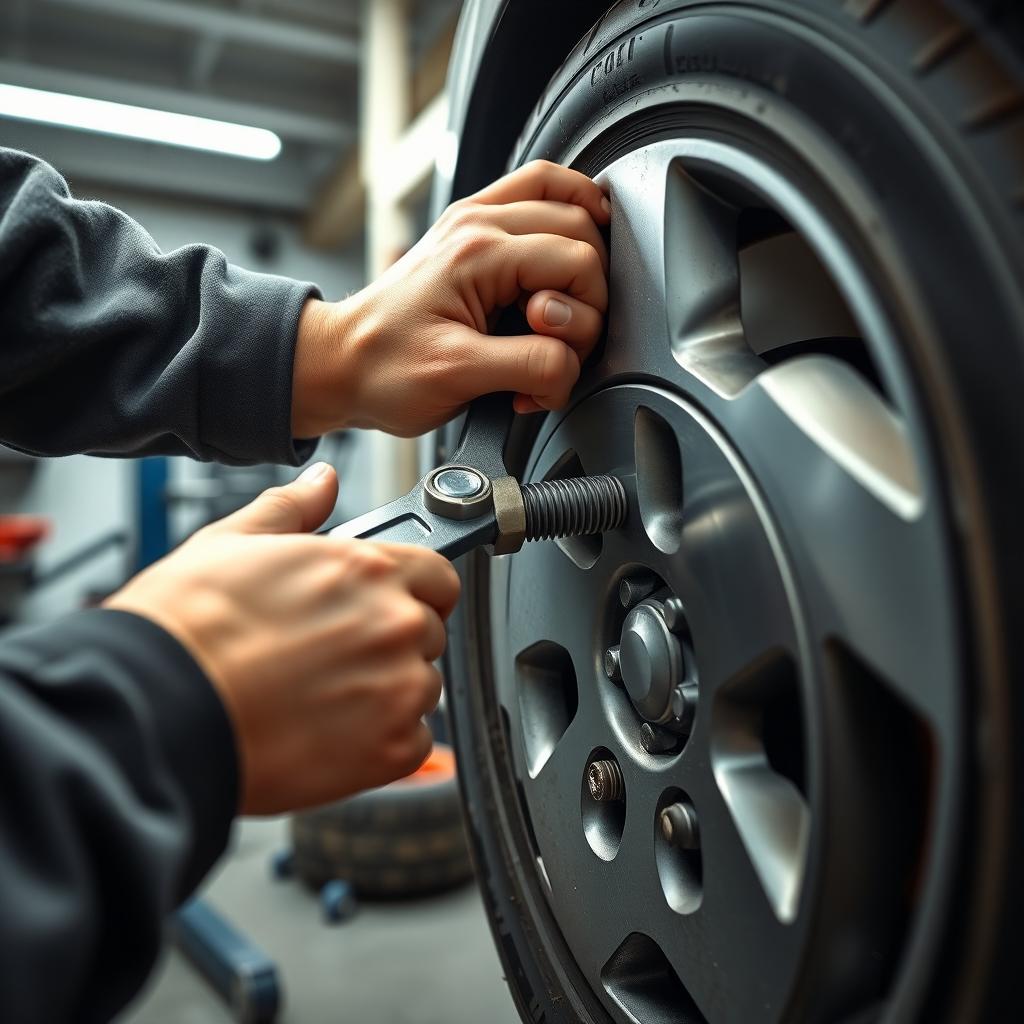
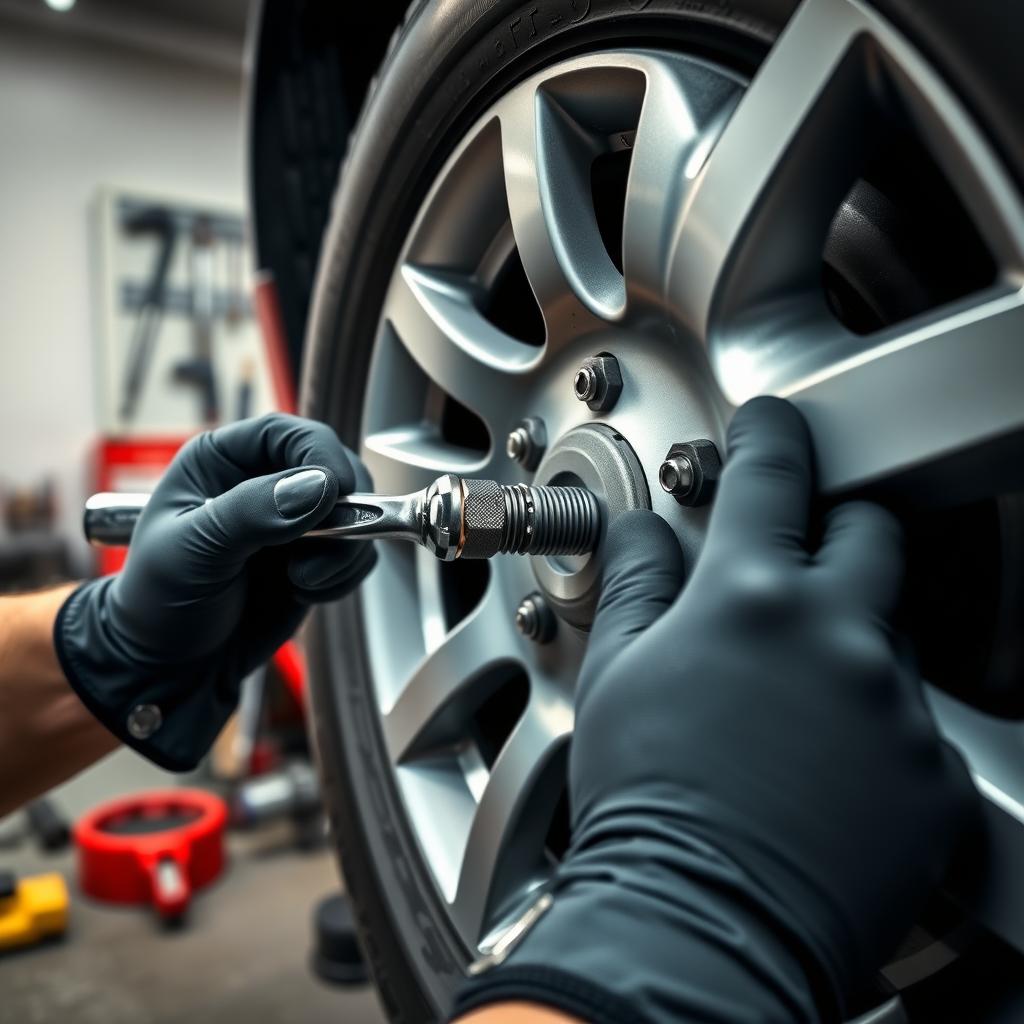
When I first used a torque wrench on my car’s lug nuts, I didn’t know about calibration. The result? Unevenly tightened wheels. Now, I always verify settings and calibrate when needed.
Maintaining Your Wrenches
Proper care extends the life of your wrenches and ensures safety:
- Clean After Use: Wipe off grease or dirt to prevent rust.
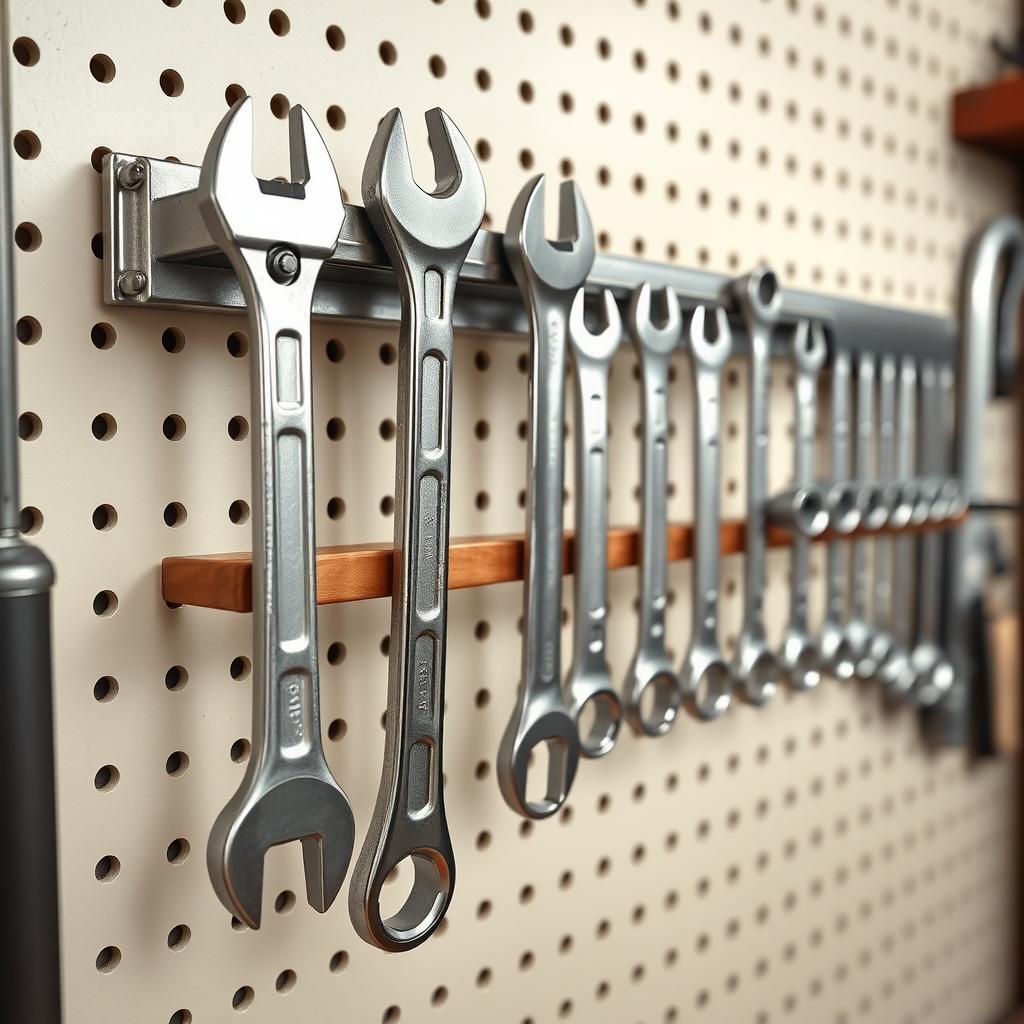
- Store Properly: Use a toolbox or rack to avoid damage.
- Inspect Regularly: Check for wear or damage before each use.
I keep my wrenches in a dedicated toolbox drawer, sorted by type. It’s a small habit that saves time and keeps my tools in top shape.
When to Seek Professional Help
Some tasks are too complex or risky for DIY. If you’re dealing with high-torque applications, like heavy machinery, or if a bolt is severely rusted, consult a professional. The Occupational Safety and Health Administration (OSHA) emphasizes training for complex tool use, and it’s worth heeding their advice for safety.
Summary: Stay Safe and Wrench Smart
Using wrenches safely is about preparation, technique, and maintenance. Choose the right wrench, follow proper techniques, and care for your tools to avoid injuries and get the job done right. With practice, these habits become second nature, making you a safer, more confident user of these essential workman tools.
Related how to use wrenches safely:
- How to Choose the Right Wrench for Your Project
- Safety Best Practices for Electricians: A Comprehensive Guide
- Essential Tools for DIY Beginners: Start Right
- How to Choose the Right Socket Set for Your Needs
- The Ultimate Guide to Tool Belts with Built-In Storage for Workmen
- Innovative Construction Tools for Efficiency
- Essential Guide to Tool Storage Solutions and Maintenance Tips
- The Ultimate Guide to Automotive Mechanic Tools
- Safety First: Best Practices for Using Tools
- Maintenance Tips for Keeping Your Tools in Top Condition
- Essential Workman Tools for Every Project
- Essential Workman Tools for Every Job