Overview: Why Tool Belts with Built-In Storage Matter
Tool belts with built-in storage are a game-changer for workmen. They keep essential tools within arm’s reach, saving time and boosting productivity. Whether you’re a carpenter, electrician, or DIY enthusiast, a well-designed tool belt can make your workday smoother and more efficient. This guide dives into the features, benefits, and top options for 2025, helping you find the perfect fit for your needs.
What Makes Tool Belts with Built-In Storage Essential
Imagine climbing a ladder with a hammer in one hand, a tape measure in your pocket, and screws rattling loose. Frustrating, right? Tool belts with built-in storage solve this by organizing your workman tools in one place. They’re not just about convenience—they reduce physical strain and keep you focused. I’ve spent years on job sites, and a good tool belt feels like an extra pair of hands. It’s about working smarter, not harder.
The best tool belts balance storage, comfort, and durability. Built-in storage means pockets, loops, and compartments designed for specific tools like hammers, screwdrivers, or pliers. These features let you move freely without worrying about dropping tools or making trips back to your toolbox. According to a study on workplace efficiency by OSHA, proper tool organization can cut task time by up to 20%. That’s time you can spend getting the job done.
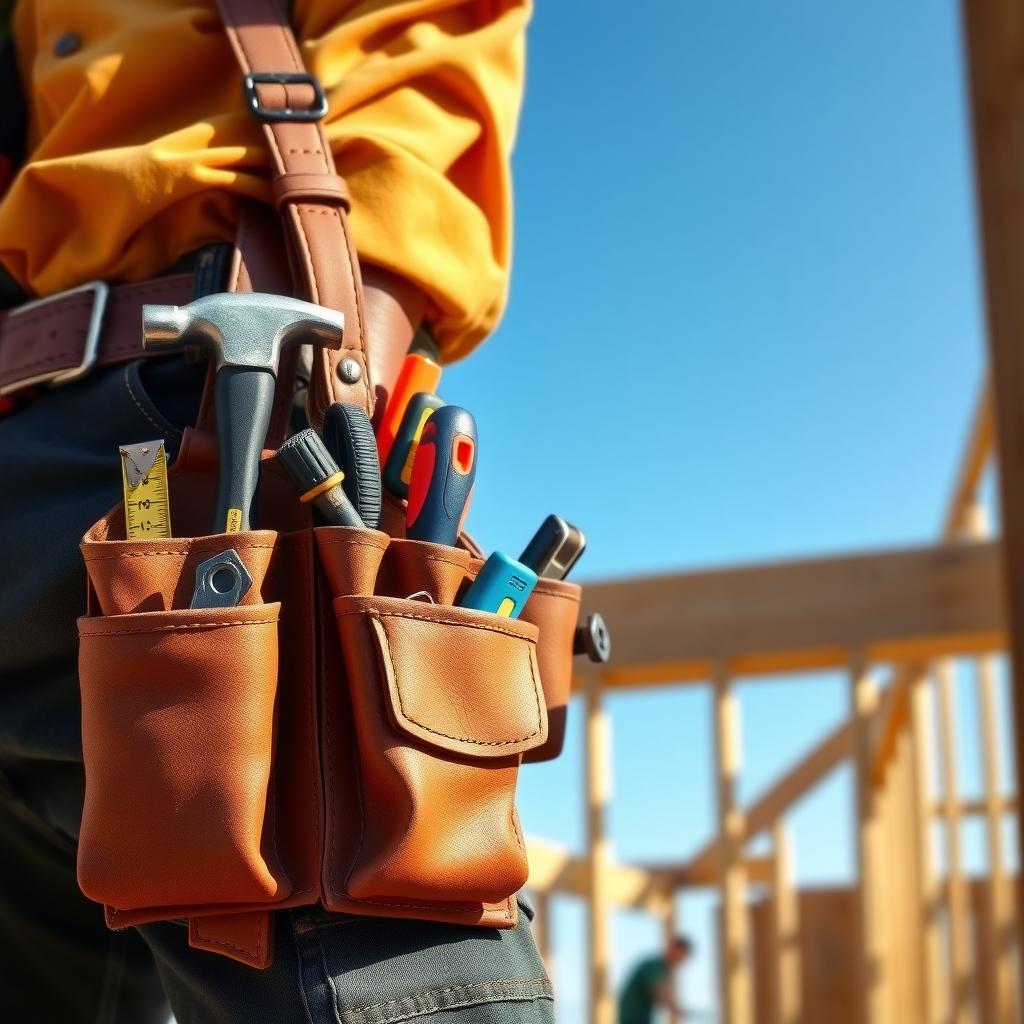
Key Features to Look for in Tool Belts
Not all tool belts are created equal. Here’s what to prioritize when choosing one with built-in storage:
- Pocket Variety: Look for a mix of large and small pockets. Large ones hold bulkier tools like drills, while smaller slots keep screws or nails secure.
- Material Quality: Leather is durable but heavy; nylon is lightweight and weather-resistant. Choose based on your work environment.
- Comfort Features: Padded belts or suspenders reduce strain during long hours. Adjustable straps ensure a snug fit.
- Tool-Specific Holders: Hammer loops, tape measure clips, and utility knife slots make access quick and easy.
- Durability: Reinforced stitching and heavy-duty buckles withstand daily wear and tear.
I once used a cheap tool belt that ripped after a week of carrying heavy tools. Lesson learned: invest in quality. Brands like DEWALT and Gatorback use materials like 1680-denier nylon or top-grain leather, which hold up under tough conditions. A guide from the National Institute for Occupational Safety and Health emphasizes that ergonomic tool belts reduce back strain, especially for carpenters and electricians carrying heavy loads.
Top Tool Belts with Built-In Storage for 2025
After testing and researching dozens of tool belts, here are my top picks for 2025, each excelling in storage, comfort, and durability:
| Tool Belt | Material | Pockets | Best For | Price Range |
|---|---|---|---|---|
| DEWALT 25-Pocket Professional | 1680D Nylon | 25 | All-purpose | $90-$110 |
| Gatorback Carpenter’s Combo | DuraTek Nylon | 18 | Carpenters | $140-$160 |
| Style N Craft Leather Belt | Top-Grain Leather | 17 | Framers | $160-$180 |
| Carhartt Duck Nail Apron | Cotton Duck | 5 | DIYers | $15-$25 |
DEWALT 25-Pocket Professional: This belt shines for its versatility. With 25 pockets, including a tape measure clip and hammer loop, it’s ideal for electricians and general contractors. The padded suspenders make it comfortable for all-day wear, though slimmer workers might need to adjust the fit.
Gatorback Carpenter’s Combo: Designed for carpenters, this belt has box-shaped pouches to prevent sagging. Its memory foam padding is a lifesaver for long shifts, but the higher price might deter budget-conscious buyers.
Style N Craft Leather Belt: Perfect for framers, this leather belt offers a classic look and durable construction. It has 17 pockets and a sturdy metal hammer holder, but the leather can show wear over time.
Carhartt Duck Nail Apron: A budget-friendly option for DIYers, this lightweight apron has five pockets for small tools. It’s great for home projects but lacks the capacity for heavy-duty tasks.
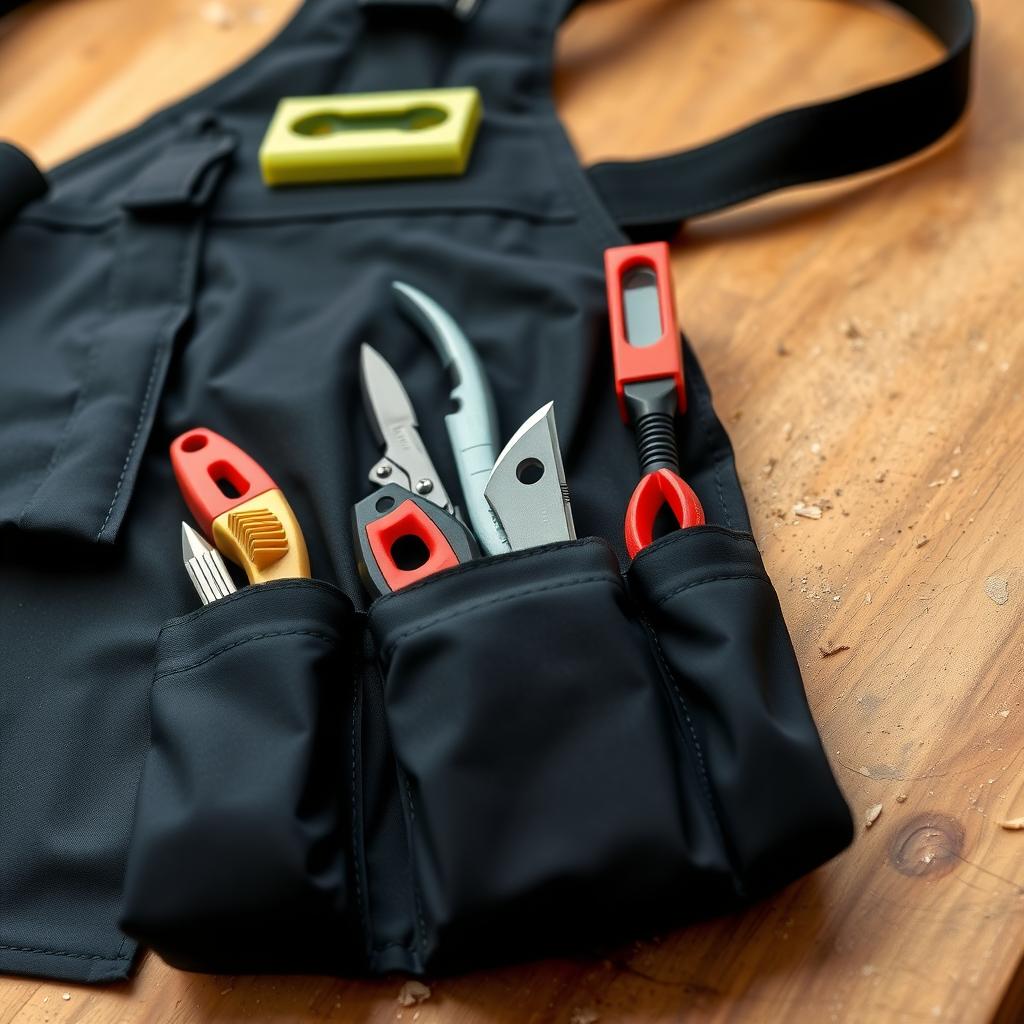
How to Choose the Right Tool Belt for Your Trade
Your trade dictates the type of tool belt you need. Electricians need lightweight belts with small pouches for wire strippers and multimeters. Carpenters, on the other hand, require larger pockets for nails and moisture meters. I’ve seen electricians struggle with bulky belts that slow them down, while carpenters often need suspenders to support heavier loads.
Consider your daily tasks. If you’re climbing ladders or crawling through tight spaces, a slim belt like the Dickies Five-Pocket Side Tool Belt is ideal. For heavy-duty framing, the Style N Craft’s leather construction handles the weight. A report from the Bureau of Labor Statistics notes that improper tool carrying can lead to repetitive strain injuries, so prioritize ergonomics.
Organizing Your Tool Belt for Maximum Efficiency
A tool belt with built-in storage is only as good as your organization. Here’s how to set it up:
- Group Similar Tools: Keep screwdrivers in one pocket, fasteners in another.
- Prioritize Accessibility: Place frequently used tools (like a tape measure) in easy-to-reach spots.
- Balance the Weight: Distribute heavy tools evenly to avoid strain on one side.
- Use Specialized Holders: Hammer loops and clips keep tools secure and quick to grab.
- Clean Regularly: Remove debris to prevent wear and keep pockets functional.
I learned this the hard way when my tape measure kept slipping out of a loose pocket. Now, I always check that my belt has dedicated holders for my most-used tools. This small habit saves time and frustration on the job.
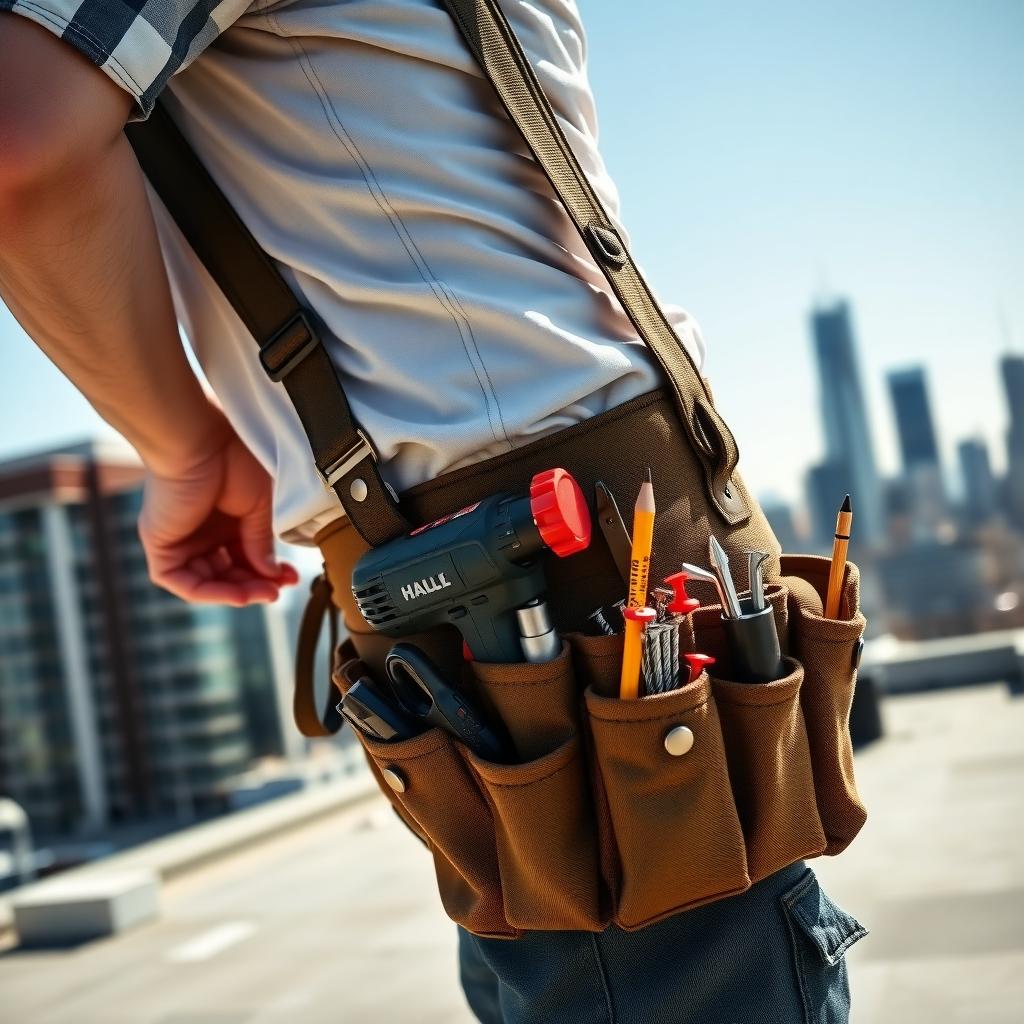
Maintenance Tips for Long-Lasting Tool Belts
To keep your tool belt in top shape, follow these tips:
- Clean Regularly: Wipe leather belts with a damp cloth and condition them to prevent cracking. For nylon, use mild soap and water.
- Inspect Stitching: Check for loose threads or fraying, especially on heavy-duty belts.
- Store Properly: Hang your belt in a dry place to avoid mold or warping.
- Avoid Overloading: Stick to essential workman tools to prevent stretching or tearing.
I once ruined a leather belt by leaving it in a damp garage. Now, I store my belts on a pegboard in my workshop, and they last years longer. Regular maintenance is key to protecting your investment.
Summary: Finding Your Perfect Tool Belt
Tool belts with built-in storage are essential for workmen who want to stay organized and efficient. By choosing a belt with the right pockets, materials, and comfort features, you can make your workday easier and more productive. Whether you’re a professional carpenter or a weekend DIYer, there’s a tool belt out there for you. Invest in quality, organize smartly, and maintain your gear to get the most out of it.
Related tool belts with built-in storage:
- ShopSavvy’s Best Tool Belts for 2025: Gear That Keeps You Moving
- Innovative Construction Tools for Efficiency
- Essential Guide to Tool Storage Solutions and Maintenance Tips
- The Ultimate Guide to Automotive Mechanic Tools
- Safety First: Best Practices for Using Tools
- Maintenance Tips for Keeping Your Tools in Top Condition
- Essential Workman Tools for Every Project
- Essential Workman Tools for Every Job
- Safety Essentials for Working with Hand Tools
- Hand Tools Maintenance Tips: Keep Your Workman Tools in Top Shape
- Time Management Strategies for Mechanics and Tradespeople
- Understanding Battery Lifespan: Tips and Tricks