Having the right tools can make or break a project. In this article, we’ll explore the essential workman tools every project needs, how to organize them like a pro, and tips for maintaining and storing wrenches.
Whether you're a seasoned professional or a DIY enthusiast, having the right tools is crucial for any project. Not only do they make the job easier, but they also ensure safety and efficiency. In this article, we'll delve into the essential workman tools that should be in every toolbox, how to organize them for maximum efficiency, and specific tips for maintaining and storing wrenches.
Every project, big or small, requires a set of basic tools. Here are some must-haves:
-
Hammer: A good hammer is indispensable for driving nails, breaking objects, or even demolition work. Look for one with a comfortable grip and a weight that suits your strength.
-
Screwdrivers: Both flathead and Phillips screwdrivers are necessary for various fastening tasks. Consider getting a set with different sizes.
-
Pliers: Needle-nose, slip-joint, and locking pliers are versatile tools for gripping, bending, and cutting.
-
Wrenches: Adjustable wrenches, socket wrenches, and torque wrenches are essential for tightening and loosening nuts and bolts.
-
Measuring Tape: Accurate measurements are key to any project's success. A durable measuring tape is a must.
-
Level: Ensures your work is straight and even, especially important for hanging shelves or pictures.
-
Utility Knife: For cutting various materials like cardboard, plastic, or even small wood pieces.
-
Safety Gear: Don't forget safety glasses, gloves, and ear protection to keep yourself safe during projects.
Having these tools on hand will prepare you for most tasks. However, it's not just about having the tools; it's also about keeping them organized and well-maintained.
A well-organized toolbox can save you time and frustration. Here are some tips to keep your tools in order:
- Use Tool Organizers: Invest in tool trays, foam inserts, or magnetic strips to keep tools separated and easy to find.
- Label Everything: Use labels or color-coding to identify tools quickly, especially if you have multiple similar items.
- Keep Frequently Used Tools Accessible: Place the tools you use most often in easy-to-reach spots.
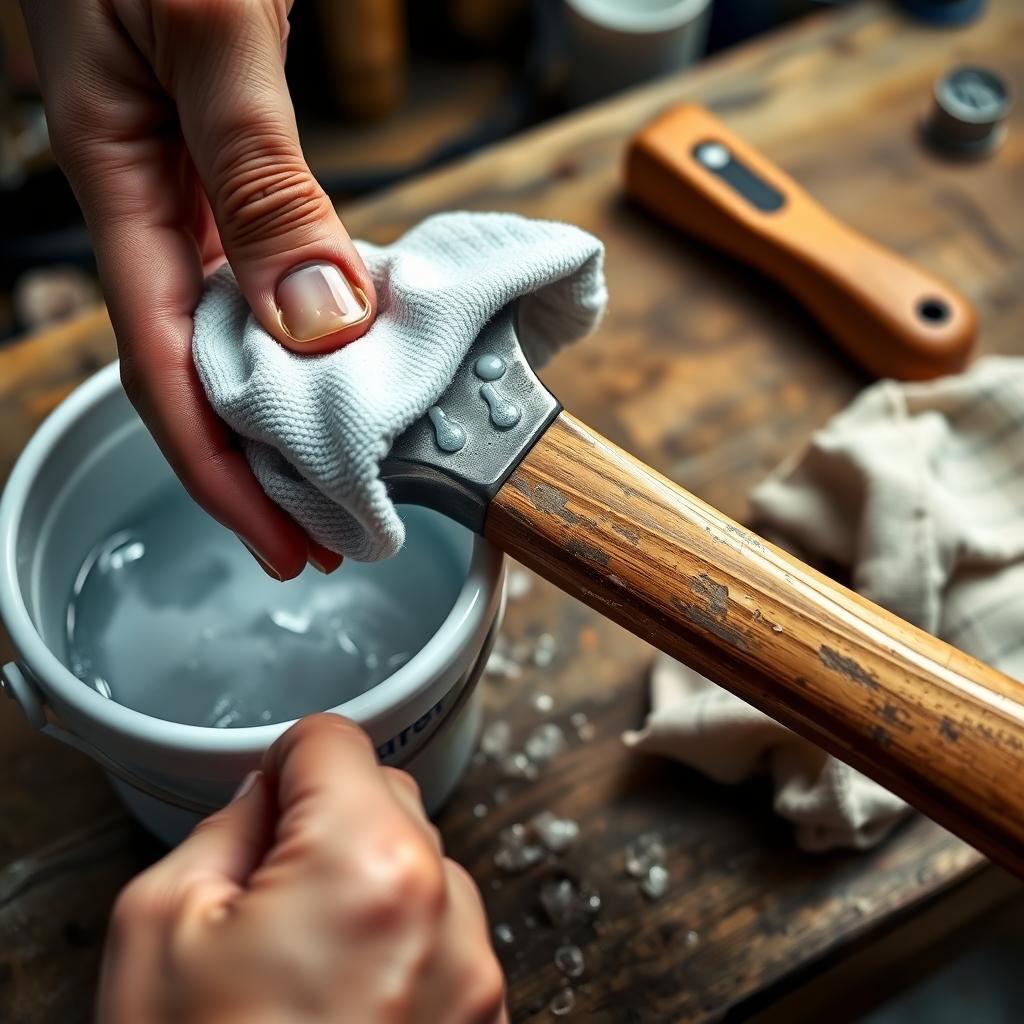
- Clean After Use: Wipe down tools after each use to prevent dirt and grime buildup.
- Regular Maintenance: Check tools regularly for wear and tear, and repair or replace them as needed.
By following these tips, you'll ensure your tools are always ready when you need them.
Wrenches are among the most used tools in any toolbox, so it's important to keep them in good condition. Here are some tips:
- Clean After Use: Wipe wrenches with a clean cloth to remove grease and dirt.
- Lubricate Moving Parts: For adjustable wrenches, apply a small amount of oil to the moving parts to keep them functioning smoothly.
- Store Properly: Hang wrenches on a pegboard or store them in a wrench organizer to prevent them from getting tangled or damaged.
- Avoid Rust: Keep wrenches in a dry place and consider using silica gel packs in your toolbox to absorb moisture.
- Inspect Regularly: Check for any signs of wear, such as stripped teeth or loose handles, and replace if necessary.
Taking care of your wrenches will extend their lifespan and ensure they perform well when you need them.
From my own experience, having the right tools has made a significant difference in my projects. For instance, I once struggled with a plumbing repair because I didn't have the right wrench. After investing in a good set of wrenches, similar tasks became much easier and faster.
Organizing my toolbox was another game-changer. I used to spend ages looking for the right tool, but now, with everything labeled and in its place, I can find what I need in seconds.
Maintaining tools is also crucial. I learned this the hard way when a rusty wrench slipped and caused an injury. Now, I make it a point to clean and store my tools properly after each use.
In conclusion, having the essential workman tools, organizing them effectively, and maintaining them properly are key to successful projects. By following the tips in this article, you'll be well-equipped to tackle any task that comes your way.
Image 1: A well-organized toolbox with various tools neatly arranged in compartments. Alt text: "A tidy toolbox with hammers, screwdrivers, and wrenches."
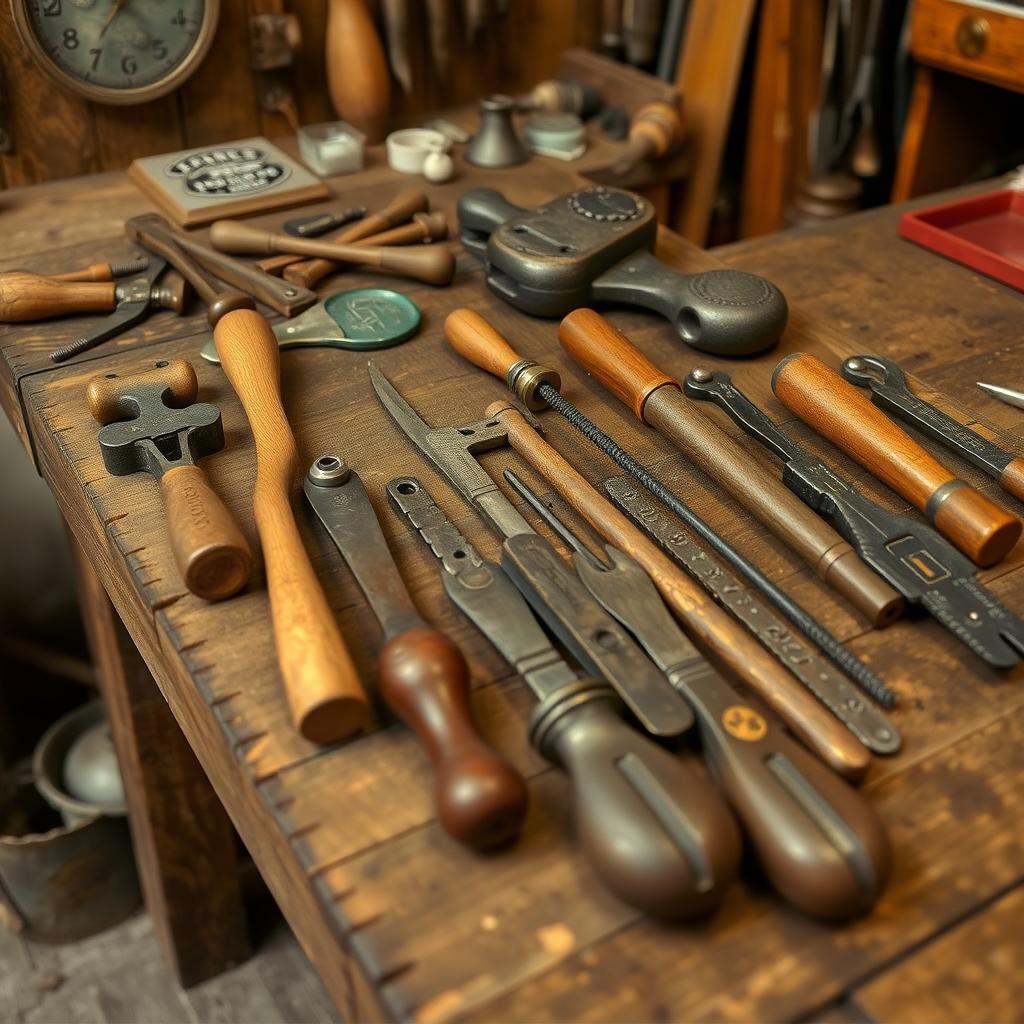
Image 2: Different types of wrenches displayed on a workbench. Alt text: "Adjustable, socket, and torque wrenches ready for use."
Image 3: A person cleaning a wrench with a cloth. Alt text: "Maintaining tools by wiping them clean after use."
Image 4: A pegboard with wrenches hung neatly in a workshop. Alt text: "Proper storage of wrenches on a pegboard to prevent damage."
Image 5: A close-up of a measuring tape being used on a piece of wood. Alt text: "Using a measuring tape for accurate project measurements."
Recommended Readings
- The Ultimate Guide to DIY Projects
- Tool Maintenance 101
- Choosing the Right Wrench for the Job
- Safety Gear Basics for Every Workman
Related Essential Workman Tools for Every Project:
- Tool Maintenance 101: Your Complete Guide to Essential Workman Tools for Every Project
- Choosing the Right Wrench for the Job: A Complete Guide to Workman Tools
- Essential Workman Tools for Every Job
- Safety Essentials for Working with Hand Tools
- Hand Tools Maintenance Tips: Keep Your Workman Tools in Top Shape
- Time Management Strategies for Mechanics and Tradespeople
- Understanding Battery Lifespan: Tips and Tricks
- The History of Power Tools: From Hand Tools to Smart Innovations
- Innovative Electrical Tools for 2023
- Top Workman Tools for Vehicle Repairs
- Black & Decker’s Legacy in Tool Innovation
- Tool Maintenance 101: Keeping Your Tools in Top Shape