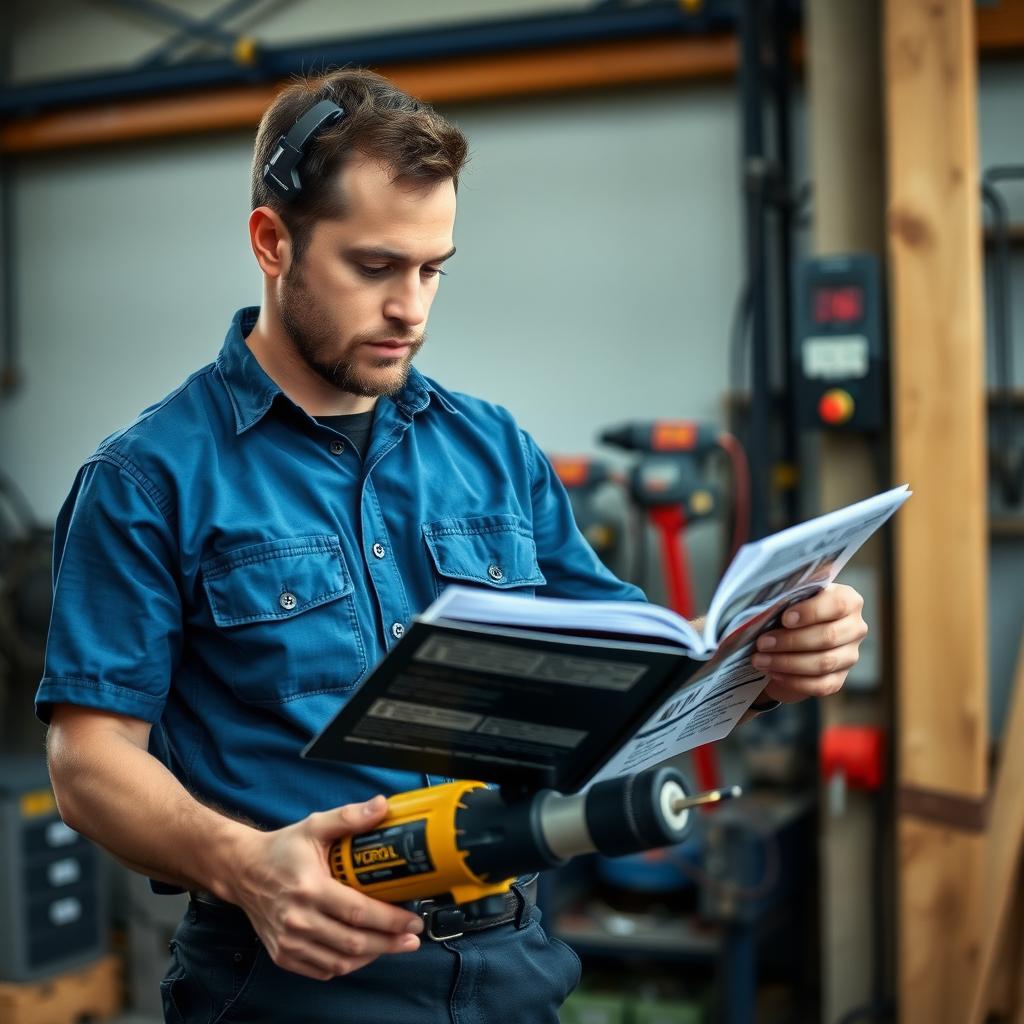
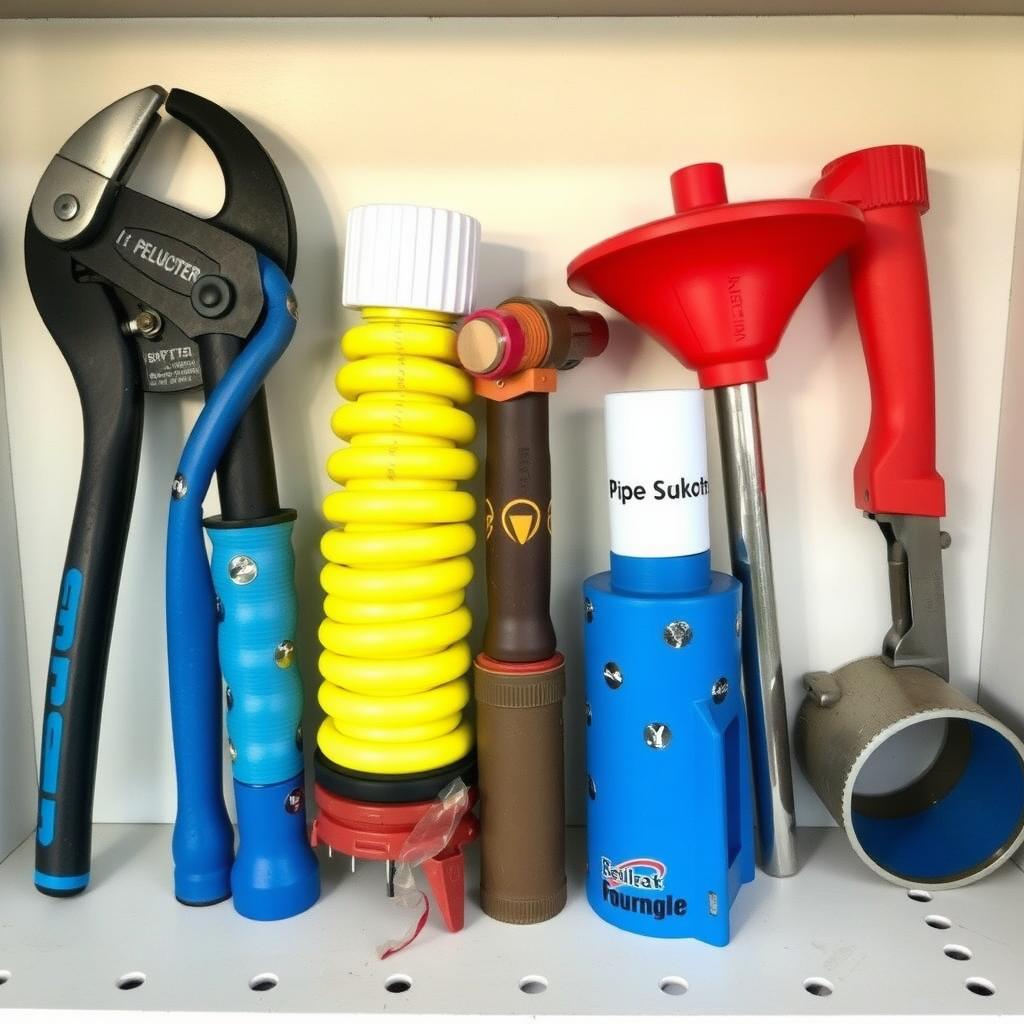
Power tools have revolutionized the way we work, evolving from simple hand tools to sophisticated smart devices. This article explores their fascinating history, highlighting key innovations and the impact on craftsmen and DIY enthusiasts alike.
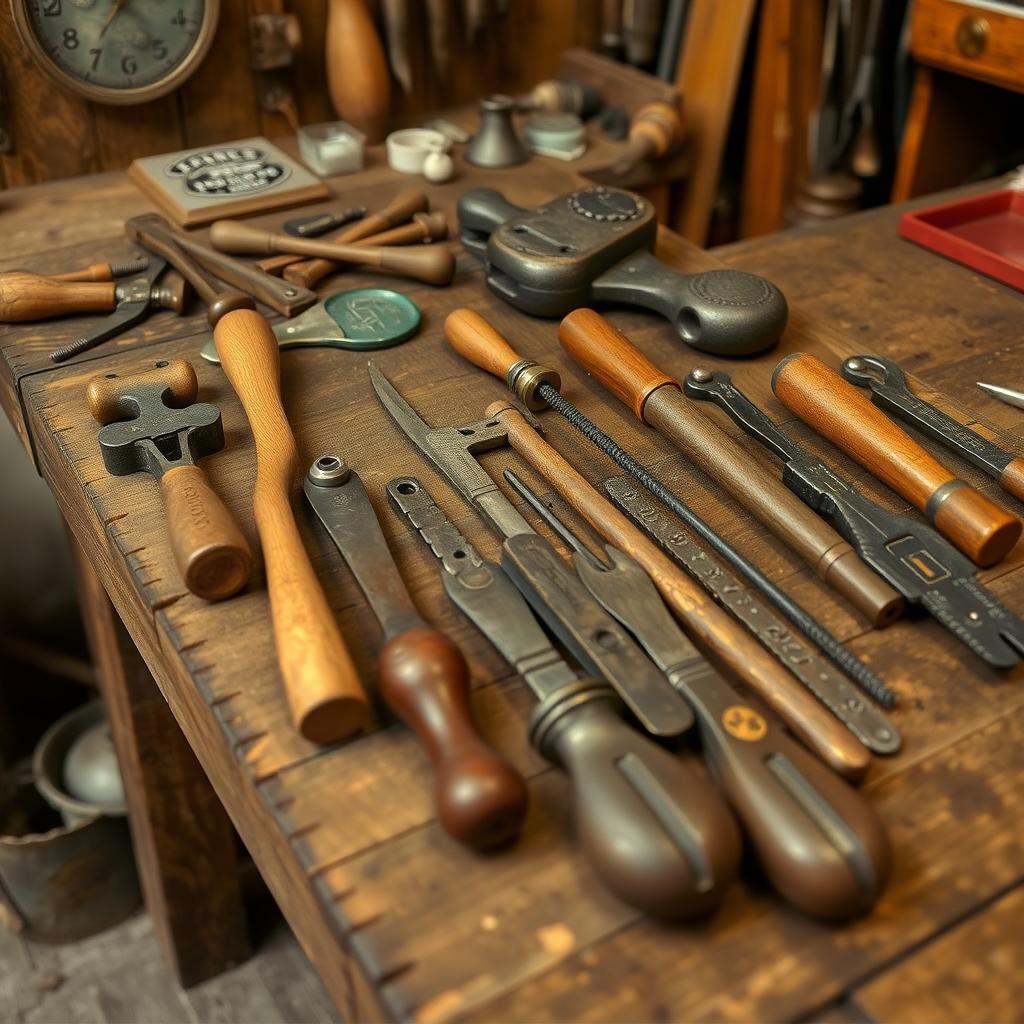
Before the advent of power tools, craftsmen relied on hand tools like hammers, chisels, and saws. These tools required significant physical effort and skill, but they laid the foundation for the innovations to come. I remember my grandfather's workshop, filled with these timeless tools, each with its own story. The precision and care needed to use them fostered a deep connection between the craftsman and their work.
Hand tools were not just instruments; they were extensions of the craftsman's hands. From shaping wood to forging metal, these tools demanded patience and expertise. However, as projects grew in scale and complexity, the limitations of hand tools became apparent. The need for faster, more efficient methods was clear, setting the stage for the next chapter in tool evolution.
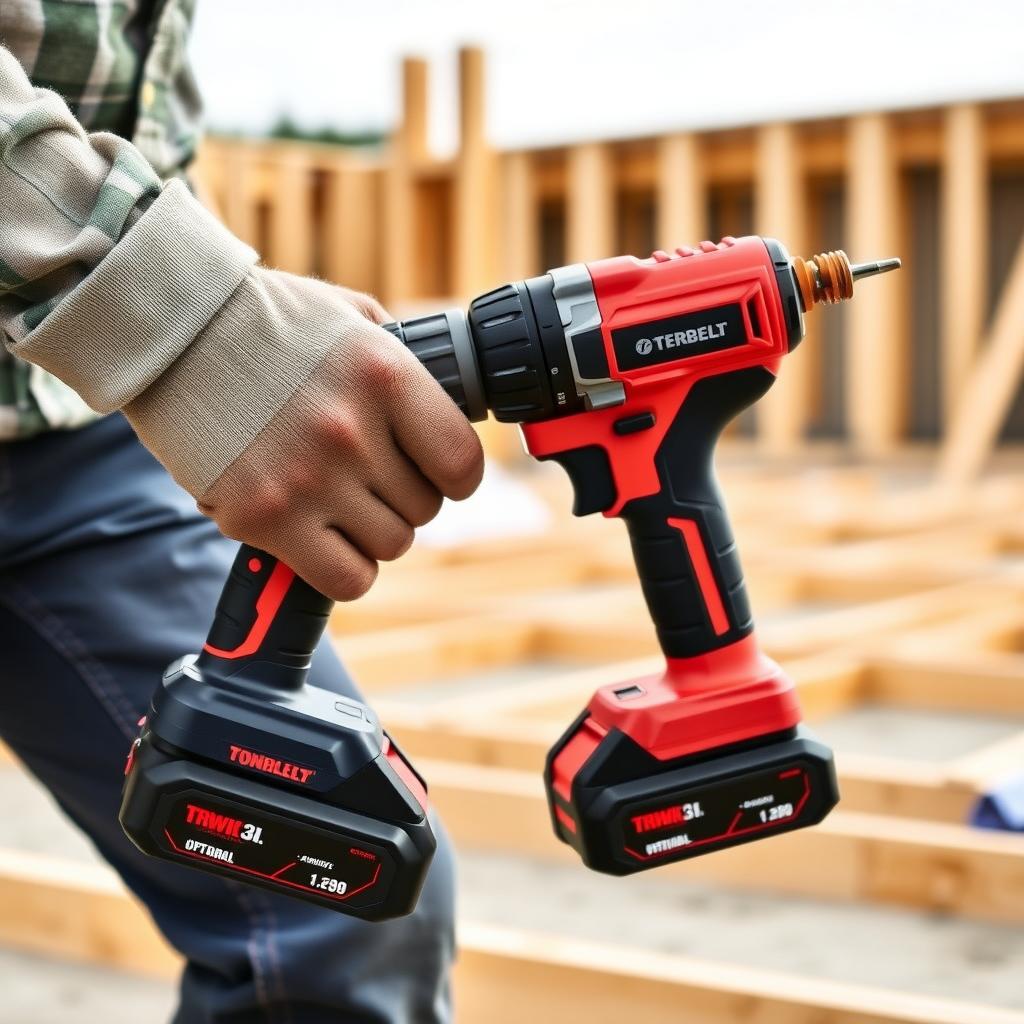
The next major leap came with the development of cordless tools in the 1960s. Powered by rechargeable batteries, these tools offered unprecedented mobility and convenience. I recall the first time I used a cordless drill; it was liberating not to be tethered to a power outlet, especially on outdoor projects.
Cordless tools quickly became essential for both professionals and DIY enthusiasts. They were particularly valuable in remote locations or tight spaces where cords could be cumbersome. Over the years, battery technology improved, leading to longer run times and faster charging.
Advantages of Cordless Tools: - Mobility: Work anywhere without needing a power source. - Convenience: No cords to manage, reducing trip hazards. - Versatility: Ideal for a wide range of tasks, from drilling to fastening.
The evolution of power tools has had a profound impact on both professional craftsmanship and DIY culture. Electric tools democratized access to high-quality workmanship, allowing hobbyists to achieve professional results. Workman tools, once the domain of skilled tradespeople, are now accessible to anyone with a passion for building and creating.
This shift has fostered a vibrant DIY community, where enthusiasts share tips, projects, and innovations. Online platforms and social media have further amplified this, making it easier than ever to learn and experiment with new tools and techniques.
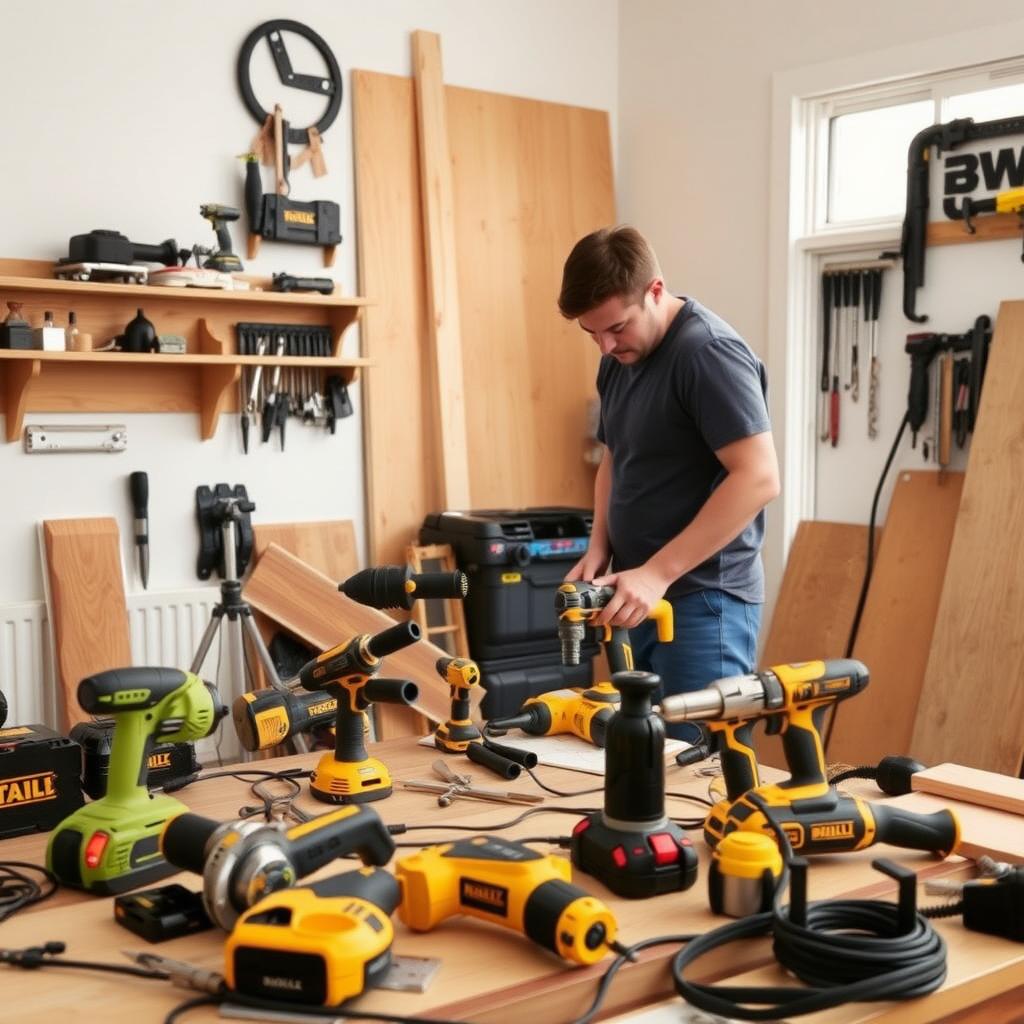
From humble hand tools to cutting-edge smart devices, power tools have come a long way. Their evolution reflects our relentless pursuit of efficiency and innovation. As we look to the future, it's exciting to imagine what new advancements will shape the next chapter in this remarkable history.
Related The History of Power Tools: From Hand Tools to Smart Innovations:
- The Evolution of Electrical Tools: A Historical Perspective
- Innovative Electrical Tools for 2023
- Top Workman Tools for Vehicle Repairs
- Black & Decker’s Legacy in Tool Innovation
- Tool Maintenance 101: Keeping Your Tools in Top Shape
- Essential Construction Tools for Masonry Work
- Essential Tools for Every Craftsman
- Essential Safety Tips for Workman Tools
- What’s Next for Cordless Technology
- Workman Tools for Beginners
- The Ultimate Guide to Plumbing Tools
- The Science Behind Ergonomic Design