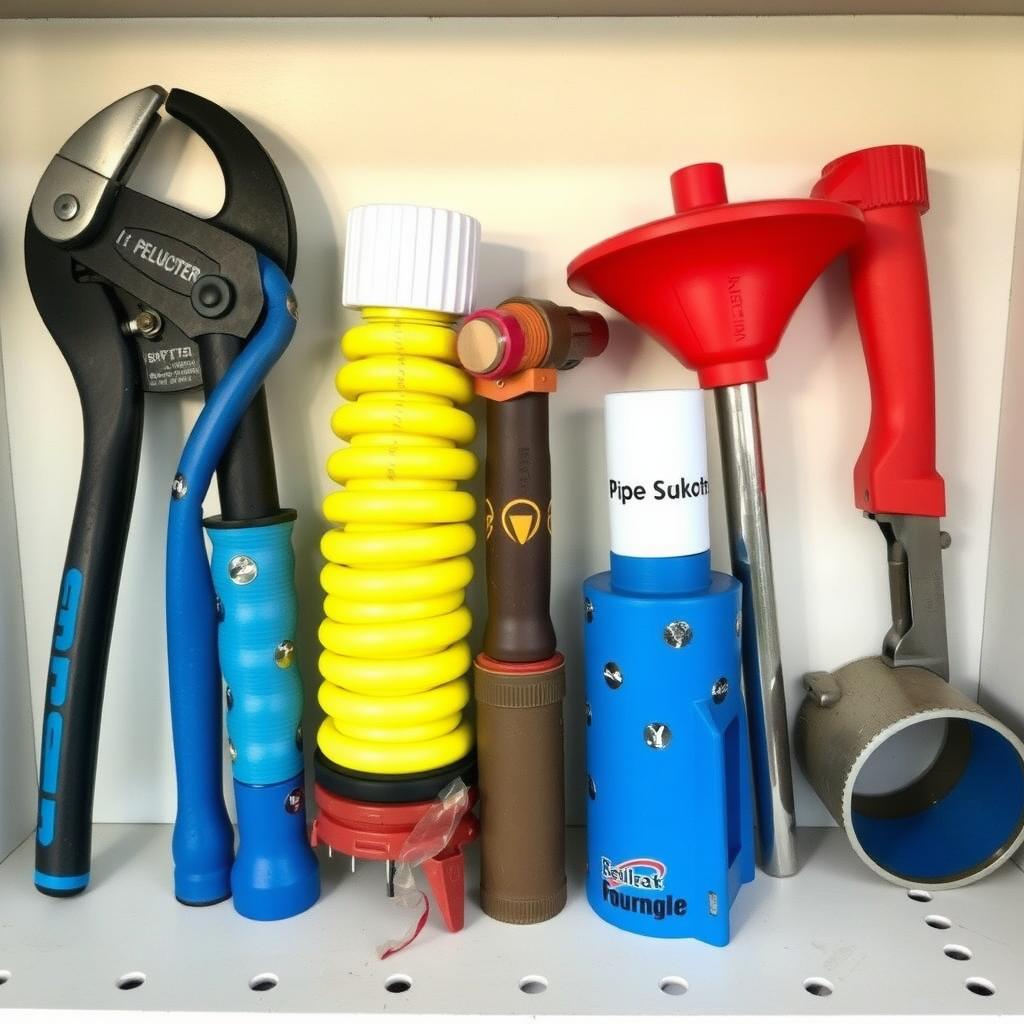
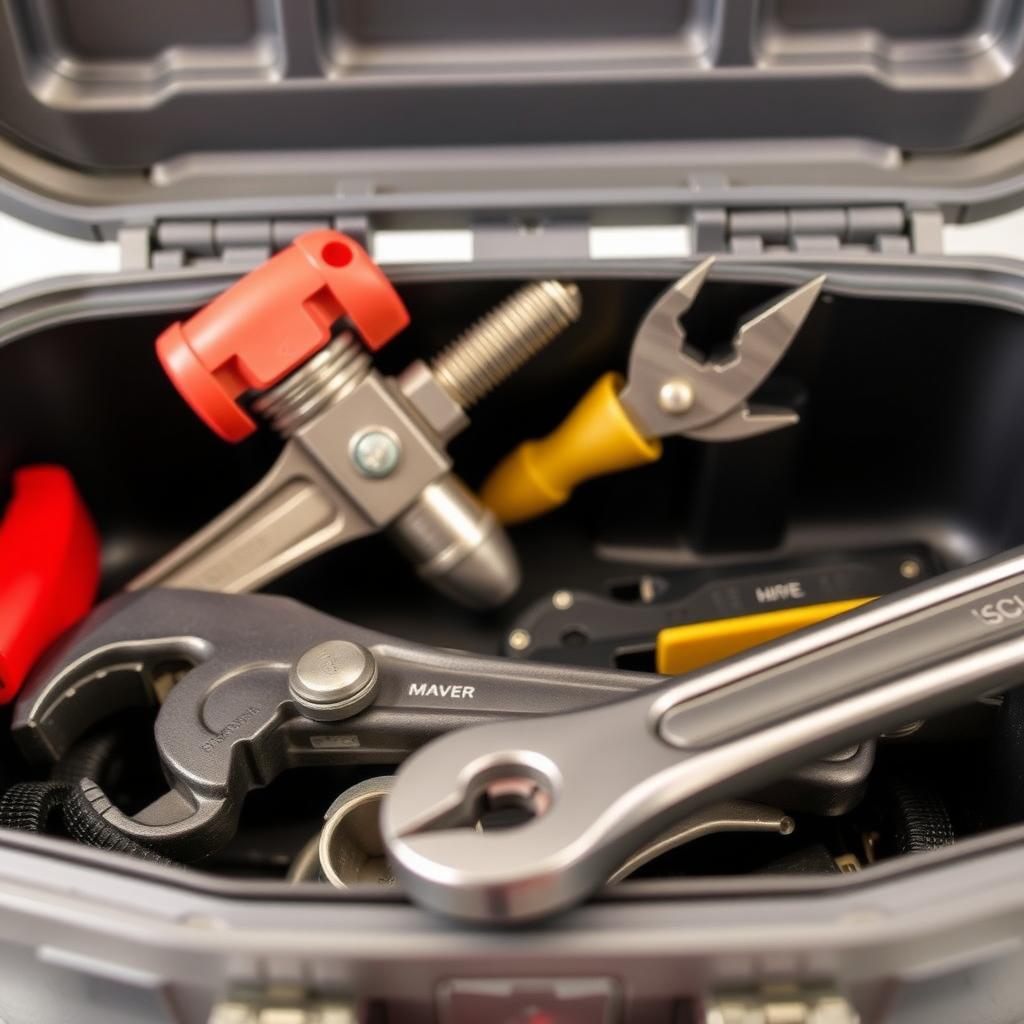
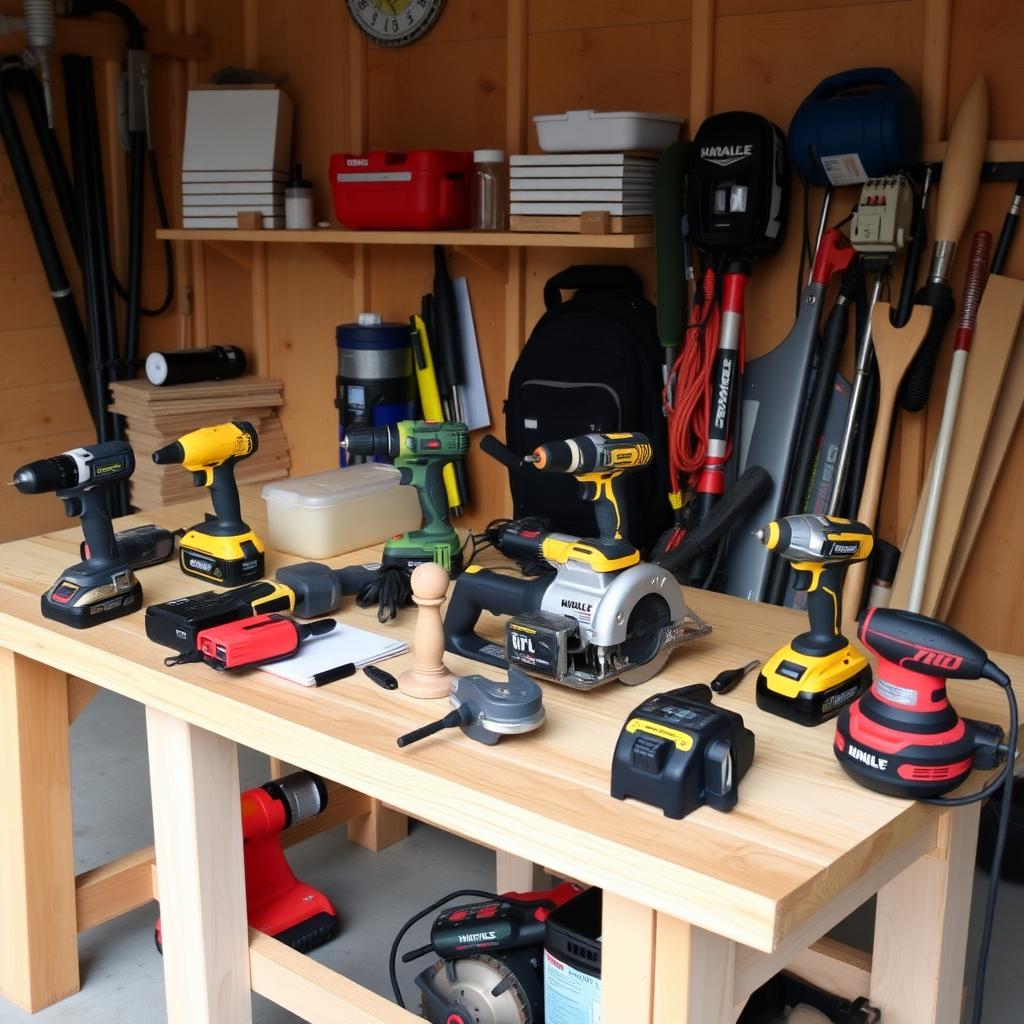
Working with tools can be rewarding, but safety should always come first. This article provides essential safety tips for workman tools to help you work efficiently and avoid accidents. Whether you're a seasoned professional or a DIY enthusiast, these tips will guide you in using and maintaining your tools safely.
Safety should always be the top priority when working with tools. By wearing proper safety gear, maintaining your tools, using them correctly, and storing them safely, you can significantly reduce the risk of accidents. Remember, safety is not just about following rules—it's about developing good habits and being prepared for emergencies.

Why Safety Gear Matters
Wearing the right safety gear is a game-changer. I once dodged a close call when a wood chip hit my safety glasses instead of my eye while using a saw. That moment stuck with me. Always put on safety glasses, gloves, and strong boots before you start. If you're using noisy tools like drills, ear protection helps too. The National Institute for Occupational Safety and Health (NIOSH) says gear like this cuts workplace injuries by up to 60%. It’s a simple step that pays off big.
Keep Your Tools in Top Shape
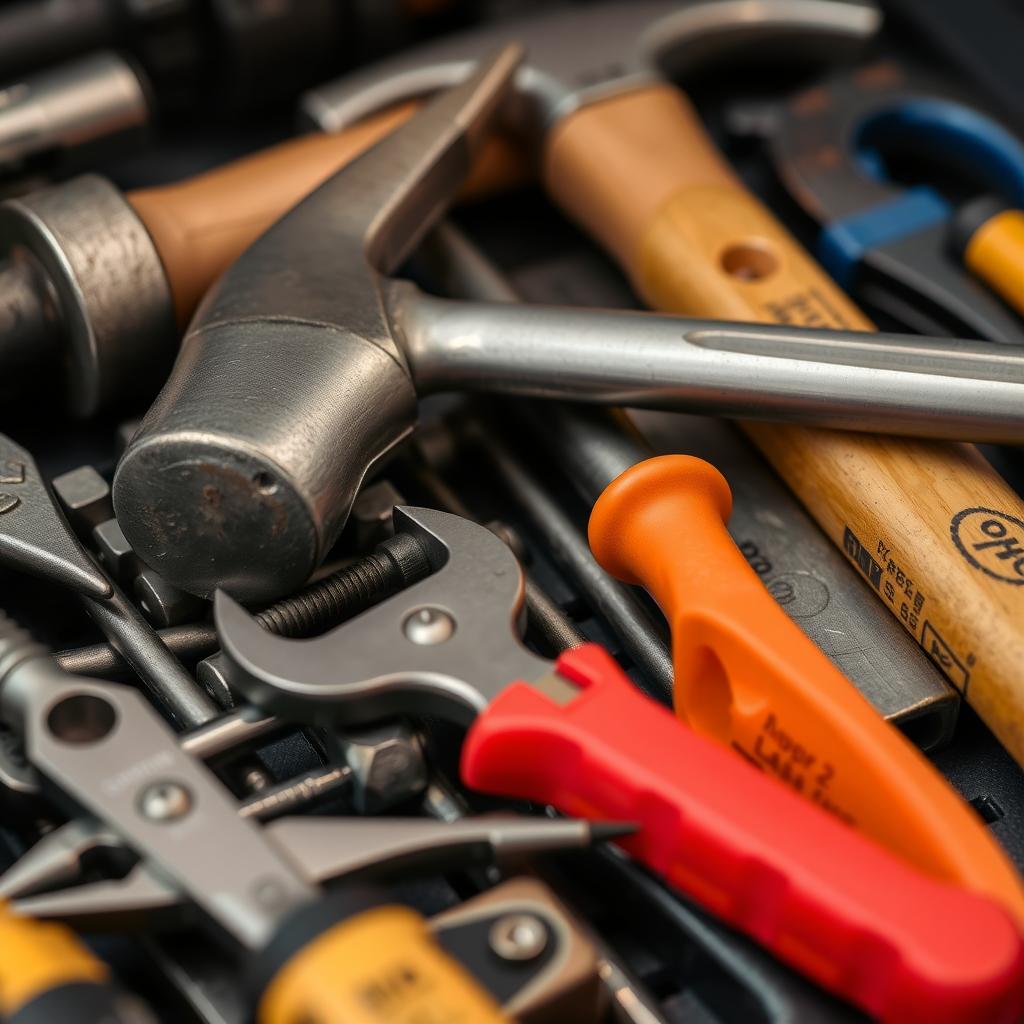
A tool in bad condition is an accident waiting to happen. I learned this the hard way when a loose hammerhead slipped mid-swing and nearly hit my foot. Now, I check every tool before I use it. Clean them after each job, sharpen blades, and fix or replace anything worn out. Regular care doesn’t just make tools last longer—it keeps you safe.
Use Tools the Right Way
Using tools correctly sounds basic, but it’s easy to mess up. Ever tried prying something open with a screwdriver? I have, and it bent the tip, making it useless. Stick to what each tool is made for. For example, use insulated tools around wires to avoid shocks. The Occupational Safety and Health Administration (OSHA) has solid advice on this—check their hand tool guidelines if you’re unsure.
Store Tools Smartly
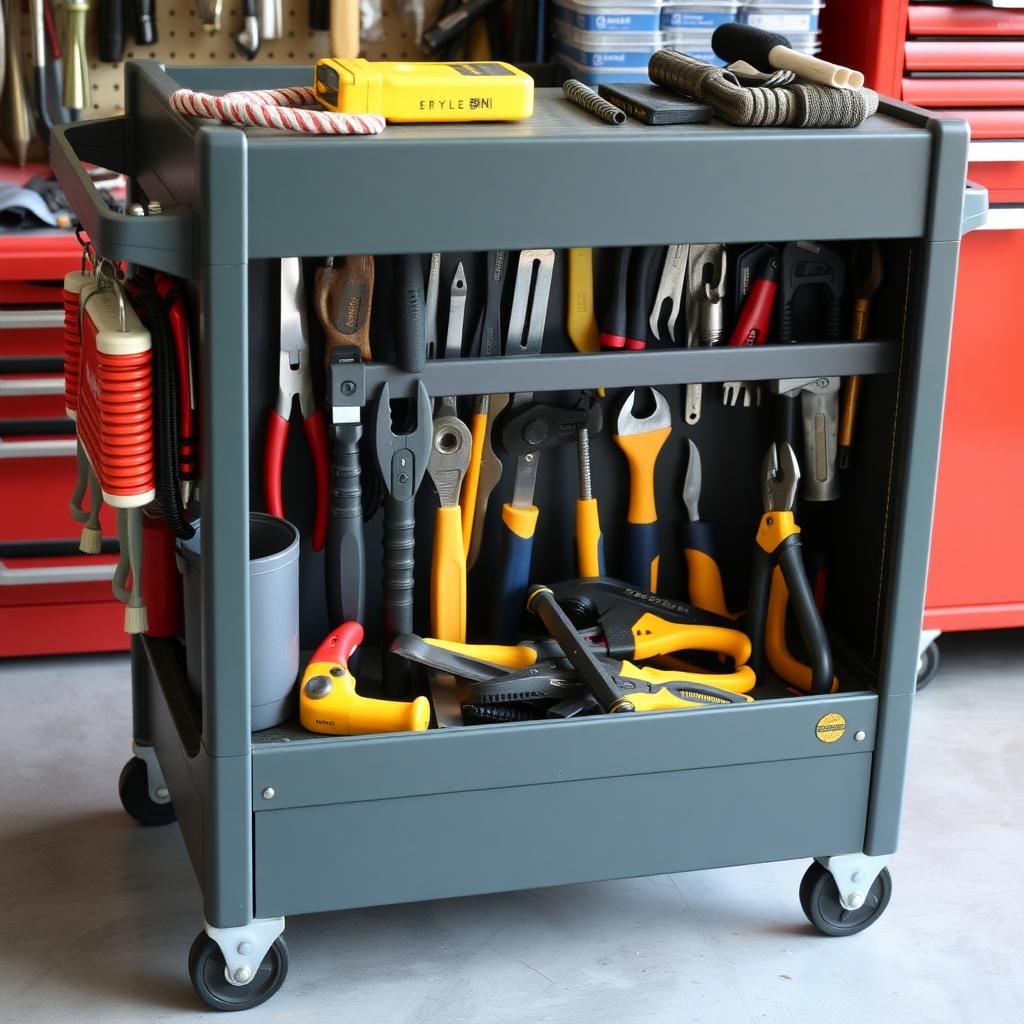
Leaving tools scattered around is asking for trouble. I once stepped on a chisel I’d left out, and it was a wake-up call. Now, I rely on a mobile storage cart to keep everything in place. A guide to mobile storage carts for tools can show you how they organize your gear and move it easily. Safe storage cuts down on trips, falls, and damage.
Pick the Right Tools for the Job
Having the top 10 hand tools every workman should own makes a huge difference. My go-to list includes a hammer, screwdrivers, pliers, a tape measure, a level, a utility knife, a wrench set, a chisel, a handsaw, and a drill. These cover most tasks and keep you safe when used right. Don’t skimp on quality—it’s worth it.
Smart Hand Tools Storage Solutions
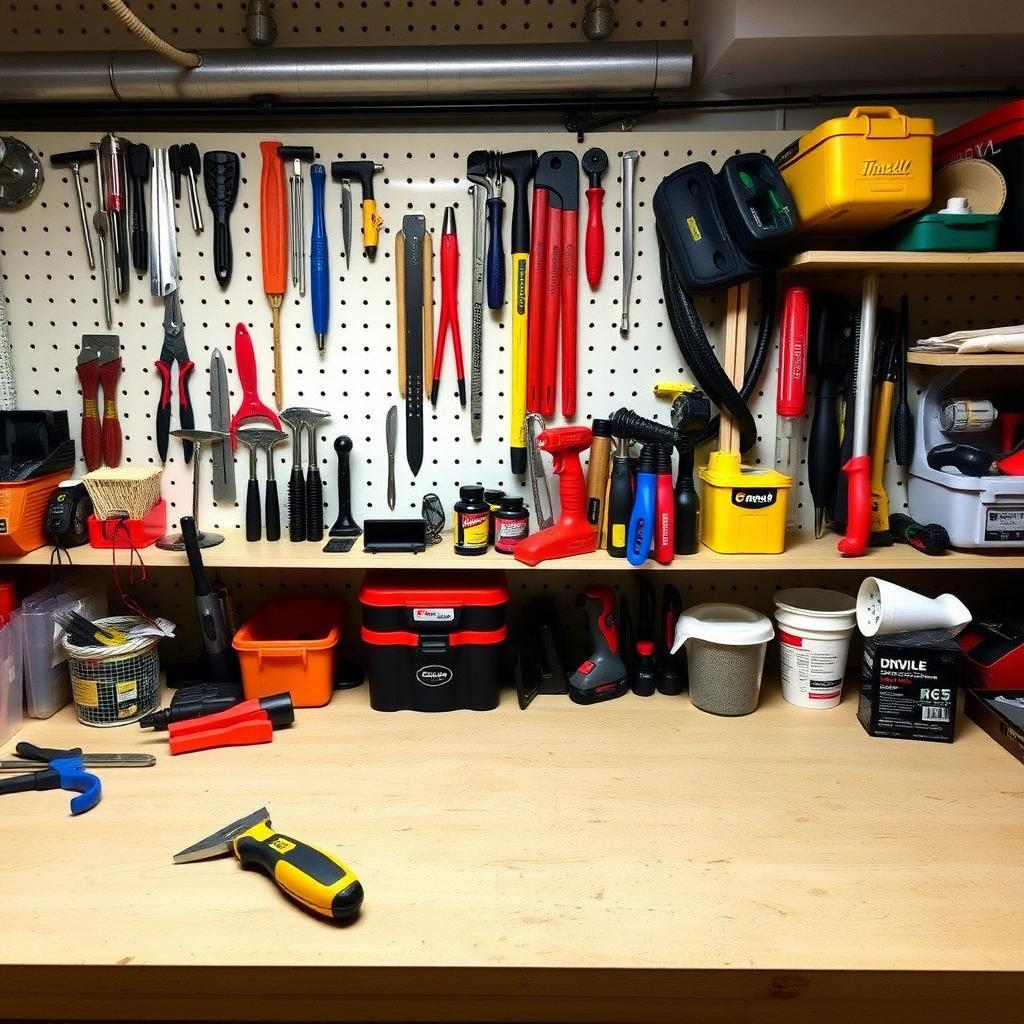
There’s more than one way to store hand tools. Toolboxes work, pegboards are handy, and mobile carts shine for flexibility. I love my cart because it lets me sort everything—sockets in one drawer, screwdrivers in another. It saves time and keeps the workspace clear, which means fewer accidents.
Lessons from Experience
Safety isn’t just rules; it’s habits. I always double-check my tools before starting and tidy up after every task. Once, I skipped cleaning up, and a stray nail punctured my boot. Small habits like these have kept me injury-free over the years. Build them into your routine.
Avoid These Common Slip-Ups
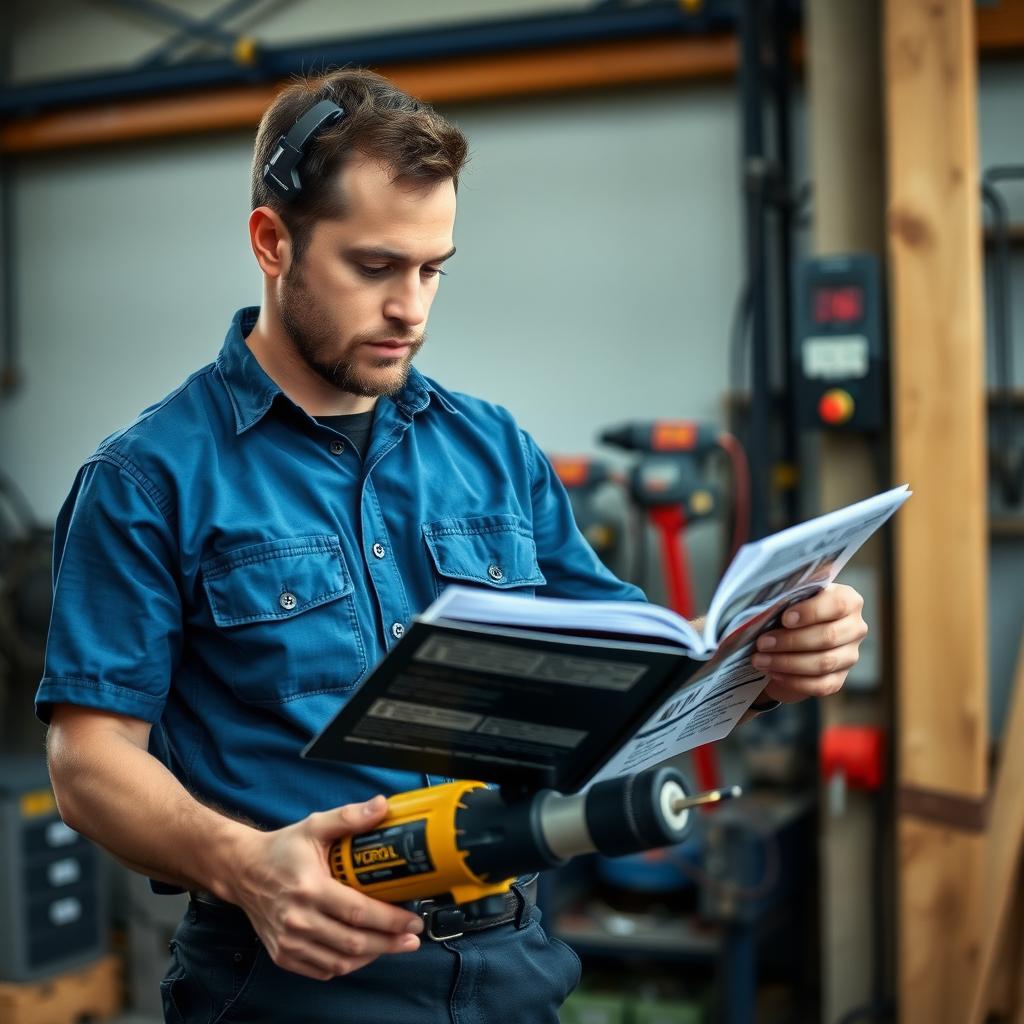
Mistakes happen, but some are easy to dodge. Don’t skip the manual—it’s packed with safety tips specific to your tool. Rushing is another trap. I’ve seen guys cut corners and end up with cuts instead. Slow down, especially with power tools. If you’re stuck, sites like Fine Homebuilding have practical advice from pros.
Get Some Training
Knowing your tools inside out makes you safer. I took a basic safety course years ago, and it’s still paying off. Workplaces often offer training, or you can find online options. The Tooling U-SME has courses on tool safety that are worth a look. A little learning goes a long way.
Keep Your Space Clean
A messy workspace is a hazard zone. Tools and scraps on the floor can trip you up or worse. I clean as I go now—putting tools back where they belong after each step. It’s not just safer; it keeps me focused. A clear space is a productive one.
Be Ready for Emergencies
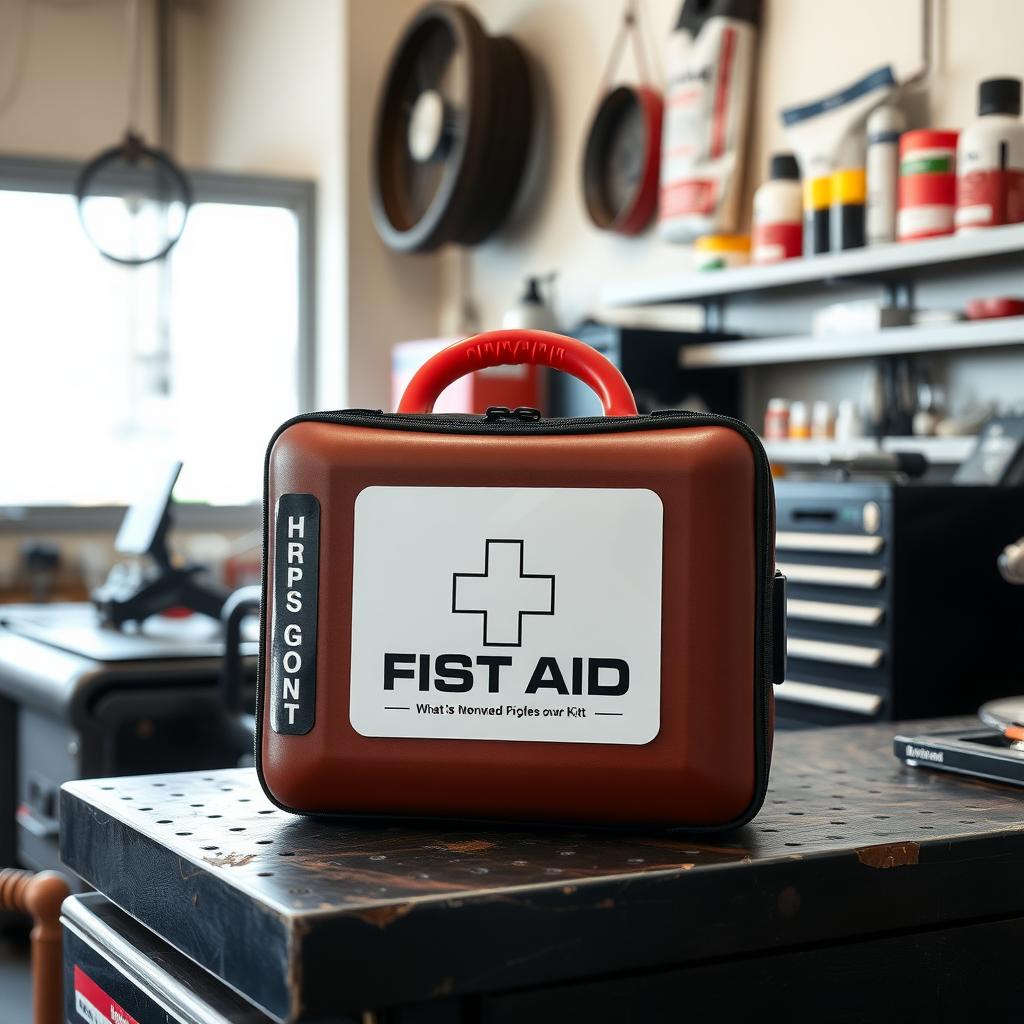
Accidents can sneak up despite your best efforts. Keep a first aid kit close by and know how to use it. I’ve got one hanging on my workshop wall, just in case. Learn your workspace’s emergency plan too. Being prepared can turn a bad moment into a manageable one.
Related Essential Safety Tips for Workman Tools:
- Top 10 Hand Tools Every Workman Should Own: A Complete Guide
- What’s Next for Cordless Technology
- Workman Tools for Beginners
- The Ultimate Guide to Plumbing Tools
- The Science Behind Ergonomic Design
- Stay Safe: Power Tool Basics
- Ergonomic Power Drills for Reduced Fatigue
- Choosing the Right Saw for Your Project
- Top Plumber Tool Sets for Home Repairs
- Choosing the Right Power Tools for Your Project
- Comprehensive Hand Tools Safety Guidelines
- Maximizing Efficiency: Organizing Your Work Space