Ergonomics, the study of how people interact with their work environment, is a field that has transformed the way we design tools and workspaces. From cutting tools to office chairs, ergonomic design ensures that products fit the user, reducing strain and boosting efficiency. But what exactly is the science behind ergonomic design, and how does it apply to modern workman tools? In this article, we’ll dive deep into the principles of ergonomics, explore its benefits, and share personal insights on how ergonomic tools can make a real difference.
The History of Ergonomics
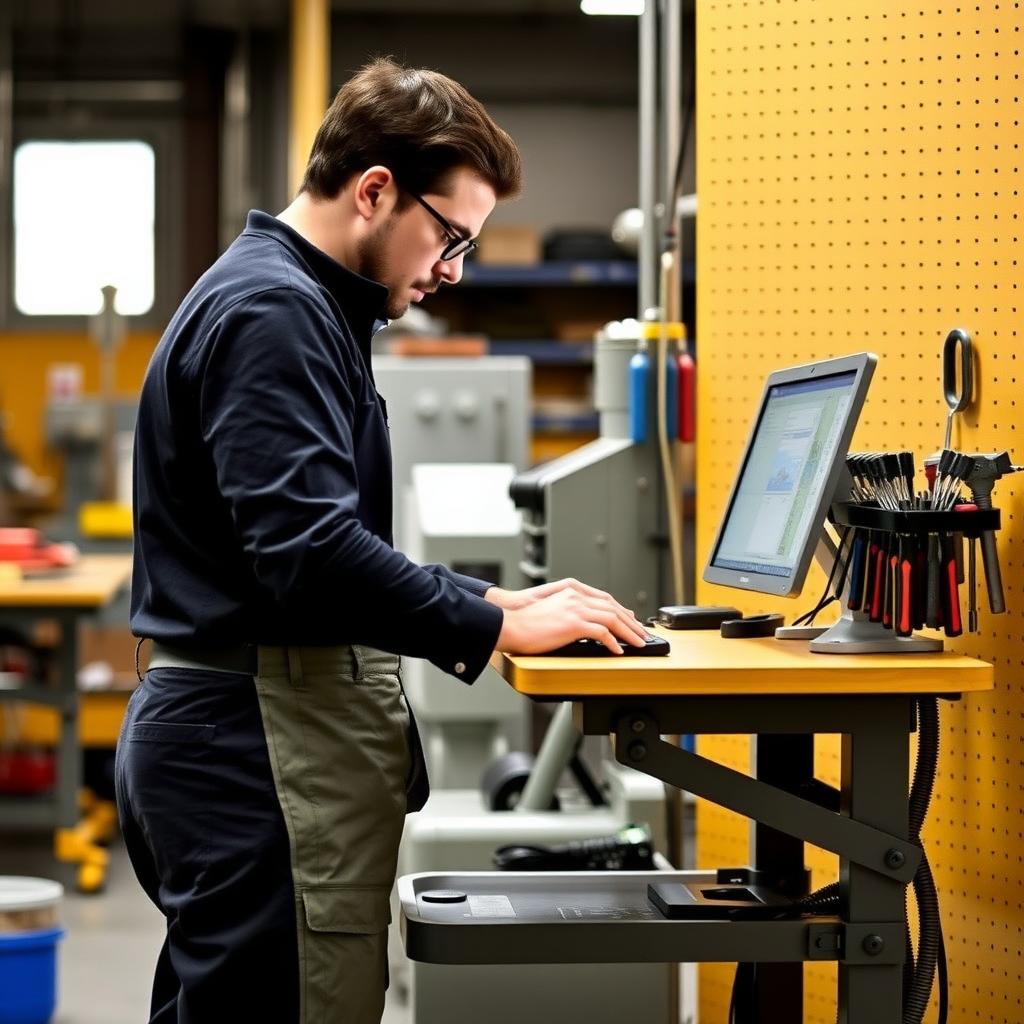
Ergonomics has its roots in World War II when military engineers needed to design equipment that soldiers could use quickly and effectively. This led to tools and systems being tailored to human capabilities and limitations. Following the war, ergonomics expanded into various industries as factories began designing workstations aimed at reducing strain and preventing injuries. Today, ergonomic design is a crucial aspect of product development across numerous fields, from office chairs to cutting tools.
Scientific Principles of Ergonomic Design
Ergonomic design is grounded in several scientific disciplines, including:
-
Anthropometry: This involves measuring the human body to create tools that fit average dimensions. Designers use percentile data to ensure tools fit most users. For instance, a hammer might be designed to accommodate the 5th to 95th percentile of hand lengths.
-
Biomechanics: This discipline studies how the body moves and applies that knowledge to tool design. Tools are crafted to minimize awkward postures and excessive force. For example, a tool may have a handle that maintains the wrist in a neutral position, thus reducing strain.
-
Cognitive Ergonomics: This focuses on how people perceive and process information, which is crucial for designing intuitive user interfaces. For instance, a power tool might feature clearly labeled buttons and an easy-to-understand layout to minimize cognitive load.
By integrating these principles, designers can create tools that are comfortable, efficient, and safe.
Ergonomic Design in Modern Workman Tools
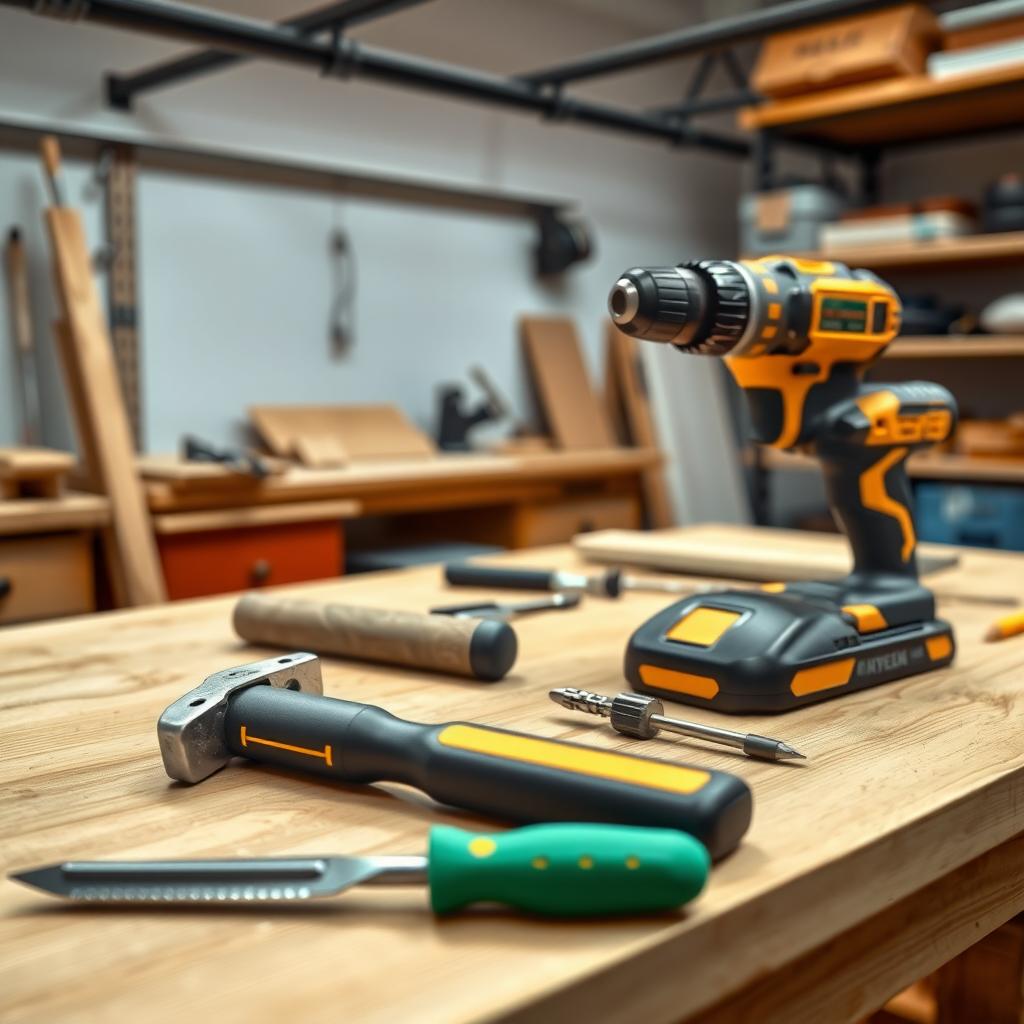
Modern workman tools, such as cutting tools and hammers, often incorporate ergonomic designs. Here are some examples of ergonomic tools:
-
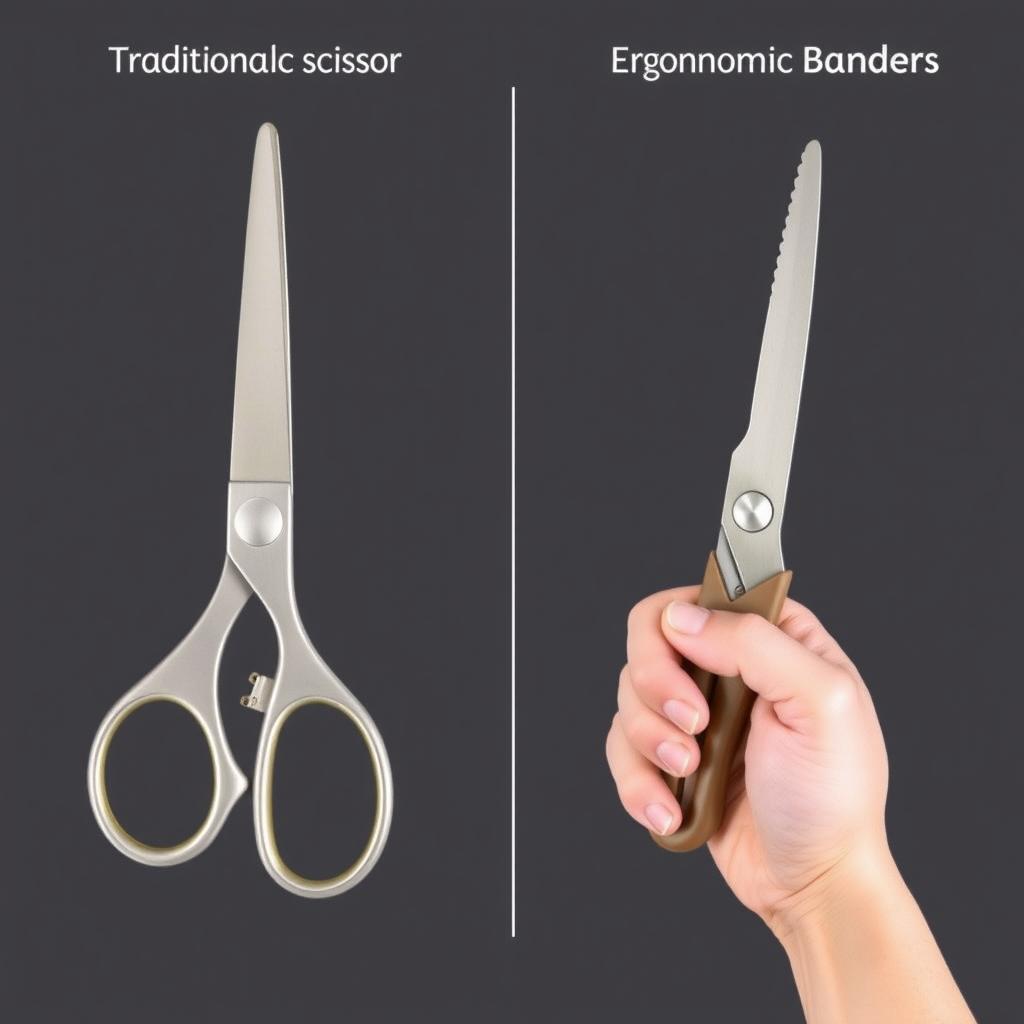
Cutting Tools: Ergonomic scissors and knives feature handles shaped to fit the hand comfortably, reducing the risk of blisters and strain.
-
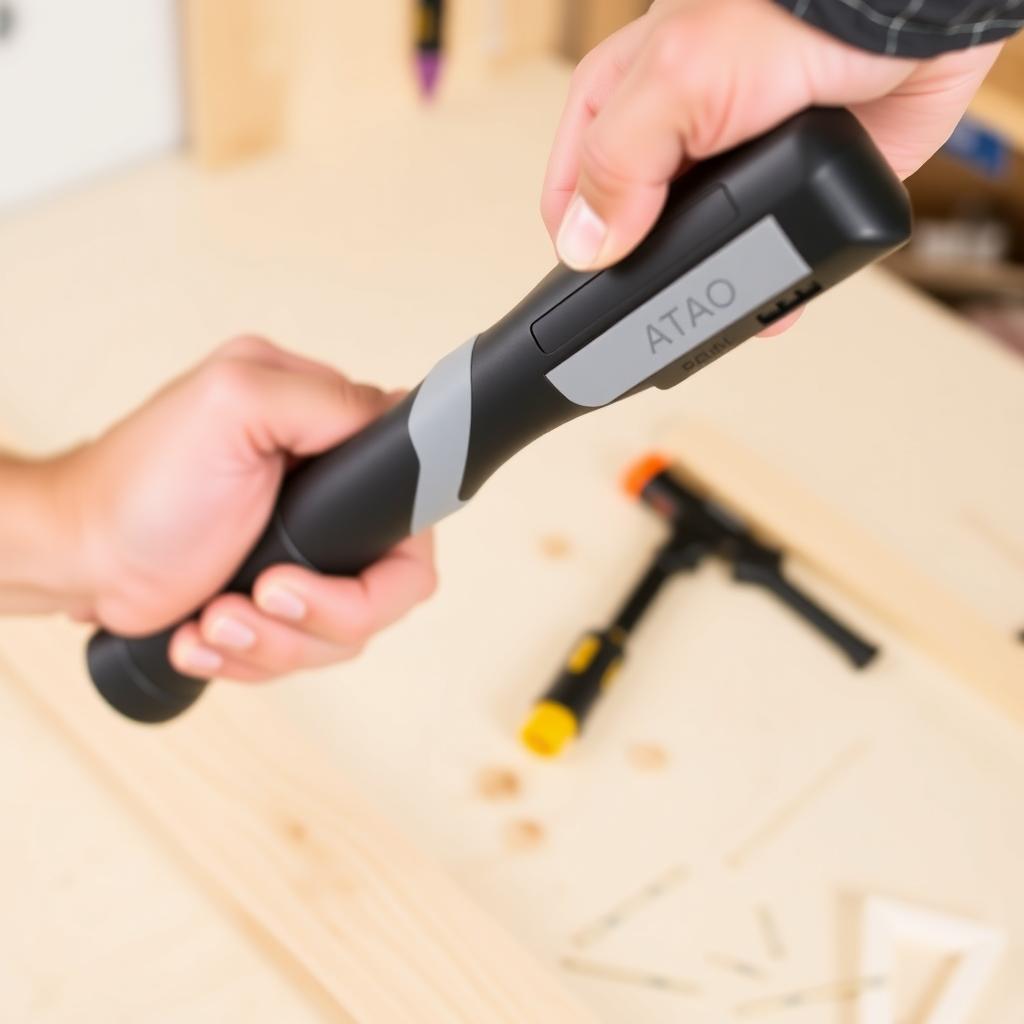
Hammers: Some hammers are designed with shock-absorbing grips to mitigate vibration, which can cause hand-arm vibration syndrome. Their handles may also be curved to align with the natural swinging motion of the arm.
-
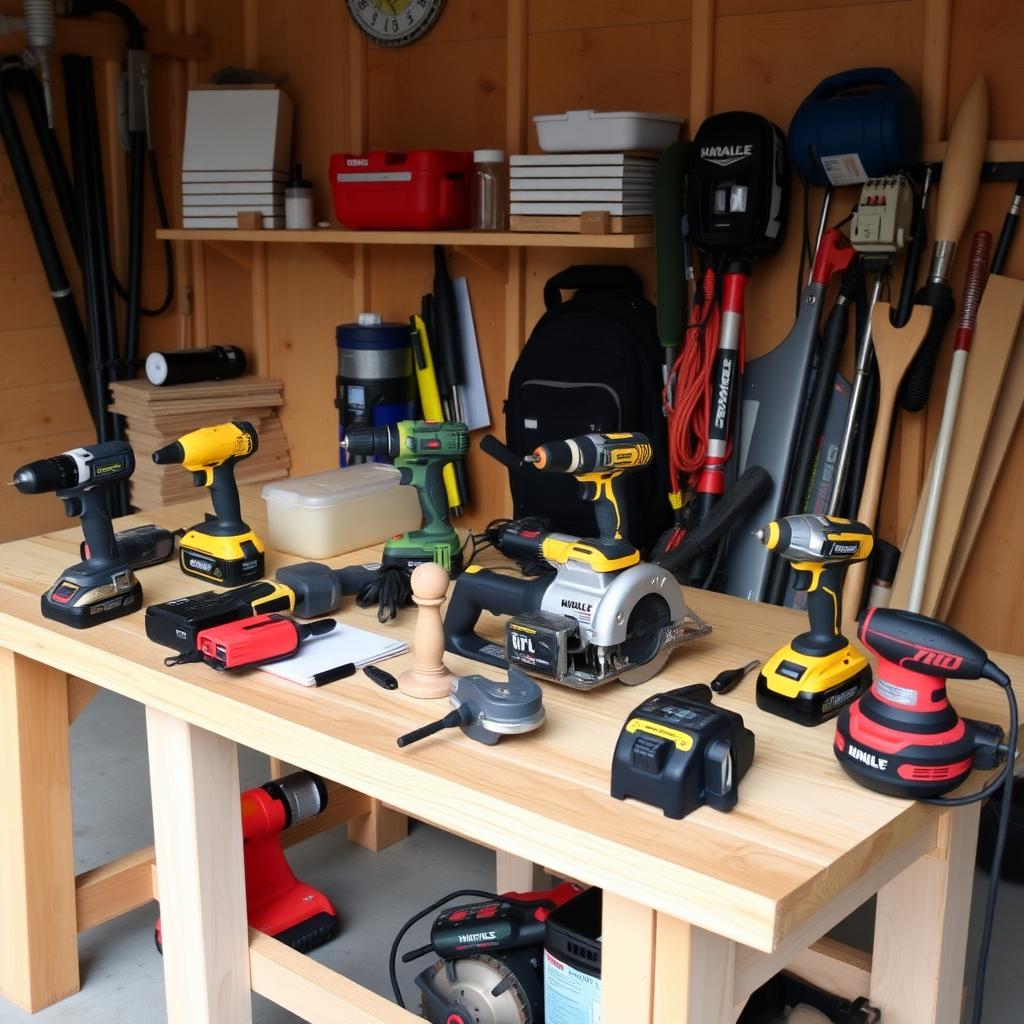
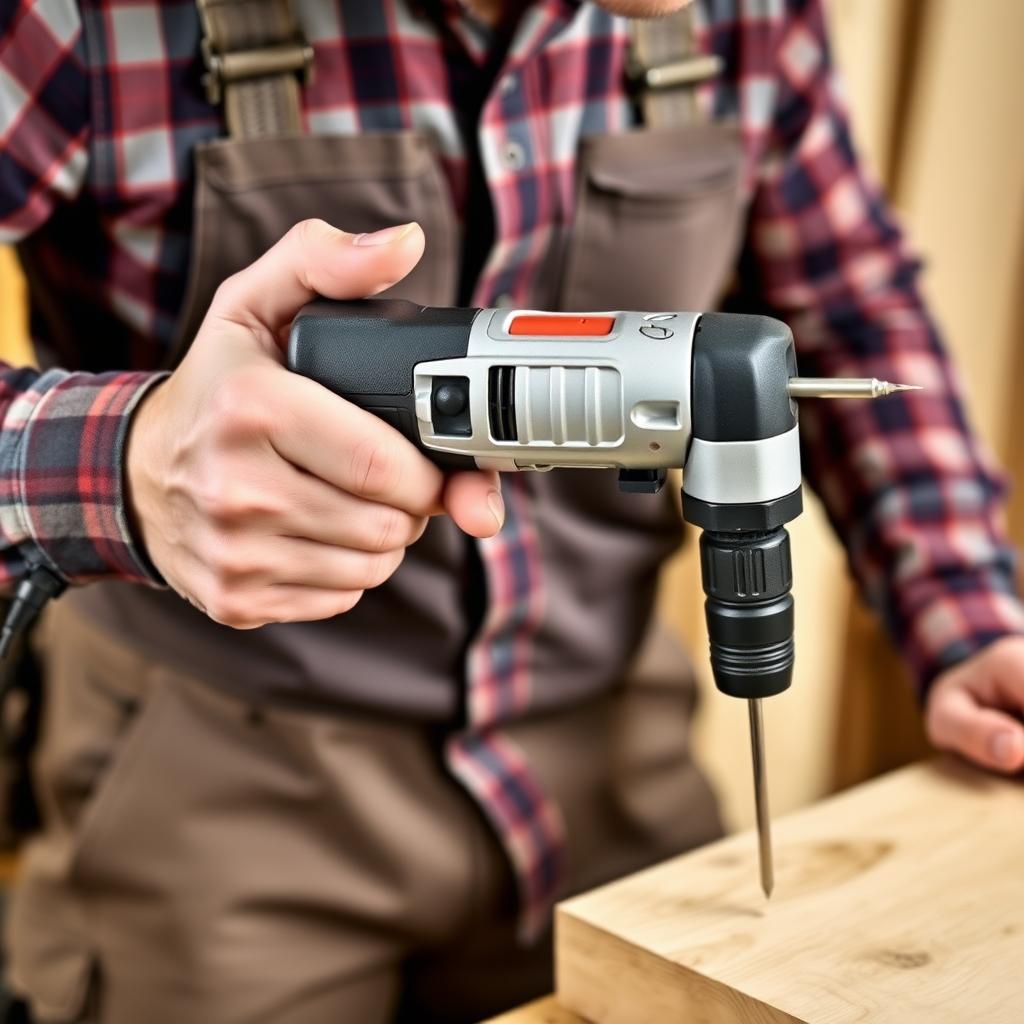
Power Tools: Many drills and saws utilize lightweight materials and adjustable handles, making them easier to operate for extended periods.
-
Screwdrivers: Ergonomic screwdrivers often feature larger, shaped handles providing better grip and reducing wrist torque.
-
Pliers: Ergonomic pliers often include spring-loaded handles that automatically open, alleviating hand fatigue.
These ergonomic features not only enhance comfort but also improve precision and control.
Benefits of Ergonomic Tools
Employing ergonomic tools offers several significant advantages:
-
Reduced Injury Risk: Ergonomic tools are designed to prevent repetitive strain injuries and other musculoskeletal disorders. The Occupational Safety and Health Administration (OSHA) reports that implementing ergonomic solutions can cut worker compensation costs by up to 80%.
-
Increased Productivity: Comfortable workers tend to complete tasks faster and more effectively. Research indicates that ergonomic interventions can boost productivity by 10-15%.
-
Lower Healthcare Costs: Fewer injuries result in decreased expenditure on medical treatments and worker compensation, yielding financial benefits for both employees and employers.
Both workers and employers significantly benefit from the adoption of ergonomic tools.
Personal Experiences with Ergonomic Tools
I personally experienced the benefits of ergonomic design when I switched to an ergonomic keyboard. After typing all day with a traditional keyboard, I had frequent wrist pain. However, after upgrading, my pain gradually subsided thanks to the split design and curved keys that allowed my hands to rest in a more natural position.
A friend of mine who is a carpenter also decided to switch to an ergonomic hammer. He noticed a dramatic change in how his arm felt after a long day’s work. The curved handle helped reduce wrist strain, and the shock-absorbing grip minimized vibration.
Another significant experience involves my switch to an ergonomic chair. I used to suffer from back pain after long periods of sitting at my desk, but after switching to one with proper lumbar support and adjustable features, my posture improved and my pain faded. The chair allowed me to maintain proper alignment, which is essential for comfort during extensive periods of sitting.
These anecdotes serve to illustrate the tangible impact ergonomic design can have in real-world scenarios.
How to Choose Ergonomic Tools
Here are some tips for selecting ergonomic tools:
-
Look for Adjustable Features: Tools with adjustable handles and grips can be tailored to fit your specific body size and preferences.
-
Check for Comfort: Always try holding the tool to see if it feels comfortable. It should not induce immediate discomfort.
-
Consider Weight: Opt for tools that are lightweight yet durable, making them easier to handle for extended work.
-
Read Reviews: User feedback can be incredibly helpful in determining the ergonomic effectiveness of a tool.
By keeping these considerations in mind, you can significantly enhance your comfort and productivity.
The Future of Ergonomic Design
As technology advances, the realm of ergonomic design is poised to evolve further. For instance, the advent of 3D printing may allow for the creation of custom-fit tool handles designed to perfectly conform to individual hand shapes. This customization could lead to unprecedented levels of comfort and operational efficiency.
Furthermore, the emergence of smart tools equipped with sensors may provide real-time usage feedback, enabling users to avoid strain or injury. For example, a smart hammer could notify users if they are gripping it too tightly, promoting safer usage habits. The ongoing engagement with ergonomic principles promises to deliver tools that not only cater to physical needs but are also responsive to user behaviors.
Conclusion
In summary, ergonomic design is a profound science that has significantly influenced how we approach the tools we use. By grasping the principles underpinning ergonomic design and opting for tools crafted to fit our bodies, we can curtail injury risks and enhance productivity. Be you a seasoned craftsman or a novice DIY enthusiast, the advantages of using ergonomic tools are clear and impactful.
Recommended Readings
- "Ergonomics for Beginners: A Quick Guide to Workplace Design"
- "The Science of Comfort: How Ergonomic Tools Improve Productivity"
- "Choosing the Right Tools: A Guide to Ergonomic Workman Tools"
Image Paragraphs


Related The Science Behind Ergonomic Design:
- How to Choose Ergonomic Tools for Your Workshop
- Innovative Ergonomic Solutions for Home Improvement: Transform Your Work Experience
- Stay Safe: Power Tool Basics
- Ergonomic Power Drills for Reduced Fatigue
- Choosing the Right Saw for Your Project
- Top Plumber Tool Sets for Home Repairs
- Choosing the Right Power Tools for Your Project
- Comprehensive Hand Tools Safety Guidelines
- Maximizing Efficiency: Organizing Your Work Space
- Types of Torque Wrenches: A Comprehensive Guide
- Choosing the Right Multimeter
- Innovative Workman Tools for Efficiency