Overview
Home improvement projects can be exciting but physically demanding. Whether you're painting a room, building furniture, or tackling a major renovation, the right tools and techniques matter. Innovative ergonomic solutions for home improvement make tasks easier, safer, and more comfortable. This article explores how ergonomic design transforms your work experience, with insights into modern tools, scientific principles, and practical tips.
Why Ergonomics Matters in Home Improvement
Ergonomics is about designing tools and workspaces to fit the human body. Poorly designed tools can lead to discomfort, fatigue, or even injury. For example, using a heavy hammer with a bad grip can strain your wrist over time. Ergonomic solutions reduce these risks by aligning tools with natural body movements. This is especially important for DIY enthusiasts who may spend hours on projects.
The benefits go beyond comfort. Ergonomic tools improve efficiency, letting you work longer without feeling worn out. They also lower the risk of repetitive strain injuries, like carpal tunnel syndrome. According to a study by the National Institute for Occupational Safety and Health, ergonomic interventions can reduce workplace injuries by up to 60%. While this study focuses on workplaces, the principles apply to home projects too.
The Science Behind Ergonomic Design
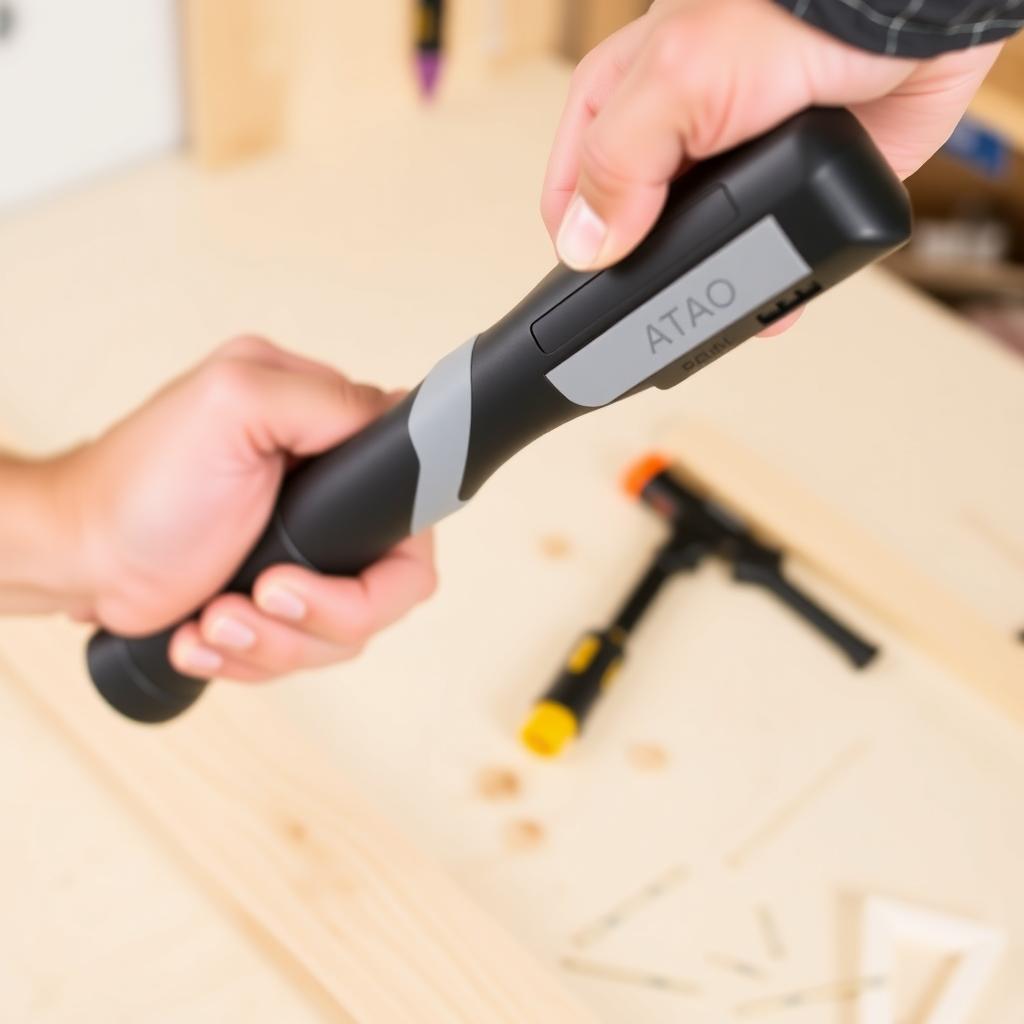
Ergonomic design is rooted in science. It considers how the body moves, focusing on posture, grip, and force. For instance, tools with curved handles align with the natural angle of your wrist, reducing strain. The science behind ergonomic design also involves studying muscle fatigue and joint stress. Researchers at Cornell University’s Ergonomics Program found that tools designed with ergonomic principles can decrease muscle strain by 20-30%.
Take cutting tools, like saws or shears. Traditional designs often force awkward hand positions. Modern ergonomic cutting tools have angled handles and lightweight materials, making them easier to control. This reduces the effort needed and improves precision. The science also extends to tool weight. Lighter tools with balanced weight distribution prevent fatigue, which is crucial for long projects.
Modern Workman Tools with Ergonomic Design
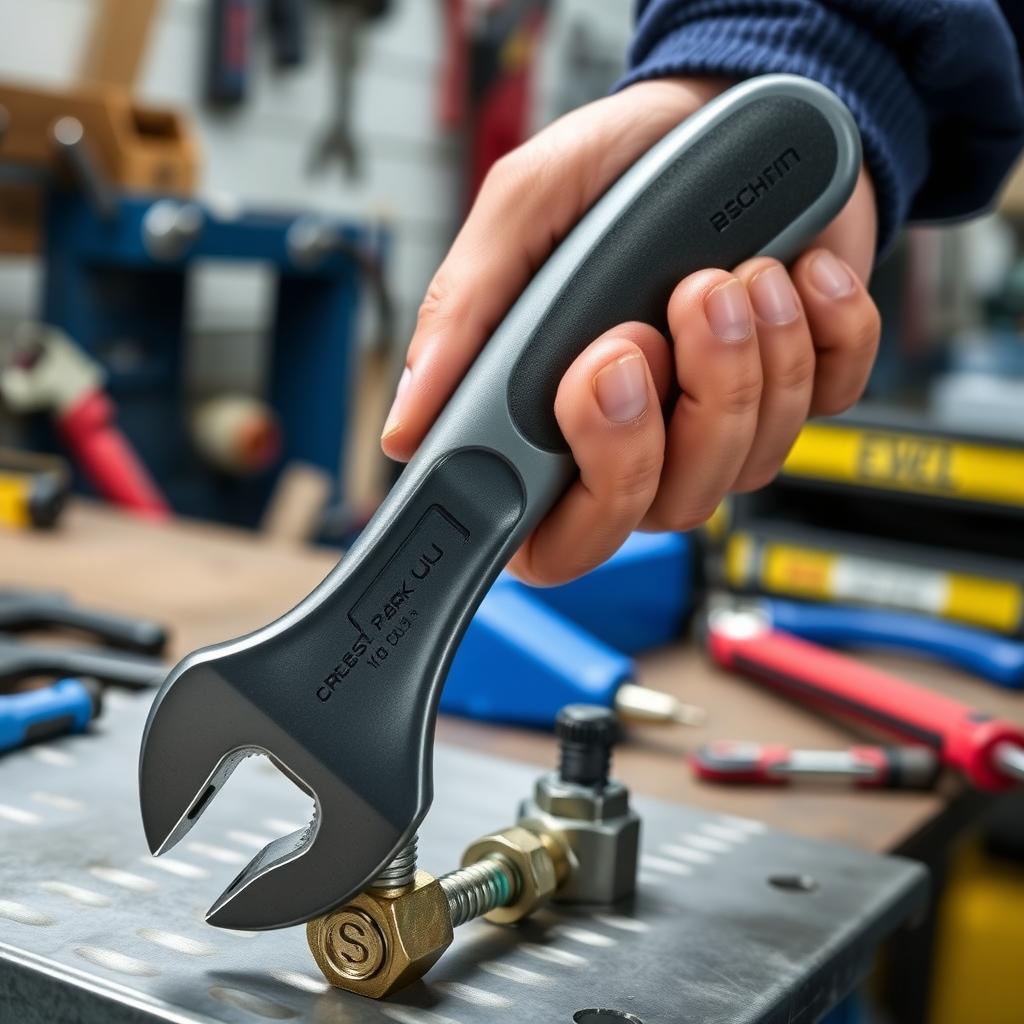
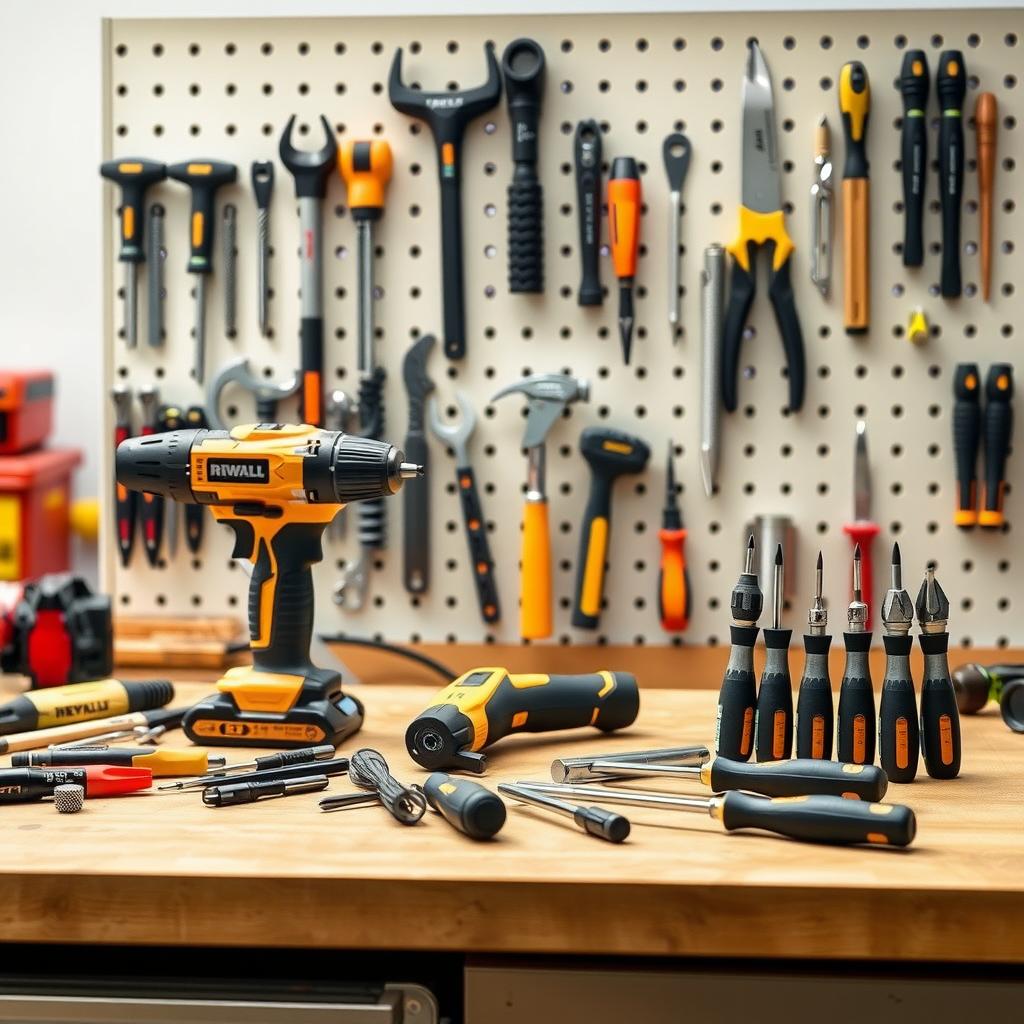
Today’s workman tools are smarter than ever. Manufacturers are prioritizing ergonomics to meet the needs of DIYers and professionals alike. Here are some standout examples of modern workman tools with ergonomic design:
- Ergonomic Hammers: These have padded grips and shock-absorbing materials to reduce vibration.
- Adjustable Screwdrivers: Feature rotating grips to minimize wrist twisting.
- Ergonomic Saws: Lightweight with contoured handles for better control.
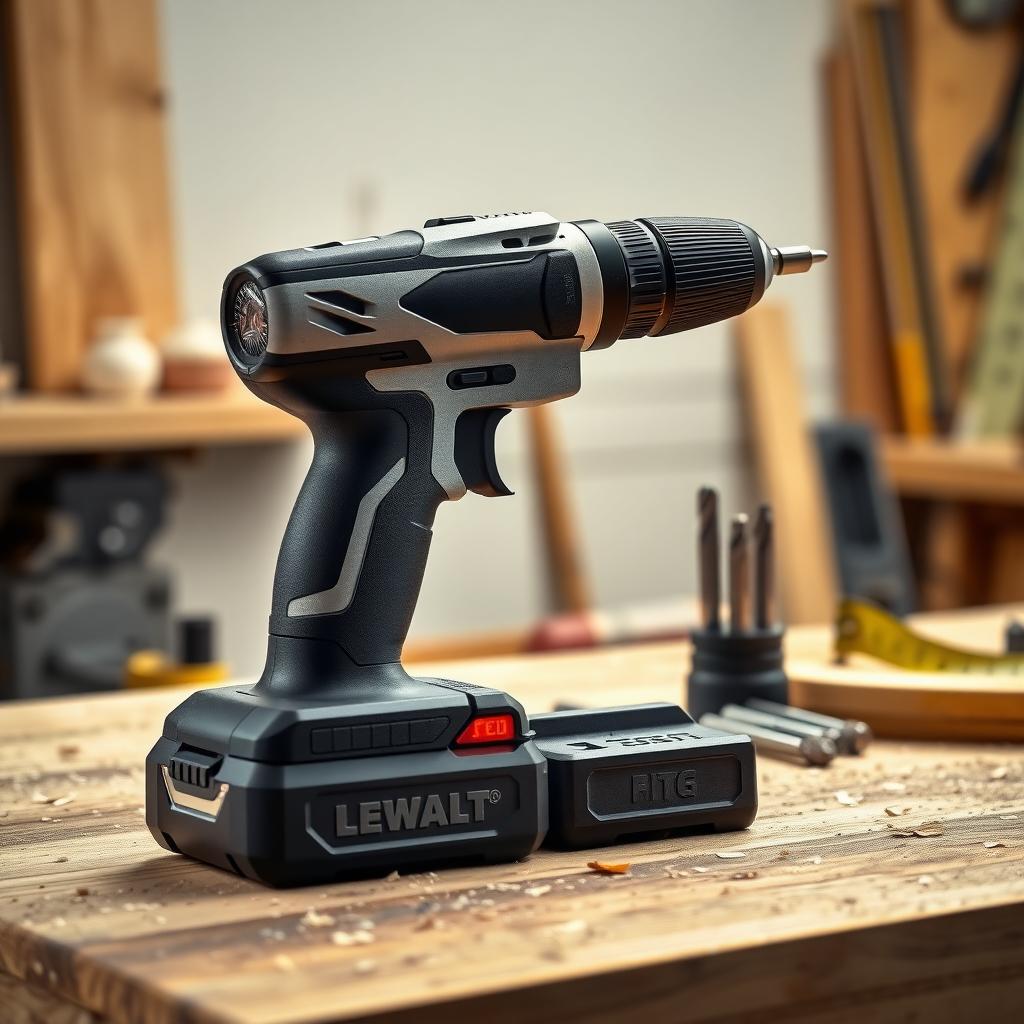
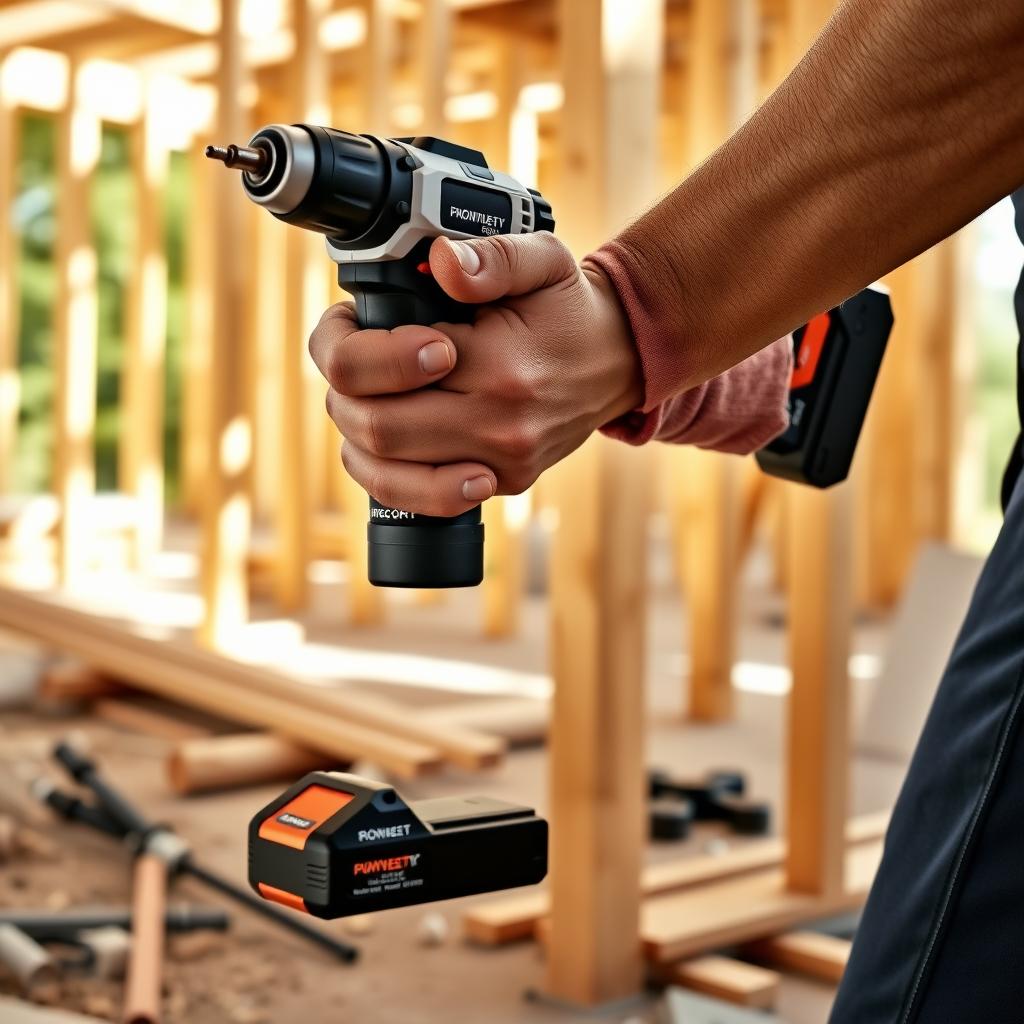
- Power Drills: Designed with balanced weight and soft-grip handles for comfort.
These tools make a big difference. For example, I recently used an ergonomic screwdriver while assembling a bookshelf. The grip felt natural, and I didn’t get the usual hand cramps after an hour of work.
Choosing the Right Ergonomic Tools
Not all tools labeled 'ergonomic' are created equal. Here’s a quick guide to picking the best ones:
| Tool Type | Key Ergonomic Features | Why It Matters |
|---|---|---|
| Hammer | Cushioned grip, shock absorption | Reduces hand fatigue and vibration |
| Screwdriver | Rotating or contoured handle | Prevents wrist strain |
| Cutting Tools | Angled blades, lightweight | Improves precision, reduces effort |
| Power Tools | Balanced weight, soft grip | Enhances control, lowers fatigue |
Look for tools with certifications from organizations like the Ergonomics Center of North Carolina, which tests products for ergonomic quality. Also, test the tool in your hand if possible. It should feel comfortable and natural.
Practical Tips for an Ergonomic Workspace
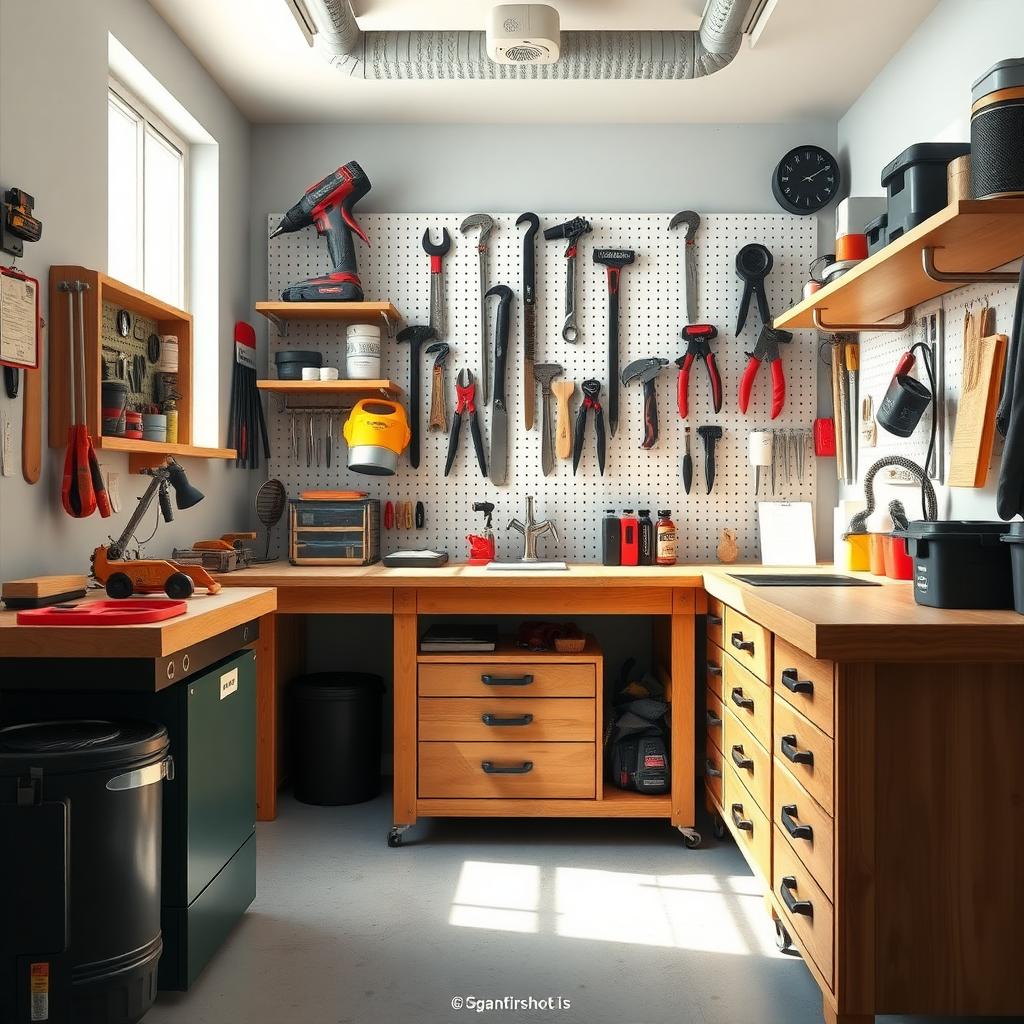
Tools are only part of the equation. Your workspace matters too. Here are some tips to create an ergonomic home improvement setup:
- Adjust Your Work Height: Set your workbench at elbow height to avoid hunching.
- Use Anti-Fatigue Mats: These reduce strain on your legs during long projects.
- Take Breaks: Rest every 30-45 minutes to prevent muscle strain.
- Organize Tools: Keep frequently used tools within arm’s reach to avoid overextending.
- Use Proper Lighting: Bright, even lighting reduces eye strain and improves precision.
I learned this the hard way while renovating my kitchen. I used to hunch over a low table, which left my back aching. After raising the work surface and adding a padded mat, I felt a huge difference. Small changes like these can transform your experience.

Common Mistakes to Avoid
Even with ergonomic tools, bad habits can cause problems. Here are mistakes to watch out for:
- Gripping Too Tightly: Hold tools loosely to avoid hand strain.
- Ignoring Pain: Stop if you feel discomfort; it’s a sign something’s wrong.
- Using the Wrong Tool: Don’t force a tool to do a job it’s not designed for.
- Poor Posture: Stand or sit straight to protect your back.
A friend once ignored wrist pain while cutting tiles and ended up with tendonitis. Listening to your body is key.
The Future of Ergonomic Home Improvement
The future looks bright for ergonomic solutions. Manufacturers are experimenting with smart tools that adjust to your grip or alert you to poor posture. Wearable devices, like exoskeletons, are also emerging to support heavy lifting. According to a report by the Occupational Safety and Health Administration, advancements in ergonomic technology could reduce workplace injuries by another 25% in the next decade. These innovations will make home projects even safer and more enjoyable.
Summary
Innovative ergonomic solutions for home improvement are game-changers. By choosing modern workman tools with ergonomic design and setting up a smart workspace, you can work smarter, not harder. The science behind ergonomic design ensures comfort and efficiency, while practical tips help you avoid common pitfalls. Embrace these solutions to make your next project a breeze.
Related Innovative Ergonomic Solutions for Home Improvement:
- Mastering Precision Drilling: The Ultimate Guide to Power Tools
- Understanding Metric vs. SAE Measurements: A Comprehensive Guide for Workman Tools
- How to Choose the Right Construction Level for Your Project
- Mastering Ergonomics in Hand Tool Use: Safety and Comfort for Workers
- Ergonomic Wrenches for Reducing Hand Strain: A Workman’s Guide
- The Impact of Smart Technology on Manual Labor: Revolutionizing Workman Tools in 2024
- Top 10 Workman Tools for Beginners: Your Essential Toolkit Guide
- The Ultimate Guide to Power Tools: Mastering Your DIY Projects
- Essential Wrenches for Automotive Repair: Your Toolkit Guide
- How Order Boosts Your Workshop Efficiency: The Ultimate Guide
- How to Choose the Right Paint for Your Project: A Comprehensive Guide
- How Ergonomics is Changing the Construction Industry