Overview
Choosing the right tools for automotive repairs or DIY projects can feel overwhelming, especially when faced with the choice between Metric and SAE measurements. Understanding Metric vs. SAE Measurements is key to picking the right socket set or organizing your toolbox effectively. This guide breaks down the differences, offers practical tips, and shares insights from years of wrenching in garages and workshops.
What Are Metric and SAE Measurements?
Metric and SAE (Society of Automotive Engineers) measurements are two systems used to size tools and fasteners. The Metric system, based on millimeters and centimeters, is the global standard in most countries. SAE, often called the Imperial system, uses inches and fractions of an inch and is primarily used in the United States.
For example, a Metric bolt might be measured as 10mm, while an SAE bolt could be 3/8 inch. The difference seems small, but using the wrong system can strip bolts or damage tools. I learned this the hard way years ago when I tried forcing a 13mm socket onto a 1/2-inch bolt—trust me, it wasn’t pretty.
Why Do We Have Two Systems?
The Metric system emerged in France during the late 18th century, designed for simplicity and universal use. It’s based on powers of ten, making calculations straightforward. SAE, rooted in the U.S. and British Imperial systems, evolved from industrial needs in the 19th century. According to NIST’s guide on the Metric system, the U.S. is one of the few countries still using non-Metric measurements for many applications, which explains why SAE persists in American automotive work.
In my experience, working on older American cars often requires SAE tools, while newer or imported vehicles lean toward Metric. Knowing which system your project uses saves time and frustration.
How to Identify Metric vs. SAE Fasteners
Spotting the difference between Metric and SAE fasteners is easier than it sounds. Metric bolts often have numbers like M8 or M10 stamped on their heads, indicating their diameter in millimeters. SAE bolts might show fractional markings or a series of hash marks indicating strength grades, as explained in Fastenal’s fastener guide.
Here’s a quick reference table to help:
| Feature | Metric | SAE |
|---|---|---|
| Unit | Millimeters | Inches |
| Markings | M followed by number (e.g., M10) | Fractional sizes or hash marks |
| Common Sizes | 6mm, 8mm, 10mm | 1/4", 3/8", 1/2" |
| Tools Used | Metric sockets, wrenches | SAE sockets, wrenches |
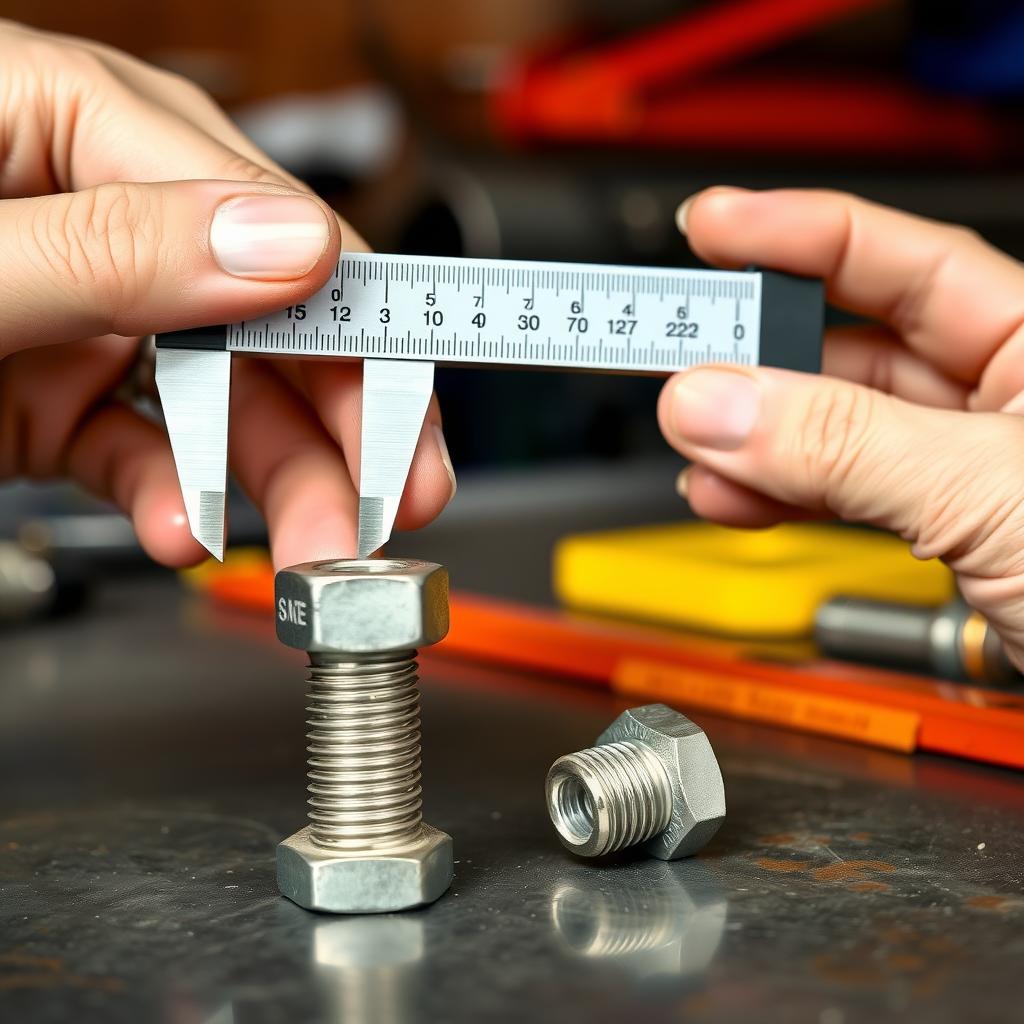
When in doubt, use a caliper to measure the fastener. If it’s close to a whole millimeter, it’s likely Metric. If it matches a fraction like 1/4 inch, it’s probably SAE.
Choosing the Right Socket Set
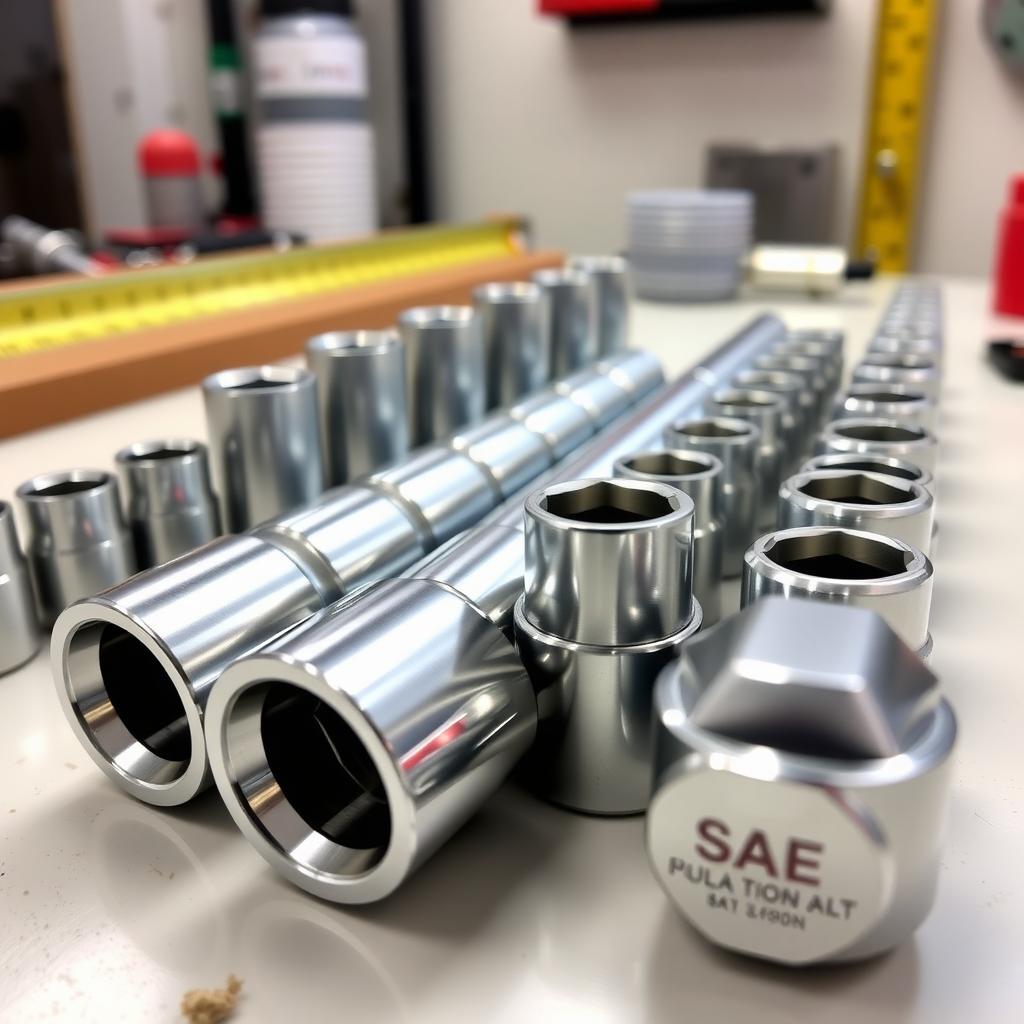
How to Choose the Right Socket Set depends on your projects. If you work on a mix of vehicles, a dual Metric and SAE socket set is a lifesaver. Look for sets with a wide range of sizes—Metric from 4mm to 19mm and SAE from 1/4 inch to 1 inch cover most automotive needs.
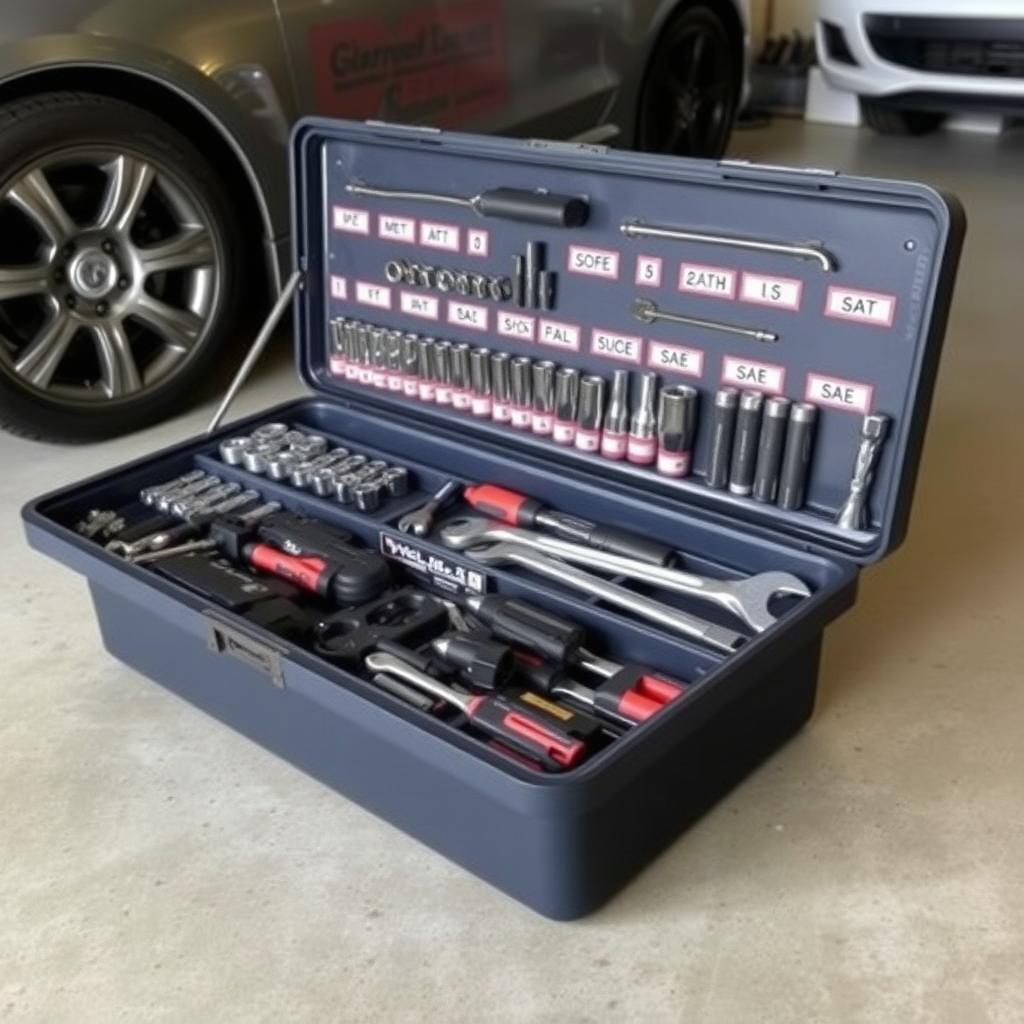
Here are some tips for selecting workman tools for automotive repairs: - Material: Chrome vanadium steel sockets are durable and resist rust. - Drive Size: 1/4-inch, 3/8-inch, or 1/2-inch drives suit different torque needs. I prefer 3/8-inch for general automotive work. - Depth: Deep sockets are great for long bolts, while shallow ones work for tight spaces. - Storage: A toolbox with labeled compartments keeps your sockets organized.
I once bought a cheap socket set to save money, only to have them crack under pressure. Investing in quality workman tools pays off in the long run.
Practical Tips for Using Metric and SAE Tools
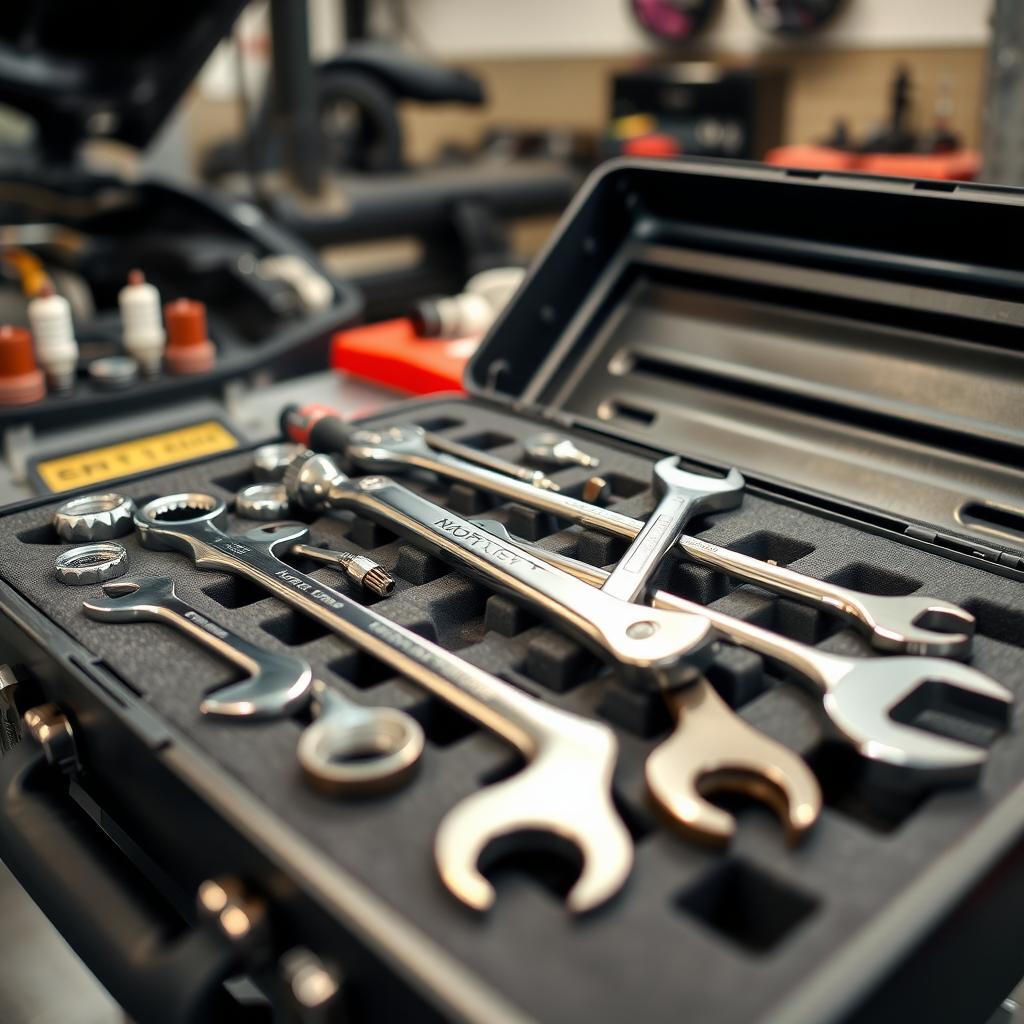
Switching between Metric and SAE tools can be tricky, especially in a fast-paced repair job. Here’s how to stay efficient: 1. Label Your Toolbox: Use foam inserts or trays to separate Metric and SAE tools. This prevents grabbing the wrong size mid-job. 2. Check Before You Start: Identify whether your vehicle uses Metric or SAE fasteners. Most Japanese and European cars use Metric, while older American cars lean toward SAE. 3. Use Conversion Charts: Keep a Metric-to-SAE conversion chart handy. For example, a 10mm socket is close to a 3/8-inch, but they’re not interchangeable. 4. Invest in Universal Tools: Some ratchets and wrenches are designed for both systems, reducing toolbox clutter.
I’ve found that keeping a small notebook with vehicle-specific fastener sizes saves time. For instance, my old Ford truck needed mostly SAE, but its newer engine components were Metric—go figure!
Common Mistakes to Avoid
One of the biggest mistakes is assuming Metric and SAE tools are interchangeable. A 13mm socket might seem close to a 1/2-inch, but forcing it can round off bolt heads. Another error is mixing systems in the same project without checking, which can lead to stripped threads.
According to MIT’s engineering guidelines, precision in tool selection is critical for mechanical integrity. Always double-check your measurements, and if you’re unsure, test-fit with a caliper before applying torque.
Organizing Your Toolbox for Efficiency
A well-organized toolbox is a game-changer. Group Metric and SAE tools in separate sections, and use color-coded labels for quick identification. I use red foam for Metric and blue for SAE—it’s simple but effective. Portable toolboxes with dividers are ideal for automotive repairs, especially if you’re working on-site.
Pro tip: Keep a small, dedicated socket set for common sizes in your car’s trunk for roadside fixes. I’ve been stranded with a loose battery terminal and no tools—never again!
When to Upgrade Your Workman Tools
If you’re still using a basic socket set, consider upgrading to a professional-grade kit. Look for brands with lifetime warranties, as they’re built to last. For automotive repairs, torque wrenches and impact sockets are worth adding to your collection. They handle high-torque tasks without damaging fasteners.
The U.S. Bureau of Labor Statistics notes that mechanics often invest in specialized tools as their skills grow. Start with a versatile set and expand based on your projects.
Summary
Understanding Metric vs. SAE Measurements is essential for anyone working with workman tools for automotive repairs. By knowing the differences, choosing the right socket set, and organizing your toolbox, you can tackle projects with confidence. Whether you’re a DIYer or a seasoned mechanic, these tips will save you time and prevent costly mistakes.
Related Understanding Metric vs. SAE Measurements:
- How to Choose the Right Construction Level for Your Project
- Mastering Ergonomics in Hand Tool Use: Safety and Comfort for Workers
- Ergonomic Wrenches for Reducing Hand Strain: A Workman’s Guide
- The Impact of Smart Technology on Manual Labor: Revolutionizing Workman Tools in 2024
- Top 10 Workman Tools for Beginners: Your Essential Toolkit Guide
- The Ultimate Guide to Power Tools: Mastering Your DIY Projects
- Essential Wrenches for Automotive Repair: Your Toolkit Guide
- How Order Boosts Your Workshop Efficiency: The Ultimate Guide
- How to Choose the Right Paint for Your Project: A Comprehensive Guide
- How Ergonomics is Changing the Construction Industry
- How to Maintain and Store Wrenches for Long-Lasting Performance
- Top 10 Ergonomic Tools Every Workshop Needs for Comfort and Efficiency